
Japan Autumn Leaves Guide: Best Timing, Places and Crowd Strategy
Plan a Japan autumn foliage trip around regional timing, mountain-to-city color changes, crowd patterns, transport and realistic backup options.
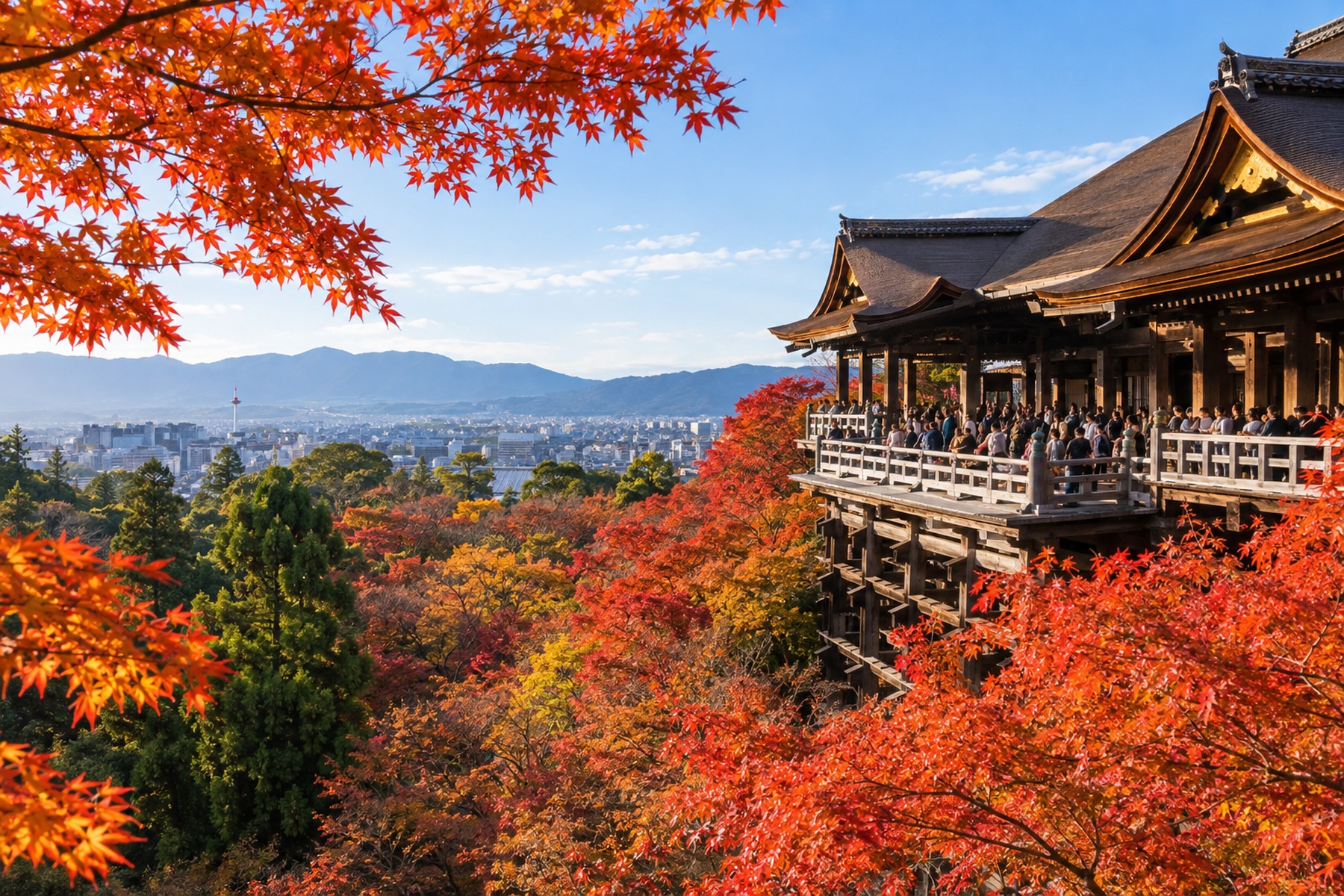
Autumn colors move through Japan gradually rather than peaking everywhere at once. Northern and high-elevation areas usually change first, while major cities often reach their strongest colors later. For the most reliable trip, choose a region that fits your dates, check local conditions shortly before you go, and keep at least one backup foliage spot.
What You’ll Learn
- How autumn color timing changes by latitude, elevation and local temperature
- Which destinations work well for city foliage, temple scenery or mountain day trips
- How to plan Kyoto and Tokyo without losing hours to peak-season crowds
- What to pack and what to recheck close to your travel date
How the Autumn Color Season Moves Across Japan
Japan's autumn foliage season is a moving target. Cooler northern areas and high mountains usually change first, then color reaches lower elevations and warmer cities later. This is why a single national peak date is not useful for trip planning.
A practical pattern is to think from early highland color to later city color: Hokkaido and high mountain areas can start in early autumn, Tohoku and alpine regions follow, and large cities such as Tokyo, Kyoto and Osaka often become most colorful later. Weather can shift the timing, so treat any calendar window as a planning range rather than a guarantee.
- Earlier color: northern Japan, high elevations and mountain valleys
- Middle of the season: Tohoku, Nikko, Nagano and other cooler inland areas
- Later color: major urban areas and warmer parts of western and southern Japan
- Best planning rule: match your destination to your travel dates instead of forcing one famous spot into the wrong week
Choose the Region First, Then Choose the Exact Viewing Spot
If autumn leaves are a priority, start with the broad region that normally fits your dates. After that, choose several spots at different elevations. A lake, mountain, temple garden and city park in the same wider region can color at slightly different times.
This approach is safer than building an entire trip around one tree-lined avenue or one famous temple. If one location is early, late or weather-affected, another nearby option may still be excellent.
- Early-season trip: favor Hokkaido, Tohoku or high-elevation routes
- Classic mid-to-late autumn trip: combine Tokyo, Kyoto, Nikko, Hakone or Nara
- Late-season trip: keep warmer city gardens and western or southern destinations in the plan
- Avoid non-refundable day plans that depend on perfect foliage at one exact location
Tokyo: Easy City Foliage Plus Earlier Mountain Options
Tokyo is useful because the metropolitan area offers more than one autumn timetable. Central parks and gardens often color later, while mountain areas such as Mt. Takao and Okutama can turn earlier. That gives travelers a better chance of finding good foliage without changing base cities.
For an easy urban day, choose one garden or ginkgo avenue and combine it with normal sightseeing. For stronger nature scenery, use a separate day for the western mountains. Weekday mornings are usually the better choice when a famous location is important to you.
- Central Tokyo: gardens, parks and ginkgo-lined streets
- Western Tokyo: Mt. Takao, Okutama and valley scenery
- Best crowd tactic: arrive early and move to ordinary city sightseeing after the busiest viewing period
- Check the official listing for the exact park or garden before travel because hours and special events can change
Kyoto: Build the Day Around Crowds, Not Just Famous Names
Kyoto can be spectacular in autumn, but the most famous temples and transport corridors become very busy. A better plan is one priority sight in the morning, one secondary area later, and enough transfer time between them.
Kyoto's tourism authorities publish congestion guidance and live information during busy periods. Use those tools close to your visit rather than assuming every famous district will be equally manageable. Less central areas can be a better experience than trying to collect the same crowded photo stops as everyone else.
- Choose one must-see temple or garden and arrive near opening time
- Use rail and walking where practical instead of depending only on crowded buses
- Keep a quieter backup area in the same side of the city
- Do not schedule several distant headline temples back-to-back
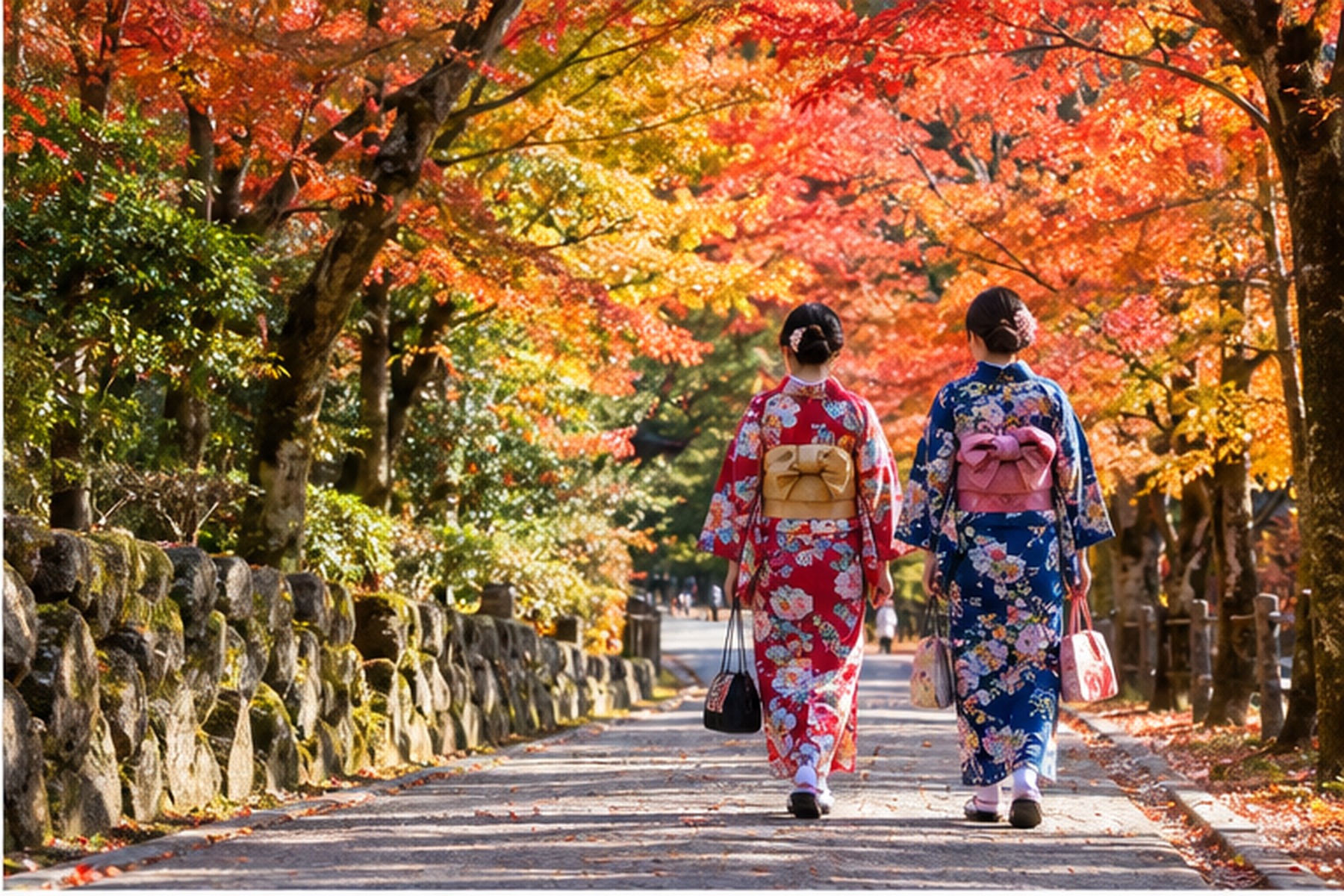
Mountain and Lake Foliage: Nikko, Hakone and the Fuji Area
Mountain destinations add altitude to your autumn plan, which often means a different color stage from nearby cities. Nikko combines lakes, waterfalls and historic sites; Hakone mixes forest scenery with hot-spring travel; the Fuji Five Lakes area can pair foliage with broad mountain views when the weather is clear.
These trips need more flexibility than a city park. Cloud, wind, traffic and transport connections can change the experience, so avoid a schedule that requires every viewpoint to work perfectly.
- Check the final transport home before heading into mountain areas
- Carry a warmer layer than you would for central Tokyo or Osaka
- Allow extra time for buses and road congestion on popular weekends
- Keep a lower-elevation alternative if mountain color is already past peak
What to Wear and Carry for Autumn Sightseeing
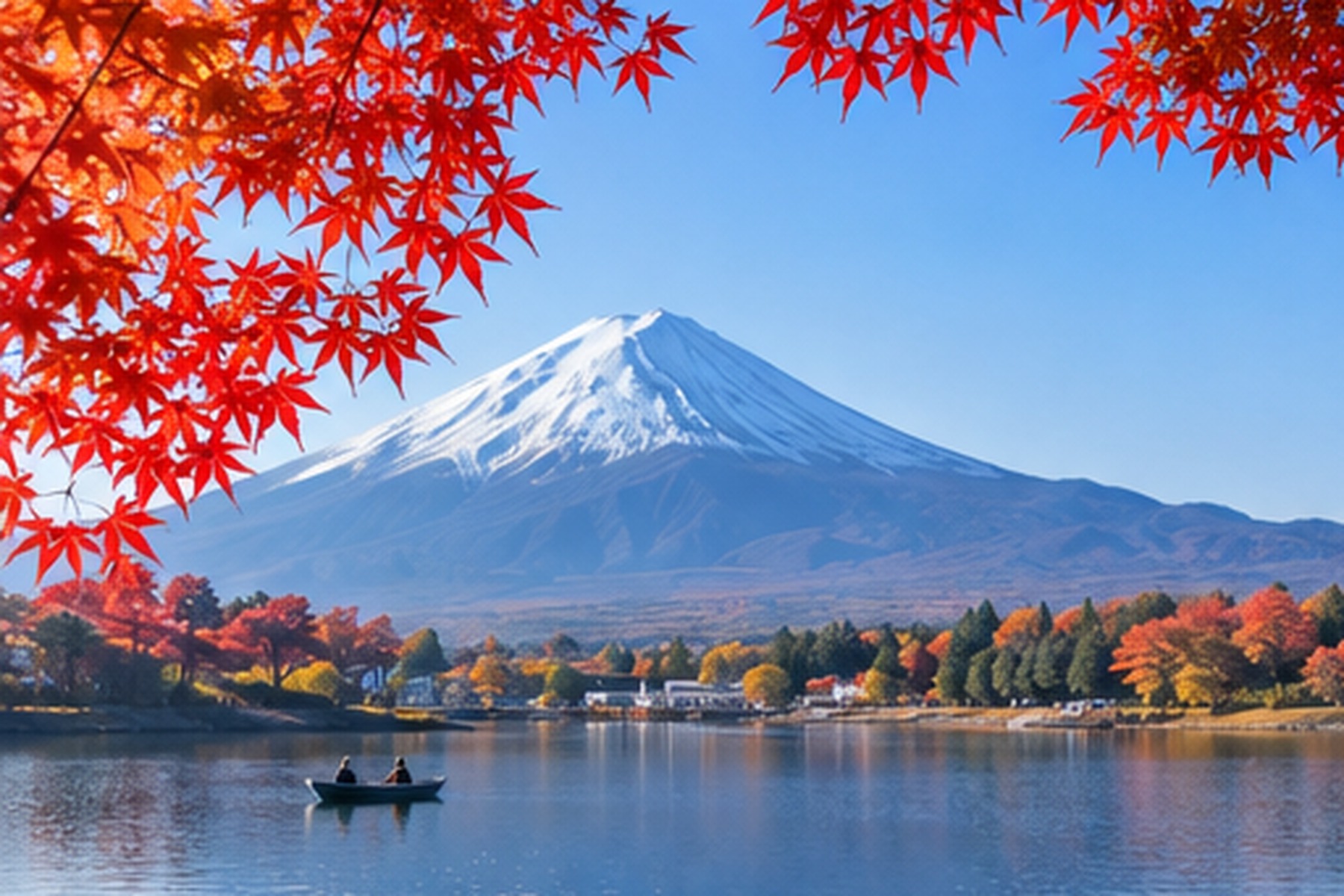
Autumn days can be pleasant, but mornings, evenings and mountain areas can feel much colder. Layers are more useful than one heavy outfit because you may move between sunny streets, shaded temple grounds, trains and elevated viewpoints.
Footwear matters more than many travelers expect. Foliage trips often include stairs, gravel, long station walks and uneven paths. A small day bag with water, a compact rain layer and a phone battery is usually more useful than carrying extra sightseeing gear.
- Comfortable walking shoes with grip
- Light sweater or fleece plus a wind-resistant outer layer
- Compact umbrella or lightweight rain shell
- Portable battery for maps, camera use and transport apps
- Small amount of cash for local facilities that may not accept every card
Hotels and Transport Matter More During Peak Weekends
Popular foliage periods can tighten hotel availability and make intercity transport busier, especially around Kyoto, Tokyo day trips and major autumn weekends. If your travel dates are fixed, secure the hard-to-replace parts first: your main hotel bases and the long-distance segment that connects them.
Avoid changing hotels every night just to chase color. Two or three well-chosen bases usually create more viewing options with less luggage friction. Tokyo can cover city foliage and western mountain trips, while Kyoto can also support Nara and other Kansai day trips.
- Book the main city bases before filling in minor sightseeing details
- Leave transfer days lighter than pure sightseeing days
- Reserve long-distance rail if your preferred departure time matters
- Use luggage forwarding or station lockers when it meaningfully reduces backtracking
Check Conditions Again Shortly Before You Go
The most important autumn planning step happens close to travel, not months earlier. Temperature patterns can move color forward or backward, and wind or rain can shorten the best viewing period at a specific place.
Recheck the official tourism page or the attraction's own site a few days before each major foliage outing. Look for current color status, opening hours, transport notices, illumination events and temporary restrictions. Then decide which of your planned options deserves the best time slot.
- Check color status rather than relying on an old social-media post
- Confirm opening hours and any night-viewing schedule
- Review weather and wind for mountain or lake trips
- Move your best foliage stop to the morning if heavy crowds are expected
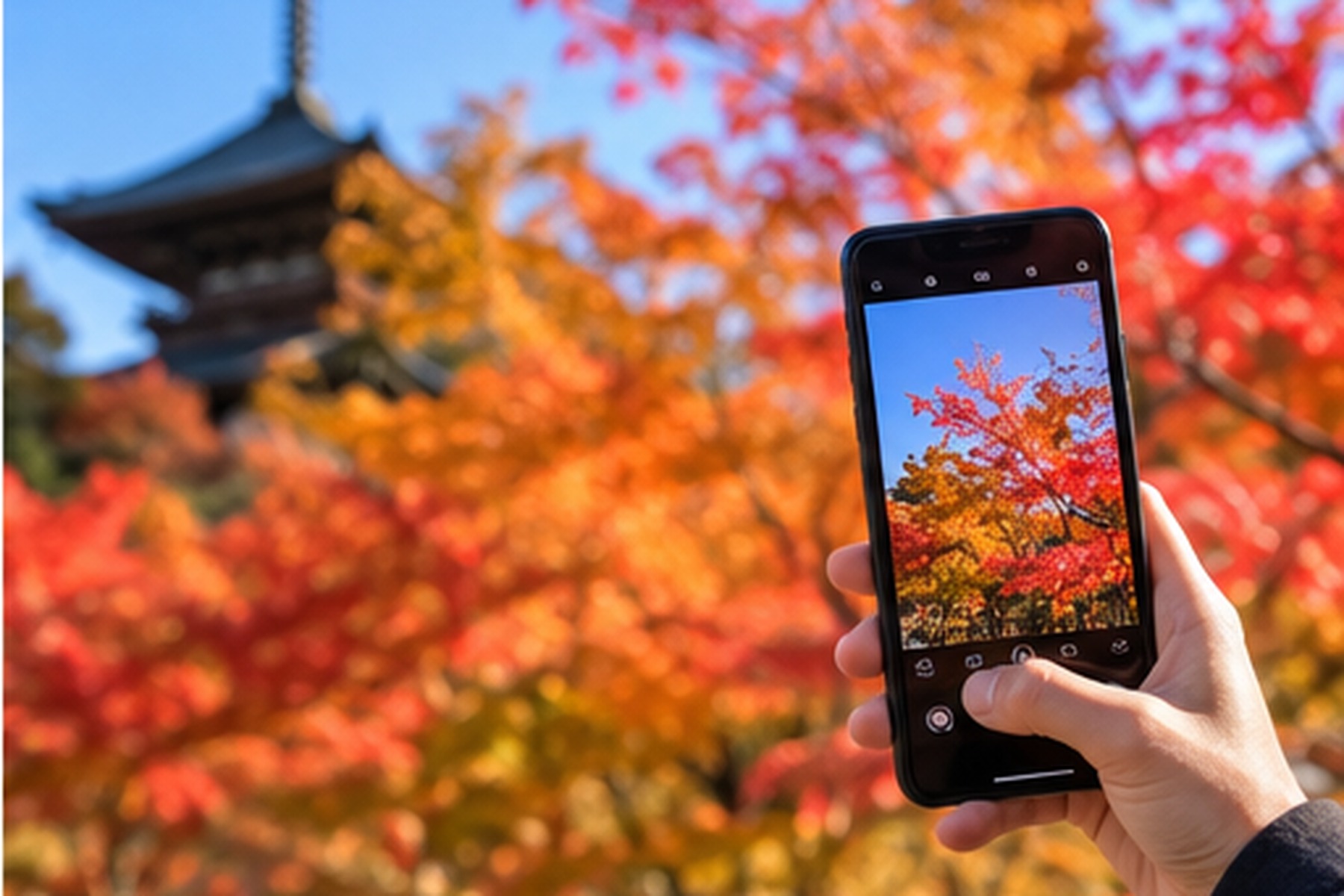
Photo Etiquette and Crowd-Friendly Viewing
Autumn sites are shared spaces, not photo sets. Do not block narrow paths, temple entrances, station stairs or road crossings while trying to frame a shot. If a place is busy, take the photo quickly and move aside before reviewing it.
Tripods, drones and photography in restricted areas may be limited by the site. Follow local signs and staff instructions. A quieter side path or wider public park often produces a better travel experience than waiting in a long queue for one famous angle.
- Step out of pedestrian flow before stopping for photos
- Do not enter gardens, slopes or private areas for a cleaner composition
- Respect no-photo and no-tripod rules
- Avoid photographing strangers at close range without permission
Three Simple Autumn Trip Strategies
The best autumn plan depends on when you travel. Instead of chasing an exact national peak, choose a strategy that gives you multiple chances to see color.
An early trip works best with northern or highland scenery. A classic later-autumn trip can combine Tokyo and Kyoto with day trips. A late trip should prioritize city gardens and warmer regions while keeping expectations flexible.
- Early strategy: northern Japan or alpine scenery with a flexible mountain route
- Classic strategy: Tokyo plus Kyoto, with Mt. Takao, Nikko, Nara or Hakone as optional day trips
- Late strategy: urban gardens, Kansai and warmer western or southern areas
- Any strategy: build one free half-day so you can react to the best local conditions
FAQ
When is the best time to see autumn leaves in Japan?
There is no single best week for the whole country. Northern and high-elevation areas usually change first, while major cities often peak later. Choose your region based on your travel dates and verify local conditions shortly before visiting.
Is Tokyo or Kyoto better for autumn leaves?
Kyoto is famous for temple and garden scenery, while Tokyo offers easy urban foliage plus earlier mountain options such as Mt. Takao and Okutama. Kyoto can feel more intense during peak periods, so Tokyo may be easier for travelers who value flexibility.
How can I avoid crowds during autumn foliage season?
Visit your highest-priority site early, favor weekdays when possible, avoid stacking several famous locations into one day, and keep a quieter backup area nearby. In Kyoto, check official congestion guidance close to your visit.
What should I wear for autumn sightseeing in Japan?
Wear layers and comfortable walking shoes. City afternoons can feel mild while mornings, evenings and mountain areas may be much colder. A light outer layer and compact rain protection are useful.
Should I book hotels and trains early for an autumn trip?
If your dates are fixed and you are visiting popular foliage areas, book the important hotel bases and critical long-distance transport first. Keep individual sightseeing days flexible so you can react to weather and color conditions.
Related Japan Travel Guides

Official References
Final Thoughts
Autumn foliage is easier to enjoy when you stop chasing one perfect date and plan for movement. Match your region to your travel window, keep a second viewing option nearby, check official conditions close to the day, and give your schedule enough space for crowds and weather.