
Kyoto to Nara: Kintetsu vs JR, Stations and an Easy Day Trip
Plan an easy Kyoto to Nara day trip with Kintetsu and JR route choices, station differences, tickets, Nara Park access, deer safety and a realistic sightseeing plan.
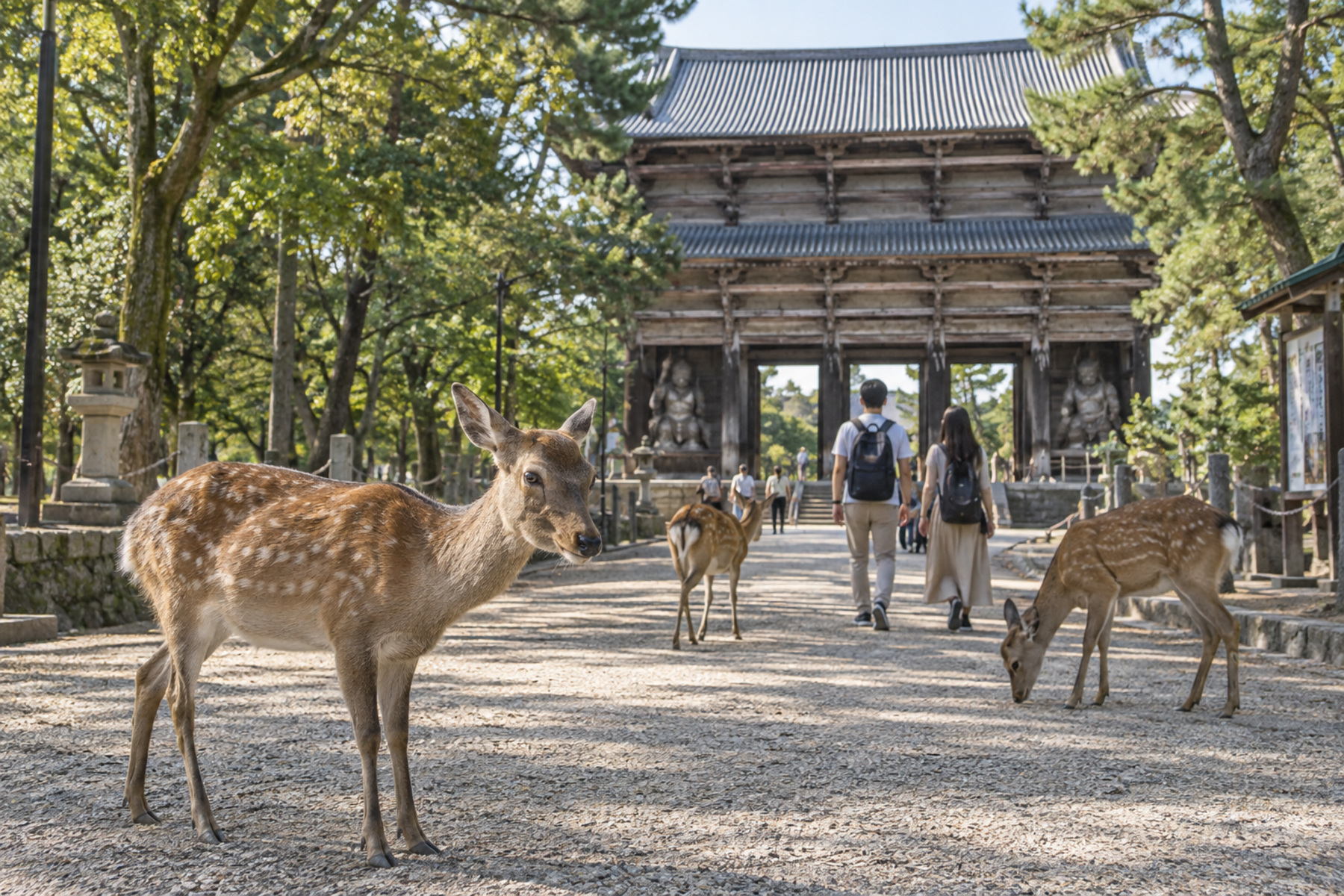
For most first-time visitors heading to Nara Park and Todai-ji, Kintetsu is usually the most convenient choice because Kintetsu-Nara Station is only a short walk from the park. JR is also straightforward from Kyoto Station and is attractive when you are already using JR or a rail pass that covers the route. JR Nara Station is farther from Nara Park, so allow extra walking or use a local bus. Ordinary trains are enough for most travelers; Kintetsu Limited Express is the comfort option because seats are reserved and an additional limited-express ticket is required.
What You’ll Learn
- How Kintetsu and JR differ from Kyoto to Nara
- Why Kintetsu-Nara and JR Nara are not equally convenient for sightseeing
- When ordinary trains, limited express seats and rail passes make sense
- How to plan Nara Park, Todai-ji and Kasugataisha without overloading the day
Choose the Arrival Station Before the Railway
The biggest Kyoto-to-Nara decision is not simply Kintetsu versus JR. It is where you want to arrive in Nara.
Kintetsu-Nara Station is the stronger default for a classic first visit because Nara Park is about a five-minute walk away. JR Nara Station is still convenient, but the park is roughly fifteen to twenty minutes away on foot, so a local bus can be useful if you want to save energy.
- Kintetsu-Nara: best starting point for Nara Park, Todai-ji and central sightseeing
- JR Nara: useful when your wider itinerary or rail pass favors JR
- Do not treat the two stations as interchangeable when planning walking time
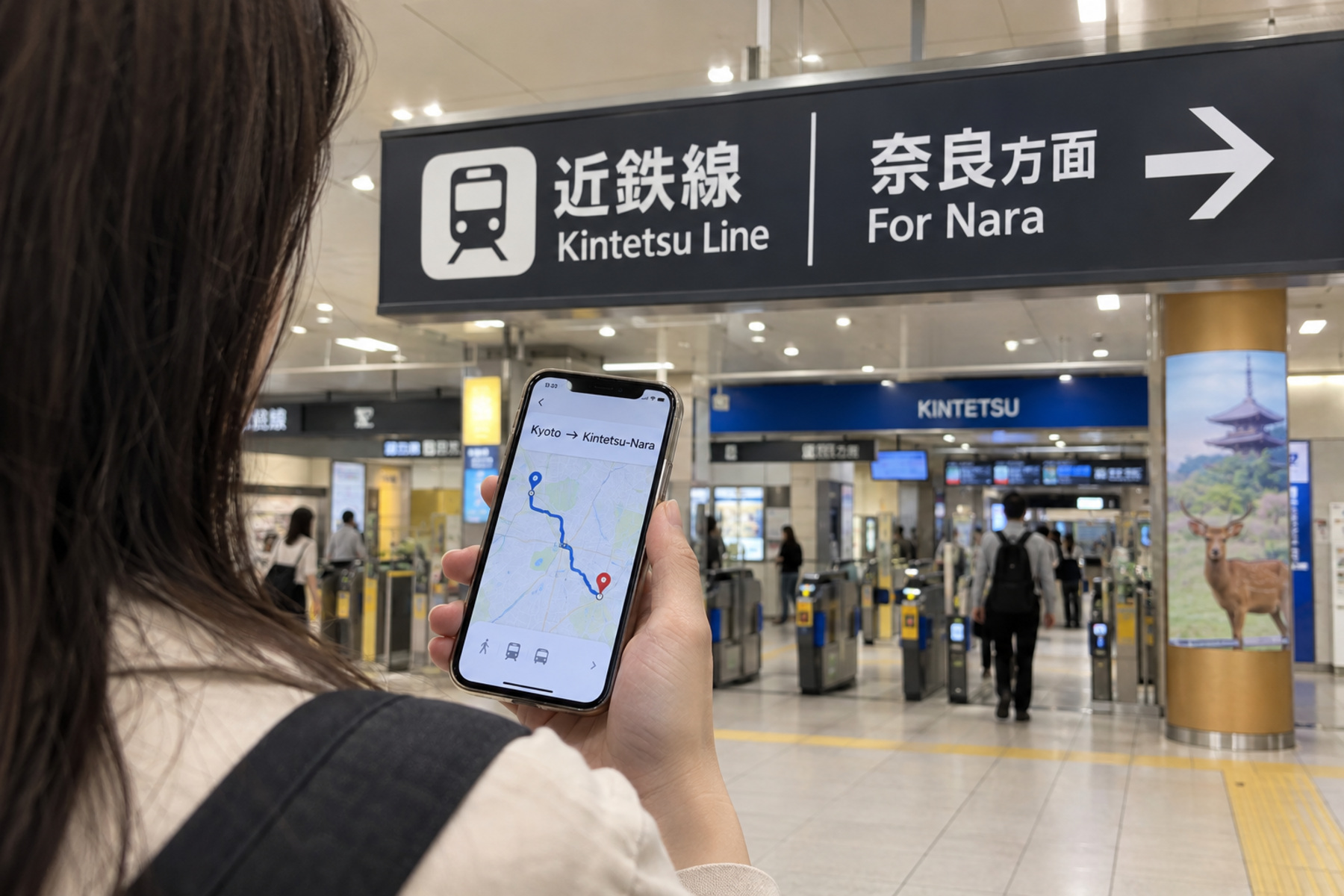
Kintetsu from Kyoto to Kintetsu-Nara
Kintetsu is usually the easiest option for travelers who want to start sightseeing immediately after arrival. Services run from Kyoto toward Nara, with some trains running through and others requiring a simple transfer depending on the service you choose.
Travel time varies by train, but faster services commonly take around forty minutes. Always check the live route search because departure patterns and transfers differ through the day.
- Best for: Nara Park, Todai-ji and the central park corridor
- Ordinary services: usually sufficient for a day trip
- Check the destination and transfer information before boarding
- Use Kintetsu's official route and fare search for your exact departure
Kintetsu Limited Express: Comfort, Not a Requirement
Kintetsu Limited Express trains use reserved seating and require a limited-express ticket in addition to the basic fare. They are useful when you want a guaranteed seat or a calmer ride.
For a simple day trip, an ordinary Kintetsu service is often enough. Pay extra for the limited express because you value the seat and comfort, not because it is necessary to reach Nara.
- All Limited Express seats are reserved
- A basic fare ticket plus a Limited Express ticket is required
- Sightseeing Limited Express services may have different schedules and seating products
JR Nara Line from Kyoto
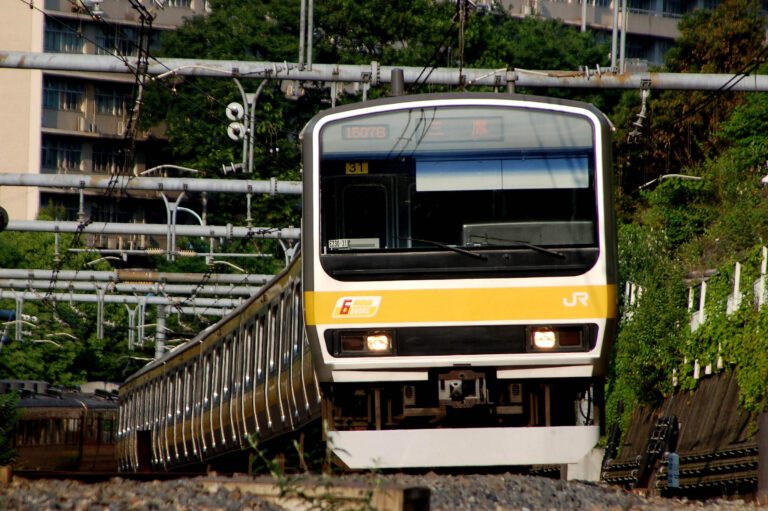
JR is the natural alternative from Kyoto Station. Miyakoji Rapid services connect Kyoto and Nara in roughly the mid-forty-minute range, although the exact time depends on the train.
JR becomes especially attractive if you are already moving around Kansai on JR or using a valid rail pass. The trade-off is the arrival point: JR Nara Station is farther from the main Nara Park sights than Kintetsu-Nara Station.
- Best for: travelers whose wider itinerary favors JR
- Miyakoji Rapid is the key fast service to look for
- Allow extra walking or use a bus from JR Nara Station to the park area
Tickets, IC Cards and Rail Passes
For an ordinary one-way trip, buying a normal ticket or using a compatible transport IC card is usually the simplest approach. Do not buy a special pass automatically just because it mentions Nara.
A Kintetsu Rail Pass can make sense when you will use enough Kintetsu travel within its valid area. A nationwide JR Pass can cover the JR Nara Line when your pass is valid, but it does not cover Kintetsu.
Compare your whole itinerary before choosing a pass. A simple Kyoto–Nara return trip alone does not automatically make a multi-ride pass the best value.
- Ordinary ticket or IC card: simplest for a straightforward day trip
- Kintetsu pass: judge it against all Kintetsu rides you plan to take
- JR pass: useful only if it already fits your wider JR itinerary
From the Station to Nara Park and Todai-ji
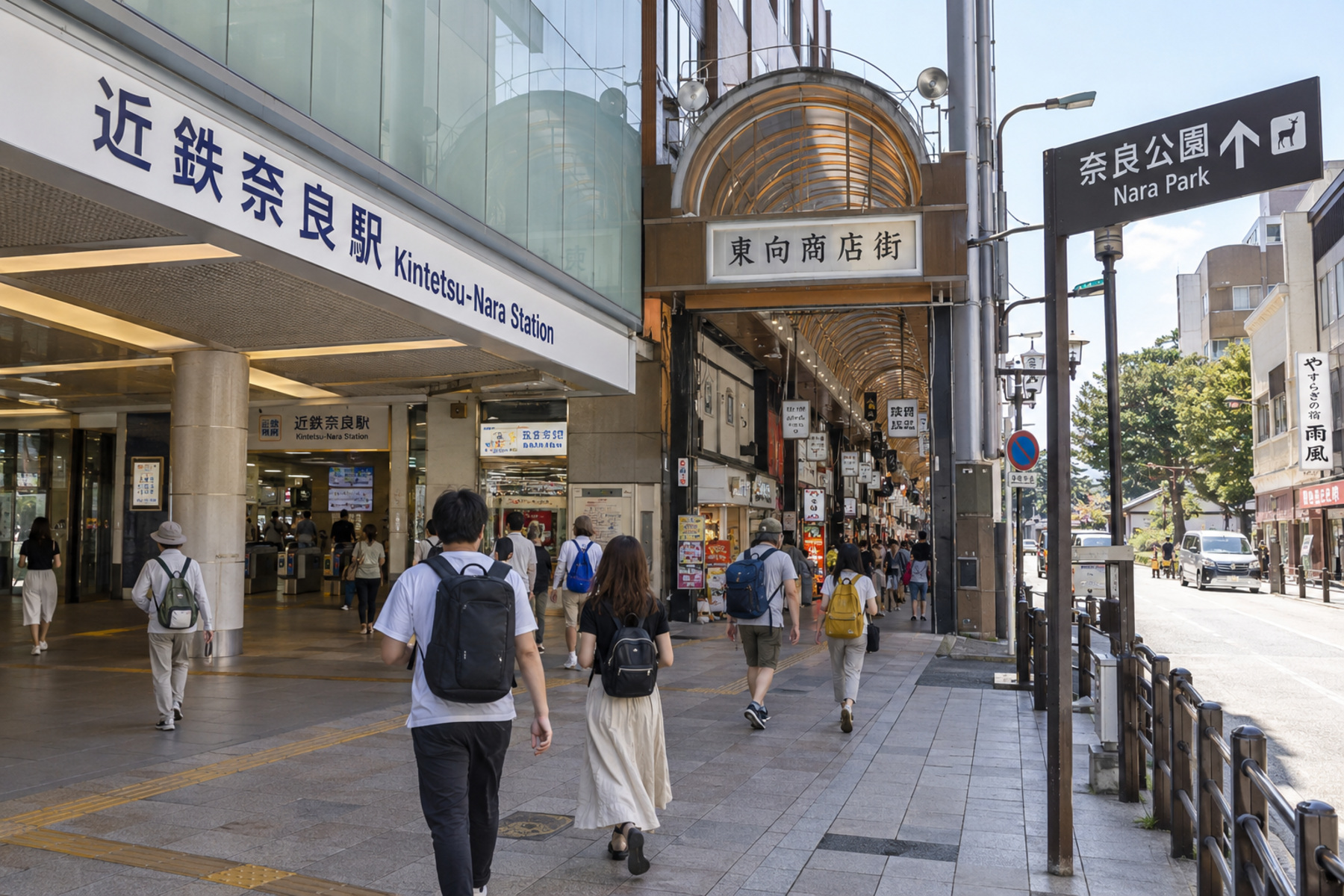
From Kintetsu-Nara Station, Nara Park begins after a short walk east. From JR Nara Station, you can walk along Sanjo-dori or use a local bus to reduce the distance.
Once inside the park area, walking is the best way to connect the major sights. Keep enough energy for the sightseeing itself instead of spending it all on the approach from the station.
- Kintetsu-Nara to Nara Park: about five minutes on foot
- JR Nara to Nara Park: roughly fifteen to twenty minutes on foot
- Buses connect both stations with the park area
- Todai-ji and Kasugataisha add significant walking beyond the park entrance
A Realistic Nara Day Trip
Nara looks compact on a map, but the classic sightseeing route involves a lot of walking. A better day comes from prioritizing a few major stops instead of trying to collect every temple and museum.
A simple sequence is Kyoto in the morning, arrival at Kintetsu-Nara or JR Nara, Nara Park, Todai-ji, then Kasugataisha if time and energy remain. Add Naramachi or extra museums only when the core route is going smoothly.
- Morning: travel from Kyoto before the busiest sightseeing period
- First: Nara Park and the deer
- Priority sight: Todai-ji Great Buddha Hall
- Optional extension: Kasugataisha
- Return: leave enough margin for the train back to Kyoto
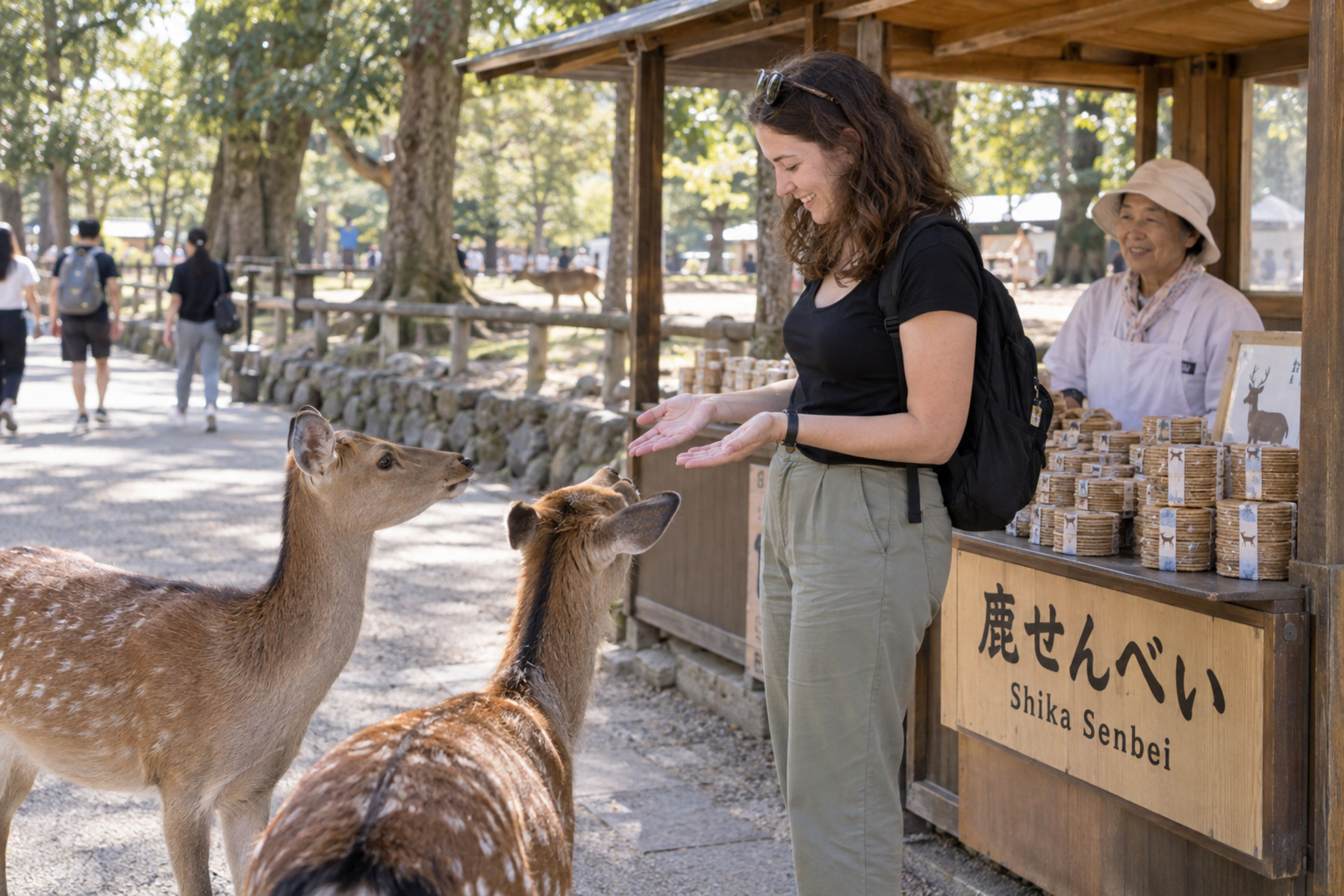
Nara Deer: Enjoy Them Without Creating Problems
The deer around Nara Park are wild animals even though they are accustomed to people. Feed them only the official shika senbei crackers sold in the park, and do not offer paper, plastic or ordinary food.
Deer can crowd around visitors holding crackers. Keep maps, tickets and food bags secured, supervise children closely and stop feeding if the interaction becomes uncomfortable.
- Feed only official shika senbei
- Do not tease, chase or grab the deer
- Keep paper and plastic away from them
- Show empty hands when you have no more crackers
Todai-ji and Kasugataisha: Check Hours Before You Go
Todai-ji's Great Buddha Hall is one of the strongest reasons to make the trip from Kyoto, but opening times vary by season. Check the temple's official site before you travel rather than relying on an old itinerary.
Kasugataisha is farther into the park and adds walking time. It is an excellent extension if your pace is comfortable, but it should not force you to rush Todai-ji or the return journey.
- Check current Todai-ji opening hours and admission before departure
- Allow additional walking time for Kasugataisha
- Hot weather, rain and crowds can make the same route feel much longer
When a Guided Kyoto–Nara Tour Makes Sense
Nara is easy to visit independently, so a tour is not required. A guided option is most useful when you have limited time, are traveling with family, want cultural explanation or simply do not want to manage train choices and sightseeing order.
Independent travelers usually get more flexibility by taking the train. A tour trades some flexibility for a pre-arranged route and less planning.
- Choose independent travel for flexibility and easy self-paced sightseeing
- Choose a tour when route planning and timing are the main friction points
- Check exactly which Nara sights, transport and admission fees are included
FAQ
Is Kintetsu or JR better from Kyoto to Nara?
Kintetsu is usually better for a first visit focused on Nara Park because Kintetsu-Nara Station is much closer to the park. JR is a strong alternative if your wider trip or rail pass favors JR.
How long does Kyoto to Nara take?
Fast Kintetsu and JR services are generally in the roughly forty- to fifty-minute range, depending on the exact train and whether a transfer is involved. Check the official timetable for your departure.
Is Kintetsu-Nara Station the same as JR Nara Station?
No. They are separate stations. Kintetsu-Nara is about five minutes on foot from Nara Park, while JR Nara is roughly fifteen to twenty minutes away on foot.
Do I need the Kintetsu Limited Express?
No. Ordinary Kintetsu trains are enough for most day trips. Limited Express is mainly for reserved seating and a more comfortable ride, and it requires an extra ticket.
Can I use a JR Pass to Nara?
A valid JR pass that covers the JR Nara Line can be used on the JR route. It does not cover Kintetsu trains.
Can I use an IC card from Kyoto to Nara?
Compatible nationwide transport IC cards are a practical option for ordinary train travel on these routes. Check your chosen service if you are adding a reserved or limited-express product.
Can Nara be done as a half-day trip?
Yes, if you focus on Nara Park and Todai-ji and keep the route tight. A full day is better if you also want Kasugataisha, Naramachi or museums without rushing.
What is the easiest route for first-time visitors?
For most first-time visitors, take Kintetsu from Kyoto and start at Kintetsu-Nara Station, then walk into Nara Park and continue to Todai-ji.
Related Japan Travel Guides

Official References
Final Thoughts
Kyoto to Nara is easy enough to do independently, but one decision makes the day noticeably smoother: choose your Nara arrival station based on where you want to start sightseeing. For a classic Nara Park and Todai-ji visit, Kintetsu-Nara is usually the simplest start. Use JR when it fits your wider rail plan, keep the sightseeing route realistic, and save enough energy for Nara itself rather than treating the train ride as the whole journey.