
How to Ride Local Trains in Japan: Tickets, Gates and Transfers
Ride local trains confidently with clear guidance for IC cards, paper tickets, gates, service types, transfers, fare adjustment and missed stops.
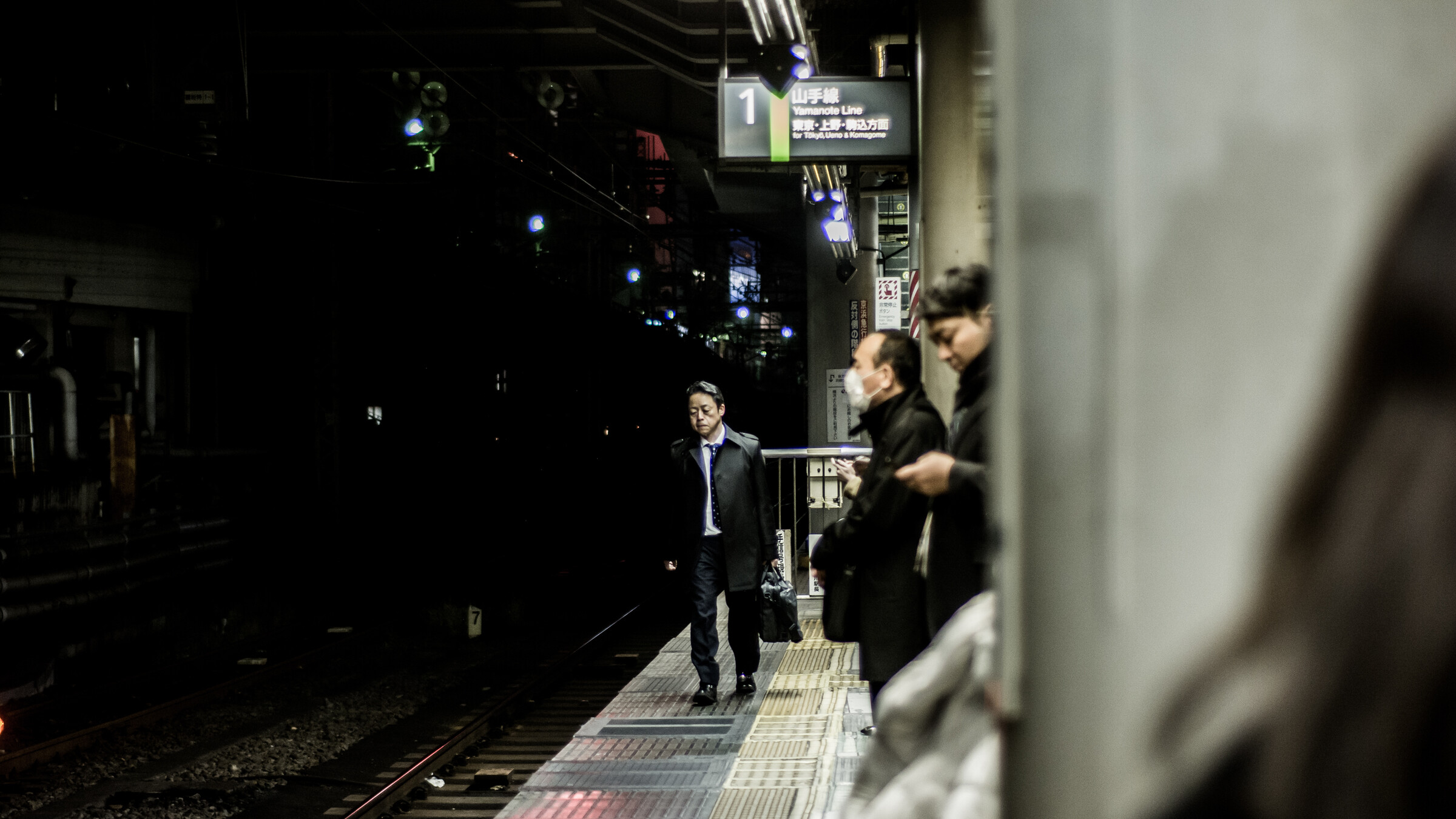
Plan the exact stations, line, direction and service type before entering. For compatible routes, touch one transport IC card at the entry gate and the same card at exit. With a paper ticket, buy the correct fare, insert it at the gate and collect any ticket returned. On the platform, confirm that the train’s service type and destination stop at your station. Follow designated transfer gates, keep premium-service tickets separate, and ask staff if a gate rejects your card or your journey changes.
What You’ll Learn
- Choose between an IC card, paper ticket and route-specific pass.
- Read line, direction, service type and destination correctly.
- Transfer without losing a ticket or creating an incomplete IC record.
- Recognize trains that require a supplement or reservation.
- Recover from low balance, a wrong train or disruption.
Plan the exact station-to-station trip
Search the full departure and arrival station names, not only neighborhoods. Large cities contain different railway companies, and two stations with similar names may not share gates or platforms.
Note the line name, direction, destination shown on the train, transfer stations and arrival exit. A route app is useful, but station signs and live service notices take priority when conditions change.
- Record line, direction, platform and transfer station.
- Check the final train destination as well as your stop.
- Allow extra time for large stations.
Choose an IC card or paper ticket
A transport IC card is the easiest default for ordinary local trains in compatible areas: touch in, ride and touch out while the fare is deducted. Compatibility is broad but not universal, especially on some rural lines and special services.
A paper ticket works when you know the fare or destination. Buy it before entering, keep it throughout the journey and insert it at the exit gate. Ask staff before entering if the route crosses an unsupported IC area.
- IC card: convenient for compatible local travel.
- Paper ticket: useful for cash travel and unsupported routes.
- Pass: worthwhile only when its coverage matches the itinerary.
Top up before reaching the gate
Check the stored balance before a busy journey. Station machines commonly accept cash for IC card charging; payment methods differ by machine and card type. Keep small yen notes available.
Charging adds stored value but does not buy every limited express or reserved-seat product. Those services may require a separate ticket in addition to the base fare or IC entry.
- Charge enough for the next journeys.
- Do not confuse stored value with a reserved-seat ticket.
- Keep the card accessible and separate from other contactless cards.
Enter through the correct gate
Follow the signs for the railway company and line. Touch one IC card flat on the reader until the gate confirms entry, or insert the full paper-ticket set required for that journey and collect any ticket returned.
Do not tailgate another passenger or force a closing gate. If the gate rejects the card, step aside and use the staffed gate; repeated tapping can make the problem harder to explain.
- Use one card per traveler.
- Collect every returned paper ticket.
- Move to staff assistance after an error.
Read platform signs in the right order
Confirm the line, direction, platform, departure time, service type and destination. Local, rapid, express and limited express trains can stop at different stations even when they use the same platform.
Use the station code and line color as supporting clues, not substitutes for the destination. Electronic boards may rotate languages. Recheck the train itself before boarding.
- Match service type with your stop.
- Confirm destination on both the board and train.
- Stand at the marked boarding position.
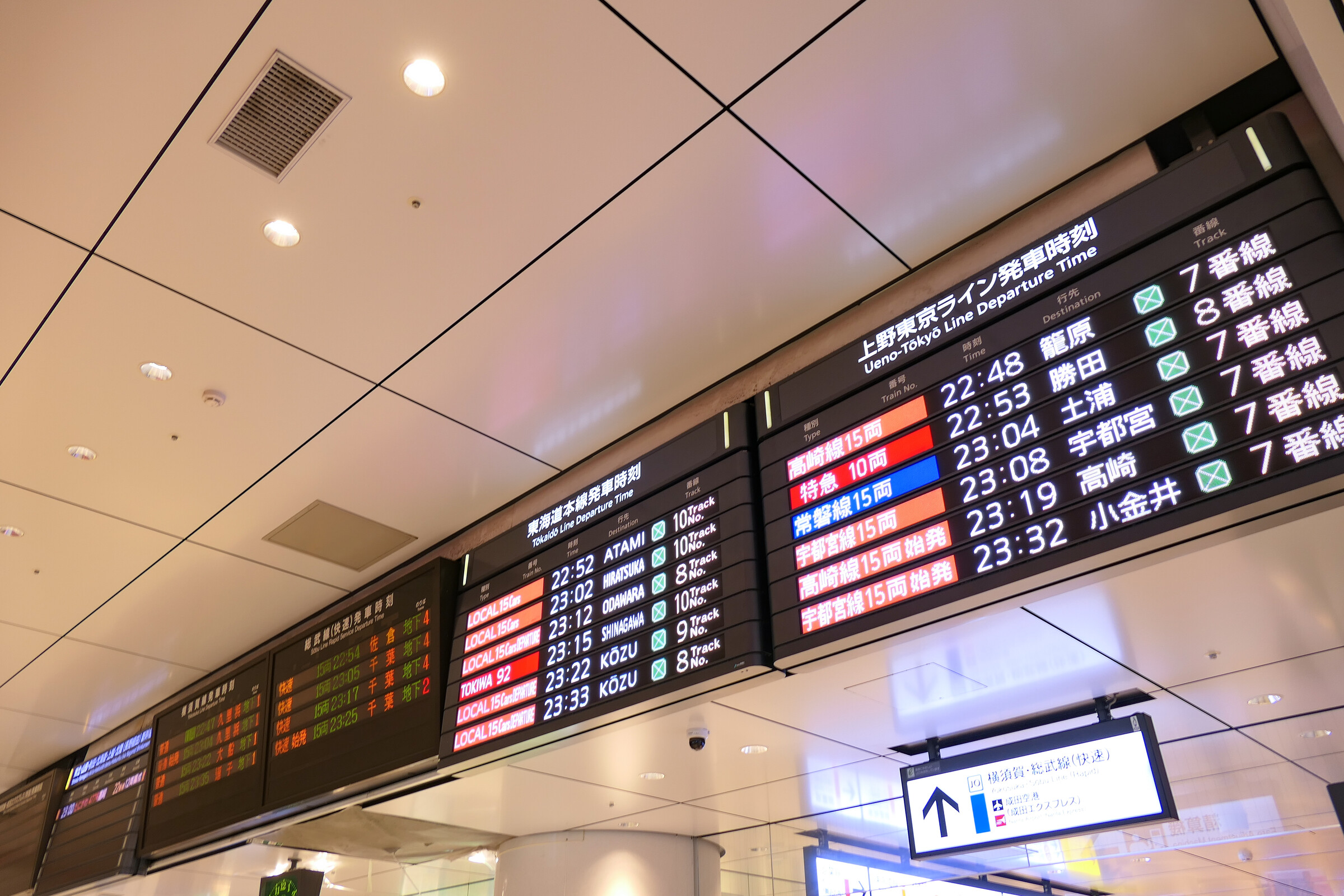
Avoid boarding an express that skips your stop
A local train usually stops at every station, while rapid or express patterns vary by operator and line. There is no single national definition that guarantees a particular stopping pattern.
If the route app recommends a faster service, verify your station appears in its stop list. When uncertain, show the destination to staff or take a confirmed local train rather than guessing.
- Check the exact service name.
- Look for your station in the stopping pattern.
- Ask staff before boarding when unsure.
Transfer between lines and companies
A transfer may stay inside paid gates, require a designated transfer gate or involve leaving one company and entering another. Follow the colored line signs and the route’s station code.
With a paper ticket, use the correct transfer gate and retain any ticket returned. Tokyo Metro notes that some paper-ticket transfers require the orange gate and completion within the stated transfer window, while arrangements differ elsewhere.
- Follow signs for the next operator and line.
- Use designated transfer gates when instructed.
- Keep tickets until the entire paid journey ends.
Ride with considerate local-train etiquette
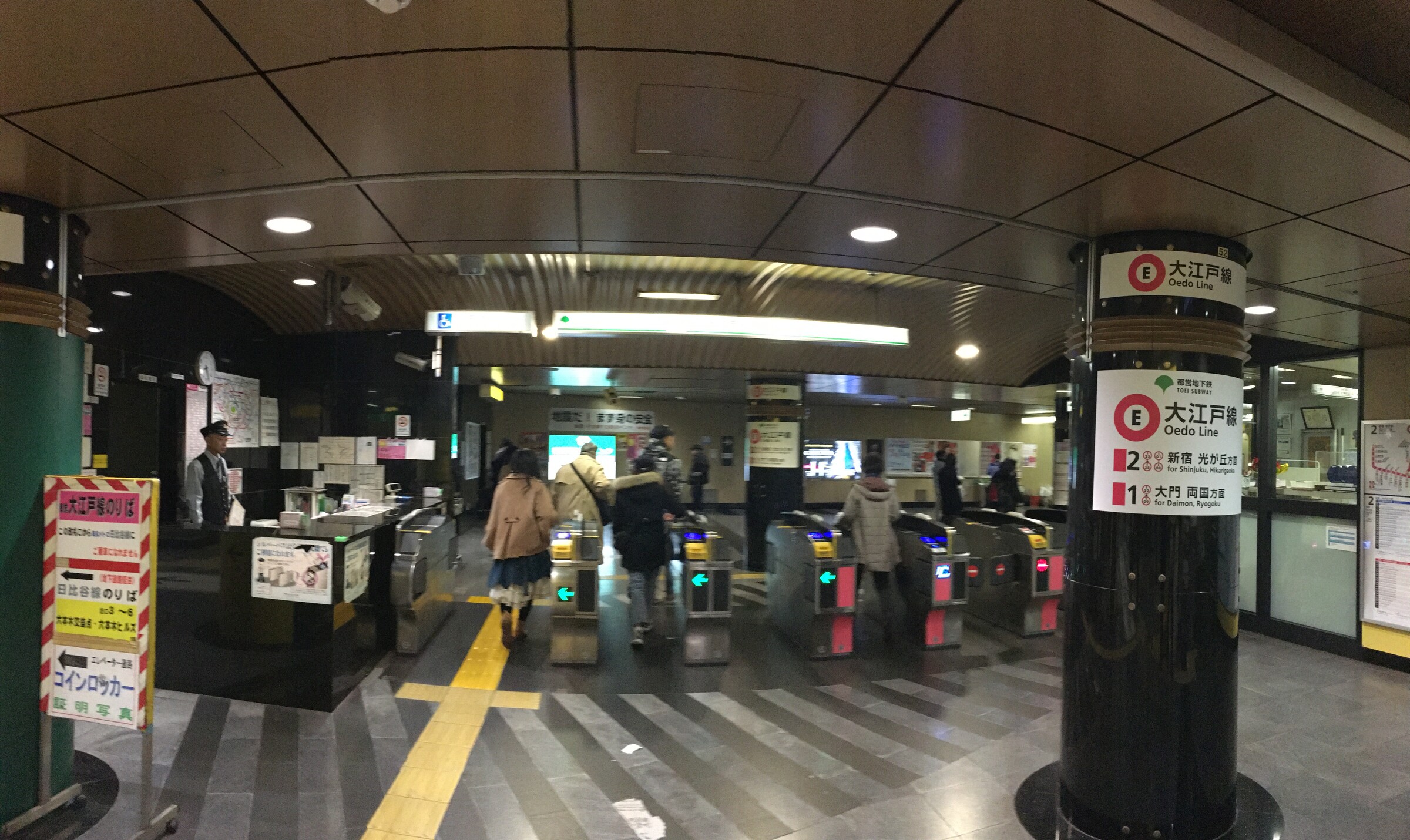
Let passengers exit before boarding, move away from the doorway when space allows and keep bags controlled. Priority seats should remain available for passengers who need them.
Keep calls off the train, lower audio and avoid blocking aisles with luggage. During crowded periods, remove a backpack or hold it where it will not strike others.
- Queue at platform markings.
- Let passengers leave first.
- Keep phones quiet and bags compact.
Know when a separate ticket is required
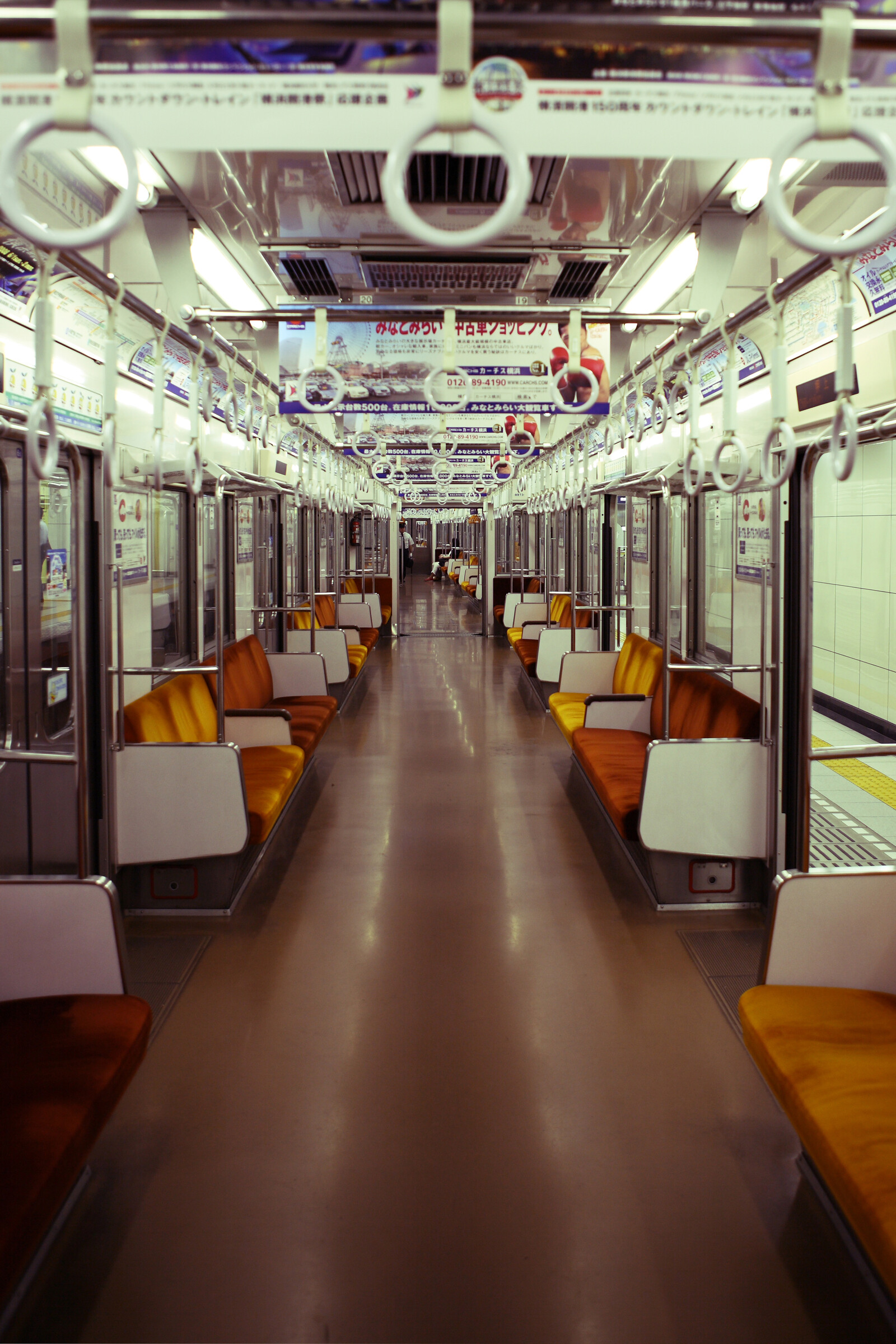
Limited express, reserved-seat, Green Car and sightseeing trains may require an additional ticket or seat reservation. An IC card touch can cover the base fare without covering the premium service.
Read the booking conditions before boarding. If a car displays reserved seating or a supplemental charge, confirm the required product at a machine or staffed counter.
- Check service class before boarding.
- Buy supplements and reservations separately when required.
- Do not assume an IC card covers premium seating.
Exit and settle an insufficient balance
At the destination, touch the same IC card used to enter or insert the required paper ticket. The gate normally retains a completed single-journey ticket.
If the IC balance is too low, use a fare-adjustment machine or ask staff. Do not switch to a different IC card at exit; staff need the original entry record to settle the journey.
- Use the same card at entry and exit.
- Add value or adjust the fare before leaving.
- Ask staff when the journey record is incomplete.
Recover from a wrong train or missed stop
Leave at the next station where the train stops and check the return route. Do not cross tracks or use an emergency door. If the mistake involves an express or another operator, ask staff before re-entering gates.
A missed stop is usually manageable, but fare treatment depends on the route and ticket. Explain the mistake honestly at the staffed gate rather than creating a second incomplete IC record.
- Get off safely at the next stop.
- Check the opposite direction and service type.
- Ask staff how to correct the fare record.
Handle service disruption
When trains stop or run late, check the operator’s official service notice and station boards. Route apps can lag behind an active disruption. Staff may direct passengers to another line or issue information needed for alternative transport.
Avoid crowding the gate while deciding. Move aside, preserve phone battery and compare a later train, another operator, bus or taxi based on the actual disruption.
- Use official operator updates.
- Follow staff directions and platform changes.
- Keep flexible time around important connections.
Plan the last train and rural journeys
Most urban rail service does not run through the night. Check the final connection, not merely the final departure from the first station, and leave a buffer for walking and transfers.
Rural services can be infrequent, use cash or have unmanned stations. Confirm the return timetable and payment method before leaving a transport hub.
- Check the final complete connection.
- Save rural timetables offline.
- Carry cash for lines with limited IC support.
Use a final boarding check
Before tapping in, verify station, operator, line and direction. On the platform, verify service type, destination and stop. At the exit, use the same payment medium and retain anything the gate returns.
This short sequence prevents most local-train mistakes. When the system does not behave as expected, stop and ask staff instead of adding more taps, tickets or gate entries.
- Before gate: operator, line and direction.
- Before train: service type, destination and stop.
- At exit: same card or complete ticket set.
FAQ
Can I use one IC card for two people?
No. Each traveler needs a separate card or ticket because the system records an individual entry and exit.
Do local trains need reservations?
Ordinary local trains usually do not, but limited express, reserved-seat, Green Car and sightseeing services may require an extra ticket or reservation.
What if my IC card balance is too low at the exit?
Use a fare-adjustment or charging machine where available, or ask staff. Use the same card that recorded entry.
Why did the express train skip my station?
Stopping patterns differ by line and operator. Check the exact service name and stop list before boarding; a local train is the safer choice when uncertain.
What happens to a paper ticket at the gate?
Collect it when the entry or transfer gate returns it. At the final exit, a completed single-journey ticket is normally retained.
Can I use an IC card everywhere in Japan?
No. Coverage is broad but some rural routes, cross-area journeys and special services have restrictions. Check the operator before entering.
What should I do if I ride the wrong train?
Get off safely at the next stop and ask staff if fare or gate handling is unclear. Do not create a second entry with another card.
Related Japan Travel Guides

Official References
Final Thoughts
Local trains become straightforward when you separate three decisions: how to pay, which service to board and how to complete the exit. Use one IC card per person on compatible routes, keep every returned paper ticket, verify the train’s stopping pattern and follow the correct transfer gate. If anything fails, station staff can resolve it more cleanly before additional taps or tickets create another problem.