
What to Pack for Japan: Complete Packing List by Season
A practical Japan packing checklist covering clothing by season, comfortable shoes, charging, mobile data, money, medicine rules, rain gear and luggage strategy.
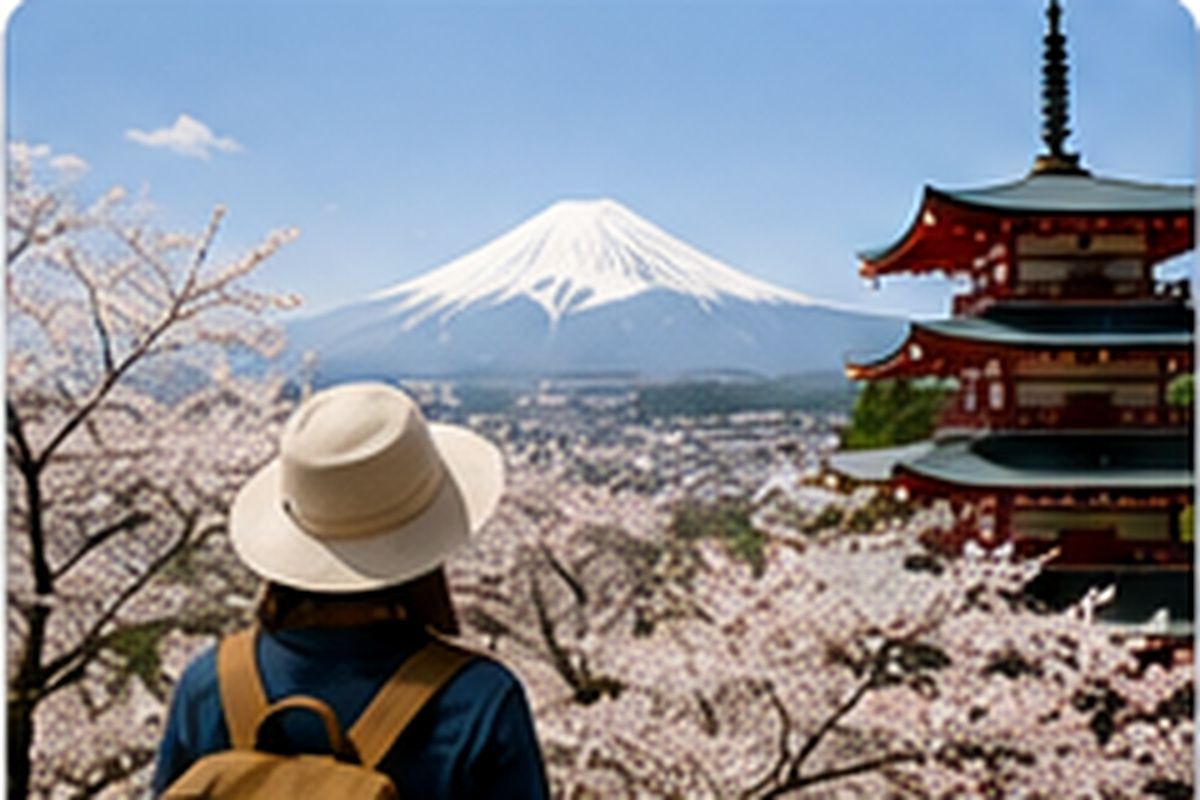
Pack for walking, changing weather, compact transport and reliable connectivity. For most trips, prioritize broken-in walking shoes, light layers, a small day bag, passport and backup payment method, phone and charging gear, mobile data, permitted personal medicine, a compact umbrella, and a suitcase you can handle easily on trains and in smaller hotel rooms. Adjust clothing for your exact region and season rather than packing for Tokyo alone.
What You’ll Learn
- The core items most first-time visitors actually need
- How to adjust clothing for Japan’s seasons and regional climate differences
- Which electronics, charging and mobile-data items to prepare
- How to pack medicine and essentials without creating customs problems
- How to keep luggage manageable on trains, stations and multi-city trips
Start With a Light, Practical Japan Packing List
Japan rewards light packing. A typical trip involves long walking days, station transfers, elevators that are not always on your most direct route, compact hotel rooms and frequent movement between neighborhoods or cities.
Your non-negotiables are passport and travel documents, comfortable shoes, season-appropriate layers, phone and charging gear, more than one payment method, permitted personal medicine and a day bag that stays comfortable after several hours.
Leave room for souvenirs. Convenience stores, drugstores, department stores and electronics retailers make it easy to replace many ordinary daily-use items after arrival.
- Passport and key booking details
- Broken-in walking shoes
- Layerable clothing
- Phone, charging cable and mobile battery
- Mobile data plan or other internet setup
- Primary card, backup card and some Japanese yen
- Permitted medicine in original packaging where practical
- Compact umbrella and small day bag
Pack Clothing for the Season and the Regions You Will Visit
Japan’s climate varies substantially from Hokkaido in the north to subtropical Okinawa in the south. JNTO advises travelers to check the weather for the specific areas they will visit rather than treating Japan as one climate zone.
Spring and autumn usually favor layers. Summer is hot and humid in much of the country, while winter packing can range from a warm city coat in Tokyo or Osaka to real snow gear in Hokkaido, the Japan Sea side and mountain areas.
If your itinerary crosses several regions, build outfits around layers instead of packing a separate bulky wardrobe for every stop.
- Spring: light outer layer, breathable layers and compact umbrella
- Summer: breathable clothing, hat, sunscreen and quick-dry items
- Autumn: flexible layers and a light-to-medium jacket
- Winter cities: warm coat, scarf and comfortable closed shoes
- Snow regions: insulated layers, gloves and footwear with dependable grip
Shoes and Day Bags Matter More Than Extra Outfits
Poor footwear can ruin a Japan trip faster than almost any forgotten clothing item. Stations are large, temple districts may involve uneven ground and city sightseeing can easily turn into a full day of walking.
Bring at least one pair of shoes you have already worn for long distances. A second pair can be useful, but several fashion-only pairs usually add weight without adding much value.
For your day bag, prioritize comfort and quick access. Keep it light enough for trains and crowded streets while carrying the essentials you genuinely use during the day.
- Phone and wallet
- Passport or required ID
- Small amount of cash
- Mobile battery and short charging cable
- Water, tissues and small towel
- Compact umbrella
- Any medicine needed during the day
Electronics, Plugs, Charging and Mobile Data
Japan uses 100-volt AC electricity. JNTO notes that eastern Japan uses 50 Hz and western Japan uses 60 Hz, so check the input label on appliances before packing them. Many modern phone and laptop chargers accept a wide voltage range, but some hair tools and other appliances may not.
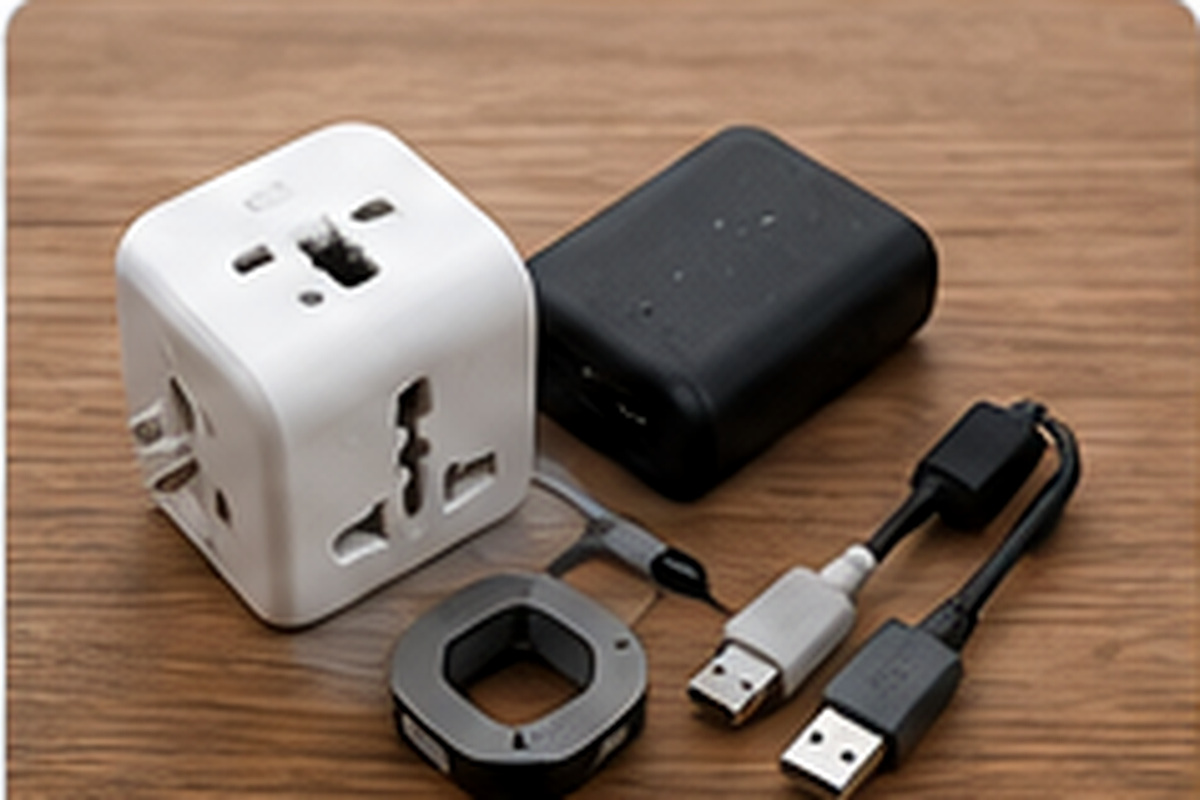
Japanese outlets commonly use Type A-style flat parallel pins. If your plug is different, bring a compact adapter. A small multi-port charger can reduce the number of adapters and cables you need.
Prepare mobile internet before departure when possible. Maps, train searches, translation, tickets and hotel communication are much easier when your phone connects immediately after arrival.
- Phone and reliable charging cable
- Compact plug adapter if required
- Multi-port USB charger
- Mobile battery
- eSIM, SIM or pocket Wi-Fi plan
- Headphones or earbuds for long journeys
Documents, Money and Payment Backups
Keep your passport, wallet, cards, phone and essential medicine with you rather than in luggage that may be checked, delivered or stored. Save digital copies of important booking details and emergency contacts as a backup.
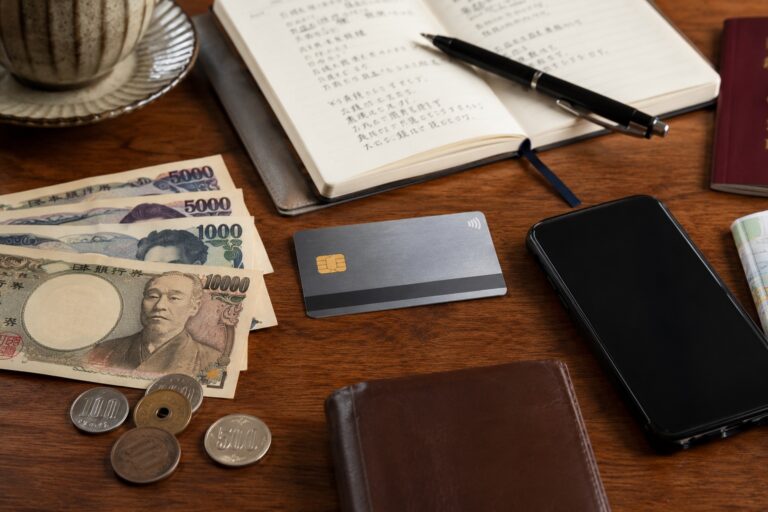
Card acceptance is broad in major cities, but cash remains useful. A practical setup is one primary card, a backup card stored separately and some Japanese yen for smaller shops, temples, local transport or other cash-first situations.
If you use mobile Suica or another mobile wallet, set it up before the trip when possible, but still keep a physical payment backup.
- Passport
- Flight and hotel details
- Travel insurance information
- Primary and backup payment cards
- Some Japanese yen
- Emergency contacts
- Digital backups of key documents
Medicine, Health Items and Japan’s Import Rules
Do not assume that a medicine sold normally in your country can automatically be carried into Japan. The Ministry of Health, Labour and Welfare has specific rules for personal-use medicines, and some controlled substances require advance permission or are prohibited.
Check the official MHLW guidance before departure, especially for prescription medicines, stimulants, narcotics, injectable medicines or larger quantities. Keep important medicine in your carry-on and retain original packaging and supporting documents where practical.
For ordinary health needs, pack only what you realistically use. Japan has many pharmacies and drugstores, but product names, dosages and ingredients may differ from what you know at home.
- Permitted prescription medicine
- Doctor or prescription documentation when relevant
- Blister care and basic first-aid items
- Contact lenses and eye-care supplies
- Personal allergy or motion-sickness medicine if permitted
- Any essential health item that would be difficult to replace
Rain, Heat and Cold: Small Weather Items With High Value
Weather-specific items are worth more than extra outfits. A compact umbrella, light waterproof layer or quick-dry clothing can make a rainy day far easier without adding much weight.
Summer in much of Japan is hot and humid. Pack breathable clothing, sun protection and a small towel, and plan to buy drinks regularly. In winter, gloves, warm layers and suitable footwear matter more as you move north or into mountain regions.
Because weather can shift by region, check the forecast again shortly before departure and adjust the final layer or footwear choice then.
- Compact umbrella
- Light rain shell
- Quick-dry clothing in humid months
- Hat and sunscreen in summer
- Warm accessories in winter
- Water-resistant or grippy footwear when conditions require it
Choose Luggage You Can Actually Move Through Japan
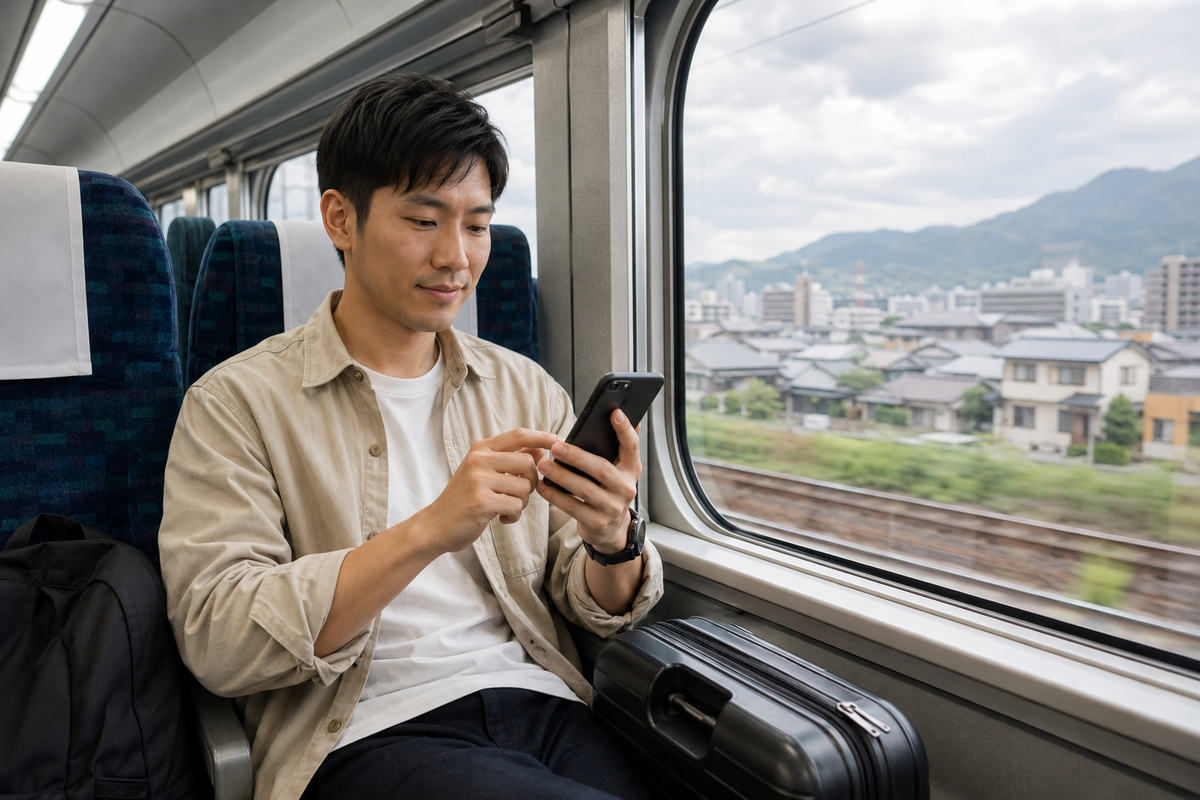
Large suitcases are possible in Japan, but they become inconvenient when you combine busy stations, stairs, hotel changes and crowded trains. If you will move between several cities, a medium case is often easier than the largest bag your airline allows.
Use luggage delivery when it genuinely reduces friction, especially between hotels or before an airport transfer. Keep passports, valuables, medicine and same-day essentials with you rather than inside a forwarded suitcase.
For short storage, station lockers can help, but large lockers may fill at busy times. Packing light gives you more options.
- Prefer a suitcase you can lift and control without help
- Leave empty capacity for souvenirs
- Keep one change of essentials in your carry-on
- Separate valuables from luggage you may forward
- Use luggage delivery strategically on multi-city itineraries
What to Buy in Japan Instead of Packing From Home
You do not need to carry every small daily-use item. In major cities, basic toiletries, umbrellas, tissues, masks, charging cables, snacks, drinks and simple clothing items are easy to buy.
Bring special skincare, specific hair products, unusual sizes, prescription items or anything you know you cannot substitute comfortably. For generic items, buying after arrival can save luggage space.
Avoid packing excessive toiletries, too many shoes, heavy just-in-case clothing and appliances that you have not checked for Japan’s voltage.
- Easy to buy: umbrellas, tissues, basic toiletries and drinks
- Usually worth bringing: specific prescriptions and specialty personal-care products
- Avoid: multiple bulky shoes and unnecessary duplicate clothing
- Check first: hair dryers, irons and other higher-power appliances
Run This 48-Hour Pre-Departure Check
Two days before departure, stop adding things and verify the items that would create a real problem if forgotten. This is also the right time to recheck the weather and medication rules rather than filling the suitcase with more extras.
Aim to close your suitcase with spare capacity. If the bag is already difficult to lift at home, it will be more difficult after shopping in Japan.
- Passport and entry documents confirmed
- Weather checked for every major region on the itinerary
- Medicine legality and documentation checked on official sources
- Phone, eSIM or other mobile-data setup ready
- Chargers, adapter and mobile battery packed
- Primary and backup payment methods separated
- Walking shoes tested
- Carry-on contains essentials for the first day
- Suitcase still has room for purchases
FAQ
What should I pack for my first trip to Japan?
Start with comfortable walking shoes, layers for the season, passport, phone and charging gear, mobile data, a primary and backup payment method, some cash, permitted medicine, a compact umbrella and a light day bag. Keep the suitcase manageable rather than filling it with just-in-case items.
Do I need a power adapter for Japan?
You need a plug adapter if your plug does not fit Japan’s commonly used Type A-style outlets. Japan uses 100V AC, so also check the voltage range printed on each device or charger before using it.
How much cash should I bring to Japan?
There is no single correct amount. Cards work widely in major cities, but some cash remains useful for smaller businesses and local situations. Bring more than one payment method rather than relying on cash or one card alone.
Can I bring prescription medicine into Japan?
Rules depend on the medicine, ingredient and quantity. Some personal-use medicines are permitted within defined conditions, while certain controlled substances require advance permission or may be prohibited. Check current MHLW guidance before departure.
Should I bring a large suitcase to Japan?
You can, but a very large case is harder to manage on trains, stairs, crowded stations and multi-city trips. A medium case plus strategic luggage delivery is often easier for travelers who change hotels several times.
Can I buy toiletries and travel basics after arriving?
Yes. Convenience stores, drugstores and larger retailers sell many basic toiletries, umbrellas, tissues, snacks, drinks and charging accessories. Bring specialty products from home if exact ingredients, brands or sizing matter to you.
Related Japan Travel Guides
Official References
Final Thoughts
The best Japan packing list is deliberately incomplete: bring the items that protect your mobility, health, connectivity and access to money, then leave room for everything else. If your shoes are comfortable, your clothing matches the real forecast, your phone can stay charged and connected, your medicine is compliant, and your luggage is easy to move, you are prepared for the parts of a Japan trip that create the most friction.