
Cash vs Card in Japan
Use both cash and cards in Japan. This guide explains where cards work well, where cash still matters, how IC cards fit in, and the safest payment setup for first-time visitors.
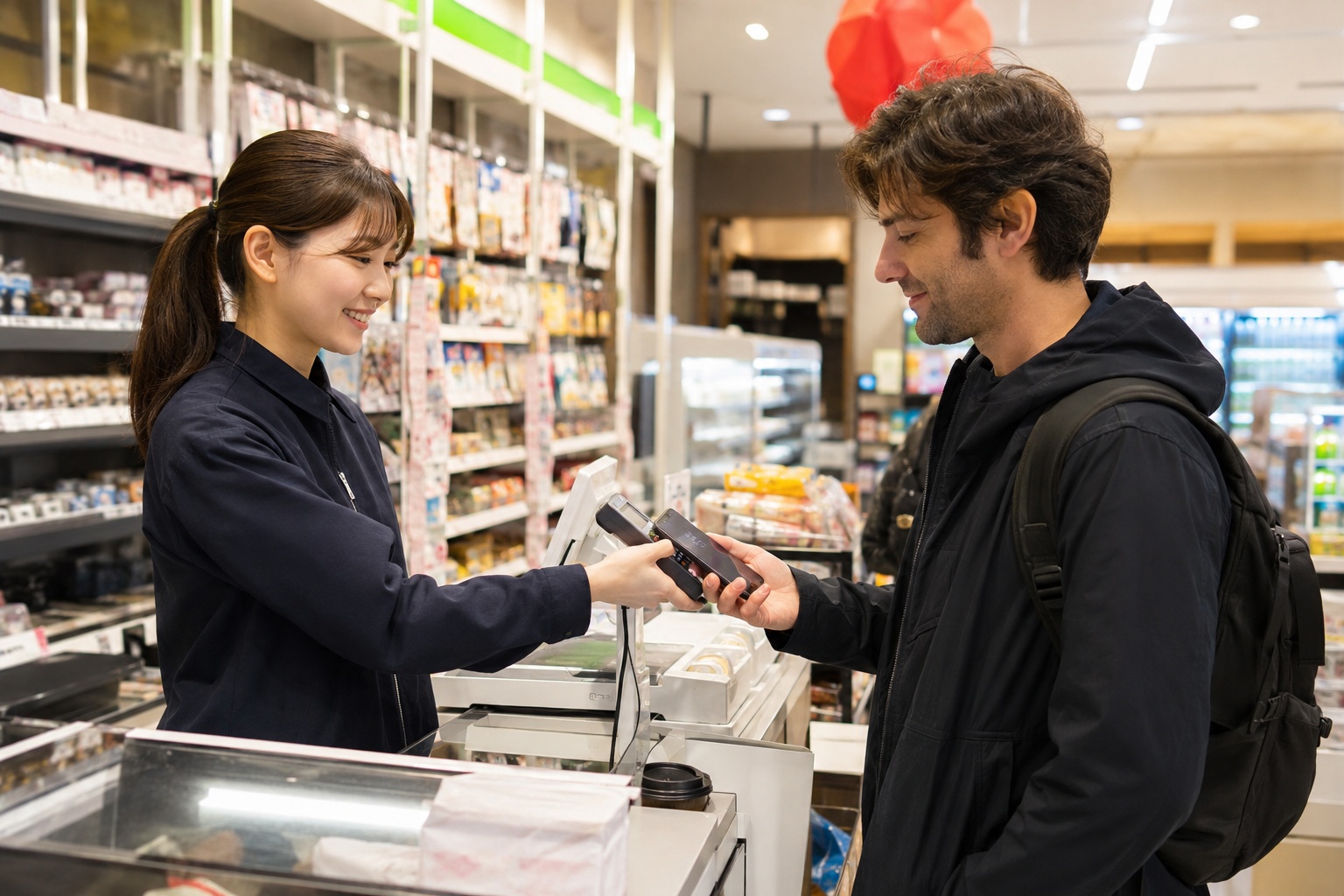
For most travelers, the safest plan is to use both cash and cards. Cards work well at hotels, convenience stores, department stores, many chain restaurants, and online bookings, while cash is still useful at small local restaurants, temples, markets, some lockers, and some rural or older businesses. Add an IC card for trains, buses, convenience stores, and quick small payments.
What You’ll Learn
- Understand where cash is still useful in Japan and where cards are usually accepted.
- Decide how much yen to carry without relying on cash alone.
- See how IC cards such as Suica and PASMO fit into daily payments.
- Prepare a simple backup plan for ATMs, foreign cards, and small cash-only situations.
Is Japan cashless?
Japan is more cashless than it used to be, and many travelers can pay by card in a large part of their trip. Hotels, convenience stores, department stores, major stations, and many tourist-facing businesses commonly accept international cards or other non-cash payments.
That said, Japan is not fully cashless. Smaller restaurants, independent shops, temples, shrines, local markets, and some countryside businesses can still be cash-first or cash-only. The practical takeaway is not to choose one method over the other, but to carry a mix of payment options.
- Use cards for hotels, larger shopping, online reservations, and many chain businesses.
- Use cash as a backup for smaller or uncertain places.
- Use an IC card for quick day-to-day transport and small purchases.
- Do not assume every place in a major city is fully cashless.
Where you still need cash in Japan
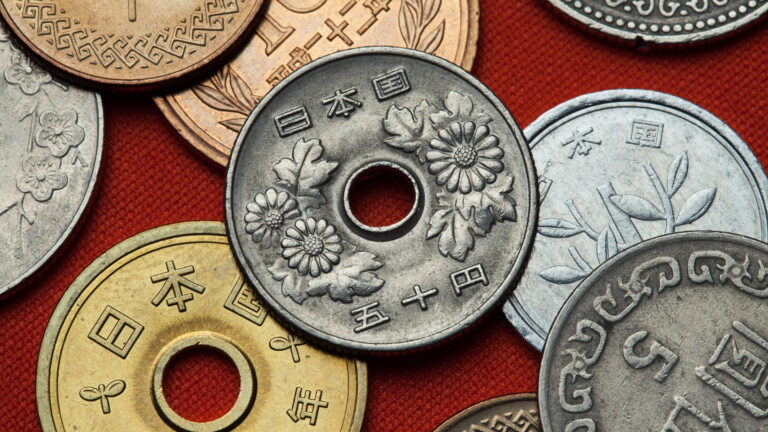
Cash is still useful in many ordinary travel situations, even in popular cities. A small amount of yen can save time and stress when a place does not accept cards or when payment systems are limited.
If your itinerary includes traditional areas, local food, or day trips outside the biggest city centers, cash becomes even more helpful.
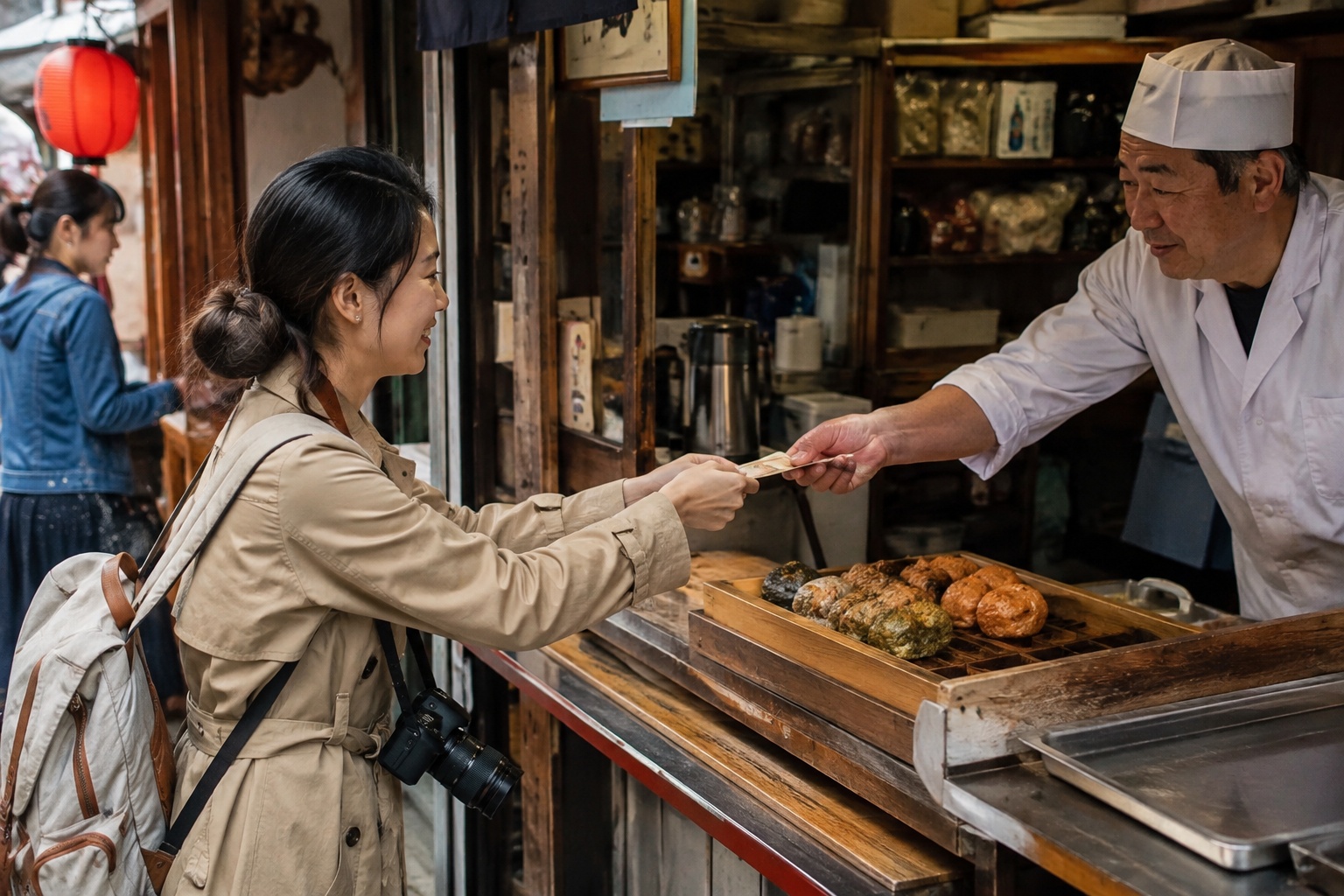
- Small local restaurants and family-run shops
- Temples, shrines, and offering boxes
- Street food stalls and traditional markets
- Some coin lockers and some older ticket machines
- Some buses or local transport outside major hubs
- Guesthouses, rural shops, and low-tech businesses
Where credit cards are easy to use
Credit cards are easy to use in many mainstream travel situations. International brands such as Visa and Mastercard are widely accepted, and travelers often have no problem using cards for larger spending categories.
Even when cards are usually accepted, it is smart to keep a backup option ready. Machines can be temporarily unavailable, individual locations may have limited brand support, and some counters still prefer cash for small payments.
- Hotels and serviced accommodation
- Department stores and major retail chains
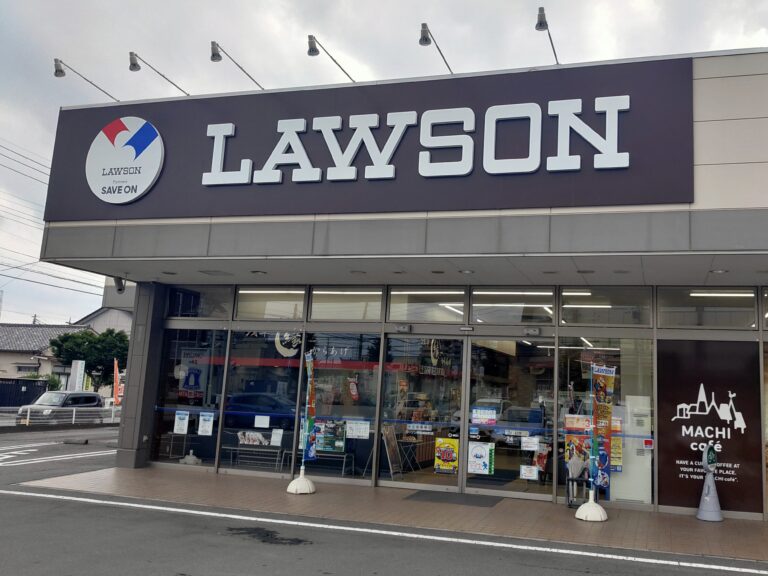
- Convenience stores and supermarkets
- Many chain restaurants and cafés
- Tourist booking counters and online reservations
How much cash should you carry?
There is no perfect amount for every traveler, because the right amount depends on your route and habits. Travelers staying in major cities and using cards often can usually carry a moderate daily cash reserve rather than a large amount of money.
A simple rule is to keep enough yen for meals, local transport, small purchases, and an unexpected cash-only stop, then withdraw more when needed. There is rarely a strong reason to carry all of your trip money in cash at once.
- Carry enough for daily essentials and emergencies.
- Keep extra cash in a separate, safe place from your main wallet.
- Use cards for larger payments when possible.
- Do not wait until you are almost out of cash before looking for an ATM.
Using IC cards for small payments
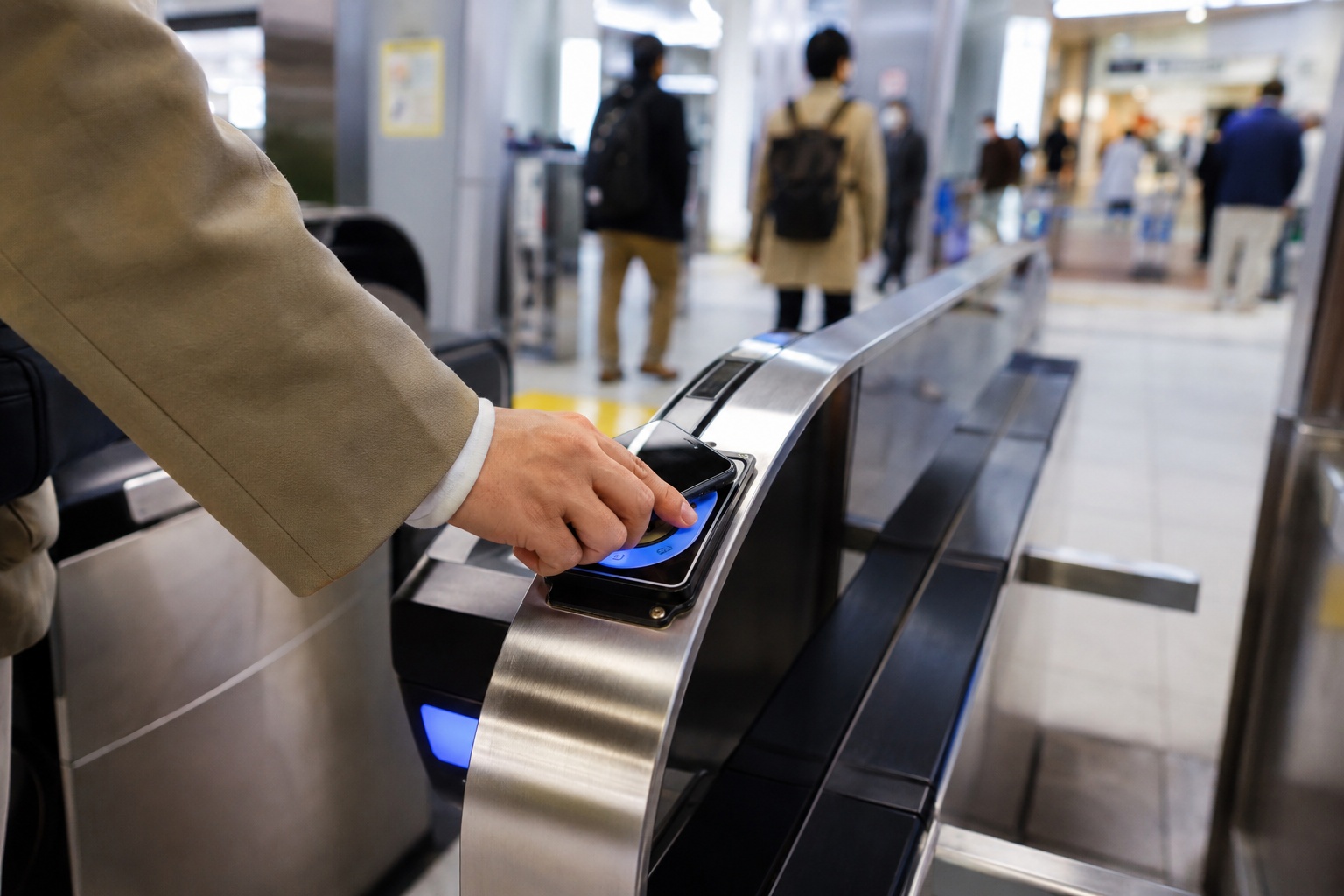
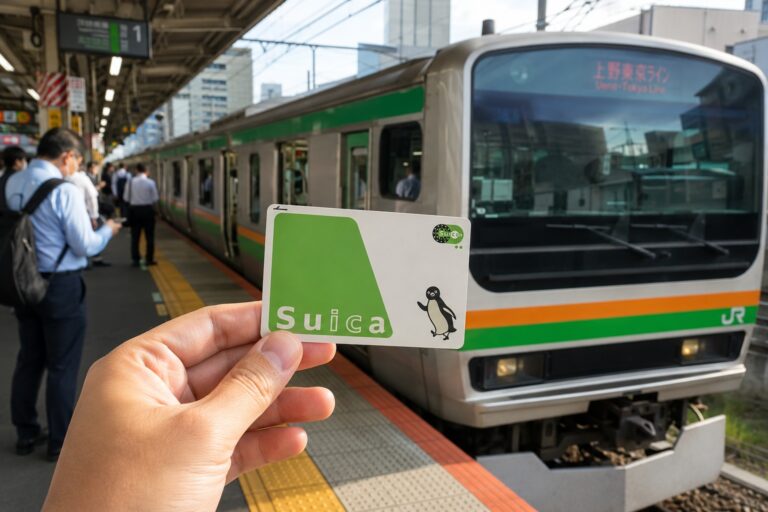
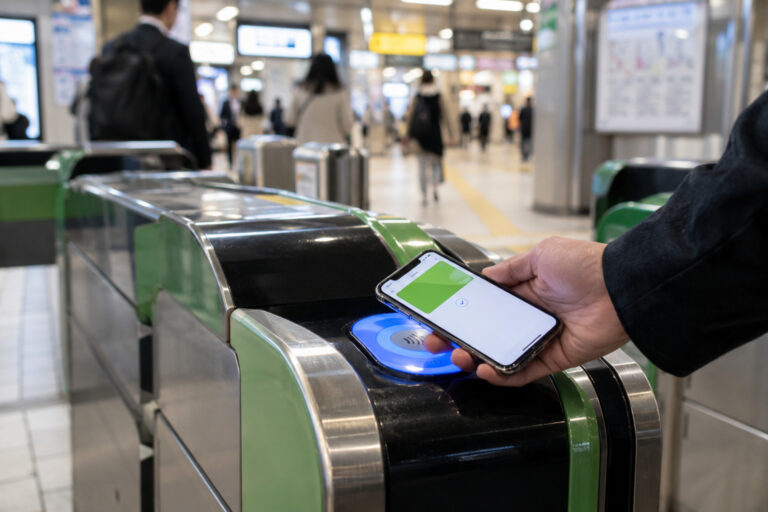
IC cards such as Suica and PASMO are one of the easiest ways to pay for everyday travel in Japan. They are mainly used for trains and buses, but they are also useful for many convenience stores, vending machines, and some small everyday purchases.
Think of an IC card as a fast prepaid tool rather than a replacement for every other payment method. It reduces friction for short rides and quick purchases, but it does not remove the need for cash or a card everywhere.
- Very useful for trains and buses
- Helpful for convenience stores and vending machines
- Can work at some coin lockers and small retail counters
- Best treated as a convenience layer alongside cash and cards
Where to get cash in Japan
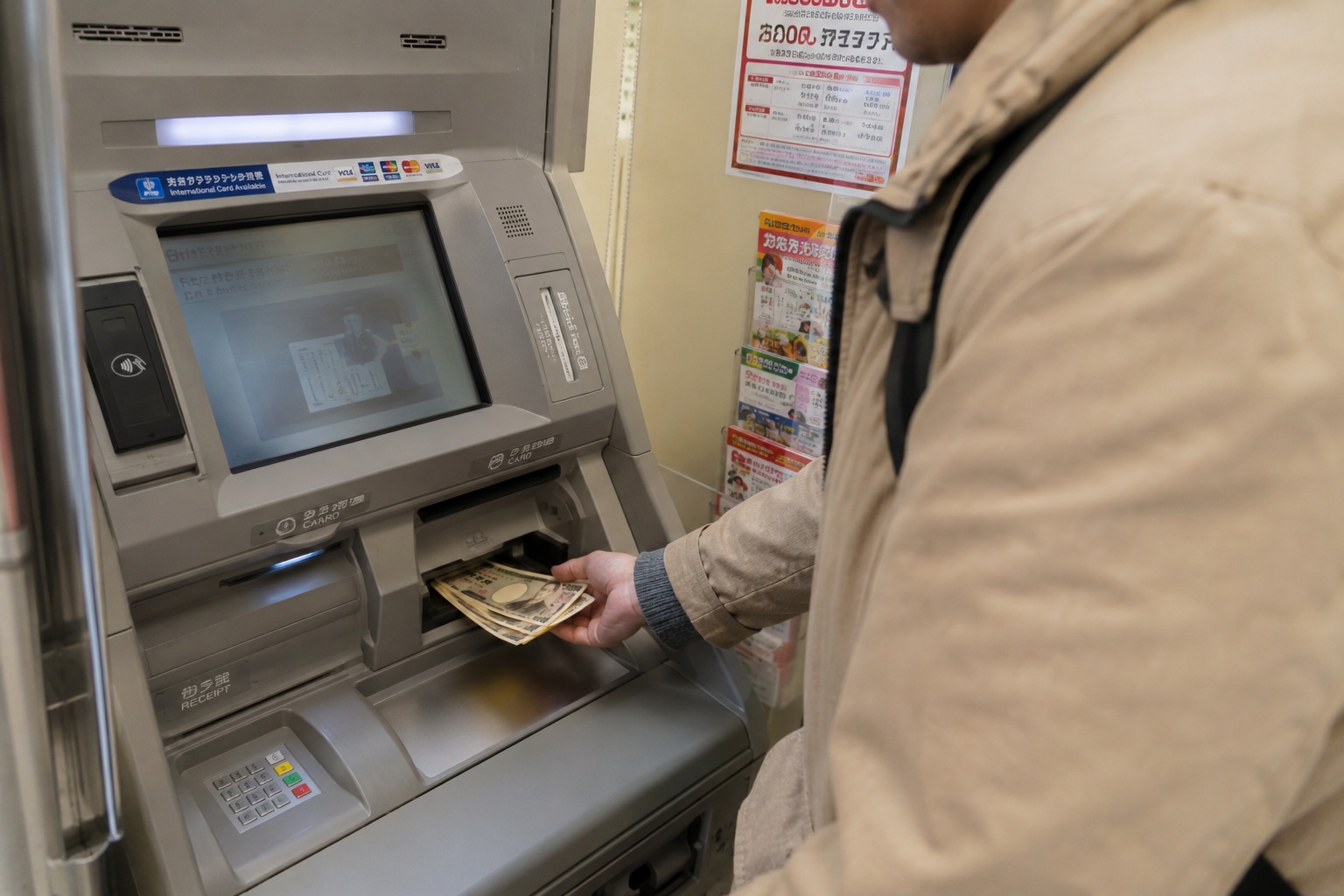
Many visitors withdraw yen after arriving instead of exchanging all of their money before departure. International-friendly ATMs are often the simplest way to get cash during the trip.
Seven Bank ATMs and Japan Post Bank ATMs are two of the most reliable options for foreign visitors. Before traveling, check that your card allows overseas withdrawals, confirm your PIN, and review any fees or limits set by your bank.
- Prepare a card that works for overseas cash withdrawals.
- Know your PIN before the trip.
- Check your bank’s withdrawal and foreign transaction fees.
- Use ATMs in clear, public locations such as airports, convenience stores, post offices, and stations.
Currency exchange vs ATM withdrawal
Currency exchange counters can be useful when you want immediate yen on arrival, especially if you prefer landing with some cash already prepared. They are simple, but the rate may not always be the best option available to you.
ATM withdrawal is often more flexible because you can take out cash as needed during the trip. The better choice depends on your bank fees, card network, exchange rate, arrival time, and comfort level with carrying cash.
- Airport exchange: easy right after landing, but rates may be weaker.
- ATM withdrawal: flexible during the trip, but fees and limits vary by card.
- Exchange before departure: useful for peace of mind, but you may carry more cash than necessary.
Tax-free shopping and payment rules
If you plan to shop in Japan, your payment method matters less than following the tax-free rules correctly. In many cases, you still need to present your passport and complete the required procedure at the right time and place.
Tax-free procedures are changing and, so travelers should check the latest official guidance before large purchases. If tax-free shopping matters to your trip, confirm the current process and what documents or timing are required.
- Bring your passport when making tax-free purchases.
- Check whether the store offers tax-free service.
- Follow the correct procedure at purchase or the designated counter.
- Review current official rules because the system is changing.
Common payment mistakes and the best strategy
Most payment problems in Japan are easy to avoid with simple preparation. The biggest mistake is relying completely on one payment method and assuming every situation will work the same way.
The strongest plan for most travelers is to combine three layers: a credit card for major purchases, some cash for local or uncertain situations, and an IC card for everyday transport and small payments. Add a backup card and you will be well covered for most trips.
- Do not assume Japan is fully cashless.
- Do not travel with zero yen in your wallet.
- Do not rely on only one credit card.
- Do not forget your ATM PIN or your bank’s fees.
- Keep a backup payment method separate from your main wallet.
FAQ
Do I need cash in Japan?
Yes. Cards are widely accepted in many places, but cash is still useful for small restaurants, temples, local shops, markets, some lockers, and some rural or low-tech situations.
Can I use credit cards in Japan?
Yes. Credit cards are commonly accepted at hotels, department stores, convenience stores, many chain restaurants, and many tourist-facing businesses, but acceptance is not universal.
Is Japan cashless now?
Japan is more cashless than before, but it is not fully cashless. Most travelers should still carry some yen.
Should I exchange money before going to Japan?
It can be helpful to arrive with some yen, but many travelers also withdraw cash after arrival. The better choice depends on your exchange rate, bank fees, arrival time, and comfort level.
Can I use Suica or another IC card instead of cash?
An IC card is very useful for trains, buses, convenience stores, vending machines, and some small purchases, but it does not replace cash or a regular payment card everywhere.
What is the safest payment plan for Japan?
Bring some Japanese yen, at least one credit card, a backup card, and an IC card if possible. Use cards for larger payments, cash for local or uncertain places, and the IC card for transport and small daily spending.
Related Japan Travel Guides

Official References
Final Thoughts
Japan is easiest when you stop thinking in terms of cash or card and start thinking in layers. Use cards for larger payments, cash for smaller or uncertain places, and an IC card for quick transport and daily purchases. With that mix and one backup method, most payment situations in Japan become simple and low-stress.