
Tax-Free Shopping in Japan: Eligibility, Refunds and Departure Steps
Learn who qualifies, what really saves money, how the November 1 departure-refund change works, and how to finish customs before checking your bags.
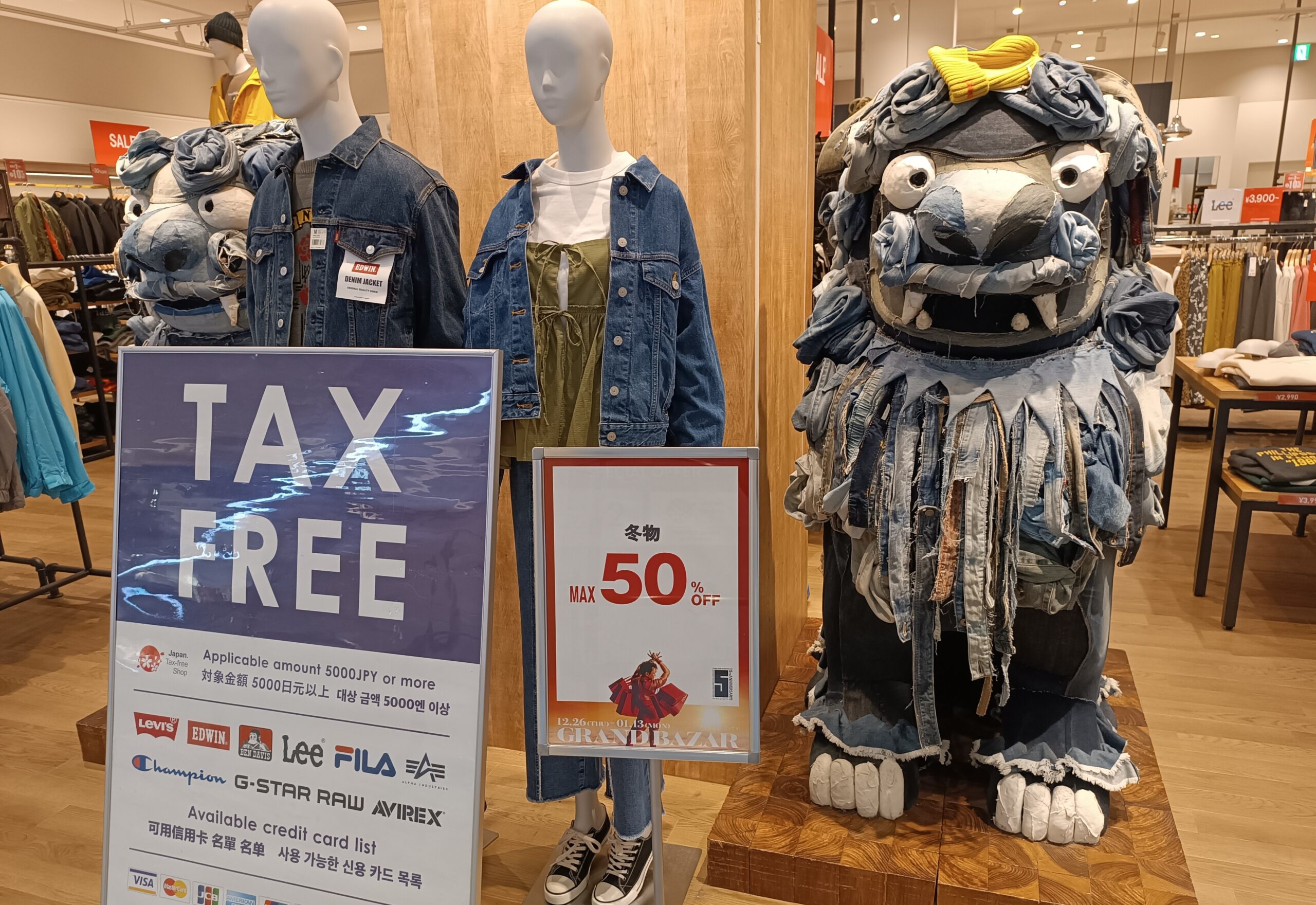
Start with the purchase date. For eligible purchases through October 31, the store generally removes consumption tax at checkout or its tax-free counter. From November 1, you pay the tax-inclusive price and claim the tax equivalent after customs confirms export at departure. In either case, check nonresident eligibility, bring the required passport and purchase at least ¥5,000 before tax at one authorized shop on one day. For the later refund process, keep every item accessible and complete customs within 90 days and before airline bag drop; a green terminal result completes the customs step, while a red result requires item inspection. Check the official Japan Tourism Agency guide for the precise changeover date and rules.
What You’ll Learn
- What changes at the register and airport when the refund system starts.
- How to calculate a ¥5,000 pre-tax threshold, and why 10% off a shelf price is the wrong formula.
- Which travelers, products and receipts qualify—and which do not.
- How to handle green/red customs results, checked bags and domestic flight connections.
- How to protect the refund if a purchase is partly consumed or a payment is delayed.
Check which tax-free procedure applies
The purchase date determines the process. Through October 31, an eligible shopper normally receives the consumption-tax exemption during checkout, sometimes after visiting the store’s own refund counter. From November 1, the national system switches to pay first, confirm export at departure, receive the tax equivalent later. The later refund does not come automatically just because a receipt says “tax-free.”
| Decision point | Purchases through October 31 | Purchases from November 1 |
|---|---|---|
| Payment at the shop | Eligible purchase normally sold tax-free or settled at a store tax-free counter. | Pay the full tax-inclusive price and register a refund route with the shop. |
| Goods rules | General items and consumables have separate conditions; consumables require special packaging. | No general/consumable distinction for the old purchase ceiling or special wrapping, but every qualifying item still must be exported. |
| At Japan departure | Carry qualifying purchases; customs may need to check them. | Complete the tax-free departure terminal procedure within 90 days, before checking baggage; show goods if asked. |
| When you receive the benefit | Normally at purchase or the retailer’s in-store counter. | After customs confirms export, the retailer or appointed provider processes the refund. |
This is a date-of-purchase change, not a choice made by the traveler. The earlier and later purchase procedures must not be mixed. If your trip crosses the changeover, keep records for each purchase separately and ask staff how they will be processed. Check the Japan Tourism Agency’s official English traveler guidance, linked in Official References, for the changeover calendar and any later notices.
Confirm that you are eligible before shopping
The exemption is for qualifying nonresidents, not everyone who carries a foreign passport. Most short-term overseas visitors must have a qualifying entry status and a recent arrival record; special categories, such as eligible Japanese nationals temporarily returning from a sufficiently long period abroad, have additional proof requirements. Residency in Japan generally disqualifies an ordinary visitor purchase.
- Before leaving the hotel: take the original passport you entered Japan with. Check that the landing permission or relevant entry record is available to the store. An e-gate arrival can sometimes create a documentation question; clarify it early.
- At the shop: ask whether the retailer accepts Visit Japan Web tax-free QR verification. It is not accepted at every retailer and does not eliminate passport requirements at departure.
- Before paying: ask staff to confirm your entry status, the items, and the purchase date’s process. A photo of a passport or a hotel ID is not a reliable substitute for the required original or authorized alternative.
For an unusual immigration status, long stay or Japanese returnee application, do not rely on a generic “tourists qualify” label. Ask the shop to apply its official eligibility check, and consult the Japan Tourism Agency guidance before making an expensive purchase.
Use a participating shop and ask before payment
Look for the official Japan Tax-Free Shop mark, then ask whether the specific counter and product participate. A duty-free shop in an international airport and a domestic tourist tax-free retailer may follow different procedures. An ordinary shop cannot give you a tax-free sale just because the product is expensive.
In department stores and malls, tax-free processing might be handled by the seller or at a shared counter. Not all tenants’ receipts can be added together. Ask before payment: “Can these receipts be combined, where is the counter, and what fee will be deducted?” Some shops require a prompt same-day visit to that counter. Policies and any processing charge belong to the retailer, not to a universal government percentage.
- Ask whether the listed price includes consumption tax. A sign marked 税込 is tax-inclusive; 税抜 is before tax.
- Check whether discount coupons, loyalty benefits and the tax-free process may be combined. Calculate qualification after applicable discounts.
- Check how the refund will reach you under the later system: card, bank, app, or another approved method; record the provider and contact channel.
- If a shop cannot explain the procedure or receipt, treat its advertised savings as unverified until staff clarify it.
Meet the purchase threshold correctly
¥5,000 before consumption tax is the minimum qualifying total for eligible goods bought at the same authorized shop, on the same day. A ¥5,000 tax-inclusive receipt is not necessarily enough: at the standard 10% rate, it represents only about ¥4,545 before tax. Purchases in separate stores cannot simply be combined. A genuine eligible shared-counter arrangement is different; staff must confirm it.
| Illustration | Tax-exclusive value | Typical result |
|---|---|---|
| Clothing marked ¥5,500 including 10% tax | ¥5,000 | Meets the basic threshold if all items and the buyer qualify. |
| One ¥4,400 item including 10% tax | ¥4,000 | Below the threshold, even though the cash paid looks close. |
| Eligible items ¥6,000 before tax, then a ¥1,500 discount | ¥4,500 after discount | Falls below the minimum; ask how the retailer allocates discounts. |
| Two ¥3,000 pre-tax purchases in separate independent shops | ¥3,000 at each shop | Not combined merely because the shopping happens on the same day. |
Under the earlier system, general goods and consumables also have different calculation and handling rules. Consumables carry an upper purchase limit of ¥500,000 before tax and must be specially packaged; mixed purchases need retailer confirmation. The refund method removes that consumables ceiling and special packaging distinction while retaining the ¥5,000 minimum. Keep the printed purchase breakdown to avoid a threshold dispute.
- Check the eligible amount before tax; services or excluded products do not count.
- Do not assume purchases from different branches can be combined.
- If combining receipts at a single tax-free counter, have staff confirm their approved scheme and any service charge.
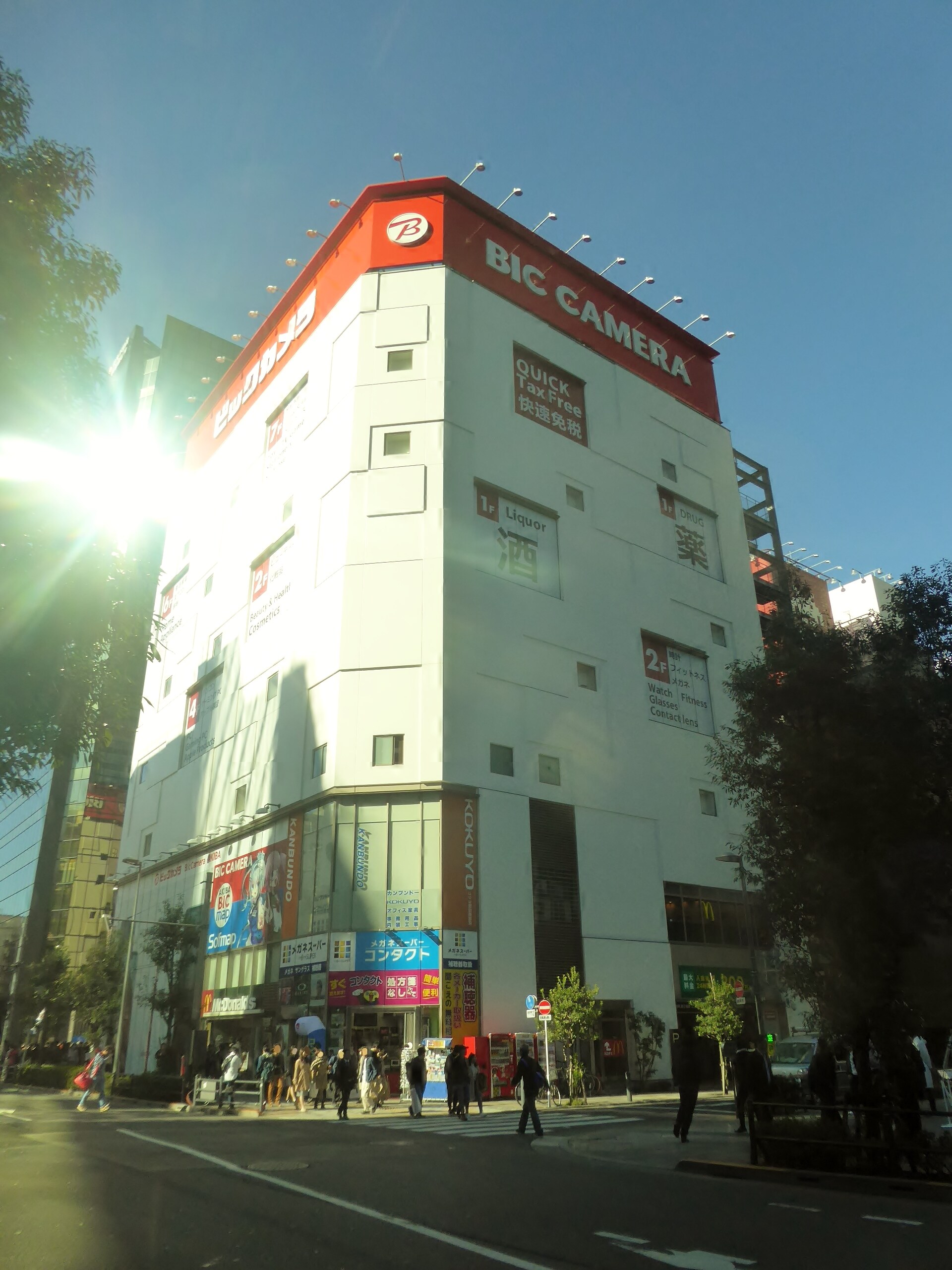
Calculate the actual savings before you buy
The amount saved is the consumption tax included in the qualifying price, not an automatic percentage off the total charged by every seller. The exact rate depends on the item, and service charges or foreign-exchange fees can reduce the effective benefit.
- Check the tax-exclusive eligible total: at least ¥5,000 per authorized store on one day.
- Find the tax portion: for 10% tax, tax-inclusive price ÷ 1.10 gives the before-tax figure. For eligible 8% foods, divide by 1.08.
- Subtract realistic fees: a retailer or provider might charge a handling fee, and a foreign card can introduce conversion cost.
- Account for your import country: an overseas VAT or duty payment may offset some or all of the Japanese tax saving.
Worked buying decision: imagine a tax-inclusive ¥33,000 camera. The underlying standard-rated price is ¥30,000 and its included tax is ¥3,000. If a store quotes a separate ¥300 handling fee (illustrative, not a national charge), the benefit is ¥2,700 before any foreign-exchange and destination-country costs. Ask the store to put the real numbers on the receipt before deciding.
Understand goods, consumables and exclusions
Typical exportable purchases are clothing, electronics, cameras, accessories, souvenirs, packaged snacks and cosmetics. The exemption is not designed for meals eaten in restaurants, hotel stays, tours or other services that cannot be carried abroad. Gold and platinum bullion and certain coins or tax-exempt goods are excluded. A high-value item does not become eligible simply because it is easy to pack.
Before the changeover: general goods and consumables are treated differently; qualifying consumables such as drinks, snacks and cosmetics require special packaging, and those packages must stay closed in Japan. The consumables ceiling also applies. From the changeover: the special packaging rule and the consumables ceiling are abolished, but food, cosmetics and other goods consumed or used up inside Japan cannot be refunded. You still must personally carry the purchased quantity and export it.
Practical case: buy a boxed camera for export and a snack to eat on the train. The camera may qualify if all other conditions are met, but the snack that will be eaten in Japan should be purchased separately without seeking an export refund. Under the later system, the inspection checks each purchase transaction: if even one item from a recorded tax-free receipt is missing, the refund for the entire transaction can fail. Ask the store to separate “take home” and “use now” purchases at the register.
- For makeup, skincare and food, decide before paying whether you will export unopened/unused or consume in Japan.
- Do not gift, resell, discard or leave tax-free goods in Japan.
- Packing and airline restrictions are separate from tax rules; check security limits for liquids, batteries and valuable goods.
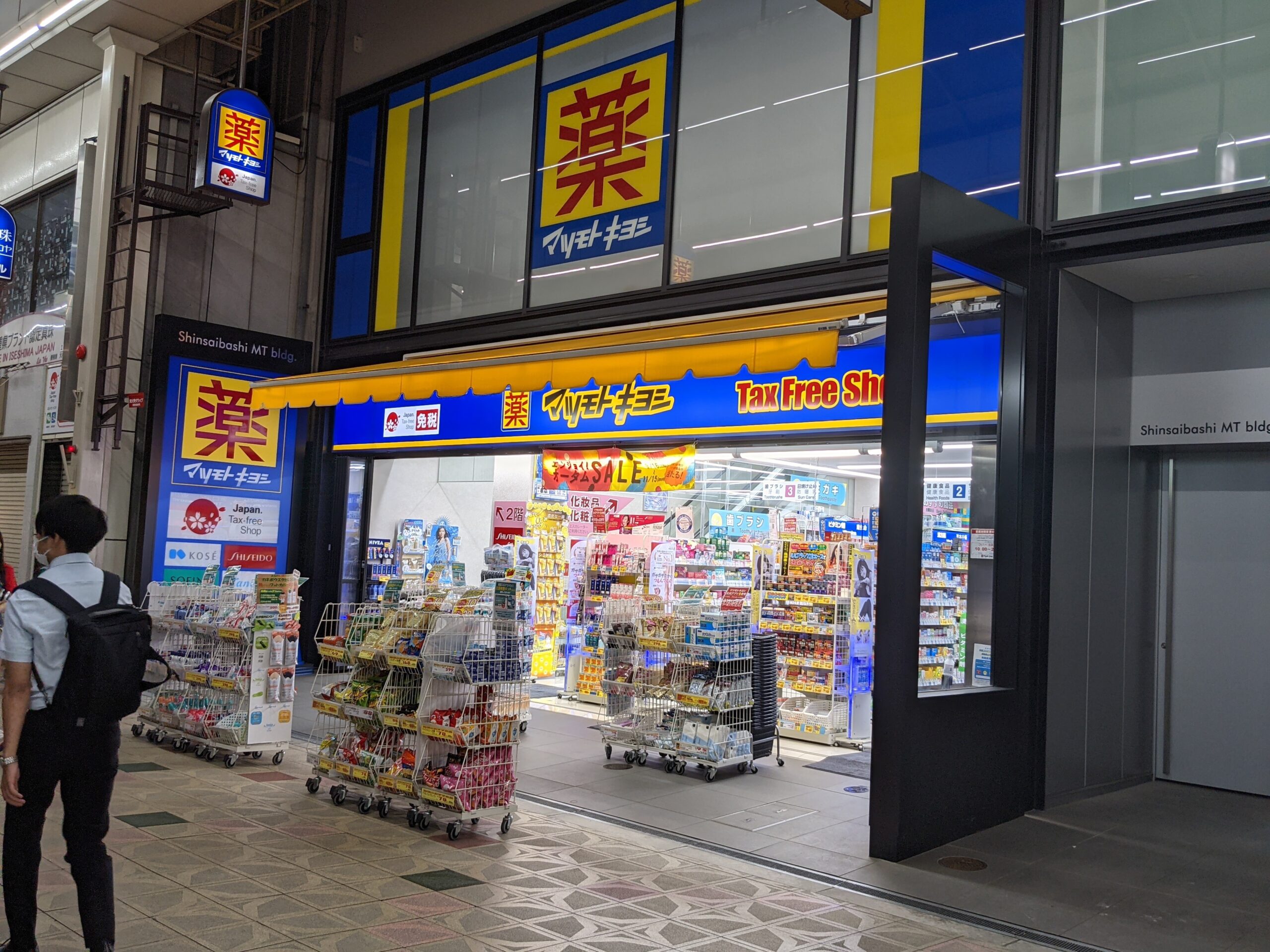
Complete the point-of-sale procedure when it applies
For purchases under the earlier point-of-sale procedure, show your qualifying travel document and request tax-free processing before the transaction is finalized. The store sends the required purchase record electronically; shoppers may receive the benefit at the register or through a retailer-operated in-store refund counter. A store counter fee may reduce the cash benefit.
- Pick the eligible items and calculate the appropriate tax-exclusive minimum for their category.
- Show the original passport or retailer-supported official digital alternative to staff. Let them verify entry status.
- Make sure the tax-free electronic sale is completed, not merely promised verbally. Compare the final charge with the tax-exclusive amount and fee.
- If consumables are specially sealed, keep the package closed and export it. Retain receipts until customs and any later questions are resolved.
If you already paid the ordinary price, do not assume you can obtain a refund days later. The store’s same-day counter rules are not the same as the later national departure-refund system. Follow the store’s actual procedure, and do not open packaging simply because the checkout receipt looks ordinary.
Complete the refund method when it applies
For purchases from November 1, start by paying the tax-inclusive price. The store records the qualifying sale and tells you how the refund will be paid. Customs checks your exported goods when you depart, within 90 days of the purchase date. Only after the customs-confirmation information is available does the authorized shop or its appointed provider issue the tax-equivalent refund. Customs does not send the money to your card itself.
- At purchase: present the accepted passport/eligibility information, confirm the ¥5,000 tax-exclusive minimum, and register the retailer’s refund method. Keep its reference number and support details.
- During your trip: preserve every item on each tax-free transaction and do not consume goods that will be claimed for export.
- At Japan departure: with goods still accessible, complete the terminal customs procedure in the international departure lobby before airline bag drop. Respond to any inspection request.
- After exit: check the store or refund provider’s method, deductions and settlement date. If payment does not arrive, contact the retailer/provider with the purchase details.
The exact refund channel and timing vary by shop. Official traveler guidance lists possibilities such as bank transfer, credit-card refund, app service or cash service after customs confirmation. Confirm what your shop supports instead of expecting immediate airport cash.
Present the goods before checking baggage
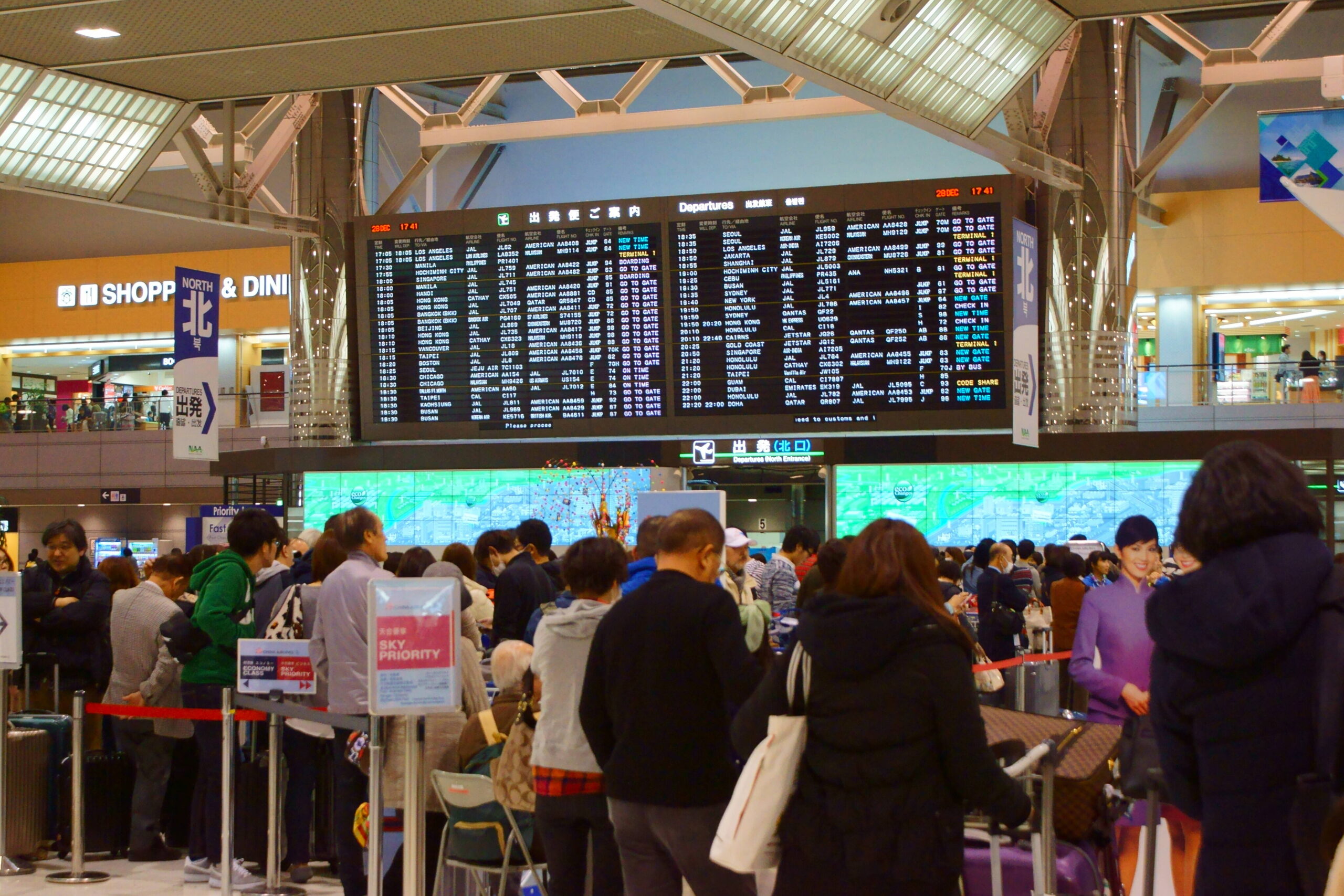
The later refund procedure has a decisive before bag drop step. Locate the tax-free procedure terminal or other designated customs process in the international departure lobby, not after security. Scan the same passport used for the purchase. The terminal displays a green result if the customs procedure is complete, or a red result if you must bring the goods to a customs inspection area.
- Green result: the electronic customs process has completed; keep the goods for actual export and proceed according to signs.
- Red result: go to the instructed customs inspection area with the goods, passport and records. A red result is not a notice to board or to check your bag first.
- Suitcase already checked: you cannot assume it can be retrieved for inspection. Complete the procedure before surrendering any checked bags that contain tax-free goods.
- Domestic connection: if your itinerary is a domestic flight followed by an international departure, do the customs confirmation at the airport where you finally leave Japan; plan access to the bags accordingly.
- Major airports: a Visit Japan Web option may be available in designated wireless LAN areas of the international departure lobby. This does not remove the requirement to have goods available for inspection.
Allow extra time for large purchases or manual inspection. A passport scan may take seconds, but the queue and physical check can take longer. Goods inspected must actually be exported without delay. Look for the correct departure-terminal instructions; do not assume every airport uses the same terminal layout.
Protect the refund from card and currency surprises
“10% tax free” does not mean every sticker price falls by 10%. Most ordinary goods carry 10% consumption tax, while qualifying foods may carry the reduced 8% rate. Removing 10% tax from a tax-inclusive ¥11,000 product gives a tax-exclusive price of ¥10,000, saving ¥1,000—not ¥1,100. Removing 8% tax from a tax-inclusive ¥5,400 eligible food item gives ¥5,000, saving ¥400. Rates and whether the item qualifies must be verified at checkout.
| Case | Paid before a later-system refund | Illustrative tax equivalent |
|---|---|---|
| Exported camera, ¥11,000 including standard tax | ¥11,000 | ¥1,000 potentially refunded if all conditions are satisfied. |
| Eligible packaged food, ¥5,400 including reduced tax | ¥5,400 | ¥400 potentially refunded if exported and not consumed in Japan. |
| Same camera; refund provider deducts a hypothetical ¥150 fee | ¥11,000 | Net refund ¥850 in this fee example only; actual fee depends on your provider. |
When paying by card, compare the bank’s conversion from yen with any terminal offer to charge in your home currency. Dynamic currency conversion and the refund exchange rate can change the final result. Keep the original payment receipt, the tax-free purchase record, the provider confirmation and the final statement until the refund settles.
- Ask: “What exact amount comes back after any handling charge?”
- Record whether the refund will be made in yen or another currency and who sets the rate.
- For large purchases, compare tax-free net price with a home-country price including import taxes and warranty differences.
Treat high-value purchases with extra care
A luxury watch, camera or jewelry purchase can be worthwhile, but customs may ask for stronger evidence. Under the refund process, the official traveler FAQ warns that for an item priced at ¥1 million or more before tax, officials may request its authenticity certificate or warranty in addition to seeing the article. Carry those documents with the item and ensure the receipt describes the same model or serial number.
Example: a traveler buys a watch, places it in another person’s checked suitcase and tries to process the refund after bag drop. Even if the payment and passport were valid, the traveler may be unable to present the watch, so the customs confirmation needed for a refund can fail. Instead, plan secure carriage and accessible inspection before checking luggage, consistent with airline safety rules.
- Photograph item descriptions and serial numbers for your own records, but do not rely on photographs instead of presenting the goods.
- If purchased goods will be handled by different members of a group, verify how the same shopper will present them.
- Japanese consumption-tax treatment is not the same as your destination’s customs allowance: import duties, VAT and declaration requirements may still apply.
- For delicate, battery-powered or liquid-containing items, check air-carrier carriage restrictions separately.
Do not confuse personal mailing with verified export
A post-office or courier receipt for a parcel you shipped yourself is not a replacement for the personal-export evidence required for tax-free shopping. Japan abolished the former traveler-arranged separate-shipment treatment. Sending a purchase to your own address does not automatically preserve a tax-free sale or qualify for departure refund.
Some retailers can arrange their own documented overseas shipping process under the applicable rules. The tax treatment and method vary, so ask the shop to confirm its authorized handling in writing before purchasing. Do not improvise by asking a hotel to post a package on your behalf after checkout.
- Before shipping, ask whether the retailer can handle the purchase as an authorized overseas delivery.
- Otherwise plan to personally present every tax-free purchase at Japan departure.
- Keep merchant paperwork and do not assume that tracking showing delivery abroad proves customs confirmation for your tax-free purchase.
Three situations that cause failed refunds
Three realistic purchase scenarios show why the receipt, item availability and timing matter more than the “tax-free” sticker.
- Beauty-shop visit: you plan to open sunscreen that afternoon and export the rest. Under the later system, keep the sunscreen outside the tax-free export transaction; customs confirms each transaction, and a missing item can invalidate its entire refund.
- Electronics in checked baggage: a camera is already sealed in a checked suitcase. For the later system, you may fail the customs item check if you scan the passport after bag drop. Do the procedure before checking that suitcase.
- Family shopping for different travelers: purchases were recorded on one person’s passport, but someone else is carrying the goods. Ensure the recorded shopper can present all items at inspection. Merely pooling bills among relatives does not create a shared ¥5,000 purchase.
The safest fallback is to use regular taxable checkout for anything you will consume in Japan or cannot carry and present abroad. An advertised refund is not a saving if the export requirement cannot be satisfied.
Use a final shopping and departure checklist
Use these three moments to prevent the most expensive mistakes. Saving screenshots before leaving the store is much easier than reconstructing a missing refund record abroad.
- At the register: verify the shop is authorized, the traveler is eligible, goods are exportable, the taxable rate is correct and at least ¥5,000 of eligible purchases is counted before tax at that shop on that day.
- Before leaving the store: ask whether the purchase falls under the point-of-sale or refund method; compare the listed tax saving, any processing fee, and the refund payment channel. Separate goods to be consumed in Japan from goods to export.
- Before going to the airport: group receipts by transaction; check every item is still present, and put goods where they can be reached for inspection. For the refund method, confirm departure is within 90 days.
- At the international departure lobby: complete the tax-free electronic or customs procedure before you hand luggage to the airline. If the terminal requires inspection, bring the goods to customs.
- After departure: retain your refund reference and payment-card records; resolve missing refunds with the issuing shop or service provider. Also follow destination-country import and declaration rules.
One-minute check: passport, eligible purchase record, all recorded items, customs before bag drop, refund destination, and a copy of the official procedure. If one element is missing, resolve it before leaving the store or starting airline check-in.
FAQ
Who qualifies to shop tax-free in Japan?
Eligible nonresidents—including qualifying short-term foreign visitors and certain Japanese temporary returnees—must pass the retailer’s documented eligibility check. Being a foreign passport holder alone is not enough, and long-term Japanese residents generally do not qualify.
Can I use a passport photo or Visit Japan Web instead?
Bring the original passport. Some shops support an official Visit Japan Web tax-free QR code for qualifying travelers, but not all shops accept it. Customs departure procedures under the refund method require the appropriate passport verification; a saved photograph alone is not sufficient.
What is the minimum spend?
Generally at least ¥5,000 before tax in eligible goods at one authorized store on one day. A ¥5,000 price including 10% tax is below the required pre-tax value. A genuine approved combined-tax-free-counter scheme may allow certain receipts to be handled together.
Do I get a discount immediately or later?
For qualifying purchases through October 31, the benefit is normally settled at the shop. From November 1, the traveler first pays the tax-inclusive price and the retailer or its refund provider issues the refund only after departure customs confirms export.
Is it really 10% off the shelf price?
No. If an eligible 10%-rated item costs ¥11,000 including tax, its underlying price is ¥10,000 and the tax component is ¥1,000. Certain food items may use the reduced 8% rate, and processing fees can change the actual net saving.
Can I eat the snacks or use the cosmetics I bought tax-free?
Under the earlier rules, consumables require special packaging that must not be opened while in Japan. Under the later refund system that special wrapping rule is removed, but items consumed in Japan cannot count as goods exported for a refund. A partly missing receipt transaction can lose its entire refund.
What if I bought one item I cannot take home?
For the later refund system, customs assesses a purchase transaction as a whole. If one item from its recorded purchase is unavailable for export inspection, none of the items under that transaction will qualify. Do not attempt the terminal procedure for partly consumed items; tell a customs officer.
Can I put tax-free goods in checked luggage?
Yes, subject to airline rules, but for the refund system you must complete the customs procedure before handing that luggage over. The passport scan may require physical inspection of goods; a bag already checked cannot simply be retrieved for that purpose.
What do green and red results at the airport mean?
Green means the tax-free customs procedure is complete. Red means report to the designated customs inspection area and show the goods. Both results come from the departure terminal process performed before airline bag drop.
How long after buying can I leave Japan?
Under the refund system you must receive departure customs confirmation within 90 days of the purchase date. This is a condition for that system, not a general statement about the length of your visa or eligibility status.
Does a domestic connection change the customs airport?
Complete the refund-system customs procedure at the airport where your international flight departs Japan, even if you take a domestic flight there first. Plan where your goods will be accessible before the relevant baggage check-in.
Can I mail my shopping back to myself?
Do not treat personal overseas mailing as proof for the tourist tax-free exemption: the earlier separate-shipment treatment was abolished. Ask the authorized shop about a documented shop-arranged overseas shipping service before purchase instead.
Who issues the refund and when will it arrive?
The authorized shop or its appointed refund provider issues it after customs-confirmation information is received. The channel—card, bank, app or possible departure-port cash service—depends on that provider. Ask the retailer about fees, timing and support, and keep the receipt until payment settles.
What about an expensive watch or camera?
For items costing ¥1 million or more before tax, customs may request an authenticity certificate or warranty. Carry the product and paperwork together for possible inspection. Your home-country import declaration and duties remain separate obligations.
Related Japan Travel Guides
Official References
Final Thoughts
A worthwhile tax-free purchase is one you can legally export, present at customs and document. Verify your status and the pre-tax ¥5,000 threshold at checkout. Before the November 1 changeover, follow the store’s point-of-sale exemption instructions; after it, plan the airport confirmation before baggage check-in and within 90 days, then track the retailer’s refund. Compare the net saving rather than the advertised percentage, and consult the official references whenever your purchase date or travel circumstances are unusual.