
How to Use IC Cards in Japan
IC cards make trains, buses, and small purchases easier in Japan. Learn how Suica, PASMO, ICOCA, and visitor cards work, where to buy them, how to top up, and when you still need a ticket.
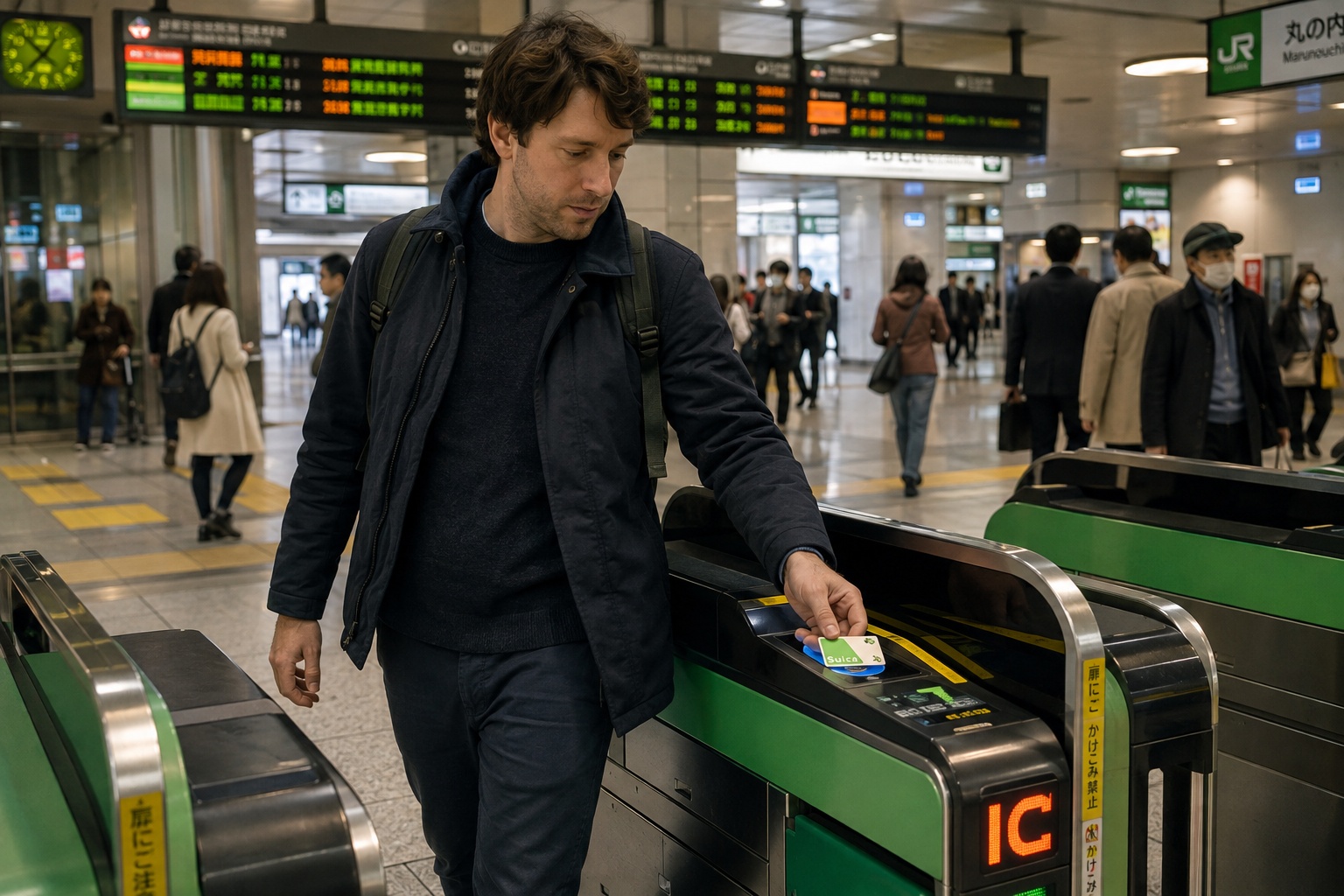
A Suica, PASMO or ICOCA card usually works for everyday local trains, many buses and participating shops. Buy the easiest available compatible card, start with a modest balance and tap as instructed. For intercity trains, special services or journeys crossing IC regions, check whether you need a separate ticket. Visitor cards can expire and may not refund leftover money.
What You’ll Learn
- What IC cards are and how they differ from single paper tickets.
- Where visitors can buy Suica, PASMO, ICOCA, and visitor versions.
- How to use IC cards on trains, subways, buses, lockers, and shops.
- When an IC card is enough and when you still need a separate ticket or pass.
What is an IC card in Japan?
An IC card is stored-value electronic money, not an unlimited travel pass. For a typical local rail journey, the reader records entry and deducts the appropriate fare at exit. It can also pay at participating shops displaying a compatible IC payment mark.
For example, if you have ¥2,000 loaded and make a ¥220 local train trip, your remaining balance becomes ¥1,780. The amount is an illustration, not a quoted fare. You still need to check whether your specific service accepts IC payment.
A separate rail ticket may be required for a limited express, reserved seat or a trip crossing incompatible IC fare areas.
Which IC cards should travelers know?
For ordinary travel within participating networks, Suica, PASMO and ICOCA are largely interchangeable. Choose the card that is easiest to obtain at your arrival airport or station, rather than buying one of each.
A Tokyo arrival often makes Suica or PASMO convenient; a Kansai arrival may make ICOCA convenient. However, mutual acceptance does not mean you can tap straight through every regional boundary: a journey between separate IC areas may require a paper ticket or a stop to settle the fare.
Do not confuse a standard refundable card with a short-term visitor product. Their validity, deposit and refund rules can be different.
Where to buy an IC card
First check the official operator’s current sales locations, since card stock, visitor products and vending-machine availability can change. At the station, look for the operator’s IC card sign or ask staff for a card compatible with local trains.
Standard Suica and PASMO cards typically involve a refundable deposit, whereas Welcome Suica is a short-term visitor product without a deposit and with different refund rules. Welcome Suica is generally valid for 28 days from first use, and unused balance is not refunded; plan your final top-up accordingly.
PASMO PASSPORT has been a visitor product with a 28-day validity, but do not assume it is currently sold. Verify its current availability on the PASMO official site before recommending it as a purchase option.
For a short trip, start with a modest amount such as ¥1,000–¥2,000 and recharge later, rather than loading more than you expect to spend.
How to use an IC card on trains and subways
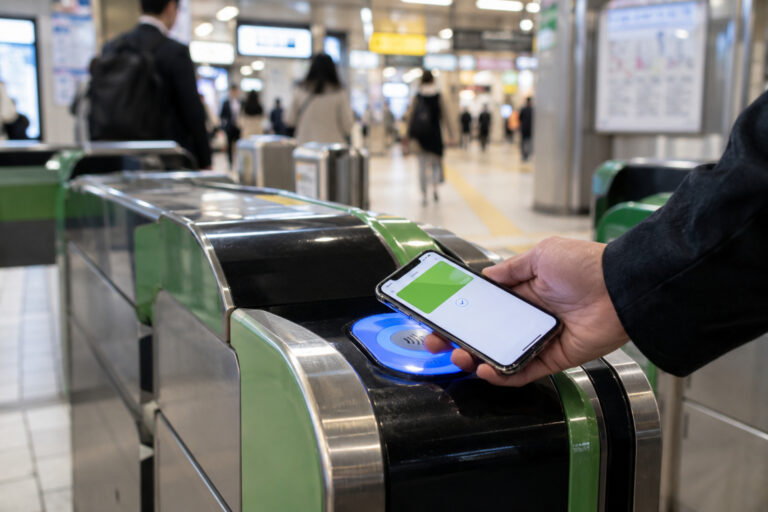
At the entry gate, tap the same card or phone once and wait for the gate to accept it. At the destination, tap that same card or device again. Using a different card to exit can leave the journey unresolved.
If the gate rejects your card, read the displayed message and ask station staff rather than repeatedly forcing the gate. A low balance, incomplete previous journey or unsupported route can all require assistance.
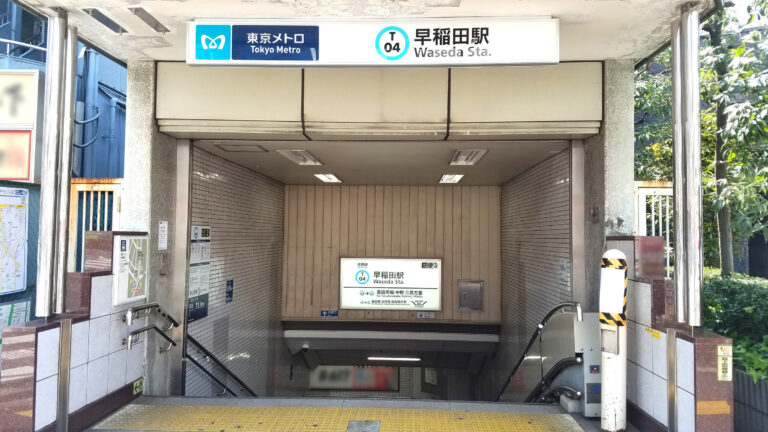
Example: Tokyo city travel with several subway and JR rides is usually straightforward with one compatible card, but a long journey that crosses independent IC fare regions may need a ticket purchased before departure.
How to use an IC card on buses
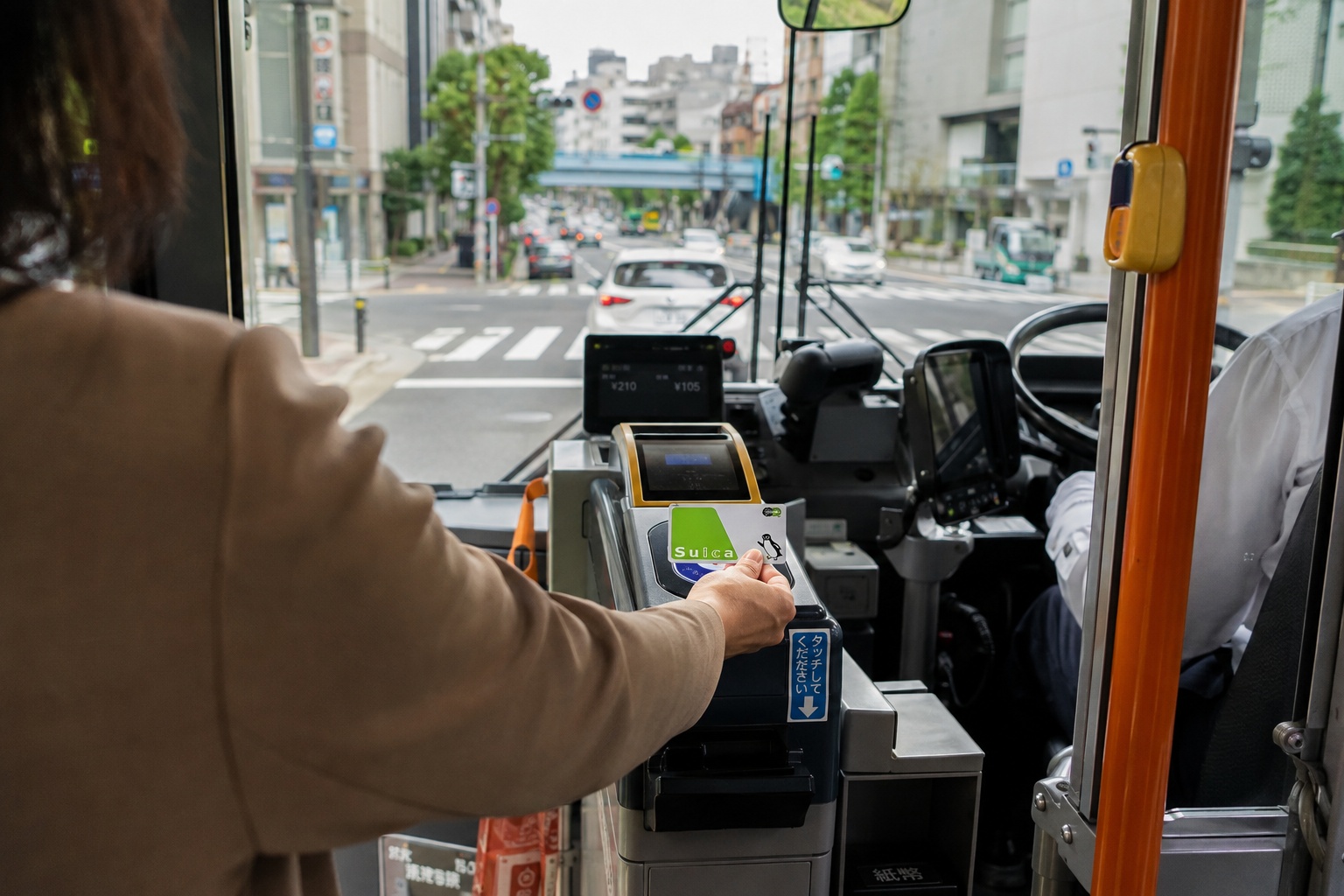
Bus payment rules vary: some flat-fare services require a tap only when boarding, while distance-based routes may require taps on both boarding and alighting. Look for the reader and follow the posted instruction.
For example, a bus with a rear boarding door and front exit may calculate the fare when you tap out. Another city bus may collect a flat fare at boarding. Never assume that every bus uses the same procedure.
If the bus does not display an accepted IC mark, keep cash or another approved payment method available. Some rural services and special routes do not support the major cards.
Using IC cards for shopping and small payments
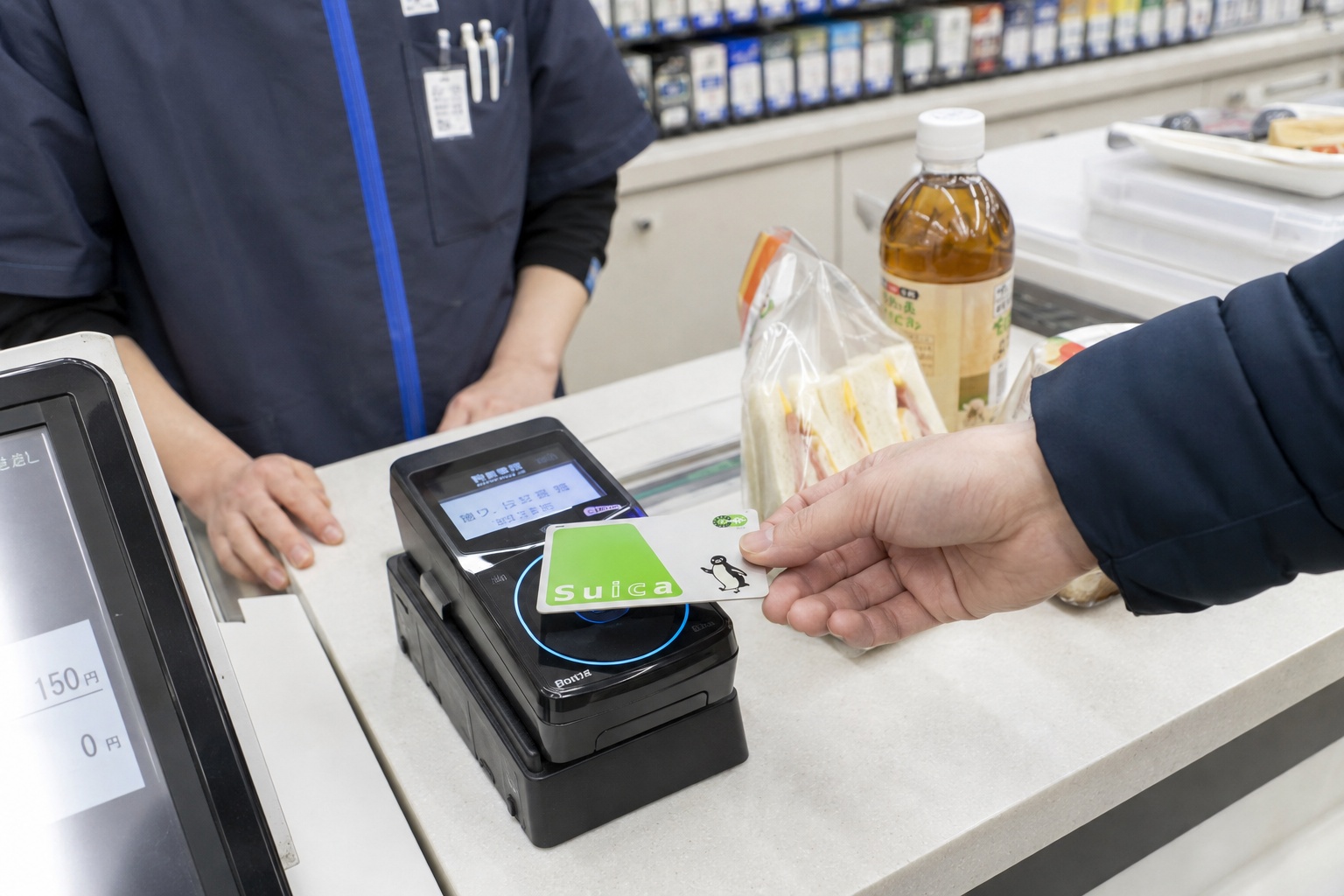
At a participating shop, tell the cashier you want to pay with transportation IC electronic money, or choose the relevant option at a self-checkout. Tap only when the terminal prompts you.
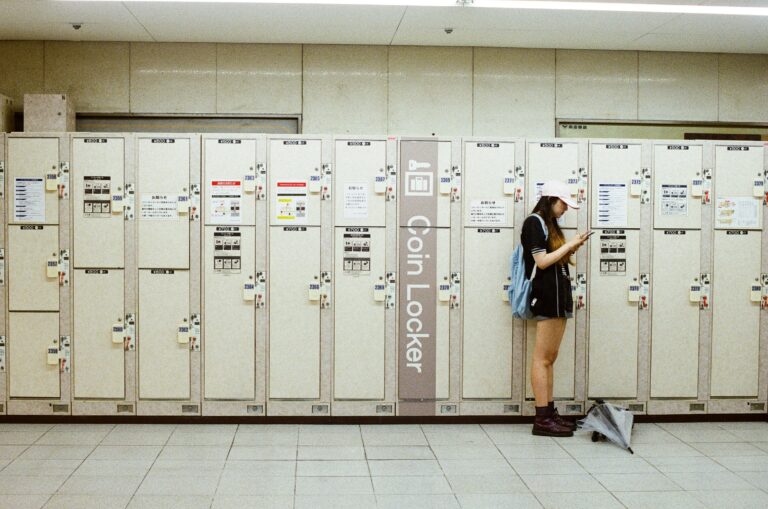
Look for the IC payment logo at convenience stores, vending machines, lockers and station retailers. Acceptance is merchant- and machine-specific, so the fact that a station accepts IC train fares does not guarantee every shop or locker accepts it.
Before your last day, use remaining short-term card value on eligible small purchases rather than adding a large top-up that may be nonrefundable.
How to top up an IC card
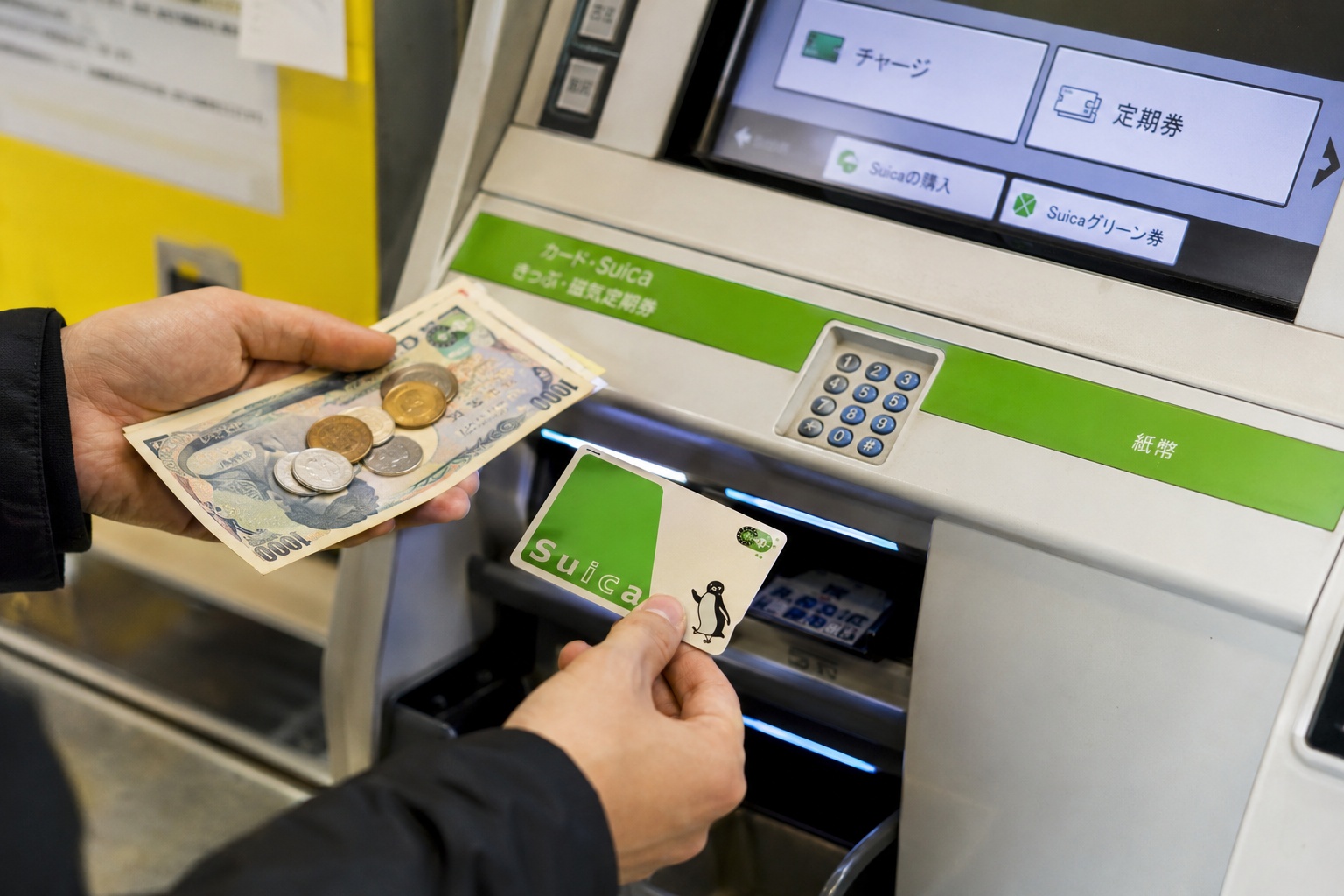
At a compatible station recharge machine, insert or place your card, choose an amount, pay and confirm the new balance. Physical-card top-ups are commonly cash-based; do not rely on a foreign credit card working at a machine.
Many participating convenience stores can recharge physical cards at the cashier, but acceptance varies. Ask for an IC card charge and confirm the supported payment method.
Mobile wallet recharge methods differ by phone, issuing card and payment card. If your foreign card is rejected, use an alternative supported payment method or obtain a physical IC card.
A small top-up near the end of the trip reduces the risk of unused value, particularly on visitor cards that do not offer refunds.
Mobile IC cards and smartphones
On a supported iPhone or Apple Watch, you may be able to add a compatible transit card in Wallet and tap at the gate. Check device compatibility, regional support and the payment methods accepted for adding value before departure.
Not all Android phones sold outside Japan support Japanese transport IC cards. Do not assume that a phone with NFC will work. If setup is unavailable, a physical card is the safer backup.
For a mobile card, keep the same device or card selected for both entry and exit. A depleted battery, device change or payment setup problem can interrupt your trip; know where to ask station staff for help.
When an IC card is not enough
An IC balance generally pays ordinary eligible base fares; it does not automatically include Shinkansen travel, limited-express surcharges, reserved seats or every airport service. Some Shinkansen booking systems let you register an IC card as an identifier, but that requires a separate ticket purchase or reservation.
Check the complete route before traveling between major cities or across IC service-area boundaries. A paper ticket or separate booking can be necessary even if both departure and arrival stations display an IC logo.
An IC card is also not automatically the cheapest choice. If you will take many rides on a specific subway network in one day, compare its day pass with your expected individual fares; do not buy a pass just because it sounds convenient.
Best strategy for first-time visitors
Arriving in Tokyo for a five-day city stay? Get one easily available compatible IC card, load a modest balance and use it for ordinary trains and small purchases. If you already have a supported mobile IC card, you may not need another physical card.
Traveling Tokyo–Kyoto–Osaka? Use your IC card for local trips in each supported area, but arrange the Tokyo–Kyoto Shinkansen journey separately. Do not expect the IC card alone to cover that intercity ride.
Traveling with children? Ask the operator about child fare eligibility and child cards; an adult card does not automatically apply a child discount. Families should check whether each traveler needs their own card.
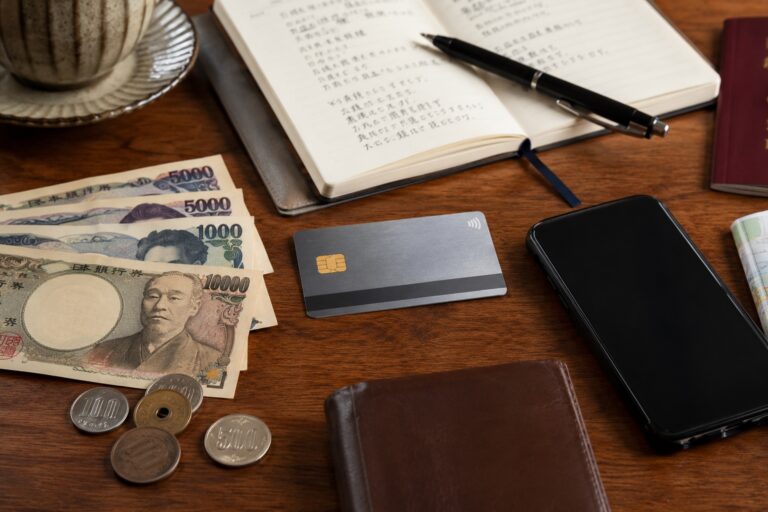
Leaving Japan soon? Check the balance before the final day, understand your card’s refund or expiry rules, and keep a small cash reserve for unsupported buses, lockers or merchants.
FAQ
Can tourists use Suica or PASMO in Japan?
Yes. Tourists can use major IC cards in Japan, including standard and visitor-oriented options, depending on what is currently being sold.
What can I pay for with an IC card?
You can commonly use it for trains, subways, many buses, convenience stores, vending machines, and some lockers or station shops.
Is Suica the same as PASMO?
They are different brands, but for most everyday traveler use they work very similarly and are generally interoperable across major supported networks.
Can I use one IC card in different Japanese cities?
Usually yes for ordinary supported areas, because major IC cards belong to a nationwide mutual-use network. Still, always check route specifics for unusual cases.
Can I use an IC card for the Shinkansen?
Not by default in the same simple way as local trains. Many Shinkansen or reserved services require separate tickets, reservations, or dedicated setup.
How do I recharge an IC card?
You usually recharge it at a station ticket machine, fare adjustment machine, or another supported recharge point by choosing an amount and completing payment.
Related Japan Travel Guides
Official References
Final Thoughts
IC cards are one of the easiest upgrades you can make to your Japan trip. They simplify local transport, reduce ticket-machine stress, and work for many everyday purchases. If you understand how to buy, tap, and recharge one, you will move through Japan much more smoothly.