
Tokyo Subway Guide: Tickets, Transfers & Station Exits
Choose an IC card or subway ticket, understand Tokyo Metro and Toei, follow station codes, and find the right platform, transfer gate and street exit.
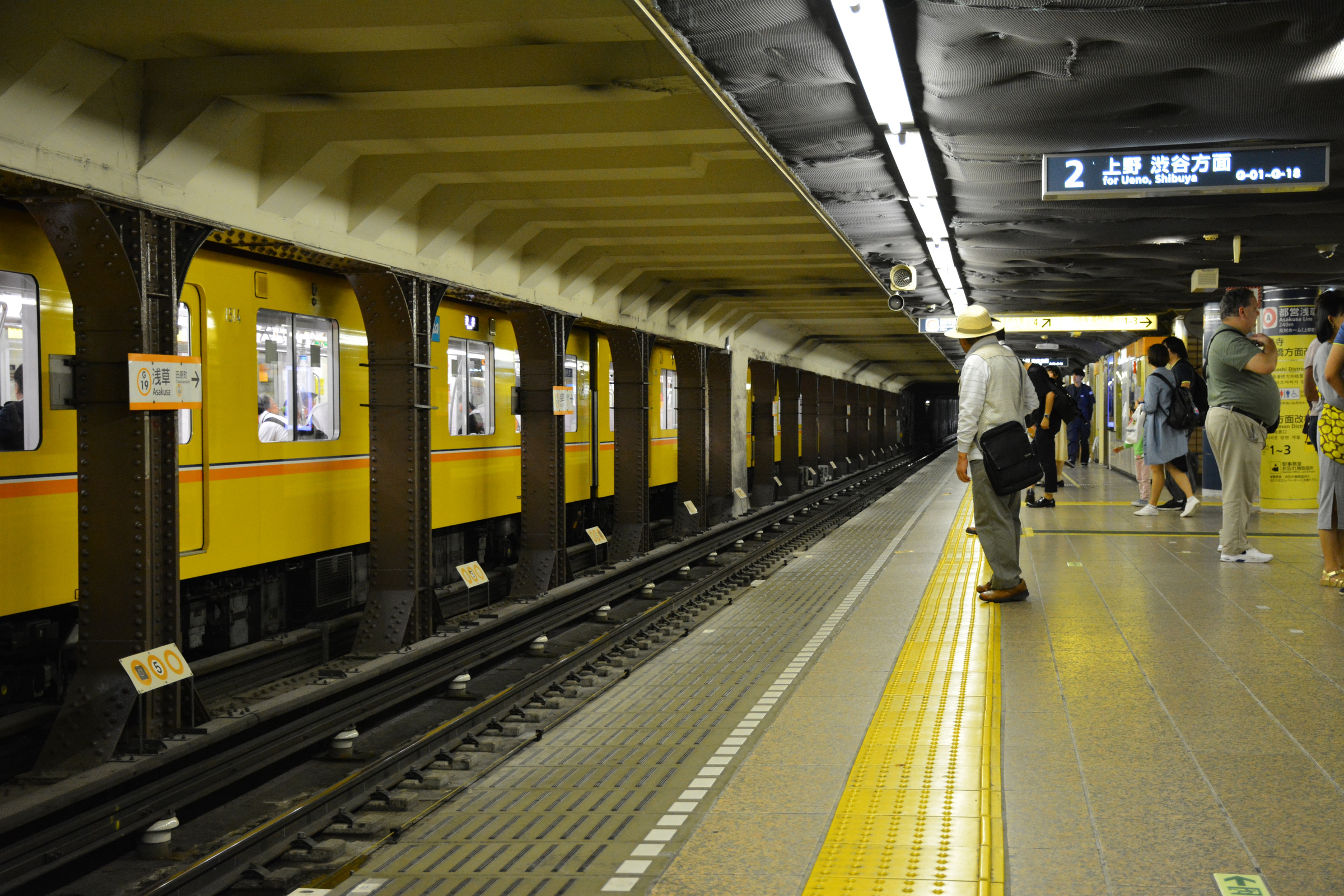
For a flexible first visit, start with a Suica or PASMO IC card and pay for the journeys you actually take. Tokyo Metro and Toei run the subway; JR is a separate network. Consider a Tokyo Subway Ticket when the total of your covered fares exceeds its price. Before boarding, check the line letter, direction and destination station; before leaving, check the exit for your final address.
What You’ll Learn
- Distinguish Tokyo Metro, Toei and JR before choosing a ticket.
- Compare IC payment, bank-card taps and subway passes using real fare examples.
- Follow line codes, platform directions and designated transfer gates.
- Choose an exit and an accessible route that fit your destination.
- Plan airport connections, busy periods and the last journey home.
Understand Tokyo Metro, Toei and JR
Tokyo’s subway consists of nine Tokyo Metro lines and four Toei Subway lines. Both appear on the official subway map, but they are separate operators. A product labeled Tokyo Metro does not automatically include Toei.
JR lines, including the Yamanote Line, belong to another network. Private railways also serve the city and its suburbs. A route planner may combine several operators into one journey, so check every segment before deciding whether a subway-only ticket covers it.
You do not need to memorize the whole map. Start with the nearest useful station to your accommodation and the line serving your first destination. Then identify any transfer. A short walk to a direct line can be easier than changing trains inside a large station.
- Tokyo Metro: G Ginza, M Marunouchi, H Hibiya, T Tozai, C Chiyoda, Y Yurakucho, Z Hanzomon, N Namboku and F Fukutoshin.
- Toei Subway: A Asakusa, I Mita, S Shinjuku and E Oedo.
- JR: a separate railway network. A Japan Rail Pass does not cover Tokyo Metro or Toei subway rides.
Use an IC card for flexible travel
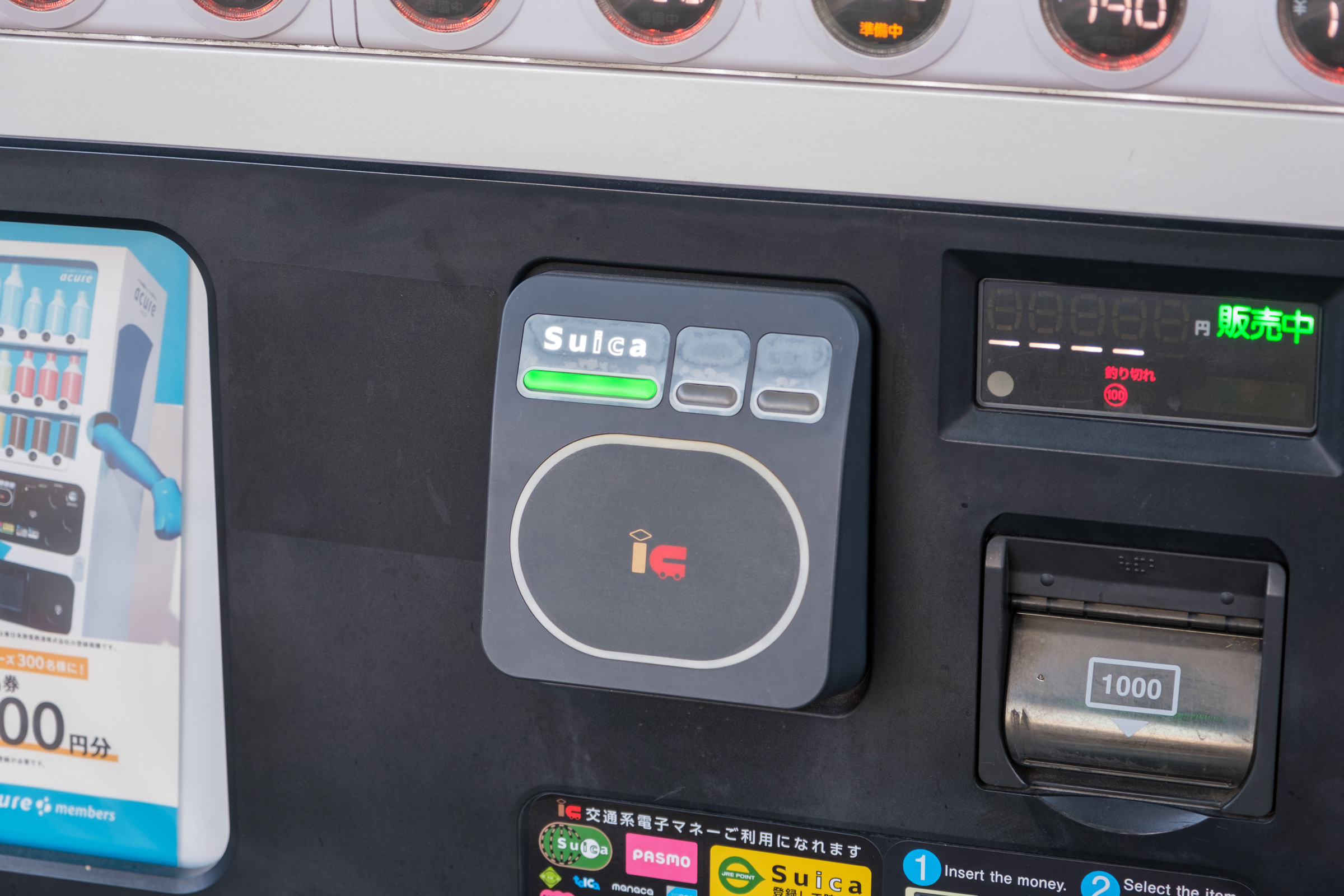
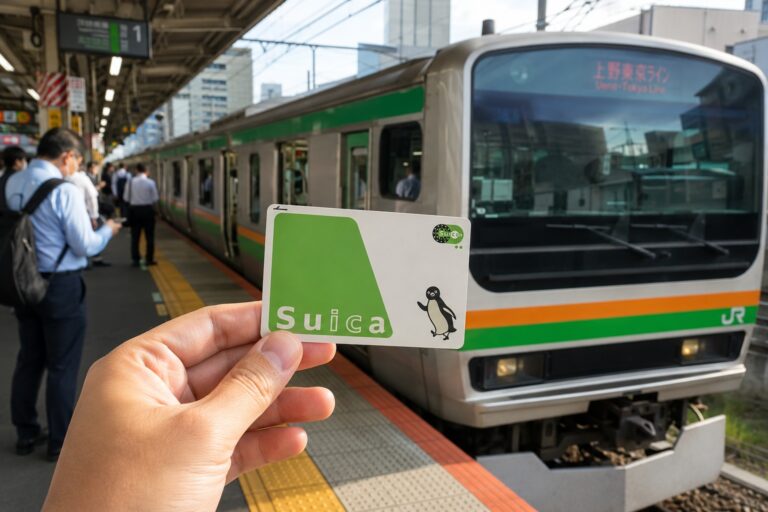
Suica and PASMO are rechargeable transport IC cards accepted across Tokyo Metro, Toei and compatible JR and private railway services. Load money, touch the reader when entering, and use the same card when leaving. Each passenger needs their own card or ticket.
Tokyo Metro’s adult IC fares run from ¥178 for a journey of 1–6 km to ¥324 for 28–40 km. The corresponding paper fares are ¥180 and ¥330; intermediate distance bands have their own prices. A Metro-and-Toei journey has a combined fare, so use the route search rather than treating every train as a flat ¥178 ride.
A standard physical PASMO requires a ¥500 deposit plus travel funds. Keep yen cash for charging a physical card at station machines. If you prefer a mobile IC card, finish its setup and make a test payment before depending on it for a timed departure.
The same stored balance can pay at compatible vending machines and shops. The reader pictured here is on a vending machine, not a ticket gate. After buying drinks or snacks, leave enough balance for the next journey. If a gate will not open, use a fare-adjustment machine or ask the staff beside the gates.
Can you tap a bank card instead?
Tokyo Metro supports eligible contactless credit and debit cards, with participating connections including Toei. This is a different payment system from Suica or PASMO. Use the designated bank-card reader and check the official Tap to Ride page for supported brands, stations and connecting operators.
Use exactly the same physical card or device at both ends. A phone and the plastic card linked to the same account are not interchangeable. One card is for one passenger; fares are adult fares and follow the regular ticket price rather than the slightly lower IC fare.
There are important exceptions: bank-card entry is unavailable at Nakano, and passengers exiting there must use the staffed gate. JR East is outside Tokyo Metro’s participating Tap to Ride network. For a mixed subway-and-JR day or child fares, an appropriate IC card or ticket is the simpler starting choice. When using a subway pass, use that pass consistently rather than tapping a bank card as well.
Is a Tokyo Subway Ticket worth buying?
The Tokyo Subway Ticket covers all Tokyo Metro and Toei Subway lines. It excludes JR, buses and railway sections run by other companies. The operators currently list the prices below; check the official page and the seller’s final total before buying.
Compare the total cost of the covered journeys you will actually take. At ¥178 each, two short Metro journeys cost ¥356, while six cost ¥1,068: a ¥1,000 ticket saves just ¥68 in the second example. Five separate ¥209 journeys total ¥1,045. These are calculations using published fare bands, not a promise that a particular sightseeing route costs those amounts.
Count paid journeys rather than trains boarded. A transfer is not automatically another full fare. Exclude JR trips from the saving calculation, and do not add unnecessary subway rides just to make a pass appear worthwhile.
If every planned ride is on Tokyo Metro, also compare its separate ¥700 adult 24-hour Ticket, which excludes Toei. Four separate ¥178 Metro journeys total ¥712. The Common One-day Ticket for Metro and Toei is another product, priced at ¥1,100 for adults and valid for a service day rather than a rolling 24-hour period. Match both coverage and validity to your plans.
- Tokyo Subway 24-hour Ticket: adult ¥1,000; child ¥500.
- Tokyo Subway 48-hour Ticket: adult ¥1,500; child ¥750.
- Tokyo Subway 72-hour Ticket: adult ¥2,000; child ¥1,000.
Check eligibility, collection and activation
For an overseas visitor, check the Tokyo Subway Ticket’s visitor eligibility and passport requirements before purchase. Eligible sales channels and pickup points vary. Carry the original passport when the seller requires it; do not assume every ordinary station machine sells the tourist product.
Read the delivery instructions before joining a queue. A voucher that must be exchanged for a paper ticket and a QR ticket that opens a gate directly are different products. Confirm where collection is possible, its opening hours and whether each traveler needs a separate QR ticket.
The paper Tokyo Subway Ticket starts its rolling validity when first used at a gate. For example, a 24-hour paper ticket first used at 10:00 runs until 10:00 the following day. Check the printed expiry. For QR or PASMO-loaded products, follow their specific start-time instructions; loading a ticket onto PASMO can start validity at purchase.
Choose activation to fit your actual travel. Starting a pass for one late-night journey may waste hours while you sleep. Keep a separate way to pay for uncovered travel, but use the pass itself for the covered journey.
Plan a simple route before entering
Search from your actual accommodation or meeting point to the destination’s entrance. Compare the walking legs and number of changes as well as the displayed arrival time. A marginally faster route can become slower if you miss an unfamiliar connection.
Save the line, direction, transfer station and final exit. Download the official subway map for reference and keep your hotel address available. The following direct journeys show how station codes help; confirm the day’s service before traveling.
- Ueno G16 to Asakusa G19: take the Ginza Line toward Asakusa. The station numbers increase.
- Shibuya G01 to Ginza G09: take the Ginza Line toward Asakusa. No line change is required.
- Tokyo M17 to Shinjuku M08: take the Marunouchi Line toward Ogikubo. The station numbers decrease.
Read entrance signs and platform directions
At street level, match the operator logo, station name and line symbol to your route. Waseda’s T04 sign in the cover photograph identifies a Tozai Line station. The letter identifies the line; the number identifies that station on the line. A station served by several lines can have several codes.
Inside, follow your line and the platform direction shown by its destination and intermediate stops. A train’s final destination may be beyond your stop, so check the stopping pattern. Station numbers help confirm direction, but they do not replace the platform board.
With a regular paper ticket, insert it into the appropriate gate slot and collect it after entering. Keep it until the final exit, where it is normally retained. With an IC card, touch the IC reader. Prepare your ticket before reaching the gate, then move clear before checking directions.
On the platform, stand behind the marked boundary and barriers, queue where indicated, and let passengers get off first. Check the onboard display as your stop approaches. If the doors are closing, wait for the next train instead of running.
Transfer without accidentally ending your journey
Follow signs for the next line before following street-exit signs. Many changes stay inside the paid area; others use a designated route through gates. Crossing to a different operator can affect the fare even when the station names are the same.
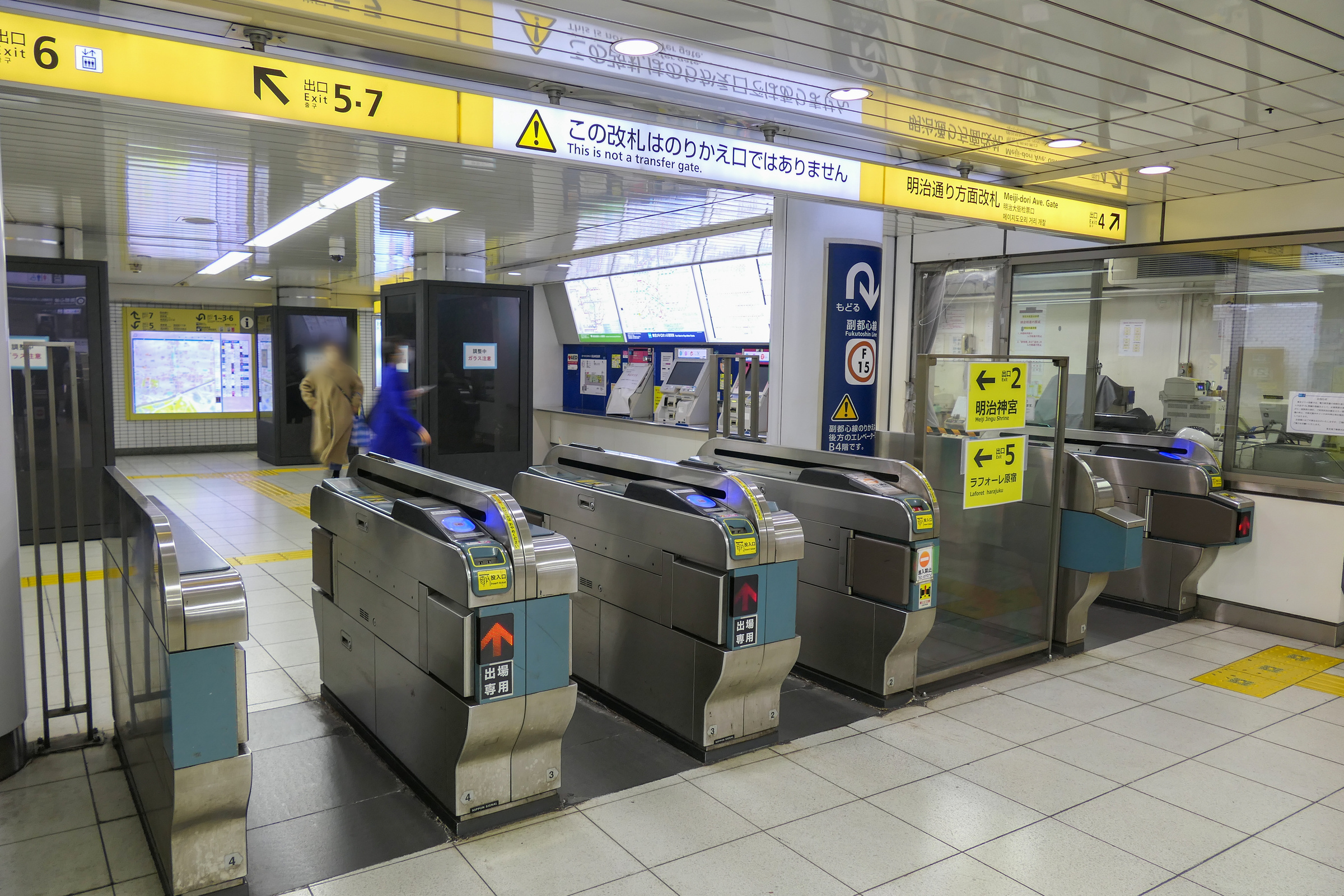
Tokyo Metro allows certain designated out-of-gate transfers within 60 minutes. With a paper ticket, use the orange transfer gate where instructed and collect the returned ticket. An IC card records the eligible transfer automatically when you follow the required route and timing.
That rule is not permission to leave through any exit, go sightseeing and re-enter on the same fare. If the signs are unclear, ask before crossing the gate. In the Meiji-jingumae photograph, the overhead notice explicitly says that the pictured gates are not transfer gates.
With a timed reservation ahead, choose a route with fewer transfers and allow extra walking time. Large interchanges are more than a dot on the map; the platforms may be on different levels or separated by a substantial passage.
Choose your street exit before going upstairs
The station name gets you to the area; the exit gets you to the correct side of it. Check your destination’s own access instructions or the station’s neighborhood map while you are still inside.
Tokyo Metro’s yellow signs identify exits. Follow the complete exit number or letter-and-number combination, then check the street direction once outside. At a busy place such as Shibuya, choosing the right exit can avoid an unnecessary road crossing or a walk around a large block.
An elevator route may use a different exit from the shortest stair route. If step-free access matters, prioritize the accessible path over a restaurant’s nearest-exit recommendation. Move out of the pedestrian flow before stopping to check your phone or gather your group.
Keep airport and through-service fares separate
An airport trip may combine a railway outside the subway network with a Metro or Toei section. A train can continue onto another company’s tracks without everyone changing trains; staying in the same carriage does not extend a subway pass’s coverage.
Search from the correct Haneda or Narita terminal to your hotel. Check the full fare, any additional reserved-seat ticket and the operator boundary. A Tokyo Subway Ticket alone does not pay for the airport railway sections. If using a pass plus a separate airport ticket, ask the operator how to pass through the boundary gates.
For the first journey after a flight, compare the final walk and luggage handling with the cheapest fare. A direct service or airport bus that reaches your accommodation area can be worth considering when the subway option needs several changes.
Avoid the busiest periods and travel considerately
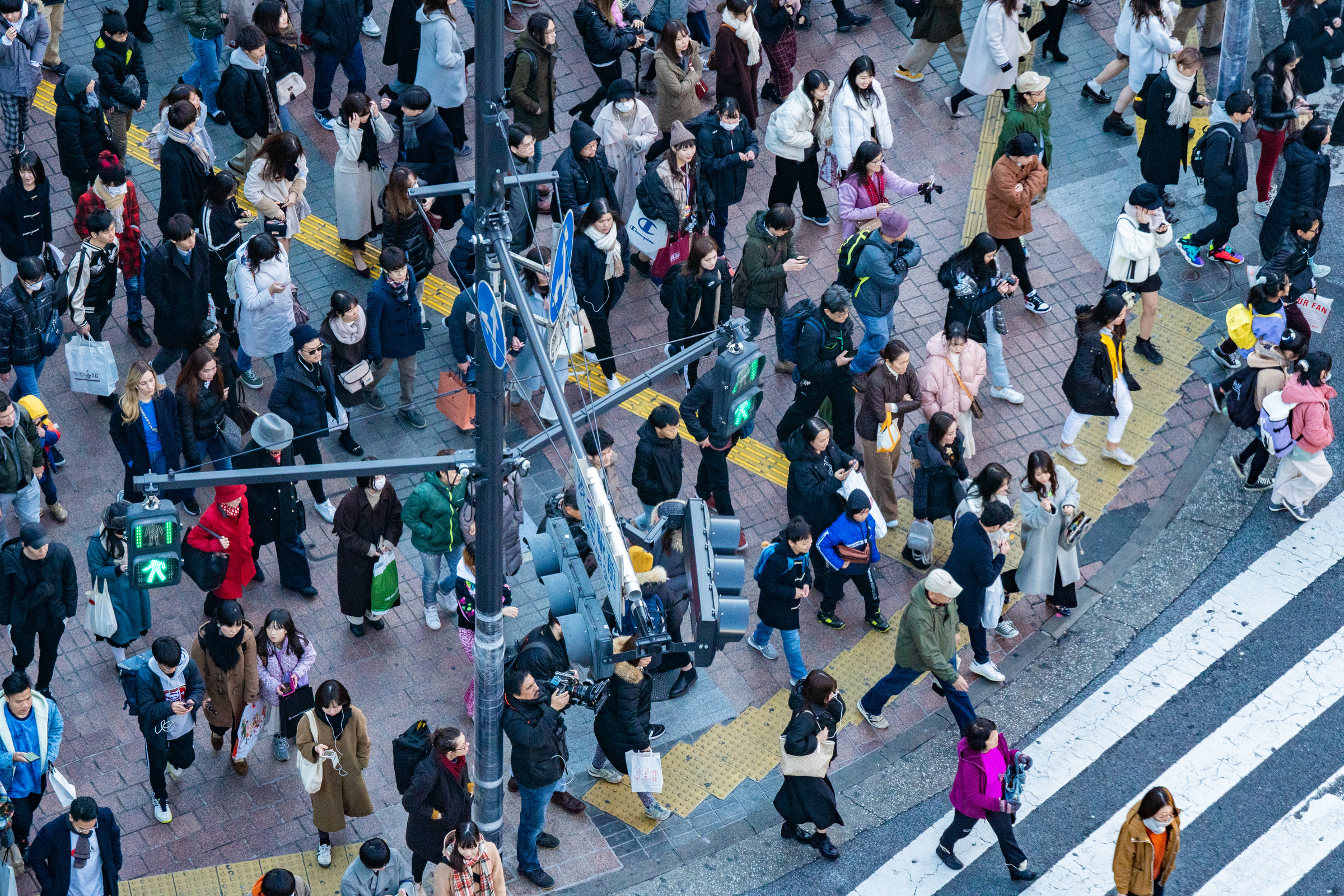
GO TOKYO places the main weekday rush periods at roughly 7:30–9:30 and 17:30–19:30, with variation by line and direction. When carrying a large suitcase, plan a sightseeing start or hotel move outside those windows where practical.
Keep bags close and doors clear. Move a backpack in front of you or hold it low where it will not hit someone behind you. Give priority seats to passengers who need them, including people whose needs are not immediately visible.
Silence your phone, use headphones quietly and avoid calls in the carriage. Save a full meal for somewhere with room to eat. Follow the posted conditions for women-only cars; operating times vary by line. If a train looks uncomfortably full, wait for another rather than forcing your luggage into the doorway.
Plan elevators, strollers and luggage before departure
Use Tokyo Metro’s barrier-free facility search and the relevant station maps when you need step-free access. Check the whole route from street to gate to platform at both ends and at every transfer. An elevator symbol at one entrance does not describe the entire journey.
Tokyo Metro’s One-route designation identifies a connection using facilities such as an elevator, ramp, stairlift or wheelchair-accessible escalator. Check which facilities your route actually uses and ask station staff about assistance or outages before relying on it.
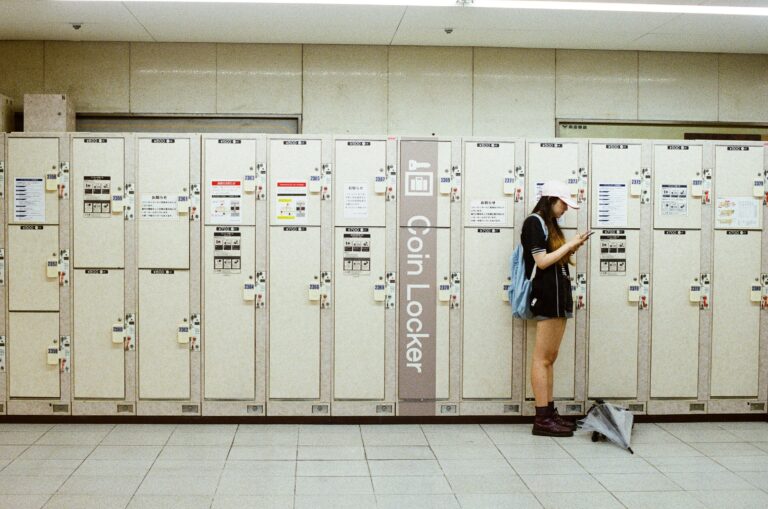
Keep stroller and suitcase positions clear of the walking path. If you leave luggage in a locker, save the station, operator, exit area and locker location; a photo of a locker number alone may be difficult to retrace. Avoid a complicated locker pickup immediately before your last train.
Check the last complete journey and ask for help early
Tokyo’s subway does not run all night. Service generally starts around 5:00 and finishes around midnight, but the usable last departure depends on the line, direction, date and your connections. Search the complete trip back to your accommodation, not just the last train from the nearest station.
For an evening out, save a return option before dinner and set a reminder early enough to walk back. The last train on your first line may be too late to connect to your second. If the service ends, compare an available taxi or nearby accommodation rather than expecting another train shortly.
If a gate rejects your card, show staff the card or ticket and your starting station. If you board in the wrong direction, get off safely and check the return route before leaving the paid area. For a delay, use the operator’s current service notices and ask staff whether your ticket works on a suggested alternative.
Photography credits
The five images are licensed camera photographs from Wikimedia Commons. JapaDeco reduced them to a 2400-pixel longest edge and re-encoded the JPEGs without cropping, retouching or compositing. They illustrate the stated subjects; station fittings and displays can change. Each photograph retains its credited Creative Commons license.
- IMAGE-01: LERK — CC BY-SA 4.0. Original photograph and filename on Wikimedia Commons: https://commons.wikimedia.org/wiki/File:TokyoMetro-T04-Waseda-station-entrance-2-20200408-114813.jpg License: https://creativecommons.org/licenses/by-sa/4.0/
- IMAGE-02: Cheng-en Cheng — CC BY-SA 2.0. Original photograph and filename on Wikimedia Commons: https://commons.wikimedia.org/wiki/File:Tokyo_Metro_Ginza_Line_platform_Asakusa_Station_-10-07_(30620308646).jpg License: https://creativecommons.org/licenses/by-sa/2.0/
- IMAGE-03: Real Estate Japan — CC BY 2.0. Original photograph and filename on Wikimedia Commons: https://commons.wikimedia.org/wiki/File:Suica_payment_on_vending_machine_(50607340823).jpg License: https://creativecommons.org/licenses/by/2.0/
- IMAGE-04: MaedaAkihiko — CC BY-SA 4.0. Original photograph and filename on Wikimedia Commons: https://commons.wikimedia.org/wiki/File:Meiji-jingumae‘Harajuku’-STA_Meiji-dori-Ave-Gate.jpg License: https://creativecommons.org/licenses/by-sa/4.0/
- IMAGE-05: Dick Thomas Johnson — CC BY 2.0. Original photograph and filename on Wikimedia Commons: https://commons.wikimedia.org/wiki/File:MAGNET_by_SHIBUYA109_Shibuya_Crossing_(49997446546).jpg License: https://creativecommons.org/licenses/by/2.0/
FAQ
Does a Japan Rail Pass cover the Tokyo subway?
No. Tokyo Metro and Toei are separate from JR. Use an IC card, a subway ticket or another valid subway payment method for those journeys.
Can two people share one Suica or PASMO for a train ride?
No. Each passenger needs their own valid card or ticket. For children, arrange an age-appropriate ticket or child IC card; bank-card Tap to Ride charges adult fares.
Is the Tokyo Metro 24-hour Ticket the same as the Tokyo Subway Ticket?
No. The ¥700 adult Tokyo Metro 24-hour Ticket covers Metro only. The ¥1,000 adult Tokyo Subway 24-hour Ticket covers both Metro and Toei, subject to its purchase conditions. Check the full product name.
Can I leave the station for lunch and continue on one ordinary ticket?
An ordinary single-journey ticket does not provide unlimited stopovers. Treat leaving for lunch as the end of that journey. A designated out-of-gate transfer has specific gates, stations and timing; it is not a general stopover allowance.
What if my paper Tokyo Subway Ticket expires while I am riding?
Tokyo Metro says you can exit after expiry if you entered while the ticket was still valid. You cannot start a new journey after expiry. If a transfer or gate causes difficulty, show staff the ticket.
Do I need to reserve a seat on the subway?
Ordinary Metro and Toei subway rides do not require seat reservations. Boarding does not guarantee a seat. If a route includes a special reserved-seat service or another railway, check that product separately.
Can I rely on the subway for an early flight or a late arrival?
Check a date-specific journey from the exact airport terminal to your accommodation, or the reverse. Normal subway service has an overnight gap, and the airport railway needs its own valid fare. Plan another option if the full connection is unavailable.
Related Japan Travel Guides
Official References
- Tokyo Metro: subway map and station-number guide
- Tokyo Metro: regular fares and tickets
- Tokyo Metro: PASMO purchase and charging
- Tokyo Metro: bank-card Tap to Ride, fares and exceptions
- Tokyo Metro: Tokyo Subway Ticket prices and purchase options
- Tokyo Metro: Tokyo Subway Ticket validity and FAQs
- Toei: subway tickets and current prices
- Toei: tourist-ticket eligibility and PASMO validity rules
- Tokyo Metro: Metro-only and common one-day tickets
- Tokyo Metro: Ginza Line station order and timetables
- Tokyo Metro: Marunouchi Line station order and timetables
- Tokyo Metro: entrances, gates and boarding
- Tokyo Metro: transfer gates, fare adjustment and exits
- Tokyo Metro: airport access and connecting railways
- Tokyo Metro: barrier-free facilities and One-route access
- Tokyo Metro: onboard consideration and safety
- GO TOKYO: subway networks, operating hours and rush periods
Final Thoughts
Choose the simplest useful route, then choose how to pay for it. An IC card is a flexible default; a subway pass makes sense when your covered fares exceed its cost. Save the line direction, transfer instructions and destination exit before entering. Those small decisions make Tokyo’s subway much easier to use.