Japanese Convenience Stores: Food, ATMs and Useful Services
Use Japanese convenience stores confidently for meals, coffee, ATMs, printing and parcels, with clear advice on payment, labels, etiquette and branch differences.
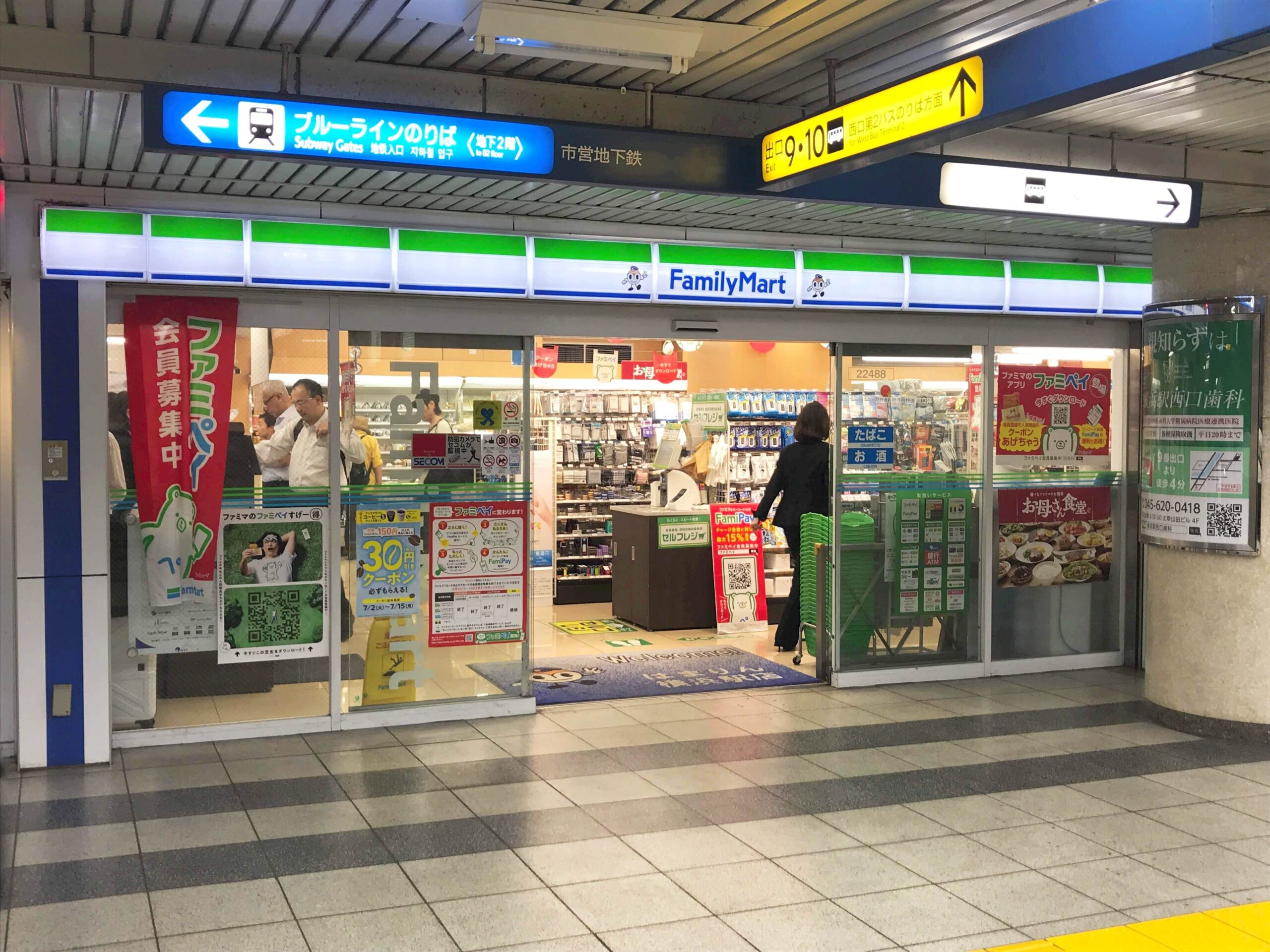
Japanese convenience stores are useful for ready-to-eat meals, drinks, cash withdrawals, printing and some parcel or ticket services. Choose food by the label and use-by time, tell staff whether it needs heating, and keep a backup payment method. ATMs, toilets, eat-in areas, tax-free sales, printing and delivery services vary by branch, so check the signs or ask before starting.
What You’ll Learn
- How to choose and heat a convenience store meal.
- How to order counter food and self-service coffee.
- How overseas cards work at selected in-store ATMs.
- How printing, ticket and parcel machines are completed.
- Which etiquette and safety checks prevent common mistakes.
Recognize the main convenience store chains
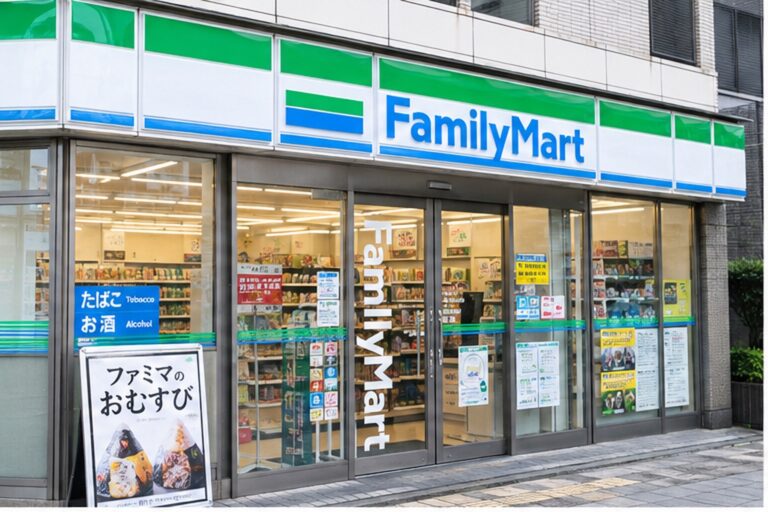
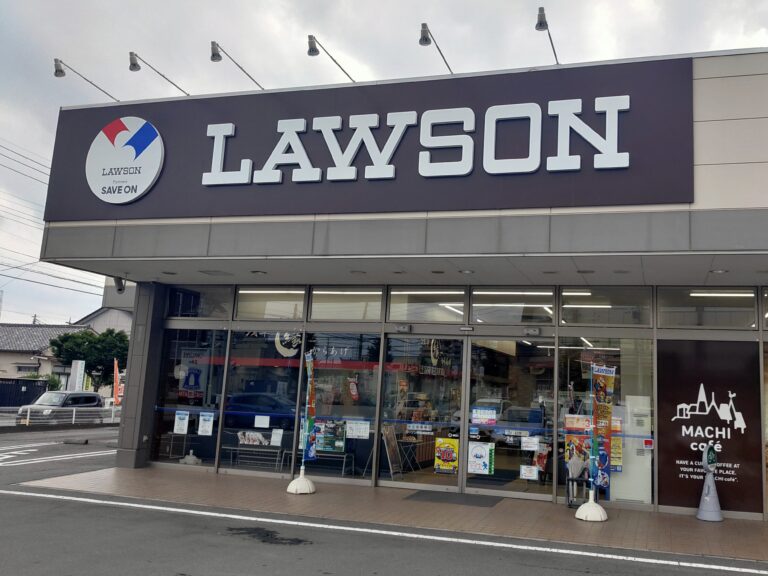
Japanese convenience stores, commonly called konbini, are designed for quick everyday purchases. The largest chains include 7-Eleven, FamilyMart and Lawson, but regional and specialty chains also operate. Product ranges, payment methods, opening hours and services vary by branch.
A station shop may be compact and focused on drinks and portable meals, while a roadside branch may have parking, toilets and a wider selection. Check the signs at the actual store instead of assuming that every location offers the same facilities.
- Look for 7-Eleven, FamilyMart and Lawson signs.
- Expect smaller ranges at station and office-building branches.
- Confirm each service at the specific store.
Build a reliable meal from the refrigerated shelves
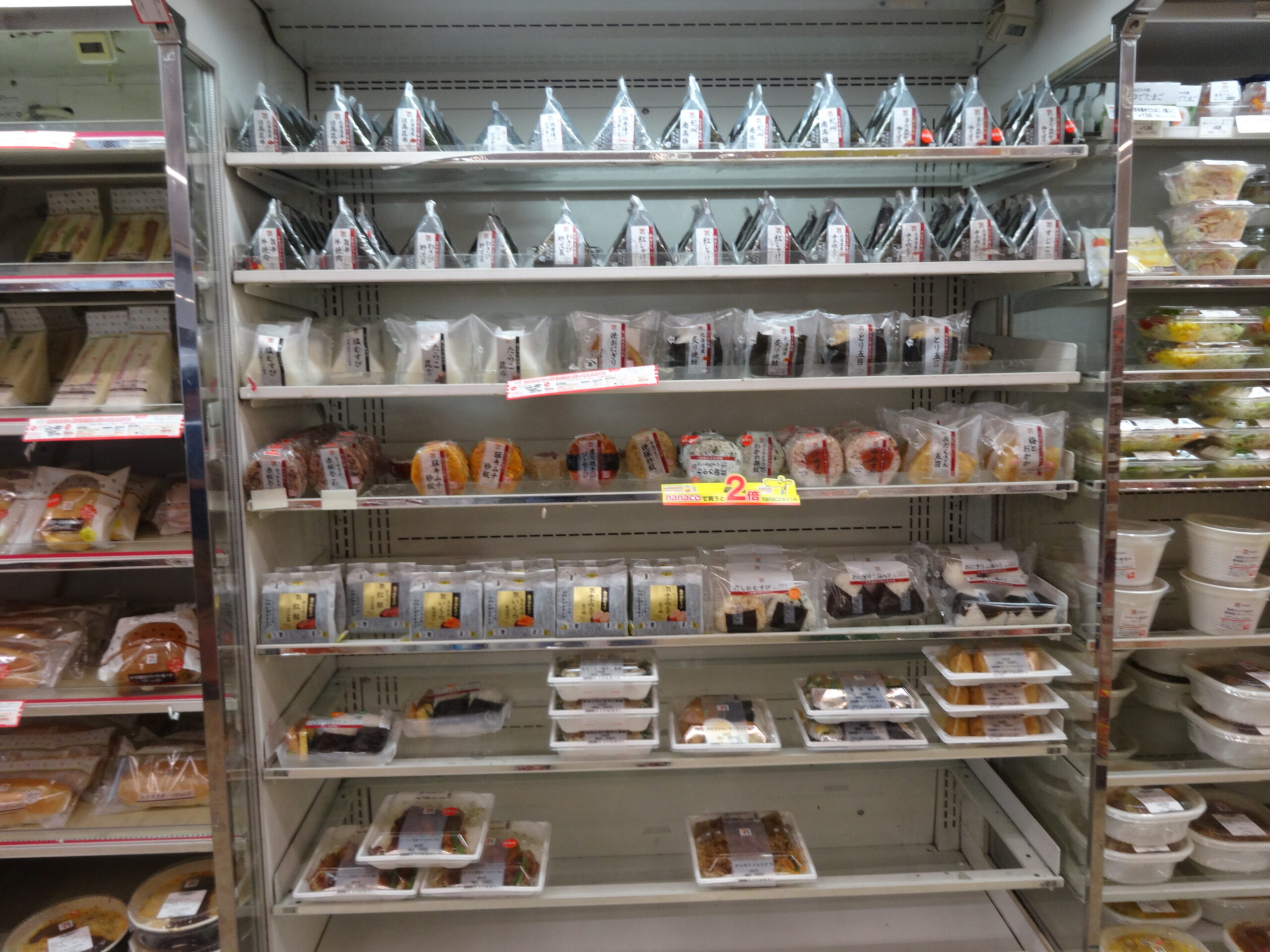
Onigiri rice balls, sandwiches, bento boxes, noodles, salads and side dishes make an easy meal. Onigiri usually have a filling named on the label, while bento and noodles may include a separate sauce packet. Use the package photograph only as a guide and read the product label when ingredients matter.
Check the use-by time, storage instructions and whether the item needs heating. Selection changes throughout the day, and popular lunch products can sell out. For a balanced meal, combine a rice or noodle item with a salad, soup, fruit or yogurt rather than choosing only fried snacks.
- Check the filling, use-by time and heating instructions.
- Choose cold items from the refrigerated case.
- Combine a main item with a lighter side or drink.
Order hot snacks, coffee and counter items clearly
Fried chicken, croquettes, steamed buns and other hot foods are usually displayed beside the register. Point to the item or show its name on a phone if pronunciation is difficult. Staff may place the food in a separate bag to protect cold purchases.
For coffee, many stores sell a cup at the register and use a self-service machine nearby. Cup size, iced or hot, and machine button must match. Some drinks or desserts use a different machine, so follow the store’s illustrated instructions and ask before pressing an uncertain button.
- Point to the counter item or show its name.
- Match the purchased cup to the correct machine button.
- Keep hot and cold items separate when carrying them.
Pay without delaying the register
Cash is widely accepted, and many stores accept major credit cards, transport IC cards and supported mobile payment methods. Acceptance can vary, so keep another payment option available. Foreign cards may be declined by the issuer even when the store accepts that card network.
Place cash in the tray or follow the self-checkout screen. If the terminal offers a currency choice for a foreign card, compare the yen charge with conversion into the card’s home currency before confirming. Take the receipt because it proves the branch, time and items if a problem appears later.
- Keep cash or a second card as backup.
- Follow the register screen and payment tray.
- Take the receipt before leaving.
Use an in-store ATM carefully
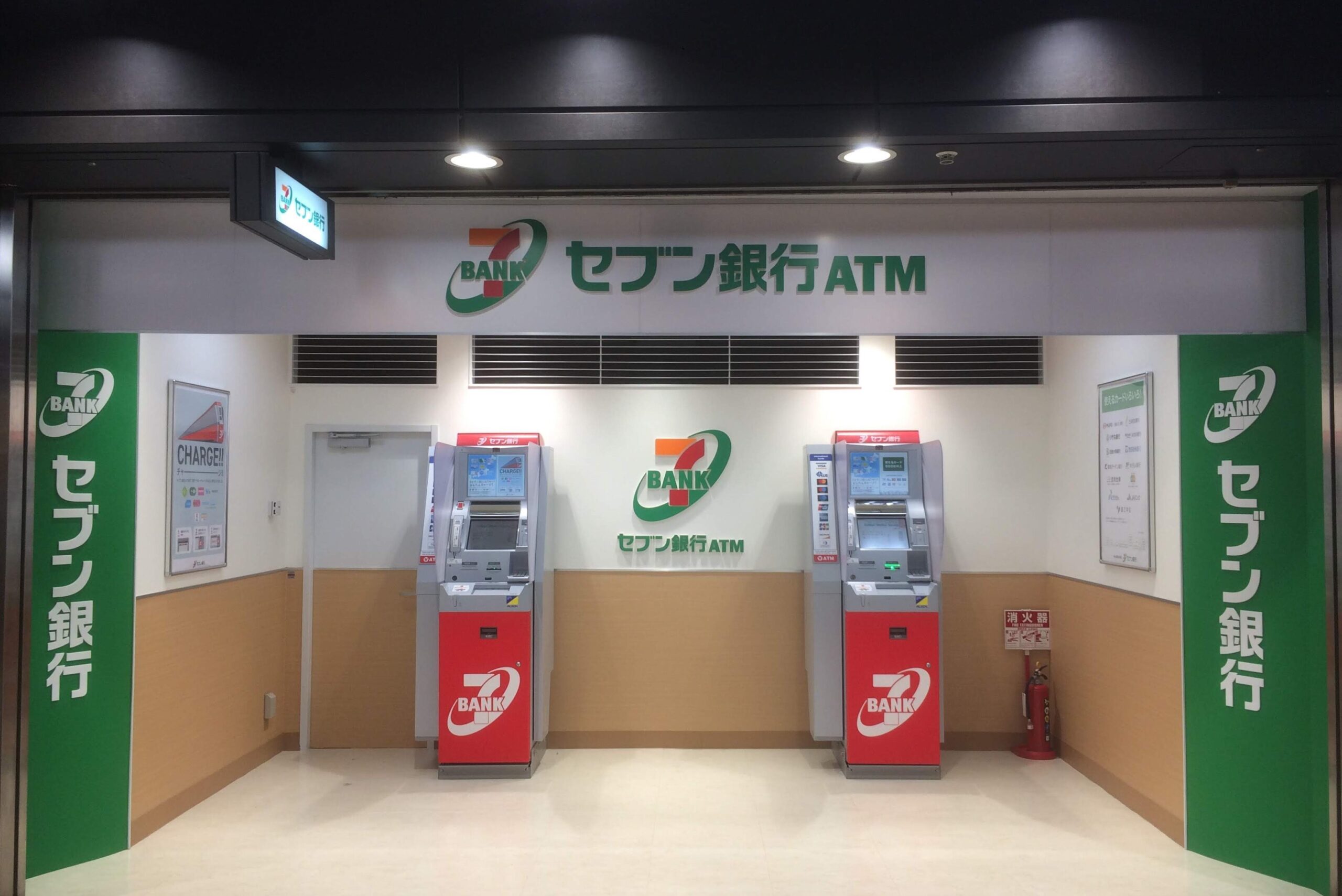
Seven Bank ATMs at 7-Eleven and other locations accept many overseas-issued cards and offer multiple interface languages. Other chains may host different ATM operators with different supported networks, hours, limits and fees. A familiar card logo does not guarantee that every card will work.
Check the withdrawal fee, exchange-rate choice and your home bank’s charges before confirming. Choose yen when you want your own card issuer to handle conversion, unless you have compared and deliberately accepted the displayed alternative. Shield the PIN and remove the card, cash and receipt before stepping away.
- Check the ATM operator and accepted card logos.
- Review fees and currency conversion before confirming.
- Take the card, cash and receipt.
Ask before using toilets or an eat-in area
Some branches provide customer toilets or an eat-in space, while small urban stores may provide neither. Look for signs and ask staff before entering a back-area toilet. A polite phrase is “toire o tsukatte mo ii desu ka,” meaning “May I use the toilet?”
Eat only in a designated area or elsewhere where food is allowed. Some stores apply different tax handling to food consumed in an eat-in area. Keep the space quiet, do not occupy seats longer than necessary and follow posted rules for trays and waste.
- Ask before using a customer toilet.
- Eat only where the store allows it.
- Leave shared space clean and available.
Handle heating, utensils, waste and allergies
Staff may ask whether a meal should be heated and whether chopsticks, a spoon, fork or napkin is needed. Policies on free utensils and plastic bags differ, so answer clearly and avoid taking extras. Follow package instructions when using a customer microwave.
Ingredient and allergen details are usually printed in Japanese. Translation apps can help identify text, but they are not a guarantee against cross-contact or mistranslation. Anyone with a serious allergy should use manufacturer information and avoid an item when the label cannot be confirmed safely. Dispose of waste only in bins that accept it.
- Say whether the meal needs heating.
- Request only the utensils you need.
- Do not rely on a translation app alone for a serious allergy.
Use copy, print and ticket machines with preparation
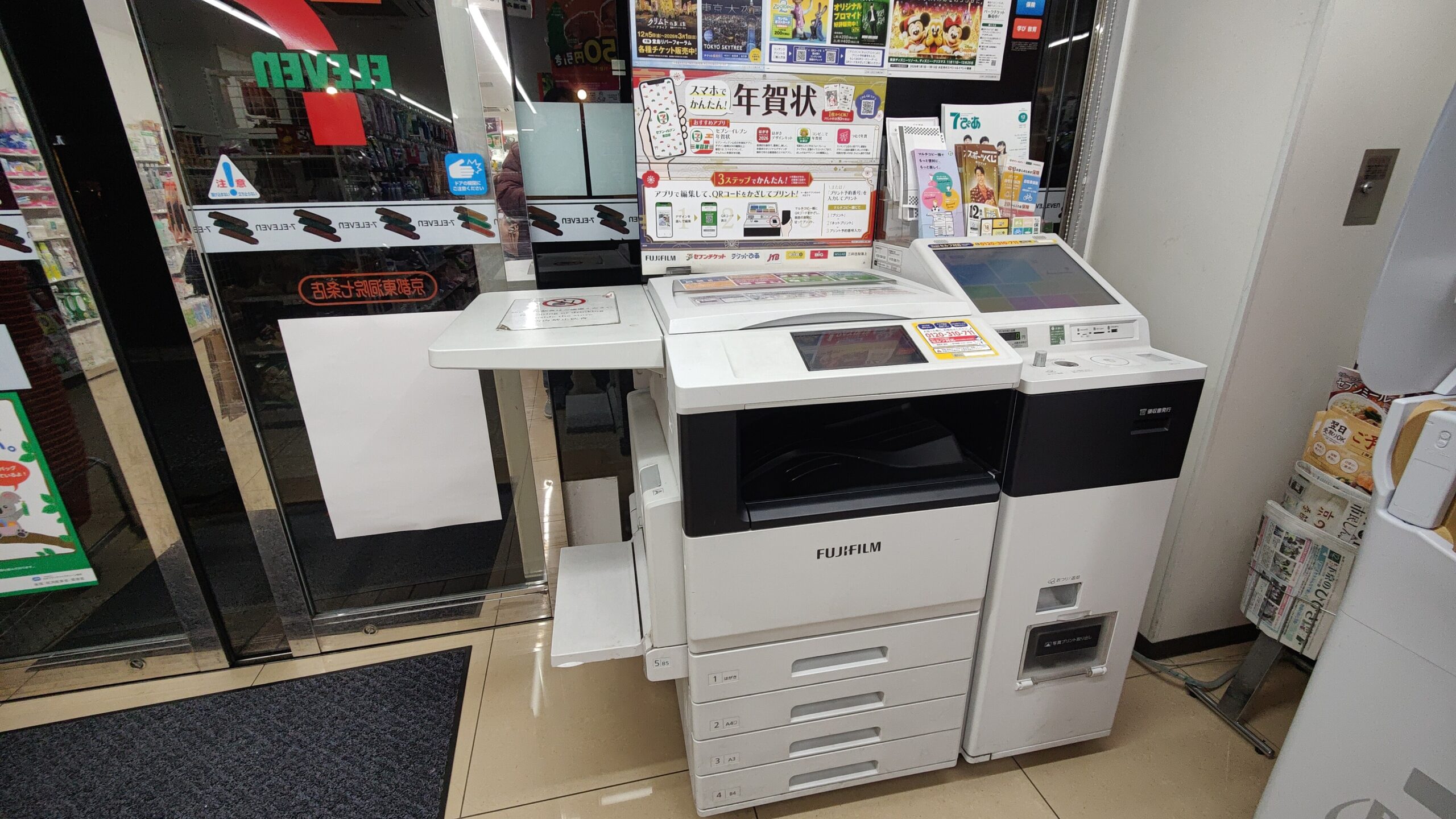
Many branches have a multifunction copier for documents, photographs or network printing, and some machines handle tickets or payment slips. Services differ by chain and branch, and the interface may be mostly Japanese. Prepare the file, reservation number or payment code before joining the machine queue.
A machine may print an application slip that must be taken to the register within a limited time. Read the confirmation screen, check the printed details and complete payment promptly. Do not leave a passport copy, memory card or confidential original on the glass or tray.
- Prepare files and reservation codes before starting.
- Take any issued slip to the register promptly.
- Remove originals, storage media and printed pages.
Confirm parcel and luggage services in advance
Some convenience stores accept domestic parcels through a specific carrier, but not every branch handles every service. Packaging, label, size, destination and cutoff rules apply. A store cannot improvise a hotel or airport delivery outside the carrier’s supported arrangement.
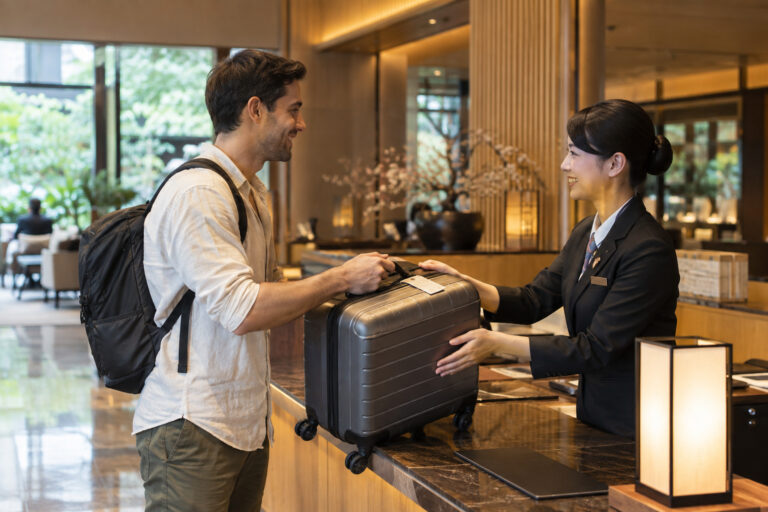
For luggage forwarding, confirm that the destination accepts deliveries and allow enough lead time. Write the hotel name, guest name, reservation details, postal code, address and phone number exactly. Keep the carrier receipt and tracking number until the item arrives.
- Check the carrier and service at the branch.
- Confirm the hotel or airport delivery requirements.
- Keep the tracking receipt.
Treat tax-free shopping as a branch-specific service
Some convenience store branches offer tax-free shopping, but most ordinary purchases should not be assumed to qualify. Look for the official tax-free sign and ask before paying. The original passport, eligible visitor status, minimum purchase amount and export rules still apply.
Tax-free rules are separate from ordinary checkout and can change. Confirm the current official procedure and the eligible products before opening or consuming anything. A regular receipt from a branch without tax-free service cannot normally be converted afterward.
- Find a branch displaying official tax-free service.
- Present the required passport before payment.
- Check current eligibility and export rules.
Respect age checks and local rules
Alcohol and tobacco are restricted to adults aged 20 or older. The register may require an age-confirmation tap, and staff can ask for identification. Do not consume alcohol or smoke at the entrance unless the location specifically permits it.
Keep voices low, queue in order and move packed purchases away from the register before reorganizing a bag. Photography may be restricted inside stores, particularly around customers, staff, payment screens and security equipment. Ask permission instead of treating the shop as a tourist attraction.
- Be prepared for age confirmation on restricted products.
- Do not block the register or entrance.
- Ask before photographing inside.
Use a quick visit checklist
Before entering, decide whether the goal is food, cash, printing, parcel service or another task, then confirm that the branch offers it. At the shelf, check labels and use-by times. At the register, state heating and utensil needs, choose a payment method and collect the receipt.
Before leaving, confirm the card, phone, passport, change, receipt and purchased items are all present. If a machine or service is unfamiliar, pause and ask staff rather than guessing through a payment, ticket or parcel process that may be difficult to reverse.
- Confirm the service before starting.
- Check food labels and payment details.
- Collect every document, card and item before leaving.
FAQ
Are Japanese convenience stores open all night?
Many are open around the clock, but not every branch is. Station, hospital, office-building and rural locations may have restricted hours, so check the specific store.
Can staff heat my meal?
Many stores can heat eligible meals or provide a customer microwave. Ask at checkout and follow the package and store instructions.
Can I pay with a foreign credit card?
Many branches accept major card networks, but acceptance and issuer approval vary. Carry cash or another card and review any currency-conversion choice before confirming.
Do convenience store ATMs accept overseas cards?
Seven Bank and some other operators accept many overseas-issued cards, but supported networks, limits, hours and fees vary. Check the ATM’s official card list and your bank’s charges.
Can I eat inside the store?
Only some branches provide an eat-in area. Use a designated space, follow posted rules and do not eat elsewhere in the shop.
Can I use a convenience store toilet?
Some branches allow customer use and others do not. Look for signs and ask staff before using a toilet in a back area.
Can a convenience store send my luggage?
Some branches accept parcels through a designated carrier. Confirm branch participation, destination acceptance, size limits and delivery lead time before relying on it for luggage.
Can I print a document from my phone?
Many multifunction copiers support network or app-based printing, but setup and file formats differ by chain. Prepare the file in advance and remove all originals and printed pages afterward.
Related Japan Travel Guides
Official References
Final Thoughts
A Japanese convenience store is easiest to use when each task is treated separately: choose food from the label, confirm heating at the register, verify the ATM operator and prepare codes before using a service machine. Because facilities differ by branch, a quick check of the signs prevents more trouble than assuming every store works the same way.