
Japanese Snacks to Try: Sweet, Savory and Souvenir Picks
Find Japanese snacks worth trying, from senbei and dagashi to chocolate biscuits and regional sweets, with practical tips for labels, allergies and packing.
For a balanced first tasting, choose one rice cracker, one potato or corn snack, one chocolate biscuit, one dagashi item and one regional sweet. Buy small packs, compare textures as well as flavors, and read the complete ingredient and allergen panel. Convenience stores are easiest for sampling; supermarkets offer more range; stations and department stores are strongest for presentation-ready souvenirs.
What You’ll Learn
- How major Japanese snack families differ.
- Where to shop for samples and souvenir boxes.
- How to read useful package and allergen cues.
- How to protect snacks from heat and crushing.
- How to build a varied five-snack tasting set.
Choose a snack style before choosing a brand
Japanese snack shelves make more sense when you first decide what texture and flavor you want. Savory choices range from crisp rice crackers to light corn puffs and potato chips, while sweet choices include chocolate-coated biscuits, wafers, gummies and traditional wagashi. Start with a small pack so you can compare several styles instead of buying a large souvenir box based only on its packaging.
Packaging color can suggest a flavor, but it is not a reliable translation. Use the product name, ingredient panel and a translation tool together, especially when avoiding an allergen or ingredient. Limited and regional editions are common, so the exact flavor available can differ by shop and location.
- Pick sweet, salty, spicy or traditional first.
- Buy small packs for an inexpensive tasting flight.
- Verify the label instead of relying on package color.
Try senbei, okaki and arare for rice-cracker variety
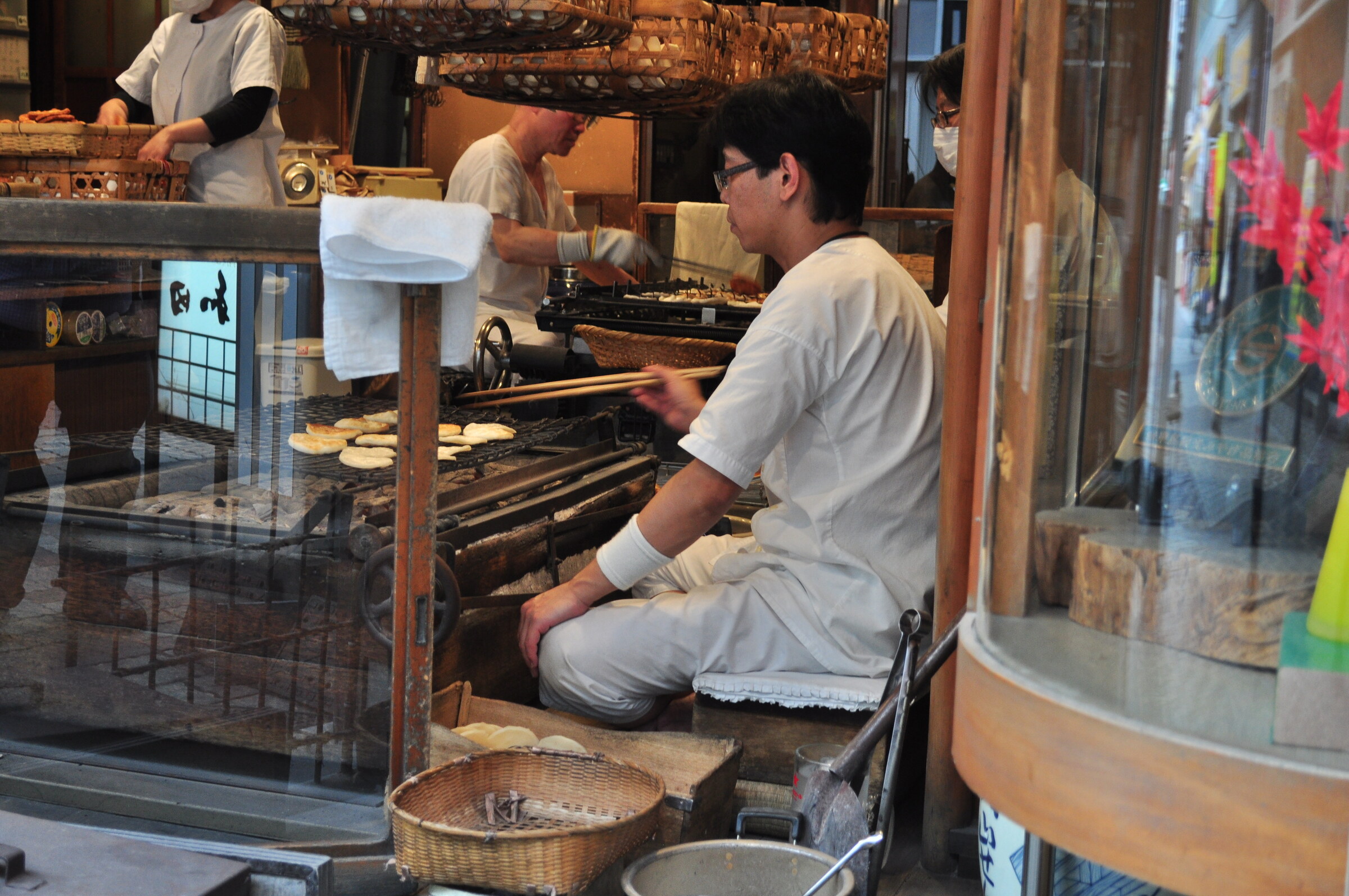
Senbei is a broad rice-cracker category with textures ranging from thin and crisp to thick and hard. Soy sauce, salt, seaweed and sesame are familiar flavor directions. Okaki and arare are generally made from glutinous rice and often have a lighter, craggy bite, although naming and shapes vary by maker.
Freshly grilled senbei can be eaten warm at specialist shops, while sealed assortments travel well. Check whether a mixed pack contains individually wrapped pieces if it will be shared. Rice-based does not automatically mean free from wheat, soy, seafood or other allergens because seasonings and shared production lines matter.
- Compare thin senbei with thicker okaki.
- Look for individually wrapped assortments for sharing.
- Check seasonings and allergen notices separately.
Explore potato, corn, shrimp and pea snacks
Convenience stores and supermarkets carry familiar chip shapes alongside distinctly Japanese flavors. Potato sticks, ridged chips, corn puffs, shrimp crackers and roasted pea snacks provide different levels of crunch and richness. Plain salt, seaweed salt, consommé-style seasoning and regional specialties are useful starting points.
A dramatic flavor name does not always mean intense heat or sweetness. Choose a small size first and compare the product description with the ingredient list. Air-filled bags protect fragile snacks but take more luggage space, so buy them near the end of the trip if they are intended as souvenirs.
- Compare texture as well as flavor.
- Sample an unfamiliar seasoning in the smallest pack.
- Protect puffed bags from compression in luggage.
Use biscuit sticks and cookies as an easy sweet entry point
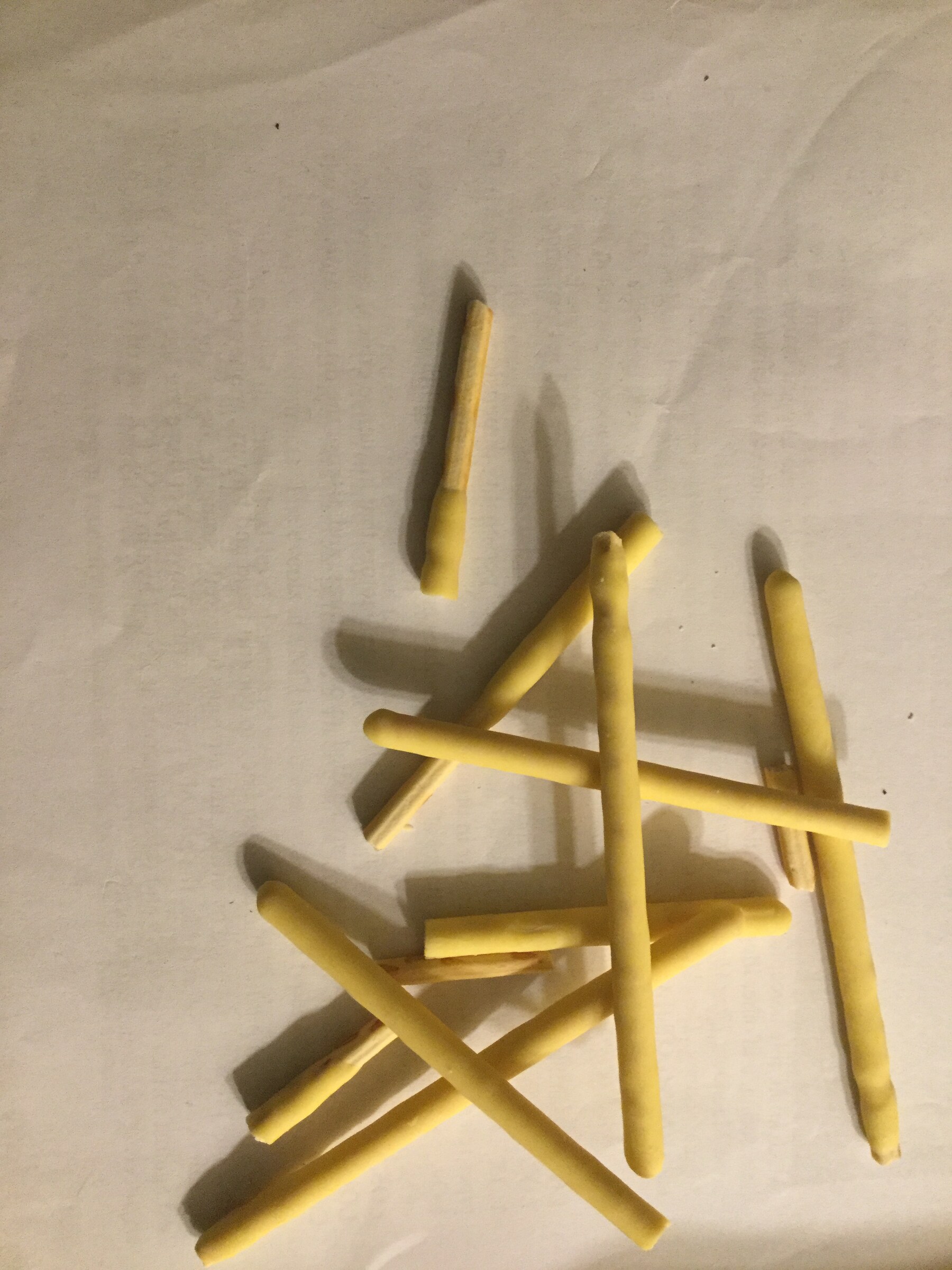
Chocolate-coated biscuit sticks, sandwich cookies and filled wafers are approachable because the base texture is familiar. Standard chocolate or strawberry is a straightforward first taste; matcha, roasted tea, sweet potato and fruit editions offer a more regional or seasonal direction.
Chocolate coatings soften in heat and can mark other luggage. Keep the pack shaded, avoid leaving it in a parked vehicle and place it in a rigid container for transport. A flavor sold in Japan may still use ingredients from several countries, so treat the label—not the theme—as the source for dietary decisions.
- Start with a standard flavor before limited editions.
- Protect chocolate from heat and crushing.
- Use the ingredient label for dietary decisions.
Understand dagashi before filling a basket
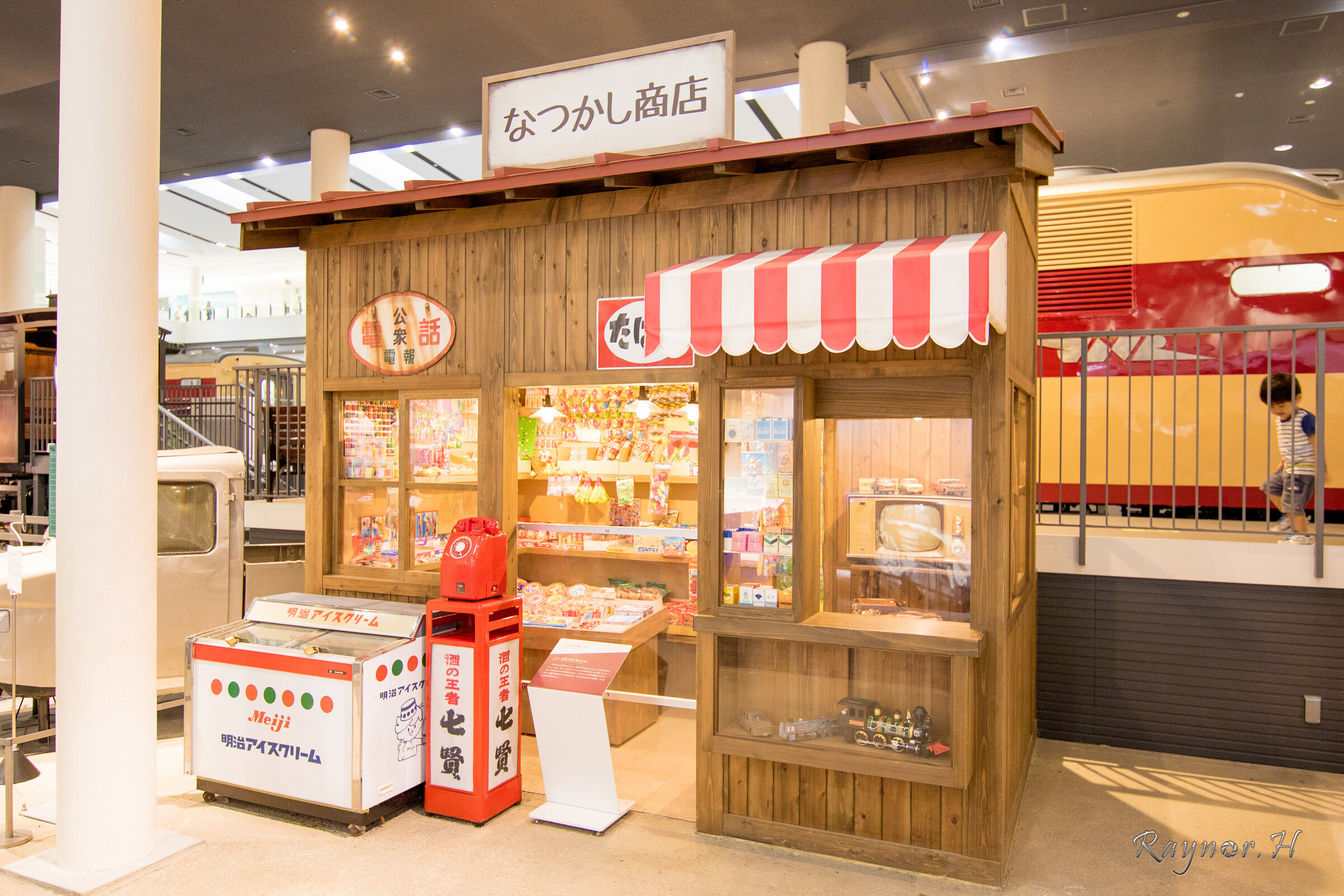
Dagashi are inexpensive, often playful snacks traditionally associated with neighborhood candy shops. The category includes tiny candies, gummies, savory puffs, sauce-flavored bites and novelty sweets. The appeal is variety and nostalgia rather than luxury presentation.
Choose several different pieces instead of multiples of one unfamiliar item. Some packaging uses mascots, jokes or retro designs, but the printed characters are not a quality grade. Keep the wrappers until everyone knows which item they tasted and whether it contained an allergen.
- Build a mixed basket of small pieces.
- Expect playful packaging and bold flavors.
- Keep wrappers available while tasting.
Look for regional and seasonal specialties
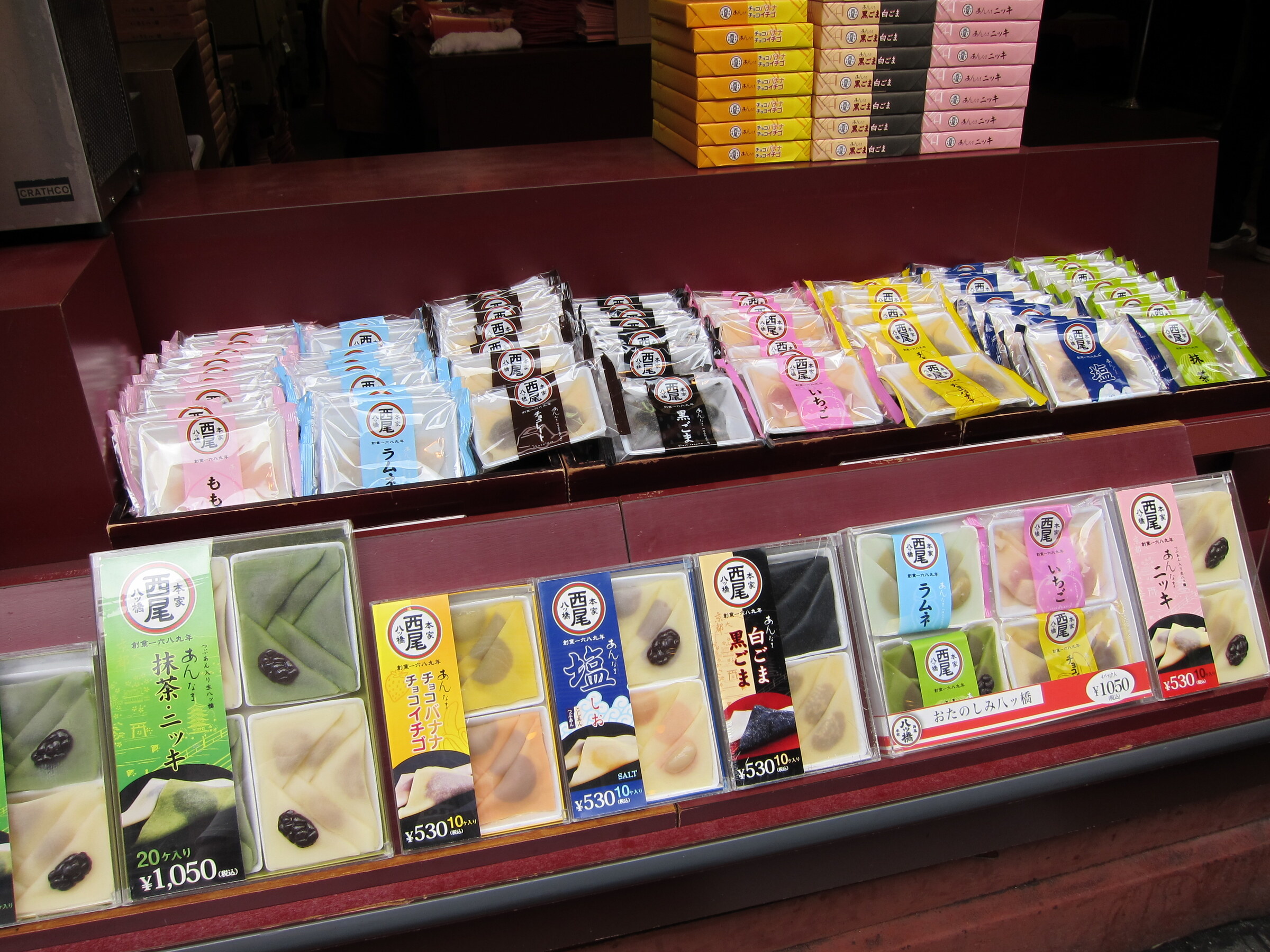
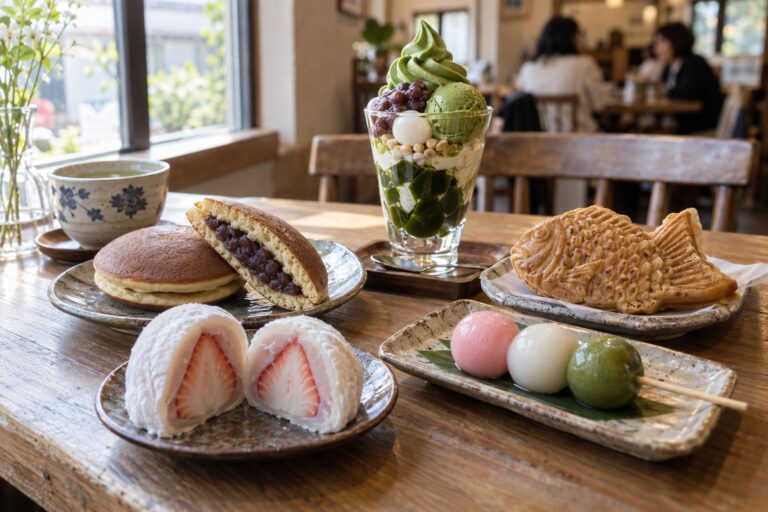
Stations, department-store food halls and tourist districts often sell local sweets or region-specific versions of national snacks. Yatsuhashi in Kyoto, for example, differs from a generic packaged cookie in texture, filling and shelf life. Seasonal fruit, tea and sweet-potato flavors can also change through the year.
Regional does not necessarily mean made entirely from local ingredients, and a station-exclusive package may emphasize presentation more than flavor. Read the maker, product description, quantity and best-before information before paying a souvenir premium.
- Compare local specialty shops with station gift counters.
- Check maker, quantity and shelf life.
- Do not assume an exclusive package means a unique recipe.
Read package cues without guessing
Useful Japanese label terms include 原材料名 for ingredients, 内容量 for net quantity, 賞味期限 for best-before date and 保存方法 for storage method. アレルギー or the allergen section may highlight specified ingredients, but formatting differs by product. A phone camera translation can help navigate the panel, yet it should not replace professional advice for a severe allergy.
Photograph the complete front and back when asking staff or a travel companion for help. Do not rely on an illustrated flavor alone: seafood, alcohol-derived ingredients, gelatin or meat extracts can appear where a visitor does not expect them.
- Find the ingredients, quantity, date and storage panels.
- Photograph both sides before asking for help.
- Treat automatic translation as an aid, not a medical guarantee.
Handle allergies and dietary restrictions carefully
Japan requires allergen information under its food-labeling system, but a visitor must still read the actual package and account for recipe changes. Statements about a shared facility or production line can matter as much as the main ingredient list. Restaurant-style loose snacks may not provide the same easy-to-read packaged panel.
For a serious allergy, carry a clearly written Japanese explanation, confirm the specific product with the manufacturer or seller and avoid anything uncertain. Vegan, vegetarian, halal and gluten-free are not interchangeable categories, and a front-of-pack claim should be checked against the complete ingredients and manufacturing notice.
- Recheck every package, even for a familiar brand.
- Ask about shared equipment when cross-contact matters.
- Avoid uncertain products when the consequence is serious.
Buy from the right shop for the job
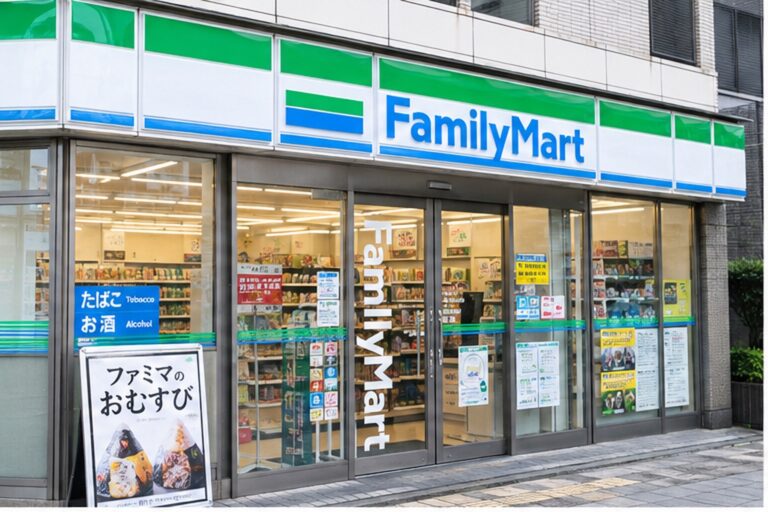
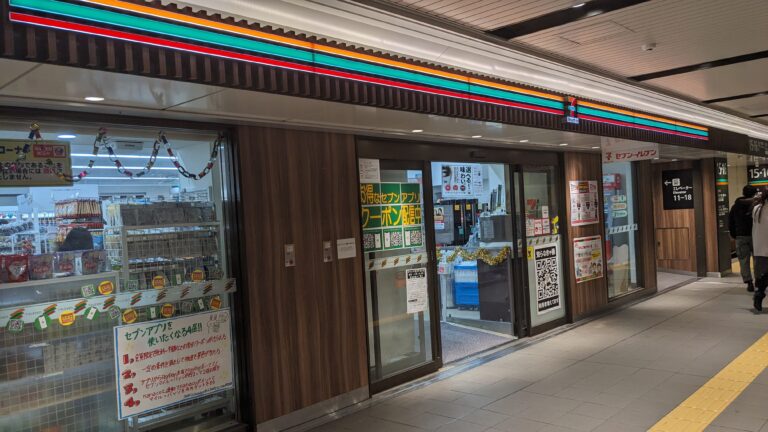
Convenience stores are best for a quick, curated selection and small packs. Supermarkets usually offer broader everyday ranges and better price comparison. Drugstores and discount stores can have large snack sections, while department stores and station counters specialize in presentation-ready regional gifts.
A specialist shop adds context and may offer freshly prepared items, but freshness can shorten the carrying window. Compare unit price, pack count and individual wrapping instead of judging value by box size.
- Convenience store: fast sampling.
- Supermarket or discount store: range and price.
- Department store or station: gift presentation.
Pack snacks so they arrive intact
Place crackers, wafers and puffed snacks in a rigid box or at the top of a suitcase. Seal strongly scented or powdery packs in a reusable bag. Chocolate and filled sweets should stay away from heat, while fresh or soft regional sweets may need to be eaten much sooner than factory-sealed snacks.
Check the destination country’s customs and biosecurity rules before packing food. Rules can depend on ingredients such as meat, dairy, fruit or seeds, and a sealed commercial package is not an automatic guarantee of entry. Declare food when the arrival form or officer requires it.
- Separate crushable, meltable and strongly scented items.
- Keep expiry and ingredient labels attached.
- Check destination import rules before departure.
Build a balanced five-snack tasting set
A useful first set combines one rice cracker, one potato or corn snack, one chocolate biscuit, one dagashi item and one regional sweet. This gives a better picture of Japanese snack culture than five flavors from the same product line. Serve water or unsweetened tea between strongly seasoned items.
Taste from mild to intense and note texture, aroma, salt, sweetness and aftertaste. If buying gifts, use the tasting result to choose one larger individually wrapped box rather than filling luggage with near-duplicates.
- Include five different snack families.
- Taste mild items before strong seasonings.
- Use the result to choose one purposeful souvenir.
FAQ
What Japanese snacks should a first-time visitor try?
Start with a varied set: senbei or okaki, a potato or corn snack, a chocolate biscuit, one dagashi item and a regional sweet. This compares several textures and traditions.
Where is the best place to buy Japanese snacks?
Convenience stores suit quick sampling, supermarkets offer broader everyday ranges, and department stores or major stations are useful for boxed regional gifts.
What is the difference between senbei and okaki?
Senbei commonly refers to rice crackers with many shapes and seasonings. Okaki is generally made from glutinous rice and often has a lighter, irregular texture, though makers vary.
What does dagashi mean?
Dagashi are inexpensive, playful snacks associated with traditional neighborhood candy shops. They include both sweet and savory items in small portions.
How can I check allergens on Japanese snack packaging?
Read the full ingredient and allergen information, including shared-line notices. For a serious allergy, confirm the exact product with the manufacturer or seller and avoid uncertain items.
Are rice crackers always gluten-free?
No. Soy sauce and other seasonings can contain wheat, and cross-contact can occur. Check the specific product label rather than relying on the rice base.
Which snacks travel well as souvenirs?
Individually wrapped rice crackers, hard candies and sturdy boxed cookies usually travel better than fresh sweets, puffed bags or heat-sensitive chocolate.
Can I take Japanese snacks through customs?
That depends on the destination and ingredients. Check official customs and biosecurity rules, keep commercial labels attached and declare food when required.
Related Japan Travel Guides
Official References
Final Thoughts
The most rewarding snack haul is varied, readable and practical. Compare five genuinely different snack families, keep the labels for ingredients and shelf life, and choose souvenir quantities only after tasting. That approach produces better discoveries and fewer crushed or unwanted duplicates.