
Japan Weather by Season: When to Visit and What to Pack
Plan a Japan trip around real seasonal conditions, from spring layers and early-summer rain to humid heat, typhoons, autumn walking weather and winter snow.
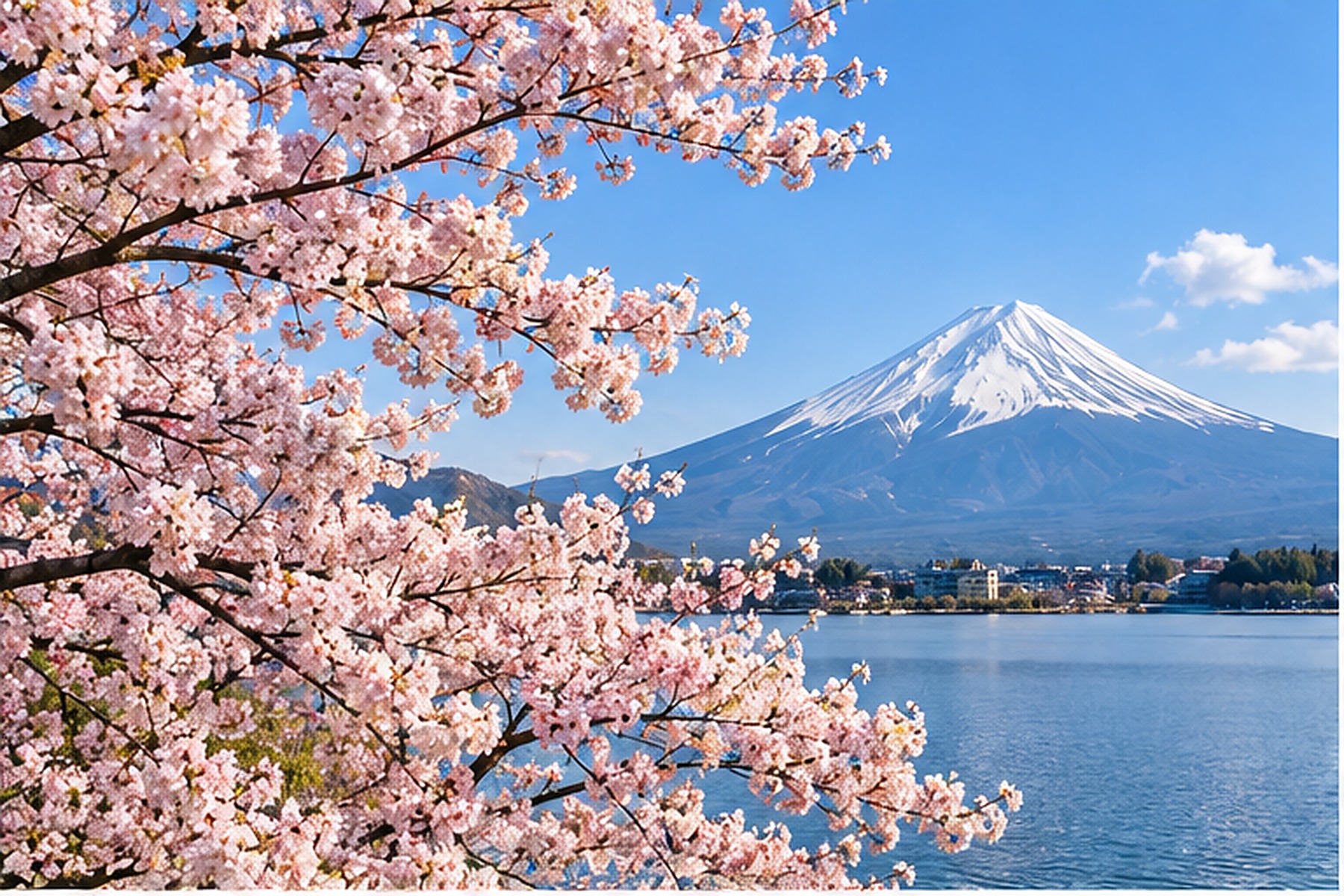
There is no single best weather window for all of Japan. Spring and autumn are often easiest for city sightseeing, summer is hot and humid but lively, and winter ranges from relatively dry Pacific-side cities to deep snow in northern, mountain and Sea of Japan areas. Always plan for both your season and your route.
What You’ll Learn
- How weather differs between Tokyo, Kyoto, Hokkaido, Okinawa and mountain areas.
- What spring, rainy season, summer, autumn and winter feel like for travelers.
- How heat, typhoons, snow and regional weather can change transport and outdoor plans.
- What to pack and what to check shortly before and during your trip.
Japan’s Weather Changes More by Region Than Many Visitors Expect
Japan stretches a long distance from north to south and also has major elevation differences, so one national forecast never tells the whole story. Hokkaido can be cool while southern islands are warm, and mountain towns can be much colder than nearby lowland cities.
For a first trip through Tokyo, Kyoto and Osaka, central Honshu gives a useful baseline, but it should not be used as a packing template for Hokkaido, Okinawa, ski areas or high-elevation routes. Check each overnight stop, not only your arrival city.
- Hokkaido: cooler summers and much colder, snowier winters than central Japan.
- Tokyo, Kyoto and Osaka: hot, humid summers; mild spring and autumn periods; cool to cold winters.
- Sea of Japan side and mountain regions: heavier winter snowfall is common in many areas.
- Okinawa and the far south: warmer, more subtropical conditions and a different seasonal rhythm.
Spring: Comfortable Walking Weather, but Pack Layers
Spring is one of the easiest seasons for city sightseeing because temperatures are usually more comfortable than in midsummer or midwinter. Cherry blossoms add huge appeal, but bloom timing moves by region and can shift with weather conditions.
Mornings, evenings and rainy days can still feel cool. A light jacket or sweater, comfortable shoes and a compact rain layer give you more flexibility than packing only for warm afternoons.
- Best for: city walks, gardens, temples, parks and seasonal scenery.
- Pack: light layers, a light outer layer and rain protection.
- Watch for: changing blossom timing, busy sightseeing areas and occasional cool spells.
Rainy Season: Expect Humidity, Showers and Flexible Days
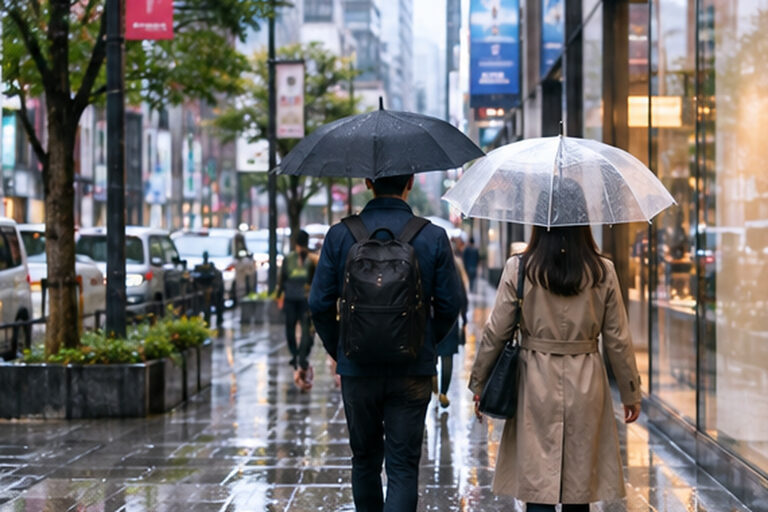
The Baiu rainy season affects many parts of Japan in early summer, but timing varies by region and from one year to another. It does not mean nonstop rain every day, yet stretches of cloud, rain and higher humidity can make outdoor plans less predictable.
A compact umbrella is easy to buy locally, but footwear matters just as much. Fast-drying shoes or shoes that tolerate wet streets are more useful than carrying heavy rain gear for ordinary city sightseeing.
- Keep one indoor or covered alternative for important sightseeing days.
- Do not assume the rainy-season schedule is identical in Hokkaido, Okinawa and mainland cities.
- Check short-range forecasts repeatedly because conditions can change during the trip.
Summer: Heat and Humidity Change How Much You Can Do
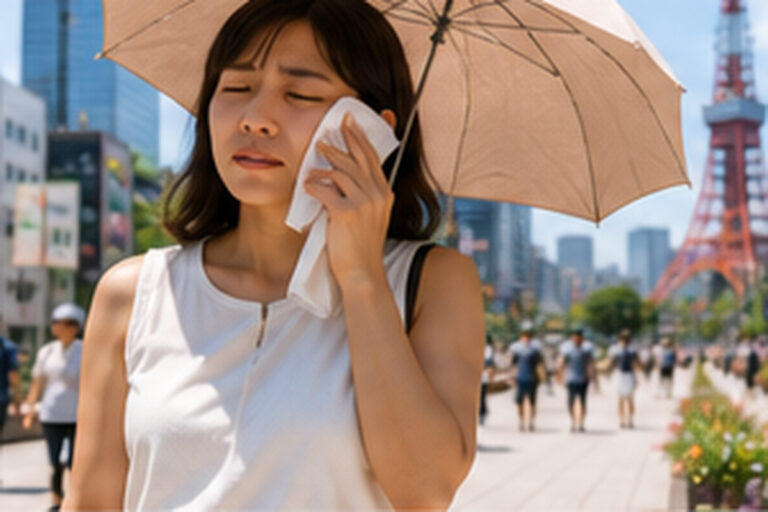
Summer in much of Japan is hot and humid, and the combination can make long walking days harder than the temperature alone suggests. Travelers arriving from cooler or drier climates often need more breaks than expected.
Schedule major outdoor stops earlier in the day when practical, use air-conditioned shops or stations for recovery, drink regularly and watch official heat information. The Ministry of the Environment’s WBGT information is useful because heat stress depends on humidity and radiant heat as well as air temperature.
- Carry water and take regular cooling breaks instead of waiting until you feel exhausted.
- Use a hat, breathable clothing and sun protection for long outdoor periods.
- Move the most demanding walking to cooler hours when possible.
- Treat heat alerts as a planning signal, not background information.
Typhoons and Heavy Rain: Build Flexibility Into Transport Days
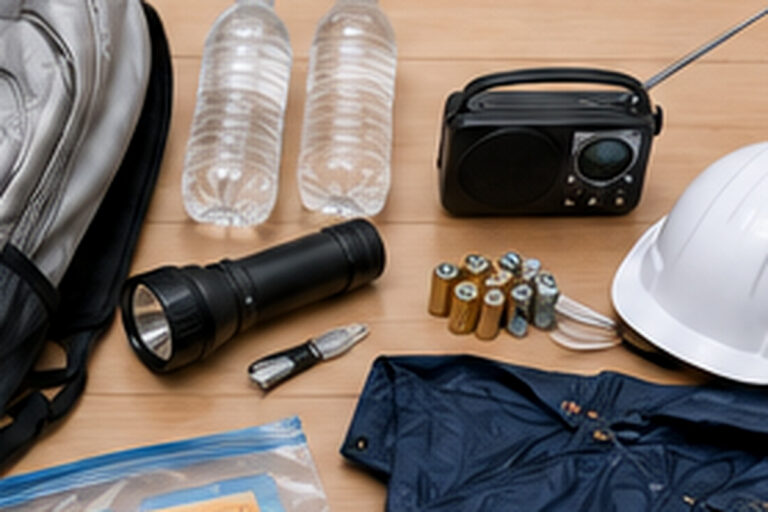
Typhoons can affect Japan from summer into autumn. The main travel problem is not only wind or rain at your hotel; railways, flights, ferries and outdoor attractions can change or suspend service before the worst conditions arrive.
If a storm is approaching, follow official weather warnings and transport-operator updates instead of relying on a forecast screenshot from earlier in the week. Avoid locking a same-day chain of flights, long-distance rail and ferries with no recovery margin.
- Check Japan Meteorological Agency information and the operator for every transport segment.
- Keep essential medication, documents, a charger and one change of clothes in your carry-on.
- Give important intercity moves extra time when severe weather is possible.
Autumn: Cooler Air and Excellent Conditions for Walking
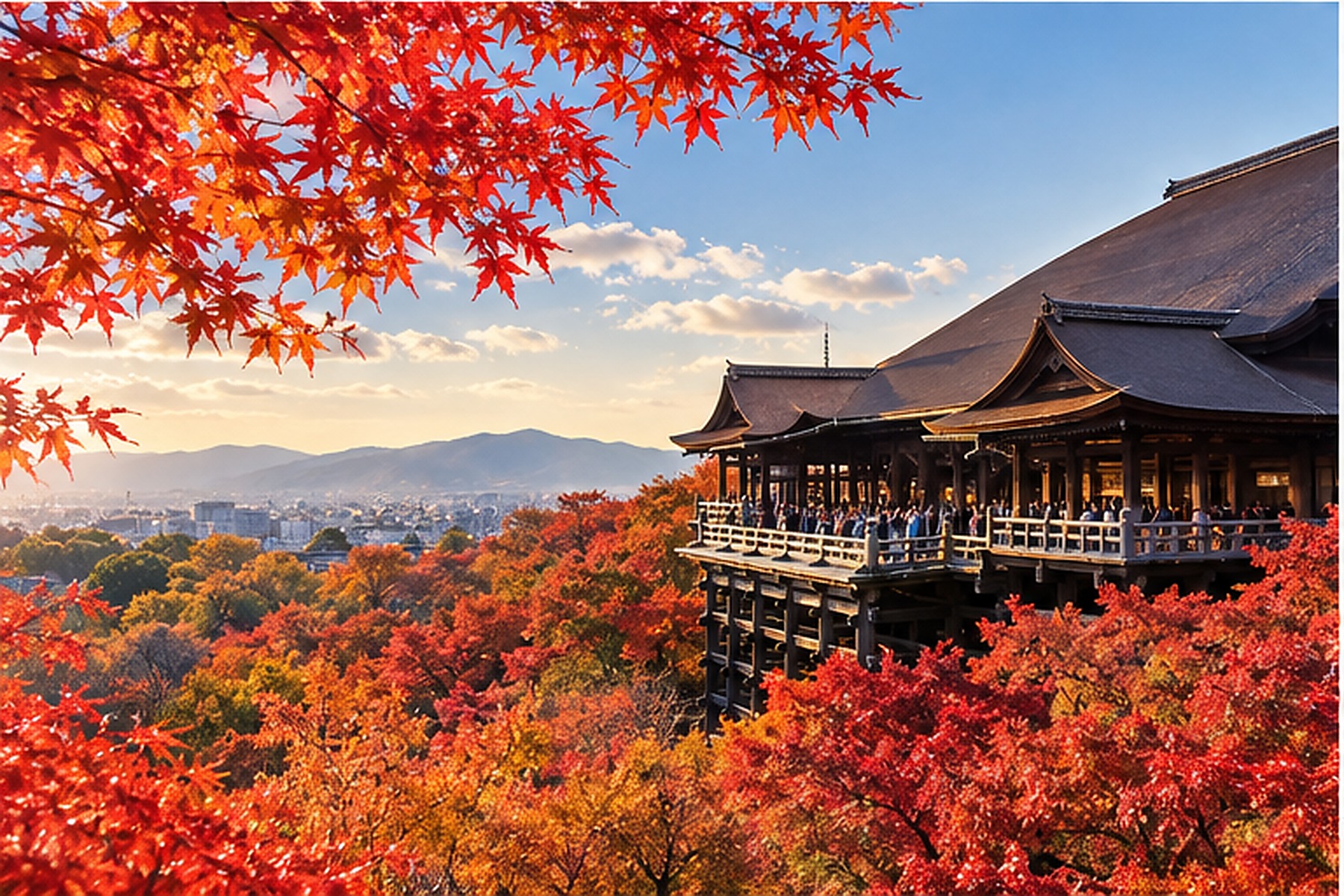
Autumn is another strong season for sightseeing because heat gradually eases and outdoor days become more comfortable in many regions. Foliage starts earlier in the north and at higher elevations, then moves south and into lower areas.
Conditions can still change quickly, especially later in the season. A light outer layer and flexible layering work better than packing only for warm daytime temperatures.
- Best for: city walks, food-focused trips, hiking and autumn scenery.
- Pack: layers, comfortable walking shoes and a light rain option.
- Watch for: later-season cold at elevation and busy foliage destinations.
Winter: Tokyo Is Not a Model for Snow Country
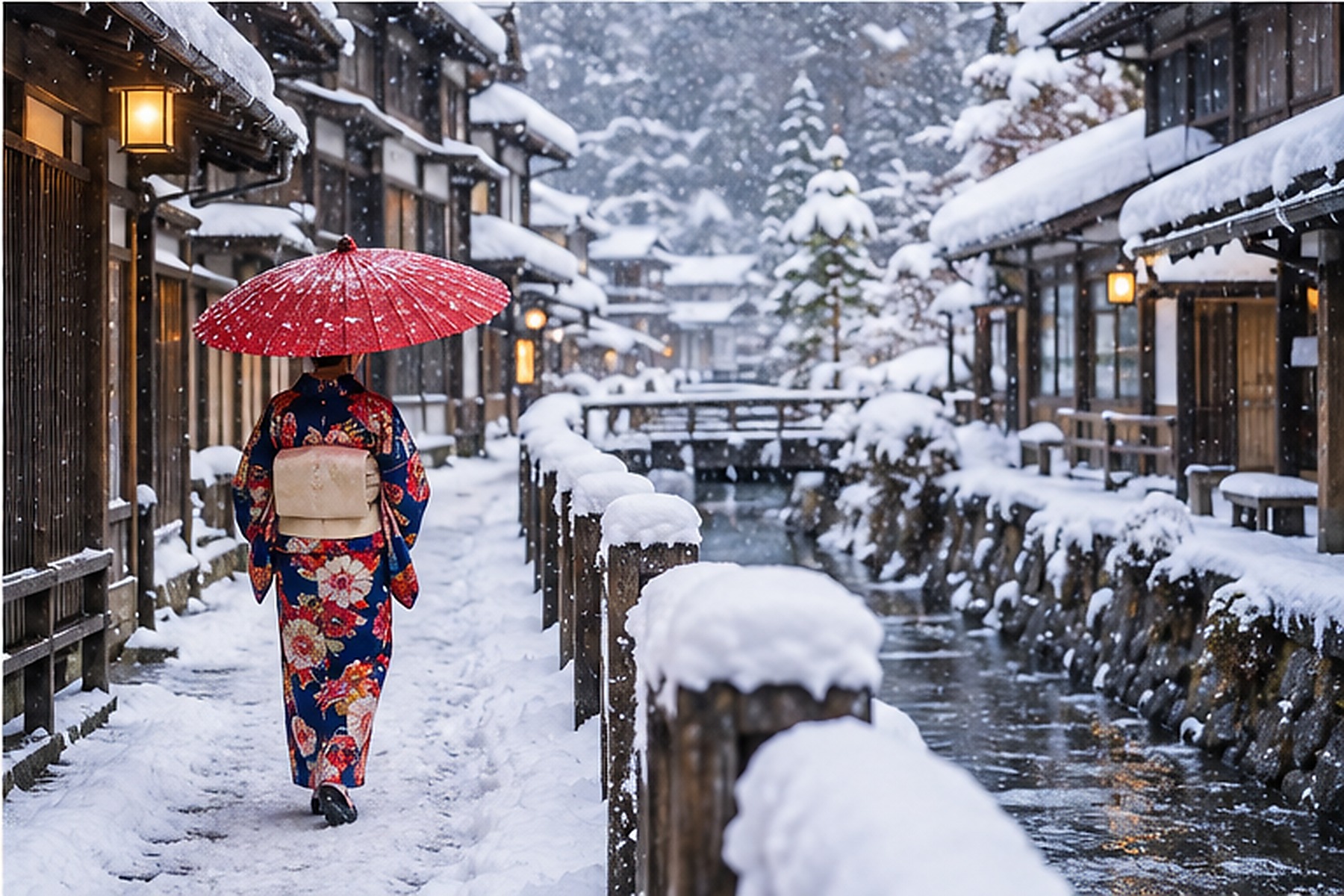
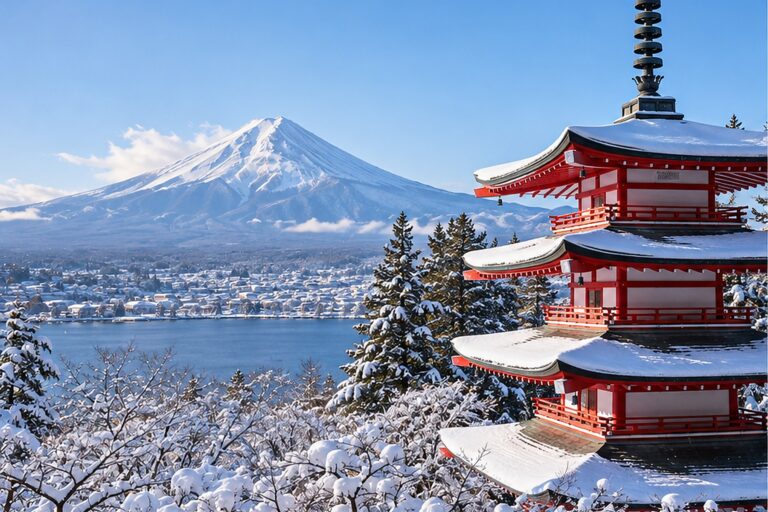
Winter conditions vary sharply. Pacific-side cities such as Tokyo may have many clear days and relatively limited snow, while Hokkaido, mountainous areas and parts of the Sea of Japan side can experience deep snow, icy streets and transport disruption.
For snow regions, footwear is often more important than adding one more sweater. Shoes with useful grip, warm socks, a proper outer layer and gloves make walking safer and more comfortable.
- Check snow and transport conditions for each destination, not only the nearest major city.
- Allow extra transfer time when moving through snowy regions.
- Pack winter footwear for snow-country itineraries even if your first stop is relatively dry.
Month-by-Month Planning: Use the Calendar as a Starting Point
Calendar months are useful for broad planning, but they should not be treated as fixed weather guarantees. Regional climate, elevation and short-term weather matter more as your departure gets closer.
- January–February: cold overall, with strong snow travel in northern and mountain regions.
- March–May: spring transition, blossoms and generally easier city sightseeing, with cool periods still possible.
- June–July: rainy-season influence in many areas followed by increasingly hot, humid weather.
- August–September: strong heat in many regions and a meaningful typhoon risk for travel planning.
- October–November: cooler autumn weather and a north-to-south progression of foliage.
- December: winter conditions return, with snow increasing in colder regions.
What to Pack for Japan’s Weather
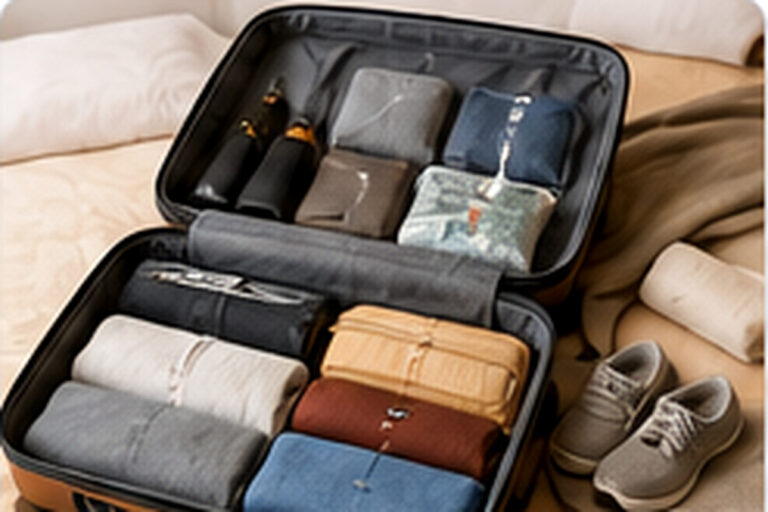
The best packing strategy is a small system of layers rather than one outfit for the whole trip. This matters especially on itineraries that combine cities with mountains, northern regions or coastal areas.
Check the forecast again a few days before departure, then adjust shoes and outerwear first. Those are usually harder to replace comfortably than an extra shirt.
- Spring: light jacket, sweater or mid-layer, comfortable shoes and compact rain protection.
- Rainy season: quick-drying clothing, umbrella and footwear that can handle wet streets.
- Summer: breathable clothing, sun protection, refillable water bottle and a light layer for strong air conditioning.
- Autumn: layered tops, light outerwear and walking shoes.
- Winter: warm outerwear, gloves and region-appropriate footwear; add snow-ready shoes for colder areas.
Choose the Best Season for Your Actual Trip Style
Spring and autumn are usually the easiest choices for travelers who prioritize long sightseeing days on foot. Summer works well for festivals, beaches and mountain trips if you manage heat carefully. Winter is excellent for snow sports, hot springs and winter scenery, but snow-country transport requires more margin.
The strongest plan is not to chase a perfect month. Choose the season that matches your priorities, then build the route, clothing and backup options around the weather risks that are most likely to matter.
- First-time city trip: spring or autumn usually offers the easiest walking conditions.
- Festivals and beaches: summer offers the most seasonal energy but demands serious heat planning.
- Snow and skiing: winter, with region-specific footwear and transport checks.
- Lower-cost or quieter travel: look beyond headline blossom and foliage periods, then verify local climate before booking.
FAQ
What is the best season to visit Japan?
For many first-time visitors focused on city sightseeing, spring and autumn are the easiest because walking conditions are often more comfortable. The best choice still depends on your route, interests, tolerance for heat or cold and how much weather flexibility you have.
When is Japan’s rainy season?
In many parts of mainland Japan, the Baiu rainy season falls in early summer, but timing differs by region and year. Check current Japan Meteorological Agency information rather than planning around one fixed set of dates.
Is summer a bad time to visit Japan?
No, but heat and humidity can reduce how much sightseeing you can comfortably do. Summer is excellent for festivals, beaches and mountain areas if you schedule breaks, monitor heat information and avoid overloading midday walking.
When are typhoons most likely to affect a Japan trip?
Typhoons can affect travel from summer into autumn. Risk varies by storm and region, so monitor official forecasts and the airlines, railways and ferry operators used by your itinerary.
Does it snow everywhere in Japan in winter?
No. Snowfall varies dramatically. Hokkaido, mountain regions and many Sea of Japan areas can receive heavy snow, while Pacific-side cities such as Tokyo often have much less. Plan winter footwear and transfer time for the exact places you will visit.
Related Japan Travel Guides
Official References
Final Thoughts
Japan is enjoyable in every season, but weather planning works best when you think in two layers: season first, exact region second. Choose the travel style you want, pack for the route rather than the country as a whole, and keep checking official forecasts as your departure approaches.