
Snow in Japan: Best Places, When to Go and Winter Travel Tips
Plan a Japan snow trip with practical guidance on where snow is most reliable, when to go, how winter affects transport, what to pack and how to enjoy snowy regions safely.
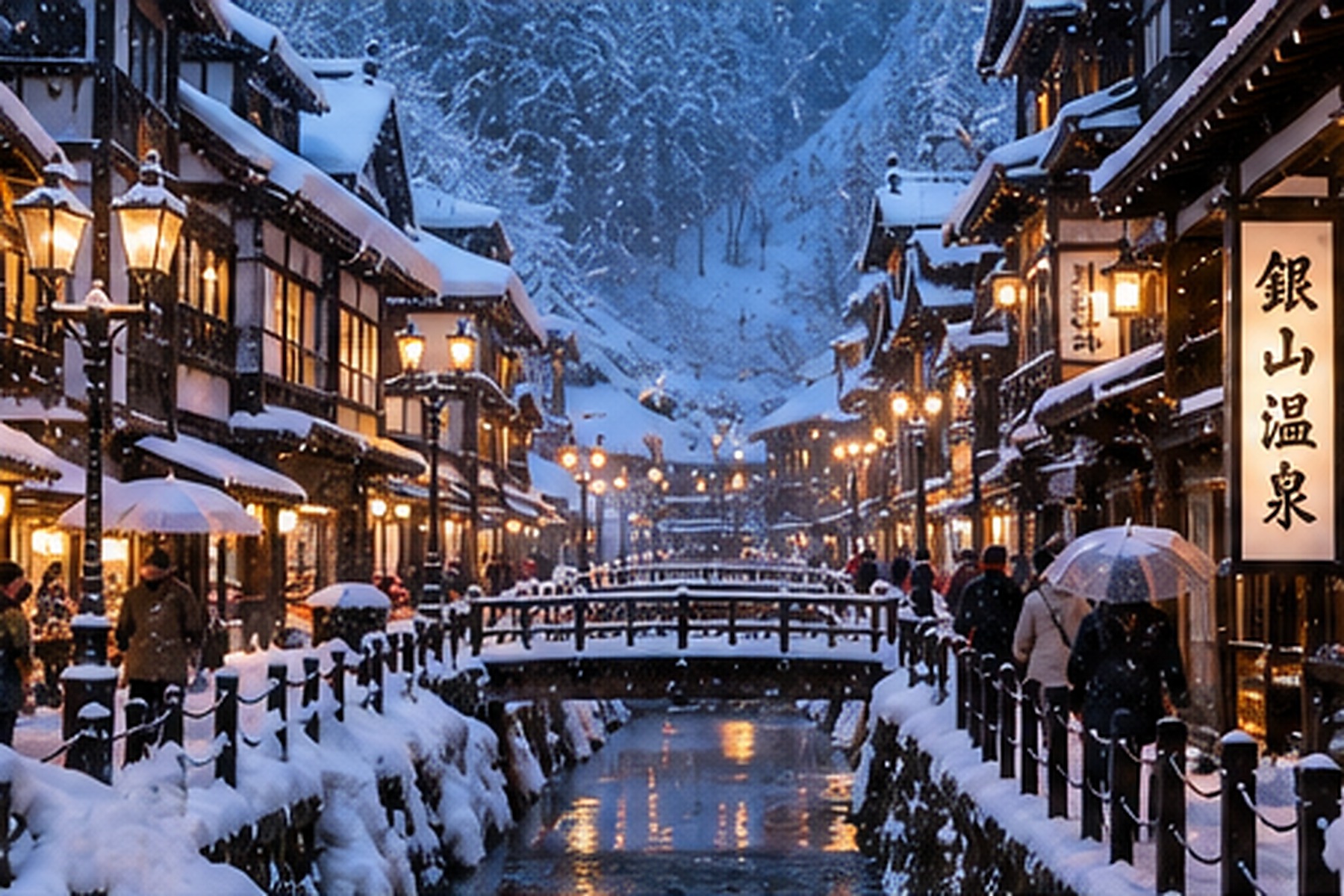
For the most reliable snow, plan for Hokkaido, Tohoku, Nagano, Niigata or other mountain and Sea of Japan areas rather than relying on Tokyo, Kyoto or Osaka. Japan’s broad ski season generally runs from December through April, with January and February the strongest overall window, but exact snowfall and opening dates vary by destination and weather.
What You’ll Learn
- Which regions give you the best chance of seeing real winter snow
- How snow timing changes by latitude, altitude and destination
- How winter weather affects trains, buses, flights and day trips
- What to pack and how to build a safer, more flexible snow itinerary
Where snow is most reliable in Japan
Japan does not have one single winter pattern. Northern areas, mountain regions and places exposed to moisture from the Sea of Japan usually receive far more snow than the major Pacific-side cities.
If seeing snow is an important part of your trip, choose a destination that is known for dependable winter conditions instead of hoping for snowfall in Tokyo, Kyoto or Osaka.
- Hokkaido: strong snow reliability, long winter season and many major ski areas
- Tohoku: deep snow across many mountain and inland areas, often with quieter resorts
- Nagano and Niigata: easy access from Tokyo and a strong mix of ski resorts, onsen and mountain towns
- Gifu and the Hida area: winter scenery around places such as Shirakawa-go and Takayama
- Tokyo, Kyoto and Osaka: snowfall is possible, but not dependable enough for a snow-focused itinerary
When to go for the best chance of snow
Across Japan, the main ski season generally begins in December and continues into April, but actual opening and closing dates depend on location, altitude and current snow conditions.
January and February are the broadest high-confidence months for travelers who want winter scenery and snow activities. Hokkaido and higher-elevation resorts can start earlier and stay snowy later, while lower or warmer areas have a shorter window.
- Early winter: some northern and high-altitude areas are already snowy, but conditions are less uniform
- Mid-winter: the strongest general period for deep snow and winter activities
- Late winter to early spring: good snow can remain in northern and higher mountain areas
- Always check the destination’s current conditions before locking in a snow-dependent plan
Best snow destinations for first-time visitors
The right destination depends on whether you want powder snow, a traditional winter town, easy rail access, hot springs or a mix of several experiences.
For a first snow trip, it is usually better to choose one reliable snow region and build two or three experiences around it instead of moving between several distant mountain areas.
- Sapporo and Hokkaido resort areas: easy to combine city travel with snow activities
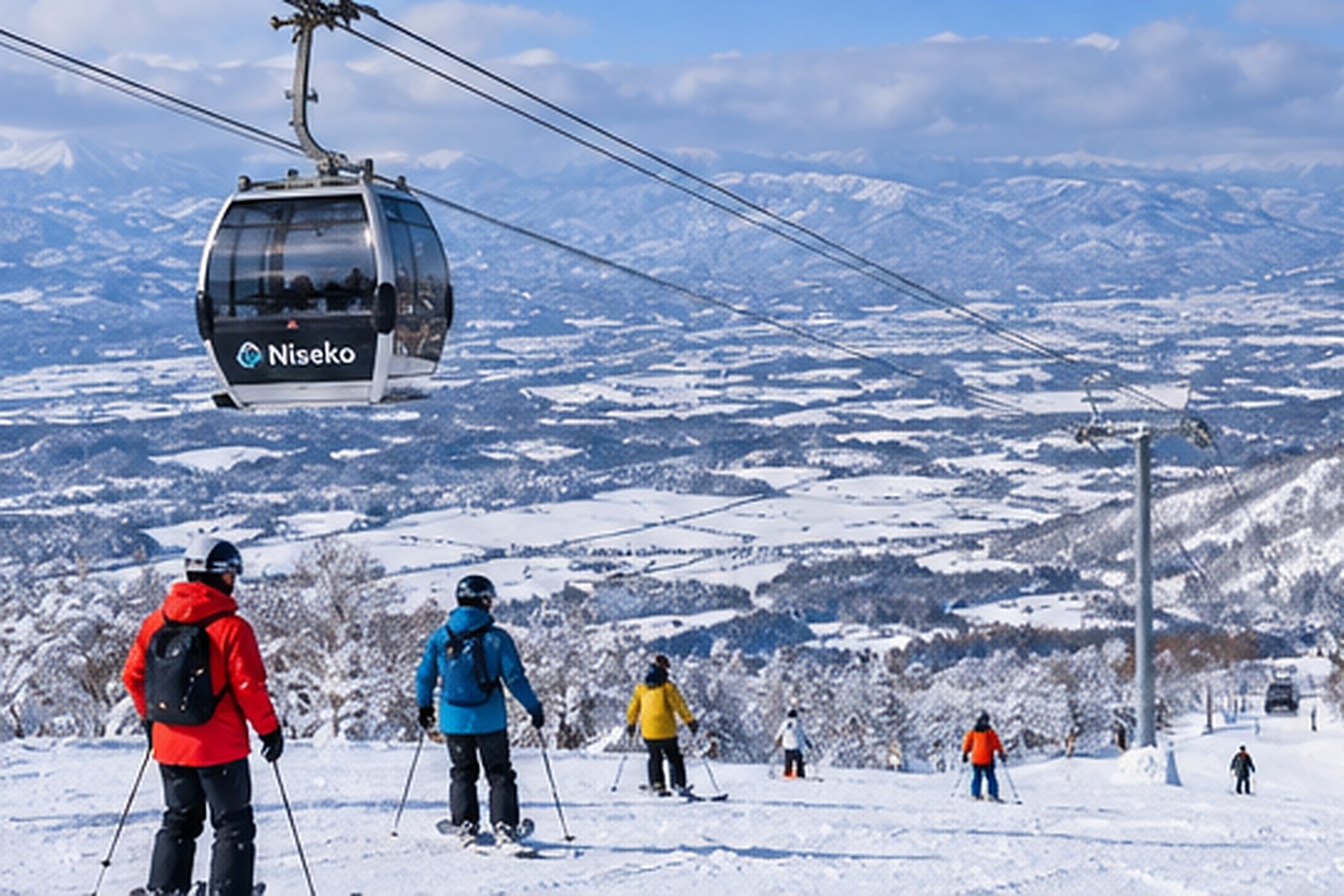
- Hakuba and other Nagano mountain areas: popular for skiing, snowboarding and alpine scenery
- Niigata snow areas: convenient options from Tokyo, including rail-accessible resorts
- Tohoku: a strong choice for snow scenery, onsen and less crowded winter travel
- Shirakawa-go: iconic snow-covered village scenery, with advance planning especially important during popular winter events
Easy snow trips from major cities
You do not always need to stay deep in the mountains for several nights. JNTO highlights snow areas that can be reached from major cities by shinkansen, local rail or bus, making a short winter side trip possible.
From Tokyo, places such as Gala Yuzawa and Karuizawa are well known for relatively simple rail access. From Kyoto or Osaka, mountain areas in nearby prefectures can provide snow activities when conditions are suitable.
- Check the first and last practical train or bus before choosing a day trip
- Avoid planning a tight airport connection immediately after a snow-region excursion
- For popular weekends and holidays, reserve key transport or activities early when reservations are offered
How snow changes transport plans
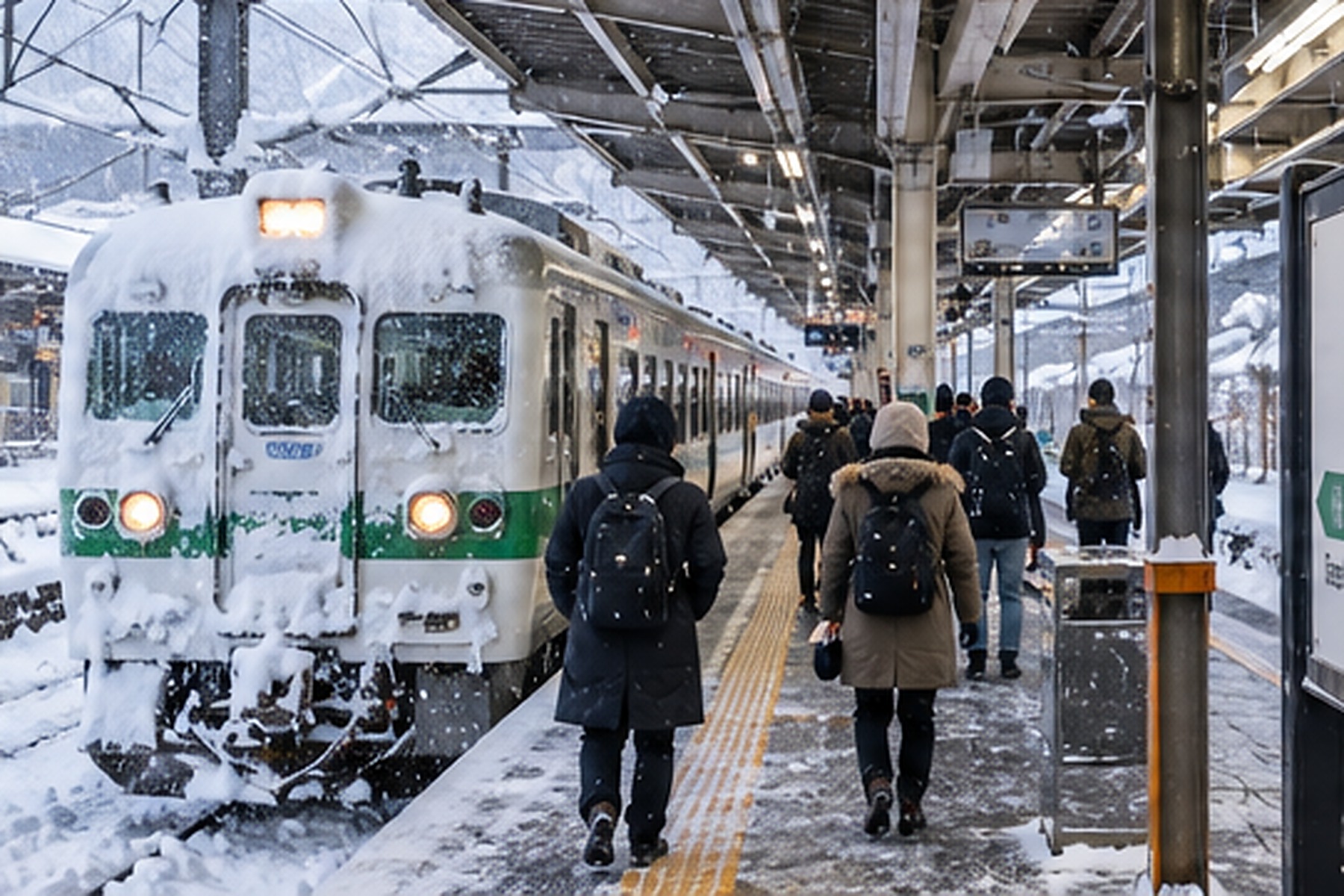
Heavy snow can affect trains, local buses, road traffic and flights even when the destination itself remains open. The biggest practical mistake is building a winter itinerary with no spare time.
Check the official operator and Japan Meteorological Agency information before long transfers. A flexible plan with one backup activity is more useful than trying to force every reservation into the original schedule.
- Allow extra transfer time on snow days
- Keep the final train or bus time in mind when visiting mountain areas
- Check flight and rail notices before leaving your hotel
- Keep your phone charged and carry a power bank
- Store your hotel address and key booking details offline in case reception becomes weak
What to wear and pack for snow
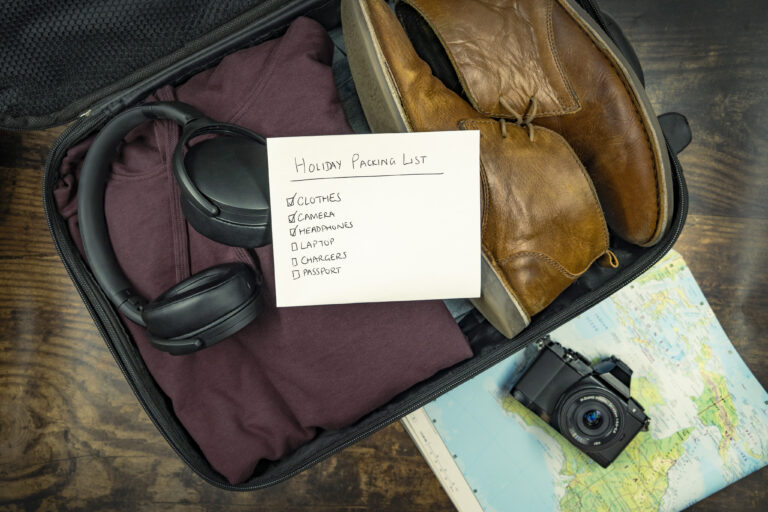
Warmth matters, but traction and water resistance matter just as much. City sneakers that feel fine on dry pavement can become uncomfortable or slippery on packed snow, slush and ice.
Use layers so you can adjust between cold outdoor areas and heavily heated trains, stations, shops and hotels.
- Water-resistant footwear with a grippy sole
- Warm base layer plus an insulating mid-layer
- Wind-resistant outer layer
- Gloves, hat and scarf or neck warmer
- Extra socks for wet or slushy days
- Small towel or cloth for snow and moisture
- Portable battery for maps, weather checks and transport updates
Snow activities beyond skiing
A Japan snow trip does not need to revolve around skiing or snowboarding. Many destinations offer hot springs, snowshoeing, winter walks, ropeways, snow play and traditional town scenery.
This is useful for mixed groups where some travelers want active snow sports and others prefer slower sightseeing.
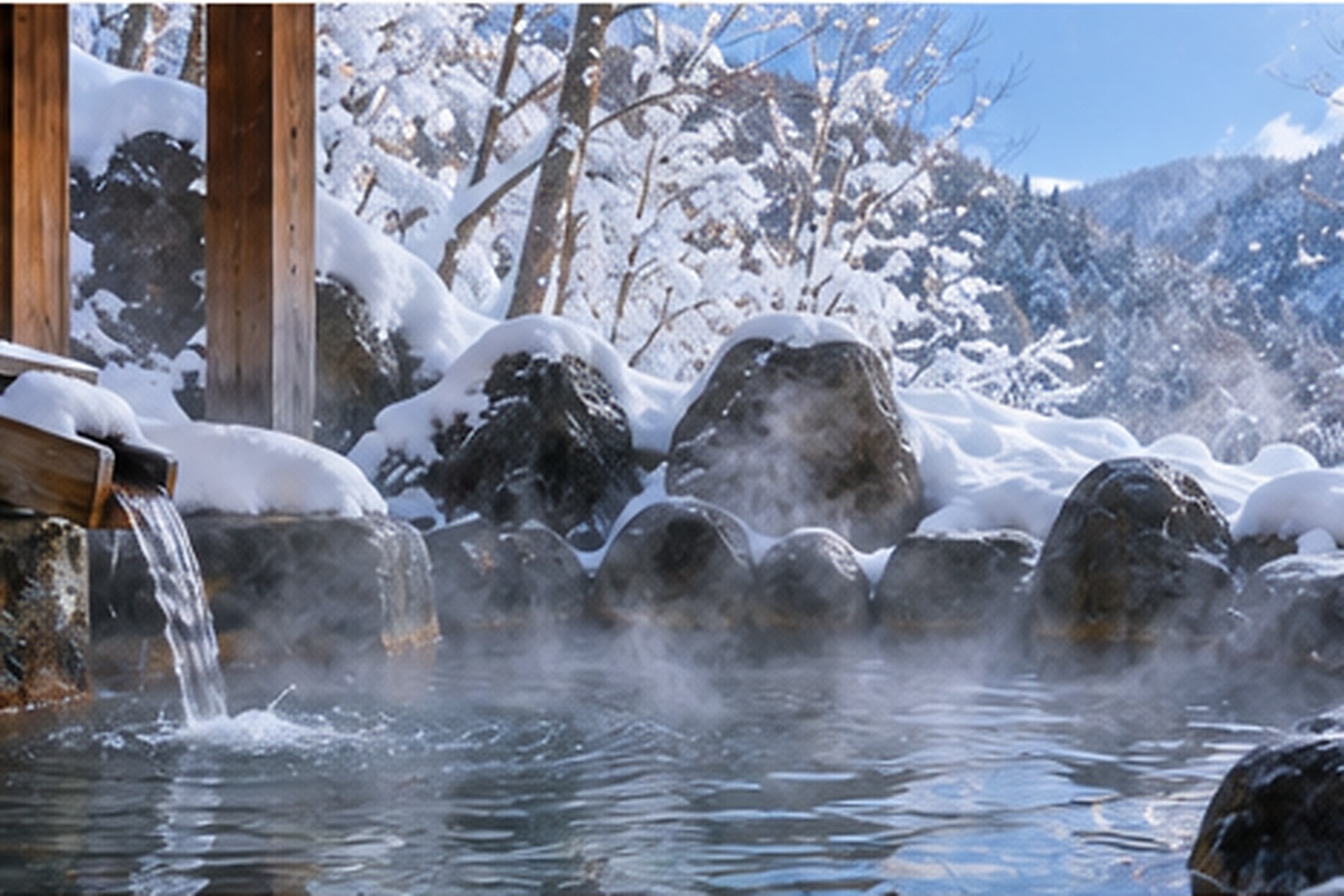
- Outdoor onsen with snow scenery
- Snowshoe walks and guided winter nature activities
- Historic snow-covered towns and villages
- Ropeways and viewpoints when weather and operations allow
- Snow play areas for beginners and families
Winter driving and mountain safety
A rental car can be useful in rural snow regions, but it should not be the default choice for an inexperienced winter driver. Snow, ice, reduced visibility and changing mountain weather can make familiar-looking roads difficult.
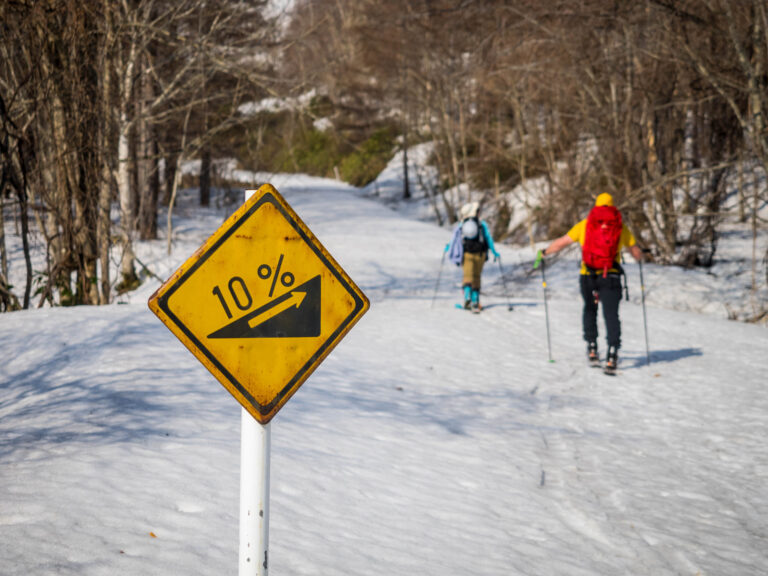
Backcountry skiing and snowboarding require a different level of preparation from managed resort slopes. If you are not trained and equipped for avalanche terrain and winter navigation, use resort areas or qualified local guides.
- Prefer rail, bus or hotel shuttles when they meet your route
- If driving, confirm proper winter equipment and current road conditions
- Do not assume a short distance means a fast winter transfer
- Use managed ski areas and marked routes unless you have the skills and equipment for backcountry conditions
A simple way to build your snow itinerary
Start with snow reliability, then choose transport, lodging and activities around that one region. This keeps the trip easier to adjust when weather changes.
The goal is not to predict the exact snowfall months in advance. The goal is to put yourself in a region where snow is likely, then keep the final schedule flexible enough to react to real conditions.
- Choose one reliable snow region
- Pick travel dates with a strong seasonal snow chance
- Stay near the station, bus stop, shuttle or activity area
- Add one main snow activity and one weather-proof backup
- Check current forecasts and warnings before long transfers
- Keep departure day less complicated than the middle of the trip
FAQ
Does it snow in Tokyo?
Yes, snow can fall in Tokyo, but it is not reliable enough to build a snow-viewing trip around. If snow is a priority, travel to a northern or mountain region.
What is the best time to see snow in Japan?
January and February are the strongest general window for a snow-focused trip, while some northern and higher-elevation areas can have useful snow earlier or later. Exact conditions vary each season.
Where is the easiest place to see snow from Tokyo?
Nagano and Niigata both offer practical rail-accessible options. JNTO highlights Gala Yuzawa and Karuizawa as examples of snow trips that can be reached relatively easily from Tokyo.
Do I need snow boots in Japan?
For snow regions, water-resistant footwear with good grip is strongly preferable to smooth-soled city shoes. Packed snow, slush and ice can make ordinary footwear uncomfortable and slippery.
Can I enjoy a snow trip without skiing?
Yes. Snowy towns, onsen, winter walks, ropeways, snowshoeing and snow-play areas can make a strong winter itinerary even if you never ski or snowboard.
Related Japan Travel Guides

Official References
Final Thoughts
For a successful snow trip, do not chase random snowfall in the big cities. Choose a region that regularly receives winter snow, build in transport buffer time, wear practical footwear and check current weather and operator updates before moving. That combination gives you a much better chance of enjoying Japan’s winter scenery without making the schedule fragile.