
Typhoon Guide for Japan: What Travelers Should Do Before, During & After a Storm
A practical guide to typhoon safety in Japan, covering official alerts, transport disruption, hotel preparation, flooding risks, emergency contacts and travel insurance.
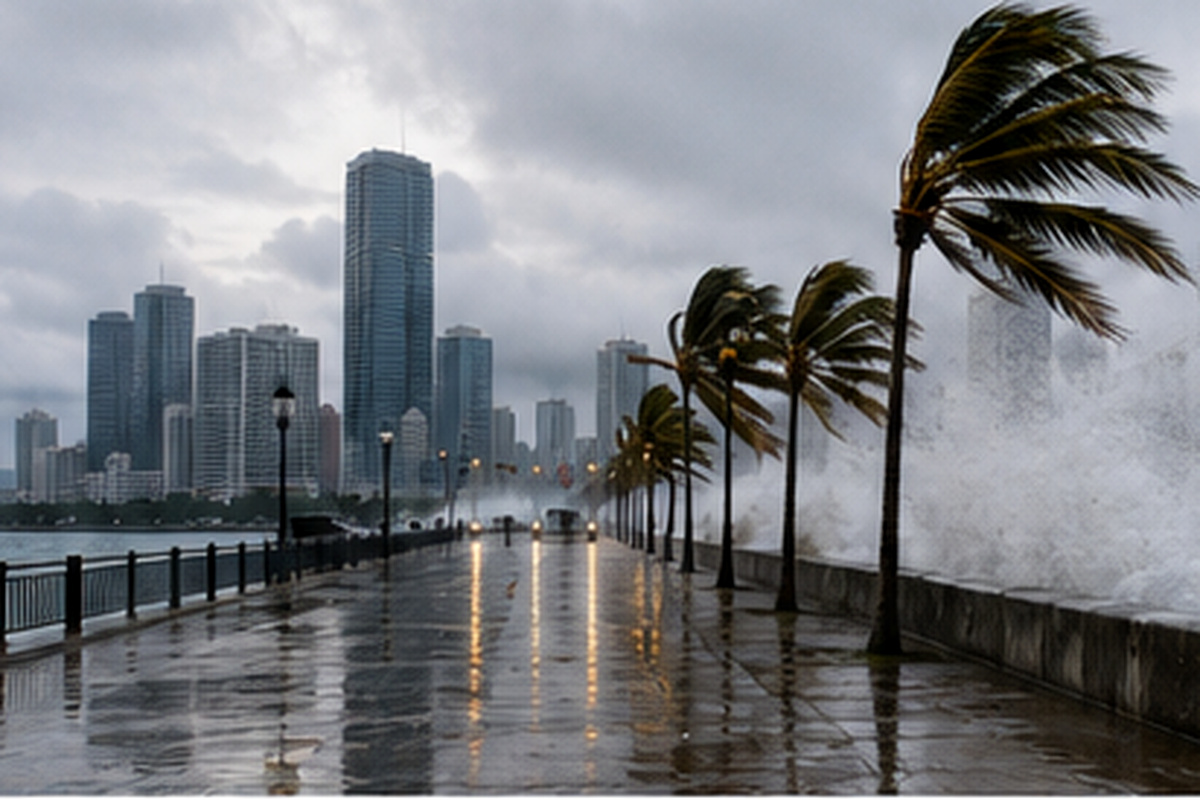
If a typhoon may affect your trip in Japan, act before the worst weather arrives: check the Japan Meteorological Agency and your transport operator, change travel plans early, keep essential items and devices ready, and stay in a safe indoor place during severe wind or rain., Japan reorganized warning information for heavy rain, flood, landslide and storm surge around a five-level alert framework, so pay attention to both the hazard name and the alert level. Follow local evacuation instructions immediately when issued, and do not go to coasts, rivers, underpasses, mountain slopes or flooded roads to look at conditions.
What You’ll Learn
- How Japan's weather and evacuation alert levels affect traveler decisions
- What to do 24–48 hours before a typhoon reaches your area
- How typhoons can disrupt flights, Shinkansen, local trains, buses and ferries
- Which places become especially dangerous during heavy rain, flooding and storm surge
- How to prepare your hotel stay, phone, documents and insurance for disruption
Understand the Real Travel Risk
Typhoons are tropical cyclones that can bring destructive wind, intense rain, high waves, storm surge, flooding and landslides. For travelers, the most common problem is often disruption rather than a direct encounter with the storm center: transport can stop, attractions can close, hotel plans can change and outdoor sightseeing can become unsafe.
A typhoon's impact depends on its track, size, speed and surrounding weather. Do not judge risk only by whether the storm center is near your city or by how calm it looks outside. Heavy rain, high waves and transport restrictions may affect a wide area before, during and after the closest approach.
- Build flexibility into trips from summer through autumn, when typhoon impacts are more likely.
- Treat island, coastal, mountain and ferry itineraries as especially weather-sensitive.
- Use official forecasts and operator notices rather than social-media rumors.
Read Japan's Alerts Correctly
Japan updated its disaster-weather information. Warnings for heavy rain, flood, landslide and storm surge are now organized to correspond more directly with the five alert levels used for evacuation decisions. JMA warning names may include the alert level, making the expected urgency easier to understand.
The key traveler principle is simple: do not wait for the highest level. Alert Level 3 is the stage at which older people and others who need more time should evacuate from hazardous places. Alert Level 4 is an Evacuation Order, and people in dangerous areas should already be evacuating. Alert Level 5 means life-threatening conditions may already be occurring, so waiting for Level 5 is too late.
- Level 1: increase awareness and start checking conditions.
- Level 2: review your evacuation route, hotel location and hazard exposure.
- Level 3: people who need extra time should evacuate hazardous areas.
- Level 4: evacuate dangerous areas when an Evacuation Order is issued.
- Level 5: take the best possible action to protect life immediately.
Act 24–48 Hours Before the Worst Weather
Typhoons usually provide more planning time than earthquakes. Use that advantage. When forecasts show a realistic chance of major wind or rain affecting your route, move optional travel earlier, postpone risky activities and confirm where you will stay if transport stops.
Do not wait until trains are already suspended or shops are closing. A small amount of early preparation prevents many travel problems.
- Check JMA typhoon information and local warnings several times a day.
- Check your airline, railway, ferry or bus operator before leaving your accommodation.
- Confirm whether your hotel can extend your stay if transport is canceled.
- Charge your phone, power bank and portable Wi-Fi device.
- Buy a modest amount of water, simple food and essential medicine while conditions are still safe.
- Keep passport, money, medication and important documents protected from water.
Stay Indoors During Severe Wind and Rain
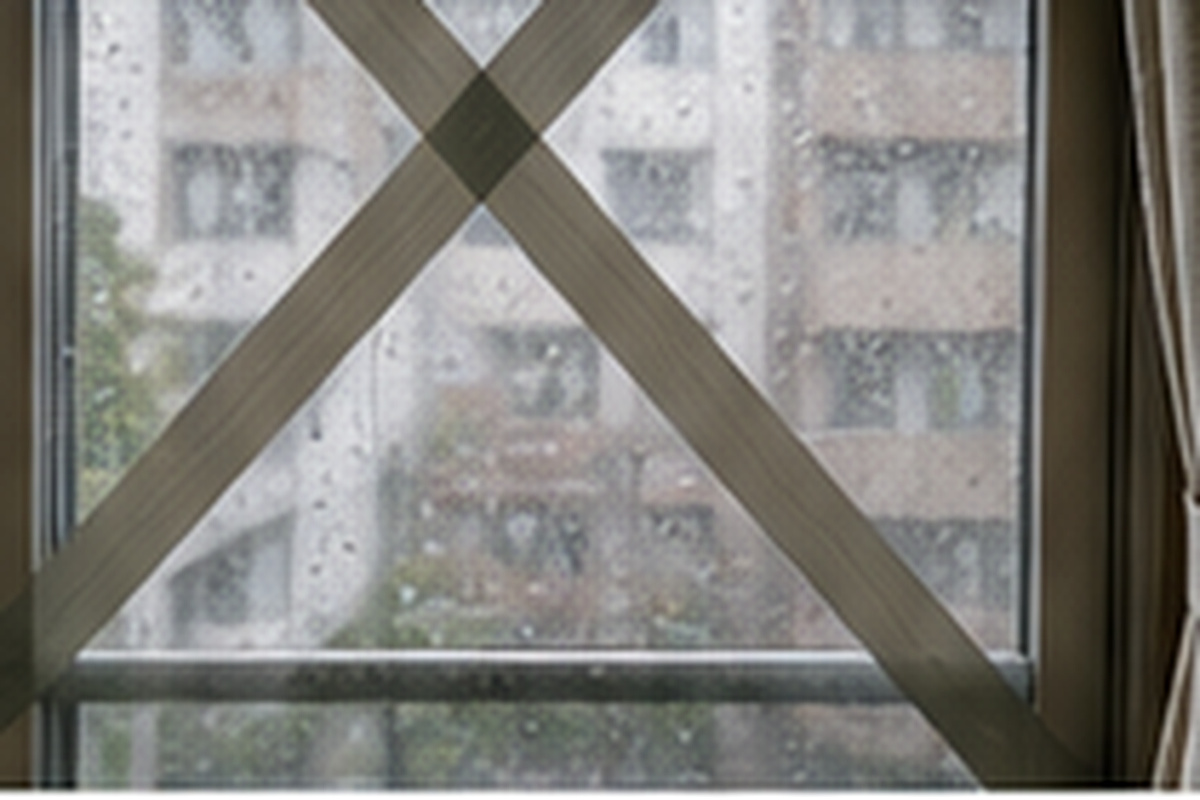
During the strongest wind or rain, the safest travel plan is usually no travel at all. Stay inside a sturdy building and follow hotel, station, airport or local-government instructions. Strong gusts can turn signs, branches and umbrellas into hazards, while intense rain can quickly flood underpasses and low-lying streets.
If you are already outside when conditions worsen, move to the nearest safe substantial building rather than trying to complete your sightseeing plan or walk a long distance back to your hotel.
- Stay away from large windows when winds are severe.
- Do not use an umbrella in dangerous gusts; staying indoors is safer.
- Avoid construction areas, trees, signs and temporary structures.
- Never enter floodwater on foot or by car.
- Conserve phone battery if power or mobile service becomes unreliable.
Expect Transport to Change Quickly
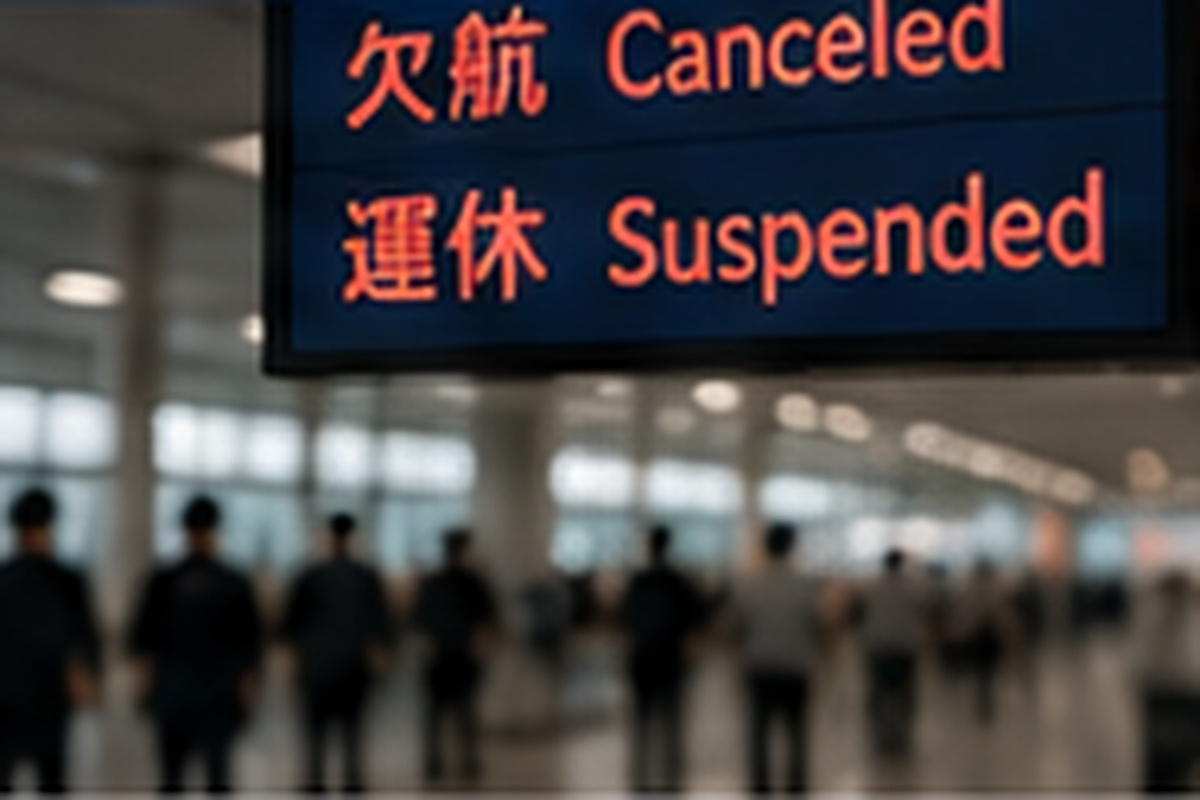
Airlines and railways may delay, cancel or suspend service for wind, heavy rain, flooding or safety inspections. Rail operators can slow or stop trains when rainfall or wind exceeds operating thresholds, and planned suspensions may be announced before conditions become severe.
A common traveler mistake is going to a station or airport simply because the original itinerary says to go. Check the operator first. A crowded terminal with no operating service is usually a worse place to wait than a safe hotel.
- Flights: check both the flight and the airport-access route before leaving.
- Shinkansen and local trains: watch for planned suspensions, delays and route-specific notices.
- Buses and taxis: road flooding, wind and traffic can reduce availability.
- Ferries and island routes: expect early cancellations when waves and wind increase.
- If service is canceled, secure accommodation before large numbers of travelers need rooms.
Avoid Flood, River, Coast and Mountain Hazards
Typhoon danger is not limited to wind. Heavy rain can raise rivers rapidly, flood streets and underpasses, weaken slopes and trigger landslides. Storm surge and high waves can make coasts, ports and seawalls dangerous even when the weather briefly appears to improve.
Travelers should not go outside to photograph waves, inspect a river or test whether a flooded road is passable. If local authorities or accommodation staff advise evacuation, follow that guidance rather than trying to judge the hazard yourself.
- Stay away from beaches, ports, seawalls and river mouths.
- Avoid rivers, canals, underpasses and low-lying roads during intense rain.
- Cancel hiking and mountain-road plans when landslide risk is elevated.
- Do not drive through standing or moving floodwater.
- After the storm, wait for official information before re-entering closed or damaged areas.
Use Your Hotel as a Safety Base
A staffed hotel can be one of the most useful resources during a typhoon. The front desk may know local evacuation information, nearby closures, transport changes and whether a stay can be extended. Ask early rather than waiting until the storm is at its worst.
If you are staying in an apartment or other accommodation without a front desk, prepare more independently: know how to contact the host, where the nearest safe indoor location is, and how to receive local alerts.
- Ask about hotel extension options and meal availability.
- Know the emergency exits and follow staff instructions.
- Keep shoes, passport, medicine, phone and charger easy to reach.
- Keep enough basic food and water for a period of indoor waiting without panic-buying.
- Do not move hotels during the worst conditions unless authorities direct you to evacuate.
Keep Official Information and Emergency Contacts Ready
Your phone becomes a critical travel tool during a typhoon. Use it for JMA warnings, airline and railway notices, hotel contact, maps, translation and family communication. JNTO lists the Safety tips app as a source of disaster information for visitors, including strong weather alerts.
For emergencies in Japan, call 119 for fire, ambulance or rescue and 110 for police. JNTO's Japan Visitor Hotline provides 24-hour support for visitors facing accidents, illness, natural disasters or other urgent travel problems.
- Save key pages and phone numbers before conditions deteriorate.
- Keep your hotel address available offline.
- Use official railway and airline pages for operating status.
- Carry a power bank and charging cable.
- Avoid draining battery on unnecessary video or constant social-media checking.
Check Travel Insurance Before You Need It
Typhoons can create costs that ordinary itinerary planning does not cover: canceled or delayed transport, additional hotel nights, missed connections, medical treatment or damaged baggage. Whether an insurer pays depends on the policy, the event, purchase timing, exclusions, benefit limits and documentation.
Read coverage before the storm is already affecting your trip. If you need to claim, keep airline or railway notices, hotel invoices, receipts, rebooking records and any official disruption information.
- Check trip-delay and trip-interruption benefits.
- Check cancellation rules and weather-related exclusions.
- Check emergency medical and evacuation coverage.
- Keep receipts and written proof of cancellations or delays.
- Do not assume every weather-related expense is automatically covered.
After the Typhoon, Resume Travel Carefully
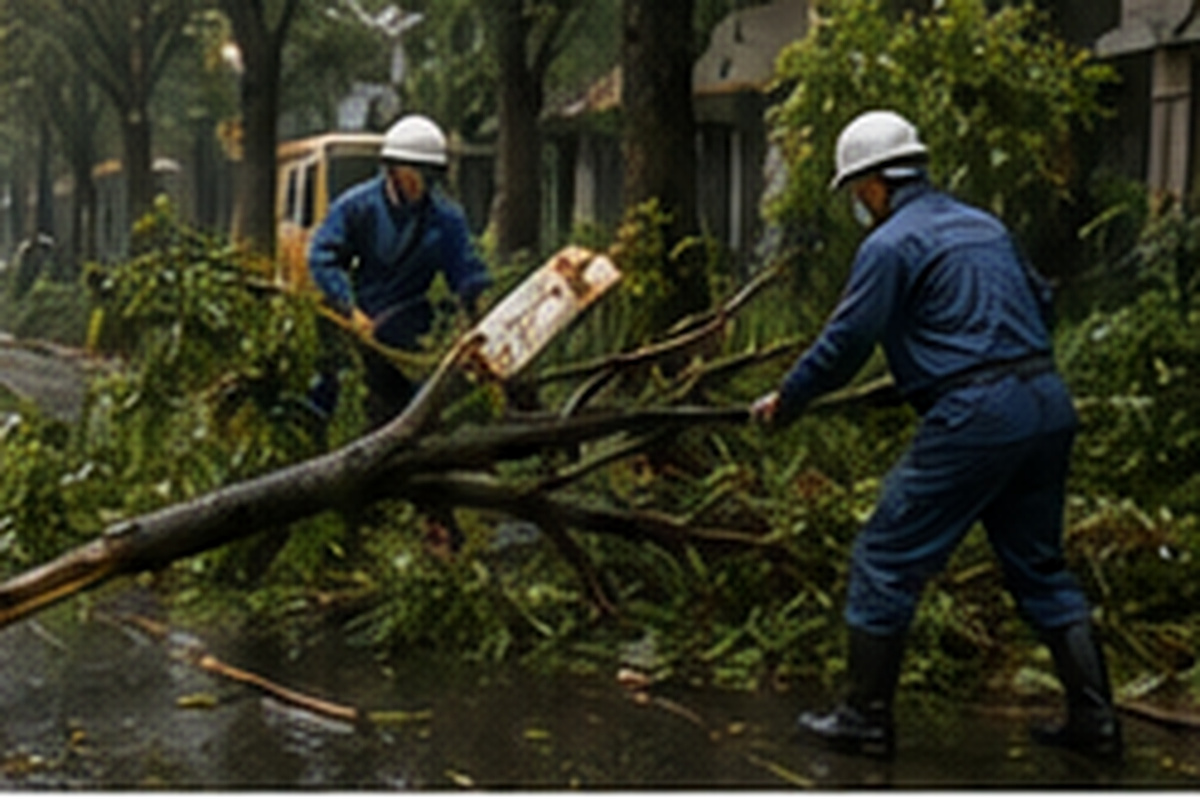
The end of heavy rain does not mean every route is safe. Fallen trees, debris, flooding, damaged roads and railway inspections can continue to affect travel after the storm center has moved away.
Resume your itinerary only after checking local warnings and the operating status of the exact transport you plan to use. If an area remains closed or evacuation information is still active, wait rather than trying to recover lost sightseeing time.
- Check for continuing flood, landslide and high-wave warnings.
- Confirm train, flight, ferry and road status before departure.
- Avoid fallen trees, damaged structures and standing water.
- Give yourself extra connection time because services may restart gradually.
- Keep receipts for any continuing disruption-related expenses.
FAQ
When is typhoon season in Japan?
Typhoons can affect Japan at different times, but travel disruption is more likely during the warmer months, especially late summer and autumn. Exact risk varies by year and region, so check the current JMA forecast rather than relying on a fixed calendar.
Is it safe to visit Japan during typhoon season?
Yes, many trips proceed normally, but you need flexible plans. If a storm approaches, change outdoor or long-distance travel early, follow official alerts and stay indoors during severe conditions.
Will Shinkansen or local trains stop during a typhoon?
They can. Railway operators may slow, suspend or cancel services because of wind, heavy rain, flooding or safety inspections. Check the operating status of the exact operator and route before going to the station.
What does Alert Level 4 mean in Japan?
Alert Level 4 corresponds to an Evacuation Order. People in hazardous areas should evacuate to an appropriate safe location. Do not wait for Alert Level 5, which indicates an even more dangerous situation.
Should I go to the airport early if a typhoon is coming?
Not automatically. First check your airline and the transport route to the airport. If the flight or airport-access train is canceled, traveling to the airport may leave you stranded away from your hotel.
Does travel insurance cover typhoon cancellations?
It may, but coverage varies by policy, timing, limits and exclusions. Check the wording before the storm and keep official cancellation notices, receipts and rebooking records if you need to claim.
Related Japan Travel Guides
Official References
- Japan Meteorological Agency (JMA) — Typhoon Information
- Japan Meteorological Agency (JMA) — Emergency Warnings and Alert Levels
- Cabinet Office, Government of Japan — Evacuation Information Guidelines ( revision)
- Japan National Tourism Organization (JNTO) — Staying Safe in Japan
- Japan National Tourism Organization (JNTO) — Useful Apps / Safety tips
- Japan National Tourism Organization (JNTO) — Japan Visitor Hotline
Final Thoughts
A typhoon does not automatically ruin a Japan trip, but it can punish inflexible planning. The safest strategy is to use official information, change plans before conditions become severe, stay indoors when wind or rain is dangerous, and resume travel only after the exact route you need is confirmed safe and operating. Keep your phone charged, basic essentials ready and insurance documents accessible. Sightseeing can wait; the goal is to protect your safety and preserve the rest of the trip.