
New Year in Japan: Hatsumode, Closures, Trains and Travel Tips
A practical New Year in Japan guide covering hatsumode, temple bells, first sunrise, osechi, business closures, crowded transport, Shinkansen reservations and easy holiday planning.
New Year is one of Japan’s most important holiday periods. Many people return home, visit shrines or temples for hatsumode, eat traditional foods such as toshikoshi soba and osechi, and watch the first sunrise. Travelers should expect heavy domestic travel, reduced business hours or closures around late December and early January, crowded major shrines, and strong demand for hotels and long-distance trains. During major peak periods, Nozomi services on the Tokaido and Sanyo Shinkansen operate with reserved seating only, so check the current railway schedule and reserve important journeys early.
What You’ll Learn
- What New Year in Japan feels like for visitors
- How hatsumode, temple bells, first sunrise and traditional food fit into the holiday
- What changes around shops, restaurants, attractions and transport
- How to plan hotels and long-distance trains without getting caught by peak-holiday demand
New Year Is Japan’s Biggest Family Holiday
Christmas is visible across Japan, but New Year has much deeper social importance. Many people return to their hometowns, spend time with family and take part in traditions that mark the end of one year and the beginning of the next.
For travelers, this creates a very different atmosphere from an ordinary winter week. Shrines and temples can become extremely busy, long-distance transport demand rises, and some businesses close or reduce hours for several days.
- Expect domestic travel to increase around the holiday period.
- Do not assume normal business hours continue through the New Year break.
- Book important hotels and intercity transport earlier than you would for an ordinary winter trip.
- Treat the holiday as a distinct travel period rather than a normal sightseeing week.
Hatsumode Is the Main New Year Experience
Hatsumode is the first shrine or temple visit of the year. People visit to give thanks, pray for good fortune, draw omikuji fortunes and receive charms or amulets for the year ahead.
Popular places such as Meiji Jingu in Tokyo and Fushimi Inari Taisha in Kyoto can attract huge crowds. A smaller local shrine can offer a more manageable experience while still letting you take part in the tradition.
- Choose a famous shrine for atmosphere and scale.
- Choose a neighborhood shrine for a calmer visit.
- Follow local queueing and worship instructions.
- Keep photography respectful in crowded sacred spaces.
Shrine and Temple Etiquette Still Matters in the Crowd
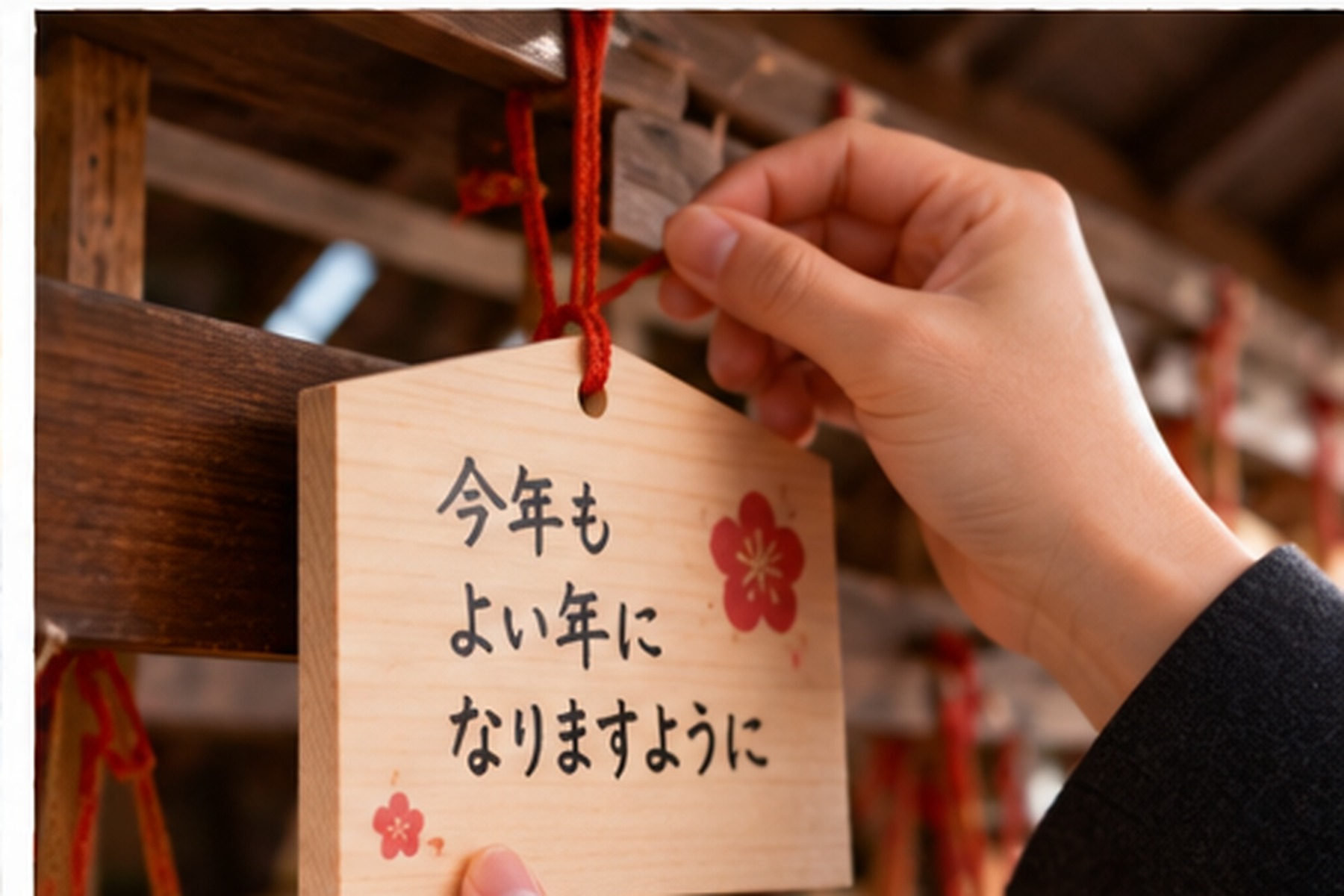
Large New Year crowds can make shrine and temple visits feel like festivals, but these are still religious spaces. JNTO’s shrine guidance recommends behaving calmly, respecting posted rules and following the appropriate worship practice for shrines or temples.
At a Shinto shrine, visitors commonly bow, make an offering, clap and pray according to the local custom. At Buddhist temples, clapping is generally not part of the prayer ritual.
- Do not stop in the center of a busy approach just to take a photo.
- Follow signs for one-way crowd movement when provided.
- Keep voices moderate around worship areas.
- Do not treat omikuji, ema or charms as mere photo props.
New Year’s Eve Has Its Own Traditions
On New Year’s Eve, many people eat toshikoshi soba, the year-crossing noodles associated with longevity and leaving the old year behind. Buddhist temples also ring bells in the joya no kane tradition, often with 108 strikes symbolizing the worldly desires people seek to leave behind.
Not every temple lets visitors participate, and timing varies by site. If a specific bell-ringing event matters to you, check the temple’s official schedule rather than assuming it happens in the same way everywhere.
- Toshikoshi soba is easy to add to a normal evening meal.
- Temple bell ceremonies can draw large crowds.
- Check whether participation is open to visitors.
- Do not build a midnight route that depends on an unverified late-night train.
Hatsuhinode: Watching the First Sunrise
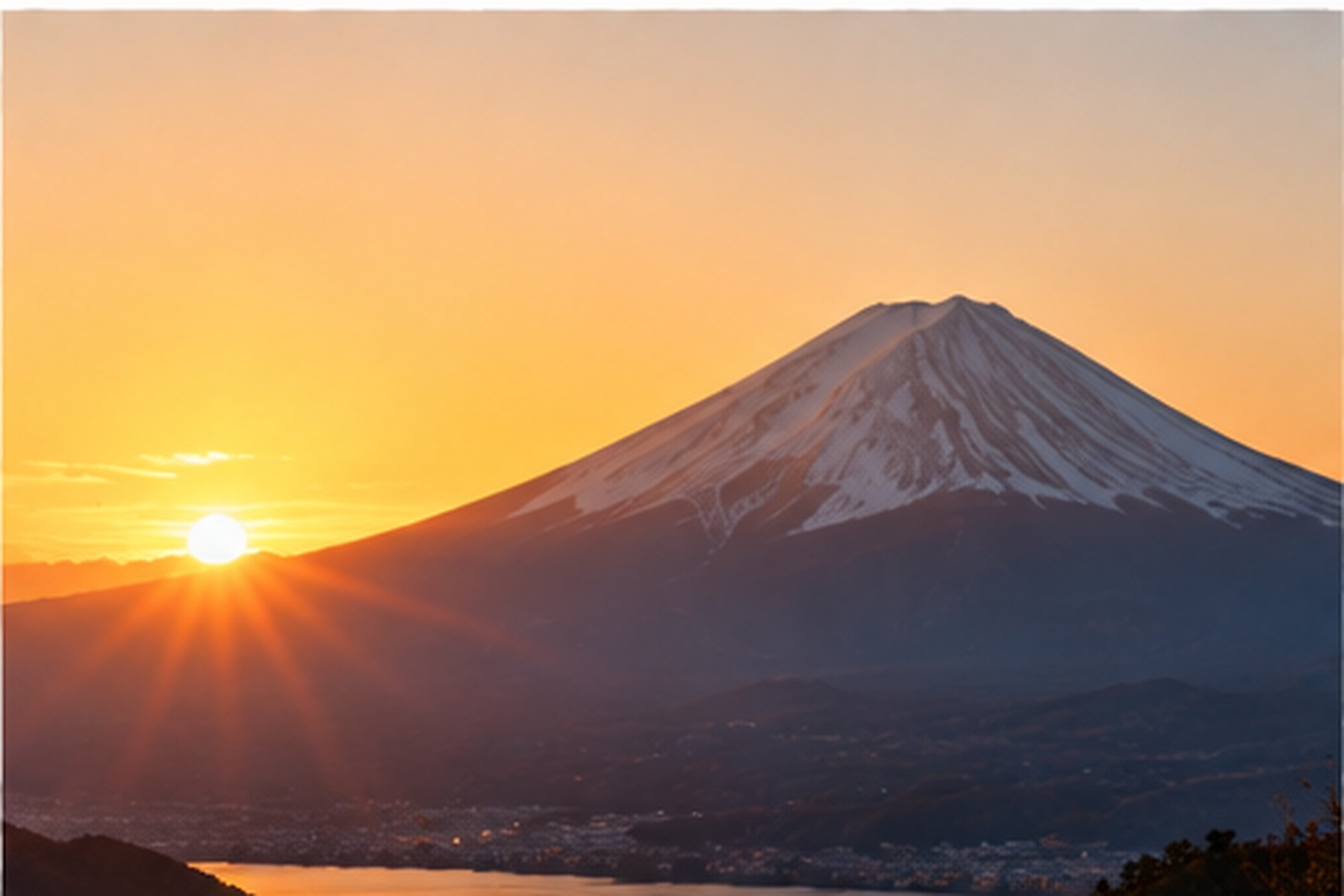
Watching the first sunrise of the year, called hatsuhinode, is another New Year tradition. Coastal viewpoints, mountains and high observation points can attract visitors before dawn.
The experience is simple in concept but requires practical planning. Winter mornings are cold, public transport may operate on special schedules, and some popular viewpoints use limited-entry systems.
- Check sunrise access and transport before leaving the hotel.
- Dress for standing outside before dawn.
- Avoid remote viewpoints unless the return route is clear.
- Use official information for any observatory or controlled-entry location.
Osechi and Ozoni Are the Classic New Year Foods
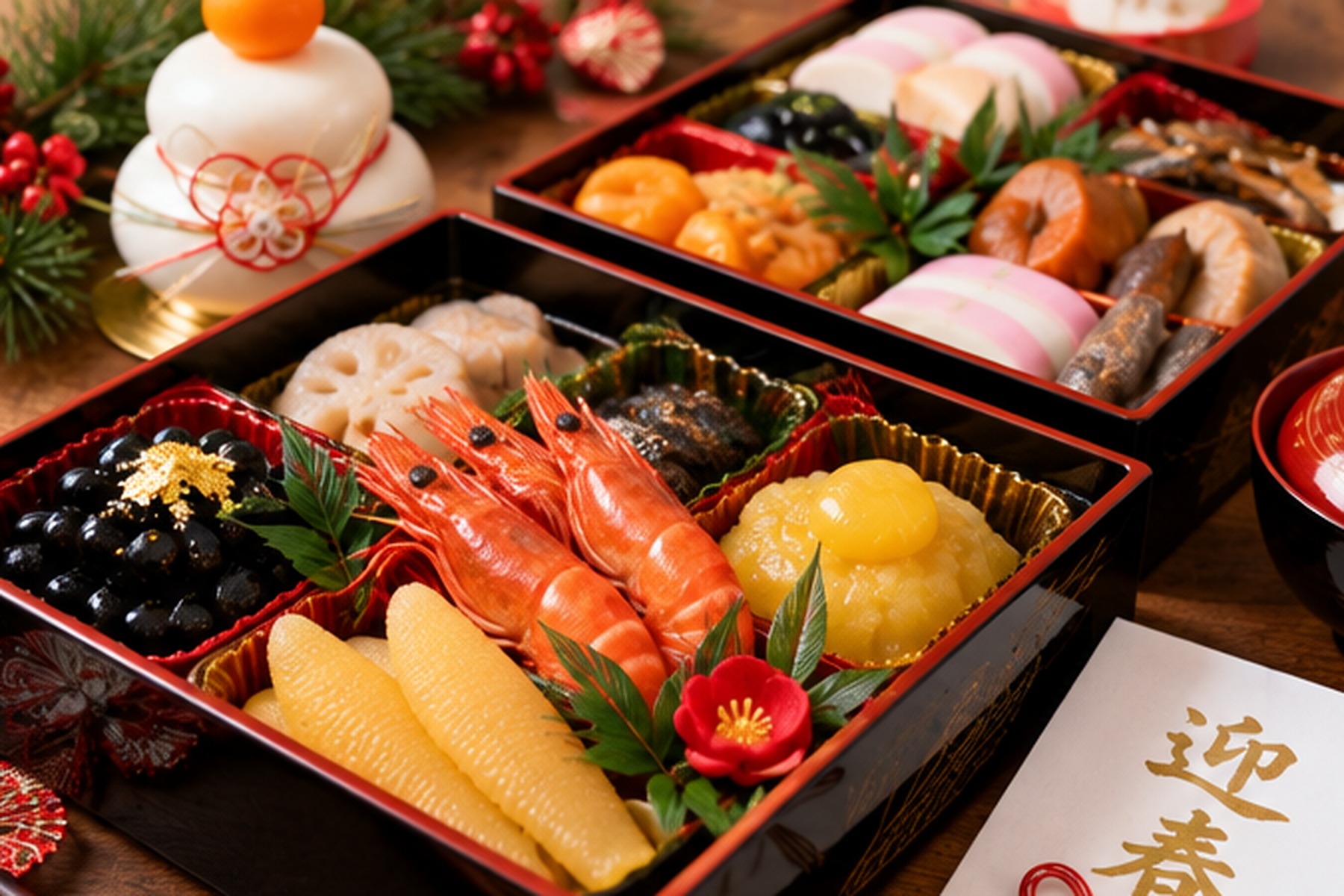
Osechi is a traditional assortment of foods served in layered boxes, with individual ingredients carrying symbolic meanings for health, prosperity or good fortune. Ozoni is a soup containing mochi, with ingredients and flavor varying significantly by region.
Travelers may see osechi sold through department stores, supermarkets and hotels, but availability can depend on advance orders. You do not need a full formal meal to experience New Year food traditions; a bowl of ozoni or toshikoshi soba can be an easier entry point.
- Osechi is often preordered before the holiday.
- Ozoni varies by region and household.
- Department-store food halls can be useful for seasonal foods.
- Check restaurant opening hours before assuming traditional dishes will be available on the day.
Many Businesses Close or Reduce Hours
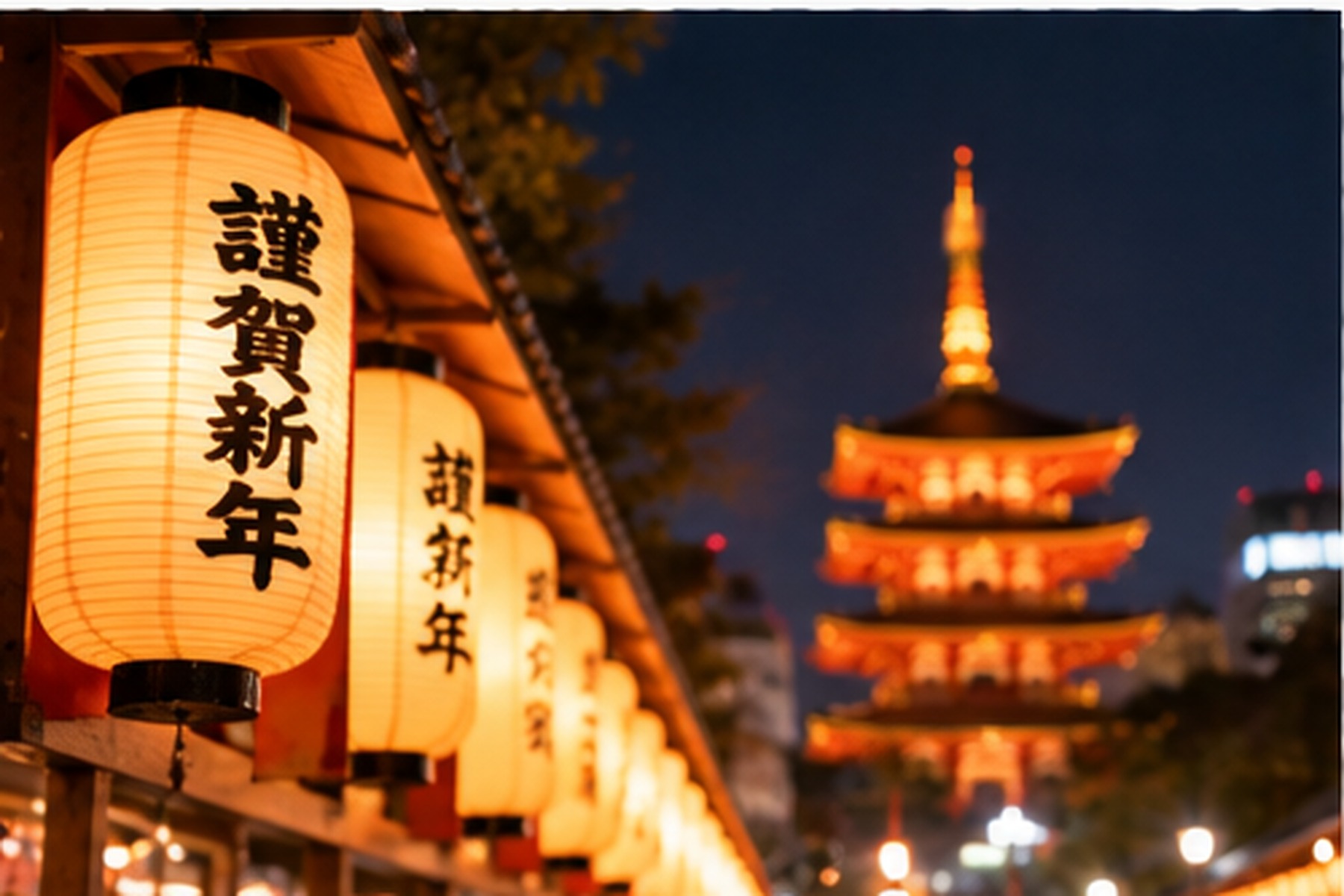
JNTO identifies late December through early January as one of Japan’s major holiday periods and notes that many businesses close for several days or operate on reduced hours. The exact pattern differs by business, city and type of attraction.
Convenience stores and some chain businesses may stay open, but smaller restaurants, museums, independent shops and office-based services can follow holiday schedules. Always check the official page for anything important.
- Do not rely on ordinary weekly opening hours during the holiday.
- Check museums and attractions again shortly before the visit.
- Keep a convenience-store or hotel meal backup.
- Avoid planning several must-do restaurants for the same holiday day.
Long-Distance Transport Gets Busy
The New Year period is one of Japan’s major domestic travel peaks, so Shinkansen, domestic flights and intercity buses can sell heavily. JNTO advises booking transport and accommodation early around the holiday period.
On the Tokaido and Sanyo Shinkansen, Nozomi trains operate with all reserved seating during designated peak periods. Check the current JR Central or Smart EX information and reserve seats before relying on a specific departure.
- Reserve long-distance rail after the route is stable.
- Leave extra station time when traveling with luggage.
- Do not assume you can simply board a Nozomi without a seat reservation during a designated peak period.
- Keep one alternative departure in mind if your preferred train is unavailable.
Local Trains Still Run, but Holiday Service Can Differ
Urban trains do not simply stop for New Year, but holiday timetables, late-night service and special operating patterns can differ from normal weekdays. The safest assumption is that your usual app route may need to be rechecked on the actual travel date.
This matters most on New Year’s Eve and very early New Year’s Day, when travelers may be moving between temples, shrines, countdown events and hotels outside ordinary commuting hours.
- Check the railway operator’s current holiday timetable.
- Do not assume all-night trains operate on your route.
- Save the last practical return option before going out.
- Keep enough money or card balance for a taxi if the route changes.
Hotels Can Become More Expensive and Less Flexible
JNTO notes that hotel choices can be more limited and prices higher around New Year. Popular city-center hotels, ryokan and resort areas may fill well before ordinary winter dates.
Book the hard-to-replace nights first. A refundable reservation can be useful when your itinerary is still evolving, but do not wait too long if the trip depends on one specific location.
- Price the New Year nights before finalizing the route.
- Check cancellation terms carefully.
- Choose a hotel near useful transport if late-night movement is part of the plan.
- Confirm breakfast and restaurant operations during the holiday.
Fukubukuro and First Sales Bring a Different Kind of Crowd
After the holiday closures, department stores and retailers begin New Year sales, and some offer fukubukuro lucky bags containing a mystery assortment of goods. These can attract queues and enthusiastic shoppers.
Opening dates vary by store. If shopping is a priority, use the department store or retailer’s official announcement because the first business day is not identical everywhere.
- Expect queues at popular stores.
- Check whether a lucky bag requires an online lottery or advance reservation.
- Do not assume every store opens on the same day.
- Keep purchases within your luggage and customs limits.
Popular New Year Places Around Japan
Tokyo, Kyoto and Osaka all offer major New Year experiences, but they feel different. Tokyo has huge urban hatsumode crowds at places such as Meiji Jingu and Sensoji, Kyoto combines traditional streets with famous shrines such as Fushimi Inari, and Osaka’s Sumiyoshi Taisha is one of the region’s major New Year destinations.
The best choice is usually the place already near your route. Crossing a city only to reach the most famous shrine can add hours of queuing and transport to an already crowded day.
- Tokyo: Meiji Jingu or Sensoji for major-city atmosphere.
- Kyoto: Fushimi Inari for a famous shrine setting.
- Osaka: Sumiyoshi Taisha for a major Kansai hatsumode experience.
- Local neighborhood shrines can be much easier and still feel authentic.
A Simple New Year Travel Plan
The easiest way to enjoy New Year in Japan is to simplify the schedule. Choose one major New Year experience, one reliable meal plan and one verified transport plan rather than trying to fit every tradition into one day.
A strong first plan is: spend New Year’s Eve near your hotel, eat toshikoshi soba, visit a nearby shrine or temple either that night or the next morning, then keep New Year’s Day deliberately light. Use the following day for shopping, sightseeing or a long-distance transfer only if the current schedules make it practical.
- Step 1: verify hotel, restaurant and attraction holiday hours.
- Step 2: reserve long-distance transport early.
- Step 3: choose one hatsumode location.
- Step 4: keep a backup meal and return route.
- Step 5: avoid overloading New Year’s Day with fixed reservations.
What Travelers Most Often Get Wrong
The biggest mistake is assuming New Year works like an ordinary winter weekend. It does not. Business hours, hotel prices, rail demand and crowd patterns can all change at the same time.
A second mistake is chasing only famous places. The holiday is easier to enjoy when you accept that a quieter local shrine, a simple bowl of soba and a relaxed morning can deliver more of the New Year atmosphere than several hours spent in transport and queues.
- Do not assume ordinary opening hours.
- Do not leave important train reservations to the last minute.
- Do not depend on one famous restaurant being open.
- Do not treat midnight transport as guaranteed.
- Do not turn hatsumode into a checklist of several distant shrines.
FAQ
Is New Year a good time to visit Japan?
Yes, if you want a distinctive cultural experience and are comfortable with crowds, holiday closures and higher demand for transport and hotels. It is less convenient for travelers who want every attraction and restaurant to operate on a normal schedule.
Are shops and restaurants closed at New Year in Japan?
Many businesses close or reduce hours for part of the New Year holiday, while convenience stores, some chains and selected major facilities may remain open. Check each important place individually.
What is hatsumode?
Hatsumode is the first shrine or temple visit of the year. People pray for good fortune, draw omikuji fortunes and may receive charms or amulets.
What do people eat at New Year in Japan?
Common New Year foods include toshikoshi soba on New Year’s Eve, osechi layered dishes and ozoni soup with mochi. Traditions and recipes vary by region and family.
Do trains run on New Year’s Day in Japan?
Yes, many trains operate, but holiday timetables and special service patterns can differ from normal days. Check the railway operator for the exact date and route.
Do I need to reserve Shinkansen seats for New Year?
You should reserve important long-distance journeys early. Nozomi trains on the Tokaido and Sanyo Shinkansen operate with all reserved seating during designated peak periods.
Which shrine should I visit for New Year in Japan?
Famous options include Meiji Jingu, Sensoji, Fushimi Inari and Sumiyoshi Taisha, but a local neighborhood shrine can be easier and still offer an authentic hatsumode experience.
Related Japan Travel Guides

Official References
Final Thoughts
New Year in Japan is rewarding precisely because it is not an ordinary sightseeing period. The best trip accepts the holiday on its own terms: reserve important transport, verify business hours, choose one meaningful hatsumode visit, try a seasonal food tradition and keep the schedule lighter than usual. With those adjustments, the crowds and closures become part of the experience rather than a problem that breaks the itinerary.