
Obon in Japan: Crowds, Traditions, Closures and Travel Planning
Traveling in Japan around Obon can mean packed intercity transport, tighter hotel availability, changing business hours and meaningful local traditions. Use this guide to plan around the busiest pressure points without missing the cultural experience.
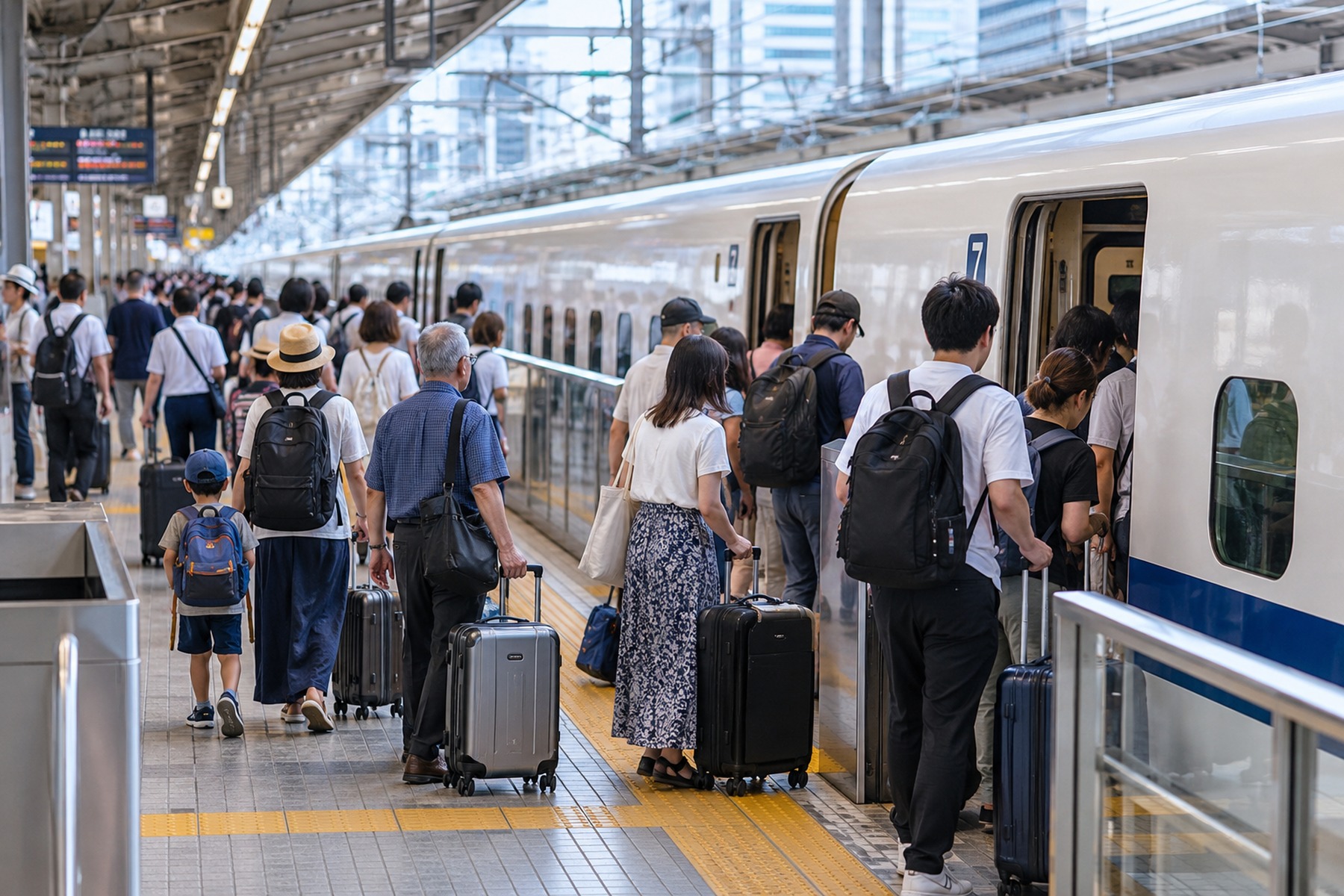
You do not need to avoid Japan during Obon, but you should treat it as a peak domestic travel period. Reserve important long-distance transport and accommodation early, keep extra time around transfers, recheck individual business hours, and expect hot, humid weather. The cultural side is part of the value: local Bon Odori, lantern events and family remembrance traditions can be memorable when you participate respectfully.
What You’ll Learn
- Why Obon creates one of Japan’s strongest domestic travel surges
- How regional timing can differ even though mid-August is the main travel period
- When Shinkansen reservations and flexible routing matter most
- Which shops and services may change hours or close
- How to enjoy Bon Odori and other traditions respectfully while managing summer heat
What Obon Is and When It Happens
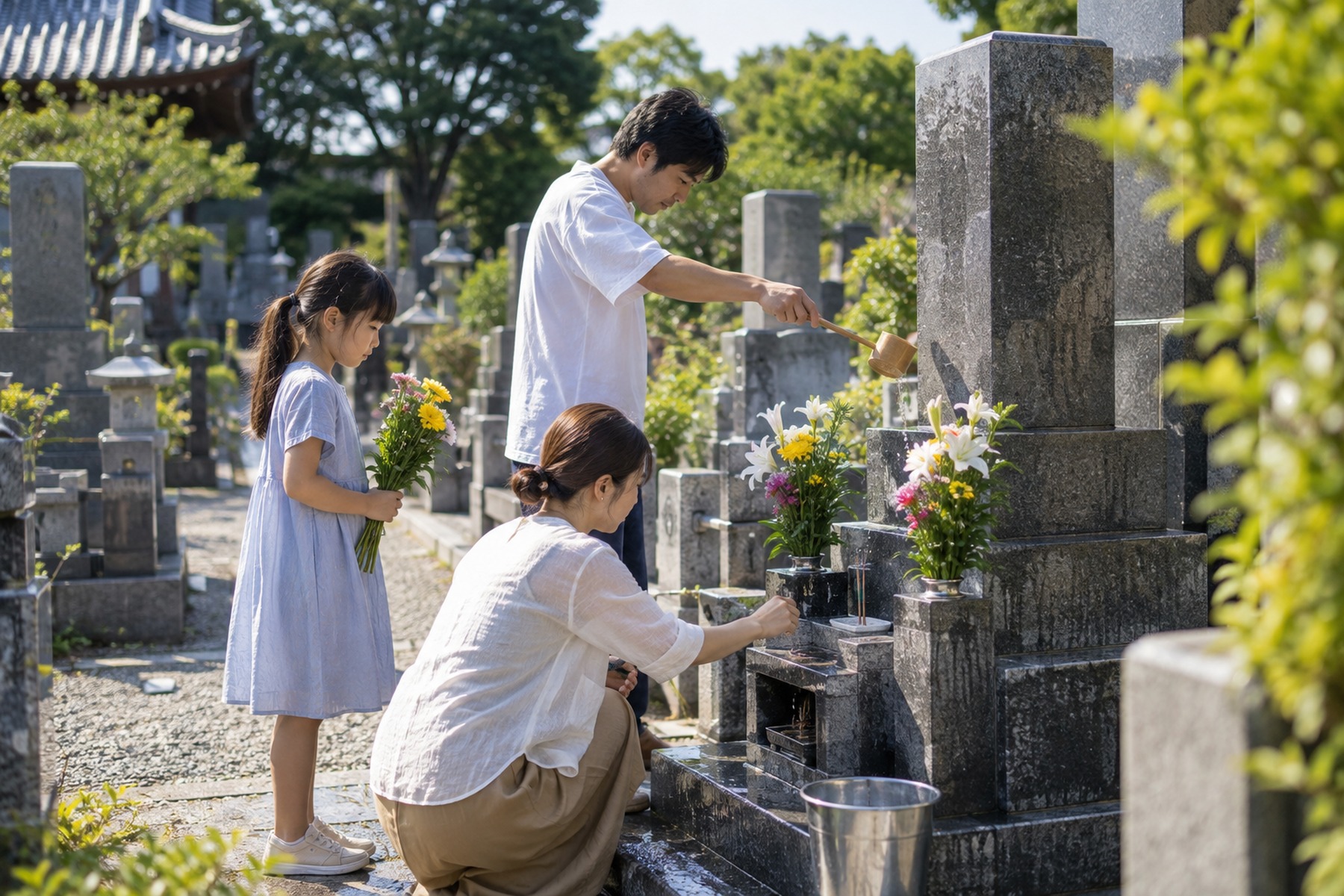
Obon is a summer period of remembrance when many families honor ancestors, visit graves, return to hometowns and spend time together. Community traditions can include Bon Odori dancing, lanterns, temple events and other local customs.
In many parts of Japan, the main Obon period is associated with mid-August, often around August 13 to 16, but local observance is not perfectly uniform. Some regions follow July schedules or other local traditions, so a festival or family observance in one city may not match the dates used somewhere else.
Obon itself is not one national public holiday. Its travel impact comes from family leave, company schedules, school holidays and the large number of people moving across the country at roughly the same time.
- Treat local event dates as location-specific rather than assuming one national schedule.
- Check the official event or facility page when a particular ceremony, festival or attraction matters to your trip.
Expect a Domestic Travel Surge
Obon is one of Japan’s major peak travel periods. Intercity trains, domestic flights, highway buses, expressways and popular accommodation can become much busier than on an ordinary summer week.
The pressure is not distributed evenly. The busiest direction can change as people leave major cities for hometowns and later return, while tourist destinations and regional hubs can see their own spikes around festivals and family travel.
For visitors, the practical risk is not simply a crowded station. It is the chain reaction that follows: fewer convenient seats, higher hotel demand, longer queues, less flexibility after a missed connection and fewer easy last-minute alternatives.
- Reserve the transport segment you cannot easily replace.
- Avoid building a same-day plan that depends on several tight intercity connections.
- Keep at least one flexible meal or sightseeing block on heavy travel days.
Book Long-Distance Transport Before Your Route Hardens
If your itinerary uses the Tokaido or Sanyo Shinkansen, check the operator’s current peak-period rules before travel. During designated peak periods that include Obon, Nozomi services operate with reserved seating only, so travelers who expect to sit should secure the appropriate reserved seat in advance.
Other Shinkansen services and rail routes can have different seating rules, but they may still be heavily used. Do not assume that a non-reserved option will be comfortable simply because it exists.
The safest sequence is to choose your major city-to-city moves first, confirm the exact train or a realistic alternative, and only then lock in time-sensitive tours or restaurant plans around those journeys.
- Check the railway operator again shortly before travel because service rules and disruption notices can change.
- Leave extra station time when traveling with children, large bags or an unfamiliar transfer.
- If your first-choice departure is full, compare another time, another train category or a less transfer-heavy route.
Treat Accommodation as Part of the Transport Plan
Hotel availability and transport availability interact during Obon. A cheaper room far from the station can become a false economy if it creates an early transfer, a late-night taxi problem or a difficult luggage move on a crowded day.
For a short trip, fewer hotel changes are often more valuable than squeezing in another city. A well-connected base can absorb delays and lets you make day trips without repacking every morning.
When you do need to change cities, favor accommodation with straightforward access to the station you will actually use rather than judging distance by a map alone.
- Check the cancellation and change terms before paying.
- Confirm check-in timing if your arrival depends on a long-distance train or flight.
- Keep the hotel address and contact details available offline.
Check Opening Hours One Business at a Time
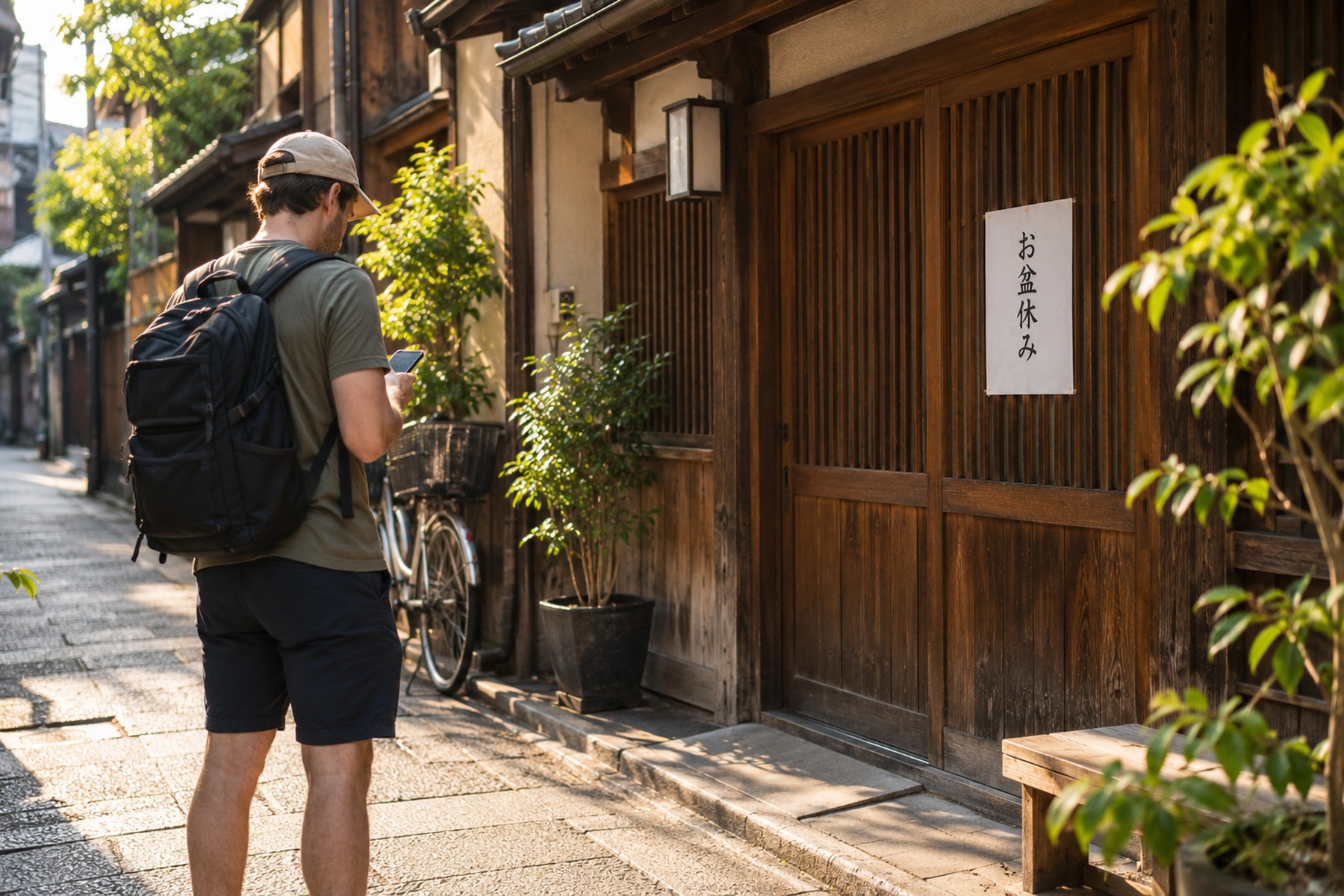
Large convenience stores, department stores and major tourist facilities often continue operating, but Obon is not a period when every business follows the same pattern. Small restaurants, family-run shops, clinics, offices and local services may close or shorten hours.
The most reliable approach is individual verification. Check the business’s official website, reservation page or current social update rather than relying on a generic statement that a whole neighborhood will be open.
For something important such as medication, a special meal, luggage shipping or a timed appointment, verify the service before making a dedicated trip.
- Recheck hours on the day for small or family-run businesses.
- Have a backup restaurant or service near your route.
- Do not treat a map listing marked “open” as stronger evidence than a current official notice.
Join Bon Odori and Lantern Events Respectfully
Public Bon Odori can be one of the easiest ways for visitors to experience Obon culture. Some events welcome newcomers into the dance, while others are smaller community gatherings where observation is more appropriate.
Remember that Obon is also connected with private family remembrance. Cemeteries, temple grounds, memorial spaces and rituals should not be treated as photo sets. Follow local signs, avoid blocking paths, lower your voice in solemn areas and ask before photographing people at close range.
Festival etiquette is usually simple: watch how locals use the space, keep exits and dance routes clear, dispose of rubbish properly and step aside when you need to stop for photos or directions.
- Follow the event’s official participation and photography guidance.
- Do not enter private family areas or interrupt grave visits.
- If a dance is open to everyone, join from the outer edge and copy the pace of experienced participants.
Summer Heat Is a Real Planning Constraint
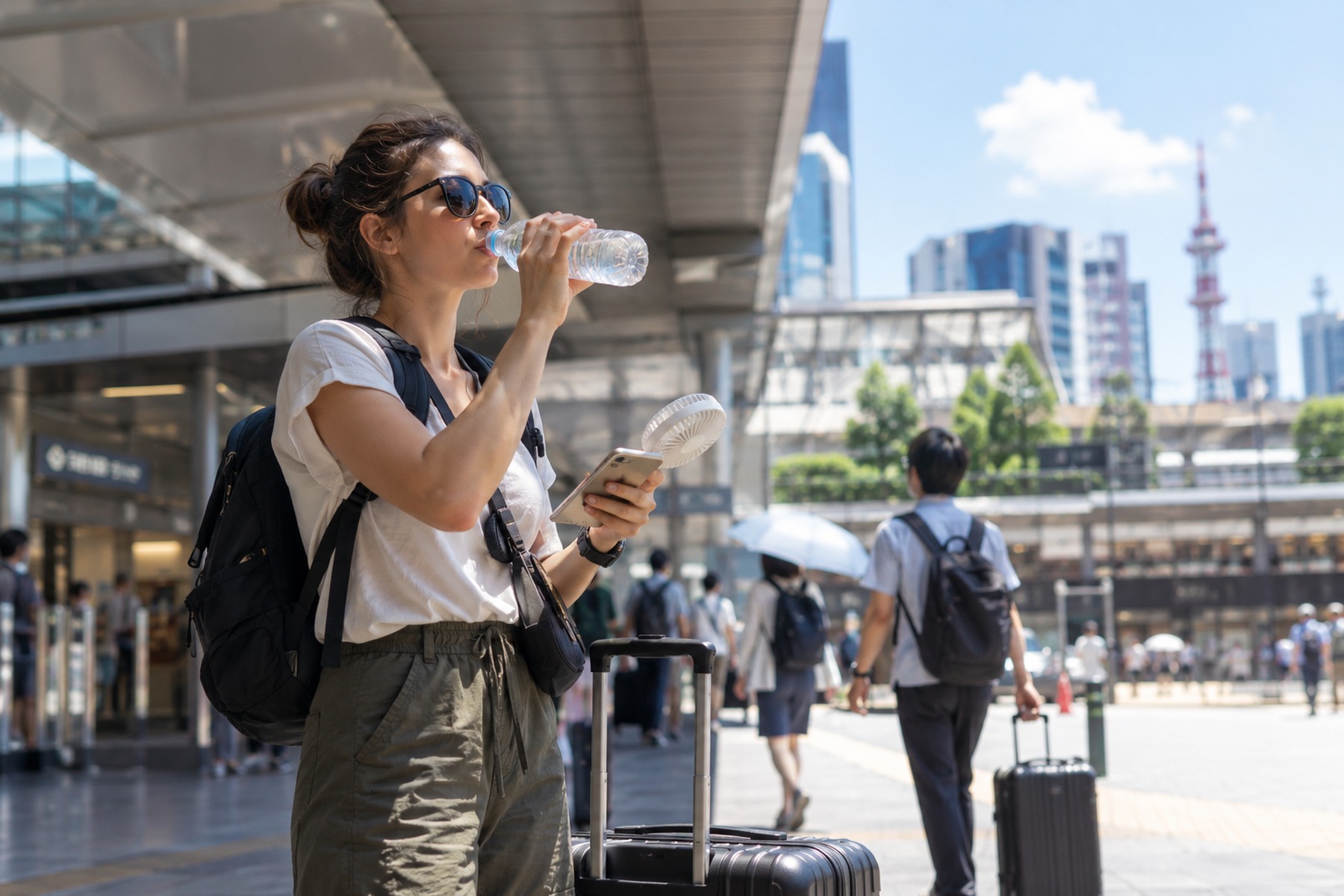
Obon falls in Japan’s hot and humid summer. Heat can make a crowded platform, outdoor queue or long walk significantly harder than the same route looks on a map.
Carry water, use shade and air-conditioned breaks, and reduce unnecessary luggage on transfer days. Travelers who are not used to humid summers should plan shorter outdoor blocks and avoid making every hour of the day time-critical.
Late summer can also bring disruptive weather. Keep access to current rail, airline and weather information so you can change plans before a small delay becomes a missed connection.
- Build indoor recovery time into festival and sightseeing days.
- Carry water and a small towel or cooling aid.
- Check weather and transport notices before leaving for a long transfer.
A Low-Stress Obon Strategy
The strongest Obon itinerary is not the one with the most reservations. It is the one that protects the reservations that matter and leaves the rest flexible.
Start with your hardest-to-replace transport, then secure accommodation, then add timed attractions. Reconfirm small-business hours and local event details closer to the day, because those are more likely to vary than the broad seasonal pattern.
If your route becomes too rigid, remove a transfer before adding another backup. A slightly slower plan is usually more resilient when stations, roads and popular destinations are busy.
- Lock in essential intercity transport first.
- Use well-connected bases instead of changing hotels every night.
- Keep one backup route for the day you move between cities.
- Recheck business hours and event notices shortly before visiting.
- Carry live-data access plus offline copies of key addresses and bookings.
- Leave enough free time to enjoy the cultural side of Obon rather than only moving through crowds.
FAQ
When is Obon in Japan?
Many areas observe the main Obon period in mid-August, commonly around August 13 to 16, but regional traditions can differ and some places use July schedules. Check the local event or destination you plan to visit.
Is Obon a national public holiday?
Obon is not one single national public holiday. Travel still becomes extremely busy because many people take leave, visit family and return to their hometowns, while some businesses change hours or close.
Are Shinkansen trains crowded during Obon?
Yes, major intercity services can be very busy. On the Tokaido and Sanyo Shinkansen, Nozomi trains use reserved seating only during designated peak periods that include Obon. Check the current operator rules and reserve important journeys early.
Do restaurants and shops close during Obon?
Some do and some do not. Large chains and major facilities often continue operating, while small restaurants, clinics, offices and family-run businesses may close or shorten hours. Verify each important place individually.
Can tourists join Bon Odori?
Many public Bon Odori events welcome visitors, but participation rules vary. Follow the event’s guidance, stay clear of private or solemn areas, and watch local dancers before joining.
Should I avoid visiting Japan during Obon?
Not necessarily. Obon can be rewarding if you reserve critical transport and accommodation early, keep your route flexible, verify local hours and prepare for summer heat. Avoiding tight connections matters more than avoiding the period completely.
Related Japan Travel Guides

Official References
- Japan National Tourism Organization — Japan in August
- Japan National Tourism Organization — Business Hours and Holidays
- Central Japan Railway Company — Peak-Period Nozomi Reserved Seating
- Japan National Tourism Organization — Weather and Summer Conditions
- Japan National Tourism Organization — Joining Local Festivals
Final Thoughts
Obon is manageable when you plan around the pressure points rather than trying to avoid every crowd. Secure the journeys and rooms that would be hard to replace, verify local hours close to the day, protect yourself from summer heat and leave enough flexibility to experience the traditions with respect.