
Solo Travel in Japan: Safety, Hotels, Trains and Eating Alone
A practical solo travel guide to Japan covering safe planning, hotels, trains, luggage, dining alone, mobile data, money, nightlife, remote trips and emergency backup.
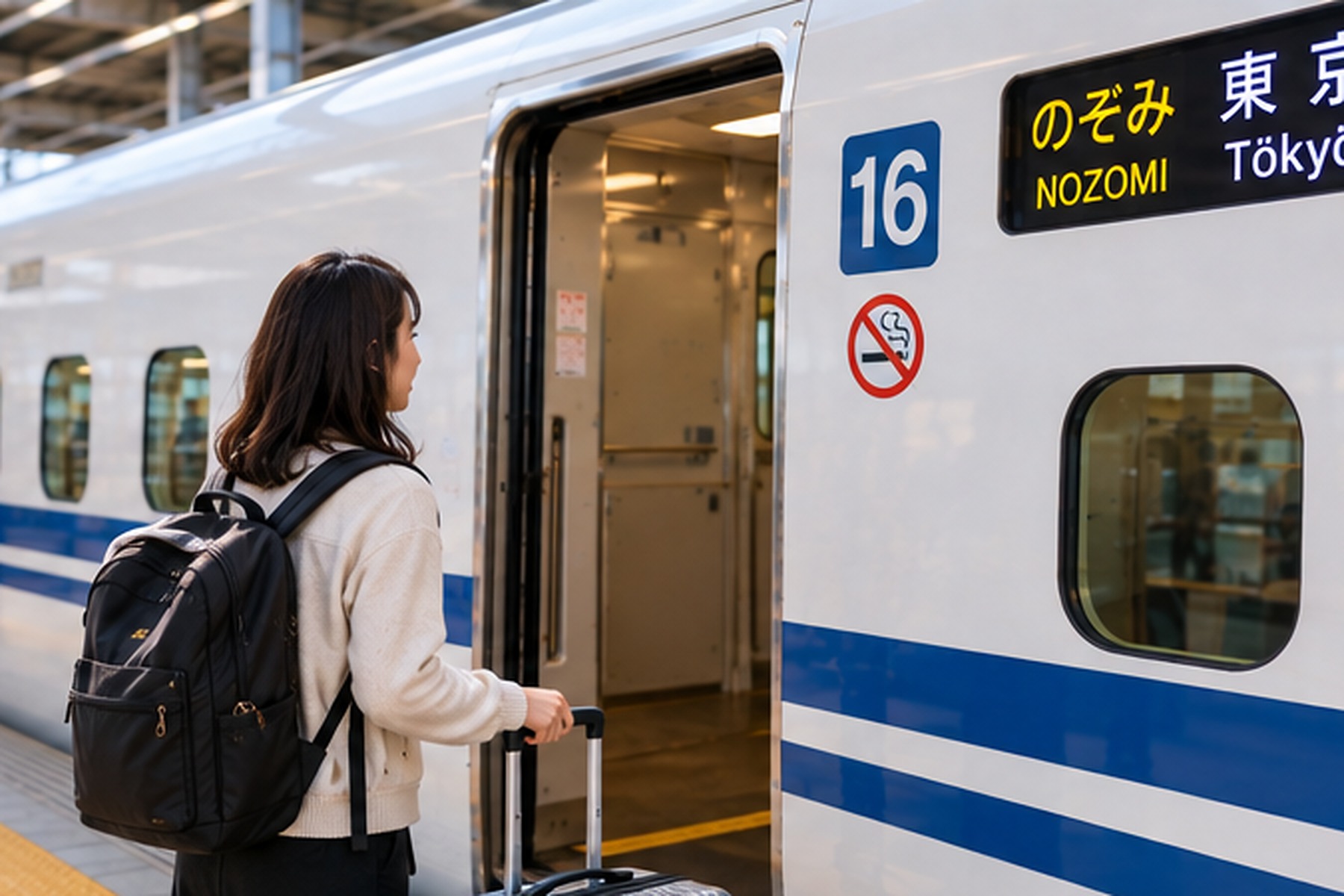
Japan is one of the easiest countries to navigate alone when you keep the trip simple. Stay near useful stations, arrange reliable mobile data, keep both cash and a backup card, use an IC card for many local journeys, choose hotels with practical check-in and luggage storage, and avoid overpacking the itinerary. Japan is generally very safe, but solo travelers should still use normal precautions, especially late at night or in remote areas, and keep emergency numbers and accommodation details accessible.
What You’ll Learn
- How to build a solo itinerary that stays flexible without feeling unstructured
- How to handle hotels, trains, luggage, money and mobile data on your own
- Why eating alone is normal and easy across many Japanese restaurants
- What safety, nightlife, remote-travel and emergency habits matter most when nobody else is sharing the trip
Why Japan Works So Well for Solo Travel
Japan combines dense public transport, clear station systems, convenience stores, compact restaurants and a travel culture where doing things alone is common. JNTO specifically highlights solo dining, reliable transport and the ease of independent travel as strengths for people exploring the country by themselves.
The biggest advantage is flexibility. You can change the pace, skip a stop, eat whenever you want and choose a quiet evening without negotiating with a group. The main trade-off is that every navigation, booking and backup decision is yours, so a small amount of preparation matters more.
- Build the route around your own pace instead of copying a group itinerary.
- Keep the first few days simple while you learn stations and local routines.
- Use reliable mobile data so maps, tickets and hotel details stay available.
- Save one low-effort backup plan for evenings when you are tired.
Use Fewer Bases and Keep Transfers Easy
Solo travel feels efficient until repeated hotel changes create packing, luggage handling and unfamiliar station transfers every other day. Fewer bases usually make the trip easier and leave more room for spontaneous decisions.
Choose cities that work as hubs, then take day trips when the transport is straightforward. Count the full door-to-door transfer, not only the train time shown in a timetable.
- Treat hotel changes as part of the travel day.
- Group nearby neighborhoods and attractions together.
- Avoid building several tight transfers into one day.
- Leave at least one flexible block for rest, weather or a place you discover after arrival.
Choose Hotels That Make Solo Arrival Simple
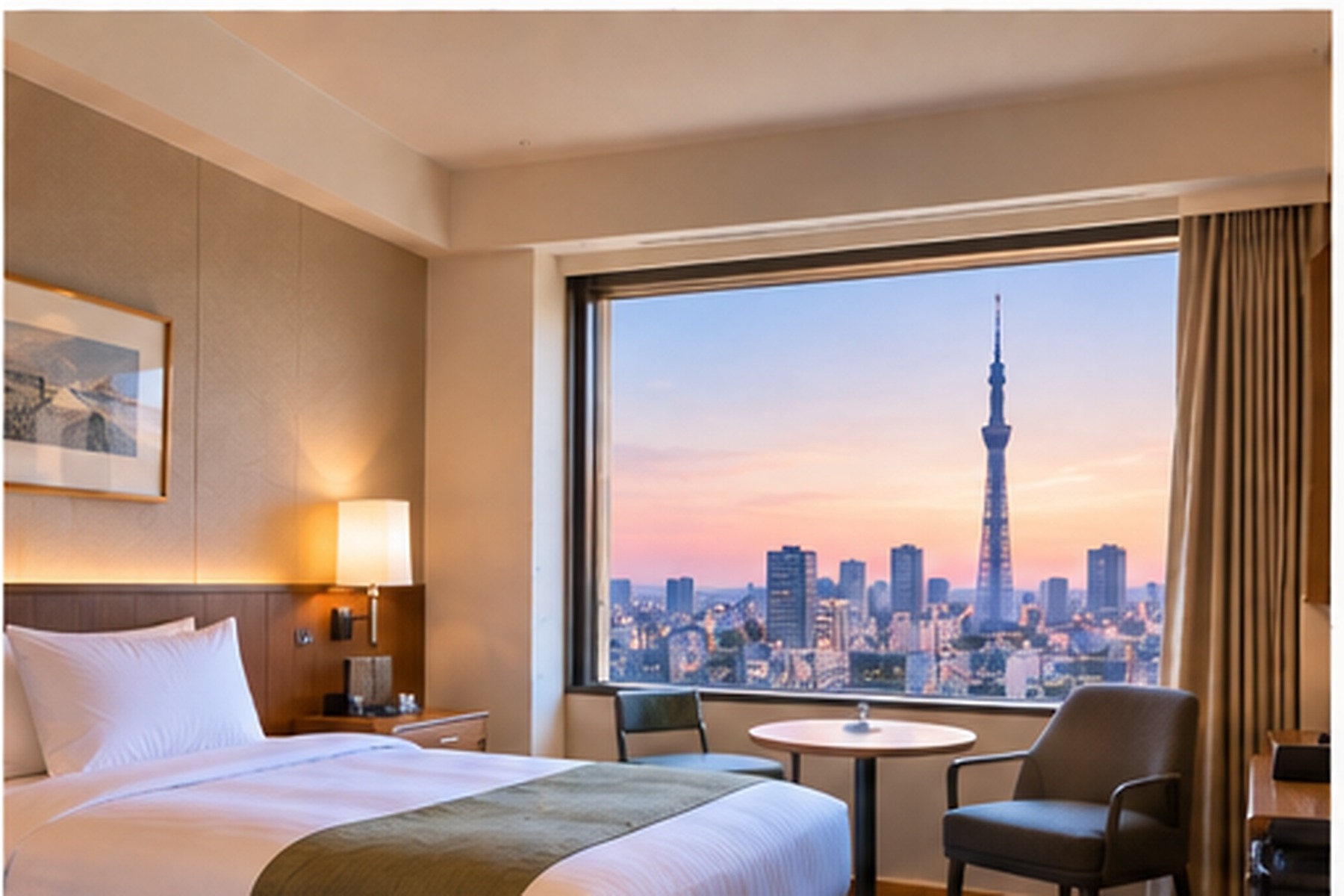
A solo hotel does not need to be luxurious, but it should reduce friction. Check the walk from the station, the correct exit, front-desk or self-check-in process, luggage storage, room size and whether you will feel comfortable returning there in the evening.
A cheap room far from the transport you actually use can cost more in time and energy than it saves in money. If your first night follows a long international flight, prioritize a straightforward route and clear check-in over the lowest possible rate.
- Check the nearest station and useful line before booking.
- Read the room size and check-in rules carefully.
- Confirm luggage storage if you arrive before the room is ready.
- Save the hotel address offline in Japanese and English.
Trains Are Easy Once You Separate Local and Long-Distance Travel
Public transport is one of the main reasons Japan is comfortable for solo travelers. Local trains and subways usually become much easier once you use an IC card and follow station names, line colors and platform directions.
Long-distance trains are a separate decision. Shinkansen and limited express travel may require a different ticket or reservation, so do not assume one IC card covers every journey. JNTO recommends checking the operator and ticket type for the trip you are actually taking.
- Use IC cards for compatible local journeys.
- Check long-distance tickets and seat reservations separately.
- Allow extra time at large stations until you know the layout.
- Use staffed gates when a ticket or IC card does not work as expected.
Let Luggage Travel Without You
Dragging a large suitcase through busy stations removes much of the freedom that makes solo travel enjoyable. Japan’s luggage delivery and storage network lets you move between cities with a smaller day bag while the main suitcase travels separately.
JNTO promotes hands-free travel between many airports, hotels and service counters. Delivery timing and item limits vary, so keep passports, medication, valuables and one change of clothes with you.
- Forward large luggage between major hotel bases when it simplifies the transfer.
- Use coin lockers for shorter sightseeing stops.
- Keep the next day’s essentials outside the forwarded suitcase.
- Check delivery timing before sending anything you need that evening.
Eating Alone Is Normal
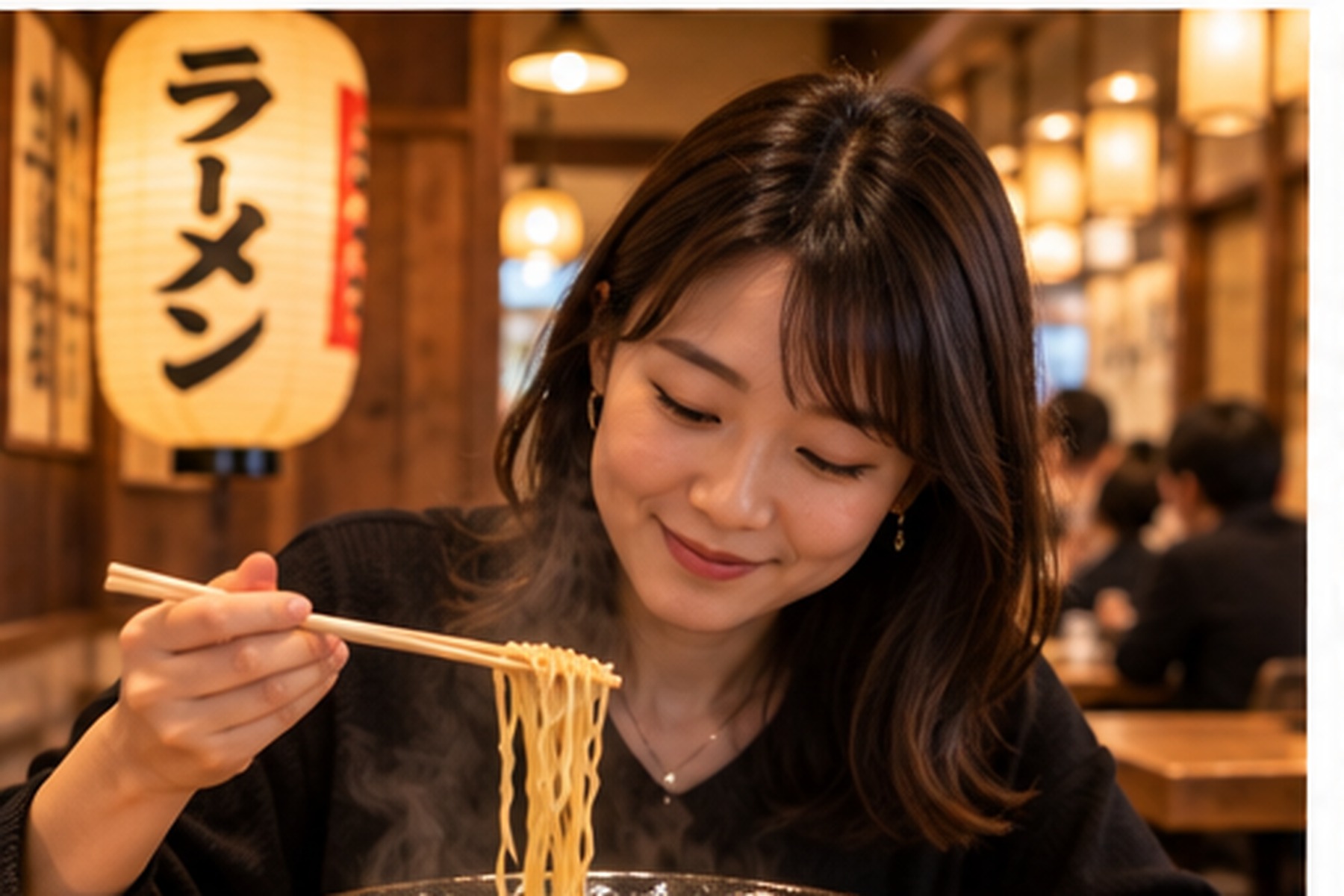
Solo dining is common in Japan, which removes one of the main worries people have about traveling alone. Counter seats at ramen shops, sushi restaurants, cafes, izakaya counters and casual chains are naturally suited to one person.
You do not need to hide behind takeaway meals. Start with easy formats such as counter dining or touch-panel restaurants, then move into more traditional places as your confidence grows. If a restaurant is crowded, ask whether one person can be seated sooner rather than assuming the line applies the same way to every party size.
- Counter seating is often the easiest first solo meal.
- Touch panels and ticket machines reduce language pressure.
- Convenience stores are useful backups, not your only option.
- Keep one familiar food choice available for late arrivals or tired evenings.
Carry Cash, a Main Card and a Backup
International cards are widely accepted in Japan, but cash still solves problems at smaller shops, older machines and some local businesses. JNTO recommends keeping cash available and notes that overseas cards can be used at major ATM networks.
Solo travelers have no companion’s wallet to fall back on, so redundancy matters. Keep a second card separate from the main wallet and avoid carrying every payment method in the same place.
- Carry enough yen for transport, food and a small unexpected expense.
- Keep the backup card separate from the primary wallet.
- Check your bank’s overseas-use settings before departure.
- Save card issuer contact details somewhere other than the wallet.
Reliable Mobile Data Is Your Main Solo Travel Tool
A connected phone replaces several things a travel companion might otherwise help with: maps, translation, route checking, ticket access, hotel communication and quick research when plans change.
An eSIM is usually the simplest option for an unlocked compatible phone, while pocket WiFi works well if you want a separate device or need to connect several devices. Keep one offline copy of your hotel address and important bookings in case the connection fails.
- Set up mobile data before the first complicated airport transfer.
- Carry a power bank if your phone holds tickets and navigation.
- Download offline maps or save screenshots for key routes.
- Keep your accommodation address available without internet access.
Nightlife Is Fine, but Keep Your Own Exit Plan
Japan is generally very safe, including for solo travelers, but that does not remove the need for normal precautions. The most useful solo habit is keeping control of your own route home, money and phone when you go out at night.
Know when the last train is likely to matter, keep enough battery and cash for an alternative ride, and avoid leaving drinks unattended. If a venue or street feels uncomfortable, leave early rather than trying to justify staying because the area is considered safe.
- Know your route back before the evening gets late.
- Keep your phone charged and your hotel address saved.
- Avoid carrying all cash and cards together.
- Leave any situation that feels wrong without worrying about politeness.
Solo Women Have Extra Tools, but the Same Basic Rules Apply
JNTO’s solo-travel guidance notes that Japan is widely regarded as safe for female travelers and that some major train services provide women-only cars during specified periods. Women-only accommodations are also available in some cities.
These options can improve comfort, but they are not a substitute for ordinary awareness. Choose accommodation and evening routes that feel practical, use official transport, and keep emergency details accessible. Travelers who want a more detailed women-focused guide should use the dedicated JapaDeco article linked below.
- Check whether women-only train cars operate on the specific line and time you are using.
- Use well-reviewed accommodation in a practical location.
- Keep the route home simple after nightlife.
- Trust your own comfort level rather than a general safety reputation.
Remote Areas Need More Preparation Than Big Cities
Tokyo, Osaka and Kyoto make solo travel feel almost effortless. Rural rail lines, mountain areas and remote trails are different because transport frequency, mobile reception and nearby services can be limited.
JNTO advises additional preparation for wilderness travel. Check weather, last transport, daylight and phone coverage before going alone, and tell someone where you are going if the route is remote.
- Check the last train or bus before leaving the city.
- Carry enough water and battery for the route.
- Use official trail or visitor-center information where available.
- Do not treat a remote area like an urban neighborhood just because Japan is generally safe.
Meeting People Is Optional, Not a Requirement
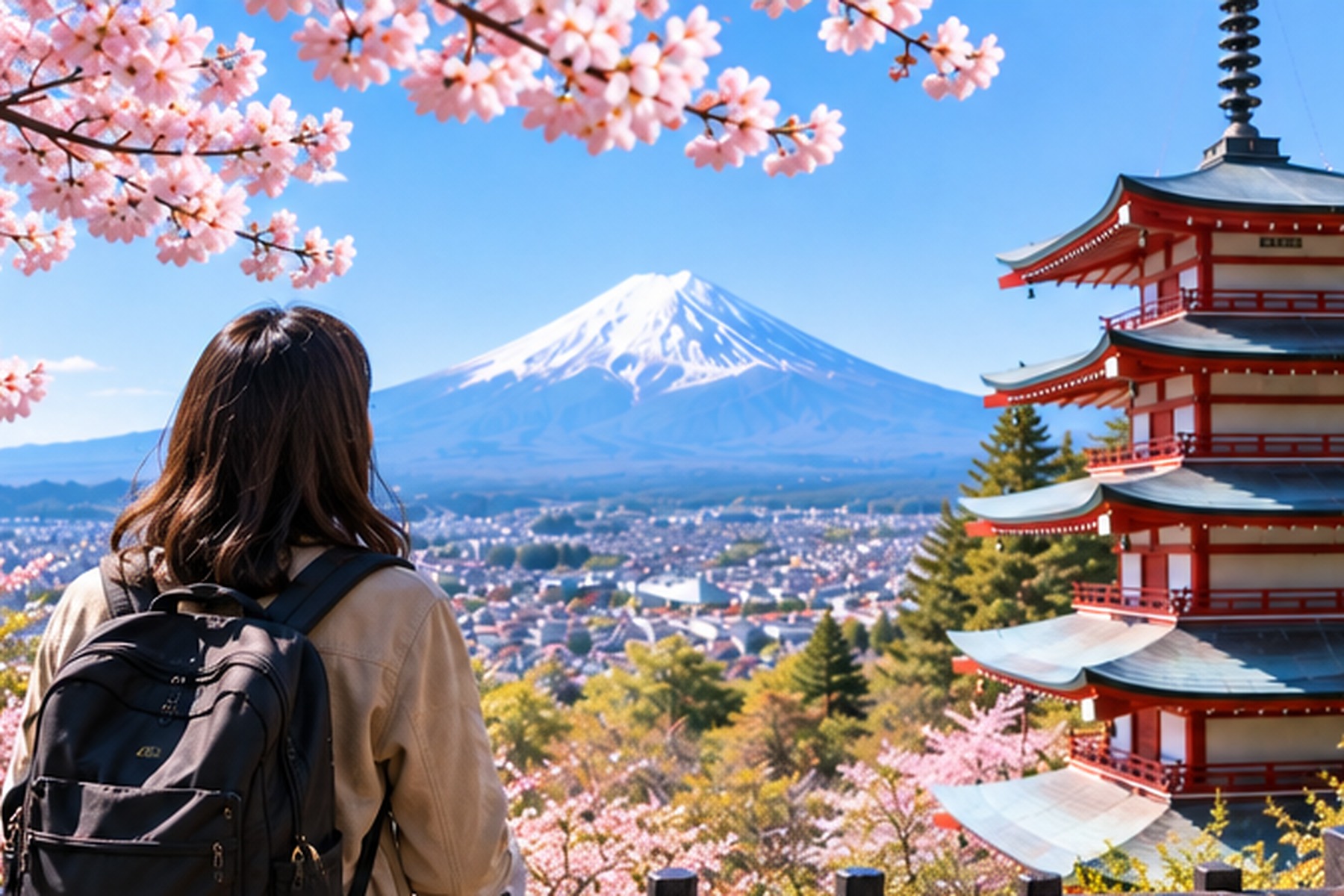
Solo travel does not mean spending every hour alone, but it also does not require turning the trip into a social challenge. Counter dining, walking tours, classes, hostels, bars, community events and guided experiences all create opportunities to talk with other people without committing the entire itinerary to a group.
Choose social activities because they interest you, not because you feel you are failing at solo travel when you spend an evening quietly. One of the main advantages of traveling alone is the ability to change between company and solitude whenever you want.
- Use guided activities when they genuinely improve the experience.
- Keep some evenings unscheduled.
- Do not share unnecessary personal or hotel information with strangers.
- Leave a social activity whenever the atmosphere no longer feels right.
Prepare Medicine and Emergency Information Before Departure
Japan regulates the personal import of medicines, including some prescription and controlled substances. The Ministry of Health, Labour and Welfare explains that requirements depend on the medicine, active ingredient and quantity, so check the exact product before flying.
For urgent police assistance call 110; for fire or ambulance call 119. JNTO operates the Japan Visitor Hotline around the clock for visitor assistance during accidents, illness and natural disasters.
- Check the active ingredient and quantity of important medicine.
- Keep essential medication in carry-on baggage within airline rules.
- Save insurance and emergency contacts offline.
- Know 110, 119 and the Japan Visitor Hotline before you need them.
Make the First and Last Day Easy
Arrival and departure days are the worst times to prove how efficient your solo itinerary can be. Immigration, baggage, an unfamiliar station and hotel check-in create enough moving parts without adding a distant timed attraction.
On arrival day, reach the hotel, set up connectivity and payment backups, eat nearby and learn the immediate area. On departure day, protect the airport transfer time and keep the final activity close to the route out.
- Avoid non-refundable timed plans soon after landing.
- Use the simplest airport transfer on the first day.
- Keep the final sightseeing block close to the departure route.
- Review the next step before leaving a location instead of improvising under pressure.
FAQ
Is Japan safe for solo travelers?
Japan is generally very safe and has a low crime rate, but solo travelers should still use normal precautions. Keep control of your phone, money and route home, and use extra preparation for remote areas or late-night travel.
Is it easy to eat alone in Japan?
Yes. Solo dining is common, and many ramen shops, sushi restaurants, cafes and casual chains have counter seating or ordering systems that work naturally for one person.
Do I need a rail pass for solo travel in Japan?
Not automatically. Compare the actual long-distance journeys in your itinerary with the current pass or ticket options. Local IC cards and point-to-point tickets may be all you need.
Is Japan easy for solo female travelers?
Japan is widely regarded as a safe destination for solo female travelers, and some transport and accommodation options are designed specifically for women. Basic personal-safety habits still matter.
Should solo travelers stay in hostels or hotels?
Either can work. Hostels can make socializing easier, while hotels provide more privacy and quiet. Choose based on location, check-in convenience, luggage handling and how social you actually want the trip to be.
How much cash should a solo traveler carry?
There is no single correct amount, but you should carry enough yen to cover transport, food and a small unexpected expense if your card does not work. Keep a backup card separate from the main wallet.
What emergency numbers should I know in Japan?
Call 110 for urgent police assistance and 119 for fire or ambulance. The JNTO Japan Visitor Hotline also provides multilingual support for travelers during emergencies and natural disasters.
Related Japan Travel Guides
Official References
Final Thoughts
Solo travel in Japan is easiest when independence is supported by a few reliable backups. Keep the route simple, choose hotels that reduce friction, use mobile data and public transport confidently, eat alone without treating it as unusual, and carry more than one way to pay. Japan gives solo travelers an unusual amount of freedom, but the best trips still come from knowing when to slow down, when to change the plan and how to get help if something goes wrong.