
Women Traveling Alone in Japan: Safety, Hotels, Trains & Nightlife
A practical solo female travel guide to Japan covering safety, hotel choice, trains, nightlife, emergencies, mobile connectivity and how to plan a low-stress independent trip.
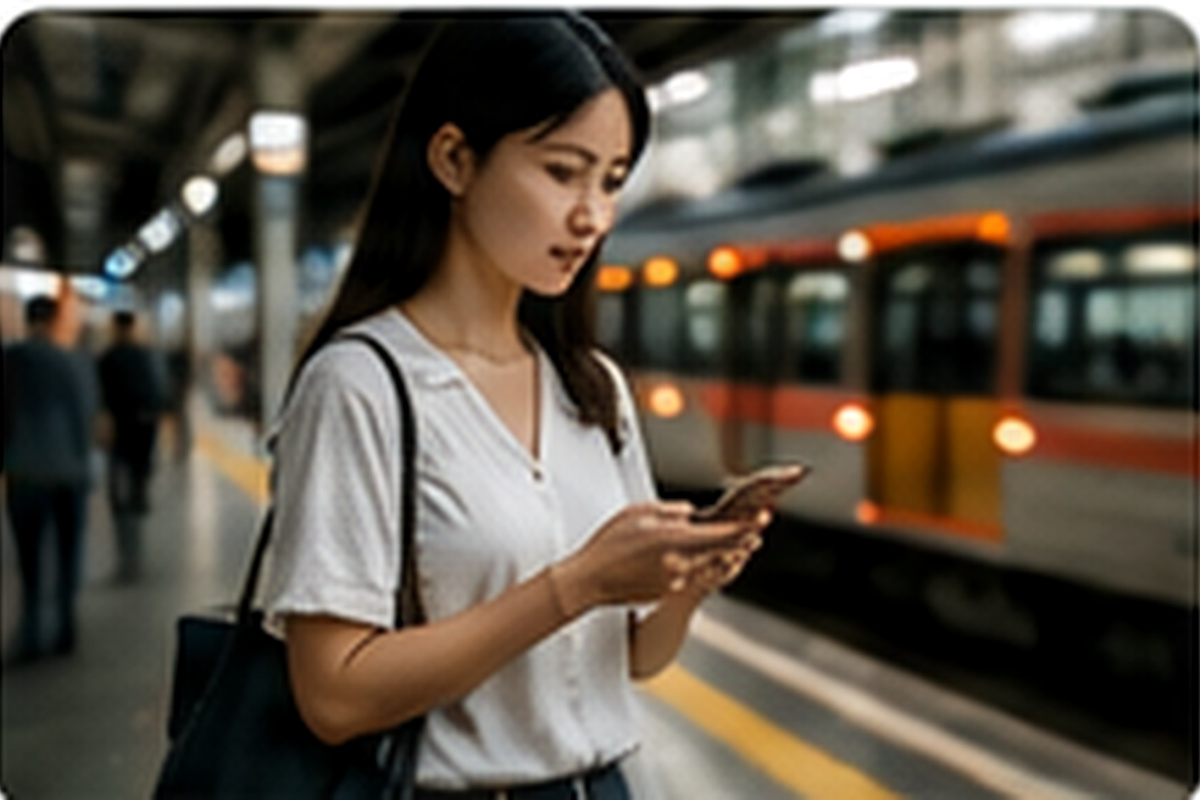
Japan is generally a strong destination for women traveling alone, and JNTO describes the country as very safe with a low crime rate. Still, solo travelers should use normal precautions: choose accommodation with an easy route from the station, stay aware in crowded or nightlife areas, keep mobile data and a charged phone available, and know how to get help if something feels wrong.
What You’ll Learn
- How to choose a convenient and comfortable place to stay alone
- How to use trains, women-only cars and late-night transport more confidently
- How to handle nightlife, unwanted attention and uncomfortable situations
- Which emergency numbers and support services to save before your trip
- How connectivity, simple planning and travel insurance fit into solo safety
Why Japan Works Well for Solo Female Travel
Japan is well suited to independent travel because major cities have extensive public transport, solo dining is common, hotels routinely accept single guests and convenience stores are widespread. JNTO also describes Japan as very safe with a low crime rate, while still advising visitors to stay aware of their surroundings and know what to do if a problem occurs.
The useful mindset is confidence without complacency. Most travelers move around without serious trouble, but a solo trip becomes easier when your hotel, transport, mobile data and emergency plan are decided before you need them.
- Use busy transport hubs and straightforward routes when arriving with luggage.
- Keep your phone charged and maintain working mobile data.
- Save your hotel address in both English and Japanese when possible.
- Treat unfamiliar nightlife invitations and isolated late-night routes with extra caution.
Choose Accommodation for Location, Access and Security
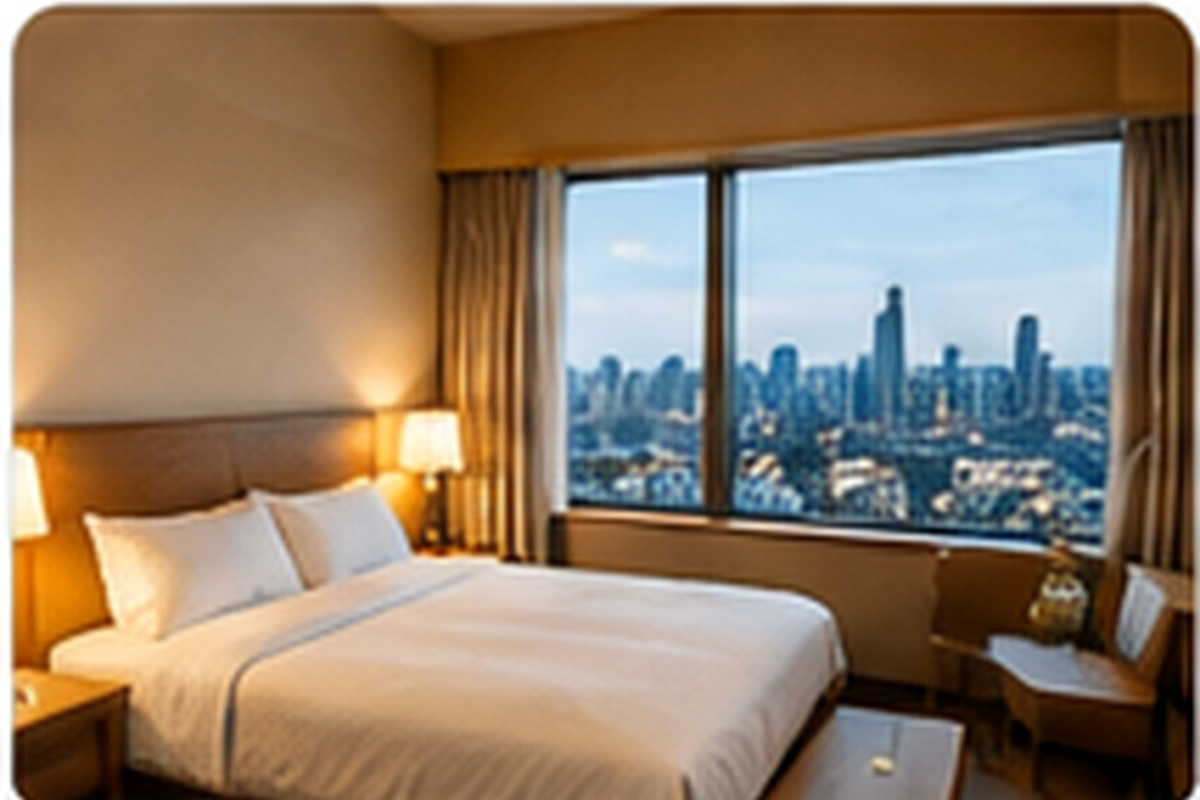
For a solo stay, location often matters more than room size. A hotel close to a major station with a simple, well-lit walking route can reduce stress after dark and make early departures or late arrivals easier.
Before booking, check recent reviews, front-desk hours, building access, luggage storage, the walking route from the station and whether food or convenience stores are nearby. Women-only hostel floors or capsule sections can be useful if you prefer them, but a well-reviewed business or city hotel can be equally practical.
- Prefer an easy route from a major station over a cheaper but isolated location.
- Check how late the front desk operates if you will arrive at night.
- Look for secure room access and lockers when using hostels or capsule hotels.
- Keep the hotel name, address and phone number saved offline.
Trains, Crowds and Women-Only Cars
Rail is usually the easiest way to travel alone in Japan, but large stations and rush-hour crowds can be demanding. Plan transfers before entering the station, allow extra time with luggage and check the last train if you will be out late.
Some railway lines use women-only cars during specified periods. Tokyo Metro states that designated cars operate on certain lines during the morning rush, with times and directions varying by line, and they may not operate when service conditions change. Follow platform signs and current railway information rather than assuming every train has one.
- Avoid peak rush hour when practical, especially with a suitcase.
- If a carriage feels uncomfortable, move to another car or wait for the next train.
- Stand near other passengers or station staff if you need reassurance.
- Confirm the last train before dinner, nightlife or an evening event.
Eating Alone Is Normal and Easy to Plan
Solo dining is common across Japan, especially at ramen shops, cafes, sushi counters, casual chains and restaurants with counter seating. You do not need to build every meal around a reservation or group setting.
For evenings when you are tired or do not want to explore an unfamiliar area, station buildings, department-store restaurant floors, convenience stores and hotel restaurants can provide a simple fallback.
- Counter-seat restaurants are usually easy for one person.
- Station and department-store dining floors reduce late-night wandering.
- Keep a simple food option near your hotel for arrival night.
- If a venue feels uncomfortable, leave and choose another place.
Nightlife: Enjoy It, but Keep Control of the Plan
Bars, izakaya, night views and late-night food can be part of a great solo trip. The safer approach is to choose the venue yourself, know how you will return to your hotel and keep enough battery and transport options for the end of the night.
Do not follow unsolicited touts or strangers into unknown businesses, and do not feel obligated to stay somewhere that makes you uncomfortable. Watch your drink, limit alcohol if you are navigating alone and use a taxi when the walk back does not feel right.
- Choose venues from your own research rather than street solicitation.
- Keep your drink in sight and maintain control of your belongings.
- Know the route back before you start drinking.
- Leave early if a person, venue or street feels wrong.
Stay Connected and Make Your Phone Part of the Safety Plan
Mobile internet is especially useful when traveling alone because maps, train routes, translation, hotel contact, ride-hailing and emergency information all depend on connectivity. Decide before departure whether you will use roaming, an eSIM, a SIM card or pocket Wi-Fi.
Share your hotel and a rough itinerary with someone you trust. This does not require constant check-ins; it simply gives another person enough context to help if you miss a planned contact or need assistance.
- Carry a portable charger on long sightseeing days.
- Save hotel, insurance and emergency contacts offline.
- Keep a backup payment method separate from your main wallet.
- Avoid relying only on public Wi-Fi for navigation and emergency access.
What to Do If Someone Makes You Uncomfortable
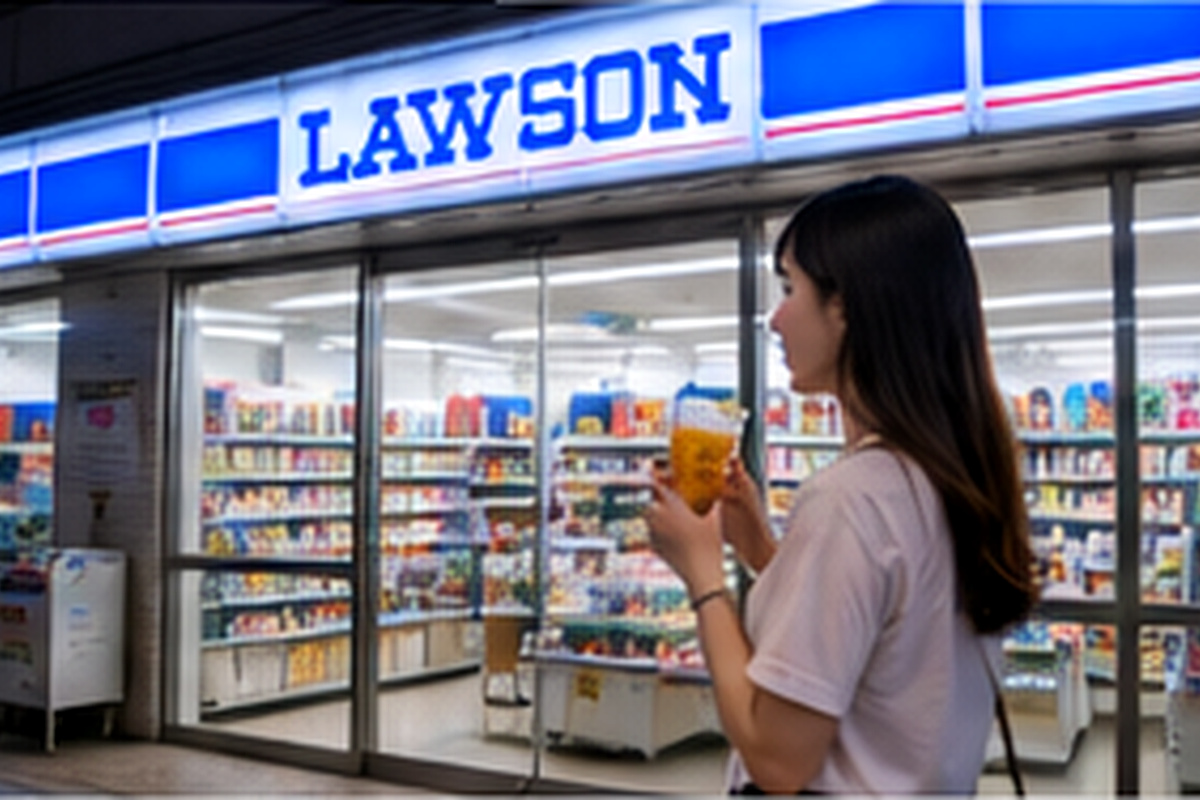
If someone is following you, pressuring you or making you uncomfortable, move toward a staffed and well-lit place first. A station office, hotel lobby, convenience store, department store or busy shop can give you time to reassess and ask for help.
Japan's neighborhood police boxes, or koban, are also places where travelers can ask for police assistance. JNTO advises visitors to use a local koban when they need help with safety incidents or theft-related matters.
- Change direction and move into a busy staffed place.
- Ask station, hotel or store staff for help.
- Do not worry about appearing rude when leaving an uncomfortable situation.
- Call police if you are in immediate danger.
Emergency Numbers and Visitor Support
For an urgent police emergency in Japan, call 110. For fire or an ambulance, call 119. JNTO's Japan Visitor Hotline also provides tourist information and emergency assistance around the clock in English, Chinese and Korean at 050-3816-2787 from within Japan.
The visitor hotline is useful for support and guidance, but it does not replace 110 or 119 when immediate police, fire or ambulance response is needed. Keep your current location, hotel name and phone number ready when asking for help.
- Police emergency: 110.
- Fire or ambulance: 119.
- JNTO Japan Visitor Hotline: 050-3816-2787.
- Save your embassy or consulate contact details before travel.
Medical Care, Insurance and Backup Planning
Illness and injury can turn a simple solo trip into a logistical problem because you may need translation, transport, medical care or extra accommodation without a travel companion to organize it for you. Keep insurance details accessible and know how your provider wants you to contact them.
Travel insurance may help with eligible medical expenses or other covered disruptions, but benefits, exclusions, deductibles and documentation requirements vary by policy. Review the terms before departure rather than assuming every incident is covered.
- Keep your policy number and assistance contact available offline.
- Check medical coverage, exclusions and claim documentation before travel.
- Keep receipts and medical records if you receive treatment.
- Carry essential medication in accordance with Japan's import rules.
Build a Low-Stress Solo Itinerary
Solo travel gives you complete flexibility, so use that advantage. Base yourself near transport, plan one or two main areas per day and avoid stacking long transfers with late-night activities unless the schedule is genuinely comfortable.
A good solo itinerary has fallback options: a nearby cafe, an indoor attraction, a simple meal near the hotel, an earlier train and enough free time to change plans. The goal is not to prove that you can do everything alone; it is to make the trip easy to enjoy on your own terms.
- Keep arrival day and departure day relatively simple.
- Group sightseeing by area instead of crossing the city repeatedly.
- Leave extra time for large stations and unfamiliar transfers.
- Change the plan without hesitation when tired, unwell or uncomfortable.
FAQ
Is Japan safe for women traveling alone?
Japan is generally very safe for visitors, and JNTO describes the crime rate as quite low. Normal precautions still matter: stay aware of your surroundings, choose accommodation carefully, plan late-night transport and know how to contact police or emergency services.
Are women-only train cars available everywhere?
No. Availability depends on the railway company, line, direction and time of day. Tokyo Metro uses women-only cars on selected lines during morning rush periods, and service conditions can affect whether they operate.
Is it normal to eat alone in Japan?
Yes. Solo dining is common, especially at ramen shops, cafes, sushi counters, casual chains and restaurants with counter seating.
What should I do if I feel unsafe at night?
Move to a bright, staffed and busy place such as a station office, hotel lobby, convenience store or department store. Ask staff for help, take a taxi if needed and call 110 if you are in immediate danger.
What emergency numbers should I save?
Save 110 for police and 119 for fire or ambulance. JNTO's Japan Visitor Hotline is also available for traveler support at 050-3816-2787.
Do I need travel insurance for a solo trip to Japan?
Travel insurance is worth considering because illness, injury or disruption can be harder to manage alone. Coverage varies by policy, so review medical benefits, exclusions, deductibles and claim requirements before departure.
Related Japan Travel Guides
Official References
Final Thoughts
Japan can be an excellent destination for women traveling alone because transport, hotels, dining and everyday services make independent travel practical. The strongest plan combines confidence with a few safeguards: stay near transport, keep your phone connected, avoid situations that feel wrong, know 110 and 119, and keep a backup plan for illness or disruption. That preparation leaves more room to enjoy the freedom of traveling at your own pace.