
Is Japan Safe for Tourists? Practical Risks and Emergency Help
Japan is generally comfortable for visitors, but safe travel still requires preparation for theft, nightlife risks, traffic, weather, earthquakes, health problems and emergencies.
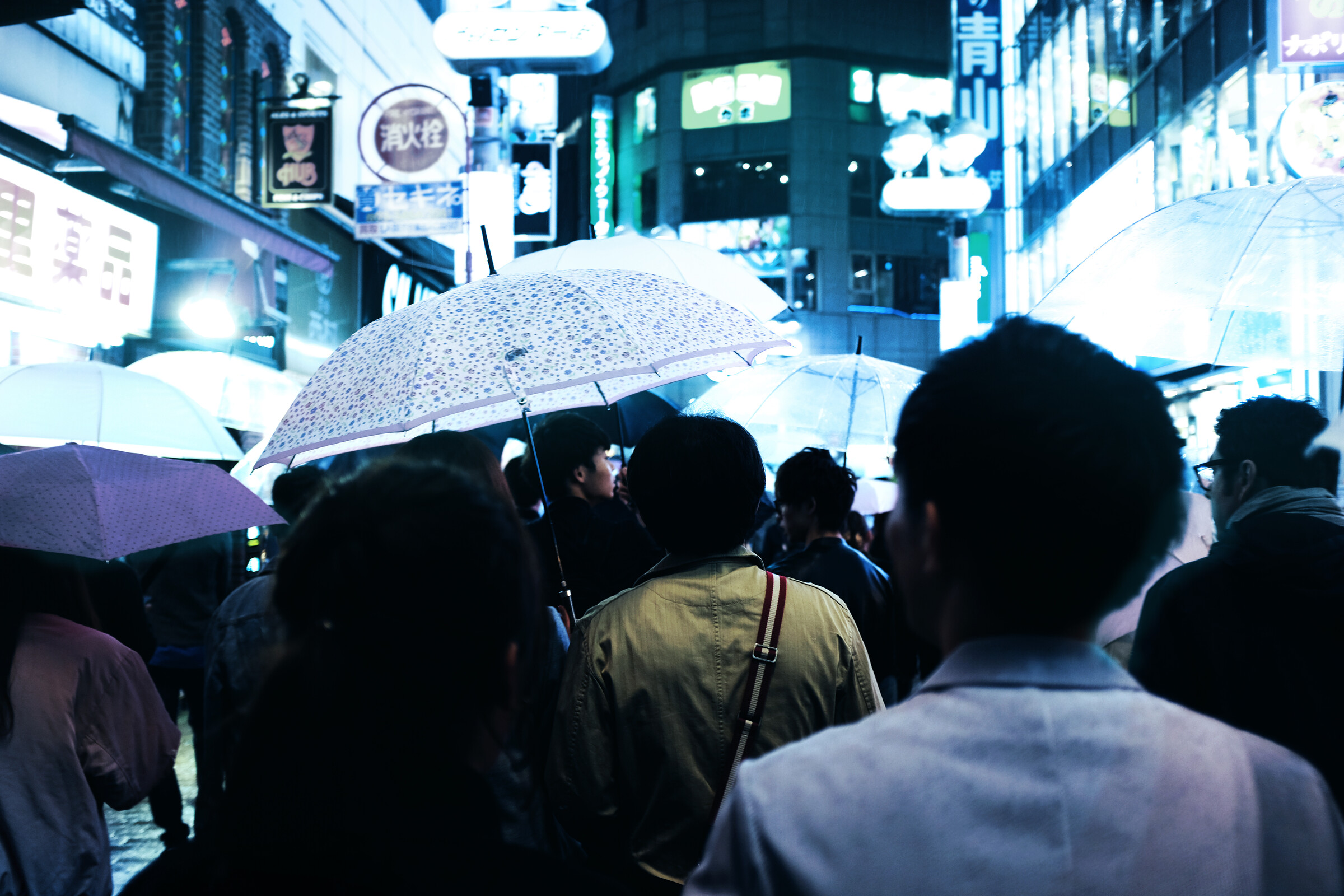
Japan is generally a safe and manageable destination for tourists, including many solo travelers, but no trip is risk-free. The most practical concerns are lost belongings, opportunistic theft, nightlife overcharging, road and bicycle traffic, heat, severe weather, earthquakes and medical problems. Keep valuables controlled, verify prices before entering nightlife venues, follow official warnings, carry insurance details and know the emergency numbers: 110 for police and 119 for fire or ambulance.
What You’ll Learn
- Separate everyday crime precautions from disaster preparation.
- Use police boxes, emergency numbers and the Japan Visitor Hotline correctly.
- Reduce nightlife, traffic and payment risks without becoming overly cautious.
- Prepare for earthquakes, tsunami warnings, heat and severe weather.
- Build a simple backup plan for documents, money, connectivity and medical care.
Start with a balanced view of safety
Japan is widely experienced as orderly and comfortable, but a reputation for safety should not switch off normal judgment. Crowded stations, entertainment districts, unfamiliar traffic rules and natural hazards create different risks from those a visitor may expect at home.
Use ordinary precautions consistently: control valuables, avoid following strangers to venues, watch traffic, keep official alerts available and tell someone where you are going when plans change late at night.
- Stay alert without treating normal city life as dangerous.
- Prepare for both personal-security and natural-hazard risks.
- Use official information when conditions change.
Protect phones, passports and wallets
Lost property is more common than dramatic crime in many visitor experiences, but recovery is not guaranteed. Use a zipped bag in crowds, avoid leaving a phone on a café table and check the seat area before leaving a train, taxi or restaurant.
Keep a secure copy of the passport identity page and important booking details. Store a backup card separately and enable device tracking before departure. If an item is missing, retrace the location quickly and report it to station staff, the business or police.
- Carry only the cash and cards needed for the day.
- Separate the backup card from the main wallet.
- Record device and card-blocking details securely.
Use nightlife districts with clear boundaries
Entertainment areas can involve touts, unclear cover charges, inflated bills or pressure to visit a particular bar. Do not follow street promoters into an unknown venue. Check the menu, table charge, service charge and payment method before ordering.
If a situation feels coercive, leave early and move to a bright, populated place. Do not hand a card out of sight or reveal a PIN. For immediate danger or crime, call police on 110 rather than trying to negotiate alone.
- Choose venues with clear prices and independent reviews.
- Keep control of drinks, cards and personal information.
- Walk away from pressure before entering.
Move safely around roads and stations
Traffic keeps to the left in Japan, which can confuse visitors when crossing or cycling. Look both ways, obey signals and avoid stepping into a bicycle lane while focused on a phone. Small streets may have limited separation between pedestrians, bicycles and cars.
At stations, stay behind platform markings, let passengers exit first and do not rush closing doors. Late at night, use a licensed taxi or a familiar route instead of walking through an unknown area while impaired or exhausted.
- Pause before crossing and confirm the traffic direction.
- Keep phone use away from platform edges and road crossings.
- Use a safer transport option when tired or intoxicated.
Prepare for earthquakes before one happens
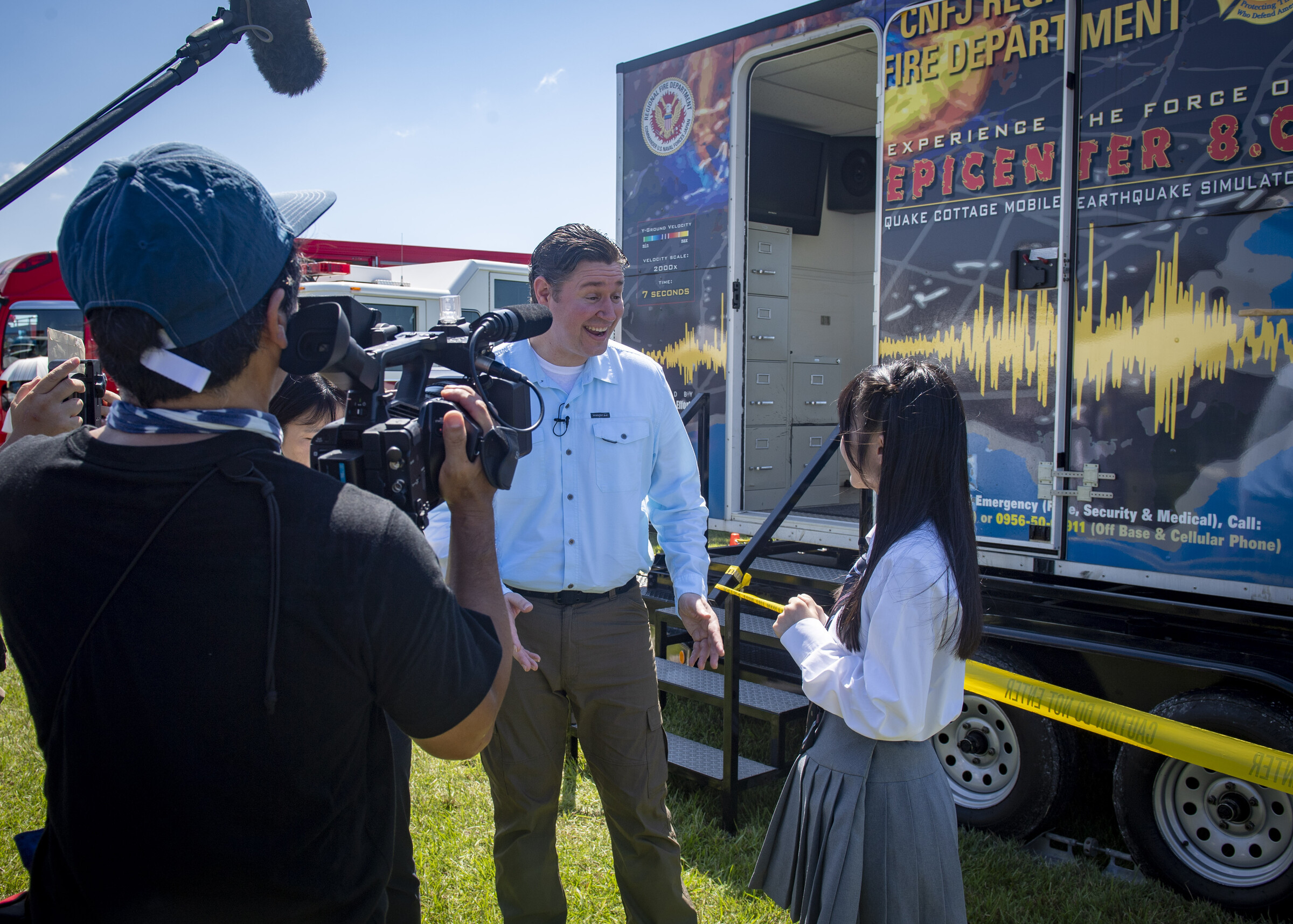
Earthquakes can occur without useful advance notice. On arrival, identify the nearest safe exit and the accommodation’s assembly instructions. During shaking, protect your head, stay away from glass and do not run into a street where objects may fall.
Afterward, expect transport disruption and follow instructions from staff, local authorities and the Japan Meteorological Agency. Do not use elevators until they are confirmed safe. Conserve phone power and avoid spreading unverified social posts.
- Protect yourself during shaking before trying to move.
- Follow local staff and official alerts after the shaking stops.
- Expect trains and roads to pause for safety checks.
Treat tsunami warnings as an immediate instruction
If strong or long shaking occurs near the coast, or an official tsunami warning is issued, move promptly to higher ground or a designated evacuation place. Do not wait at the shore to watch and do not return because the first wave appears small.
Use Japan Meteorological Agency multilingual information and local emergency announcements. A tsunami can arrive in multiple waves, so remain in the safe area until authorities lift the warning.
- Know whether coastal accommodation lies in an evacuation area.
- Move inland or upward when instructed.
- Return only after an official all-clear.
Plan around severe weather and heat
Heavy rain, typhoons, snow and extreme heat can disrupt trains, close attractions and make outdoor plans unsafe. Check the Japan Meteorological Agency forecast and warnings, then adjust before transport stops rather than after becoming stranded.
In heat, drink regularly, take shade breaks and reduce strenuous activity. During heavy rain, avoid rivers, underpasses, steep slopes and flooded streets. Accommodation staff can help interpret local evacuation guidance.
- Build flexibility into travel days affected by warnings.
- Carry water and schedule indoor breaks in hot conditions.
- Never enter floodwater to save a shortcut.
Know how to call for emergency help
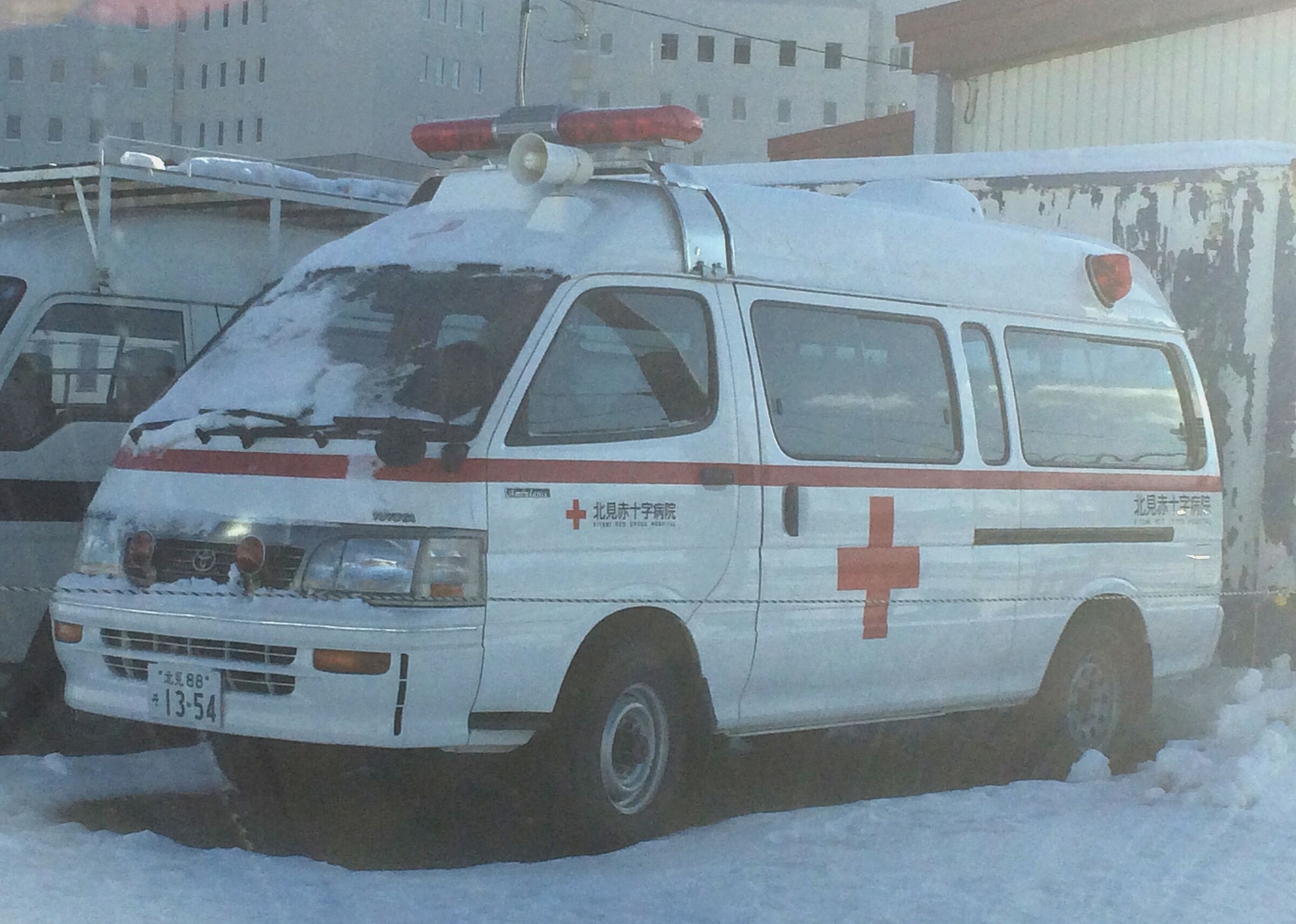
Dial 110 for police and 119 for fire or ambulance. Give the type of emergency, location and a callback number as clearly as possible. Landmarks, station exits, shop names and map pins can help when the street address is unknown.
JNTO lists the Japan Visitor Hotline at 050-3816-2787 for emergency support and tourist assistance, with round-the-clock multilingual service. Save the numbers offline; a dead phone or lost data connection should not erase the plan.
- Police emergency: 110.
- Fire or ambulance: 119.
- Japan Visitor Hotline: 050-3816-2787.
Use a police box for practical help
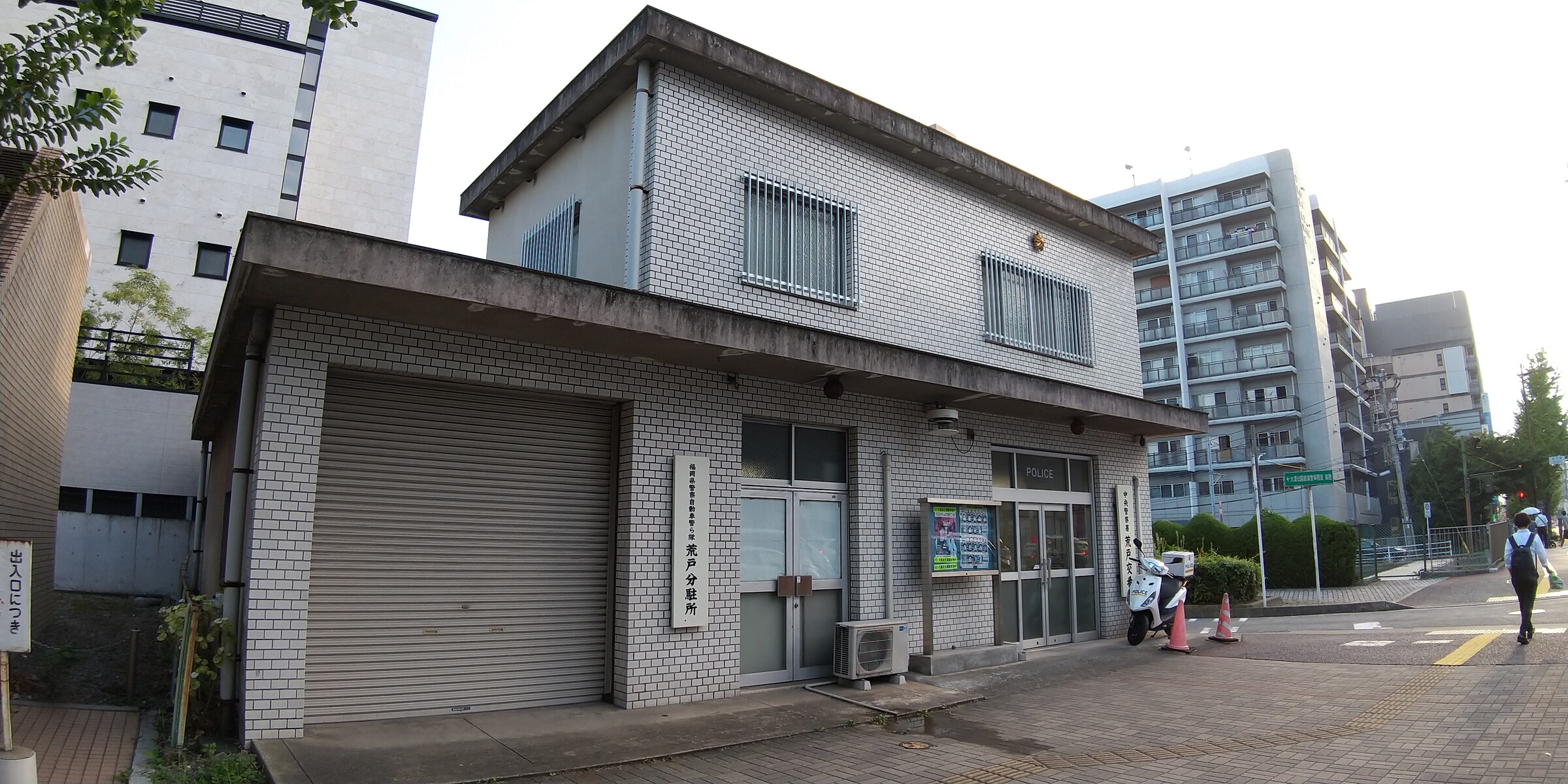
Koban police boxes are local points for reporting crime, asking for directions and handling lost-property matters. For a non-urgent issue, bring the time, location, description and any receipts or photographs that identify the item.
A lost-property report records the loss but does not guarantee a search or recovery. If a bank card or phone is missing, contact the issuer or provider immediately instead of waiting for police notification.
- Use 110 only for an active emergency.
- Bring precise location and item details for a report.
- Block financial cards without delay.
Prepare for medical care and medication rules
Carry travel insurance details, allergy information and a list of medications using generic names. Ask your insurer how to locate an appropriate clinic and whether payment is direct or reimbursed. Keep essential medicine in hand luggage.
Japan controls some ingredients that may be legal elsewhere, and quantity rules can require advance procedures. Check official Ministry of Health guidance before travel rather than relying on a forum or brand name.
- Confirm medication legality before departure.
- Carry prescriptions and generic drug names.
- Keep insurance contacts accessible offline.
Travel alone with a check-in routine
Solo travel in Japan is common, but independence makes backup planning more important. Share accommodation and major transport details with a trusted person, use well-reviewed lodging and avoid revealing a room number or solo status unnecessarily.
At night, stay aware of the last train and battery level. If someone causes discomfort, enter a staffed shop, hotel, station office or police box. Trust an early warning feeling; you do not owe politeness to someone ignoring a boundary.
- Send a brief check-in after major moves.
- Keep enough battery and money for a safe return.
- Move toward staffed, bright places when uneasy.
Reduce scams and digital risks
Ignore messages asking for urgent payment, login codes or card details. Use the official booking platform or business contact rather than a link sent by an unknown account. Public Wi-Fi can be useful, but avoid sensitive transactions unless the connection and site are trusted.
Confirm taxi, tour and accommodation details in the official app or booking record. A legitimate provider should not need your password or one-time authentication code.
- Never share a one-time security code.
- Open services from a saved app or typed official address.
- Review card alerts during the trip.
Build a small emergency kit
Carry a charged power bank, water, basic first aid, a compact light and essential medication. Save offline maps for the places you will visit and write the accommodation name, address and phone number on paper.
The kit should remain light enough to carry daily. Add weather-specific items such as sun protection or a compact rain layer, and keep footwear practical for stairs and interrupted transport.
- Power bank and charging cable.
- Water, medication and basic first aid.
- Offline maps and accommodation details.
Use a five-minute daily safety check
Before leaving each morning, check official weather warnings, transport status, phone charge and the route back. Confirm who has the passport, room key and backup payment method. This prevents small oversights from becoming late-night emergencies.
If conditions deteriorate, simplify the plan. Missing one attraction is better than ignoring a warning, forcing a closed route or arriving somewhere without safe onward transport.
- Check warnings and transport status.
- Confirm return route, battery and payment backup.
- Change plans early when conditions worsen.
FAQ
Is Japan safe for solo travelers?
Many solo travelers find Japan manageable, but use the same precautions you would elsewhere: choose reputable lodging, keep someone informed, control drinks and valuables, and plan a safe return at night.
What number do I call for police in Japan?
Call 110 for an active police emergency. For a non-urgent matter, visit or contact a local police station or koban.
What number is an ambulance in Japan?
Call 119 for fire or ambulance. State the emergency and location clearly, using a landmark or map pin if the address is difficult.
What should I do during an earthquake?
Protect your head, stay away from glass and wait for strong shaking to stop before moving. Follow staff and official alerts, expect transport checks and avoid elevators until cleared.
Are tourist nightlife areas safe?
They can be enjoyable, but avoid street touts and venues without clear prices. Check cover and service charges, keep control of cards and drinks, and leave if pressure begins.
Should I buy travel insurance for Japan?
Insurance can protect against substantial medical, cancellation or disruption costs. Compare exclusions, activity coverage, deductibles and the assistance process for your itinerary.
Can I bring my prescription medicine to Japan?
Rules depend on the ingredient and quantity. Check official Japanese health-authority guidance before departure and complete any required procedure in advance.
Related Japan Travel Guides
Official References
Final Thoughts
Japan can be a comfortable destination without being risk-free. The strongest plan is simple: control valuables, avoid opaque nightlife offers, respect traffic, follow official disaster warnings and keep emergency contacts offline. Add insurance details, medication checks and a separate payment backup, then travel with confidence instead of complacency.