Introduction
Japan’s summer can be much hotter and more humid than many travelers expect.
From late June through September, walking outside all day can become tiring very quickly. Even if the temperature does not look extreme, humidity, direct sunlight, crowded streets, station stairs, and long sightseeing days can increase the risk of heat exhaustion and heatstroke.
This does not mean you should avoid Japan in summer. It means you should plan differently.
This guide explains how to stay safer and more comfortable during hot weather in Japan, especially if you are visiting Tokyo, Kyoto, Osaka, theme parks, festivals, temples, shrines, or outdoor sightseeing spots.
Quick Answer
To reduce heatstroke risk in Japan:
- Drink water often.
- Use sports drinks when sweating a lot.
- Rest indoors during the hottest hours.
- Use shade, malls, cafes, stations, and convenience stores.
- Wear breathable clothing.
- Use a hat, umbrella, fan, or cooling towel.
- Avoid overpacking your schedule.
- Watch for dizziness, headache, nausea, confusion, and heavy sweating.
- Call 119 for serious symptoms.
Summer in Japan can be hot and humid, and JNTO specifically notes that visitors working or spending long periods outside should prepare for heatstroke risk. :contentReference[oaicite:0]{index=0}
Why Japan Feels So Hot
Japan’s summer heat is not only about temperature.
The humidity makes your body feel hotter and makes sweat less effective.
Travelers also walk more than usual in Japan.
A normal sightseeing day may include:
- Long station walks
- Train transfers
- Stairs
- Outdoor queues
- Temple grounds
- Shopping streets
- Theme parks
- Luggage movement
- Crowded platforms
Even healthy travelers can become overheated if they do not rest.
Best Times to Go Outside
In summer, try to plan outdoor sightseeing for morning or late afternoon.
The middle of the day is often the hardest.
A good summer schedule is:
- Morning: outdoor sightseeing
- Midday: indoor lunch, shopping, museum, hotel rest
- Late afternoon: outdoor sightseeing again
- Evening: dinner, night views, light walking
Do not force a full outdoor day in Kyoto, Tokyo, Osaka, or theme parks if the heat is severe.
A slower plan is usually better.
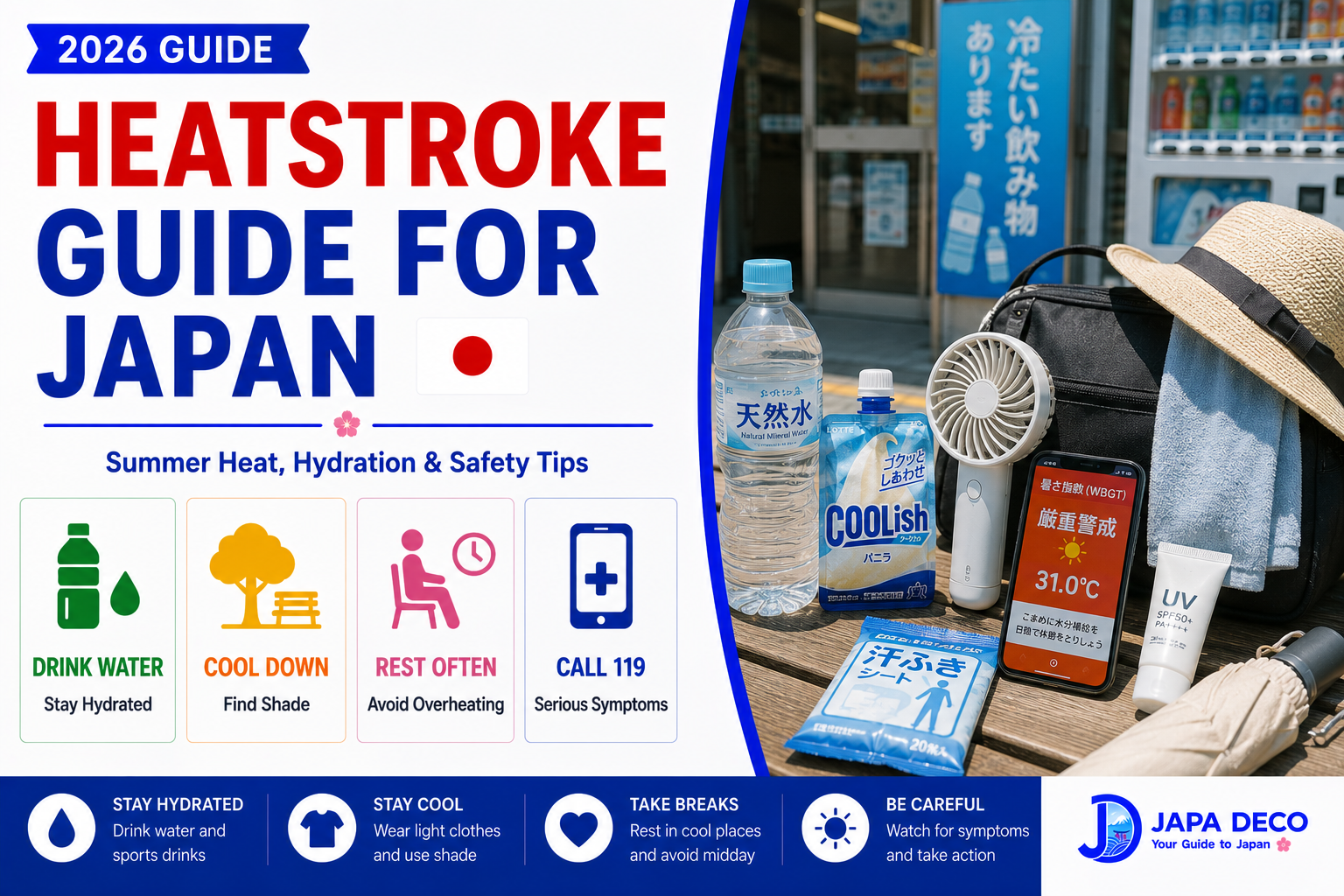
【Image①】
Drink Before You Feel Thirsty
Do not wait until you are very thirsty.
Drink regularly throughout the day.
Japan has vending machines almost everywhere, and convenience stores sell water, tea, sports drinks, and electrolyte drinks.
Good options include:
- Water
- Sports drinks
- Oral rehydration drinks when needed
- Unsweetened tea
- Mineral water
If you are sweating a lot, water alone may not be enough. Sports drinks or electrolyte drinks can help replace salt and minerals.
MHLW materials on hot environments mention water and mineral replenishment as part of heatstroke prevention. :contentReference[oaicite:1]{index=1}
Use Convenience Stores
Convenience stores are extremely useful in summer.
You can buy:
- Cold drinks
- Ice cream
- Cooling wipes
- Sunscreen
- Cooling towels
- Small towels
- Salt tablets
- Snacks
- Umbrellas
- Bandages
- Portable fans in some stores
They are also useful because they are air-conditioned.
If you feel tired, dizzy, or overheated, step inside and cool down.
A short break can prevent a bigger problem.
Rest Indoors
Resting is not wasting time.
In Japanese summer, rest is part of smart travel.
Good rest places include:
- Cafes
- Department stores
- Shopping malls
- Museums
- Hotel lobbies
- Train station buildings
- Underground shopping streets
- Convenience stores
- Tourist information centers
If your body feels wrong, stop walking.
Do not push yourself just because the next attraction is nearby.
Clothing Tips
Wear clothes that are light and breathable.
Useful items include:
- Breathable shirts
- Quick-dry underwear
- Hat
- Sunglasses
- Comfortable shoes
- Cooling towel
- Small hand towel
- UV umbrella
- Portable fan
Avoid heavy cotton outfits that stay wet with sweat.
Also avoid new shoes. Blisters plus heat can ruin a day.
If you sweat heavily, changing shirts during the day can make you feel much better.
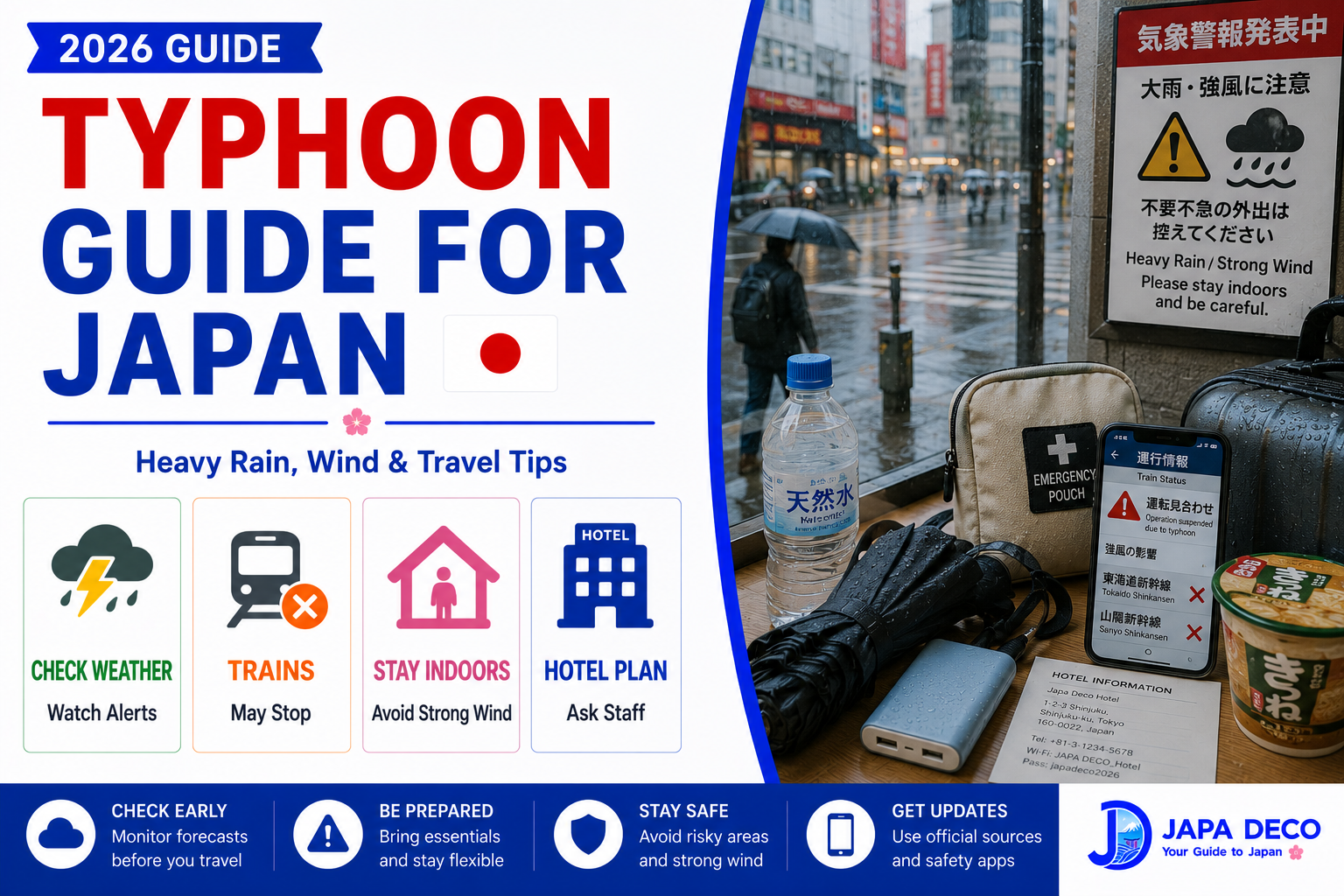
【Image②】
Theme Parks and Festivals
Theme parks, summer festivals, fireworks events, and outdoor queues can be especially risky.
You may stand for a long time with little shade.
Prepare:
- Water
- Sports drink
- Hat
- Portable fan
- Cooling towel
- Sunscreen
- Small towel
- Light snacks
- Power bank
Take breaks even if you want to keep going.
If a child, older traveler, or travel partner looks tired or confused, stop immediately and cool down.
Kyoto in Summer
Kyoto can feel especially hot in summer because many famous sites involve outdoor walking.
Places such as temple areas, shrine grounds, stone paths, and traditional streets can have limited shade.
For Kyoto summer sightseeing:
- Start early.
- Avoid long midday walks.
- Use taxis when needed.
- Combine outdoor and indoor stops.
- Drink often.
- Do not overplan Arashiyama, Fushimi Inari, and Higashiyama on the same hot day.
A beautiful itinerary on paper can be too hard in real summer weather.
Children and Older Travelers
Children and older travelers may be more vulnerable to heat.
Be careful if someone:
- Stops sweating
- Looks pale
- Becomes unusually quiet
- Feels dizzy
- Has headache
- Feels nauseous
- Has muscle cramps
- Becomes confused
- Cannot walk normally
Move to a cool place, drink fluids if safe, and seek help if symptoms are serious.
Call 119 for emergency medical help.
Warning Signs
Possible warning signs include:
- Dizziness
- Headache
- Nausea
- Heavy sweating
- Weakness
- Muscle cramps
- Fast heartbeat
- Confusion
- Hot skin
- Fainting
- Trouble walking
- Unusual behavior
If symptoms are mild, stop activity, cool down, and drink fluids.
If symptoms are severe, do not wait.
Call 119 or ask nearby staff for help.
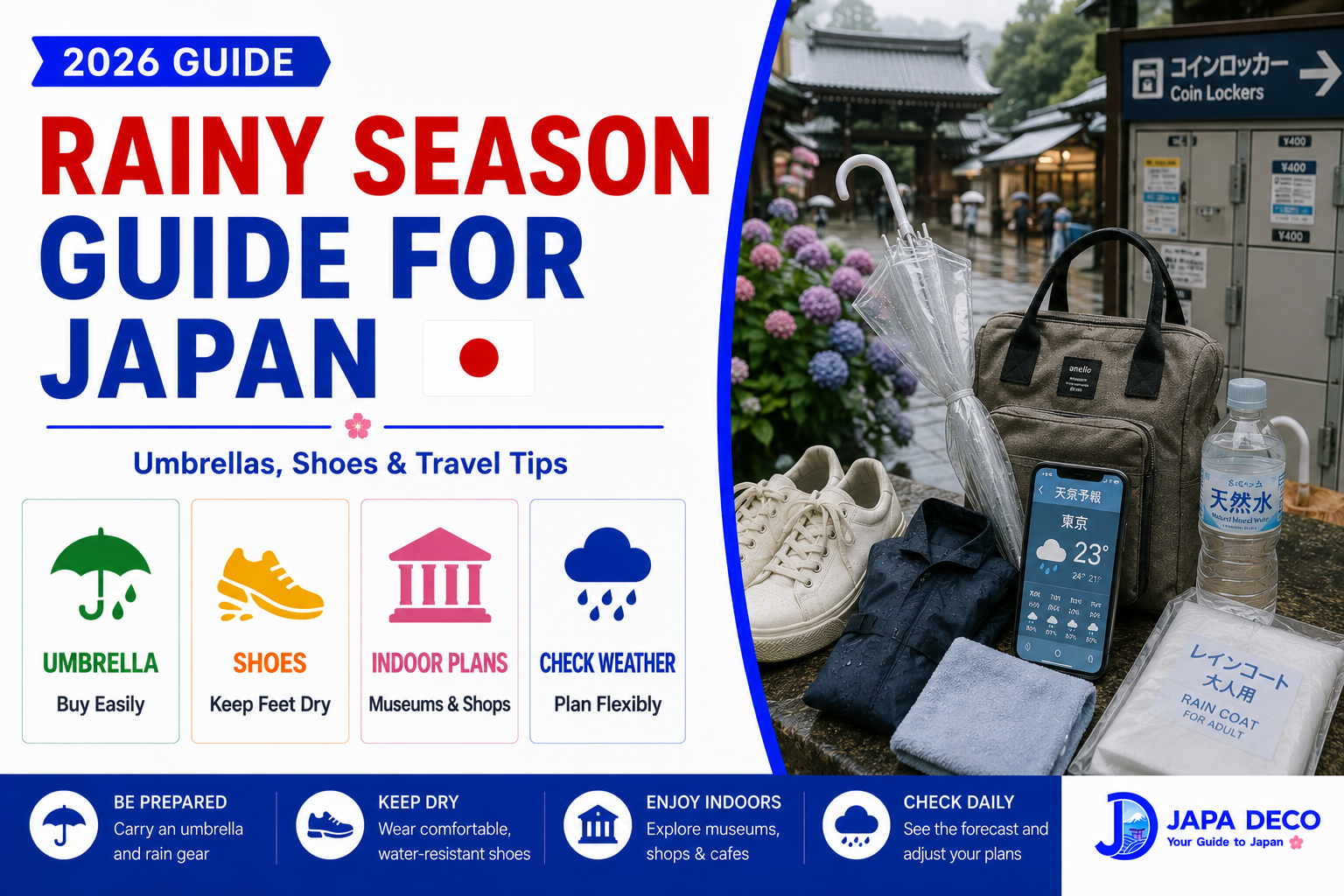
【Image③】
What to Do If You Feel Sick
If you feel overheated:
- Stop walking.
- Move indoors or into shade.
- Loosen tight clothing.
- Drink water or sports drink if you can.
- Cool your neck, armpits, and body.
- Rest until you feel clearly better.
- Ask hotel, shop, or station staff for help if needed.
If there is confusion, fainting, severe weakness, or inability to drink, call 119.
Do not try to “walk it off.”
Hotel and Travel Planning
Choose summer hotels carefully.
Helpful hotel features include:
- Near a station
- Close to convenience stores
- Easy taxi access
- Laundry facilities
- Strong air conditioning
- Luggage storage
- Good location for midday rest
A hotel far from the station can become exhausting in summer.
For summer Japan, location is not just convenience. It affects your health and energy.
Common Mistakes to Avoid
The biggest mistake is planning the same itinerary you would use in spring or autumn.
Summer requires a slower pace.
Another mistake is drinking only coffee or alcohol.
Some travelers also ignore early symptoms because they do not want to miss attractions.
Do not carry heavy luggage across stations in extreme heat if you can use luggage delivery or coin lockers.
Do not walk long distances at midday just to save a small taxi fare.
Best Recommendation for First-Time Visitors
For first-time visitors, the best summer strategy is simple.
Go outside early.
Rest indoors at midday.
Go out again later.
Drink often.
Use convenience stores.
Carry a small towel and power bank.
Do not overpack your schedule.
Japan summer can still be enjoyable, but only if you respect the heat.
Conclusion
Heatstroke is a real risk during summer travel in Japan.
The danger comes from heat, humidity, long walks, crowded stations, outdoor sightseeing, and busy schedules.
You can reduce risk by drinking regularly, using air-conditioned breaks, wearing breathable clothing, avoiding the hottest hours, and slowing down your itinerary.
If symptoms become serious, call 119.
A smart summer plan does not mean doing less of Japan.
It means traveling in a way that lets you enjoy the trip without exhausting yourself.
コメント