
Airbnb in Japan: Minpaku Rules, Check-In, Luggage and Hotel Comparison
Use Airbnb-style stays in Japan with confidence by checking legal registration, location, self check-in, luggage, house rules, amenities and hotel alternatives.
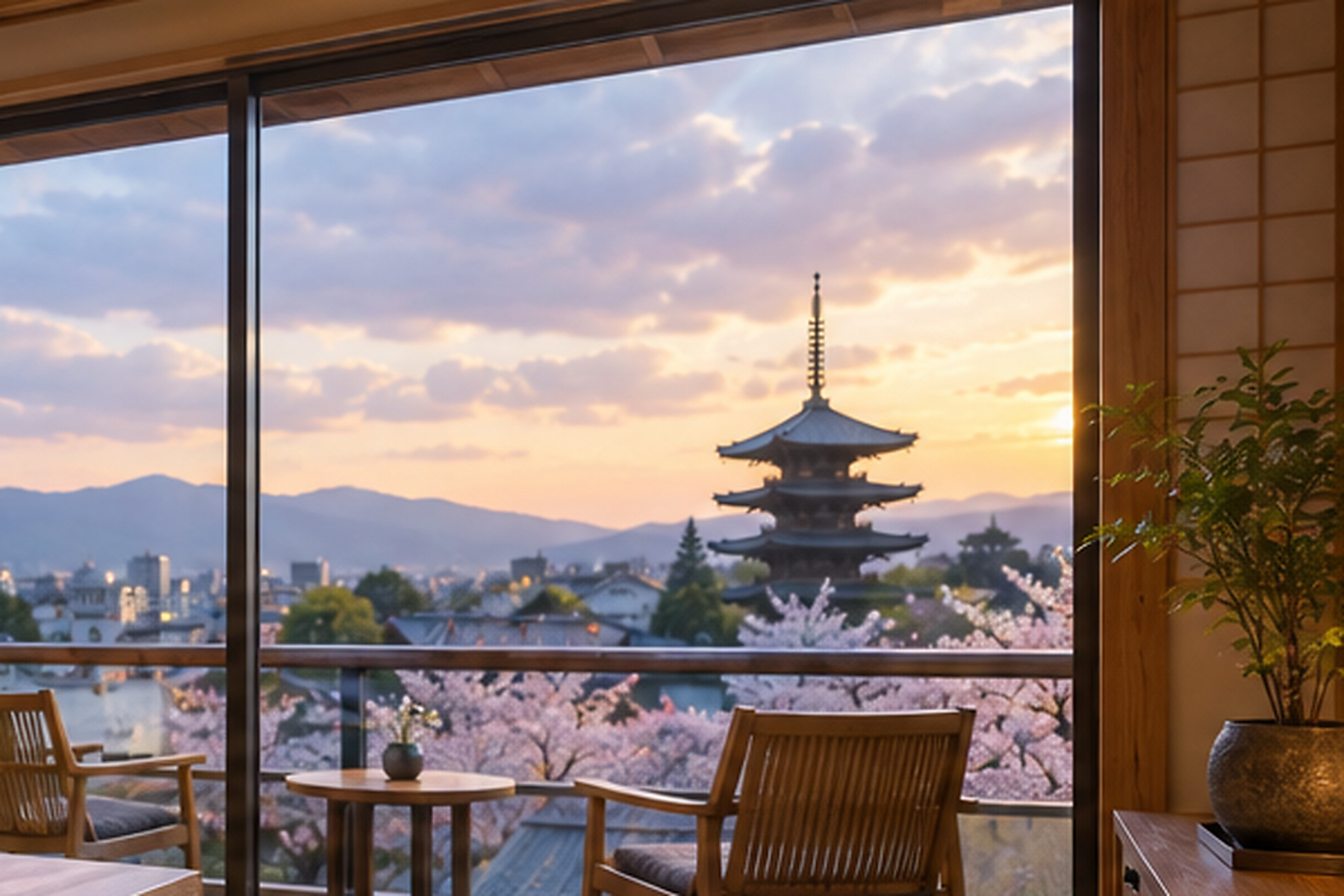
Airbnb-style stays can work very well in Japan for families, groups and longer stays, but they need more checking than a typical hotel. Before booking, confirm that the listing shows a valid license or registration detail, read recent reviews, verify the exact location and station access, understand self check-in, and check luggage, noise, trash and cancellation rules. Private lodging operated under the Private Lodging Business Act is subject to a maximum of 180 operating days in the statutory year, while licensed hotels and special-zone lodging follow different systems. For a first night after a long international arrival, a staffed hotel is often the simpler option.
What You’ll Learn
- How legal Airbnb-style lodging in Japan is structured and what registration details to check
- When an apartment or house is more useful than a hotel, and when it creates extra friction
- How self check-in, guest identity checks and mobile connectivity affect arrival
- Why station access, elevators, luggage storage and neighborhood rules matter more than attractive photos
- What to verify about kitchens, laundry, beds, trash, noise and cancellation before paying
What Airbnb Means in Japan
In Japan, an Airbnb listing is not one single legal accommodation type. A property may operate under the Private Lodging Business Act, under the Inns and Hotels Act, or under a special-zone private lodging framework. That distinction matters because operating limits and local requirements are not identical.
For travelers, the practical rule is simple: treat the listing as regulated accommodation, not as an informal apartment swap. Airbnb requires Japanese hosts to provide registration, license or other legal details before the listing can operate on the platform.
The term minpaku is commonly used for private lodging. Under the Private Lodging Business Act, the accommodation is a qualifying residence and can be provided for up to 180 days in the statutory year. Local governments can also impose additional restrictions, so the same type of stay may operate differently by area.
- Look for a license, notification or registration detail on the listing.
- Do not assume every Airbnb listing is governed by the same operating system.
- Local ordinances can add restrictions beyond the national framework.
Check Legality Before You Book
The first check should be the listing's legal information. Airbnb's Japan guidance says hosts must show the relevant license or registration information on Japanese listings. If that information is unclear, ask the host through the platform before paying.
Then read the newest reviews for signs that the actual operation matches the listing. Repeated comments about failed self check-in, unclear addresses, neighbor complaints, unexpected cleaning rules or last-minute access changes are more important than a high photo score.
A low price is not enough reason to book. In Japan, legality, precise access, building rules and host reliability can affect the stay more than room size.
- Confirm the legal number or status shown by the platform.
- Read recent reviews, not only the overall rating.
- Keep all pre-arrival communication inside the booking platform.
- Be cautious if a host asks you to pay or communicate outside the platform.
Airbnb or Hotel: Which Fits Your Trip Better?
Airbnb-style accommodation is strongest when you need space, a kitchen, laundry, multiple beds or a home base for several nights. Families and small groups can benefit from a living area and the ability to wash clothes without leaving the property.
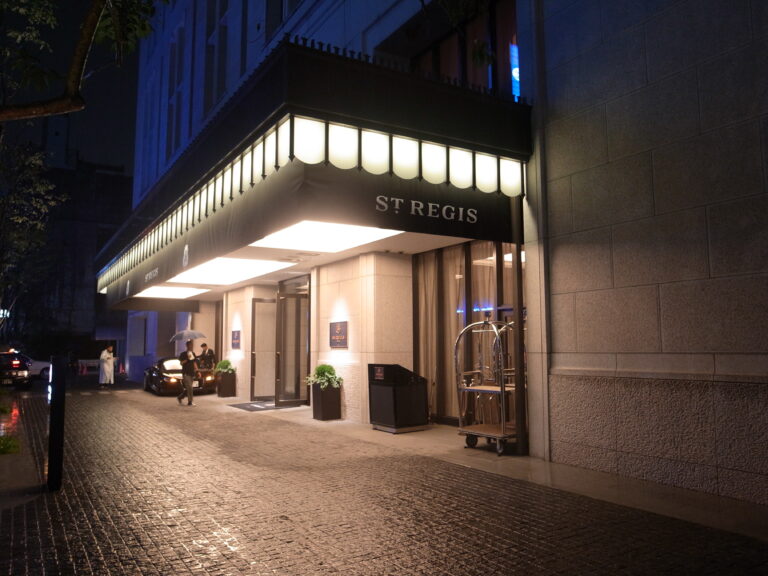
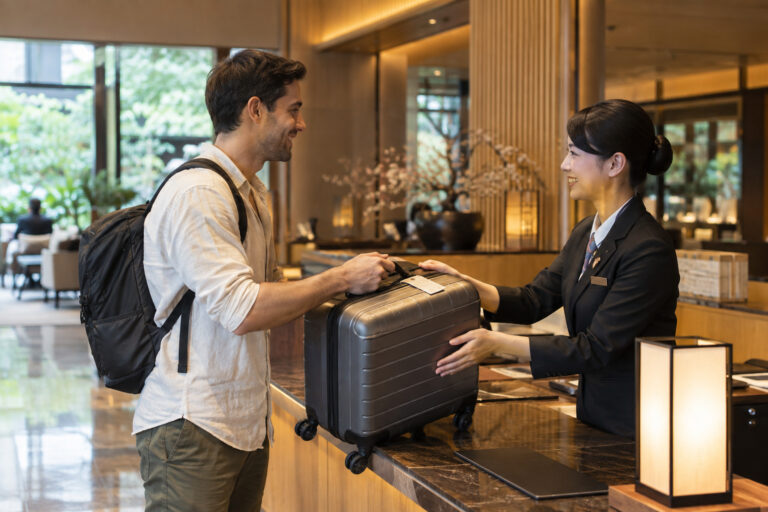
Hotels are usually easier when you arrive late, need a staffed front desk, want luggage storage, have an early departure or expect help when plans change. A compact business hotel can be less spacious but more predictable.
A useful compromise is to use a hotel for the first or last night around a flight, then use an apartment-style stay for the middle of a longer trip.
- Choose Airbnb-style lodging for space, laundry, kitchens and group stays.
- Choose a hotel for late arrivals, luggage storage and immediate staff support.
- Do not compare nightly price without also comparing cleaning fees, location and transport time.
Location Matters More Than the Listing Photos
A beautiful room can still be inconvenient if it is far from the station, on a steep street, across a large rail complex or inside a building without an elevator. Always check the walking route, not just the straight-line distance shown on a map.
Residential neighborhoods can be excellent for quiet evenings and local supermarkets, but they may have fewer taxis, fewer late-night restaurants and less English support than a major station area.
If you are traveling with large luggage, children or older relatives, check stairs, elevator access and the final walk from the station before you book.
- Measure the real walking route from the station exit.
- Check whether the building has an elevator.
- Look for supermarkets, convenience stores and late-arrival food nearby.
- Save the address in both English and Japanese when possible.
Self Check-In Can Be Easy or Stressful
Many private stays use a smart lock, keypad, key box or remote check-in instead of a front desk. This can be convenient when the instructions are clear and your phone is working, but it becomes stressful if you arrive after a long flight and cannot open the door.
Before travel, save the address, entry steps, door code, host contact method and any building instructions offline. Do not rely on a single message that requires mobile data to load.
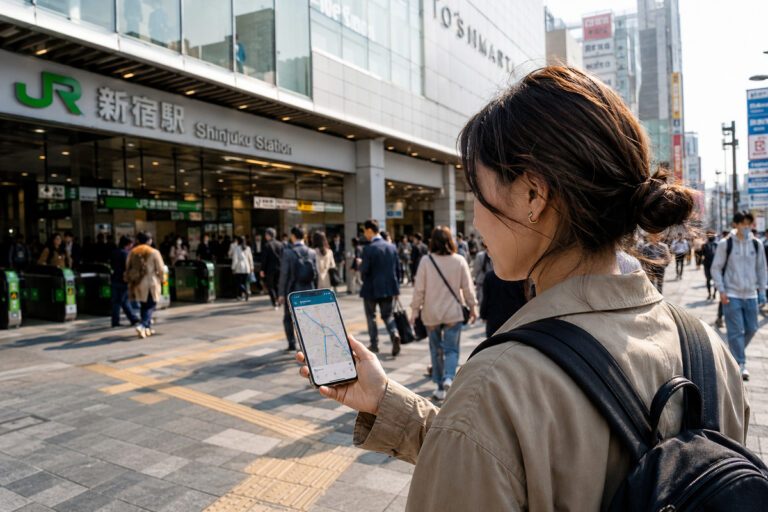
Reliable mobile connectivity is especially useful when you need to message the host, open maps or re-read check-in instructions at the door.
- Screenshot or save the full check-in instructions before arrival.
- Confirm the exact check-in window and how the key is released.
- Keep your phone charged and connected.
- Have a backup plan for late-night arrival if access fails.
Guest Registration and Passport Checks
Private lodging operators in Japan must keep a guest register and verify guest identity. The official minpaku guidance requires names, addresses, occupations and stay dates to be recorded, with nationality and passport number recorded when a guest does not have a fixed address in Japan.
Airbnb's guest guidance also explains that foreign visitors without a Japanese address may be asked to provide passport information and a passport copy. This can be a legitimate lodging requirement, but the request should match the booking process and come through a trustworthy channel.
If you are uncomfortable with how identification is requested, contact the host through the platform before arrival rather than sending documents through an unfamiliar link.
- Expect some form of identity verification.
- Foreign visitors without a fixed Japanese address should expect passport-related registration.
- Use official platform communication when personal information is requested.
House Rules, Noise and Trash Are Part of the Stay
Many private stays are inside ordinary residential buildings or neighborhoods. That means the accommodation is sharing space with people who are not on vacation.
Japan's private lodging rules require operators to explain matters such as noise prevention, waste disposal and fire safety, and to respond to complaints from nearby residents. Guests should therefore treat house rules as operating rules, not optional etiquette.
Common instructions can include quiet hours, no parties, shoe removal, specific trash separation and limits on where luggage or bicycles can be left.
- Keep voices and music low, especially at night.
- Follow the property's exact trash instructions instead of guessing.
- Do not bring unregistered extra guests.
- Respect common hallways, entrances and neighboring homes.
Check the Amenities You Actually Need
A washing machine or kitchen can be the main reason to choose an apartment-style stay, but amenities vary widely. Do not assume detergent, a dryer, cooking oil, large cookware or enough tableware are included just because a listing shows a kitchen.
Bed descriptions also deserve attention. A property advertised for several guests may use sofa beds or floor bedding for part of the group. Confirm the sleeping arrangement if comfort matters.
For longer stays, check air conditioning, heating, Wi-Fi, workspace, laundry drying options and the size of the refrigerator before booking.
- Confirm the number and type of real beds.
- Check whether laundry means washer only or washer and dryer.
- Verify kitchen equipment if you plan to cook.
- Look for recent reviews about Wi-Fi, heating and cooling.
Plan for Luggage Before Check-In and After Check-Out
Private stays often do not have a lobby where you can leave bags for several hours. If check-in is late or your train leaves long after check-out, you may need station lockers, a staffed luggage-storage service or a luggage-delivery plan.
This is one of the biggest practical differences from a hotel. A slightly more expensive hotel can be better value on a transfer day if it stores luggage and lets you move around without carrying bags.
Ask about early bag drop only if the listing clearly offers it. Do not assume the cleaner or building manager can hold luggage.
- Check bag storage before booking, not on arrival day.
- Allow extra time if the building is far from a station.
- Use a luggage strategy that fits your check-in and transport schedule.
A Better Booking Strategy for Private Stays in Japan
The safest approach is to book for fit, not for novelty. Start with legal status and location, then check arrival friction, luggage, reviews, house rules and amenities before comparing the final price.
If a listing passes those checks, an apartment or house can be one of the most comfortable ways to travel with family or friends. If several details remain vague, choose a hotel and reduce uncertainty.
- Confirm license or registration details.
- Check the real route from the station.
- Read recent reviews for access and noise problems.
- Verify self check-in before a late arrival.
- Confirm luggage options.
- Check beds, laundry and kitchen details.
- Read trash and quiet-hour rules.
- Keep arrival instructions offline and maintain working mobile data.
FAQ
Is Airbnb legal in Japan?
Yes, Airbnb-style accommodation can operate legally in Japan when the property follows the applicable lodging framework and the host provides the required registration, license or authorization details. Travelers should check those details on the listing before booking.
Does every Airbnb in Japan have the 180-day limit?
No. The 180-day operating limit applies to private lodging under the Private Lodging Business Act. Properties operating under the Inns and Hotels Act or a special-zone framework follow different rules.
Do I need to give my passport to an Airbnb host in Japan?
Guest identity and lodging records are required. For foreign visitors without a fixed address in Japan, hosts may need nationality and passport details, and Airbnb's Japan guidance says a passport copy may also be requested. Use the official platform channel if you need to send sensitive information.
Is Airbnb better than a hotel in Japan?
It depends on your trip. Airbnb-style stays are often better for groups, longer stays, kitchens and laundry. Hotels are usually easier for late arrivals, luggage storage, front-desk help and short stays.
Can I leave luggage before check-in at an Airbnb in Japan?
Do not assume you can. Many private stays have no front desk or storage room. Check the listing or ask the host in advance, and plan station lockers, luggage storage or delivery if needed.
What is the biggest mistake when booking Airbnb in Japan?
Booking mainly from price and photos. Legal status, real station access, check-in reliability, luggage, recent reviews, building rules and the final total cost usually matter more.
Related Japan Travel Guides
Official References
Final Thoughts
Airbnb-style stays in Japan are most useful when they solve a real travel need: more space, laundry, a kitchen or a better setup for a family or group. They are not automatically cheaper or easier than hotels. Check the legal details, actual location, arrival process, luggage plan, guest-registration requirements and house rules before paying. When those pieces are clear, a private stay can be comfortable and practical; when they are not, a staffed hotel is usually the lower-friction choice.