
Japan Festivals Guide: Matsuri, Seasons, Crowds and Travel Tips
Plan a Japanese festival visit with practical advice on matsuri seasons, famous events, transport, crowds, food stalls, etiquette, weather and what to bring.
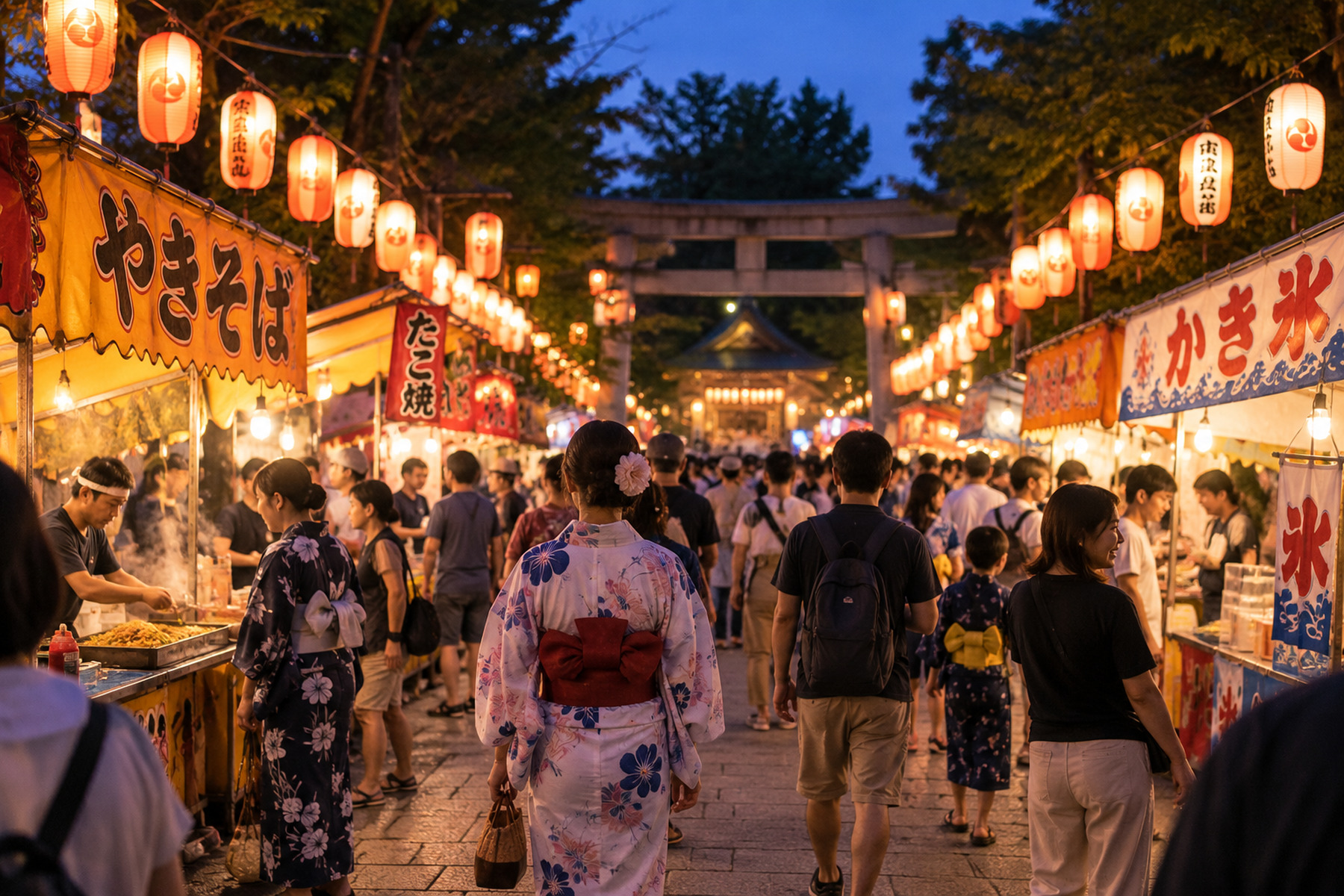
Japanese festivals are worth building into a trip when the event fits your route and you can give it enough time. Choose the experience first—floats, dance, fireworks, shrine traditions or food—then verify the official schedule, transport restrictions and ticket rules before you go. For major matsuri, arrive early, expect crowded trains and streets, carry water and some cash, and follow local staff directions.
What You’ll Learn
- How to choose a festival by season and experience rather than name recognition alone.
- Which famous matsuri have long-running calendar dates and what travelers should still recheck.
- How to plan transport, crowd timing, food, heat and rain around a festival day.
- How to watch, photograph and participate without getting in the way of local traditions.
Start With the Experience You Want
Japan has thousands of local festivals, and the best one for your trip is not always the most famous. Some are built around shrine processions and portable mikoshi, some around huge wheeled floats, some around dance, and others around fireworks, snow, flowers or seasonal community events.
For travelers, a useful first step is to decide what you actually want to see. A float procession rewards daytime viewing and route planning. A dance festival is about movement, music and atmosphere. A fireworks event may require a fixed viewing area and a long exit afterward. A neighborhood matsuri can be smaller but often feels more local.
- Choose procession festivals for decorated floats, mikoshi and ceremonial movement.
- Choose dance festivals for music, coordinated groups and a stronger performance atmosphere.
- Choose fireworks festivals for a long evening event where the trip home matters as much as arrival.
- Choose smaller shrine or neighborhood festivals when you want a more local, less checklist-driven experience.
Festival Seasons Across Japan
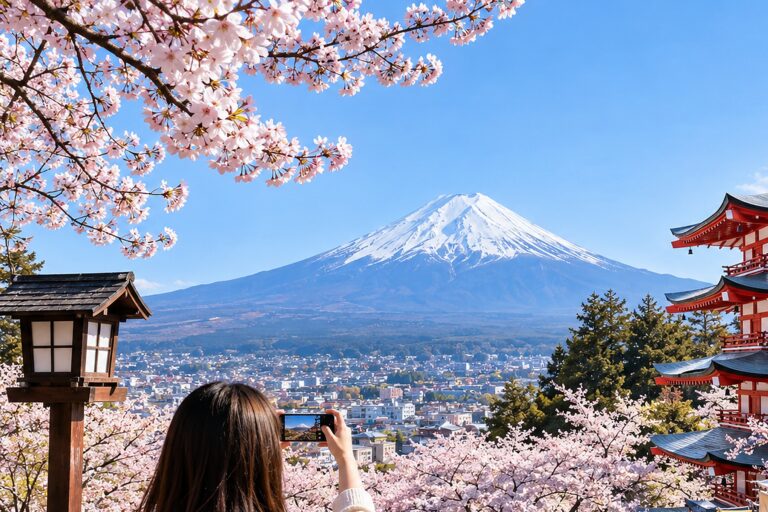
Matsuri happen throughout the year, but the travel conditions around them change sharply by season. Spring often combines local events with flowers and mild weather. Summer is the busiest period for large outdoor matsuri, fireworks and bon-odori style dancing, but heat and humidity can be intense. Autumn brings harvest, float and shrine festivals in many regions. Winter adds snow and illumination events in colder areas.
Do not treat a season as a guarantee of one exact experience. Regional climate, local custom and the event calendar matter more than a national rule. A festival in northern Japan can feel completely different from one in Kyoto, Tokushima or Osaka at the same time of year.
- Spring: comfortable walking weather, flowers and local seasonal events.
- Summer: major matsuri, fireworks, dance, evening food stalls and the highest heat risk.
- Autumn: shrine, harvest and float festivals with cooler conditions in many regions.
- Winter: snow festivals, fire festivals and seasonal illuminations in colder destinations.
Dates, Tickets and Official Schedules
Some famous festivals follow long-running calendar dates, but that does not mean every program, parade route, paid seat, road closure or weather decision stays identical. Always check the event organizer or local tourism authority shortly before travel.
If a festival is one of the main reasons for your trip, avoid building a same-day long-distance transfer around it. Paid viewing seats can sell in advance, roads may close, buses may be diverted and the easiest station on a normal day may not be the easiest station during the event.
- Confirm the official event page, not only a blog or social post.
- Check whether the main procession, dance performance or fireworks requires a ticket.
- Look for road closures, station guidance and last-train information.
- Recheck weather notices on the day when outdoor programs may be delayed or changed.
Three Famous Matsuri With Reliable Calendar Anchors
Gion Matsuri in Kyoto runs through July, with its two major Yamahoko float processions traditionally held on July 17 and July 24. The festival occupies central Kyoto streets, and official visitor guidance emphasizes public transport, hydration and following congestion controls.
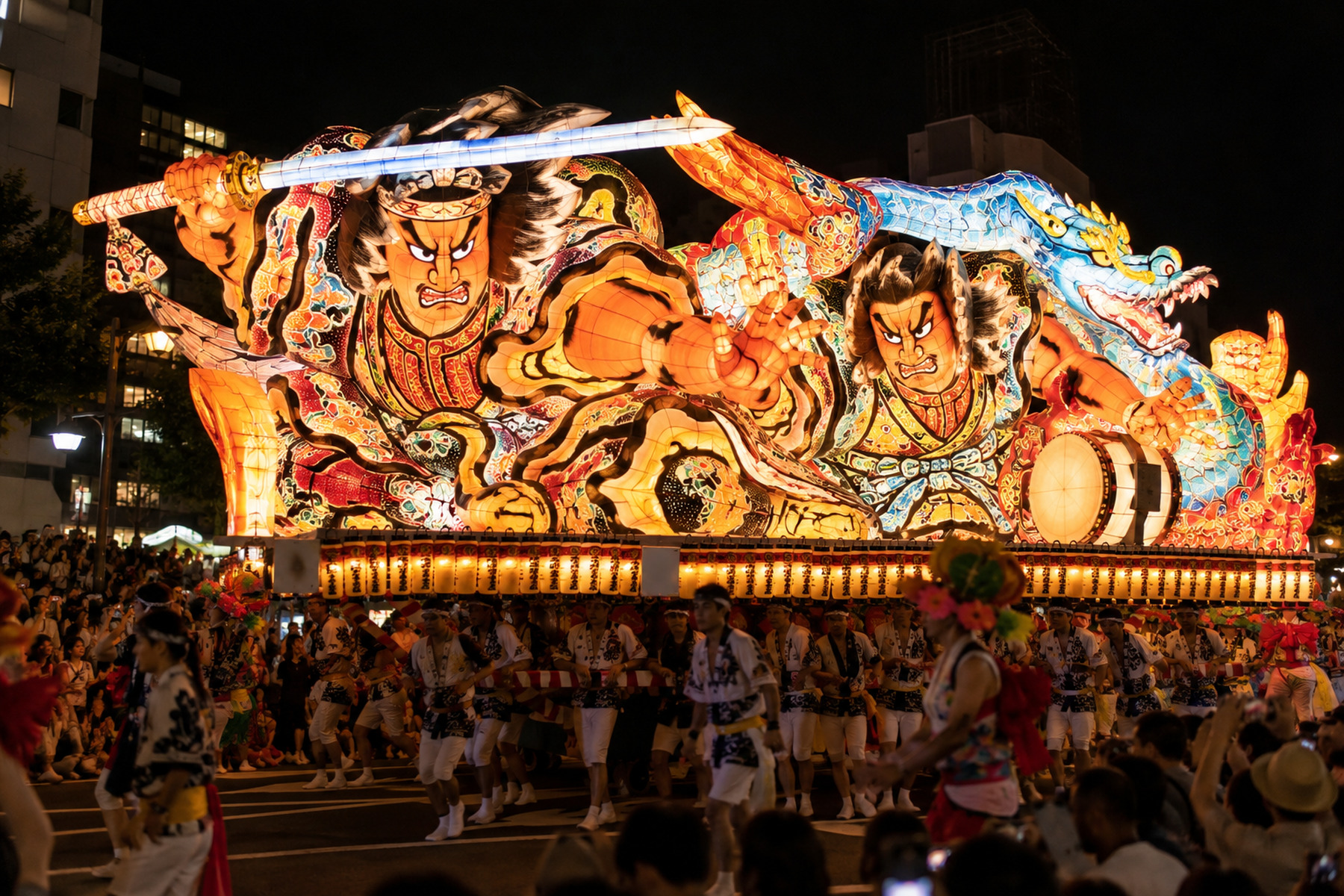
Aomori Nebuta Festival is held from August 2 through August 7. Its huge illuminated nebuta floats, festival music and haneto dancers create one of Japan's most visually distinctive nighttime events.
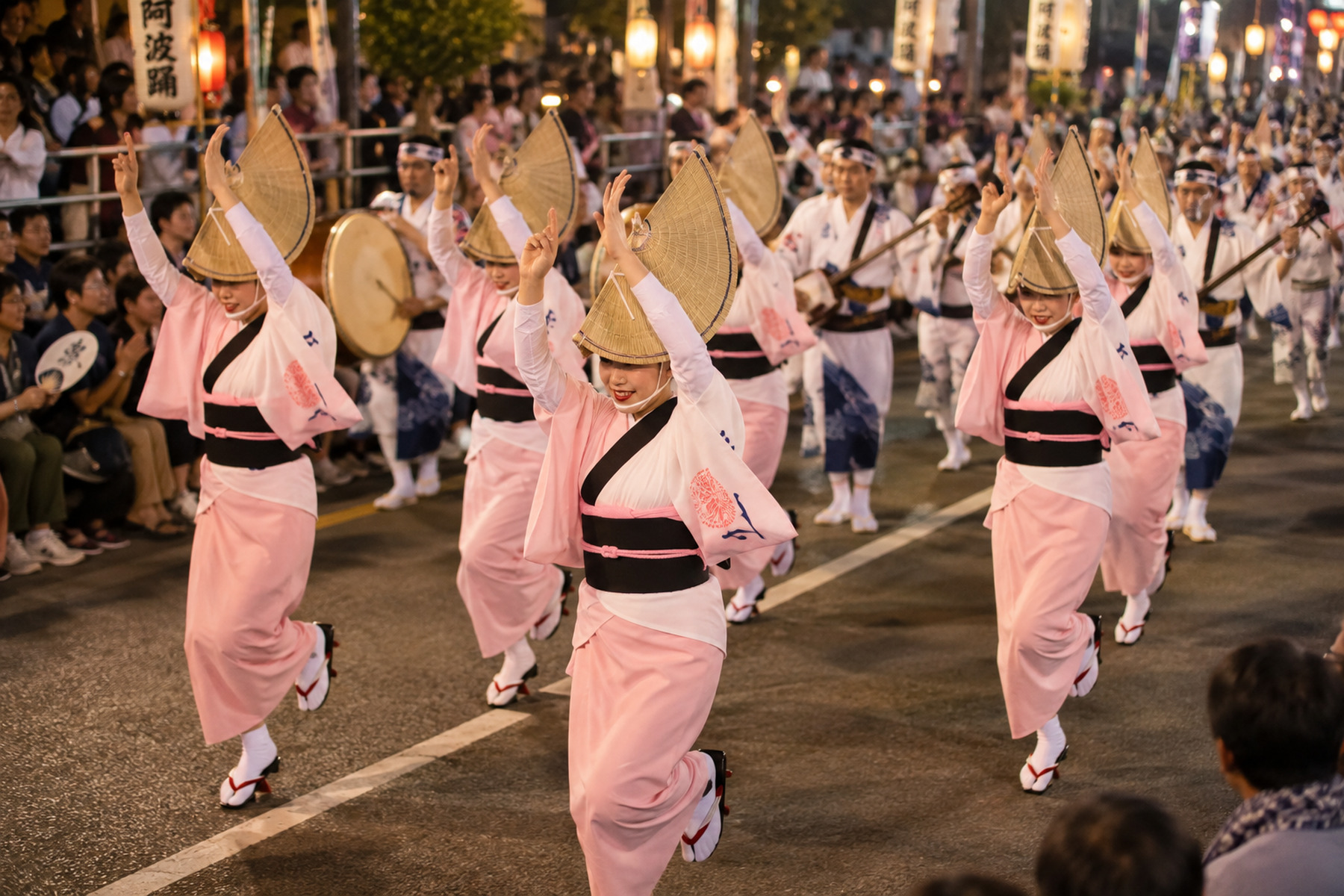
Tokushima's Awa Odori is held from August 12 through August 15. Large groups of dancers and musicians perform around the city, with both paid and free viewing areas depending on the program.
- Gion Matsuri: Kyoto; giant Yamahoko floats, procession routes and dense central-city crowds.
- Aomori Nebuta Festival: Aomori; illuminated warrior-themed floats and energetic nighttime streets.
- Awa Odori: Tokushima; coordinated dance groups, live music and evening performance areas.
- Even with long-running dates, confirm the current organizer page before booking a non-refundable plan.
What You Will Actually See at a Matsuri
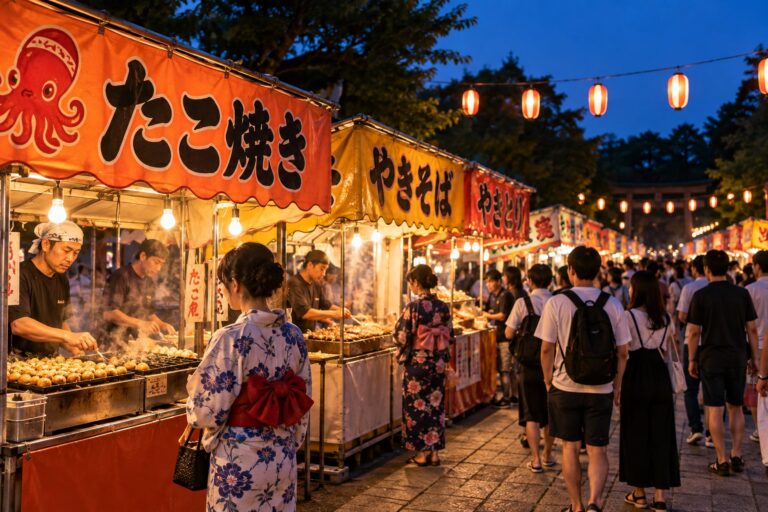
A festival is usually more than one parade. You may find shrine rituals, mikoshi, dashi or yamahoko floats, taiko, flutes, dance groups, food stalls and neighborhood teams preparing behind the main route. The atmosphere can shift block by block.
Visitors should not assume that every visible activity is open for participation. Watching from the correct area is often the right choice. When an event has a public dance zone or visitor-participation program, follow the organizer's instructions rather than joining a procession spontaneously.
- Mikoshi are portable shrines carried by participants in many Shinto festivals.
- Dashi and related festival floats are pulled through streets and can be extremely large.
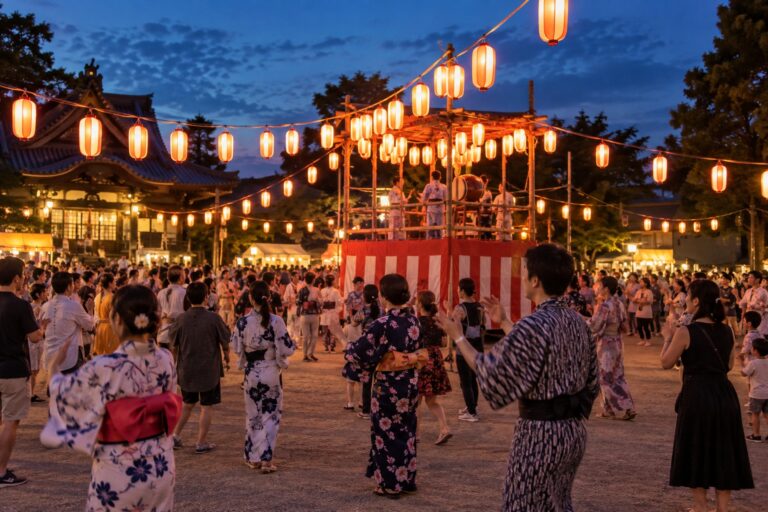
- Bon odori and other dance events may include areas where spectators can join.
- Festival clothing such as happi coats and yukata is common, but specific participant dress can have local meaning.
Food Stalls: Enjoy Them Without Depending on Them
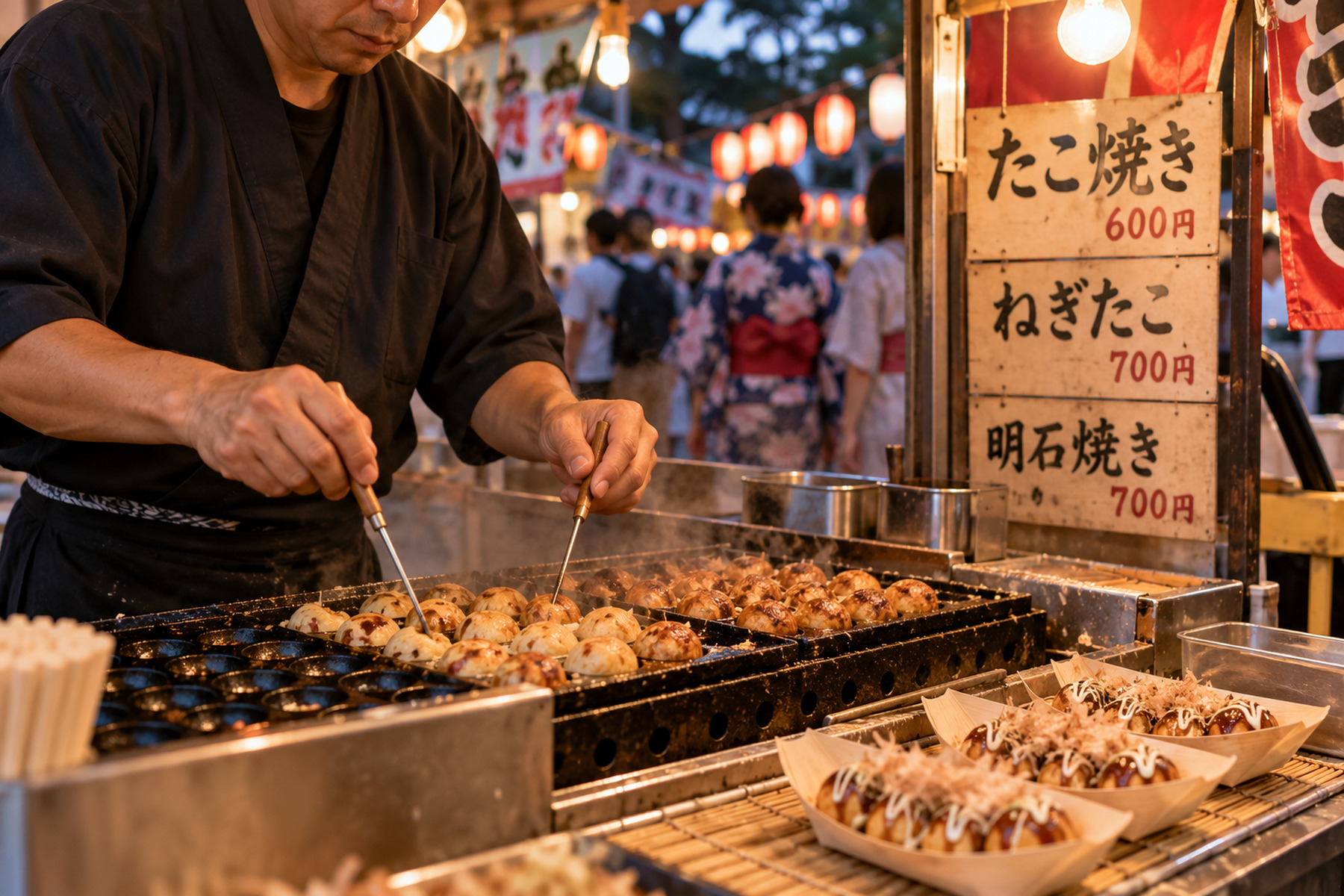
Yatai food stalls are part of the fun at many festivals. Common sights include takoyaki, yakisoba, grilled skewers, shaved ice, sweets and drinks. Selection varies by event, and some large festivals have strict rules on where food can be eaten.
Carry some cash even if you normally use cards or phone payments in Japan. Small temporary stalls can be cash-oriented, and nearby convenience stores or ATMs may be crowded. It is also smart to eat something substantial before entering the busiest part of a huge event so you are not forced into the longest lines.
- Bring small-denomination cash as a backup.
- Do not assume every stall accepts cards or contactless payment.
- Follow local rules about eating while walking or using designated areas.
- Carry your trash if bins are limited.
Crowds, Trains and the Exit Plan
For a famous festival, the most stressful part can be leaving. After a major procession or fireworks finale, thousands of people can reach the same station at once. Treat departure as part of the event plan.
Arriving early gives you time to understand barriers, viewing rules and walking routes before the main crowd builds. If several stations serve the area, the nearest station is not always the best choice. Walking one stop farther can sometimes be easier than joining the largest queue.
- Save the route to your hotel before mobile networks become congested.
- Set a meeting point if traveling with other people.
- Avoid tight restaurant or train reservations immediately after the main program.
- Follow police and event staff even when their route is longer than your map suggests.
- Check the last train if you plan to stay through the final performance.
Heat, Rain and Basic Safety
Many famous matsuri are held outdoors in midsummer, when heat and humidity can be severe. Crowds also make it harder to find shade or move quickly to a convenience store. Carry water before entering the busiest zone and take breaks before you feel exhausted.
Rain can also change the experience. A compact rain jacket is usually easier in a crowd than a large umbrella, especially where organizers restrict umbrella use. Wear shoes you can stand and walk in for several hours; festival streets are not the place to discover that new sandals hurt.
- Carry water and drink regularly in hot weather.
- Use shade and indoor breaks before symptoms of heat illness appear.
- Bring compact rain protection when the forecast is unstable.
- Wear footwear suitable for long standing, slow walking and crowded streets.
Festival Etiquette for Visitors
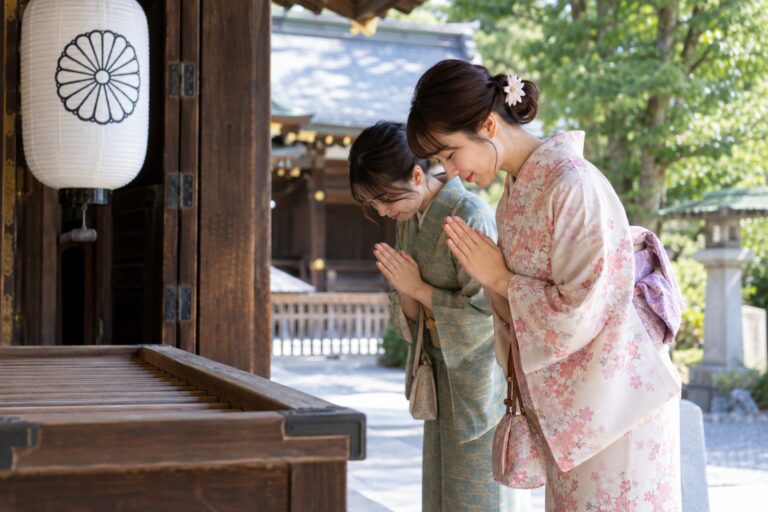
Matsuri can be loud, photogenic and welcoming, but many are still community or religious events rather than tourist productions. Respect barriers, private homes, shrine approaches and the people doing the work of carrying, dancing or performing.
Photography is usually easiest from public viewing areas. Avoid stepping into procession space, blocking a shop entrance or holding a phone above other people's heads for long periods. Close portraits deserve extra care: ask when practical, especially outside a clearly public performance.
- Do not cross a moving procession just to reach the other side of the street.
- Keep shrine paths, emergency routes and shop entrances clear.
- Follow queueing rules and staff instructions.
- Do not leave food containers or drink cups behind.
- Treat participation as an invitation, not an entitlement.
A Simple Festival-Day Plan
A major festival works best as the main activity of the day. Keep the morning light, eat before the busiest period, arrive early enough to understand the area, and leave flexibility after the headline event.
Build your plan around four checkpoints: official schedule, weather, arrival station and exit route. If those four are clear, the rest can stay loose. That balance lets you enjoy food, music and unexpected neighborhood scenes without constantly checking the clock.
- Before breakfast: recheck the official event page and weather.
- Before leaving the hotel: save transport alternatives and charge your phone.
- On arrival: locate toilets, water, exits and the correct viewing area.
- Before the finale: decide whether to leave early, wait out the rush or use a different station.
- After the event: allow extra travel time and avoid assuming normal transport conditions.
FAQ
Do I need tickets for Japanese festivals?
Many matsuri are free to enter, but premium viewing seats, grandstands, indoor performances or reserved areas may require tickets. Check the official event page because ticket rules can differ between programs at the same festival.
Can foreign visitors join festival dances?
Sometimes. Public bon-odori areas and visitor participation programs can welcome newcomers, while formal processions and organized dance groups may be restricted to registered participants. Join only where the organizer clearly allows it.
Should I bring cash to a matsuri?
Yes, as a backup. Temporary food and game stalls may be cash-oriented even when nearby shops accept cards or phone payments. Small bills and coins are useful.
Is wearing a yukata appropriate?
Yes for many summer festivals, and it is common among spectators. Choose comfortable footwear, learn how to move in the outfit and remember that a long, crowded evening can be hotter and harder on your feet than expected.
How early should I arrive at a major festival?
Earlier than the headline program. The right lead time depends on the event, but arriving before the densest crowd gives you time to find viewing areas, toilets, food and an exit route. For reserved seating, follow the organizer's entry time.
Related Japan Travel Guides
Official References
Final Thoughts
The best festival visit is not the one with the longest checklist. Pick an event that fits your route, verify the official schedule, arrive before the crowd peaks and leave enough time to watch how the local community actually celebrates. With water, cash, comfortable shoes and a clear exit plan, a matsuri can become one of the most memorable parts of a Japan trip.