
Ryokan in Japan: How to Choose, Book and Enjoy a Traditional Stay
A practical guide to choosing a ryokan in Japan, comparing meal and bath plans, checking room details, arriving on time, and avoiding common first-stay mistakes.
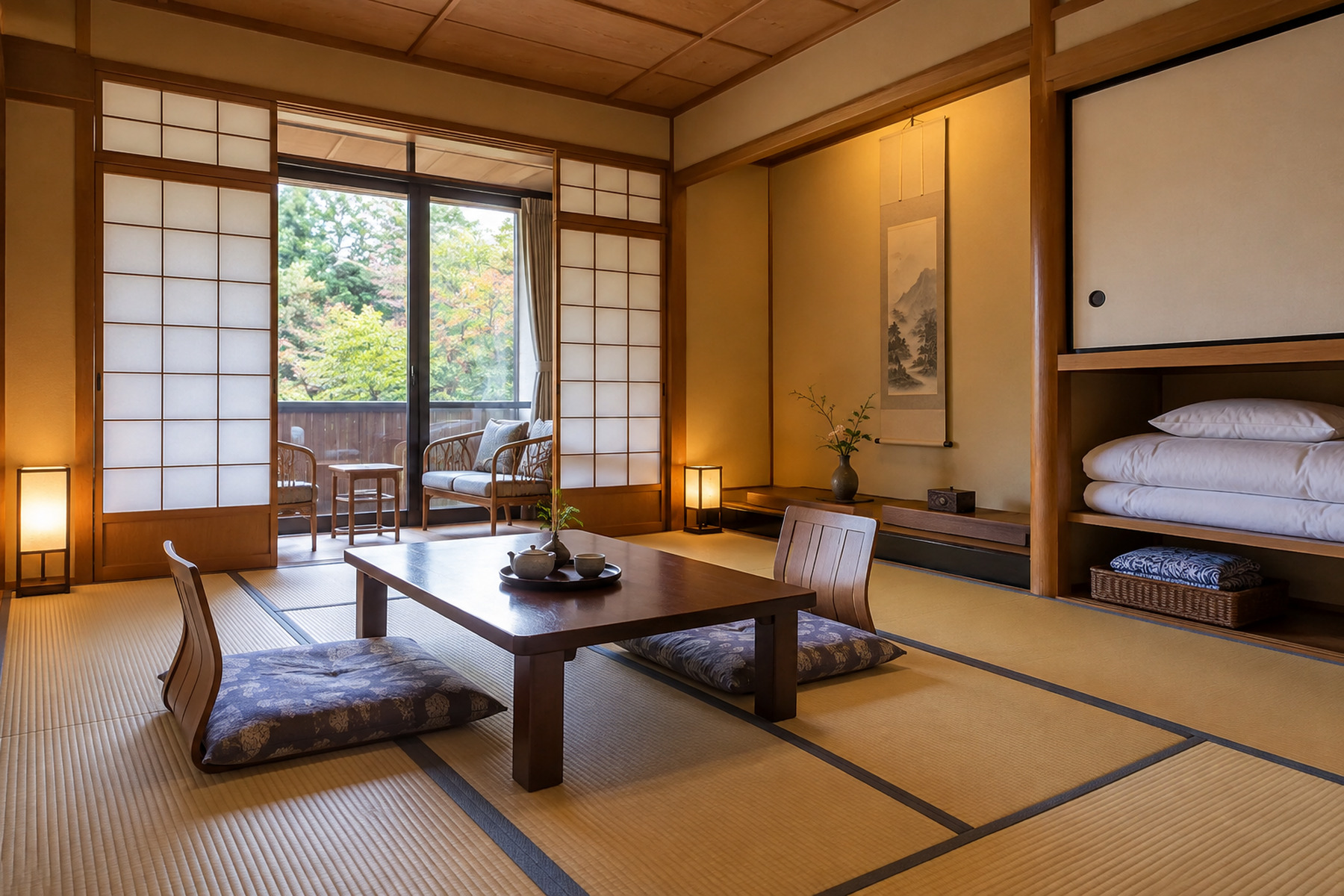
A ryokan is a traditional Japanese inn where the stay itself is part of the trip. Before booking, check the room setup, meal plan, bath type, tattoo policy, arrival deadline, transport access and cancellation terms. For a first stay, one well-planned night with dinner and breakfast is usually the easiest way to enjoy the experience without overcomplicating your itinerary.
What You’ll Learn
- How to tell whether a ryokan suits your itinerary and budget
- Which room, meal and bath details to confirm before paying
- What happens at check-in and how a typical stay flows
- The essential tatami, yukata and onsen etiquette first-time guests need
Is a Ryokan Right for Your Trip?
A ryokan is not simply a hotel with Japanese decor. Traditional inns often build the stay around tatami rooms, futon or Japanese-Western sleeping arrangements, set meal times, yukata, and bathing facilities. Many are in hot-spring or scenic areas, although city ryokan also exist.
Choose a ryokan when you want one slower evening to be an experience in itself. If your priority is late-night sightseeing, flexible dining, a very early departure, or a low-cost bed near a station, a conventional hotel may fit better.
- Best fit: a special night, onsen stop, couple or family experience, or a break between busy travel days.
- Less ideal: late arrivals, tightly packed evening plans, or travelers who need maximum meal and schedule flexibility.
- For a first trip, one carefully chosen night is usually enough to understand the ryokan experience.
What You Actually Get at a Ryokan
Ryokan vary widely, so do not assume every property offers the same traditional package. Common elements include tatami flooring, futon bedding, yukata, Japanese meals and shared baths, but modern properties may also offer Western beds, private bathrooms, in-room open-air baths or restaurant-style dining.
Read the exact room description rather than booking from photos alone. Two rooms at the same property can differ in bed type, toilet and shower facilities, view, smoking policy, capacity and access to private bathing.
- Tatami room with futon bedding, Western-bed room, or a mixed Japanese-Western layout.
- Shared bath, reservable private bath, in-room bath, or no natural hot spring at all.
- Dinner and breakfast, breakfast only, room only, or a special seasonal meal plan.
- In-room dining, private dining room, or shared restaurant depending on the property.
How to Choose and Book the Right Ryokan
Compare the complete stay, not just the headline room rate. A higher price may include dinner, breakfast, bathing facilities and service that would be separate costs elsewhere. The cheapest plan at the same ryokan may remove meals or use a different room category.
Before paying, verify the latest details on the property's own listing or booking page. Arrival deadlines, meal service, shuttle reservations, child pricing, dietary requests, bath access and cancellation rules can materially change whether the stay works for your itinerary.
- Room: bed type, private toilet or shower, view, stairs or elevator, and maximum occupancy.
- Meals: exactly what is included, where meals are served, and the final arrival time for dinner.
- Baths: shared or private, natural hot spring or ordinary bath, opening hours, and any reservation fee.
- Policies: tattoos, children, food allergies, smoking, cancellation and luggage storage.
- Access: last bus or train, station pickup, shuttle reservation and walking distance with luggage.
Arrival and Check-In: Why Timing Matters
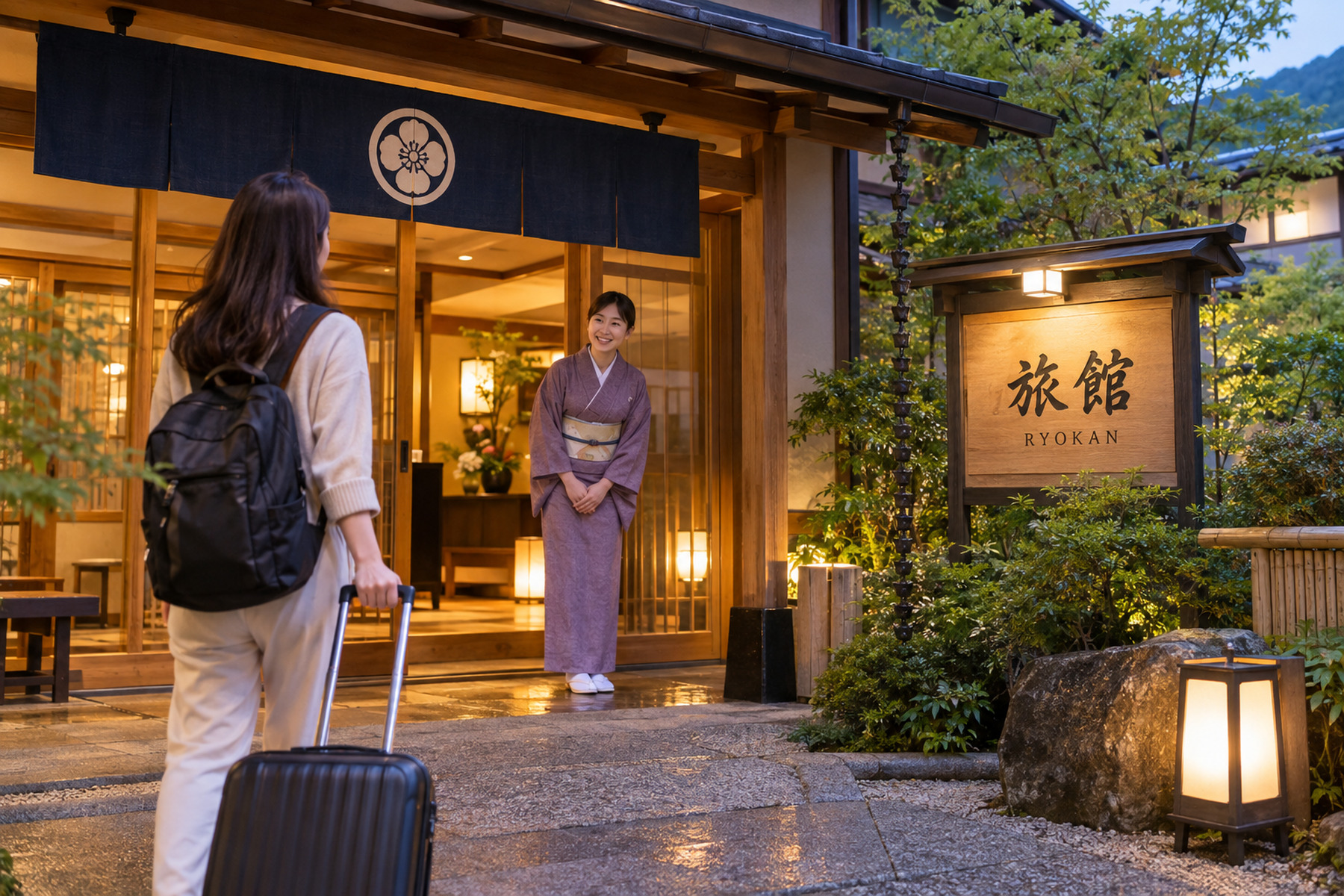
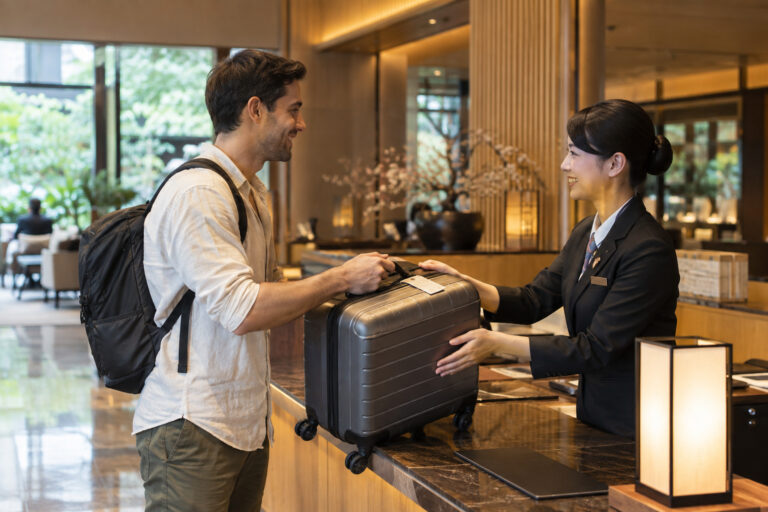
Ryokan work best when you arrive with time to settle in. A late arrival can interfere with dinner service or leave little time for the bath and room, so treat the property's requested check-in window as part of the experience rather than a loose hotel-style estimate.
If you are a foreign visitor without an address in Japan, expect the accommodation to ask for your passport at check-in. Japanese lodging rules require additional nationality and passport information for such guests, and government guidance asks accommodation operators to obtain a passport copy.
- Keep your booking confirmation and passport easy to reach.
- Follow the entrance instructions for shoes; many traditional properties separate outdoor shoes from indoor slippers.
- Listen for the dinner time, breakfast time, bath hours, checkout time and any private-bath reservation.
- If transport is delayed, contact the property as early as possible rather than arriving after the meal deadline without notice.
Tatami, Futon and Yukata Without the Awkwardness
The simplest rule is to follow the room setup and the staff's instructions. Do not walk on tatami in outdoor shoes, and usually remove slippers before stepping onto tatami. Futon bedding may already be prepared or may be laid out later while you are at dinner.
A yukata is a casual robe commonly provided for guests. Many ryokan allow you to wear it around the property and at meals, but local rules differ. If you are unsure about slippers, robes or where to leave footwear, ask rather than guessing.
- Keep outdoor footwear off tatami.
- Use restroom slippers only in the restroom and change back afterward.
- Treat the room as a living space, not a place to drag wet towels or outdoor luggage across tatami.
- Use the property's instructions for yukata and indoor footwear.
Dinner and Breakfast: The Part You Should Plan Around
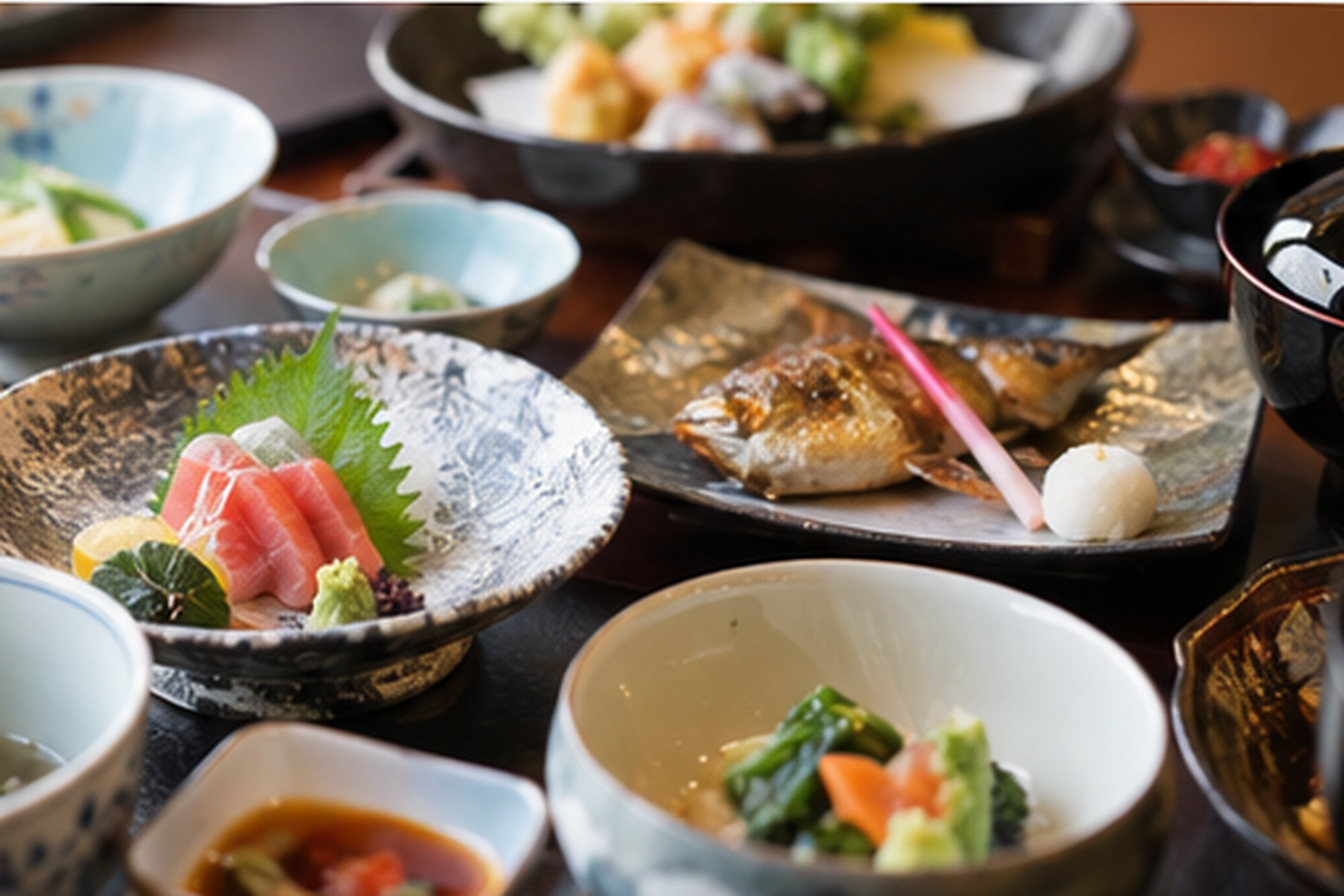
Meals are often a major reason to choose a ryokan. Dinner may be a multi-course Japanese meal featuring local and seasonal ingredients, while breakfast is commonly Japanese-style. The exact menu, serving place and timing vary by property and plan.
Dietary restrictions need advance attention. Do not assume a request can be handled on arrival, especially when broth, sauces or set courses are prepared ahead. If an allergy is medically important, communicate it clearly before booking and confirm what the property can actually accommodate.
- Check whether dinner and breakfast are included in your exact rate.
- Confirm the latest arrival time for guests with dinner.
- Tell the property about allergies or dietary restrictions before arrival.
- If you want to eat outside, choose a breakfast-only or room-only plan rather than skipping a prepaid dinner.
Onsen and Shared-Bath Etiquette
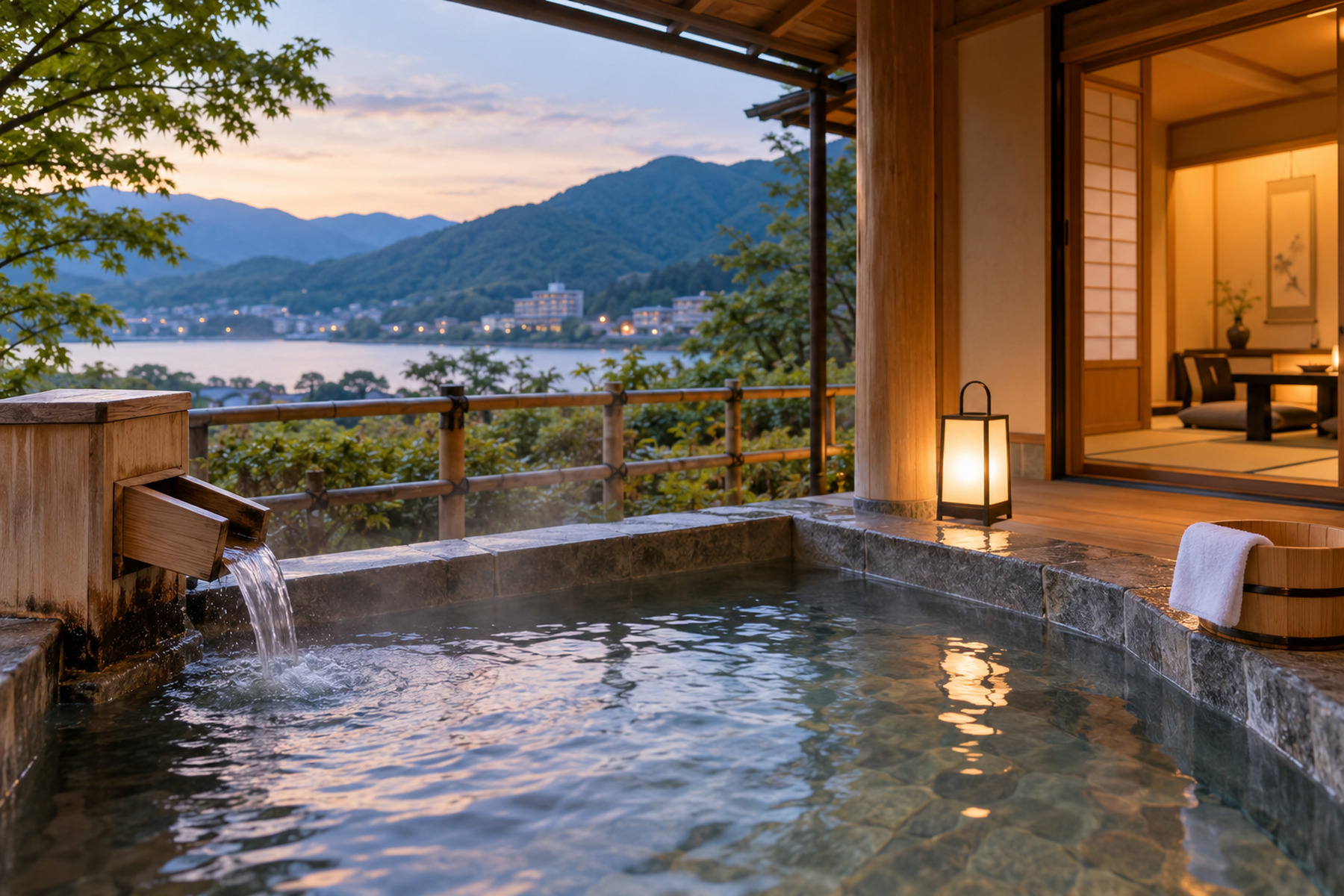
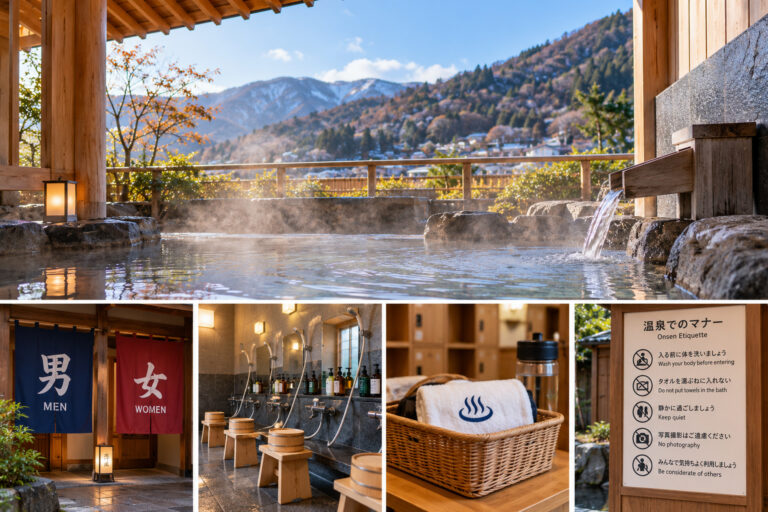
At a typical onsen, wash and rinse before entering the bath. Swimwear is generally not worn in standard shared baths, and towels and long hair should stay out of the bathwater. Speak quietly, avoid swimming or splashing, and leave phones and cameras outside the bathing area.
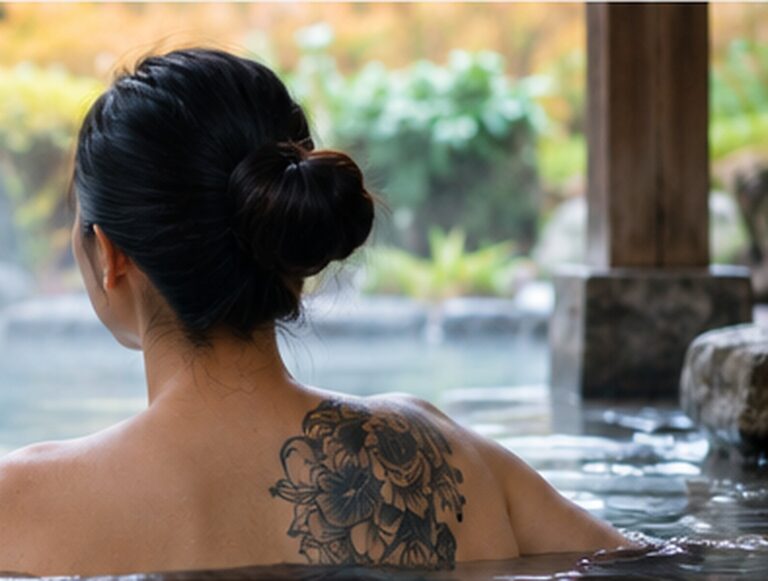
Tattoo policies are set by individual facilities and can differ even between neighboring properties. Some baths allow tattoos, some permit covering small tattoos, and others restrict entry. A reservable private bath or an in-room bath can be a useful alternative, but you should confirm the property's policy before booking.
- Wash first and rinse off soap before entering the bath.
- Keep the small towel and hair out of the water.
- Check tattoo rules directly with the property.
- Do not photograph shared bathing areas.
- Follow signs and staff instructions if a facility uses a different bathing format.
Location, Luggage and Transport Can Make or Break the Stay
Some of the most appealing ryokan are outside major city centers. That can be part of the charm, but it also makes access more important. Check the last practical train or bus, whether a shuttle needs advance booking, and how far you must walk with luggage.
For a one-night ryokan stop between cities, a small overnight bag can be easier than carrying your full suitcase. If your wider itinerary allows it, luggage delivery can reduce transfers and stairs, but confirm receiving hours and delivery timing with your accommodations.
- Do not book a remote property until you know how you will reach it before dinner.
- Reserve station pickup or a shuttle when required.
- Check whether large luggage can be stored before check-in or after checkout.
- Avoid relying on the final transport connection of the day when a fixed dinner time is involved.
A Low-Stress First Ryokan Stay
A simple schedule works well: arrive in the afternoon, check in, learn the house rules, settle into the room, bathe before dinner, enjoy the meal without rushing, then relax rather than returning to a packed sightseeing plan. The next morning, have breakfast and leave enough time for the property's checkout and your onward transport.
The most common mistakes are booking the wrong meal plan, arriving too late, assuming every room has a private shower, ignoring tattoo or bath rules, and underestimating transport in a rural area. Solving those points before payment matters more than memorizing every detail of traditional etiquette.
- Choose the room and meal plan deliberately.
- Build your arrival around the dinner deadline.
- Confirm baths, tattoos, dietary needs and access in advance.
- Keep the evening light so the stay itself remains the main activity.
FAQ
What is a ryokan?
A ryokan is a traditional Japanese inn. Depending on the property, the stay may include tatami rooms, futon bedding, yukata, Japanese meals and shared or private bathing facilities.
How many nights should a first-time visitor stay at a ryokan?
One night is a practical starting point for most first-time visitors. It gives you time to experience the room, bathing, dinner and breakfast without committing a large part of the itinerary.
Are dinner and breakfast always included?
No. Many ryokan sell several plans, such as dinner and breakfast, breakfast only or room only. Check the exact plan before paying because meal inclusion can change the total value and the required arrival time.
Do ryokan rooms always have private bathrooms?
No. Some rooms have a private toilet and shower or bath, while others rely partly or entirely on shared bathing facilities. Check the room description and bath information for the exact room category you are booking.
Can travelers with tattoos stay at a ryokan?
Often yes, but shared-bath access depends on the individual property. Check the tattoo policy before booking and look for a private or in-room bath if you want more certainty.
Do foreign tourists need a passport at ryokan check-in?
If you are a foreign guest without an address in Japan, expect the property to request your passport. Japanese lodging rules require additional nationality and passport information for these guests, and official guidance asks accommodation operators to obtain a passport copy.
Related Japan Travel Guides
Official References
Final Thoughts
A good ryokan stay is mostly about matching the property to your travel style. Confirm the exact room, meal plan, bathing options, arrival deadline, tattoo and dietary policies, and transport before paying. Then give the stay enough time to breathe. For many first-time visitors, one well-chosen night is more memorable than trying to fit a traditional inn into an already overloaded schedule.