
Tattoo Rules in Japan: Onsen, Gyms, Pools and What Travelers Need to Know
Tattoos rarely affect everyday sightseeing in Japan, but some onsen, public baths, gyms, pools and spa facilities set their own rules. Check policies before you go and plan an easy backup.
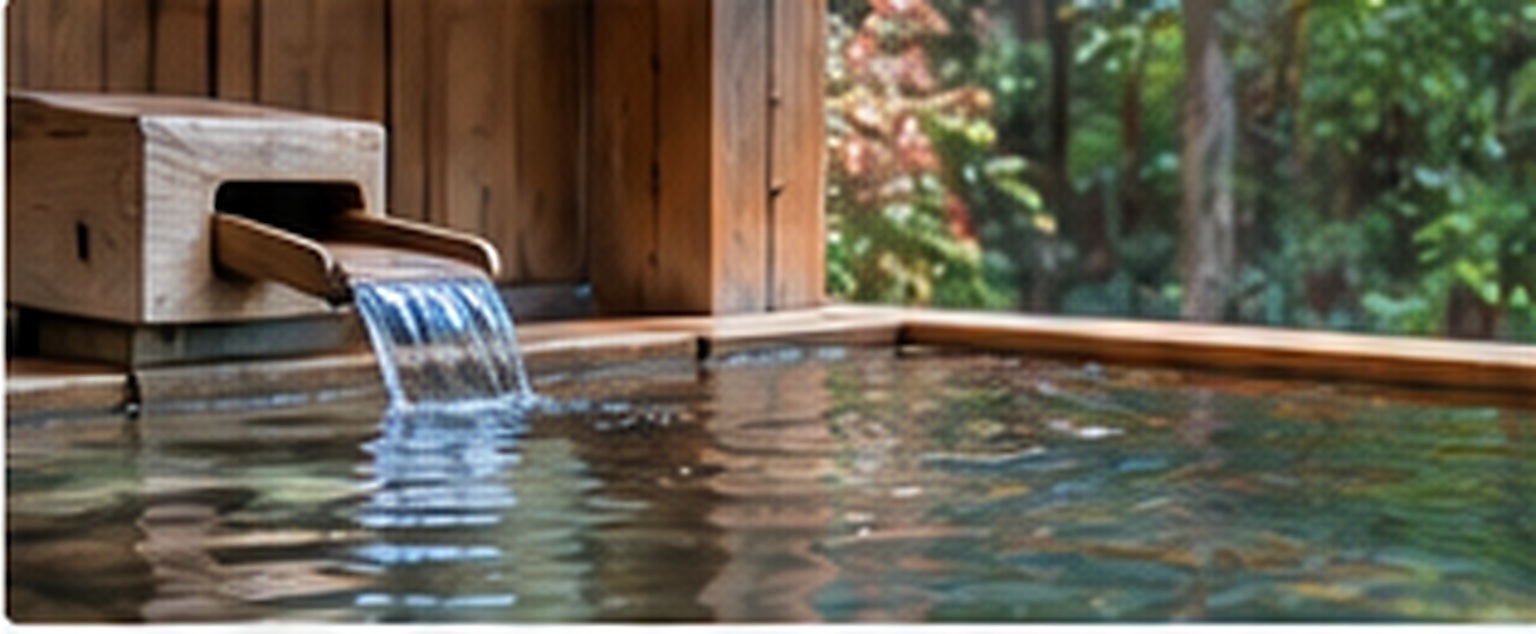
Tattoos generally do not cause problems in everyday travel around Japan, but some onsen, public baths, swimming pools, gyms and similar facilities restrict tattoos or require them to be covered. Policies are set by individual facilities, so check the current rule before visiting. If a shared bath does not accept tattoos, a private bath or clearly tattoo-friendly facility is usually the simplest alternative.
What You’ll Learn
- Where tattoos usually do and do not affect a Japan trip
- How onsen and public-bath tattoo policies work
- When tattoo cover sheets may help and why you must still check first
- How to plan hotels, ryokan, gyms and pools with fewer surprises
What Tattoo Rules Actually Mean in Japan
For most visitors, a tattoo does not change normal sightseeing. Walking through cities, using trains and buses, eating at restaurants, shopping and visiting mainstream attractions are generally routine activities.
The practical issue is not a nationwide ban on tattoos. It is the house policy of particular facilities. Japan National Tourism Organization guidance notes that some hot springs, public baths and pools restrict guests with tattoos, so the safest approach is to check each venue rather than assume one rule applies everywhere.
- Treat tattoo restrictions as facility rules, not a rule for all of Japan.
- Check the current policy directly with the place you plan to use.
- Do not rely only on old reviews because policies can change.
Onsen and Sento: Check Before You Bathe
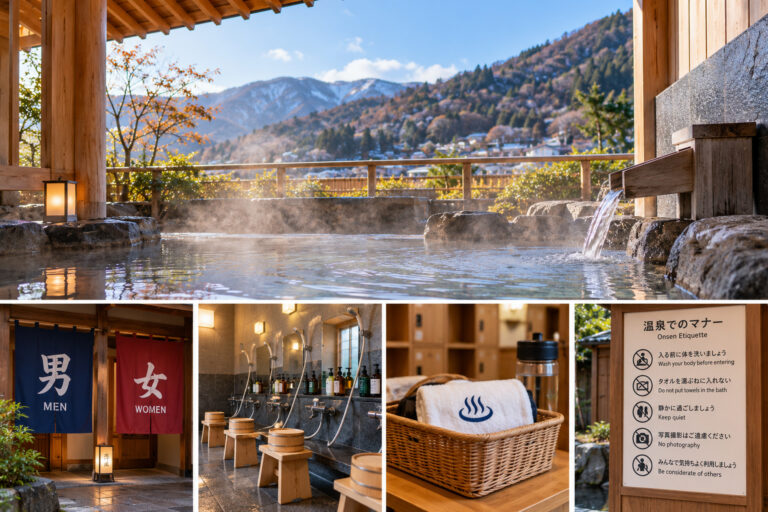
Shared bathing is where tattoo rules matter most. Some onsen still do not admit guests with visible tattoos, while others accept tattoos, allow very small tattoos if covered, or provide cover sheets. JNTO advises checking the onsen's tattoo policy in advance.
Do not assume that a cover sticker automatically makes entry acceptable. The facility decides whether covering is sufficient, and large tattoos may be difficult to conceal. If the rule is unclear, ask before paying or entering the changing area.
- Look for an explicit tattoo policy on the official website.
- Ask whether small tattoos may be covered if the policy is not clear.
- Choose a tattoo-friendly bath if you do not want uncertainty at the entrance.
Tattoo Cover Sheets: Useful, but Not a Universal Pass
Small waterproof cover sheets can be useful at facilities that specifically permit covered tattoos. JNTO notes that some onsen offer or sell sheets for smaller tattoos.
A cover sheet is not a way to override a facility's rule. If a venue says tattoos are not accepted even when covered, follow that policy and use another option.
- Use skin-safe waterproof covers only where the facility accepts them.
- Carry more than one sheet if swimming, bathing or sweating may loosen the adhesive.
- Do not hide a large tattoo and assume staff will consider it acceptable.
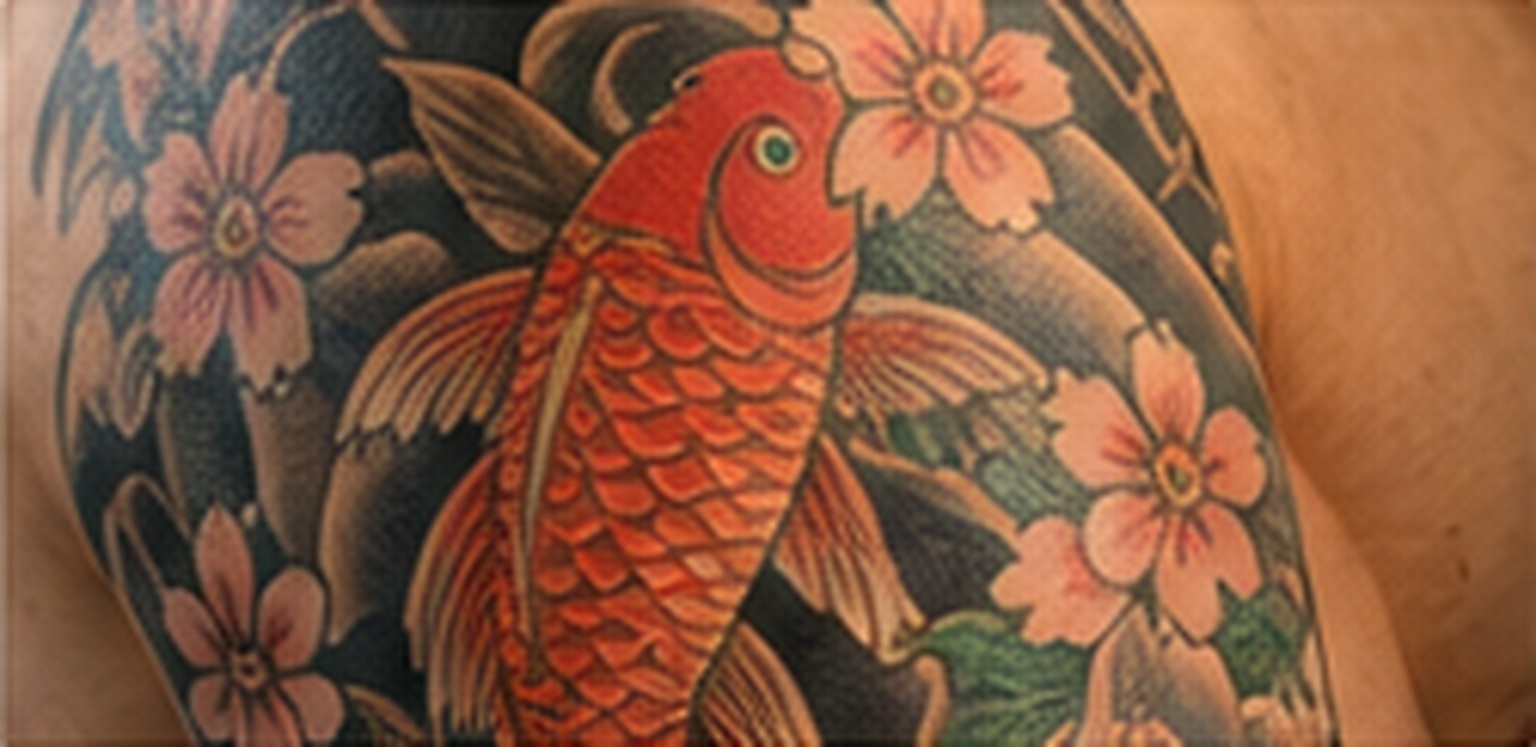
Ryokan and Hotels: Separate the Room from the Shared Bath
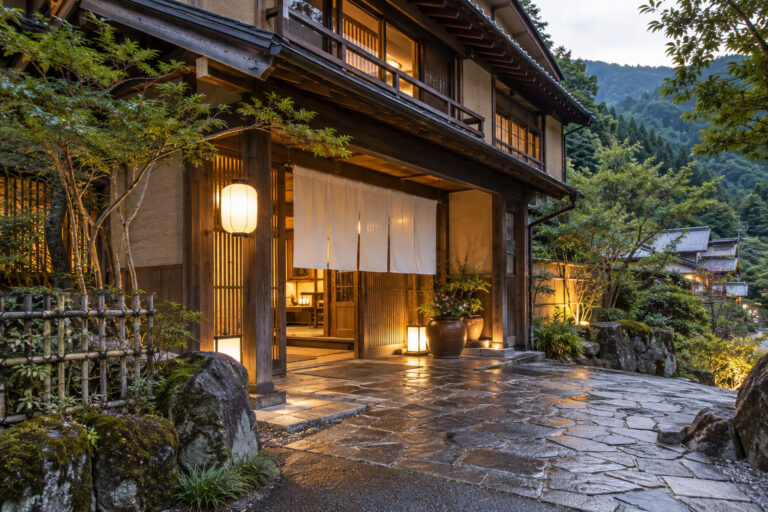
A hotel or ryokan can accept tattooed guests while still having a stricter rule for its public bath. When booking, check the bath policy separately from the accommodation policy.
If the shared bath does not work for you, look for an in-room bath, a reservable private bath, or a nearby tattoo-friendly facility. Private bathing is also useful for travelers who simply prefer more privacy.
- Confirm whether the property has a public bath and whether tattoos are accepted there.
- Check for private-bath or in-room-bath options before you pay.
- Keep a backup bathing option if the policy is uncertain.
Gyms, Pools, Spas and Saunas
Rules outside bathing facilities also vary. JNTO guidance notes that swimming pools and gyms are among the places where tattoos may be restricted. Some facilities accept tattoos when fully covered by clothing or a rash guard; others do not.
If you plan to train, swim or use a spa during your trip, check the visitor policy before buying a day pass. This is especially important when a facility requires specific clothing or does not permit adhesive covers in the water.
- Check tattoo and clothing rules before paying for a day pass.
- Ask whether a rash guard, sleeve or cover sheet is acceptable.
- Have a second gym, pool or activity in mind if the first option is strict.

Beaches and Everyday Public Spaces
Ordinary streets, transport, restaurants, shops and most sightseeing do not require the same planning as shared baths or fitness facilities. JNTO says tattoos generally do not cause problems in everyday life.
At managed beaches, resort pools, events or private venues, local rules can still apply. Follow posted guidance and staff instructions rather than assuming that an outdoor setting has no policy.
- Normal city travel usually requires no special action.
- Managed leisure facilities may have their own rules even when nearby public spaces do not.
- Covering a tattoo is a personal choice in ordinary public settings unless a venue asks you to do so.

How to Ask About a Tattoo Policy
A short, specific question is better than arriving unsure. Ask about the exact facility you want to use and whether the rule changes if the tattoo is fully covered.
If the answer is no, stay polite and switch to a private bath, tattoo-friendly facility or another activity. Staff are applying the venue's policy, and arguing at the entrance rarely improves the situation.
- Are tattoos allowed in the public bath?
- Can I enter if a small tattoo is fully covered?
- Do you have a private bath?
- Are tattoo cover sheets accepted here?
A Low-Stress Strategy for Tattooed Travelers
Enjoy the rest of Japan normally and concentrate your planning on facilities where tattoo rules are more common. The biggest mistake is assuming every onsen, gym or pool follows the same policy.
For shared bathing, the easiest plan is to identify a clearly tattoo-friendly option or a private bath before the day you want to use it. That turns tattoo planning into a small logistics task rather than a major travel problem.
- Check official facility information before arrival.
- Carry a small cover option only if the venue accepts it.
- Use private baths when you want the least uncertainty.
- Keep one backup activity or facility in the same area.
FAQ
Are tattoos illegal in Japan?
No. Having a tattoo does not stop you from visiting Japan or doing normal sightseeing. The restrictions travelers encounter are usually rules set by particular facilities.
Can I use an onsen if I have a tattoo?
Sometimes. Some onsen accept tattoos, some accept small tattoos if covered, and others do not. Check the specific facility before visiting.
Will a tattoo cover sticker always let me enter an onsen?
No. Cover sheets are accepted only at facilities that allow them, and they are usually most practical for small tattoos. Confirm the rule first.
What is the easiest onsen option for a tattooed traveler?
A clearly tattoo-friendly onsen or a private bath is usually the easiest option because it removes uncertainty about a shared-bath tattoo policy.
Can a hotel accept me but restrict tattoos in its public bath?
Yes. Accommodation and public-bath rules can be different, so check the bath policy separately when booking.
Do gyms and swimming pools in Japan allow tattoos?
Policies vary. Some require tattoos to be fully covered, while others are stricter. Check the visitor rules before paying.
Related Japan Travel Guides


Official References
Final Thoughts
Tattoos should not dominate your Japan planning. For everyday travel, they are usually a non-issue. Put your attention on shared baths, gyms, pools and similar facilities, confirm each venue's current policy, and use a private or clearly tattoo-friendly alternative when needed.