
Two Weeks in Japan: Tokyo, Kanazawa, Kyoto and Hiroshima Itinerary
Plan two weeks in Japan through Tokyo, Kanazawa, Kyoto, Nara, Hiroshima, Miyajima and Osaka with realistic bases, rail days and buffers.
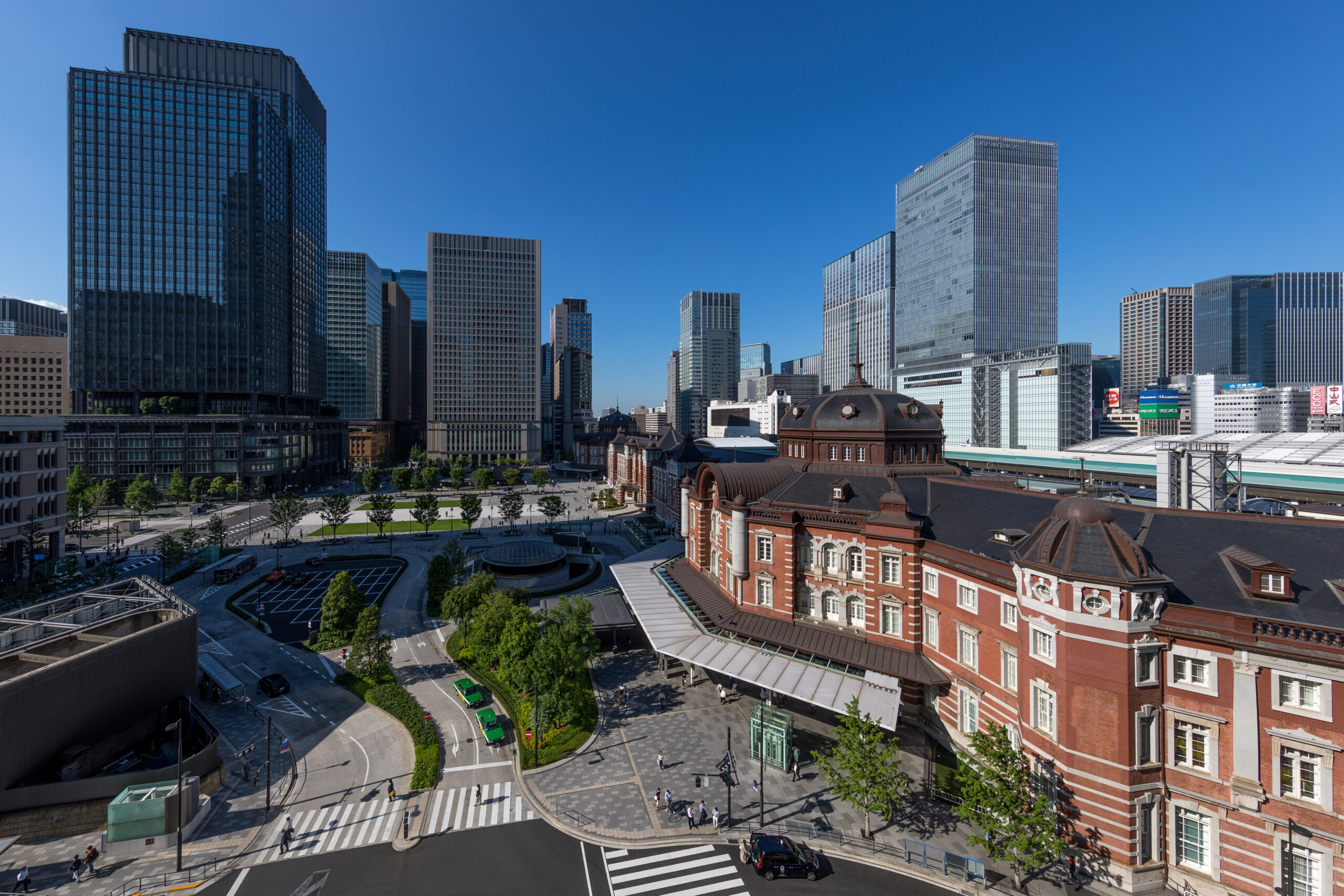
A practical two-week Japan itinerary starts with four days in Tokyo, continues for two days in Kanazawa, uses Kyoto for three days including Nara, then moves to Hiroshima and Miyajima before finishing in Osaka. Keep the route to about five hotel bases, reserve important long-distance trains and scarce rooms, and confirm how every ticket is collected or used. Open-jaw flights can avoid returning across the country. If departure is from Tokyo, travel back before the flight day rather than relying on a tight same-day rail connection.
What You’ll Learn
- Build a varied route with limited hotel changes.
- Use Tokyo, Kanazawa and Kyoto as distinct bases.
- Plan Hiroshima and Miyajima with enough time.
- Compare rail tickets, passes and luggage choices.
- Protect the final airport connection.
Choose a route with regional contrast
Two weeks can cover Tokyo, Kanazawa, Kyoto, Hiroshima, Miyajima and Osaka without making every day a transfer. Use a small number of hotel bases and let each region contribute something different.
An open-jaw flight into Tokyo and out of Kansai reduces backtracking. If the return flight leaves Tokyo, move back before departure day and protect the international connection.
- Use five main bases at most.
- Give each region a different purpose.
- Plan the final airport before adding side trips.
Days 1–2: Arrive and explore eastern Tokyo
Use the arrival day for the airport transfer, hotel and a nearby meal. On the first full day, group Asakusa with Ueno, Yanaka or the Sumida area rather than crossing the city repeatedly.
Test mobile data, transit payment and navigation before a complex day. At temples and shrines, follow posted rules and avoid blocking entrances or ceremonies.
- Keep arrival evening flexible.
- Group eastern districts.
- Save the hotel route offline.
Day 3: Explore western Tokyo
Build a connected route around Meiji Jingu, Harajuku, Shibuya and Shinjuku, selecting only the neighborhoods that fit your interests. Reserve one high-priority timed attraction when necessary.
Large stations add walking and wrong-exit risk. Save the exact exit and finish near the evening destination instead of crossing Tokyo again.
- Choose one anchor attraction.
- Save station exits.
- End in one evening district.
Day 4: Use a flexible Tokyo day
Use this day for gardens, museums, shopping, food neighborhoods or a focused day trip. Check closure days and reservation requirements through official sources.
Keep the day movable so weather or fatigue can change the order. A flexible block is more valuable than a long list of distant attractions.
- Match the day to a real interest.
- Check opening information.
- Keep it as a schedule buffer.
Day 5: Travel from Tokyo to Kanazawa
Take the long-distance train to Kanazawa and store luggage or check in before sightseeing. Confirm the train, seat, ticket-use method and any large-luggage conditions before departure.
Use the afternoon for one compact area such as Omicho Market, Kanazawa Castle Park or a nearby historic district. Avoid trying to complete the entire city after a morning transfer.
- Reserve the important train if needed.
- Stay near a useful local route.
- Keep the first afternoon compact.
Day 6: Explore Kanazawa
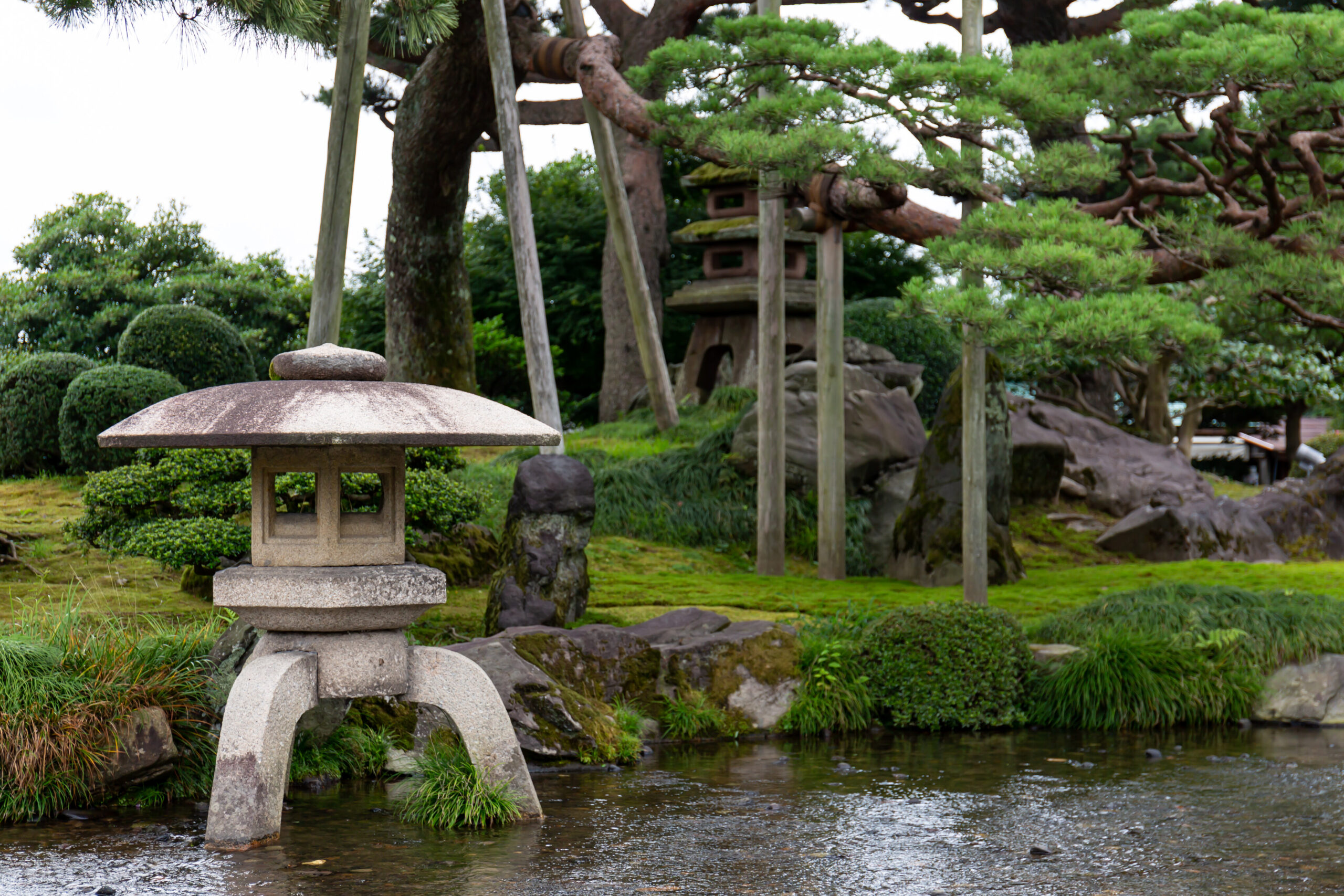
Start with Kenrokuen and Kanazawa Castle Park, then choose one district or museum for the afternoon. Many central attractions sit within a manageable area, but bus crowding and weather still affect timing.
Check current entry information and seasonal conditions. Walk where practical and use local transport only when it materially shortens the route.
- Begin at Kenrokuen.
- Choose one afternoon theme.
- Avoid repeated cross-city rides.
Day 7: Continue to Kyoto
Confirm the rail route from Kanazawa to Kyoto because required transfers and service patterns can change. Leave enough time to find the correct platform with luggage.
After arrival, use a light route near the hotel or Kyoto Station. Save the major temple districts for a full morning rather than squeezing them after travel.
- Check the current through route and transfers.
- Keep luggage manageable.
- Use a low-pressure Kyoto afternoon.
Day 8: Walk eastern Kyoto
Start early around Kiyomizu-dera, Higashiyama and Gion, choosing a few connected places. Narrow streets and famous viewpoints become crowded quickly.
Use trains and subway lines where practical and check Kyoto’s official congestion information. Do not return to Kyoto Station for every transfer.
- Start before peak crowds.
- Walk a connected district.
- Use rail alternatives to crowded buses.
Day 9: Visit northern or western Kyoto
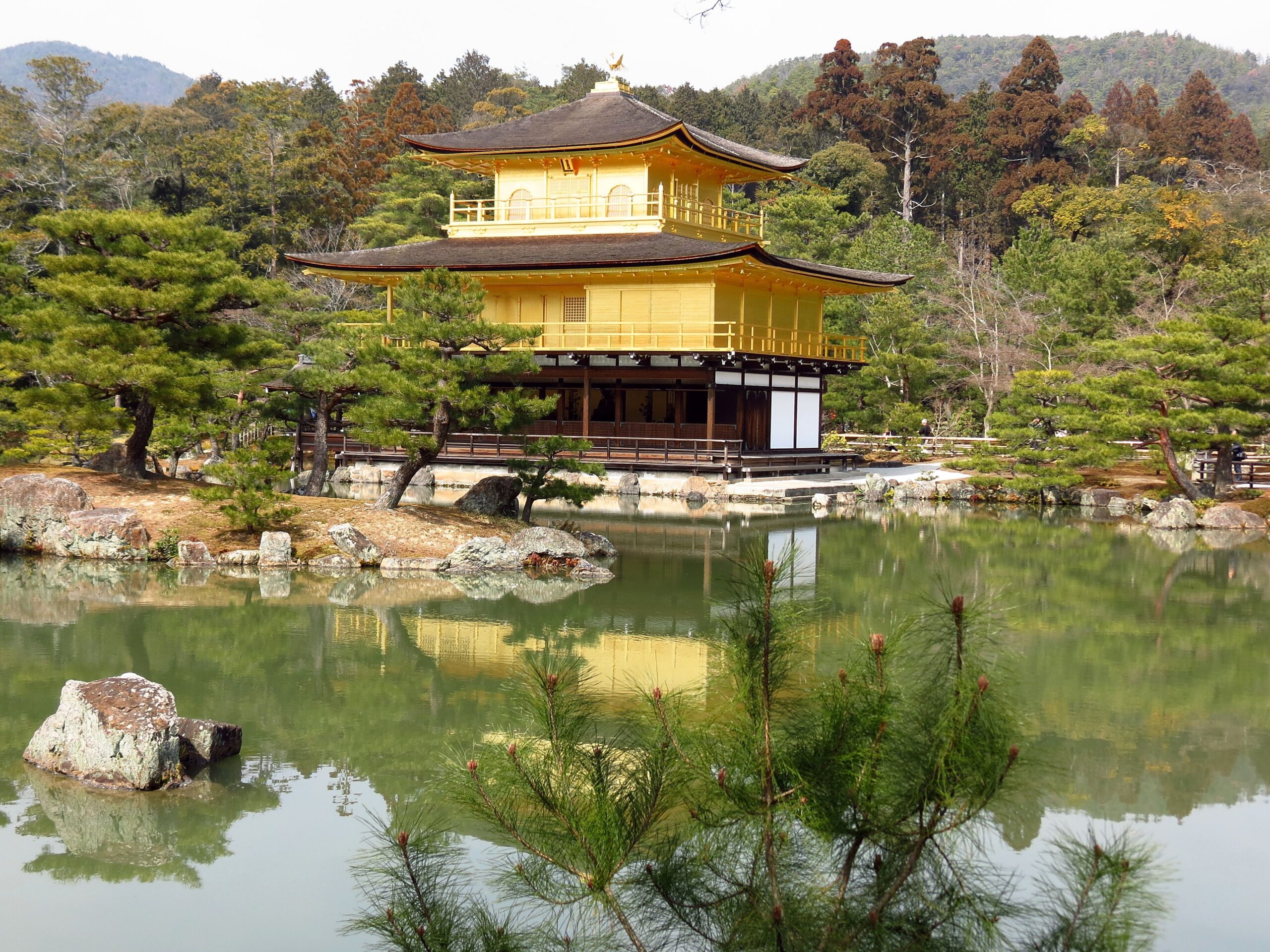
Choose Kinkaku-ji and a northern route, or focus on Arashiyama and its surrounding temples and river area. Trying to combine both sides of the city can create more transit than sightseeing.
Arrive early at the anchor attraction and check closing times for the final stop. Keep one unscheduled meal or rest period.
- Choose one side of Kyoto.
- Start with the busiest place.
- Protect time for meals and walking.
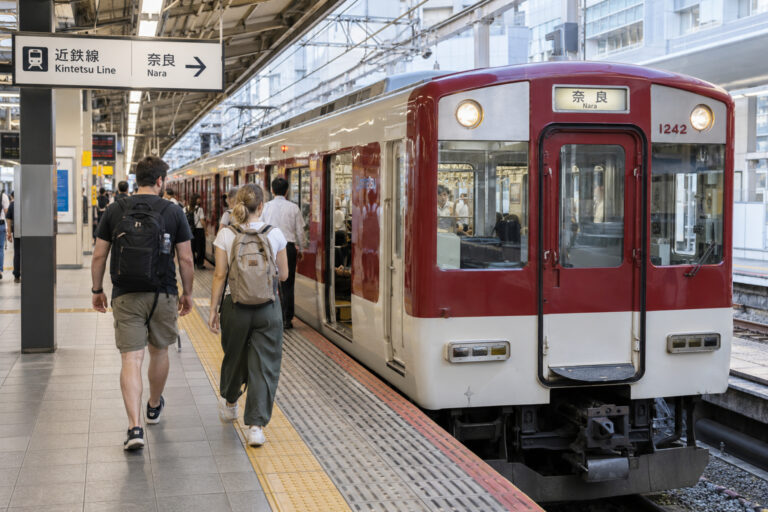
Day 10: Take a Nara day trip
Travel from Kyoto or Osaka to Nara and group Nara Park, Todai-ji and nearby historic streets. Check which station best fits the walking route.
The deer are wild animals. Use approved food, keep maps and bags secure, and follow local guidance rather than crowding or teasing them.
- Start early.
- Use one station-to-park route.
- Treat deer carefully.
Day 11: Travel to Hiroshima
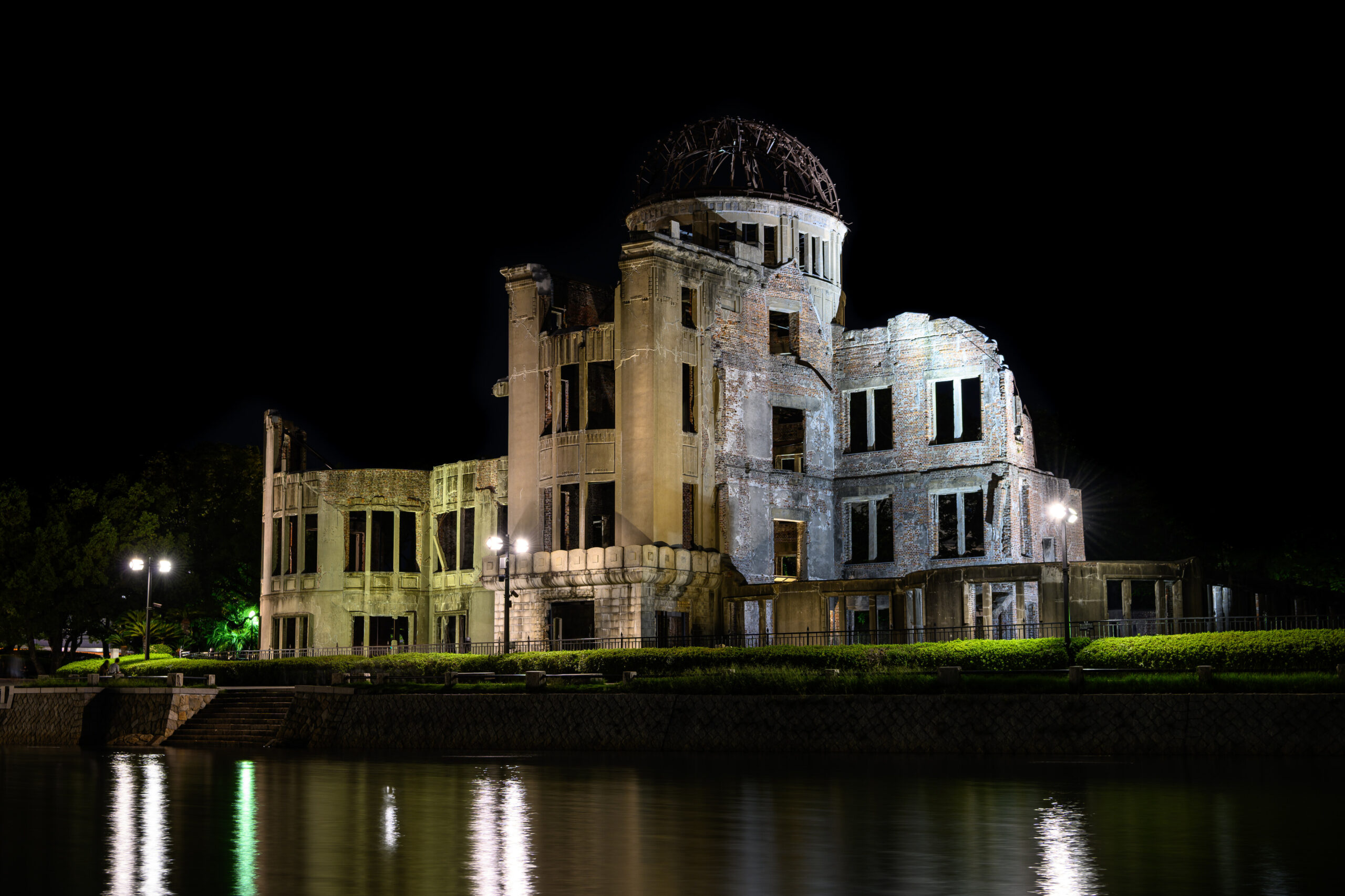
Take the Shinkansen to Hiroshima, store luggage and spend the afternoon around Peace Memorial Park and the museum area. Approach the site with time and respect rather than treating it as a quick photo stop.
Check museum entry and current access information before arrival. Leave space afterward instead of immediately stacking another intense attraction.
- Confirm the Shinkansen ticket.
- Allow meaningful time at the memorial area.
- Keep the evening light.
Day 12: Visit Miyajima
Travel to Miyajima by the current rail and ferry route and check tide information if views around Itsukushima Shrine and the great torii matter to you. Low and high tide create different experiences.
Choose between the shrine area, town, walking trails and Mount Misen based on weather and energy. Return times and ropeway operations should be checked on the day.
- Check ferry and tide information.
- Select a realistic island route.
- Monitor weather and return transport.
Day 13: Finish in Osaka
Move to Osaka and choose one compact area such as Osaka Castle, Umeda, or Namba and the southern food districts. Store luggage on the route to the hotel or airport.
Use the evening for food and city atmosphere rather than another long excursion. Confirm the final airport route before going to bed.
- Choose one Osaka district.
- Place luggage on the travel path.
- Confirm airport transport.
Day 14: Depart with a protected buffer
Calculate airport travel backward from the airline’s check-in deadline, including station walking, platform finding and possible delays. Remove sightseeing first if the margin becomes small.
Keep passports, payment methods and reservation details separate from checked luggage. Reconfirm the terminal and flight status before leaving the hotel.
- Work backward from check-in time.
- Reconfirm flight and terminal.
- Protect documents and a transport backup.
FAQ
Is two weeks enough for this Japan route?
Yes. Tokyo, Kanazawa, Kyoto, Hiroshima, Miyajima and Osaka fit when the route uses a few bases and avoids too many extra day trips.
Should I include Kanazawa?
Kanazawa adds gardens, historic districts and regional contrast. Skip it if minimizing hotel changes matters more than adding another region.
Do I need a Japan Rail Pass?
Not automatically. Compare the current cost and eligibility of the actual long-distance journeys with the pass price and conditions.
Can Hiroshima and Miyajima be visited in one day?
It is possible but compressed. Separate days allow more respectful time in Hiroshima and a tide-aware visit to Miyajima.
Should I stay in Kyoto or Osaka?
Kyoto suits early temple visits, while Osaka suits nightlife and some airport routes. This route uses Kyoto first and Osaka at the end.
How much luggage should I take?
Use luggage that can move through stations and hotel changes easily. Delivery can help on selected legs, but keep essentials and valuables with you.
Which airport direction is best?
Arriving in Tokyo and departing from Kansai often reduces backtracking. When a Tokyo return flight is required, move back before departure day.
Need mobile data in Japan?
Compare current eSIM data allowances, validity, device compatibility and setup requirements before choosing.
Check Saily eSIM plansRelated Japan Travel Guides
Official References
Final Thoughts
Two weeks let Japan feel like more than a race between famous landmarks. Tokyo, Kanazawa, Kyoto, Hiroshima, Miyajima and Osaka each add a different pace and purpose. Fix the flight direction, hotel bases and long-distance journeys first, then keep local days flexible for weather, crowds and energy.