
Japan Travel FAQ: Entry, Money, Transport, Wi-Fi and Safety
Practical answers to common Japan travel questions about entry, money, trains, IC cards, internet, luggage, medicine, emergencies, food and everyday etiquette.
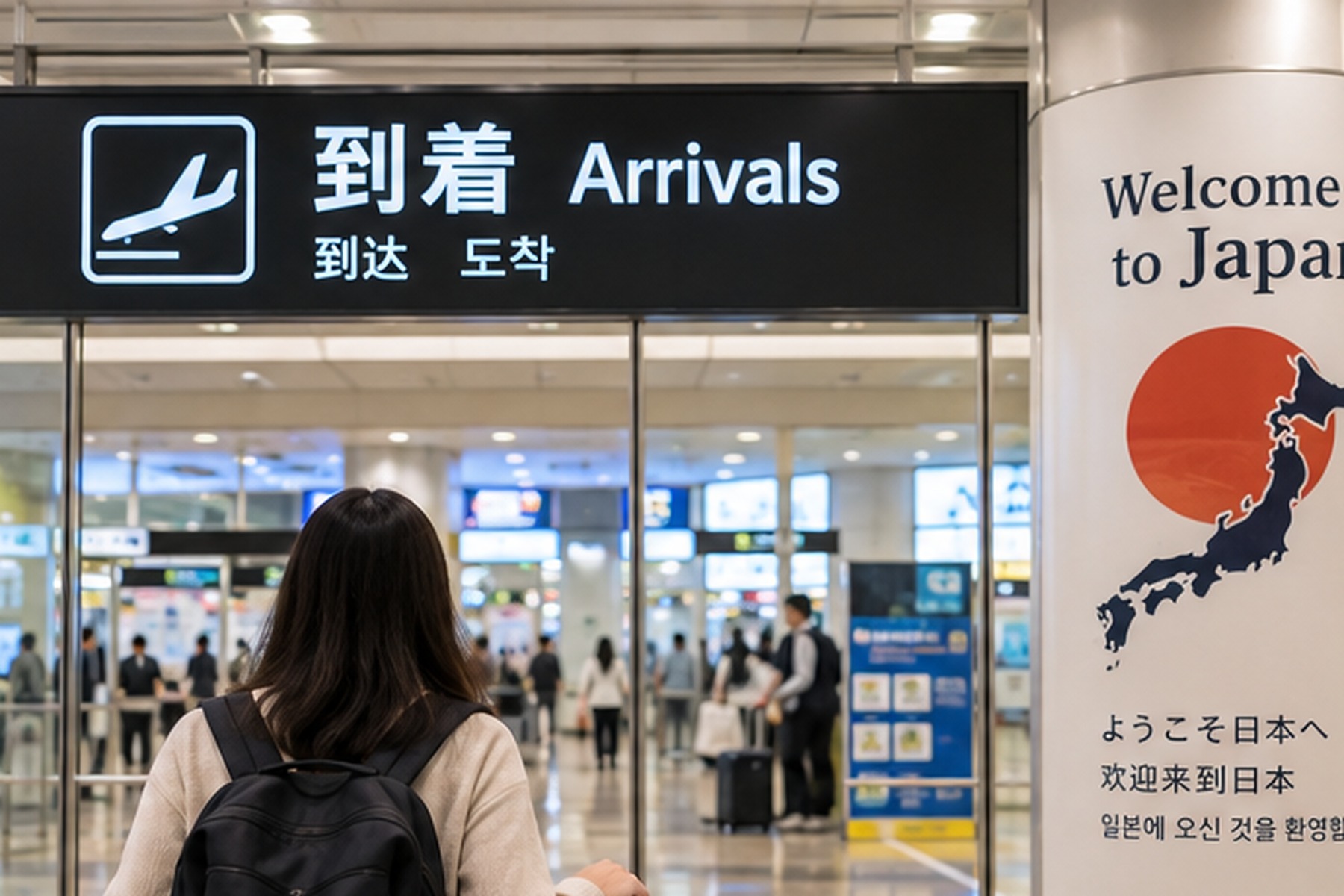
Before traveling to Japan, confirm your passport and visa requirements with Japan’s Ministry of Foreign Affairs, complete any useful arrival information through the official Visit Japan Web service, arrange mobile data, and keep at least one backup payment method. In Japan, an IC card can simplify local transport and small purchases, while cash is still useful. Keep emergency numbers 110 for police and 119 for fire or ambulance, and check medication rules before flying if you carry prescription or controlled drugs.
What You’ll Learn
- What to check before entering Japan
- How to handle money, IC cards, trains and mobile data
- What to do with luggage, medication and common travel problems
- Which official sources to use when rules or conditions can change
Before You Fly: Passport, Visa and Entry Preparation
Japan’s visa requirements depend on nationality, passport type, purpose of travel and length of stay. Do not rely on a generic travel blog or an old visa list: check the Ministry of Foreign Affairs website or the Japanese embassy or consulate responsible for your place of residence before departure.
Visit Japan Web is the Japanese government’s online service for arrival procedures including immigration and customs information. It can make arrival smoother, but it does not replace a visa when one is required. Use only the official government service because fake sites that imitate customs or Visit Japan Web have been reported.
- Check passport validity and visa requirements with the Ministry of Foreign Affairs.
- Use the official Visit Japan Web service for supported arrival procedures.
- Keep your accommodation details and onward travel information accessible.
- Do not pay a third-party site simply to create a customs declaration QR code.
Money: Should You Bring Cash or Use Cards?
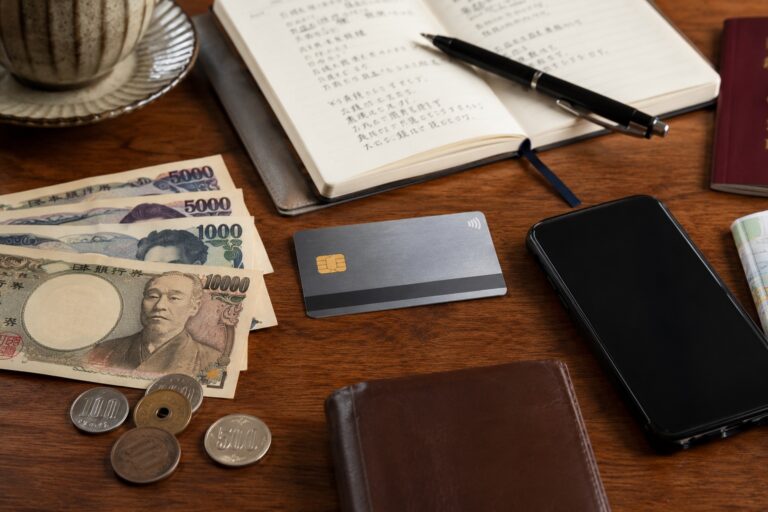
International credit and debit cards are widely accepted in cities, major hotels, department stores and many restaurants, but cash is still useful for small businesses, rural areas, some ticket machines and situations where a foreign card does not work.
JNTO notes that overseas cards can be used to withdraw cash at Japan Post Bank and Seven Bank ATMs. A practical setup is one main card, one backup card stored separately, and enough yen to cover a day of transport, food and small purchases if cashless payment fails.
- Carry some yen even if you plan to pay mostly by card.
- Tell your card issuer about overseas use if your bank requires it.
- Use reputable bank or convenience-store ATMs.
- Keep a second payment method separate from your wallet.
IC Cards: Do You Need Suica or Another Transit Card?
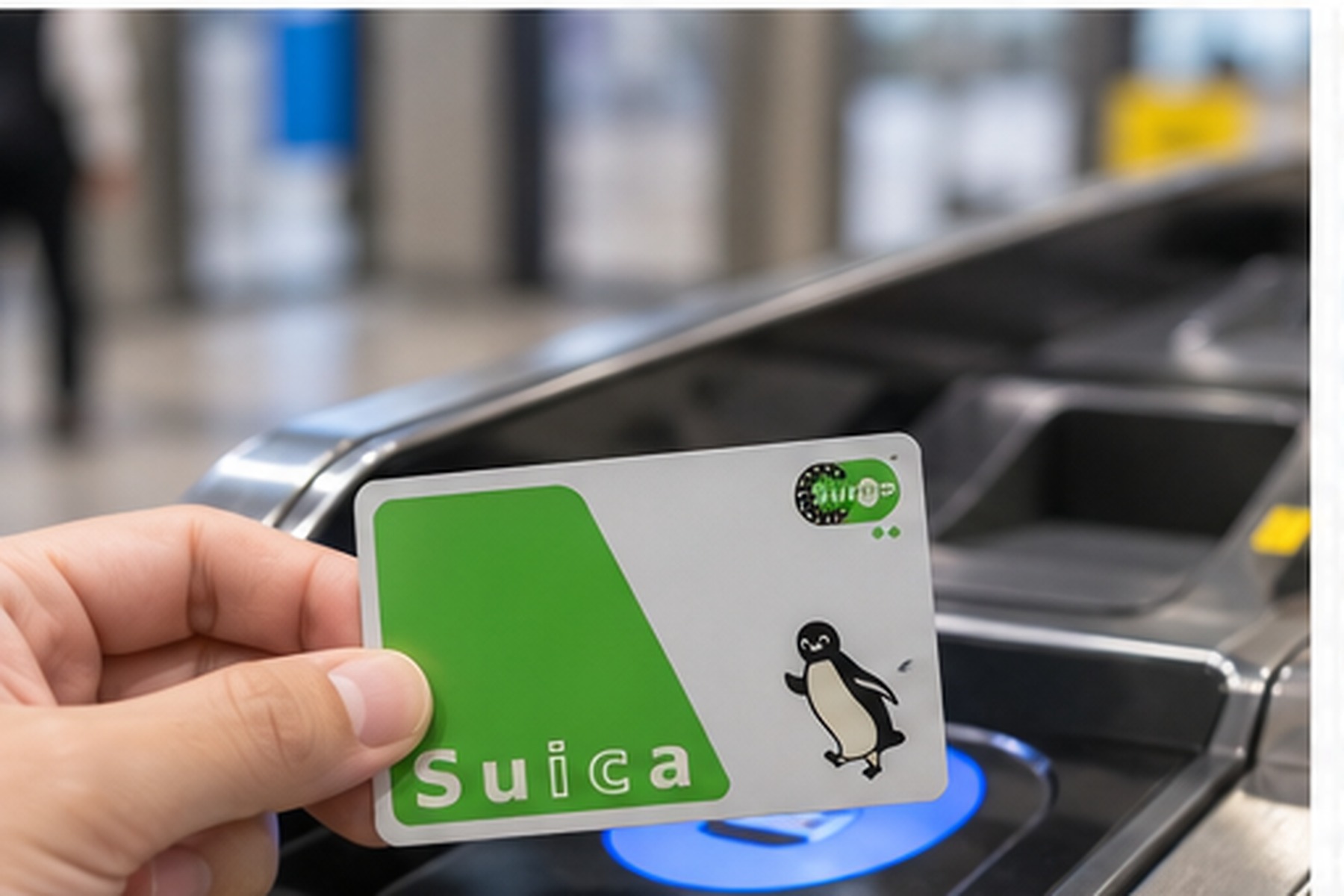
An IC card is one of the easiest ways to pay for many local trains, subways and buses, and it can also be used at many convenience stores, vending machines and other businesses displaying the IC logo.
For visitors in the JR East area, Welcome Suica is a tourist-oriented option with a limited validity period and no deposit. JR East also offers Welcome Suica Mobile for supported iPhones. Availability, purchase locations and mobile compatibility can change, so check the official JR East page before your trip.
- IC cards reduce the need to buy a separate local ticket for every ride.
- They do not automatically cover every long-distance or reserved train.
- Keep enough balance for the next ride and top up before a busy travel day.
- Check the official issuer information for current sales and mobile options.
Trains and Shinkansen: What Confuses First-Time Visitors?
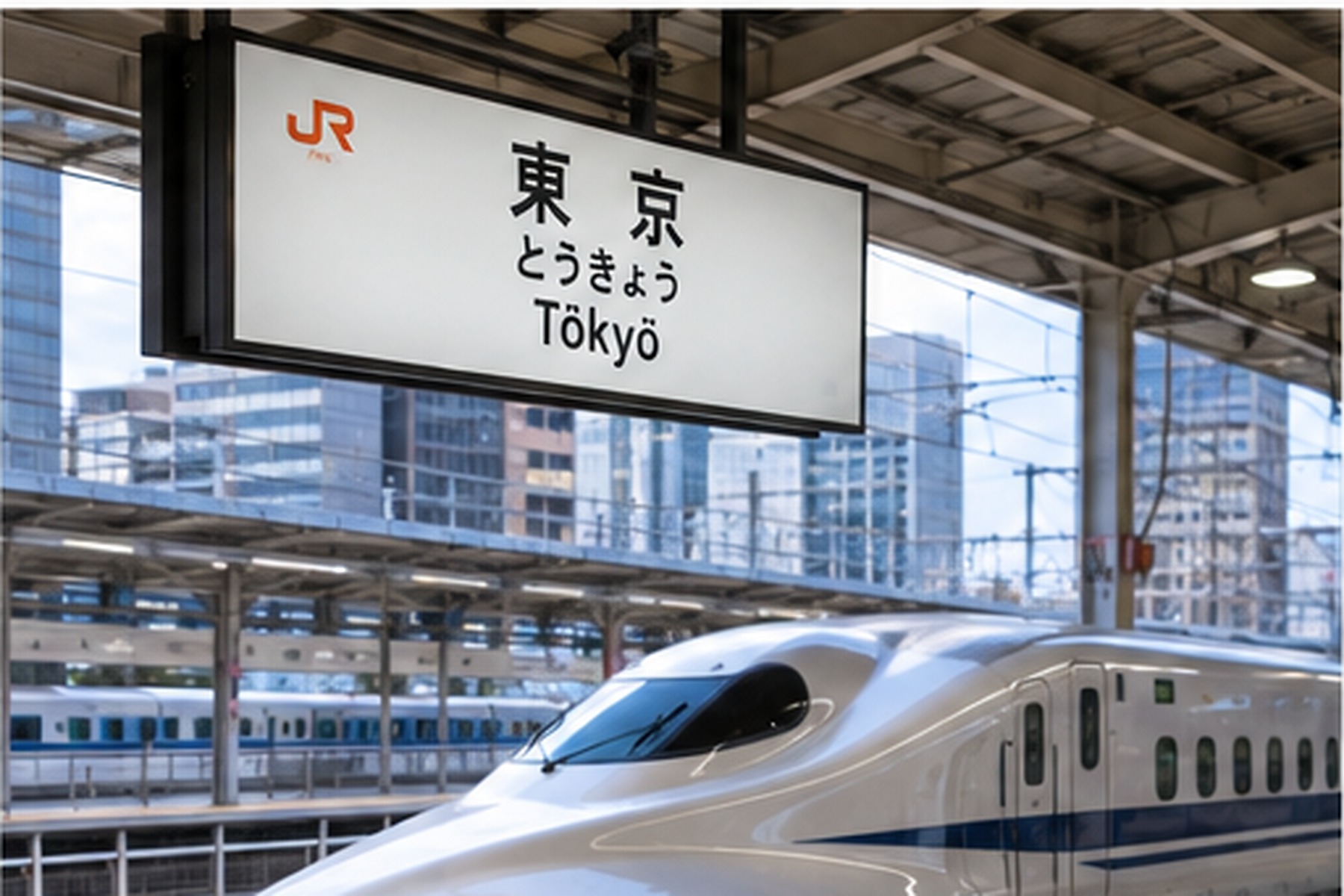
Local trains and subways are easiest when you separate three questions: which line you need, which platform serves that direction, and whether your fare or ticket covers the full trip. Station names, line colors and platform numbers are more reliable than trying to memorize the whole network.
For shinkansen travel, reserved and non-reserved seating, train type and ticket rules matter. An IC card by itself does not mean every shinkansen journey is already paid for. Use the railway operator’s official booking information or a dedicated guide before a long-distance trip.
- Check the destination and platform before boarding.
- Allow extra time at large stations such as Tokyo, Shinjuku, Osaka and Kyoto.
- Confirm whether your shinkansen ticket includes the seat and the full journey.
- Avoid blocking doors or stopping at the top of escalators while checking directions.
Wi-Fi, eSIM or Pocket WiFi: Which Is Better?
For most solo travelers with an unlocked compatible phone, an eSIM is the simplest option because there is no device to collect, charge or return. A physical SIM can work well if your phone supports it, while pocket WiFi is useful for groups or travelers who need to connect several devices.
JNTO notes that airports provide Wi-Fi and that SIM, eSIM and pocket WiFi are common visitor options. Free public Wi-Fi is useful as a backup, but it should not be your only connectivity plan if you depend on maps, translation, tickets or messaging throughout the day.
- Choose eSIM for simplicity when your phone is compatible and unlocked.
- Choose pocket WiFi when several people or devices need one connection.
- Save important booking details and hotel addresses offline.
- Do not assume public Wi-Fi will be fast or available everywhere.
Luggage: Lockers, Delivery and Hands-Free Travel
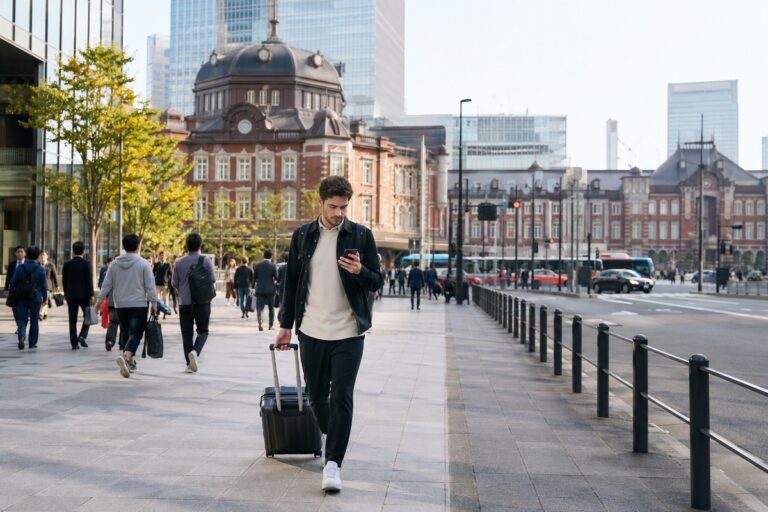
Large suitcases can be difficult on crowded trains and in stations with long transfers. Coin lockers are common at many stations and tourist facilities, while luggage-delivery services can send bags between airports, hotels and other supported locations.
JNTO recommends hands-free travel for travelers carrying larger luggage. Lockers can fill up in busy areas, and delivery services have size, weight, item and timing restrictions, so check the service before relying on it for an important transfer.
- Use coin lockers for short sightseeing stops.
- Consider luggage forwarding between hotels on multi-city trips.
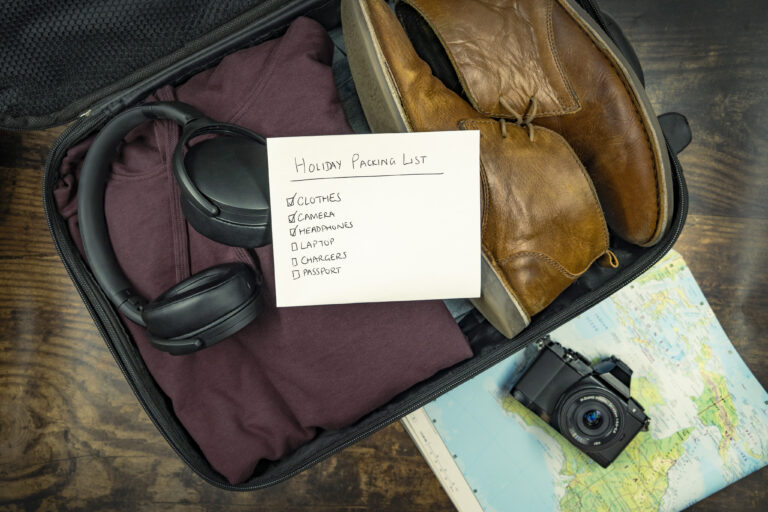
- Keep medicines, passports, valuables and one change of clothes with you.
- Do not send a suitcase on the same day you absolutely need its contents unless the service explicitly supports that timing.
Medication: Check Before You Pack
Japan controls the import of medicines even when they are for personal use. The Ministry of Health, Labour and Welfare explains that some quantities can be brought without an Import Confirmation, while larger amounts and certain controlled substances require additional procedures or may be prohibited.
Prescription drugs, injectable medicines, narcotics, stimulants and products containing controlled ingredients need particular care. Check the official medication guidance before departure, keep medicines in clearly identified packaging, and carry supporting medical documentation when appropriate.
- Check the exact active ingredient, not only the brand name.
- Confirm whether your quantity requires an Import Confirmation.
- Do not assume a medicine legal in your home country is automatically permitted in Japan.
- Keep essential medication in your carry-on within airline security rules.
Emergencies, Illness and Natural Disasters
For urgent police assistance in Japan, call 110. For fire or ambulance, call 119. JNTO also operates the Japan Visitor Hotline for tourist information and assistance during accidents, illness and natural disasters, with multilingual support.
Save your travel insurance details, passport information, accommodation address and emergency contacts somewhere that remains accessible if your phone battery dies or the phone is lost.
- Police emergency: 110.
- Fire or ambulance: 119.
- Use the JNTO Japan Visitor Hotline for visitor assistance and travel-related emergencies.
- Follow official railway, local government and weather alerts during earthquakes, typhoons or major disruptions.
Food, Water and Everyday Convenience
Japan is easy to navigate without planning every meal. Convenience stores, supermarkets, department-store food halls, casual restaurants and vending machines make it simple to find food and drinks throughout the day.
Tap water is generally safe to drink, and bottled water is widely available. Travelers with allergies, vegetarian requirements, halal needs or other strict dietary restrictions should check ingredients carefully because sauces, stock and processed foods can contain ingredients that are not obvious from appearance.
- Carry water during long walking days and hot weather.
- Use convenience stores for breakfast, snacks and simple late meals.
- Check allergen and ingredient information rather than relying on appearance.
- Save a few suitable food options near your hotel before arrival if your diet is restrictive.
Etiquette: The Small Rules That Matter Most
Visitors do not need to memorize a long list of social rules. The biggest gains come from a few habits: queue properly, keep voices down on public transport, do not block narrow spaces, follow signs, and respect private property.
Eating while walking is not universally forbidden, but some markets, temple approaches and crowded streets ask visitors to eat near the shop or in a designated area. When unsure, watch local practice and follow posted instructions.
- Queue in the marked position at stations and shops.
- Keep luggage out of aisles and doorways.
- Ask before photographing people at close range.
- Carry your trash until you find an appropriate bin.
A Simple First-Time Japan Travel Setup
A reliable first-time setup is deliberately simple: confirm entry rules, arrange mobile data, keep one IC card or transit plan, carry both a card and cash, and save your hotel and emergency details offline. That covers most day-to-day problems without overplanning.
After arrival, solve travel decisions one day at a time. Check the next route, weather, opening hours and ticket requirements the night before, rather than trying to lock every hour of the trip into a fixed schedule.
- Before departure: passport, visa check, Visit Japan Web, medication check and mobile data.
- Arrival day: cash backup, IC card or local transport setup, hotel route and luggage plan.
- Each evening: check the next day’s transport, weather and reservations.
- Emergency backup: offline addresses, insurance details, 110 and 119.
FAQ
Do I need a visa to visit Japan?
It depends on your nationality, passport, purpose of travel and length of stay. Check Japan’s Ministry of Foreign Affairs or the Japanese embassy or consulate responsible for your place of residence before departure.
Do I have to use Visit Japan Web?
Visit Japan Web is the official government service for supported arrival procedures such as immigration and customs information. It can make arrival smoother, but it is not a substitute for a required visa and travelers should use only the official service.
Is Japan cashless or should I carry yen?
Cards and cashless payments are common, especially in cities, but cash is still useful. Carry some yen plus at least one card, and ideally keep a backup payment method separately.
Do I need a Suica or other IC card?
You do not strictly need one, but an IC card is very convenient for many local trains, subways, buses and small purchases. Check the official issuer information for current visitor-card availability and mobile options.
Is eSIM or pocket WiFi better for Japan?
An eSIM is usually easiest for one traveler with a compatible unlocked phone. Pocket WiFi is useful for groups or multiple devices. Either is more reliable than depending only on free public Wi-Fi.
What emergency numbers should I know in Japan?
Call 110 for urgent police assistance and 119 for fire or ambulance. JNTO’s Japan Visitor Hotline can also help international visitors with travel information and assistance during accidents, illness or natural disasters.
Can I bring my prescription medicine to Japan?
Many personal medicines can be brought within specified limits, but some drugs require an Import Confirmation or other permission and some controlled substances are prohibited. Check the Ministry of Health, Labour and Welfare guidance for the exact ingredient and quantity before traveling.
Related Japan Travel Guides
Official References
Final Thoughts
Japan is easier to travel when you prepare the few systems that affect every day: entry documents, connectivity, payment, local transport and emergency information. Use official sources for rules that can change, keep simple backups for money and mobile access, and avoid overplanning the rest. Once those basics are in place, most travel decisions can be handled as they come.