
Japan Travel Mistakes to Avoid: 14 Problems and Better Choices
Avoid the Japan travel mistakes that cost time, money and energy, from overpacked itineraries and poor hotel locations to rail-pass assumptions, luggage, cash, Wi-Fi, weather and etiquette.
The biggest Japan travel mistakes are trying to visit too many places, changing hotels too often, choosing accommodation without checking the station, relying on free Wi-Fi or one payment method, buying a rail pass before comparing the actual route, carrying oversized luggage, and planning arrival day too tightly. Keep the route simple, arrange mobile data, carry both cash and a card, compare rail options only after the itinerary is fixed, and leave room for weather, crowds and fatigue.
What You’ll Learn
- Which planning mistakes waste the most time on a Japan trip
- How to avoid common money, transport and connectivity problems
- When luggage, crowds and weather can disrupt an otherwise good itinerary
- Which etiquette, medicine and emergency details deserve preparation before departure
Mistake 1: Planning Every Day Too Tightly
A schedule that looks efficient on a map can become exhausting once station walking, transfers, queues, meals and weather are included. Japan rewards focused days more than a checklist that sends you across a city repeatedly.
Group nearby places together and leave some unscheduled time. If one attraction takes longer than expected, the rest of the day should still work without turning into a race.
- Plan by neighborhood or transport corridor.
- Limit fixed-time reservations on the same day.
- Leave a buffer for station navigation, queues and rest.
- Drop a low-priority stop instead of rushing the entire day.
Mistake 2: Changing Hotels Too Often
Every hotel change creates checkout, luggage handling, transport and check-in work. Moving every night or two can make a trip feel like a sequence of transfers instead of a holiday.
Use fewer bases and take day trips when the transport makes sense. The time saved often matters more than being physically closer to every attraction.
- Avoid one-night stays unless the location genuinely requires them.
- Count door-to-door transfer time, not only train time.
- Use luggage forwarding when a hotel change is necessary.
- Keep one flexible base for the busiest part of the trip.
Mistake 3: Choosing a Hotel Only by Price
A cheaper room can cost you more in time if it is far from the station or on the wrong side of a large transport hub. For first-time visitors, station access can affect every morning and every evening.
Check the nearest station, useful rail or subway lines, the actual walking route, room size, luggage storage and late check-in rules before booking.
- Measure walking time from the correct station exit.
- Check whether the route requires repeated transfers.
- Read room-size and bed-size details carefully.
- Prioritize convenience when the price difference is modest.
Mistake 4: Relying on Free Wi-Fi
Maps, train changes, translation, ticket confirmations and hotel directions all become harder when you depend on public Wi-Fi. Free networks can be useful, but coverage and login conditions are inconsistent.
Arrange an eSIM, SIM or pocket WiFi before you need it. Save the first hotel address, airport transfer and critical bookings offline as a backup.
- Confirm that your phone is unlocked and compatible with your chosen data option.
- Set up connectivity before the first complicated transfer.
- Carry a power bank if your phone handles maps and tickets.
- Keep offline copies of essential addresses and confirmations.
Mistake 5: Assuming Cards Work Everywhere
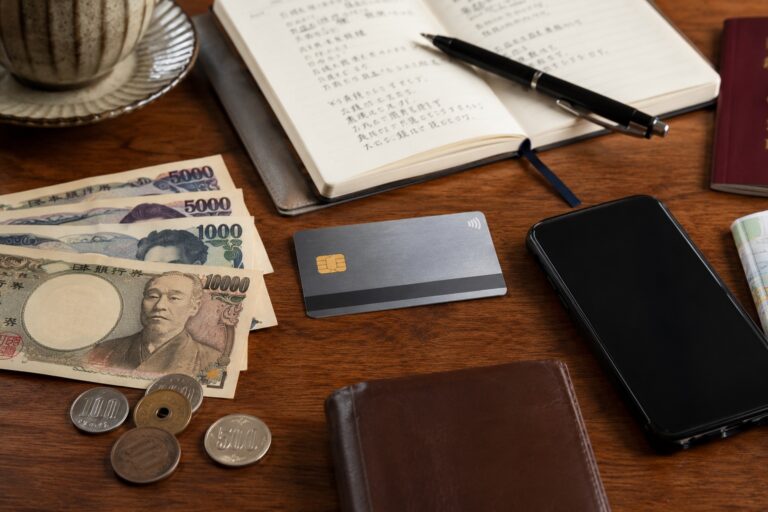
Cashless payments are common across Japan, but cash is still needed in some smaller shops, rural areas, older machines and other situations. JNTO recommends keeping cash available as a backup even when you mainly use cards.
Carry at least one card plus some yen, and store a second payment method separately. Overseas cards can also be used at major ATM networks such as Seven Bank and Japan Post Bank.
- Do not keep every card and all cash in one wallet.
- Check overseas-use settings with your bank.
- Keep enough cash for transport, food and a small emergency.
- Use established bank or convenience-store ATMs.
Mistake 6: Treating Every Train Trip the Same
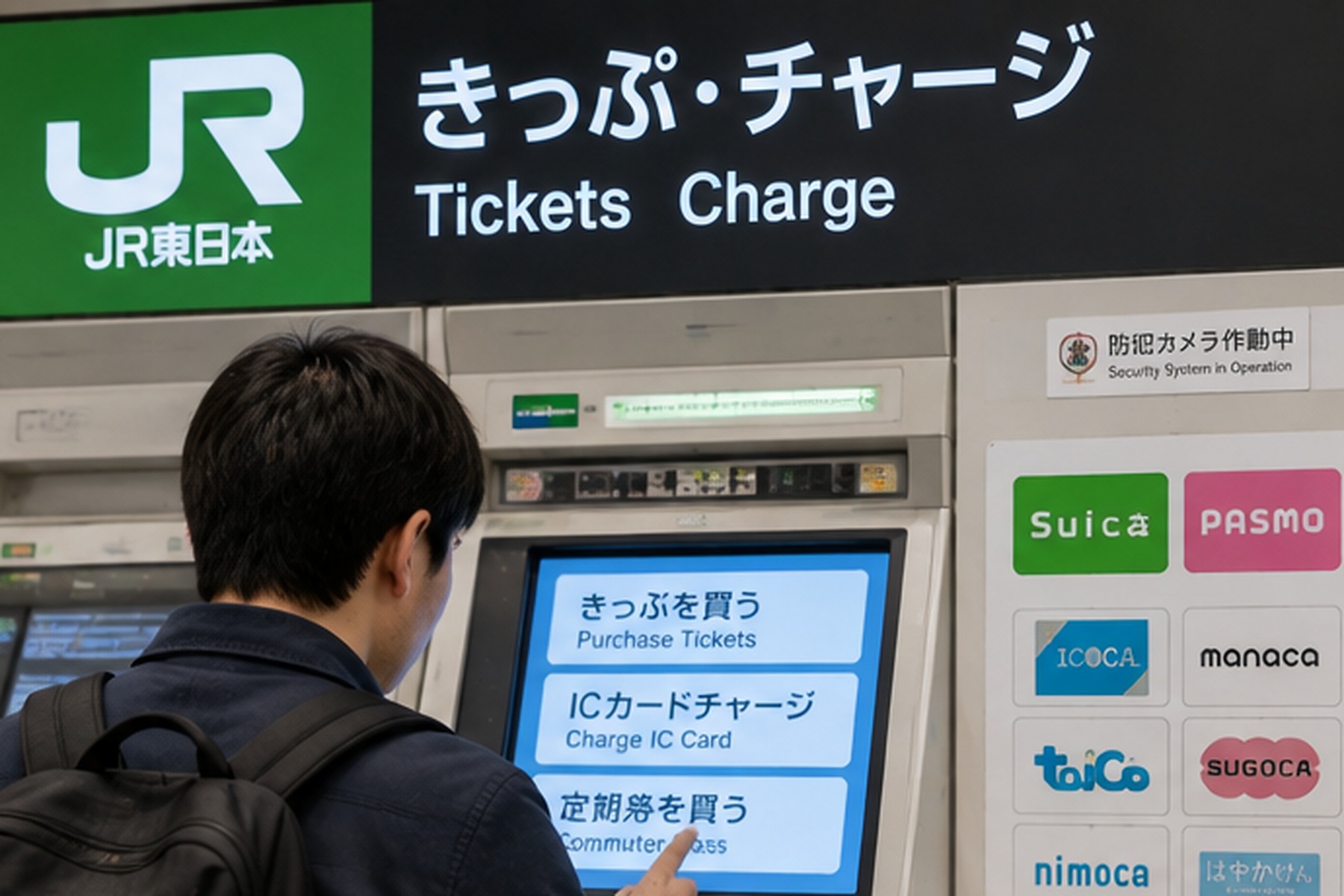
Local trains, subways, private railways and shinkansen do not all use the same ticket logic. An IC card is extremely useful for many local journeys, but it does not mean every reserved or long-distance trip is already covered.
Before a complex journey, confirm the operator, destination, platform, ticket type and whether a reservation is required. In busy stations, give yourself extra time to find the correct line and exit.
- Use IC cards for compatible local transport.
- Check long-distance and reserved-seat tickets separately.
- Verify the destination and platform before boarding.
- Ask station staff when a gate rejects the ticket or card instead of repeatedly tapping.
Mistake 7: Buying the Japan Rail Pass Before Doing the Math
The nationwide Japan Rail Pass is useful only when its coverage, eligibility and price fit your real itinerary. The official pass is sold in fixed validity periods, and eligibility rules apply to the traveler’s entry status.
Do not buy a pass because it is famous. Compare the current pass price with the long-distance JR trips you will actually take, then consider point-to-point tickets or regional passes when they fit better.
- Finish the rough route before buying a rail pass.
- Check current eligibility on the official Japan Rail Pass site.
- Compare the pass with actual ticket costs for your planned journeys.
- Do not design an awkward itinerary just to justify a pass you already bought.
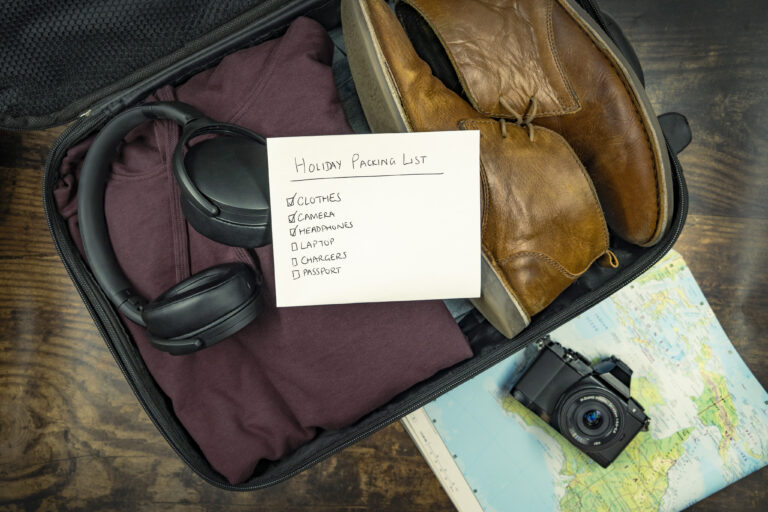
Mistake 8: Carrying Too Much Luggage
Large suitcases become difficult in crowded stations, compact hotel rooms, buses and long station transfers. JNTO promotes hands-free travel using luggage delivery and storage services, and coin lockers are also widely available.
Pack lighter than you think you need, keep essential items with you, and use forwarding or storage when it removes a difficult transfer. Locker availability can be limited in busy locations.
- Keep passports, medication, valuables and one basic change of clothes with you.
- Consider forwarding luggage between major hotel bases.
- Do not assume a large locker will be available at the busiest station.
- Avoid rush-hour travel with oversized luggage when possible.
Mistake 9: Ignoring Busy Travel Periods
Cherry blossom periods, Golden Week, Obon, autumn foliage and New Year can increase demand for transport, hotels and popular attractions. The problem is not traveling during a busy period; it is arriving with a rigid plan that assumes normal availability.
Reserve the genuinely capacity-limited parts of the trip earlier, then keep the rest flexible. Crowd levels can vary sharply by time of day and location.
- Book important hotels and long-distance seats earlier during major travel periods.
- Visit popular areas early or late when practical.
- Keep a nearby alternative for weather or crowd problems.
- Do not schedule several high-demand attractions back to back.
Mistake 10: Making Every Meal a Famous-Restaurant Mission
A trip can lose hours to queues when every meal is built around a viral restaurant. Japan has excellent food at many price levels, and convenience stores, casual chains, department-store food halls and neighborhood restaurants are useful backups.
Choose a few destination meals that genuinely matter to you and let the rest stay flexible. A simple meal can be the better decision when the day is already full.
- Keep one easy food option near the hotel.
- Use convenience stores for early breakfast or a late simple meal.
- Check whether a famous restaurant accepts reservations before committing to a long detour.
- Leave a queue when it starts damaging the rest of the day.

Mistake 11: Overloading Arrival Day
International arrival is already a travel day. Immigration, baggage claim, airport transport, hotel check-in, jet lag and an unfamiliar station can turn a small delay into a missed reservation.
Keep the first day simple: connect to mobile data, obtain the cash or transit setup you need, reach the hotel, eat nearby and rest. Save the must-do attraction for a day when you control the schedule.
- Avoid non-refundable timed plans soon after landing.
- Use the simplest airport-to-hotel route, not necessarily the cheapest.
- Store luggage before sightseeing if check-in is later.
- Review the next morning only after you have reached the hotel.
Mistake 12: Underestimating Walking and Weather
Even train-heavy itineraries involve long station corridors, stairs, temple grounds, shopping streets and neighborhood walks. New shoes or weak rain and heat preparation can affect several days, not just one afternoon.
Wear shoes you have already tested, check the forecast each morning and adjust the day when heat, heavy rain, snow or a severe-weather alert changes the risk.
- Choose comfort over new footwear for sightseeing days.
- Carry water in hot weather and use indoor breaks.
- Keep a rain plan rather than forcing an outdoor schedule.
- Follow official transport and weather notices during major disruptions.
Mistake 13: Treating Etiquette as Optional
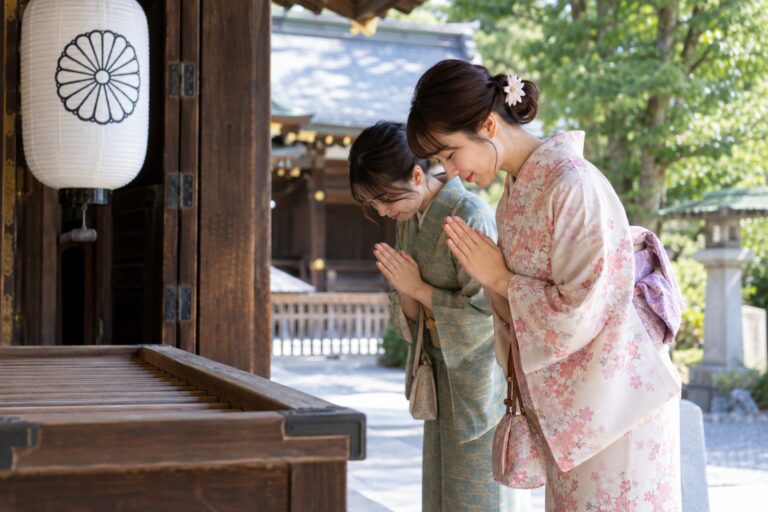
You do not need to memorize every Japanese custom, but a few habits matter. JNTO advises travelers to queue correctly, avoid phone calls on trains, manage backpacks in crowded transport and follow local rules and signs.
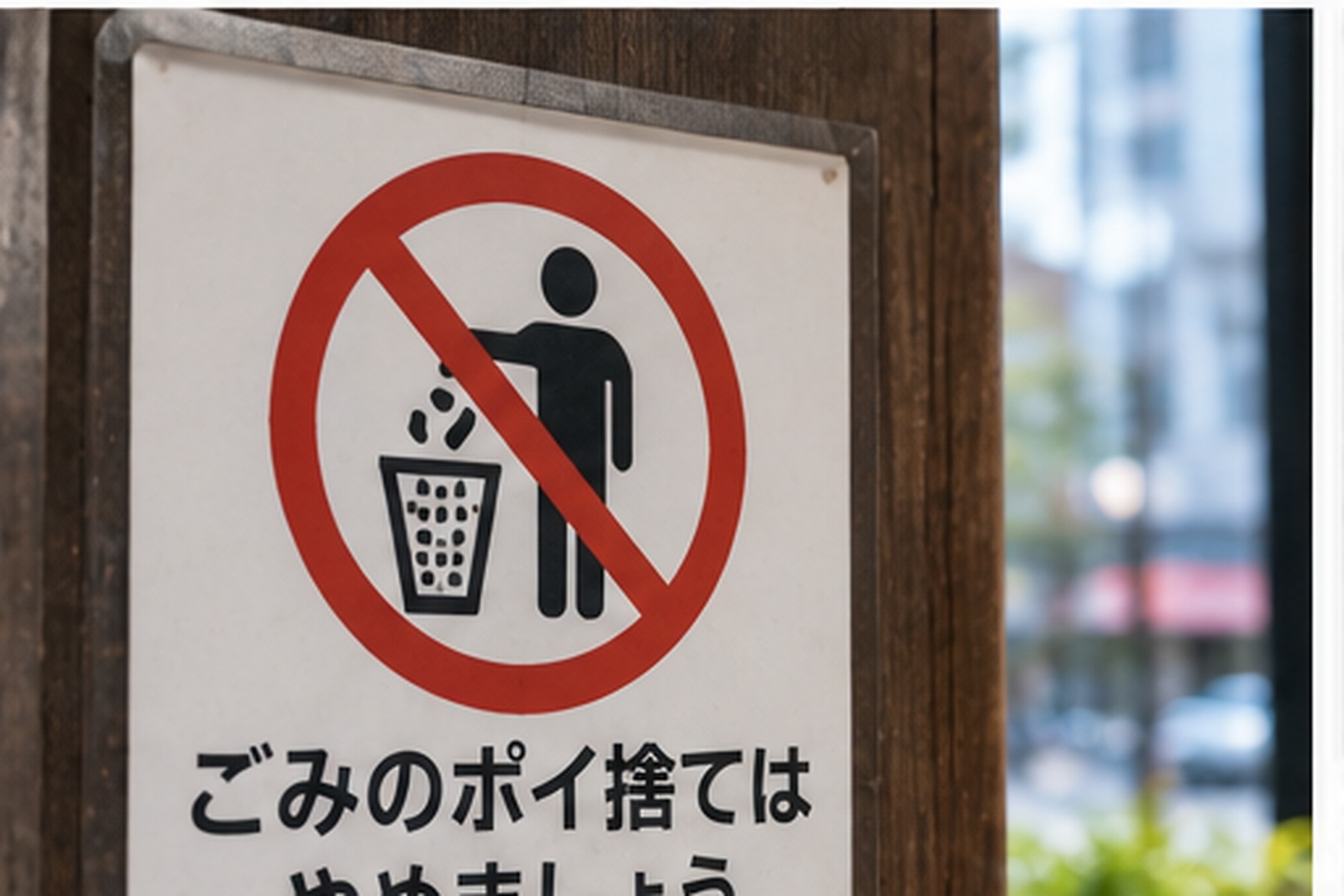
The safest approach is simple: do not block movement, keep noise moderate, respect photography restrictions, dispose of trash properly and watch how the venue expects visitors to behave.
- Let passengers exit before boarding.
- Move aside before stopping to check your phone.
- Do not leave rubbish beside a full bin or outside a shop.
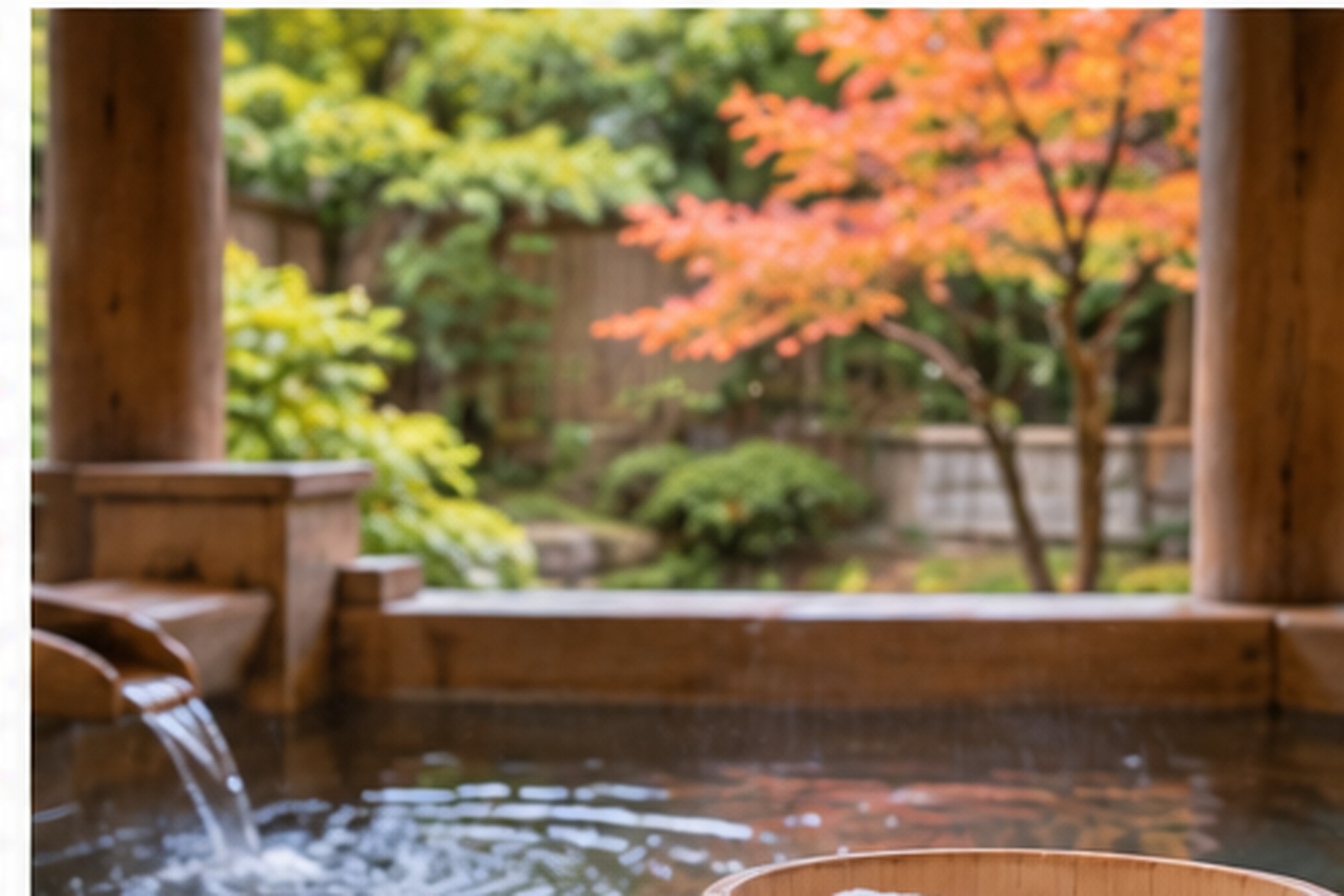
- Follow shoe-removal, bathing and photography rules where posted.
Mistake 14: Ignoring Medicine and Emergency Preparation
Japan regulates the personal import of medicines. The Ministry of Health, Labour and Welfare explains that procedures depend on the drug and quantity, and some narcotics, stimulant-related substances and other controlled drugs require special permission or are prohibited.
Also save basic emergency information before departure. In Japan, 110 is the urgent police number and 119 is for fire or ambulance. JNTO operates the Japan Visitor Hotline for visitor assistance during accidents, illness and natural disasters.
- Check the active ingredient and quantity of every important medicine before flying.
- Carry required permissions or supporting documents when applicable.
- Save 110, 119 and the Japan Visitor Hotline details offline.
- Keep insurance and emergency contact information accessible if your phone is lost.
FAQ
What is the biggest mistake first-time visitors make in Japan?
Trying to do too much is one of the most damaging mistakes. Too many cities, hotel changes and fixed reservations create unnecessary transport time and leave little room for queues, weather or fatigue.
Is it a mistake to travel in Japan without cash?
Yes, relying on one cashless method is risky. Cards are widely accepted, but cash remains useful in some smaller businesses, machines and rural areas, so carry some yen as a backup.
Should every tourist buy the Japan Rail Pass?
No. Buy it only after comparing the official pass price, eligibility and coverage with the long-distance JR journeys in your actual itinerary. Point-to-point or regional tickets may fit better.
Is free Wi-Fi enough for a Japan trip?
It can work as a backup, but it is not a strong primary plan if you rely on maps, translation and tickets. An eSIM, SIM or pocket WiFi usually gives more reliable day-to-day access.
Should I avoid bringing a large suitcase to Japan?
A large suitcase is possible, but it can make crowded stations and hotel transfers difficult. Pack lighter when possible and consider luggage forwarding or storage for complicated travel days.
What should I avoid doing on trains in Japan?
Avoid blocking doors, standing in the boarding path, making phone calls in ordinary train cars and letting large bags interfere with other passengers. Follow platform markings and local signs.
Can I bring my prescription medicine to Japan?
Many medicines can be brought for personal use within specific rules, but some quantities and controlled substances require advance procedures or permission. Check the Ministry of Health, Labour and Welfare guidance for the exact ingredient and amount.
Related Japan Travel Guides
Official References
Final Thoughts
Most Japan travel mistakes come from trying to optimize every minute instead of building a resilient trip. Use fewer hotel bases, arrange reliable data, keep cash and card backups, compare rail options after the route is fixed, move luggage intelligently and leave space for weather and crowds. Once those practical risks are controlled, the trip becomes easier to enjoy and much harder to derail.