
Japan Travel Checklist: What to Prepare Before You Fly
Use this practical Japan travel checklist to prepare documents, arrival procedures, money, internet, transport, insurance, medication and luggage before departure.

Before flying to Japan, confirm your passport and the entry rules for your nationality, prepare arrival and customs information, verify flights and the first hotel, choose mobile data, carry more than one payment method, plan airport transport, compare long-distance tickets, check insurance and medication rules, and save critical documents offline. Finish the hard-to-fix items first. Keep passports, essential medicine, money, phone access and the hotel route in carry-on baggage, then make arrival day simple enough to absorb delays and fatigue.
What You’ll Learn
- Complete the checks that could stop the trip.
- Prepare internet, payments and airport transport before landing.
- Compare rail tickets and passes from the actual route.
- Verify insurance and medicine rules through official sources.
- Protect carry-on essentials and simplify arrival day.
Start with the items that can stop the trip
A useful Japan checklist is ordered by consequence, not by what is easiest to pack. Confirm the passport, entry permission, flights, first hotel and any required medical paperwork before spending time on restaurants or daily sightseeing.
Keep one secure digital folder for confirmations and one offline backup that can be opened without mobile data. A trusted contact at home should know the flight and accommodation outline without receiving unnecessary financial details.
- Confirm identity and entry documents first.
- Save flight, hotel and insurance records offline.
- Separate critical tasks from optional trip ideas.
Confirm passport, visa and arrival procedures
Check passport validity and the visa rules that apply to your nationality, residence, trip purpose and intended length of stay. Do not assume that another traveler’s exemption or online advice applies to you; use Japan’s Ministry of Foreign Affairs guidance and the relevant embassy or consulate.
Visit Japan Web can be used to prepare immigration and customs information. Use only the official service, enter details exactly as they appear on your documents, and retain a practical backup in case your phone or connection is unavailable at the airport.
- Check the passport before non-refundable bookings.
- Verify visa rules through an official source.
- Prepare arrival information and an offline backup.
Lock the flight, first hotel and airport plan
Reconfirm the operating airline, departure airport, arrival terminal and local arrival time. A codeshare flight can use a different check-in counter from the airline name shown most prominently on the booking.
Save the hotel name, full address, nearest station, check-in window and late-arrival instructions. Plan the airport-to-hotel route with a backup that still works if the final train has departed or the preferred service is disrupted.
- Check the operating carrier and terminal.
- Save the hotel address in English and Japanese.
- Know the last practical airport transfer.
Prepare mobile data and offline access
Choose an eSIM, roaming plan, physical SIM or pocket Wi-Fi before departure. Check phone compatibility, unlocking, activation timing, coverage, data limits, pickup and return conditions, and whether your normal number must remain available for authentication.
Download essential apps before flying and save the first airport route, hotel address, ticket details, insurance contact and important map pins offline. Carry a charged power bank according to the airline’s cabin-baggage rules.
- Choose one primary connection and one backup.
- Save the first-day route offline.
- Keep charging gear in carry-on baggage.
Build a payment setup with backups
Bring a main payment card, a separately stored backup and a way to obtain yen. Check overseas-use settings, fees, cash-advance conditions, withdrawal limits and the PIN before travel. Never rely on a single wallet or phone.
Cashless payment is common, but cash remains useful at some small businesses, temples, local transport, lockers and rural locations. An IC card can simplify compatible local trains, buses and small purchases, but it does not replace every long-distance ticket.
- Carry two independent payment methods.
- Know how and where to obtain yen.
- Treat an IC card as a local tool, not a universal pass.
Plan airport and local transport before landing
Choose the airport service by destination, arrival time, luggage and required transfers rather than by headline speed alone. Save the exact station exit or bus stop nearest the hotel and allow time for walking inside large terminals and stations.
For local travel, understand when an IC card can be tapped and when a separate ticket or reservation is required. If traveling with children, mobility needs or bulky luggage, check access and seating conditions in advance.
- Match the airport route to the hotel location.
- Save station exits and transfer points.
- Check accessibility and luggage conditions.

Price long-distance travel from the real itinerary
List every intercity journey, then compare individual tickets, regional passes and any national pass that actually covers those trips. A pass should solve a route problem or reduce cost; it should not be bought automatically because the trip includes several cities.
Confirm reservation rules, eligible services, collection or linking steps and large-luggage requirements. Popular trains and travel periods can reduce flexibility, so reserve only the journeys where timing matters and retain room for local changes.
- Calculate the exact intercity journeys.
- Check coverage and excluded services.
- Reserve important seats and luggage space when needed.
Check insurance, medication and health needs
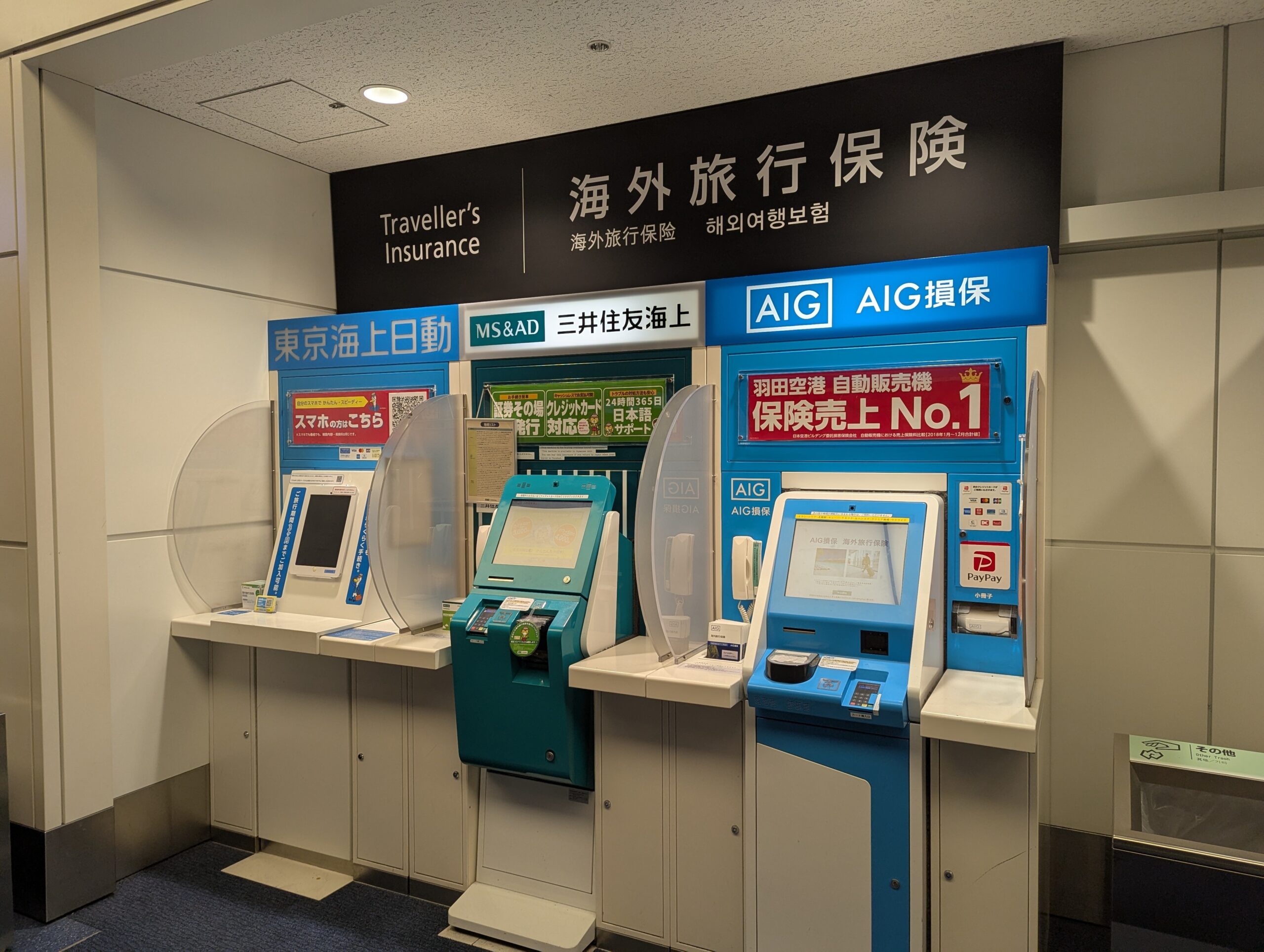
Read the insurance policy rather than relying on its product name. Check emergency medical limits, exclusions, deductibles, payment method, pre-existing-condition rules, cancellation and interruption cover, and the procedure for contacting assistance and making a claim.
Japan’s medicine rules depend on the product, ingredient, quantity and controlled-substance status. Verify prescriptions and over-the-counter medicines with official health authorities early enough to obtain any required import confirmation or permission. Keep medicines in labeled packaging and carry the documentation specified by the authority.
- Save the insurer’s emergency contact offline.
- Check each medicine by ingredient and quantity.
- Carry required documents with essential medication.
Pack for walking, weather and small spaces
Pack comfortable tested footwear, practical layers and protection suited to the regions and season. Check the forecast again close to departure because conditions can differ sharply between cities, mountains and islands.
Japan uses Type A outlets and domestic electricity is generally one hundred volts. Check each device label instead of assuming that plug shape alone proves compatibility. Keep luggage manageable for station transfers and compact rooms, and consider delivery selectively rather than carrying large cases through every connection.
- Wear tested walking shoes.
- Check voltage compatibility for every device.
- Leave useful space and keep luggage movable.
Finish high-risk checks one week before departure
Reconfirm flights, terminals, hotels, long-distance bookings, entry documents, insurance and medication permissions. Review the forecast, transport disruptions and any official notices for the regions on the route.
Test mobile data installation without activating a time-limited plan too early, confirm cards for overseas use, and place key files on the phone for offline access. Share only the necessary itinerary and emergency contacts with a trusted person.
- Reconfirm all fixed bookings.
- Test access to offline documents.
- Resolve missing permissions before packing day.
Protect the essentials in carry-on baggage
Keep the passport, wallet, phone, chargers, essential medication, insurance details, hotel address and one change of clothing with you. Follow the operating airline’s rules for liquids, batteries, power banks and smart luggage.
Do a final room check using categories: documents, money, medicine, electronics, clothing and keys. Photograph checked luggage and its tag, but do not store sensitive passport or card images where they can be exposed easily.
- Keep irreplaceable items out of checked luggage.
- Follow the operating airline’s battery rules.
- Check the room by category before leaving.
Keep arrival day deliberately simple
After landing, complete immigration and customs, establish a working connection, obtain yen if needed and follow the saved route to the hotel. Use official airport counters and transport signs when the plan changes.
Avoid stacking major sightseeing onto a long travel day. A nearby meal, short walk and early rest protect the first full day. Once settled, verify the next morning’s route and keep emergency numbers and the Japan Visitor Hotline accessible.
- Get connected before complex transfers.
- Reach the hotel before adding activities.
- Review the next morning and emergency contacts.
FAQ
What should I prepare first for a trip to Japan?
Start with the passport, visa or entry status, flights, first accommodation and any medication permission. These are harder to correct at the last minute than packing or sightseeing plans.
Is Visit Japan Web mandatory?
Use the official guidance for your arrival circumstances. The service can prepare immigration and customs information, but travelers should still carry the required documents and a practical offline backup.
How much cash should I take to Japan?
There is no single amount for every traveler. Base it on the route and spending plan, and bring a working card, a separately stored backup and a reliable way to obtain yen.
Do I need an IC card before arrival?
No, but an IC card can simplify compatible local trains, buses and small purchases. Availability and mobile setup vary, and separate tickets may still be required for reserved or long-distance travel.
Should I buy a Japan Rail Pass in advance?
Only after pricing the actual intercity journeys and checking current coverage, eligibility and reservation rules. Individual tickets or a regional pass may fit the route better.
Can I bring my prescription medicine to Japan?
It depends on the ingredient, amount and controlled-substance rules. Check the Ministry of Health, Labour and Welfare and the Narcotics Control Department early, and obtain any required confirmation or permission before departure.
What belongs in carry-on baggage?
Keep the passport, money, essential medicine, phone, charging equipment, insurance contacts, hotel address and other items that cannot safely wait for delayed checked luggage.
How much should I plan for arrival day?
Plan the airport procedures, connection, cash access, transport, hotel and a nearby meal. Leave major sightseeing for later so delays and fatigue do not damage the rest of the trip.
Compare travel insurance before departure
Coverage and eligibility vary by traveler. Review exclusions, limits, policy terms and country eligibility before purchasing.
Check travel insurance optionsRelated Japan Travel Guides




Official References
Final Thoughts
The best Japan checklist is not the longest one. It puts the tasks with serious consequences first and leaves flexible choices until later. Once documents, arrival procedures, payment backups, mobile access, transport, insurance and medication are secure, pack lightly and keep arrival day calm. That foundation protects the trip without turning it into a rigid schedule.