
Cherry Blossom Guide: When to Go, Where to See Sakura and How to Plan
Plan a flexible cherry blossom trip in Japan with practical timing, regional choices, crowd strategies, hanami etiquette, weather advice and backup plans.
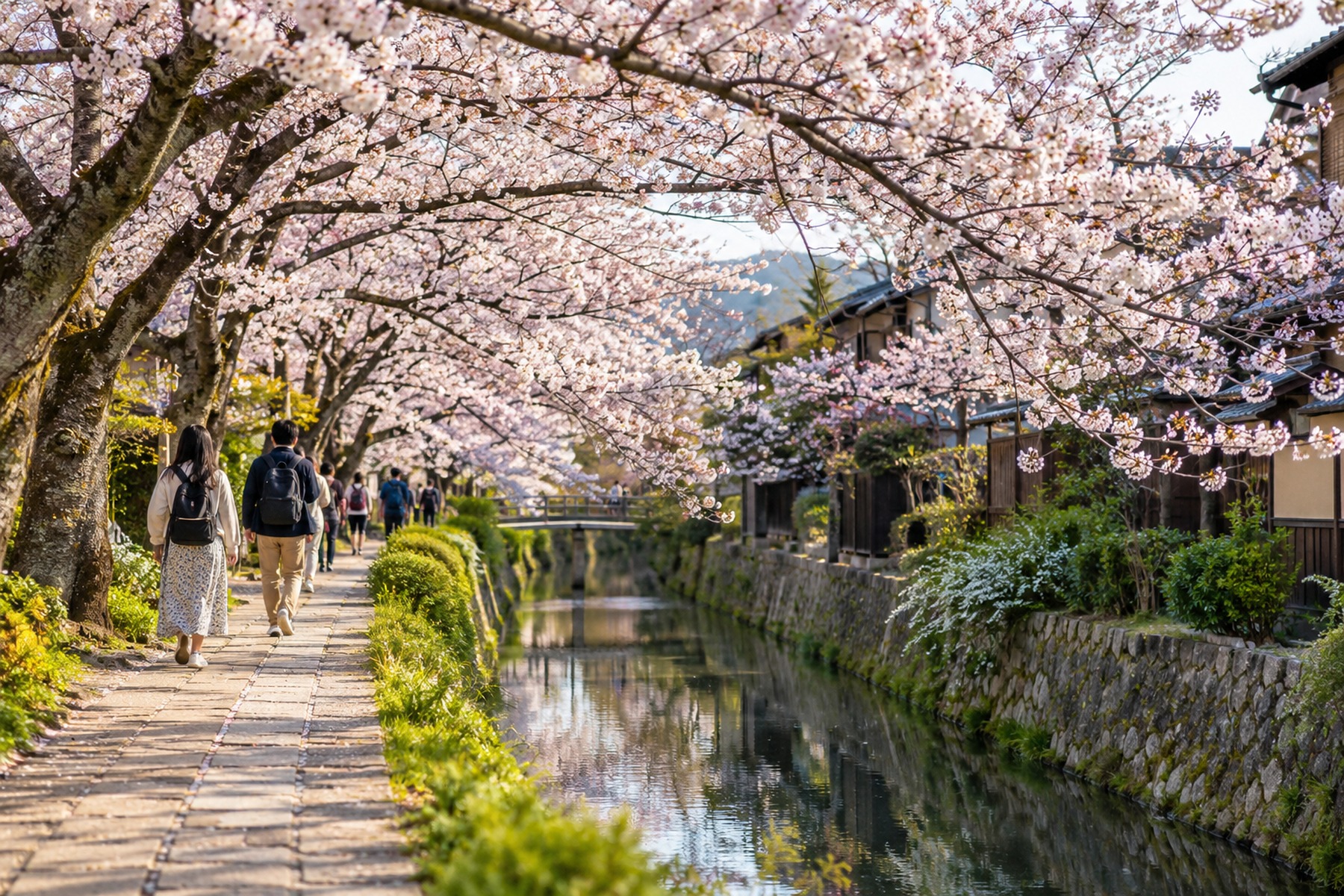
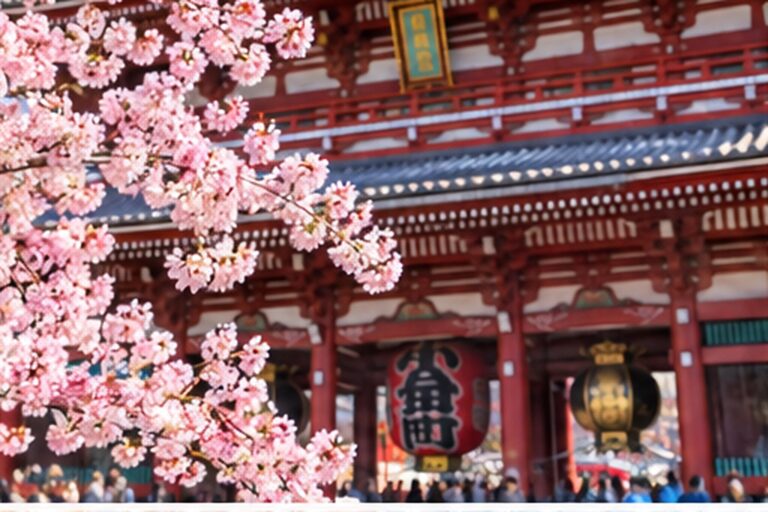
For Tokyo, Kyoto and Osaka, the most familiar cherry blossom window is usually around late March to early April, but the season shifts with weather, elevation and region. Southern areas tend to bloom earlier, while Tohoku, Hokkaido and colder mountain areas can bloom later. Treat forecasts as moving guidance, not a guarantee, and keep more than one viewing option in your itinerary.
What You’ll Learn
- How the cherry blossom season moves from warmer regions toward colder areas
- How to plan around opening, full bloom and fast-changing weather
- How to choose viewing areas without spending the day fighting crowds
- How to use forecasts, hotels and transport without overcommitting
- How to enjoy hanami respectfully and adapt if you miss peak bloom
When Cherry Blossom Season Moves Across Japan
Japan does not have one nationwide cherry blossom date. The season generally begins in warmer southern areas and progresses toward colder regions, with later opportunities in Tohoku, Hokkaido and higher-elevation destinations.
For many first-time routes through Tokyo, Kyoto and Osaka, late March to early April is the classic planning window. That is only a broad pattern: warm spells can accelerate flowering, colder weather can delay it, and different cherry varieties do not bloom at exactly the same time.
- Kyushu and Shikoku can offer earlier spring opportunities.
- Tokyo, Kyoto and Osaka are popular because they combine sakura with major sightseeing and easy transport.
- Tohoku, Hokkaido and mountain areas can extend your chances later into spring.
Opening, Full Bloom and the Short Viewing Window
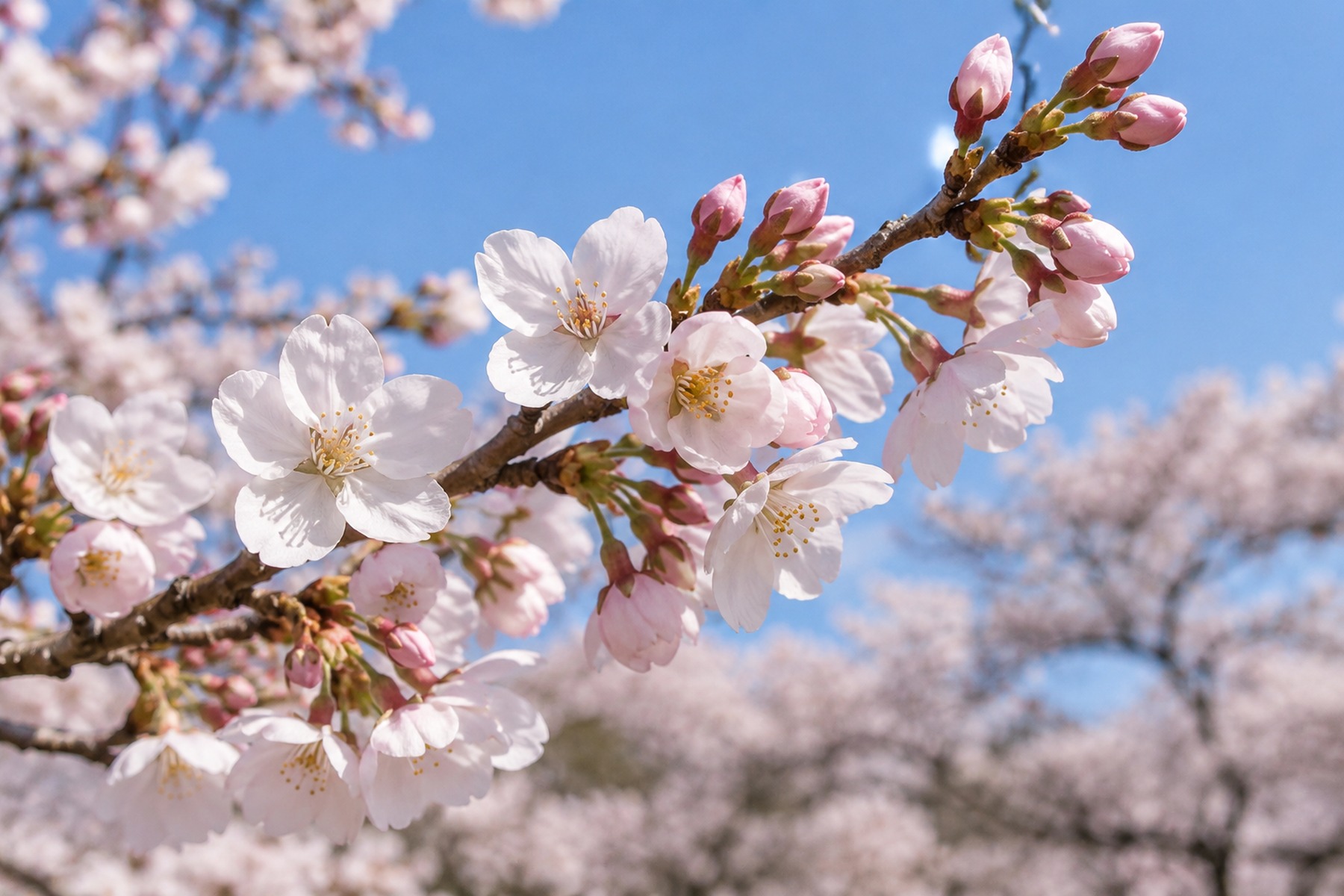
Forecasts usually distinguish between first bloom and full bloom. First bloom means flowering has started; full bloom is the stage most travelers picture when many blossoms are open at once.
The strongest viewing period can be brief. Current tourism guidance describes the bloom as highly weather-sensitive, and a run of rain, strong wind or warm conditions can move a location from peak to petal fall quickly. A good rule is to use a range of dates rather than one promised day.
- Before opening: expect buds and limited color.
- Opening stage: blossoms are visible, but many branches may still be partly closed.
- Full bloom: the most popular stage for hanami and photography.
- Petal fall: still attractive, especially along rivers and paths, but the peak is passing.
A Better Strategy for a First Sakura Trip
Build a good Japan itinerary first, then layer cherry blossom options into it. That approach protects the trip if flowering is early, late or affected by weather.
Choose several possible viewing areas in each city, keep at least one flexible half-day, and check current bloom information again once you are in Japan. If one famous location is past peak, another neighborhood, elevation or nearby region may be better.
- Book the core route and hotels before peak spring demand narrows your choices.
- Keep one flexible day or half-day when sakura is a top priority.
- Avoid making the entire trip depend on one landmark or one date.
- Use early mornings for famous spots when crowd pressure matters.
Tokyo: Easy Access, Many Styles of Hanami
Tokyo is an efficient choice because parks, moats, riversides, gardens and neighborhood streets all offer different styles of viewing. Official Tokyo tourism guidance highlights late March to early April as the familiar seasonal window, while also stressing that conditions change.
Famous areas can become extremely busy. Pair one headline location with a quieter secondary option rather than spending the day moving between only the most popular spots.
- Moat and riverside walks work well for long scenic routes.
- Large parks suit picnics but can be busiest at peak times.
- Gardens can offer more controlled scenery and clear visitor rules.
- Night illuminations create a different experience but may add crowd pressure.
Kyoto and Osaka: Scenic Routes Without Overloading the Day
Kyoto combines cherry blossoms with canals, temple grounds, gardens and historic streets. Kyoto's official seasonal guidance notes that varieties and elevation can shift the timing, so the best location can change even within the same city.
Osaka is useful for travelers who want easier city logistics, food and transport alongside sakura. Rather than trying to cover several famous Kyoto and Osaka spots in one day, choose one main area and leave room for walking, queues and transport delays.
- In Kyoto, prioritize one geographic area instead of zigzagging across the city.
- In Osaka, combine a park or riverside visit with the rest of your city plan.
- Check current opening hours, event rules and illumination schedules on official sites.
If You Miss Peak Bloom, Change Region or Elevation
Missing peak bloom in Tokyo or Kyoto does not mean the season is over. The sakura front continues north, and colder regions or higher-elevation areas may still be approaching their best period.
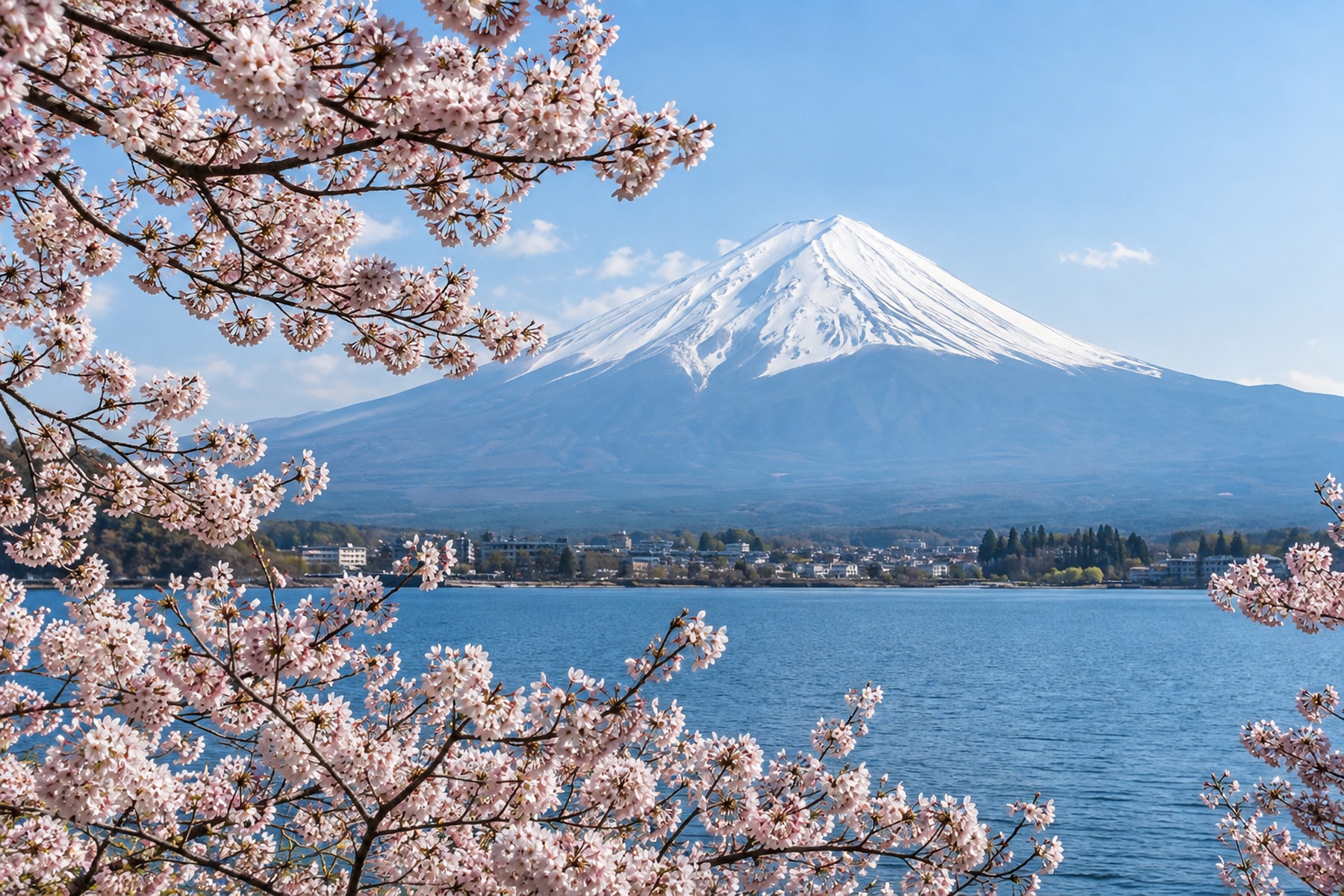
Mount Fuji areas can be spectacular when blossoms and clear mountain views line up, but they require two separate pieces of luck: the flowers need to be ready and the mountain needs to be visible. Northern destinations can be a more reliable backup when the central cities are already past peak.
- Look north toward Tohoku or Hokkaido for later opportunities.
- Consider colder or higher-elevation day trips when practical.
- Search for later-blooming varieties rather than only Somei Yoshino.
- Do not commit to a long detour unless the current bloom report justifies it.
How to Use Cherry Blossom Forecasts Without Overplanning
Use forecasts in stages. Before booking, they help you choose the broad region and travel window. Closer to departure, they help you decide which city deserves priority. During the trip, local bloom updates and weather are more useful than an old forecast screenshot.
Forecasts are not reservations. Keep hotel cancellation rules, transport costs and realistic travel time in mind before moving a whole itinerary just to chase one bloom report.
- Check the national forecast for the broad northward progression.
- Check city or destination tourism sites for local bloom status.
- Check the weather forecast before committing to a long day trip.
- Reconfirm event and garden rules because seasonal operations can change.
Hanami Etiquette and Park-Specific Rules
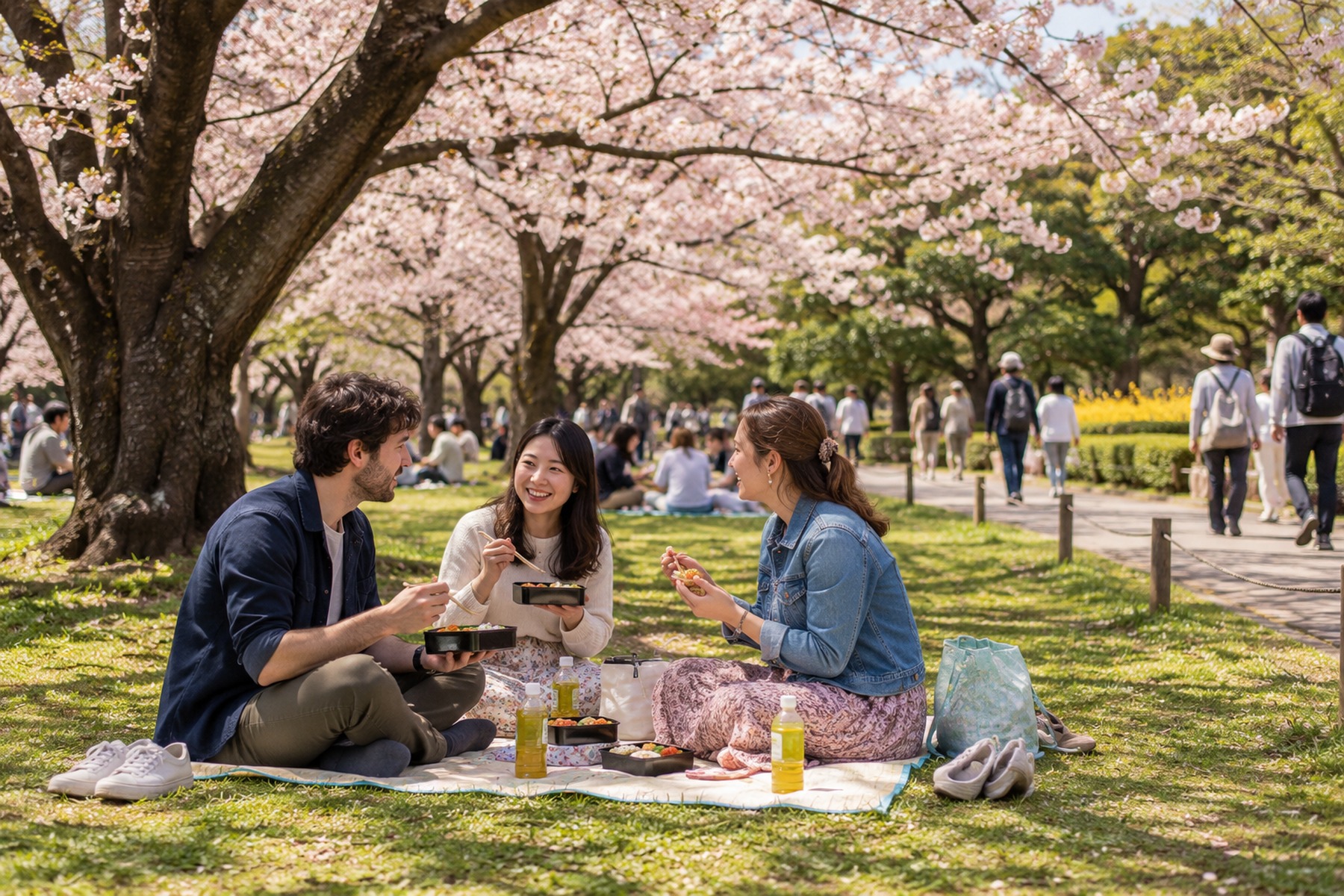
Hanami can mean a picnic, a walk, a garden visit or simply stopping to enjoy the flowers. The basic principle is to enjoy the season without damaging plants, blocking circulation or leaving a mess.
Rules differ by location. Some gardens restrict alcohol, large equipment, long occupation of lawns, professional-style photography setups or other activities during busy periods. Check the official page for the exact place you plan to visit instead of assuming every park allows the same behavior.
- Do not pick blossoms, shake branches or climb trees.
- Keep paths, bridges, gates and station exits clear.
- Take rubbish with you or use designated bins.
- Keep noise and equipment under control in crowded or residential areas.
- Follow each garden, temple, shrine or park's posted rules.
Weather, Clothing, Hotels and Luggage
Spring days can shift from mild afternoons to cool mornings, cold evenings or rain. Comfortable shoes, layers and compact rain protection matter more than dressing for photographs.
Cherry blossom season can also tighten hotel availability in major destinations. Staying near a useful station can save more time than staying beside a single famous spot. Large suitcases are inconvenient in crowded parks and narrow streets, so use hotel storage, lockers or luggage delivery when possible.
- Carry a light layer for mornings and evenings.
- Use shoes that can handle long walks and wet paths.
- Book accommodation with transport access and sensible cancellation terms.
- Keep large luggage out of popular viewing areas whenever possible.
Build a Flexible Sakura Itinerary
The best cherry blossom trip is not the one with the most famous spots. It is the one that can adapt. A strong plan combines one or two priority viewing areas with backup neighborhoods, non-sakura sightseeing and enough free time to respond to current conditions.
If blossoms are early, move your attention north or higher. If they are late, enjoy the city you planned and keep checking. If rain arrives, use gardens with shelters, museums, food neighborhoods or short walks rather than forcing a full outdoor schedule.
- Short trip: stay in one region and choose the best current local spots.
- Medium trip: keep one flexible day for bloom and weather adjustments.
- Longer trip: use multiple regions to improve your chances without chasing blossoms every day.
- Always keep a non-sakura plan that would still make the trip worthwhile.
FAQ
When is the best time to see cherry blossoms in Japan?
For Tokyo, Kyoto and Osaka, late March to early April is the most familiar planning window, but timing changes with weather and location. Southern areas often bloom earlier, while northern and colder areas can bloom later.
How long do cherry blossoms stay at full bloom?
The strongest viewing period can be short, often around a week or a little longer from the first opening through the best display. Wind, rain and warm temperatures can shorten it, so do not rely on one exact day.
Should I change my whole itinerary to follow a forecast?
Usually no. Use forecasts to adjust priorities, day trips and flexible days rather than rebuilding every hotel and train booking. The extra cost and travel time can outweigh the benefit.
Where should I go if Tokyo or Kyoto is past peak bloom?
Check colder or more northern destinations, higher elevations and later-blooming varieties. Tohoku and Hokkaido can extend the season well beyond the main central-city window.
Is hanami free?
Many parks, riversides and neighborhood viewing areas are free, while gardens, temples, special light-ups or seasonal events may charge admission or require reservations. Check the official page for each location.
Can I picnic anywhere under cherry blossoms?
No. Rules vary by park and garden. Some places restrict alcohol, long occupation of lawns, large equipment or certain photography setups, so confirm local rules before bringing a picnic.
Related Japan Travel Guides

Official References
Final Thoughts
Cherry blossoms reward flexible travelers. Choose a strong Japan itinerary, keep several viewing options, check current bloom and weather information close to each day, and treat full bloom as a bonus rather than a promise. That approach gives you a better trip whether the petals arrive early, late or exactly when you hoped.