
Osaka to Kyoto: Best Train by Destination, Fares and Travel Time
Compare JR, Hankyu, Keihan and the Shinkansen from Osaka to Kyoto. Choose by your actual Kyoto destination, current fares, travel time, luggage and whether you start in Umeda, Yodoyabashi, Kyobashi or Shin-Osaka.

For most travelers near Osaka Station or Umeda who want Kyoto Station, the JR Kyoto Line is the easiest default: Special Rapid services cover the trip in roughly 28 minutes and the adult one-way fare is ¥580. If your first stop is downtown Kyoto around Kawaramachi, Hankyu is usually better at about 43 minutes and ¥410 from Osaka-Umeda. For Gion, Shichijo or the Fushimi-Inari side, Keihan can save a cross-city transfer. The Shinkansen is fastest between Shin-Osaka and Kyoto at roughly 13–15 minutes, but it is usually only worth choosing when Shin-Osaka is already convenient.
What You’ll Learn
- Which Osaka–Kyoto railway is best for Kyoto Station, Kawaramachi, Gion and Fushimi Inari
- Current JR, Hankyu and Keihan fare benchmarks
- When the Shinkansen saves time and when it adds an unnecessary transfer
- How your Osaka starting area changes the best route
- How IC cards, rail passes and luggage affect the decision
Choose the Kyoto Arrival Area Before You Choose the Train
Osaka and Kyoto are close, but Kyoto Station, Kyoto-Kawaramachi and Gion-Shijo are different arrival zones. The best train is the one that gets you closest to your first real stop, not simply the train with the shortest scheduled ride.
JR is strongest for Kyoto Station. Hankyu is strongest for central Kyoto around Kawaramachi. Keihan is especially useful for Gion, Shichijo and the eastern side of Kyoto. The Shinkansen is a special case because it only makes sense when Shin-Osaka is already a convenient starting point.
A route that saves ten minutes on the train can still lose time if it creates an extra subway, bus or taxi transfer after you arrive.
- Kyoto Station: start with JR.
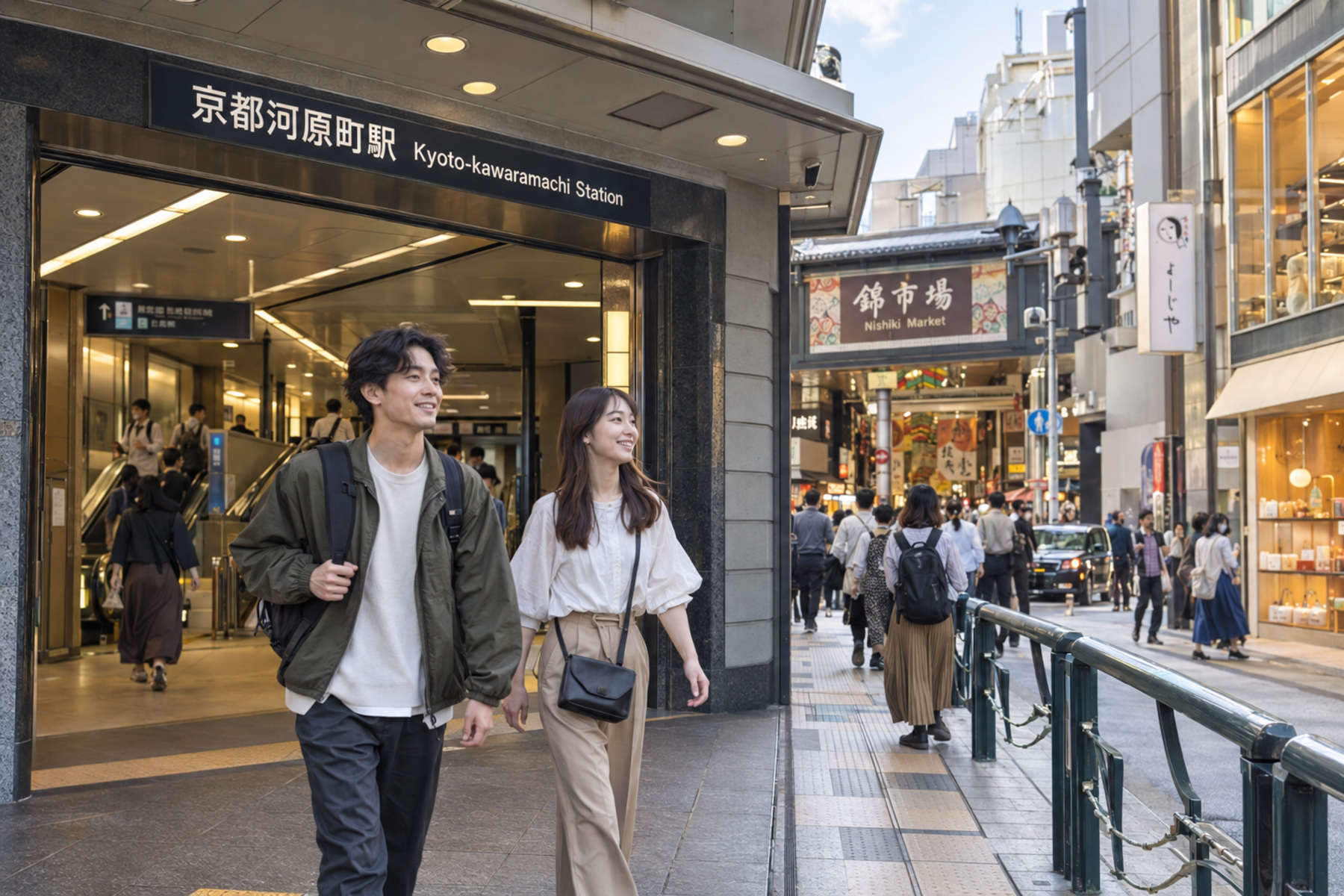
- Kawaramachi, Nishiki Market and Pontocho: check Hankyu.
- Gion, Shichijo and Fushimi-Inari side: check Keihan.
- Already at Shin-Osaka: compare the Shinkansen with JR.
JR Kyoto Line: Best Default for Osaka Station to Kyoto Station
JR-West is the simplest choice when you are starting from Osaka Station and want Kyoto Station. Official JR-West data lists the Osaka–Kyoto trip at about 28 minutes with an adult ordinary fare of ¥580.
Look for a Special Rapid service when it fits your departure time. Rapid and local trains also run on the corridor, but they stop more often and take longer.
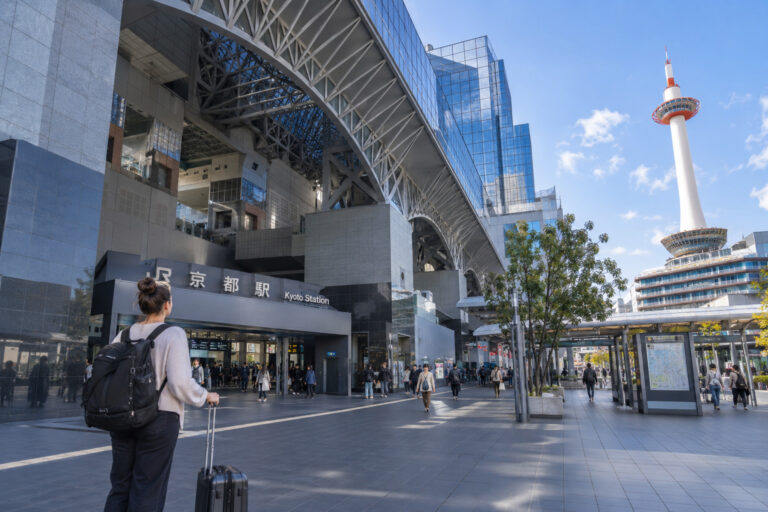
Kyoto Station is a major transfer hub for JR lines, the subway, buses and taxis, so JR is particularly practical when your hotel is near the station or you are continuing onward.
- Typical fastest conventional travel time: about 28 minutes.
- Adult one-way fare: ¥580.
- Direct from Osaka Station to Kyoto Station.
- Best for Kyoto Station hotels and onward JR connections.
Hankyu: Best for Kawaramachi and Central Kyoto
Hankyu runs directly from Osaka-Umeda to Kyoto-Kawaramachi, which can be a better arrival point for Nishiki Market, Pontocho and the downtown shopping and dining area.
Current Hankyu timetables show Limited Express trips of roughly 43 minutes between Osaka-Umeda and Kyoto-Kawaramachi. The ordinary adult fare is ¥410.
Hankyu does not serve Kyoto Station. That is not a weakness if your destination is central Kyoto; it is often the reason Hankyu is the smarter route.
- Typical Limited Express time: about 43 minutes.
- Adult one-way fare: ¥410.
- No reservation is needed for the ordinary Limited Express fare.
- Best for central Kyoto rather than Kyoto Station.
Keihan: Best for Gion, Shichijo and the Fushimi Side
Keihan is most useful when you are starting from Yodoyabashi, Kitahama, Temmabashi or Kyobashi in Osaka and want eastern Kyoto rather than Kyoto Station.
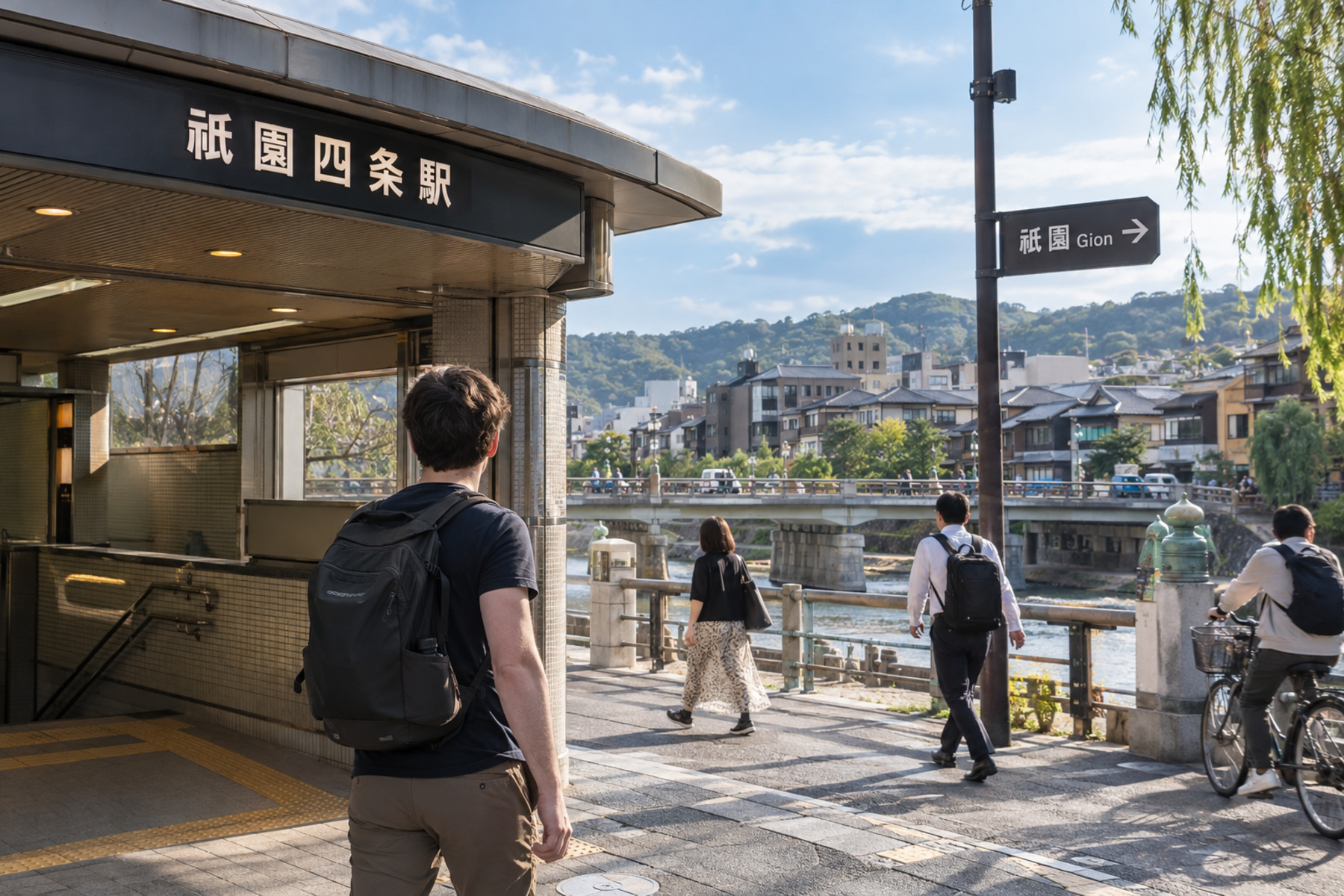
Gion-Shijo puts you directly beside the Gion and Yasaka area. Shichijo is useful for the eastern side of central Kyoto, while Fushimi-inari station serves the Fushimi Inari area without first crossing Kyoto from the main station.
After Keihan's fare revision, the Yodoyabashi–Gion-Shijo corridor is ¥490 for an adult ordinary fare. The trip is roughly 50 minutes from Yodoyabashi on normal daytime services, while Kyobashi is faster because it is farther along the line.
- Yodoyabashi to Gion-Shijo fare: ¥490.
- Best for travelers already near the Keihan Line.
- Useful for Gion, Shichijo and Fushimi Inari.
- Premium Car is optional on eligible Limited Express services; the ordinary train remains usable without it.
Shinkansen: Fastest Only If Shin-Osaka Is Convenient
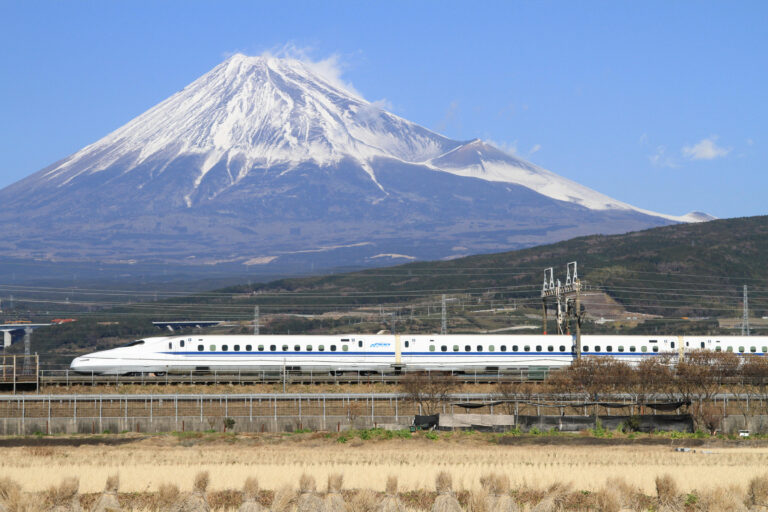
The Tokaido Shinkansen covers Shin-Osaka to Kyoto in roughly 13–15 minutes on many services. That is clearly the fastest station-to-station ride.
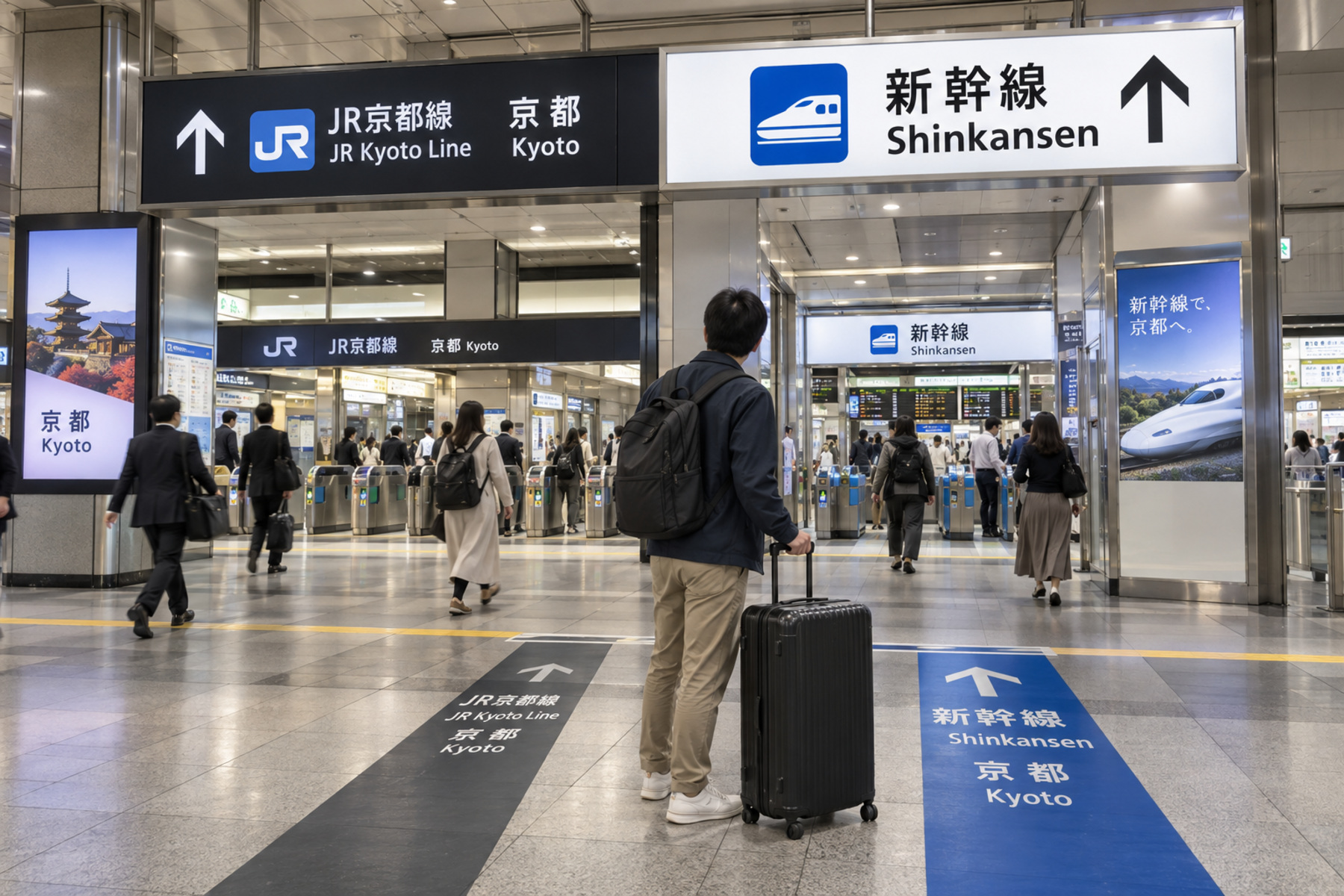
The catch is positioning. If you are staying around Osaka Station, Umeda or Namba, reaching Shin-Osaka and navigating the Shinkansen gates can erase much of the time you save.
The Shinkansen is strongest when you are already at Shin-Osaka, connecting from another Shinkansen, carrying luggage on a long intercity itinerary, or specifically need Kyoto Station with minimal ride time.
- Shin-Osaka to Kyoto: roughly 13–15 minutes.
- Higher fare than JR, Hankyu or Keihan conventional trains.
- Best when Shin-Osaka is already your starting or transfer station.
- Not usually the best-value choice from ordinary Osaka sightseeing areas.
Best Route by Where You Start in Osaka
From Osaka Station or Umeda, compare JR for Kyoto Station and Hankyu for Kawaramachi. Those are usually the two strongest choices because both start in the same broad district.
From Yodoyabashi, Kitahama, Temmabashi or Kyobashi, Keihan becomes much more attractive, especially for Gion and eastern Kyoto.
From Namba, there is no single universal winner. Use the Osaka Metro to position yourself for the line that matches your Kyoto destination: Umeda for JR or Hankyu, or Yodoyabashi for Keihan.
From Shin-Osaka, the Shinkansen is the time-saving option to Kyoto Station, while the JR Kyoto Line is the simpler low-cost alternative.
- Umeda: JR or Hankyu.
- Yodoyabashi / Kitahama / Kyobashi: Keihan.
- Namba: choose the Osaka transfer based on your Kyoto destination.
- Shin-Osaka: compare Shinkansen with JR.
Best Route by Your First Stop in Kyoto
For Kyoto Station, use JR unless you are already at Shin-Osaka and value the Shinkansen's speed. For Kawaramachi, Nishiki Market and Pontocho, Hankyu usually avoids an extra transfer from Kyoto Station.
For Gion, Keihan Gion-Shijo is the most natural arrival. For Fushimi Inari, Keihan can also be excellent if your Osaka starting point is on or near the Keihan Line.
For Arashiyama, the answer depends on your Osaka starting point and the exact Arashiyama side you want. Hankyu via Katsura can be useful, while JR is convenient if your wider plan already uses JR.
- Kyoto Station: JR.
- Kawaramachi / Nishiki / Pontocho: Hankyu.
- Gion / Yasaka area: Keihan.
- Fushimi Inari: often Keihan from Keihan-friendly Osaka starts.
- Arashiyama: compare Hankyu and JR based on your Osaka location.
Tickets, IC Cards and Rail Passes
For ordinary JR, Hankyu and Keihan rides, a compatible nationwide IC card such as ICOCA or Suica is usually the easiest way to pay. Touch in at the departure gate and touch out at the destination.
The national Japan Rail Pass covers eligible JR travel, so the JR Kyoto Line can fit naturally into a pass itinerary. Hankyu and Keihan are private railways and are not covered by the national pass.
Japan Rail Pass holders who want to use a Nozomi Shinkansen need the dedicated additional Nozomi/Mizuho ticket. For such a short Osaka–Kyoto segment, do not choose the Shinkansen only because you hold a pass; compare the actual door-to-door route.
- ICOCA and Suica simplify ordinary local rail travel.
- National JR Pass: useful on eligible JR services, not Hankyu or Keihan.
- Nozomi requires the special additional ticket for JR Pass holders.
Luggage and Day-Trip Strategy
Osaka to Kyoto is an easy day trip, but carrying large suitcases through central Kyoto can make a simple rail journey feel difficult. If Kyoto is only a sightseeing day, leave large luggage at your Osaka hotel or use station lockers when practical.
If you are changing hotels from Osaka to Kyoto, prioritize the route that ends closest to the new hotel rather than the cheapest fare. A direct JR ride to a Kyoto Station hotel can be easier than a cheaper private railway followed by a city transfer.
For a day trip, choose your first Kyoto attraction and your final Osaka return point before selecting the railway. You do not have to return on the same operator you used in the morning.
- Day trip: travel light.
- Hotel transfer: optimize for the hotel location, not only fare.
- You can use one railway outbound and another on the return.
- Check the last useful connection before staying late in Kyoto.
Common Mistakes and the Simplest First-Time Plan
The most common mistake is treating 'Kyoto' as one station. Kyoto Station is south of the central sightseeing core, so arriving there can add another transfer if your real goal is Gion or Kawaramachi.
Another mistake is using the Shinkansen automatically because it looks fastest. From Umeda or Namba, the positioning time to Shin-Osaka can make a conventional route equally practical or better.
For a first visit, use a simple rule: JR for Kyoto Station, Hankyu for central Kyoto, Keihan for Gion and eastern Kyoto, and Shinkansen only when Shin-Osaka is already convenient.
- Do not choose only by train speed.
- Do not assume Kyoto Station is closest to every attraction.
- Check the exact station exit and first attraction before leaving Osaka.
- Save the return route in your map app before sightseeing.
FAQ
What is the easiest train from Osaka to Kyoto?
From Osaka Station to Kyoto Station, the JR Kyoto Line is the easiest default. Special Rapid services take roughly 28 minutes and the adult fare is ¥580.
Is Hankyu better than JR from Osaka to Kyoto?
Hankyu is often better if your destination is Kawaramachi, Nishiki Market, Pontocho or central Kyoto. JR is better when you actually need Kyoto Station.
How much is Hankyu from Osaka-Umeda to Kyoto-Kawaramachi?
The adult ordinary one-way fare is ¥410. A typical Limited Express trip takes about 43 minutes.
Is Keihan useful for Osaka to Kyoto?
Yes. Keihan is particularly useful from Yodoyabashi, Kitahama, Temmabashi or Kyobashi when you want Gion, Shichijo, Fushimi Inari or the eastern side of Kyoto.
Should I take the Shinkansen from Osaka to Kyoto?
Usually only if you are already at Shin-Osaka or connecting from another Shinkansen. The Shin-Osaka–Kyoto ride is about 13–15 minutes, but getting to Shin-Osaka can cancel the time saving.
Can I use Suica or ICOCA from Osaka to Kyoto?
For ordinary JR, Hankyu and Keihan urban rail journeys, compatible nationwide IC cards such as Suica and ICOCA are generally the easiest payment method.
Can I visit Kyoto as a day trip from Osaka?
Yes. The cities are close enough for an easy day trip. Pick your first Kyoto area before selecting the railway so you do not waste time crossing Kyoto after arrival.
Related Japan Travel Guides
Official References
Final Thoughts
Osaka to Kyoto is easy because there is no single route you must use. The useful skill is matching the railway to your actual start and finish: JR for Kyoto Station, Hankyu for central Kyoto, Keihan for Gion and the eastern side, and the Shinkansen when Shin-Osaka is already convenient. That one decision usually saves more time than simply choosing the train with the highest top speed.