
Osaka Amazing Pass: When It Saves Money and When It Doesn’t
A practical break-even guide to the Osaka Amazing Pass, with current pass prices, attraction examples, timing traps and clear cases where paying as you go is cheaper.
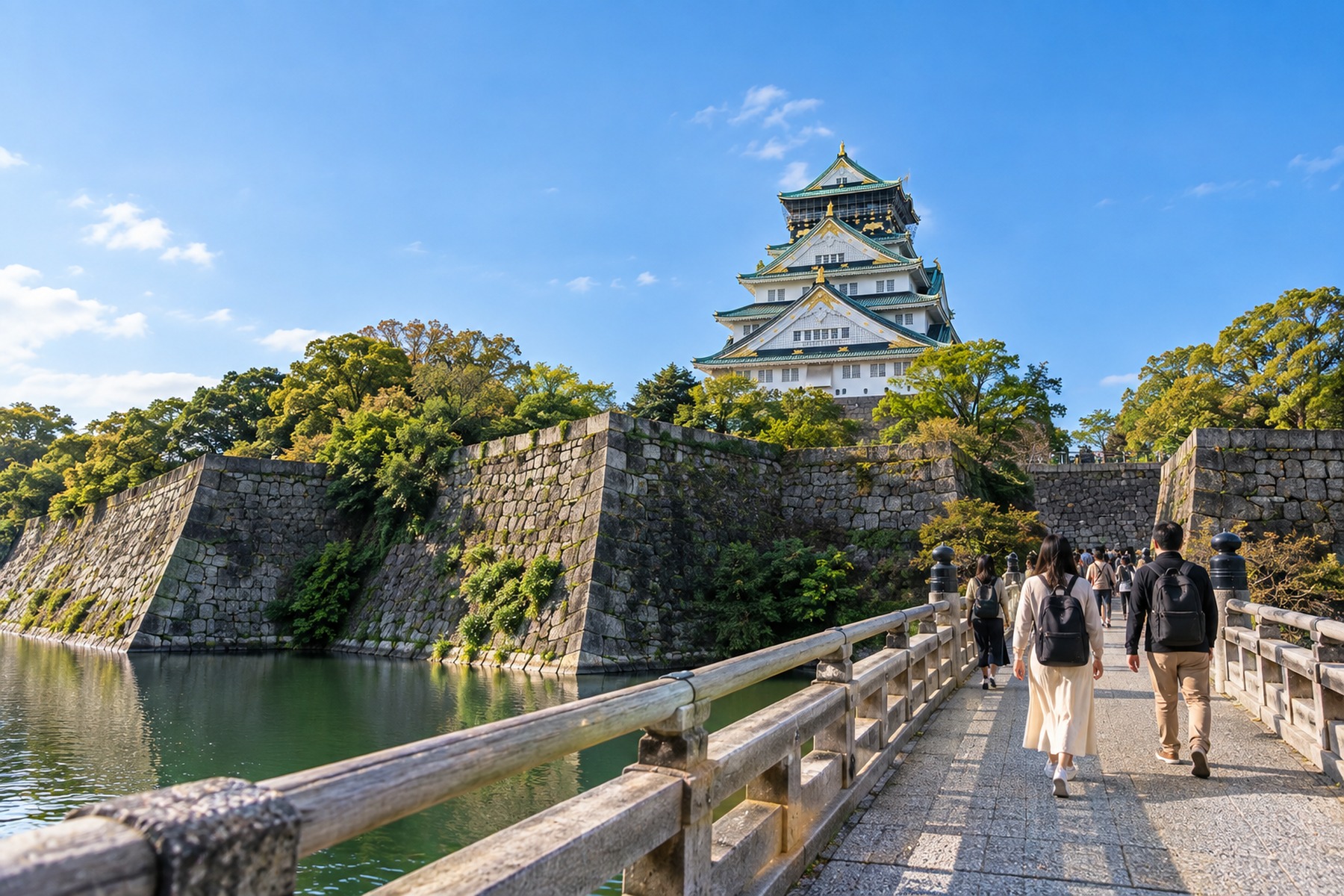
The Osaka Amazing Pass is worth it when you build a compact sightseeing day around several included attractions and use the covered transport between them. The standard 1-day pass costs ¥3,500 and the 2-day pass costs ¥5,000. A day that combines attractions such as Umeda Sky Building before the pass cutoff, Osaka Castle Museum and HEP FIVE Ferris Wheel can exceed the 1-day price even before transport. It is poor value when you visit only one or two low-cost attractions, spend most of the day shopping or eating, or choose places outside the pass. The biggest mistake is buying first and planning later: opening days, timed-entry rules, cruise capacity and attraction-specific restrictions can erase the expected savings.
What You’ll Learn
- How the 1-day, 2-day and 28-hour pass formats differ
- How to calculate a realistic break-even point using current attraction fees
- Which Osaka sightseeing patterns are strong fits for the pass
- Which itineraries are usually cheaper with normal fares
- How closures, cutoff times and timed-entry rules can reduce the value
What the standard Osaka Amazing Pass includes
The standard Osaka Amazing Pass combines unlimited rides on covered trains and buses with admission to roughly 40 participating sightseeing facilities. The current standard price is ¥3,500 for one day or ¥5,000 for two consecutive days.
The transport area includes all Osaka Metro lines, Osaka City Bus routes with some exclusions, New Tram and designated sections of Hankyu, Hanshin, Keihan, Kintetsu and Nankai railways mainly within Osaka City. It is not a universal Kansai rail pass, so do not assume every train to Kyoto, Nara, Kobe or the airports is covered.
At participating attractions, the pass normally removes the admission charge for one visit per attraction during the valid period. The operator says there is no daily cap on how many participating attractions you can enter, but opening hours, closures, reservation rules and capacity still apply.
- 1-day standard pass: ¥3,500
- 2-day standard pass: ¥5,000 for two consecutive days
- No discounted child price for the standard 1-day and 2-day products
- Each participating attraction can generally be used once during the pass period
- Transport coverage is broad inside Osaka but not unlimited across Kansai
The fastest way to judge value: add the attractions first
Treat the transport benefit as a bonus at the beginning of the calculation. First add the normal admission fees for attractions you genuinely want to visit. If that total already reaches the pass price, the transport coverage makes the case stronger.
A strong 1-day example is Umeda Sky Building at a reference adult fee of ¥2,000, Osaka Castle Museum at ¥1,200 and HEP FIVE Ferris Wheel at ¥1,000. That is ¥4,200 in attraction value before adding a single train or bus ride.
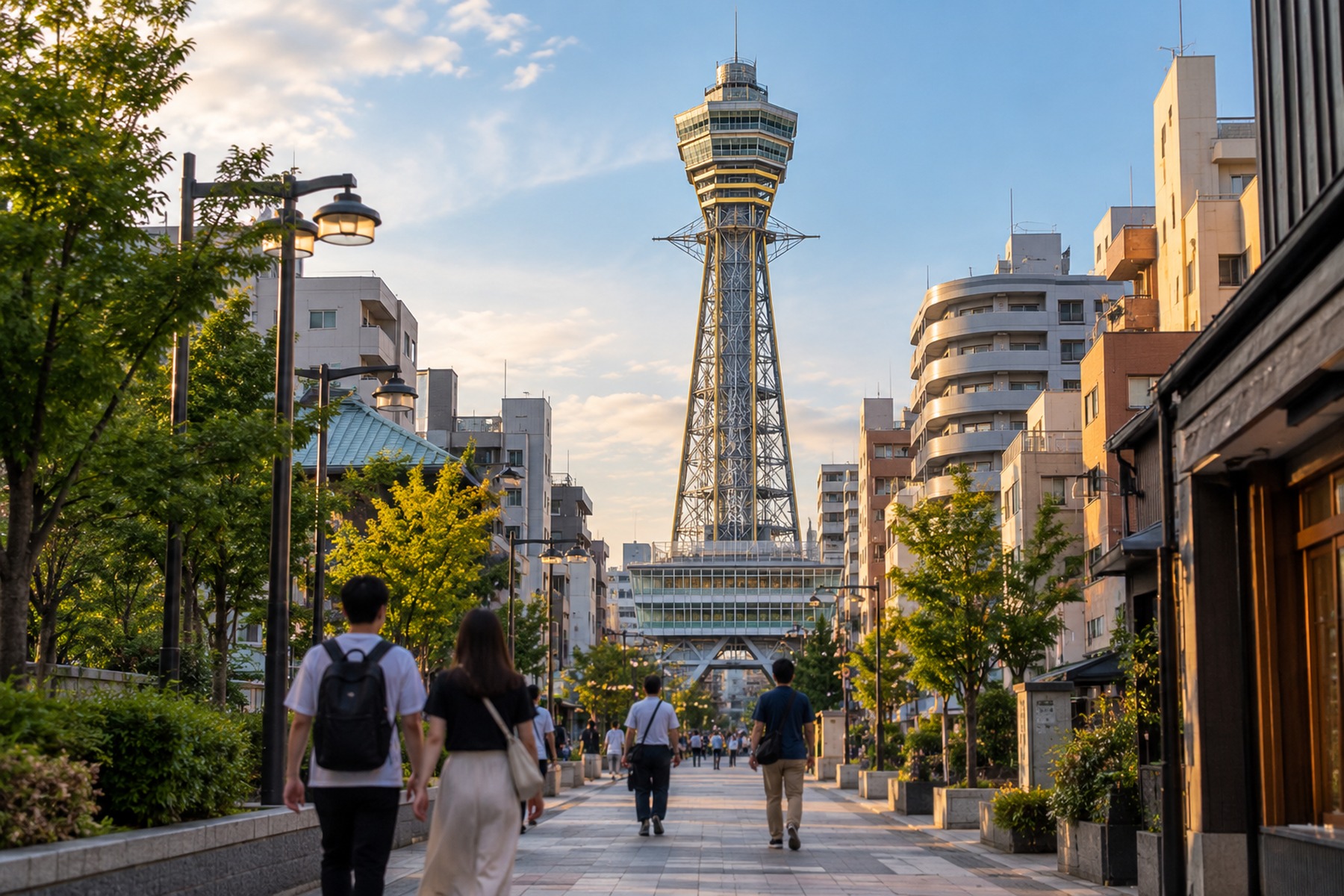
A weaker example is Osaka Castle Museum at ¥1,200 plus Tsutenkaku observation deck at ¥1,500. The attraction total is only ¥2,700. Several covered rides may narrow the gap, but the pass is not automatically cheaper.
Another near-break-even pattern is Osaka Castle Museum at ¥1,200, Osaka-jo Gozabune Boat at ¥1,800 and Nishinomaru Garden at ¥300. That is ¥3,300 before transport. One or two useful rides can push the total beyond the 1-day price, but only if the boat schedule works.
- High-value cluster: ¥4,200 in attractions before transport
- Two-attraction day: ¥2,700 before transport, often not enough by itself
- Near-break-even castle cluster: ¥3,300 before transport
- Do not count an attraction you would not otherwise pay to visit
When the 1-day pass usually saves money
The 1-day pass works best when you are sightseeing continuously rather than spending long blocks at one place. Umeda, Osaka Castle, Namba/Dotonbori and Shinsekai are all connected by covered transport, so a route that deliberately links two or three paid attractions can create value quickly.
It is especially useful for first-time visitors who want a classic Osaka sightseeing day: an observation deck, a major historical attraction, a cruise or Ferris wheel, then another evening stop. The transport benefit matters most when those attractions are spread across several neighborhoods.
The pass also reduces the need to stop and buy separate attraction tickets throughout the day. That convenience has value, but it should come after the price calculation rather than replace it.
- Good fit: three or more included attractions with meaningful admission fees
- Good fit: multiple covered train or bus trips between neighborhoods
- Good fit: a full sightseeing day with little downtime
- Poor fit: one major attraction plus shopping, cafés or free neighborhoods
When the 2-day pass becomes the better deal
The 2-day pass costs ¥5,000, only ¥1,500 more than the 1-day pass, so it can be efficient when your Osaka sightseeing is naturally spread over two consecutive days. You do not need to force an exhausting one-day schedule simply to extract value.
A sensible two-day pattern is to split the city geographically: Umeda and Osaka Castle on one day, then Namba, Dotonbori, Shinsekai or the bay area on the next. The pass can then cover attraction admissions and the transport needed to move between those clusters.
The key restriction is consecutive days. If your Osaka sightseeing is separated by a day trip to Kyoto, Nara or another city, the standard 2-day pass can be a poor match even if you eventually visit many included Osaka attractions.
- Use the 2-day pass when both days are Osaka-heavy
- Group attractions by area instead of crossing the city repeatedly
- Do not buy it for two Osaka days that are not consecutive
- A slower two-day plan can be better value than racing through attractions in one day
When the pass usually does not save money
The pass is easy to overbuy because the list of included attractions is long. If your real plan is Dotonbori, Kuromon Market, shopping, cafés and free neighborhoods, there may be little admission cost to offset.
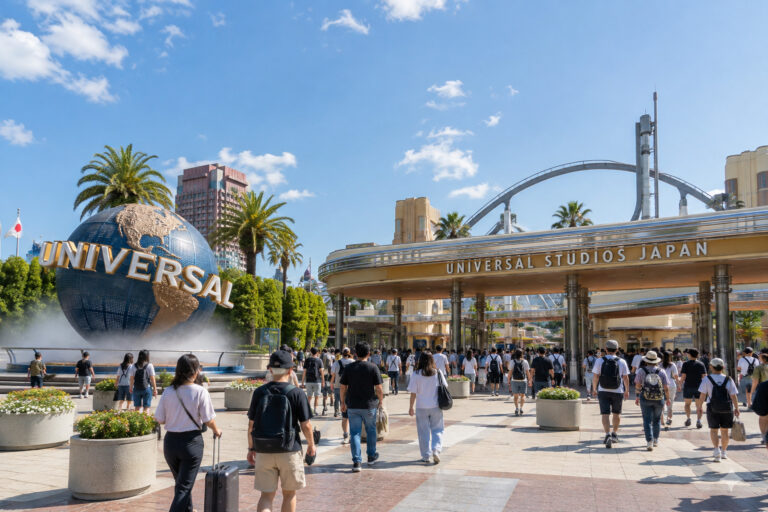
It can also be weak value when your priority attraction is not included, or when you spend most of the day at one expensive destination outside the pass. Universal Studios Japan, for example, requires its own admission products; an Osaka Amazing Pass does not replace a Studio Pass or Express Pass.
Travelers who prefer spontaneous wandering should also be cautious. The pass rewards route density. If you regularly skip planned attractions because you are tired, the weather changes or a restaurant catches your attention, normal pay-as-you-go fares may be cheaper and less stressful.
- Skip it for mostly free neighborhoods and food-focused days
- Skip it when your main attraction is outside the pass
- Skip it when you will only use one or two low-cost included attractions
- Skip it when you value flexibility more than maximizing a fixed sightseeing route
Opening hours and reservation rules can destroy the math
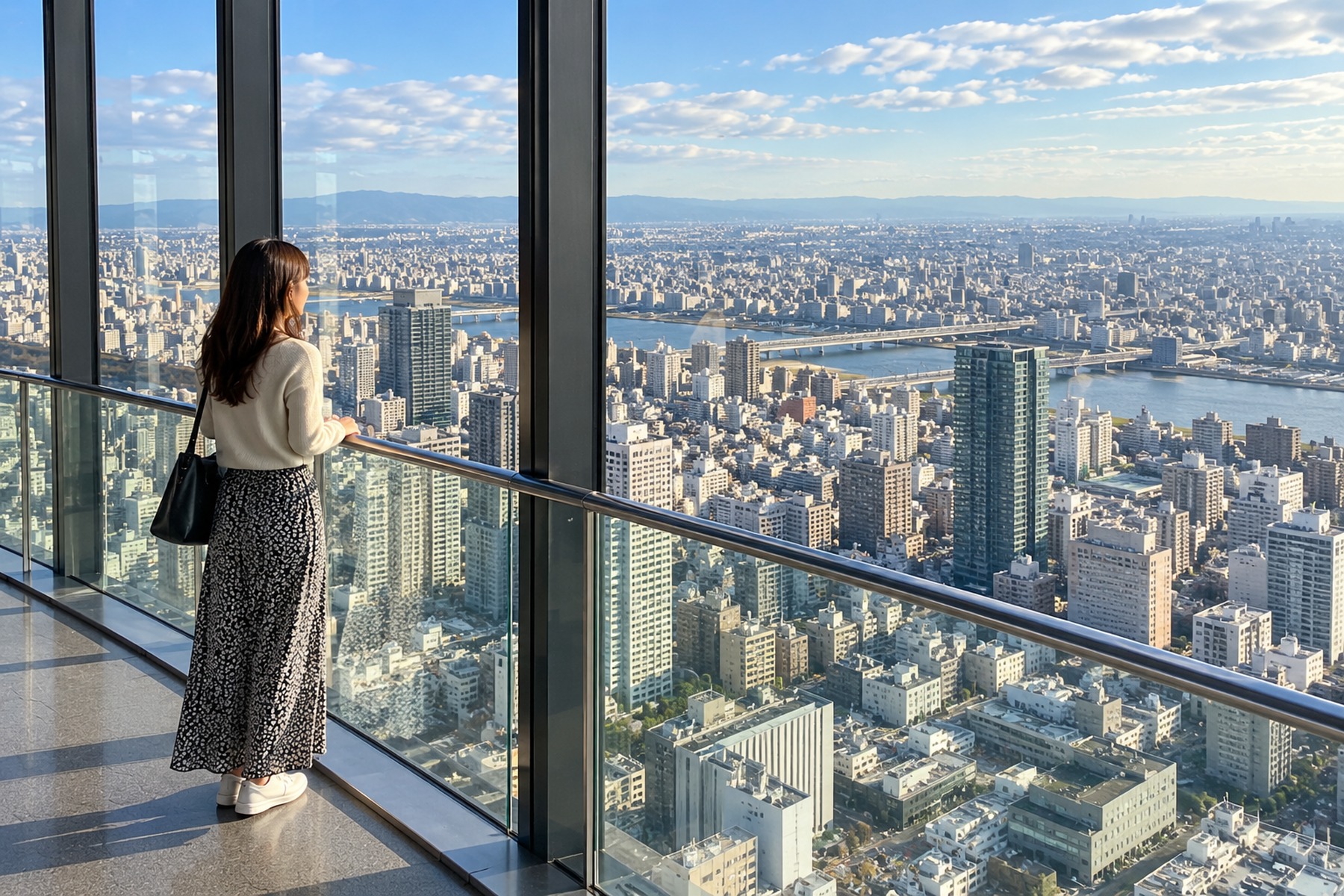
The break-even calculation is only valid if you can actually use the attractions. Umeda Sky Building is a good example: the pass currently provides normal admission only until 15:00; after that, presenting the pass gives a discount rather than free admission. A sunset plan therefore changes the calculation.
Tombori River Cruise requires you to exchange for a designated time slot, and the operator warns that evening cruises can sell out. The Osaka-jo Gozabune Boat also requires ticket exchange and has limited seats. Tsutenkaku observation deck requires a time-slot booking.
Temporary closures matter too. The official pass site lists attraction-specific closure periods and special conditions, and these change. Check the live attraction page the night before your pass day, not after you have activated the ticket.
- Check each attraction's operating day and last admission
- Look for pass-specific cutoff times, not only normal opening hours
- Reserve or exchange timed tickets early when required
- Do not assume a pass guarantees admission when capacity is full
The digital ticket has its own timing rules
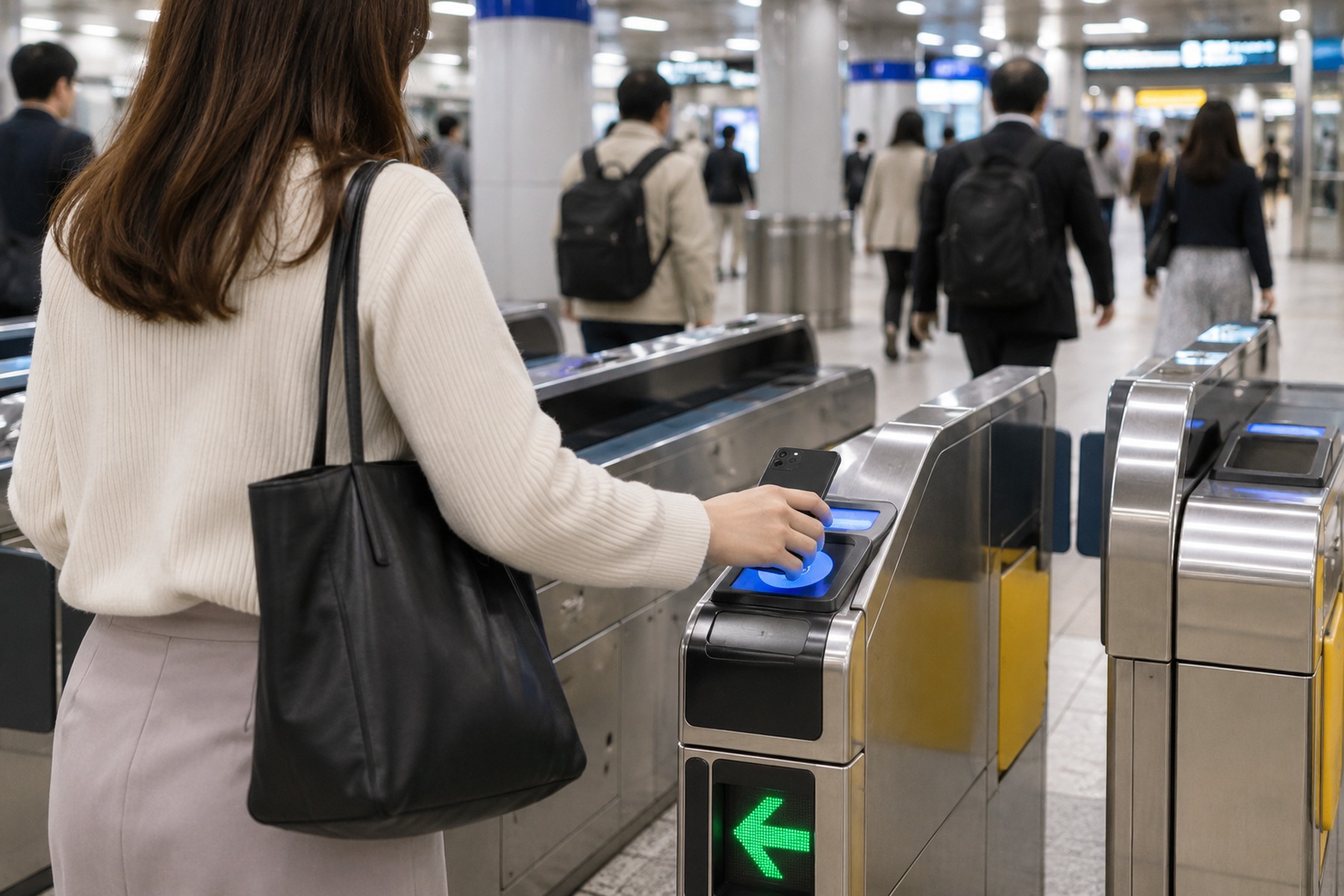
The standard 1-day and 2-day products are digital tickets used through SURUTTO QRtto. One pass day is not a rolling 24-hour period: it is treated as the period from 3:00 a.m. to 2:59 a.m. the following day, while transportation use follows the first-to-last-train service day.
Activate the pass only when you are ready to use it. The operator specifically warns not to start a 1-day or 2-day ticket between midnight and 2:59 a.m., because the new pass day begins at 3:00 a.m.
You need a working smartphone and network connection, and the digital pass uses QR-based validation at trains, buses and attractions. A dead battery is therefore more serious than with a paper sightseeing pass.
- Standard pass day: 3:00 a.m. to 2:59 a.m.
- It is not a rolling 24-hour or 48-hour ticket
- Activate just before the first use, not the night before
- Keep your phone charged and connected
What about the Itami and 28-hour Kansai Airport versions?
There are separate airport-oriented products. The Osaka Itami Airport version costs ¥3,800 for one day or ¥5,400 for two days and adds selected airport-side transport plus extra attractions such as Expo'70 Commemorative Park. It is not valid at Kansai International Airport.
A separate 28-hour Kansai International Airport version is currently sold for ¥5,300. Unlike the standard 1-day and 2-day products, it runs for 28 hours from first use. That can suit an arrival-day-plus-next-morning sightseeing pattern better than a calendar-style day pass.
Do not choose an airport version by name alone. Compare the airport transport you actually need with the sightseeing you can realistically complete during the validity period. A more expensive pass can still be poor value if the airport leg is the only extra benefit you use.
- Itami version: choose it only if its added airport-area transport and attractions fit your trip
- 28-hour KIX version: useful for a short arrival-to-next-day sightseeing window
- Standard and airport versions have different coverage
- Check the current route map before buying
A simple decision rule before you buy
Write down only the paid attractions you would visit even without the pass. Add their normal admission fees. Then add the ordinary transport cost for the route you would actually take. Compare that total with the pass price.
If the total clearly exceeds the pass price and the attractions are open at compatible times, the pass is a strong choice. If the numbers are close, choose based on convenience and flexibility. If the total is clearly below the pass price, do not buy the pass simply because the attraction list looks impressive.
The best Osaka Amazing Pass itinerary is not the one with the most checkmarks. It is the one where the attractions you already wanted to visit happen to fit together geographically and financially.
- Step 1: list only attractions you genuinely want
- Step 2: add their current admission fees
- Step 3: add realistic transport for that route
- Step 4: verify opening, cutoff and reservation rules
- Step 5: buy only when the pass total is clearly favorable
FAQ
Is the Osaka Amazing Pass worth it for one day?
Yes when you can realistically visit several included paid attractions and use covered transport between them. If your day is mostly shopping, food and free neighborhoods, normal fares are often cheaper.
How many attractions do I need to visit to break even?
There is no fixed number because attraction fees vary. Two expensive attractions may come close, while several low-cost attractions may still fall short. Use the current admission prices for the exact places on your itinerary.
Does the 1-day pass last for 24 hours?
No. The standard digital 1-day and 2-day products use a service-day rule from 3:00 a.m. to 2:59 a.m., rather than a rolling 24-hour or 48-hour clock.
Does the Osaka Amazing Pass cover Universal Studios Japan?
No. Universal Studios Japan uses separate admission and Express Pass products. The Osaka Amazing Pass should be evaluated against the attractions and transport specifically listed by its operator.
Can I use the pass for sunset at Umeda Sky Building?
Do not assume full pass admission applies at sunset. The current pass page says free admission at Umeda Sky Building applies only until 15:00, with a discount available later. Check the live rule for your visit date.
Is the 2-day pass better than buying two 1-day passes?
If you need two consecutive Osaka sightseeing days, the 2-day product is normally much cheaper than buying two separate 1-day passes. It is less useful when your Osaka days are separated by an out-of-city day trip.
Related Japan Travel Guides
Official References
Final Thoughts
The Osaka Amazing Pass is a route-planning tool, not an automatic discount. It becomes excellent value when three or more paid attractions line up naturally with covered transport. It becomes poor value when you build the day around free neighborhoods, long meals, shopping or attractions outside the pass. Do the attraction math first, check the live operating conditions second, and activate the digital pass only when your real itinerary is ready.