
Keisei Skyliner Tickets: Narita to Ueno/Nippori + Subway Add-On
A practical guide to Keisei Skyliner tickets from Narita Airport, choosing Nippori or Keisei-Ueno, and deciding whether the Tokyo Subway Ticket add-on fits your Tokyo itinerary.
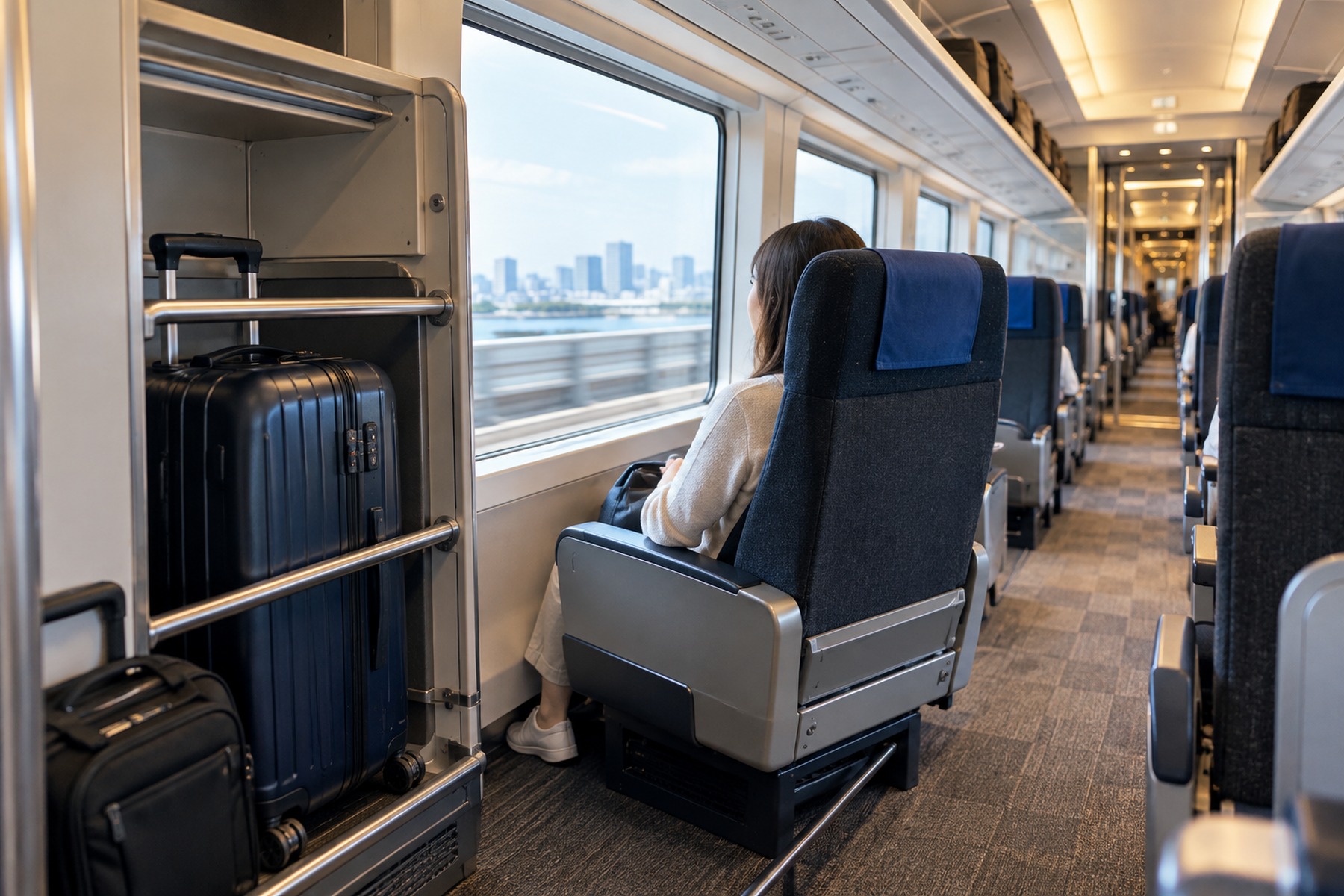
The Skyliner is usually the simplest fast airport train when your first Tokyo stop is Ueno, Nippori, or somewhere that connects naturally from those stations. Nippori is usually the better transfer for JR lines such as the Yamanote Line. Keisei-Ueno is the better choice for Ueno itself and is the required arrival point when you use the Keisei Skyliner & Tokyo Subway Ticket combination. The subway add-on covers all Tokyo Metro and Toei Subway lines for 24, 48, or 72 hours from first use, but it does not cover JR trains. Buy the add-on only if your sightseeing pattern will actually use the subway repeatedly.
What You’ll Learn
- What a normal Skyliner ticket includes and why every seat is reserved
- When to get off at Nippori instead of staying on to Keisei-Ueno
- What the Tokyo Subway Ticket add-on covers and what it does not cover
- How the Skyliner + subway combination changes your transfer plan
- How to buy the ticket, reserve a seat, and handle luggage after landing
What a Skyliner ticket actually includes
The Keisei Skyliner is a reserved-seat airport limited express linking Narita Airport with Nippori and Keisei-Ueno. Keisei states that every Skyliner seat is reserved, so you need both the base fare and the Skyliner limited-express seat component before boarding.
Keisei's current purchase and FAQ pages list the adult one-way total at ¥2,580, while the official online discount product is listed at ¥2,310. Because Keisei fare pages are not always updated at exactly the same time, treat the live booking page or station fare display as the final price authority when you purchase.
For speed, Nippori is the key stop: Keisei advertises a fastest travel time of 36 minutes between Narita Airport Terminal 2・3 and Nippori. Keisei-Ueno is a few minutes farther but puts you directly in the Ueno area.
- All Skyliner seats are reserved.
- Tickets are sold at Narita Airport, Keisei-Ueno, Nippori and other designated counters or machines, and online options are available.
- Keisei says advance seat sales open one month before departure.
- A normal Skyliner ticket does not include unlimited Tokyo subway travel.
Nippori or Keisei-Ueno: choose by your next train, not by the map
Nippori is usually the practical stop when you will continue by JR. The station is designed for Keisei-to-JR transfers, so it works well for destinations on the Yamanote Line such as Ikebukuro, Shinjuku, Shibuya, Akihabara, and Tokyo-area connections where a JR transfer is natural.
Stay on to Keisei-Ueno when your hotel is in Ueno, Okachimachi, or the eastern side of central Tokyo, or when your next move is better served by the subway. Keisei-Ueno is close to Ueno's large rail and subway hub, but remember that Keisei-Ueno and the JR Ueno complex are separate station facilities, so allow a short walk rather than assuming a same-platform transfer.
The most important exception is the Skyliner & Tokyo Subway Ticket combination: Keisei explicitly says passengers using that set cannot make the transfer at Nippori and should use Ueno Station instead.
- Choose Nippori for a straightforward JR connection.
- Choose Keisei-Ueno for Ueno-area stays and subway-oriented itineraries.
- If you bought the Skyliner + Tokyo Subway Ticket set, plan to use Ueno rather than Nippori for the onward journey.
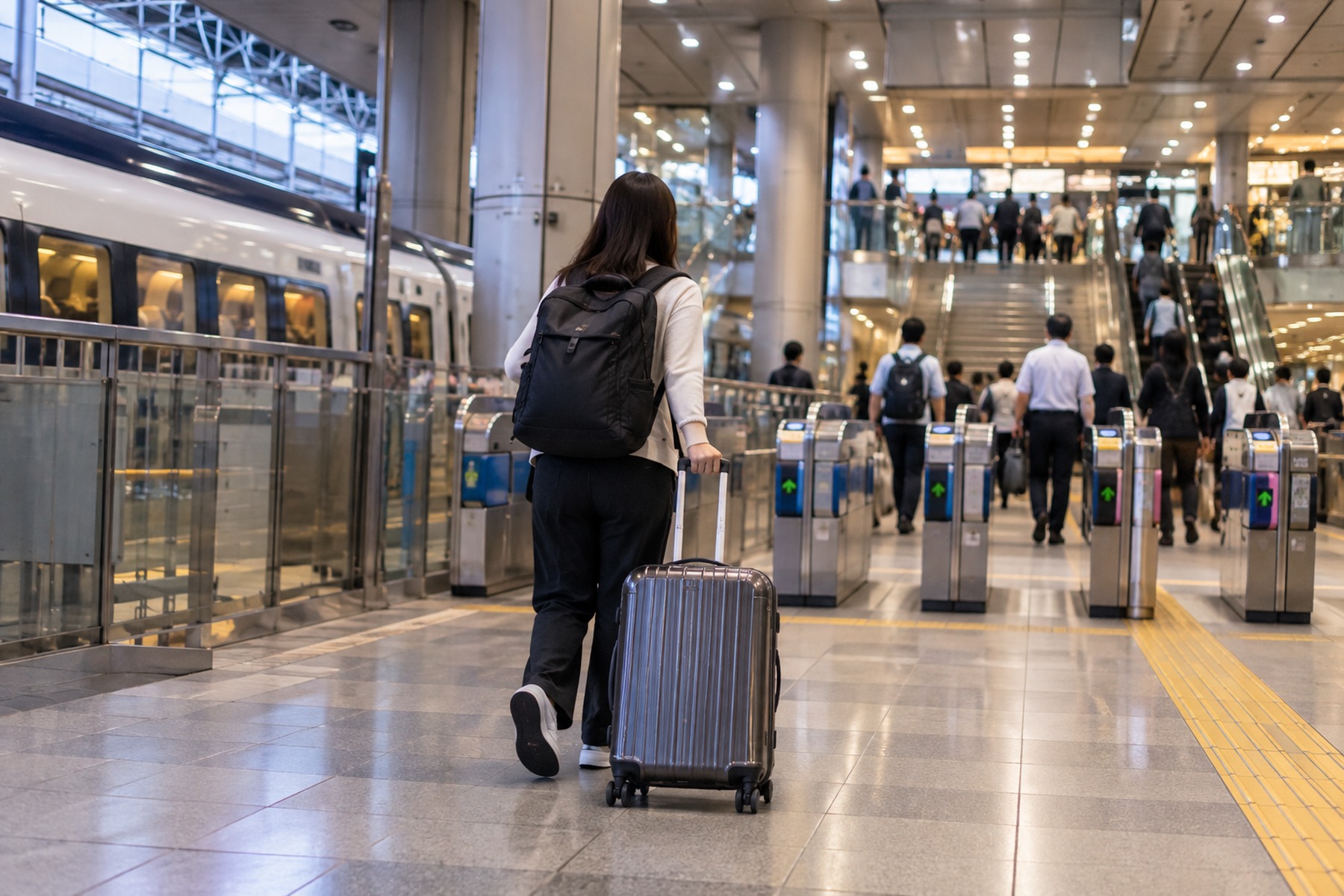
What the Tokyo Subway Ticket add-on covers
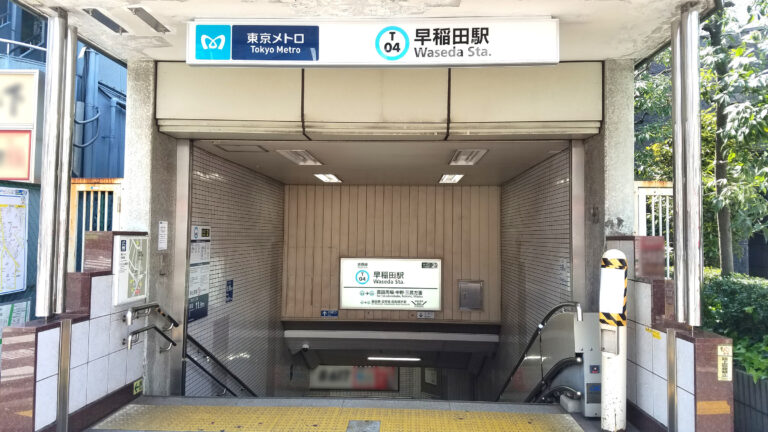
The Tokyo Subway Ticket provides unlimited rides on all Tokyo Metro and Toei Subway lines for 24, 48, or 72 hours from first use. It is a time-based pass rather than a calendar-day pass, so a 24-hour ticket started in the afternoon remains valid into the following afternoon.
The pass does not cover JR trains, private railways, or every train in the Tokyo area. That distinction matters immediately after the Skyliner: a traveler who wants to transfer to JR at Nippori is using a different network from the one covered by the subway pass.
Tokyo Metro currently lists standalone adult prices of ¥1,000 for 24 hours, ¥1,500 for 48 hours, and ¥2,000 for 72 hours. Use those prices as your comparison point when deciding whether a Skyliner bundle adds useful value.
- Covered: every Tokyo Metro line.
- Covered: every Toei Subway line.
- Not covered: JR lines such as the Yamanote Line.
- Validity starts with first use and runs for the stated number of hours.
When the subway add-on is actually worth buying
The add-on makes the most sense when your first two or three Tokyo days are subway-heavy. Examples include staying near Ueno, Asakusa, Ginza, Nihombashi, Roppongi, Shinjuku-sanchome, or other areas where Tokyo Metro and Toei lines can handle most of your sightseeing without frequent JR rides.
It is less attractive when your itinerary is centered on JR corridors or when you will take only a few subway rides each day. A prepaid IC card is more flexible because it works across many rail and bus operators, but it normally charges each ride individually rather than providing unlimited subway travel.
A simple test is to compare your likely subway usage with the standalone pass price. If your plan involves repeated subway trips and you can route your airport arrival through Ueno, the add-on can reduce both fare decisions and ticket purchases. If you expect to rely on JR after Nippori, buy the Skyliner by itself and use an IC card or separate JR fare for the onward trip.
- Good fit: multiple Metro/Toei rides on consecutive sightseeing days.
- Good fit: hotel and major stops are mostly on subway lines.
- Poor fit: most travel is on JR or other private railways.
- Poor fit: you need only one or two subway rides after arrival.
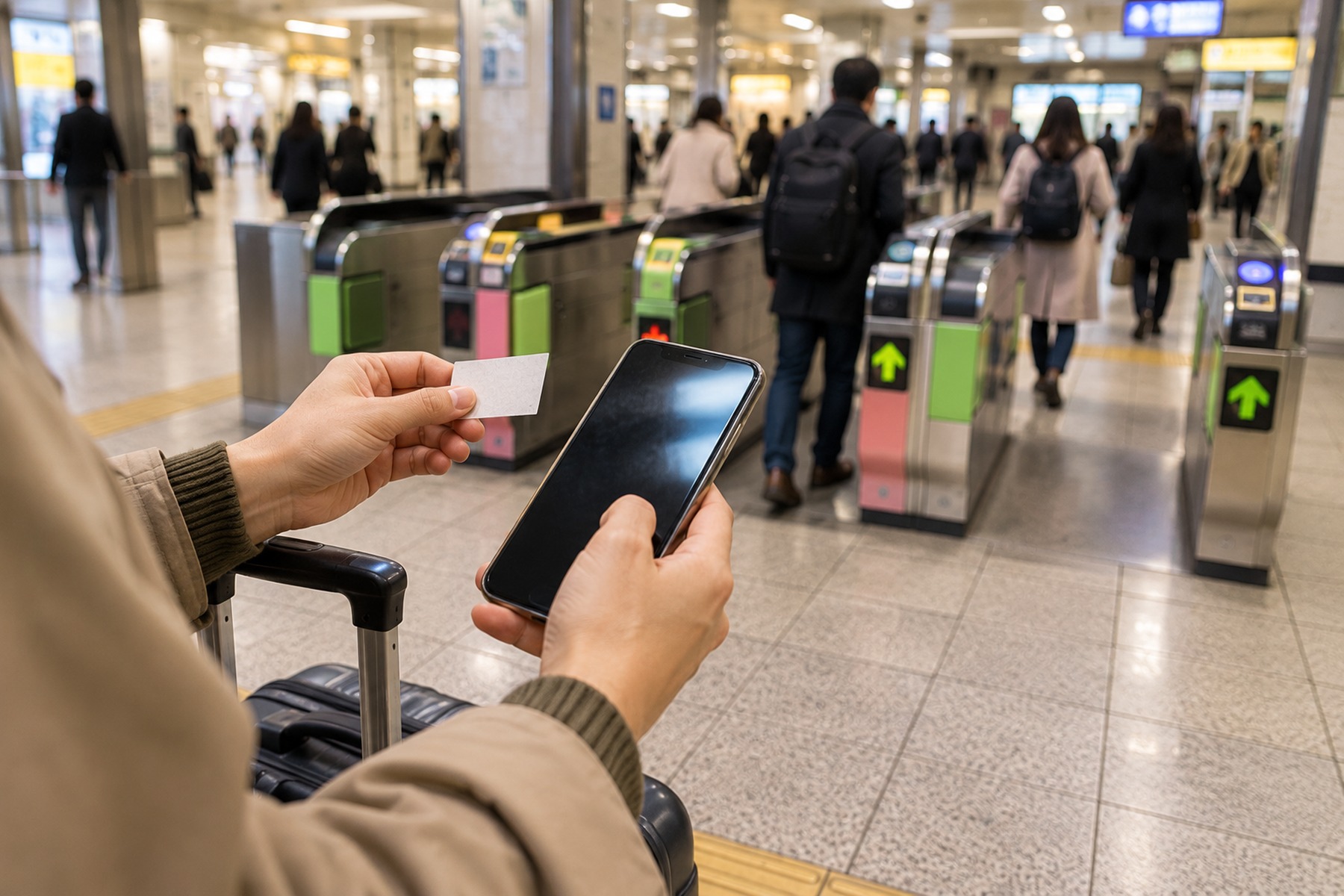
The bundle changes your airport transfer strategy
Without the subway bundle, Nippori often wins for west-side Tokyo because the JR transfer is direct and intuitive. With the bundle, the logic changes: Keisei instructs set-ticket users to continue to Ueno instead of transferring at Nippori.
That means the bundle is not simply a cheaper version of the same trip. It changes the station where your airport leg should end. If your hotel is in Shinjuku or Shibuya and you already know you want JR, the ordinary Skyliner-to-Nippori route may remain the cleaner choice. If your hotel is near a subway line and you plan to make heavy use of Metro/Toei services, the Ueno-based bundle can be more coherent.
Do this decision before you buy. Airport fatigue is the wrong time to discover that your pass and your planned transfer use different rail networks.
- Ordinary Skyliner + JR: usually transfer at Nippori.
- Skyliner + Tokyo Subway Ticket: continue to Ueno and start the subway portion from there.
- Do not buy the bundle merely because the headline discount looks attractive; match it to your actual onward network.
How to buy, reserve, and board after landing
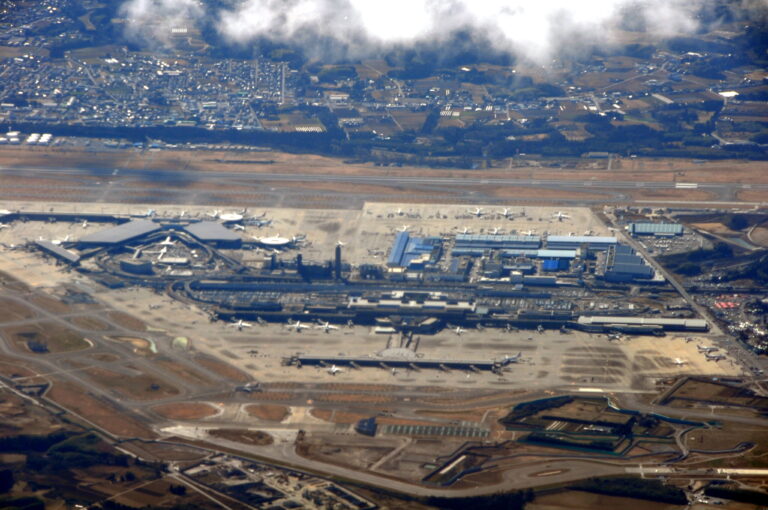
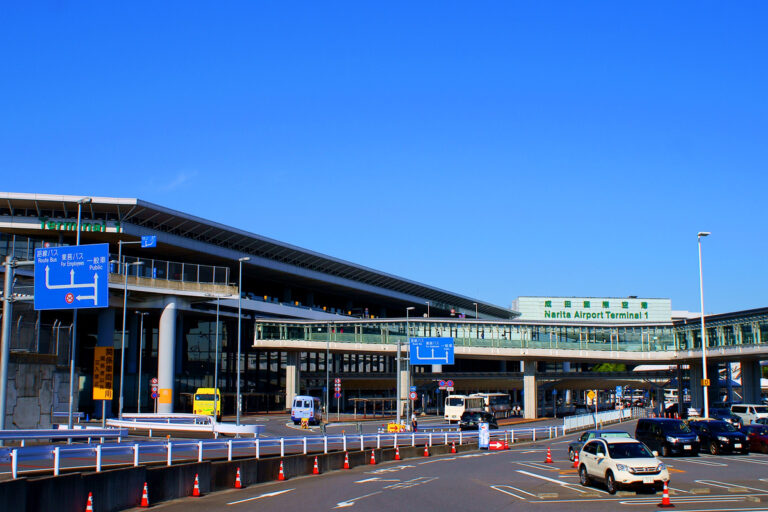
At Narita Airport, follow signs for the Keisei railway area after customs and baggage claim. Skyliner tickets are sold at dedicated counters and machines at both Narita Airport Terminal 1 Station and Narita Airport Terminal 2・3 Station. Online purchase options are also available.
Choose a specific train and seat before boarding. If your flight is delayed, avoid booking a connection so tight that immigration, baggage delivery, customs, and the walk to the station become stressful. A later train is usually preferable to sprinting through the terminal with luggage.
If you use an IC card for the base fare portion, make sure the card has sufficient balance. Keisei also notes that passengers boarding without the required Skyliner ticket can be charged an additional amount, so do not treat the train like an ordinary tap-in commuter service.
- Terminal 1 uses Narita Airport Terminal 1 Station.
- Terminals 2 and 3 use Narita Airport Terminal 2・3 Station.
- Confirm the train, departure time, car, and seat before boarding.
- Leave arrival buffer for immigration, bags, customs, and the walk to the railway station.
Luggage and the first hour in Tokyo
The Skyliner is designed for airport travelers and is much easier with a large suitcase than a crowded commuter train, but you still need a plan after you get off. Nippori involves a station transfer if you continue by JR, while Keisei-Ueno may require a street or underground walk to your next line.
If you have several large bags, a stroller, or limited mobility, minimize transfers even if the theoretical fastest route is a few minutes shorter. The convenience of a reserved seat is quickly lost if the next transfer requires stairs, long corridors, or repeated gate changes with luggage.
For a first arrival in Japan, the best Skyliner choice is usually the one that leaves you with the simplest final leg to your hotel, not necessarily the shortest airport-train time.
- Count transfers, not just minutes.
- Check your hotel's nearest station before deciding between Nippori and Ueno.
- If you are heavily loaded, a slightly longer direct or low-transfer route can be the better arrival plan.
Quick decision examples
For Shinjuku, Shibuya, or Ikebukuro, an ordinary Skyliner to Nippori followed by JR is often the cleanest rail pattern. For Ueno or nearby eastern Tokyo, stay on to Keisei-Ueno. For a subway-heavy sightseeing plan, consider the Skyliner + Tokyo Subway Ticket and route your arrival through Ueno.
For Tokyo Station, Shinagawa, or destinations far from the Ueno/Nippori axis, compare the Skyliner against other airport rail or bus options before buying. The fastest first leg is not automatically the fastest door-to-door trip.
The practical rule is simple: choose the airport train and city pass together. Your best ticket is the one that matches the network you will actually use after the airport.
- West-side JR destination: Skyliner to Nippori, then JR.
- Ueno-area hotel: Skyliner to Keisei-Ueno.
- Subway-heavy sightseeing: consider the Ueno-based Skyliner + Tokyo Subway Ticket set.
- Tokyo Station or other non-Ueno/Nippori destinations: compare complete door-to-door routes before purchase.
FAQ
Can I use Suica or PASMO instead of buying a Skyliner ticket?
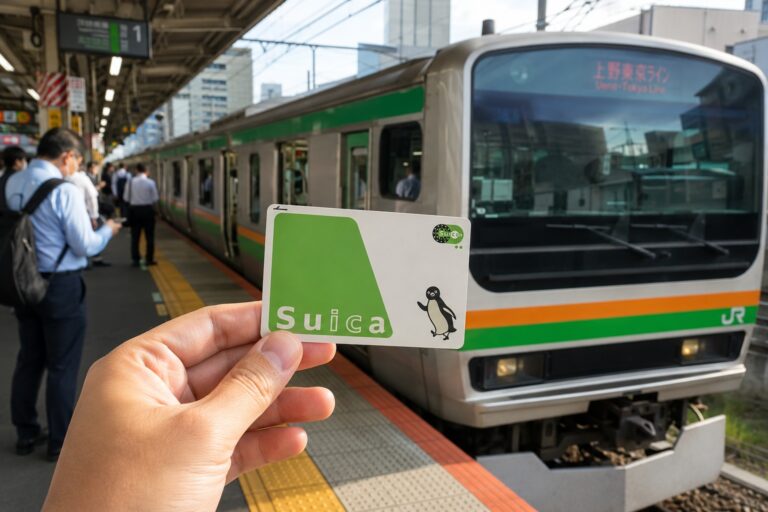
An IC card can be used for the base fare, but the Skyliner is an all-reserved limited express and requires the separate Skyliner seat ticket. Do not board with only an IC tap and assume the reserved-seat portion is covered.
Should I get off the Skyliner at Nippori or Ueno?
Use Nippori when your next step is a JR transfer, especially for Yamanote Line destinations. Use Keisei-Ueno for Ueno-area stays, subway-oriented travel, and whenever you are using the Skyliner & Tokyo Subway Ticket combination.
Does the Tokyo Subway Ticket cover JR trains?
No. It covers Tokyo Metro and Toei Subway lines. JR, Keisei, and other private railway fares are separate unless a specific product says otherwise.
How long is the Tokyo Subway Ticket valid?
The standard visitor versions are valid for 24, 48, or 72 hours from first use, not simply until midnight on the first day.
Is the Skyliner + Tokyo Subway Ticket always cheaper?
Not necessarily for your actual itinerary. The set can be attractive when you will ride Tokyo Metro and Toei Subway repeatedly, but it is poor value if most of your city travel is on JR or you make only a few subway trips. Compare your expected rides and the current bundle price before purchase.
Related Japan Travel Guides

Official References
- Keisei Electric Railway — How to Purchase Skyliner Tickets
- Keisei Electric Railway — Skyliner Discount Ticket
- Keisei Electric Railway — Keisei Skyliner & Tokyo Subway Ticket
- Keisei Electric Railway — Nippori Transfer Guidance
- Tokyo Metro — Tokyo Subway Ticket
- Keisei Electric Railway — Skyliner Timetable and Route
Final Thoughts
The Skyliner is easiest to use when you decide the second leg before buying the first. Nippori is the natural handoff to JR, while Keisei-Ueno is better for Ueno itself and for the Skyliner + Tokyo Subway Ticket combination. The subway add-on is valuable only when Tokyo Metro and Toei Subway genuinely match your sightseeing pattern. Check the live fare and departure time before purchase, leave a realistic airport-arrival buffer, and choose the route that gives you the fewest awkward transfers with luggage.