
Family Travel in Japan: Hotels, Trains, Luggage and Easy Itineraries
A practical family travel guide to Japan covering trip pace, hotel choice, room setup, trains, luggage, meals, theme parks, mobile data, medicine, insurance and multigenerational planning.
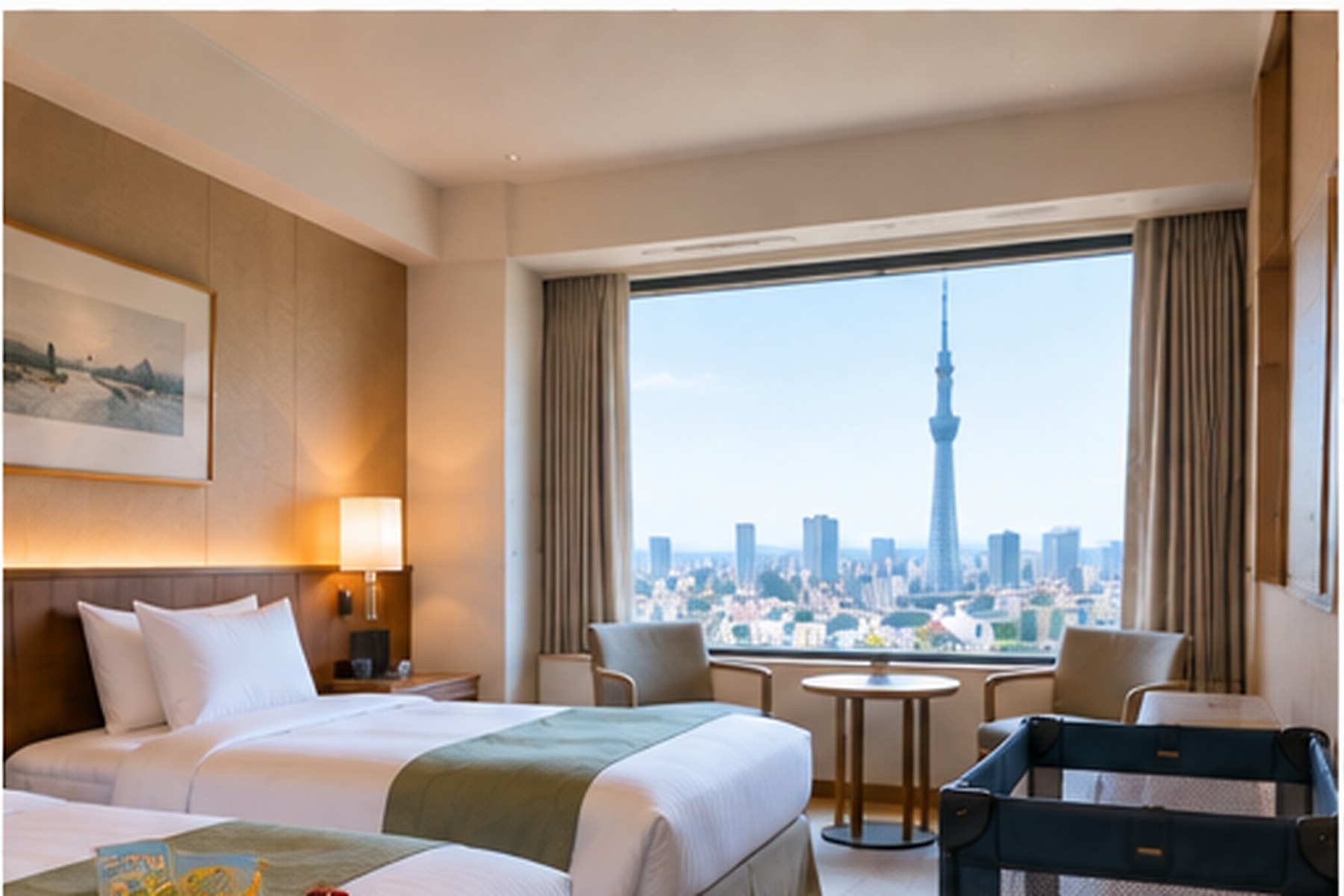
Japan is well suited to family travel when the itinerary is designed around the whole group rather than the fastest route. Use fewer hotel bases, choose rooms near useful stations, confirm sleeping arrangements before booking, reserve seats when sitting together matters, forward large luggage when helpful, and leave time for meals and rest. Families traveling with children, teenagers or grandparents should also keep reliable mobile data, medication information, emergency contacts and at least one backup payment method.
What You’ll Learn
- How to build a family itinerary that works for different ages and energy levels
- How to choose hotels, rooms and station locations that reduce daily friction
- How to use trains, reserved seats and luggage delivery without making transfer days exhausting
- How to plan meals, attractions, mobile data, medicine and emergency backups for the whole family
Start With Fewer Bases and Better Days
Family travel becomes harder when every day begins with packing, checkout or a long cross-city transfer. A route with fewer hotel bases usually gives the group more useful sightseeing time and more room for different energy levels.
Build each day around one main area, then add something nearby only if the group still has time and energy. This works for families with young children, teenagers and grandparents because nobody has to keep the pace of the fastest traveler.
- Count hotel changes as travel tasks, not free sightseeing time.
- Group attractions by neighborhood or transport corridor.
- Leave one flexible block for weather, rest or an unexpected favorite place.
- Avoid stacking several non-refundable timed reservations on the same day.
Choose the Hotel for the Whole Family, Not Just the Rate
A family room that looks affordable can become inconvenient if the station is difficult, the room is too small for luggage, or the sleeping arrangement does not match the group. Check the station, exit, walking route, room size, bed configuration and luggage storage before paying.
When you need a cot, bed guard, connecting room, accessible bathroom or extra floor space, confirm the exact room with the property. A general family-friendly label does not guarantee that a specific room will fit your needs.
- Prioritize a useful station and manageable walking route.
- Read room and bed dimensions before booking.
- Confirm cots, bed guards, connecting rooms or extra bedding in advance.
- Check whether breakfast, laundry and luggage storage simplify the stay.
Think in Nights, Not Only Cities
A two-night stay often gives you only one full sightseeing day after arrival and departure time are removed. This matters more for families because transfers include extra bathroom stops, snacks, stroller or bag handling and time to regroup.
A better route usually gives the family enough nights to settle into each base. Tokyo can absorb several days easily, while Kyoto and Osaka can be combined in different ways depending on hotel preference, day trips and the age mix of the group.
- Short trips are usually better with one main region and fewer transfers.
- Medium trips can support two or three bases without feeling rushed.
- Add another city only when it improves the trip more than it increases logistics.
- Keep one day lighter after a long-distance transfer.
Use Trains, but Remove the Hardest Parts of Train Travel
Japan’s rail system makes family travel possible without renting a car in many popular areas, but stations can still involve long walks, many exits and crowded platforms. The easiest family route is not always the one with the shortest timetable.
Use elevators when luggage, strollers or older family members make stairs inconvenient, avoid the busiest commuter periods when possible, and consider a taxi for one awkward final segment if it removes a difficult transfer.
- Check the station exit as well as the line and platform.
- Allow extra transfer time at large stations.
- Keep children together before entering a busy gate or platform.
- Use staff assistance when a mobility issue or difficult transfer requires it.
Reserve Long-Distance Seats When Sitting Together Matters
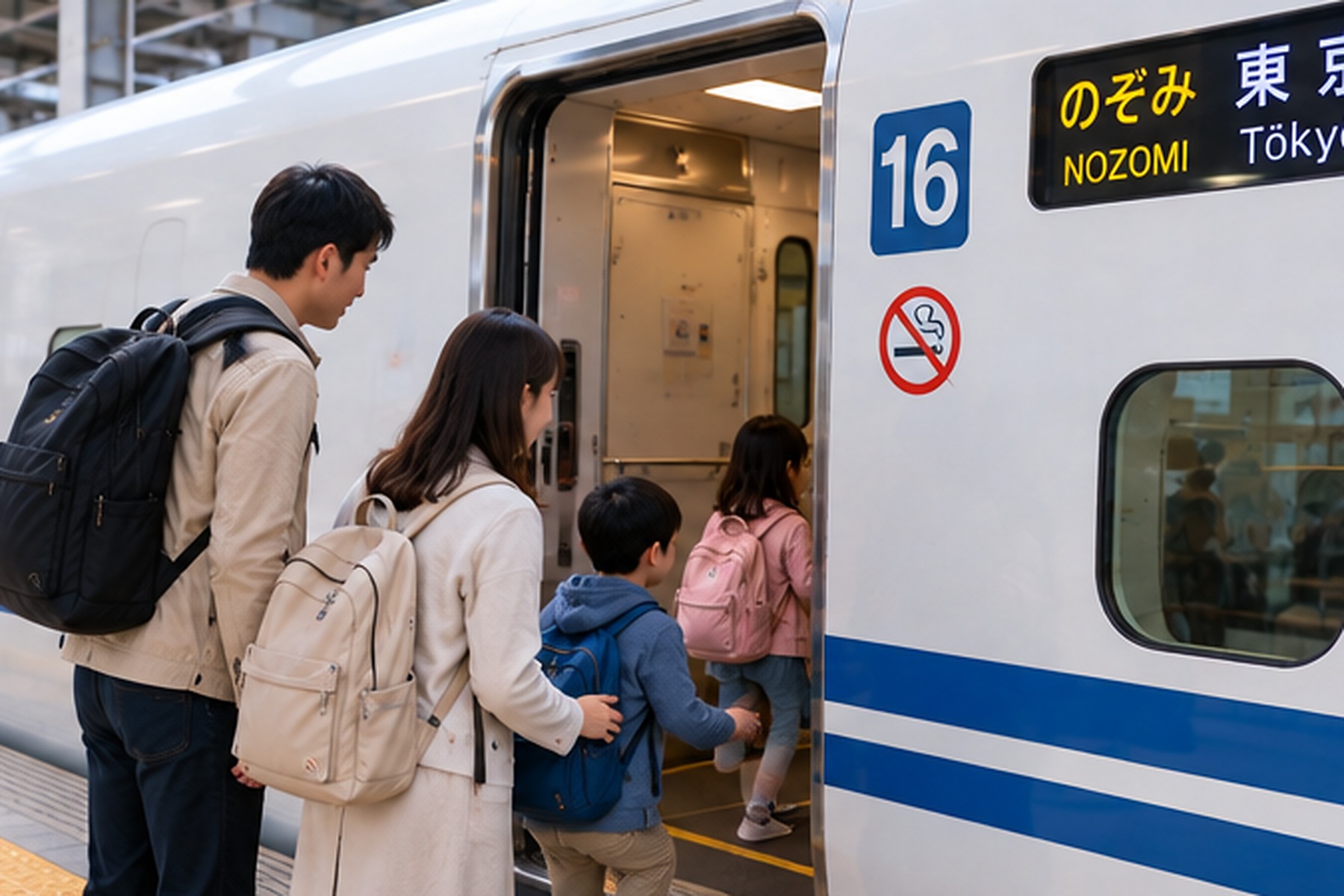
A long-distance train day is easier when everyone knows where they will sit. Reserved seats can be especially useful for families carrying luggage, traveling with children or coordinating with older relatives who do not want to search for seats after boarding.
Keep the reservation information ready before the gate, and avoid connections that leave almost no margin between trains. One missed connection can create more stress for a family group than the small amount of time a tight transfer was supposed to save.
- Reserve when family seating is important.
- Keep tickets or mobile reservations accessible to the adult managing the group.
- Allow a generous transfer buffer between long-distance trains.
- Pack drinks, snacks and essential medicine in a small bag that stays with you.
Move the Suitcase Separately When It Makes the Day Easier
JNTO specifically promotes hands-free travel and notes that luggage delivery is useful for travelers with many large bags and for families with small children. Major hotels can often help arrange delivery between hotels, while coin lockers can solve shorter storage problems.
Use forwarding selectively. It is most valuable when a transfer includes several trains, crowded stations, stairs or a long walk to the hotel. Keep passports, medication, valuables and enough clothing for the next day with you.
- Forward the biggest suitcase between major hotel bases when it removes a difficult transfer.
- Use one family day bag for documents, medicine, chargers and immediate needs.
- Confirm delivery timing before sending bedtime or next-morning essentials.
- Do not assume a large station locker will always be available.
Food Should Solve Problems, Not Create Another Schedule
Family meals do not all need to be famous restaurants. Convenience stores, casual chains, food halls and neighborhood restaurants make it easy to feed a mixed group when one person is tired, another wants something familiar and someone else wants to try Japanese food.
Keep one reliable backup food near the hotel and carry a small snack on long sightseeing days. For allergies, use current ingredient information and the Consumer Affairs Agency’s guidance rather than guessing from pictures.
- Choose only a few destination meals that are worth the detour or wait.
- Keep a simple breakfast or late-evening option near the hotel.
- Use lunch as a real rest period instead of a rushed stop between attractions.
- For serious allergies, confirm ingredients and cross-contact rather than relying on appearance.
Mix High-Energy Attractions With Easy Recovery Time
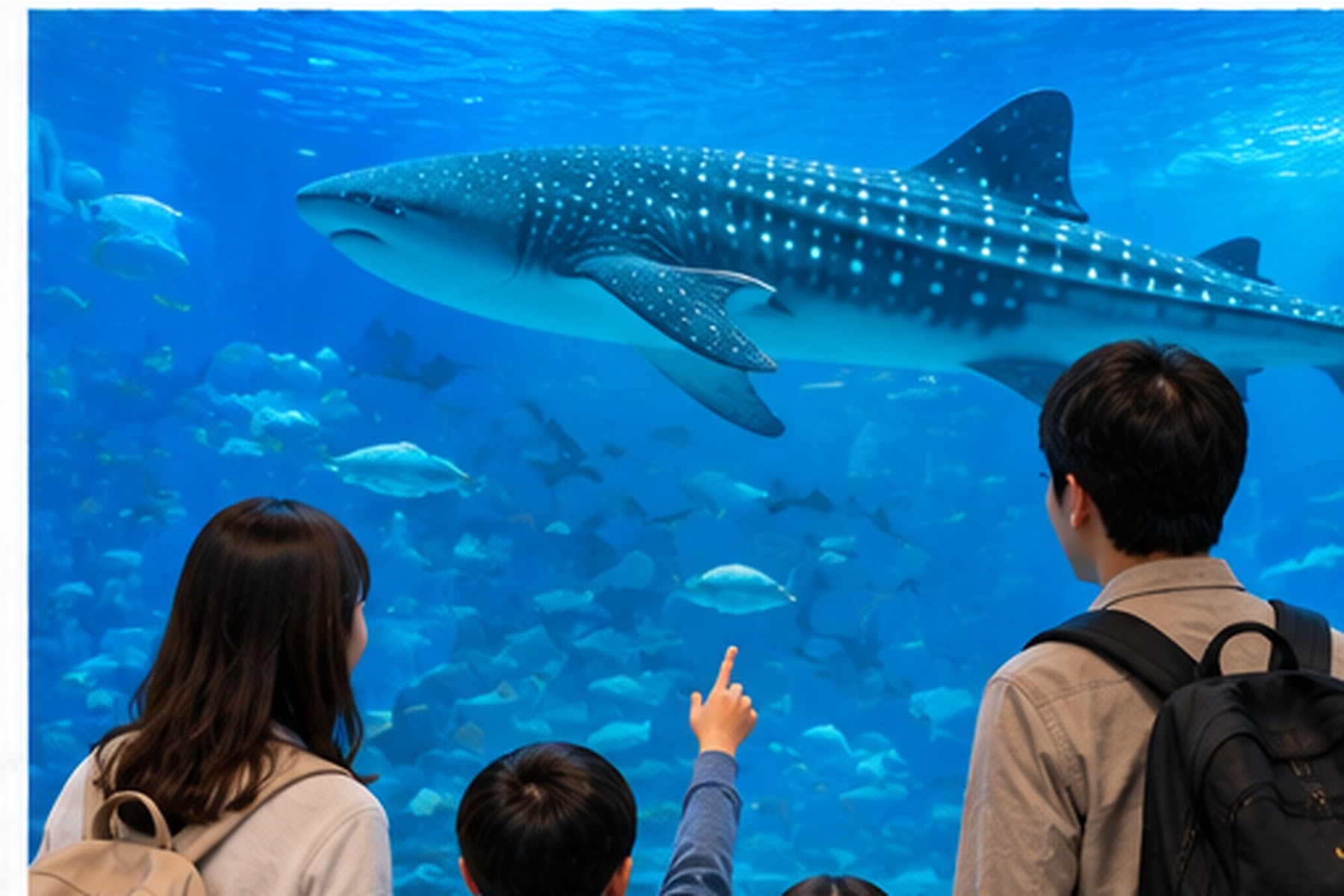
Theme parks, aquariums, museums and major shopping districts can be highlights for a family, but they work better when the rest of the day is lighter. A full morning at a crowded attraction followed by another cross-city queue is often where family itineraries stop being enjoyable.
Tokyo Disney Resort publishes child-friendly services such as stroller rental and diaper-changing facilities, and its Baby Centers support nursing and infant meal preparation. Even when you do not need those services, the broader lesson is useful: learn the facility layout before the day starts and decide where the family can rest.
- Choose a short must-do list for a major attraction.
- Identify food, toilets and rest areas before everyone is tired.
- Use indoor attractions as weather backups.
- Keep the evening flexible after a high-stimulation day.
Build the Day Around the Youngest or Slowest Traveler
The family’s real pace is set by the person who needs the most time, not by the route planner. That may be a toddler, a grandparent, a traveler recovering from jet lag or simply the person who enjoys slower sightseeing.
A useful rhythm is one major morning activity, a proper lunch, one lighter afternoon block and an easy evening near the hotel. Faster family members can add optional nearby activities without making everyone else follow.
- Plan rest before fatigue becomes a problem.
- Alternate walking-heavy and seated activities.
- Use cafes, malls, parks or hotel breaks as legitimate parts of the itinerary.
- Give optional activities to the travelers who still have energy.
Reliable Mobile Data Keeps a Family Group Coordinated
Mobile data helps with train changes, weather, translation, tickets, hotel directions and regrouping when family members temporarily separate. That matters more in a group because one missed message can delay everyone.
An eSIM works well when each adult wants independent data, while pocket WiFi can suit a family that wants several devices on one connection. Save the hotel address and critical bookings offline in case a battery dies or the network drops.
- Set up connectivity before the first complicated airport transfer.
- Carry at least one power bank.
- Save the hotel address and next major booking offline.
- Agree on a meeting point before splitting up in a crowded attraction.
Prepare Medicine and Medical Information Before You Fly
Japan controls the personal import of medicines. The Ministry of Health, Labour and Welfare explains that requirements depend on the medicine, active ingredient and quantity, and that some controlled drugs require advance permission or may be prohibited.
For a family group, prepare one clear medication list for anyone who takes regular medicine and keep it accessible. If a child or older traveler has a condition that may require urgent care, make sure another adult knows the medication, allergy and insurance details.
- Check active ingredients and quantities before departure.
- Complete any required import procedure before flying.
- Keep essential medicine in carry-on baggage within airline rules.
- Store a medication and allergy summary where another adult can access it.
Know the Emergency Backup Before You Need It
JNTO operates the Japan Visitor Hotline for tourist information and assistance during accidents, illness and natural disasters. In Japan, call 119 for fire or ambulance and 110 for urgent police assistance.
Keep insurance details, emergency contacts and accommodation information available offline. A family should also decide which adult will handle documents, phone calls and medical information if another adult is occupied with a child or injured traveler.
- Save 119 and 110 in every adult traveler’s phone.
- Keep the Japan Visitor Hotline details accessible offline.
- Store insurance and emergency contacts separately from the main wallet.
- Know who in the family will handle documents and communication during an emergency.
Keep Arrival Day and Departure Day Easy
International arrival already includes immigration, baggage, airport transport, an unfamiliar station and hotel check-in. Families gain little from adding a non-refundable attraction immediately after landing.
Use arrival day to reach the hotel, arrange cash or mobile data if needed, eat nearby and learn the immediate neighborhood. On departure day, protect the airport transfer instead of squeezing in a distant last attraction with all the bags.
- Avoid tight timed reservations soon after an international flight.
- Choose the simplest airport transfer that fits the family and luggage.
- Buy breakfast or snacks near the hotel for the next morning when useful.
- Keep the final day geographically close to the airport route.
A Better Family Trip Is Not the Same Trip for Everyone
Family travel works best when the itinerary gives people some choice. Teenagers may want shopping, grandparents may prefer a museum or garden, and younger children may need a park or early dinner. The group does not have to move together every hour.
Build a shared core itinerary, then use optional nearby activities for different interests. That keeps the trip connected without forcing every traveler to accept the same pace and priorities.
- Choose a few shared highlights that matter to everyone.
- Use optional nearby activities for different interests or energy levels.
- Set a clear meeting point and time before separating.
- Protect at least one relaxed shared meal or evening each day.
FAQ
Is Japan a good destination for family travel?
Yes. Japan’s transport, convenience stores, hotels, attractions and public facilities make family travel practical, especially when the itinerary uses fewer bases and realistic daily pacing.
How many cities should a family visit in Japan?
There is no single correct number, but fewer hotel changes usually make a family trip easier. Add another city only when it improves the experience enough to justify the packing and transfer time.
Should families reserve Shinkansen seats?
Reserved seats are useful when sitting together matters, when the group carries luggage or when a traveler needs certainty about where they will sit. Leave enough time to reach the platform without rushing.
Is luggage forwarding worth it for families?
It can be very useful when a transfer involves children, older relatives, strollers or several suitcases. Keep medication, valuables and next-day essentials with you.
Is pocket WiFi or eSIM better for a family?
A pocket WiFi device can be convenient when several people want to share one connection, while eSIMs are useful when adults want independent data. The better choice depends on device compatibility and how often the family splits up.
What should families do if someone gets sick in Japan?
For an emergency call 119. JNTO’s Japan Visitor Hotline can provide multilingual visitor assistance during illness, accidents and natural disasters. Keep insurance, medication and hotel information accessible.
Can families bring prescription medicine into Japan?
Many personal medicines can be brought within specific rules, but requirements depend on the ingredient and quantity, and some controlled substances require advance permission or are prohibited. Check official Ministry of Health, Labour and Welfare guidance before departure.
Related Japan Travel Guides
Official References
Final Thoughts
Family travel in Japan becomes much easier when the itinerary is built around the group rather than the maximum number of places you can fit on a map. Choose convenient hotels, reduce unnecessary hotel changes, reserve the journeys where sitting together matters, move heavy luggage separately when it helps, protect time for meals and rest, and keep medicine, connectivity and emergency information organized. A flexible family trip usually creates better memories than an efficient-looking schedule that nobody has the energy to enjoy.