
Hospitals in Japan: What Tourists Should Do If They Get Sick
A practical guide to getting medical care in Japan, including when to call 119, how to find a clinic or hospital, what to bring, language support, payment and travel insurance.
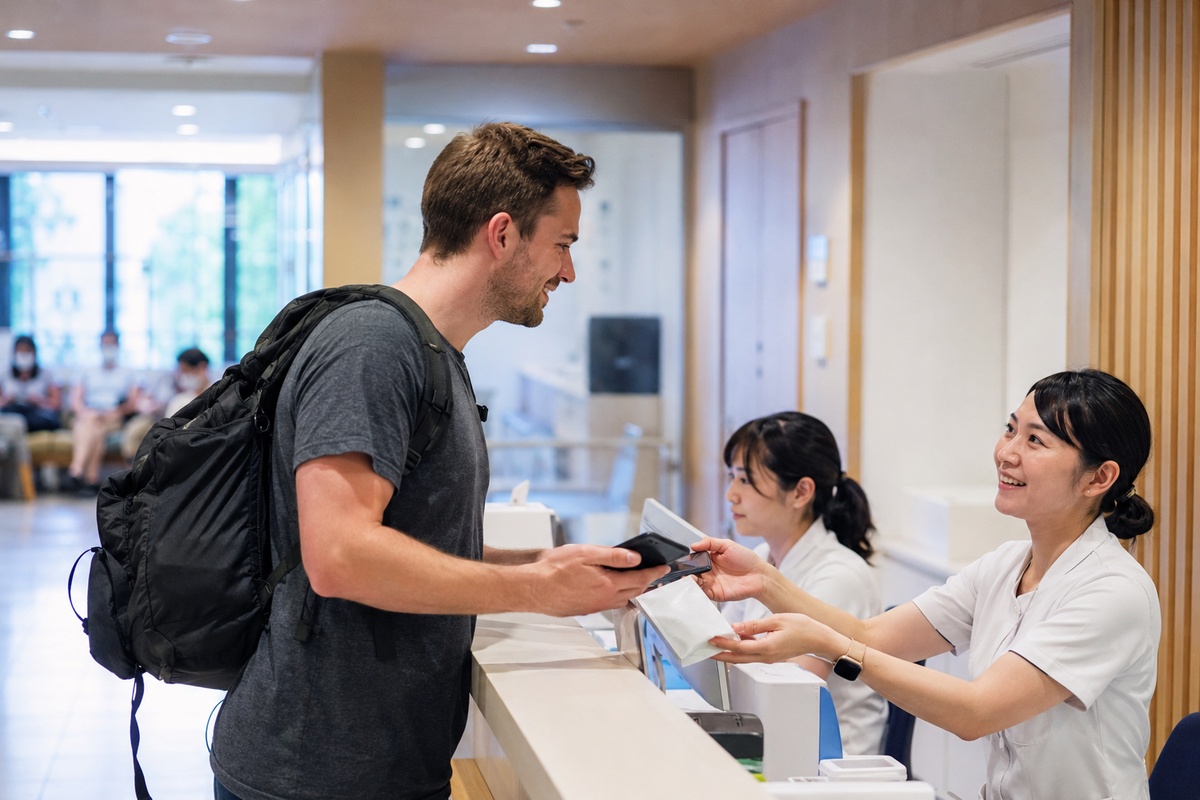
For a serious or life-threatening emergency in Japan, call 119 for an ambulance. If the situation is not an emergency, use an official medical-facility search service, ask your accommodation or travel-insurance assistance service for help, and contact the facility before going when possible. Bring identification, insurance details, a list of medicines and allergies, and a payment method. Foreign-language support varies by facility, so confirm language availability rather than assuming English is available everywhere.
What You’ll Learn
- When to call 119 instead of searching for a clinic
- How to find a hospital or clinic that can help foreign visitors
- What to bring to reception and how to explain symptoms clearly
- How language support, payment and travel insurance can affect the visit
- What to prepare before your trip so medical care is easier to arrange
Hospital, Clinic, Pharmacy, or Ambulance?
The right first step depends on how urgent the problem is. A life-threatening condition needs emergency care, while many non-urgent illnesses can be handled by a clinic. Pharmacies can help with some over-the-counter medicines, but prescription treatment normally requires medical evaluation.
Do not choose a large hospital simply because it sounds safer. Some hospitals focus on specialist or emergency care, and a nearby clinic may be the more practical starting point for a non-urgent problem.
- Immediate danger, severe injury, collapse, major breathing difficulty or other serious symptoms — call 119
- Strong but non-life-threatening symptoms — contact an appropriate clinic or hospital
- Mild symptoms or questions about non-prescription medicine — a pharmacy may be useful
- Unsure where to go — use an official medical-facility search service or ask your accommodation or insurer for assistance
When to Call 119
Japan uses 119 for ambulance and fire emergencies. The Fire and Disaster Management Agency states that ambulance service is available to anyone in Japan. If someone may be in serious danger, call first rather than spending time searching for a hospital online.
Give your location as clearly as possible and describe what happened. If you are in a hotel, station, shop or other recognizable place, the facility name or nearby landmark can help the operator identify your location.
- Loss of consciousness or a person who cannot respond normally
- Severe breathing difficulty, major bleeding or a serious injury
- Sudden severe symptoms that may require immediate treatment
- A fire, rescue situation or other emergency requiring dispatch
How to Find a Medical Facility
The Ministry of Health, Labour and Welfare provides Medical Information Net, a nationwide service for searching medical institutions. Search criteria include location, medical department and foreign-language support. The ministry and the Japan Tourism Agency also maintain information on medical institutions that accept foreign patients.
For travelers, the most useful choice is usually a facility that matches both the medical need and the practical situation: the right department, current opening hours, acceptable language support and a location you can reach safely.
- Search by current area and medical department
- Check whether the facility is open now or handles nights and holidays
- Check listed foreign-language support
- Call ahead when the situation is not urgent and you are unsure about intake
What to Bring to the Hospital or Clinic
Bring enough information for staff to identify you, understand your medical history and arrange payment. A short written summary can be more useful than trying to remember everything while you are unwell.
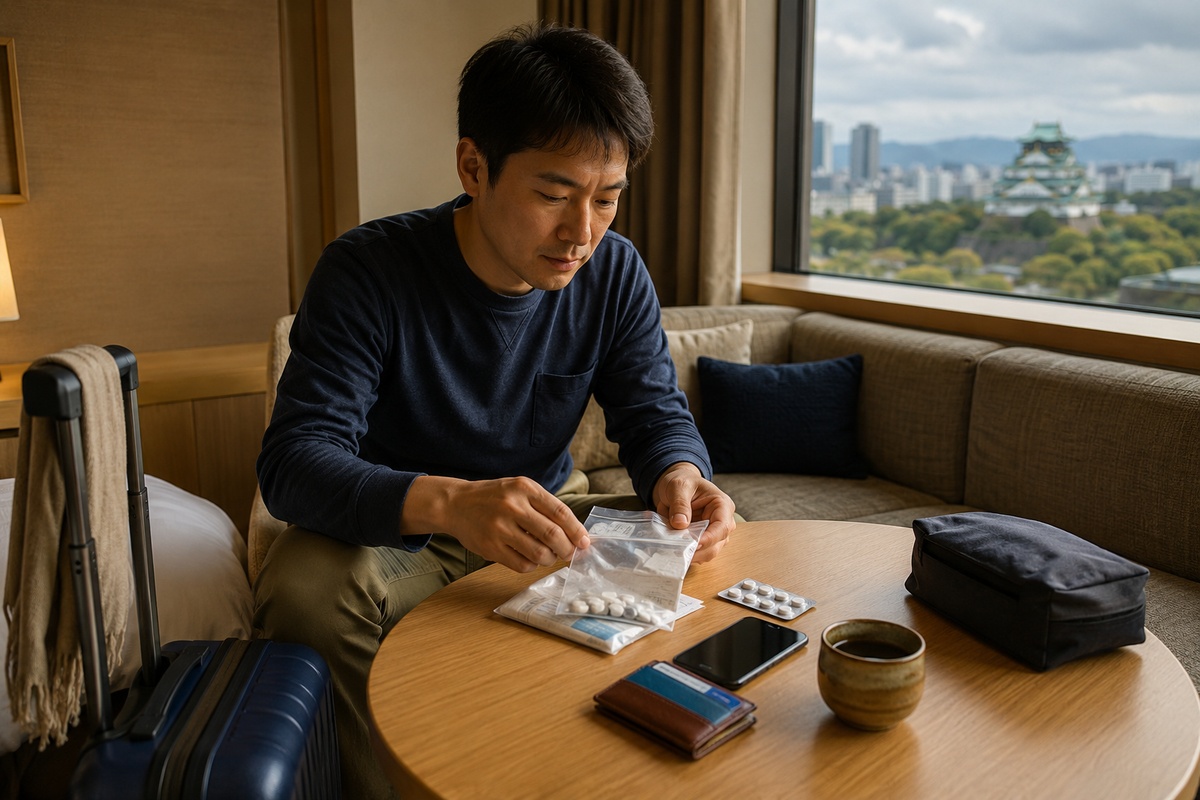
If you take regular medicine, bring the original packaging when possible and note the active ingredient, strength and normal dose. Include allergies, important medical conditions and a contact number for your travel insurer if you have one.
- Passport or other identification
- Travel-insurance policy or assistance details
- Medication list, active ingredients and usual doses
- Allergy and important medical-history notes
- Credit card and another payment backup where possible
Language Support Is Not Guaranteed Everywhere
Some medical facilities can provide care in English or other languages, but availability varies. Use official search filters to check language support, and contact the facility if you need to confirm what is available at the time of your visit.
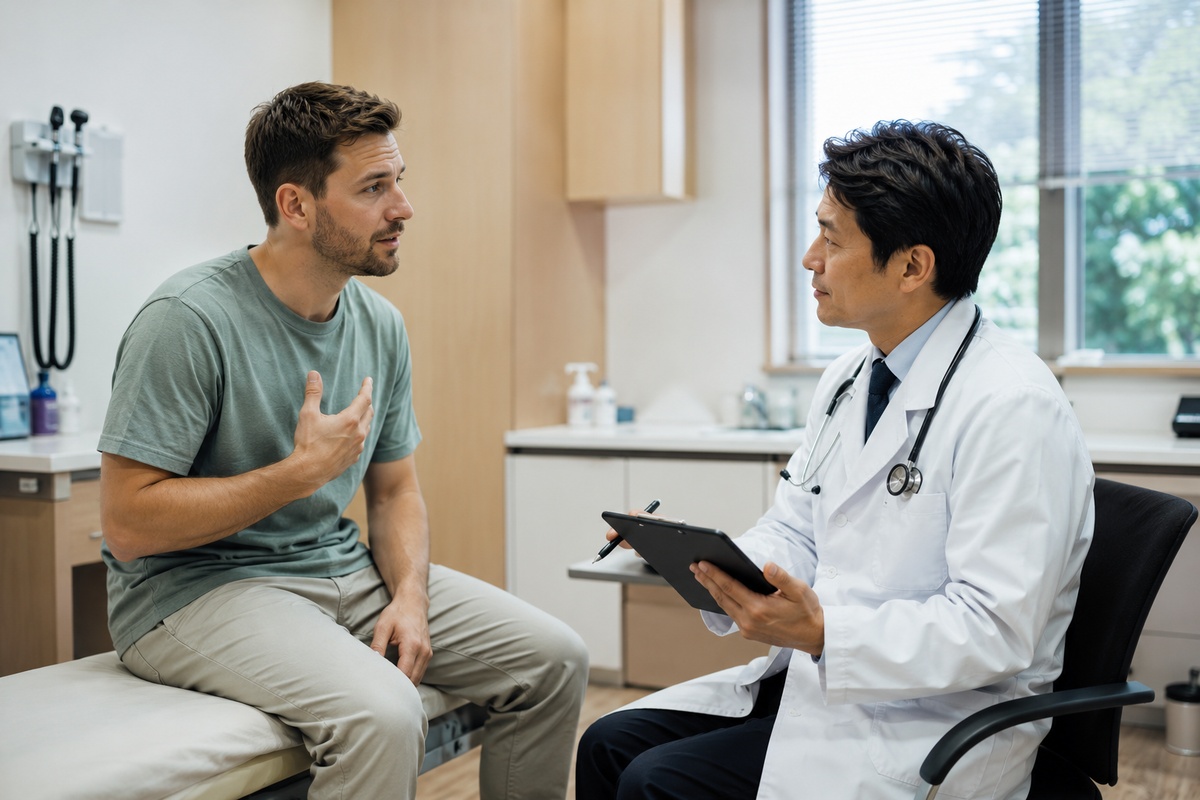
Keep symptom descriptions simple: where it hurts, when symptoms started, whether they are getting worse, what medicine you have already taken and whether you have allergies. A translation app or a short written note can help, but it should support rather than replace urgent communication.
- Write symptoms and key medical details before the visit if possible
- Show medication packaging instead of relying only on brand names
- Use simple dates, times and body locations
- Ask accommodation or insurance assistance staff to help when appropriate
What Usually Happens at Reception
At reception, staff may ask for identification, your symptoms, medical history and payment or insurance information before you see a clinician. Procedures vary by facility, so follow the instructions given at that hospital or clinic.
If the facility cannot provide the service you need, staff may direct you elsewhere. This is another reason to check the medical department and call ahead for non-emergency care rather than arriving at a random hospital.
- Present identification and explain the main problem
- Complete any required intake or medical-history information
- Confirm the medical department and expected process
- Keep receipts, medical records and payment documents for insurance claims
Payment and Travel Insurance
Payment arrangements differ by facility and by insurance provider. JNTO advises travelers to understand in advance whether their insurer offers direct or cashless arrangements or whether they may need to pay first and claim later.
Do not assume every clinic or hospital accepts the same payment methods. If you have travel insurance, save the assistance number and policy information offline and contact the insurer early when the situation allows.
- Know the insurer’s emergency-assistance number before departure
- Check whether prior contact or authorization is required
- Ask how payment will be handled
- Keep itemized receipts and medical documents for any later claim
Prescriptions and Medicine After You Arrive
A medicine sold under a familiar brand name in another country may have a different name, formulation or availability in Japan. For prescription medicine, a clinician may need to evaluate you before a local prescription can be issued.
When asking a pharmacist or doctor for help, provide the active ingredient, strength, normal dose and the condition being treated. Do not rely on package color or brand appearance alone.
- Bring a written medication list
- Use active ingredient names where possible
- Carry allergy information
- Use the separate JapaDeco medication and pharmacy guides for more detailed preparation

Night, Weekend, and Holiday Care
Opening hours can change the best place to seek non-emergency care. Medical Information Net includes search options for facilities that are currently open and for night or holiday services.
If symptoms become severe while you are waiting or searching, switch from non-emergency planning to emergency action and call 119. Do not let uncertainty about language, insurance or cost delay urgent care.
- Check current opening hours before traveling to a facility
- Look for night or holiday services when ordinary clinics are closed
- Keep your accommodation address available offline
- Use 119 if the condition becomes an emergency
Prepare Before Your Trip
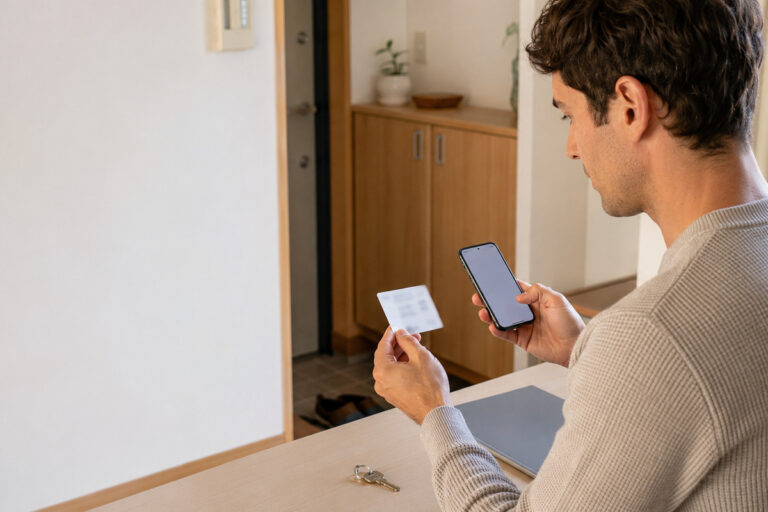
A few minutes of preparation can make a medical problem much easier to handle. Save emergency numbers, insurance assistance details and your accommodation information before departure, and keep essential medical information accessible even if your phone has no data connection.
Travelers with regular medication, allergies or important medical conditions should prepare a concise medical summary and keep it with the medicine they carry. The goal is not to predict every problem; it is to make the first medical decision faster and clearer.
- Save 119 and your insurer’s assistance number
- Save your hotel or accommodation address offline
- Prepare medication and allergy information
- Keep a payment backup and phone charging plan
- Bookmark official medical-facility search resources before departure
FAQ
What number do I call for an ambulance in Japan?
Call 119 for an ambulance in a serious medical emergency. The same number is also used for fire emergencies.
Should I go to a hospital or a clinic in Japan?
For a life-threatening emergency, call 119. For non-emergency illness, a clinic may be the practical first step. Use an official medical-facility search service to find the right department and check opening hours and language support.
Can tourists use hospitals in Japan?
Yes. Foreign visitors can receive medical care in Japan. Intake, language support, payment and insurance procedures vary by facility, so confirm practical details when the situation is not urgent.
Do hospitals in Japan always have English-speaking staff?
No. Foreign-language support varies by facility and time. Check the facility’s listed language support and contact it in advance when possible.
What should I bring to a clinic or hospital?
Bring identification, insurance details, a medication and allergy list, important medical information and a payment method. Keep receipts and medical documents if you may make an insurance claim.
How can I find a hospital that is open at night or on a holiday?
Use Medical Information Net to search for medical institutions, including facilities that are currently open or provide night and holiday services. If the condition is serious, call 119 instead of waiting.
Related Japan Travel Guides
Official References
Final Thoughts
If you need urgent medical help in Japan, call 119 first. For non-emergency care, use an official medical-facility search service to find the right department, confirm opening hours and language support, and arrive with identification, medicine information, insurance details and a payment plan. Preparing those basics before departure makes the process much easier if you become sick or injured during your trip.