
Haneda Airport Guide: Terminals, Tokyo Transport and Arrival Tips
Navigate Haneda Airport with clear terminal checks, Tokyo transport choices, transfer steps, luggage services and late-night arrival planning.
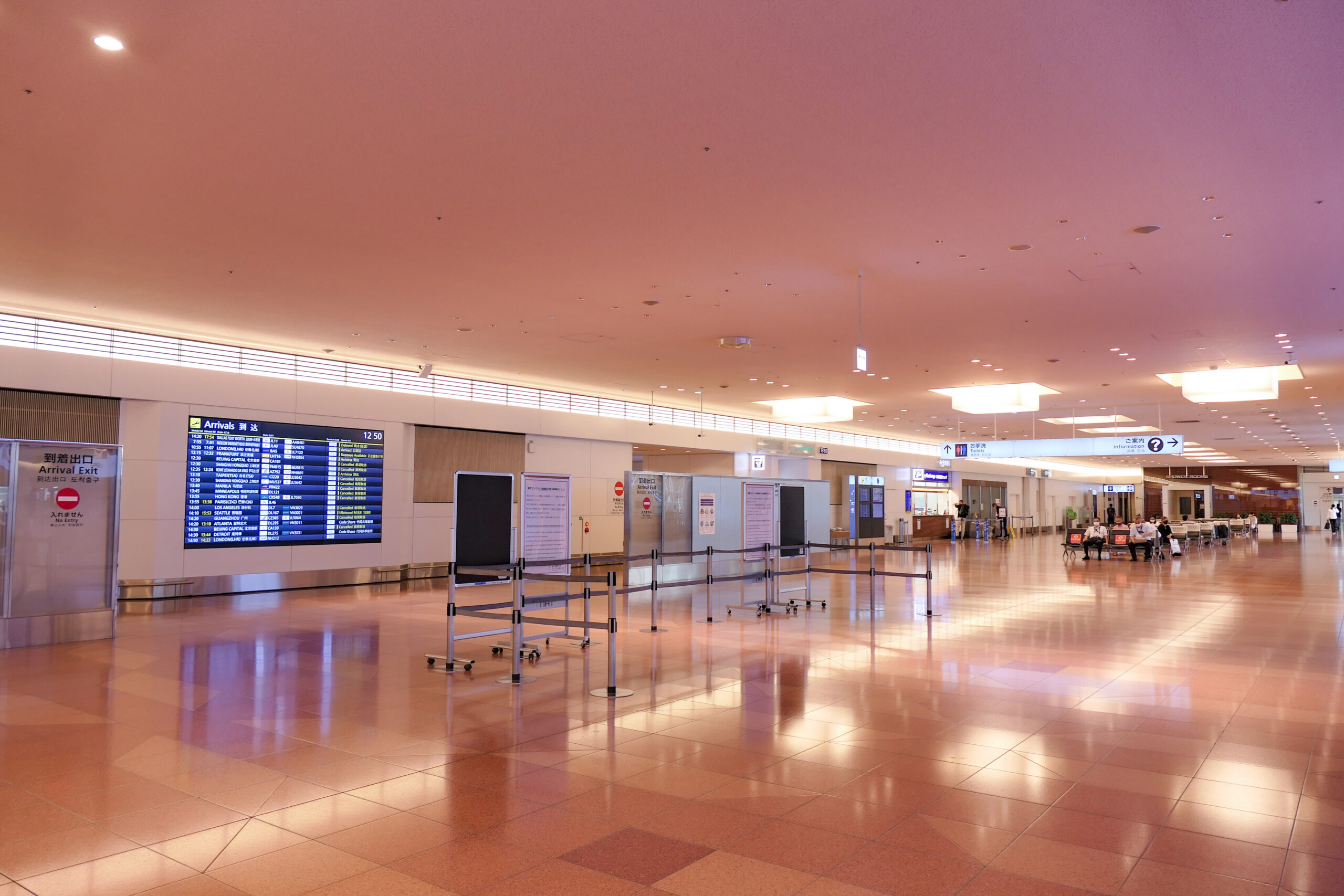
First confirm the airline, flight number and terminal: Haneda has three passenger terminals, and selected international flights also use Terminal 2. Keikyu and Tokyo Monorail connect directly to the airport; buses can reduce transfers and taxis suit late arrivals or heavy luggage. Compare the route to the exact hotel, not only central Tokyo. For terminal changes, use the free shuttle or another approved connection and allow time for immigration, baggage, security and check-in. Save the terminal map and backup transport offline, especially when arriving late or departing early.
What You’ll Learn
- Confirm the correct terminal from the live flight record.
- Choose rail, bus or taxi for the exact destination.
- Transfer between terminals without losing connection time.
- Plan luggage, cash, connectivity and airport facilities.
- Build a safe late-night or early-departure backup.
Confirm the terminal before traveling
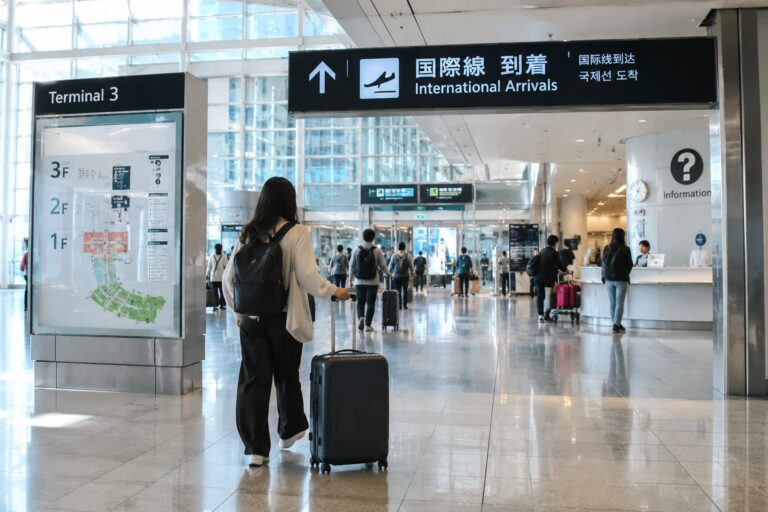
Haneda has three passenger terminals. Terminals 1 and 2 mainly handle domestic flights, while Terminal 3 handles international flights and Terminal 2 also serves selected international departures and arrivals.
Use the airline's latest booking record and flight status to confirm the terminal. Do not choose a terminal only from the destination or an old itinerary, because operating locations can change.
- Check the airline, flight number and terminal together.
- Reconfirm on the day of travel.
- Allow transfer time if the terminal changes.
Understand the arrival flow
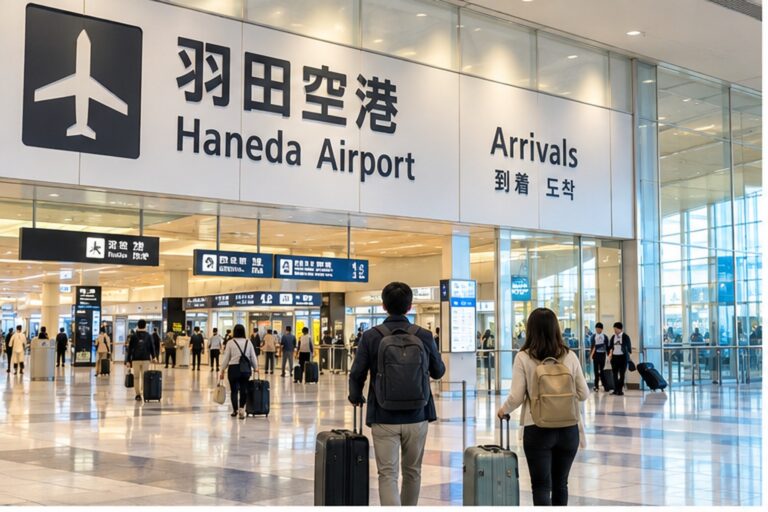
After landing on an international flight, follow signs through immigration, baggage claim and customs before entering the public arrivals area. Keep the passport and required arrival information ready until all formalities are complete.
Check the baggage carousel shown for the flight and inspect luggage before leaving customs. Report a missing or damaged bag to the airline's baggage desk while still in the controlled area whenever possible.
- Complete immigration before baggage claim.
- Check the carousel and bag condition.
- Report baggage problems before leaving the area.
Choose Keikyu or Tokyo Monorail
Haneda is directly connected to the Keikyu Line and Tokyo Monorail. Keikyu is often convenient for Shinagawa, Yokohama and through services, while the monorail connects with JR lines at Hamamatsucho.
Choose from the final destination and the fewest difficult transfers, not from a single headline travel time. Check the current route, platform and train destination because not every service follows the same stopping pattern.
- Keikyu: useful toward Shinagawa and Yokohama.
- Monorail: direct connection to Hamamatsucho.
- Check live schedules and the exact train destination.
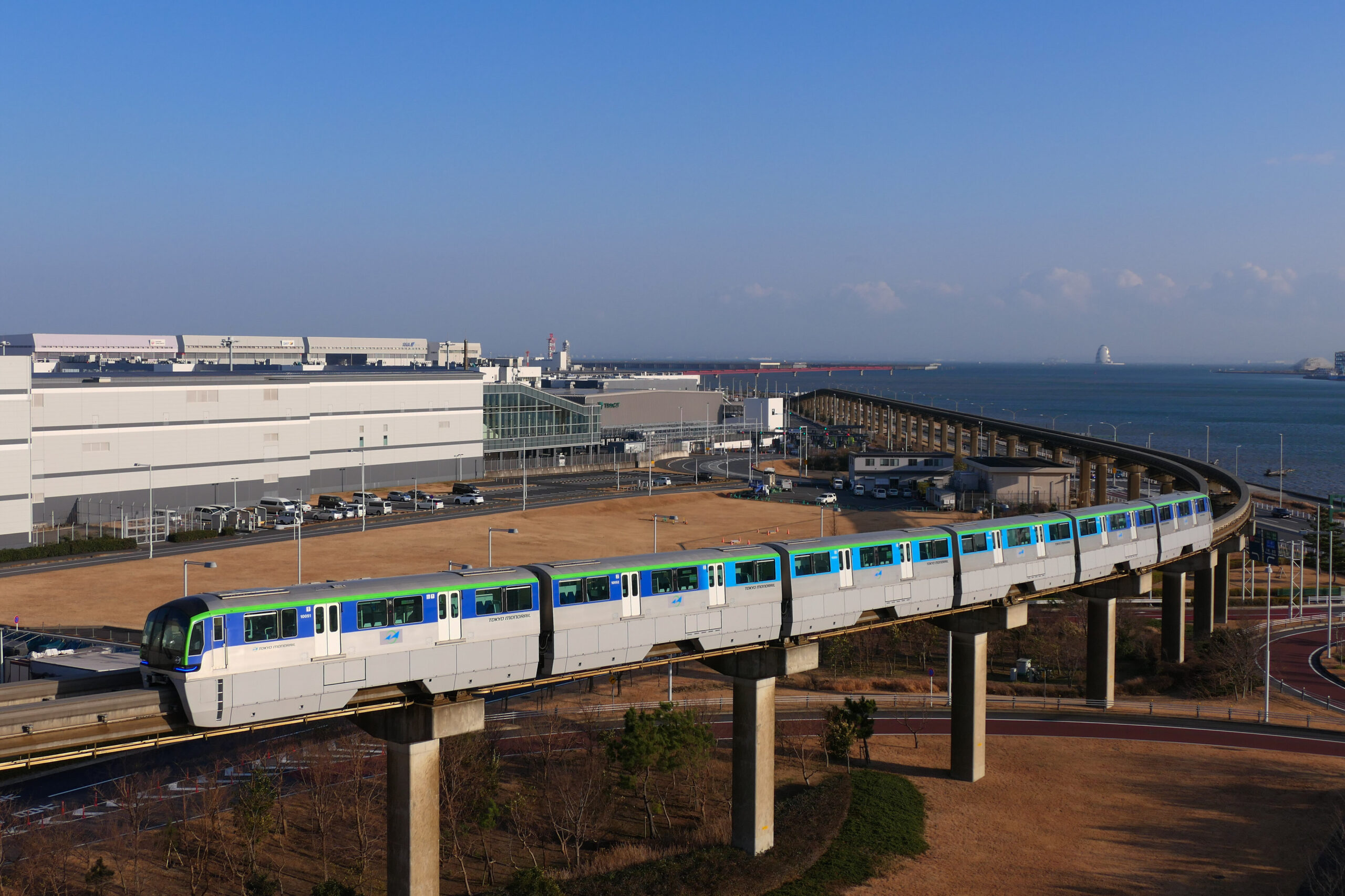
Use the correct railway entrance
At Terminals 1 and 2, rail access is on the basement level. At Terminal 3, Keikyu and monorail gates connect closely with the arrivals and departures floors, but the correct gate can differ by direction.
Follow the colored official signs for the selected railway rather than following another passenger. Use an IC card or buy the correct ticket, and keep large luggage clear of gate doors.
- Follow signs for the named operator.
- Confirm direction before passing the gate.
- Use a wide gate with bulky luggage when available.
Decide when an airport bus is easier
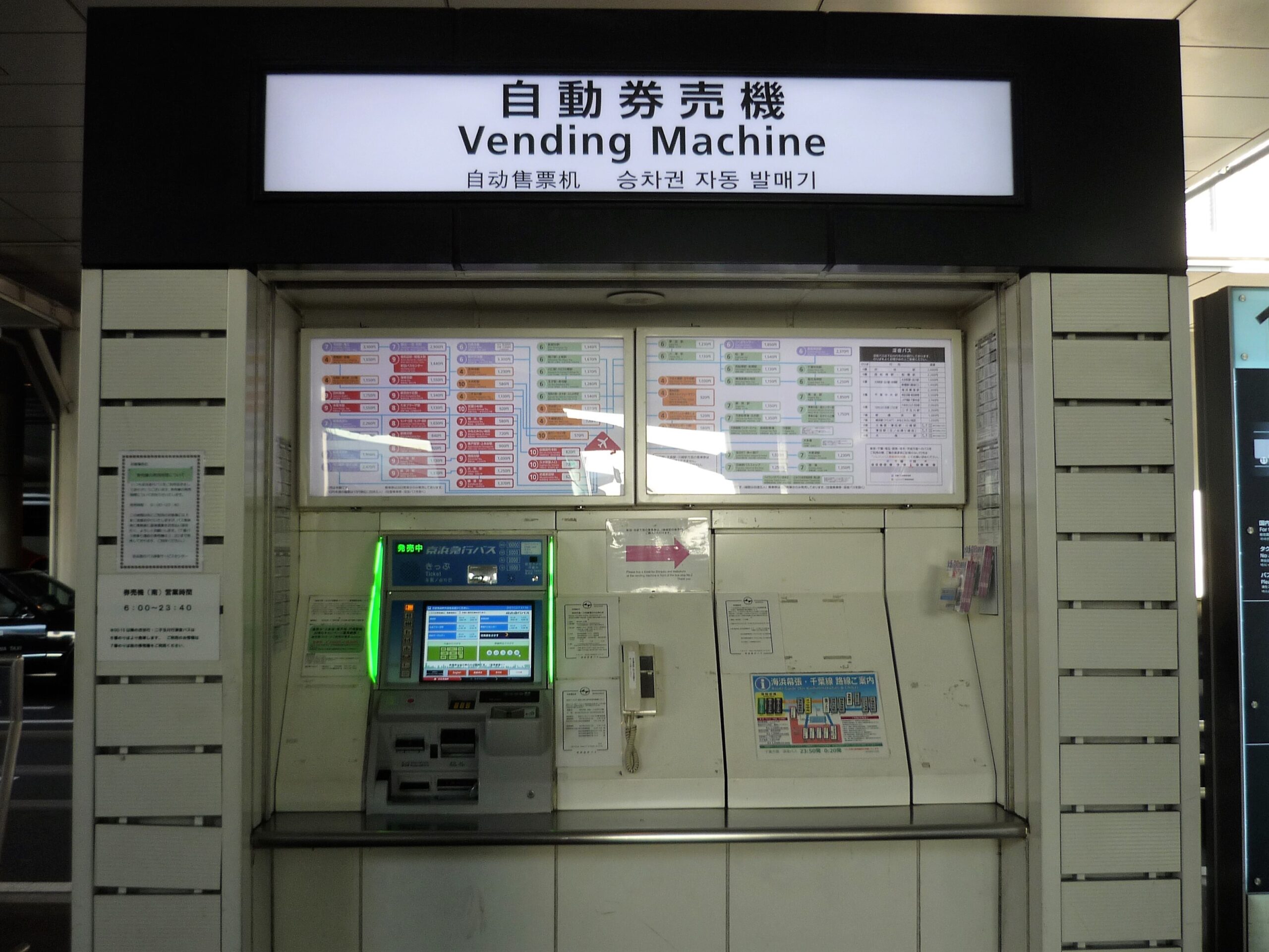
An airport limousine or route bus can reduce transfers when it stops near the hotel or destination. It may be more comfortable with large luggage, children or a group, but road traffic can make arrival times less predictable.
Check the exact terminal stop, ticket method, boarding bay and last departure. A bus with the right city name may still stop far from the accommodation.
- Compare the stop with the hotel address.
- Confirm boarding bay and departure time.
- Allow for road delays before fixed appointments.
Use a taxi with a clear destination
A taxi is useful late at night, with heavy luggage or for a door-to-door journey. Show the complete destination in Japanese or a map pin, not only the hotel brand, because similar names can exist.
Before leaving the airport, compare the likely cost, toll-road use and travel time with rail or bus. Use the official taxi rank and keep the receipt for lost-property follow-up.
- Use the signed official taxi queue.
- Show the full address and map pin.
- Keep the receipt and vehicle details.
Transfer between terminals safely
The airport provides a free shuttle bus between terminals. Keikyu, Tokyo Monorail, the underground passage between Terminals 1 and 2, and airline transfer arrangements may also apply depending on the journey.
Do not assume a short map distance means a quick airside connection. Immigration, baggage collection, security, check-in and shuttle waiting can each add time, so follow the airline's connection instructions.
- Use the free shuttle only in the correct direction.
- The underground passage links Terminals 1 and 2.
- Ask the airline about protected connections.
Plan check-in and security time
Check the airline's required check-in, baggage-drop and boarding deadlines. International and domestic procedures differ, and a terminal transfer or busy security line can remove the apparent time buffer.
Prepare the passport, boarding pass and baggage before joining the queue. Place batteries, liquids and restricted items according to the current airline and security rules rather than relying on a previous trip.
- Use the airline deadline as the minimum.
- Add time for terminal navigation.
- Review current baggage and security rules.
Handle luggage before entering Tokyo
Haneda provides baggage storage, delivery counters, carts and coin lockers, but locations, opening hours, size and availability differ by terminal. Lockers are outside the security gate and may fill during busy periods.
For delivery, verify the destination, cutoff and arrival day before handing over a bag. Keep passports, medicine, valuables, chargers and the first night's essentials with you.
- Check counter hours and locker size.
- Confirm delivery timing in writing.
- Keep essential and valuable items in hand luggage.
Get cash, data and an IC card
ATMs, exchange services and connectivity options are available, but operating hours and card acceptance vary. Withdraw or exchange only enough for immediate needs until you can compare options in the city.
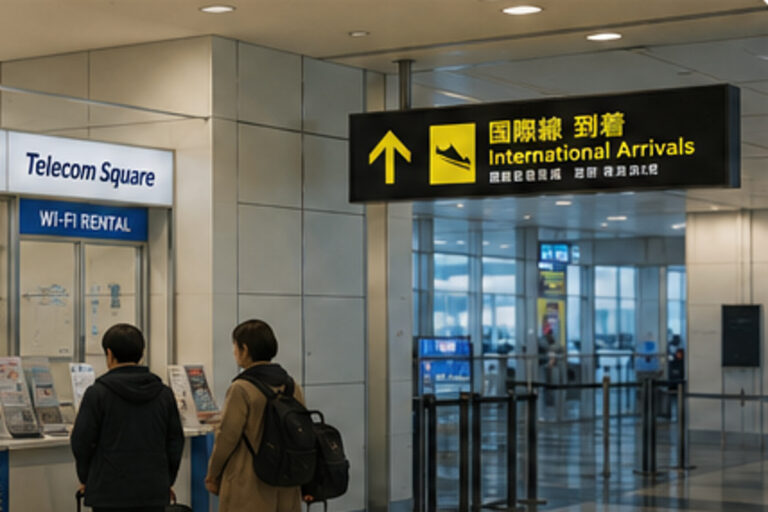
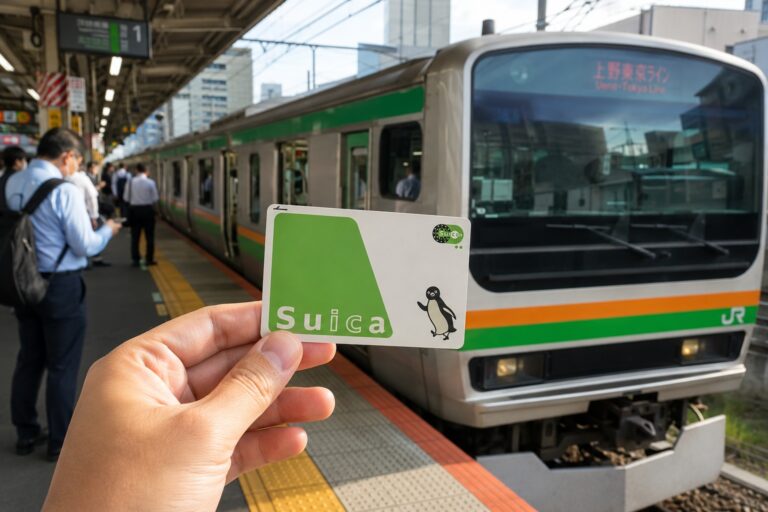
Set up an eSIM, SIM or pocket Wi-Fi before leaving if navigation is essential. A transport IC card can simplify ordinary trains and buses, but keep a payment backup in case setup or top-up fails.
- Prepare offline access to the hotel address.
- Test mobile data before leaving.
- Keep cash and another payment option.
Use food, shops and observation areas
The terminals include restaurants, shops and public observation areas. Facilities are spread across different floors and terminals, so check the official floor guide instead of assuming the same offer is available near every gate.
Observation-deck hours differ by terminal and access may change because of weather or security. Leave enough time to return through security when visiting a public-area facility before departure.
- Check the terminal and floor first.
- Verify current opening hours.
- Protect the time needed to reach the gate.
Use showers, lounges and rest facilities
Haneda lists showers, lounges, hotels and relaxation services, but eligibility, fees, reservations and operating hours vary. A facility shown on an airport-wide service page may not be convenient for the current terminal or airside status.
Check whether the facility is before or after security and whether baggage can accompany you. For an overnight connection, confirm the airline's baggage and immigration arrangements before relying on an airport rest option.
- Identify landside or airside access.
- Check eligibility, fee and last admission.
- Confirm baggage handling for overnight transit.
Prepare for late-night or early-morning travel
Rail and bus services do not run continuously even when a terminal building is open. Compare the actual flight time with the final public-transport departure or first morning service before travel day.
If the schedule does not connect, arrange an airport hotel, official taxi or other confirmed plan. Do not assume sleeping in a public seating area will be comfortable, permitted or close to the next check-in point.
- Check the last or first actual service.
- Reserve a fallback before arrival.
- Keep the terminal and hotel transfer in the same plan.
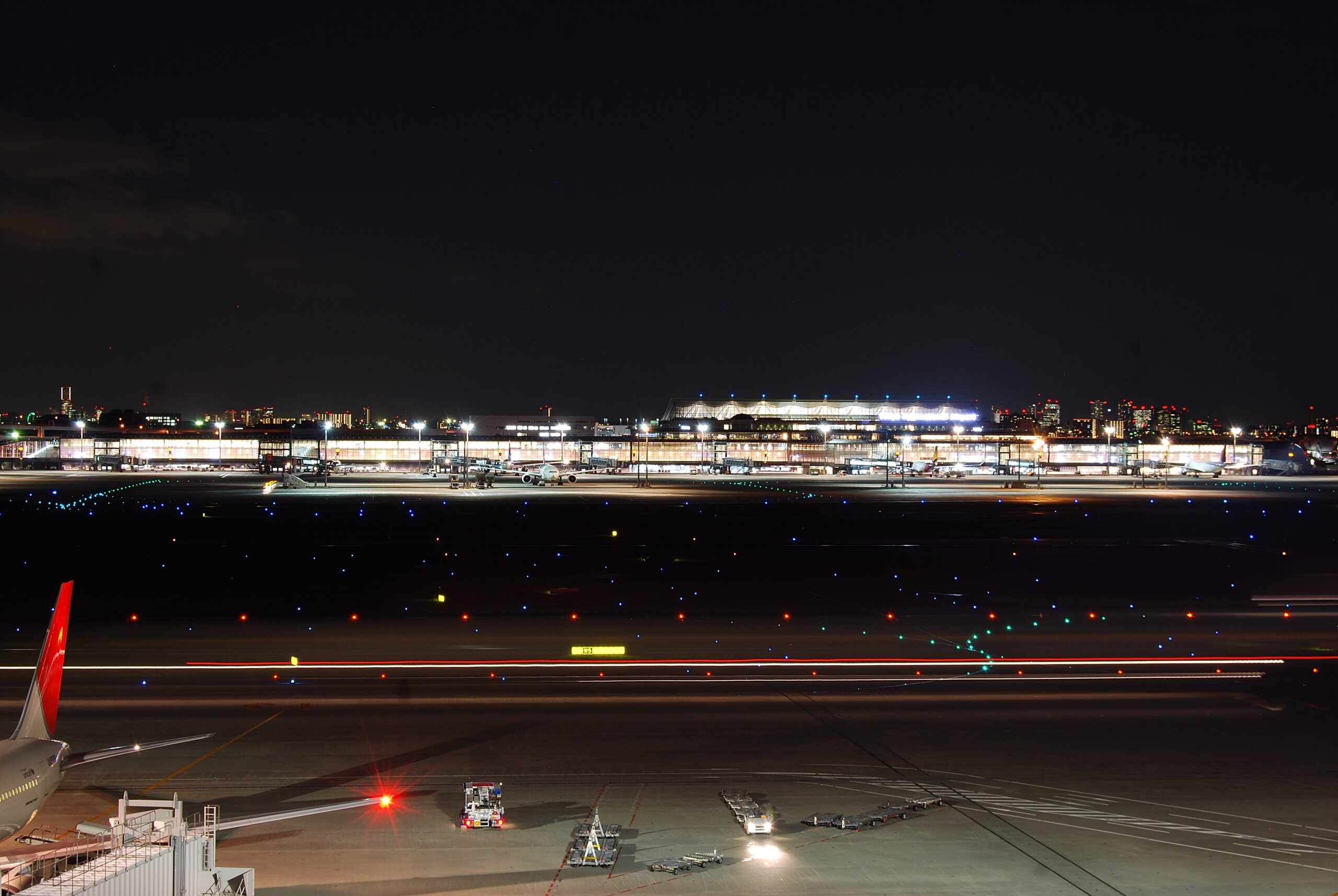
Follow a simple departure checklist
Before leaving for Haneda, confirm the flight status, terminal, airline check-in deadline and route. Save the booking, terminal map and alternative transport offline, then allow extra time for luggage and unfamiliar station exits.
At the airport, verify the flight on the official display, complete baggage drop and security, and note the gate and boarding time. Recheck the display because gate information can change.
- Flight, terminal and deadline.
- Route, ticket and backup transport.
- Baggage rules, gate and boarding time.
FAQ
Which terminal handles international flights at Haneda?
Terminal 3 handles international flights, and Terminal 2 also handles selected international services. Confirm the terminal from the airline and live flight information.
Is Keikyu or Tokyo Monorail better?
Keikyu is often convenient toward Shinagawa or Yokohama, while the monorail connects with JR at Hamamatsucho. The better choice depends on the final destination and transfers.
Is there a free shuttle between terminals?
Yes. Haneda provides a free terminal shuttle. Other options include rail and the underground passage between Terminals 1 and 2; follow the correct connection instructions.
Can I use a transport IC card from Haneda?
IC cards are accepted for ordinary journeys on the connected railways, subject to card coverage and balance. Keep another payment method if setup or top-up fails.
What if I arrive after trains stop?
Check the actual final train and bus before travel. If they do not connect with the flight, arrange an official taxi or airport-area hotel rather than improvising after arrival.
Can I store luggage at Haneda?
The airport provides storage counters and coin lockers, but sizes, hours and availability vary by terminal. Keep passports, medicine and valuables with you.
How early should I reach Haneda?
Follow the airline’s check-in and baggage deadlines, then add time for the correct terminal, security, luggage and unfamiliar navigation. A fixed universal time is not reliable for every flight.
Need a direct ride from Haneda?
For late arrivals, families or heavy luggage, compare a private airport transfer with rail and bus options before booking.
Check Airport Taxi optionsNeed mobile data in Japan?
Compare current eSIM data allowances, validity, device compatibility and setup requirements before choosing.
Check Saily eSIM plansRelated Japan Travel Guides
Official References
Final Thoughts
Haneda is close to central Tokyo, but a smooth trip still depends on the correct terminal and a route matched to the exact destination. Reconfirm the flight, protect enough connection time and keep offline details and backup transport. Once those decisions are fixed, the airport’s direct rail links and practical services make arrival and departure straightforward.