
Airport Limousine Bus Guide: Routes, Tickets and Luggage
Use airport limousine buses confidently with practical guidance for routes, tickets, terminal stops, luggage, traffic delays, hotel pickups and backup transport.
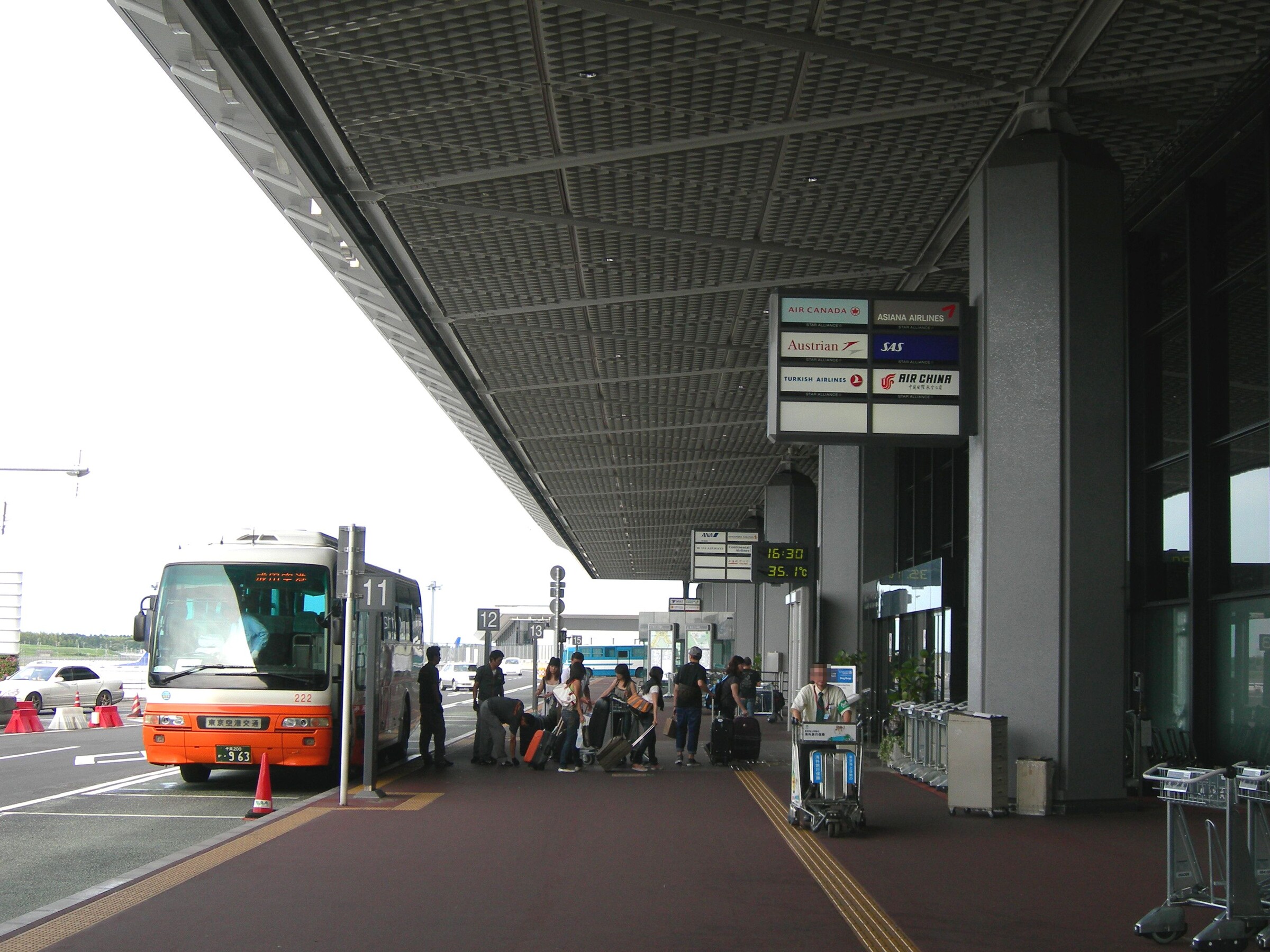
Use an airport limousine bus when its exact stop is close to your hotel or transport hub and avoiding rail transfers is worth the possible road delay. Check the official operator timetable for your airport, terminal and destination, then confirm whether the departure requires a reservation. At the airport, buy or validate the correct ticket, note the numbered stop and keep valuables, medication and documents in your cabin bag while large luggage goes underneath when permitted. For a flight, take an earlier bus than the schedule alone suggests and keep a train or taxi backup.
What You’ll Learn
- Decide when a direct airport bus is better than a train or taxi.
- Verify the exact route, terminal, stop and ticket conditions.
- Find the correct counter and numbered boarding point.
- Handle underfloor luggage and claim tags safely.
- Plan for traffic, late arrivals, early flights and missed buses.
Decide whether the bus fits your destination
An airport limousine bus is most valuable when it stops at your hotel, a nearby major hotel or a transport hub that avoids difficult rail transfers. Search the exact stop name rather than assuming every bus serves every district.
Compare door-to-door time, walking distance, luggage handling and the risk of road delay with the train. A direct bus can be easier with children or large cases even when its scheduled journey is longer.
- Match the exact airport terminal and destination stop.
- Measure the walk from the stop to the accommodation.
- Keep a rail or taxi backup for disrupted service.
Check the operator and route before buying
Airport Limousine is a specific operator in the Tokyo region, while other airport buses and local companies use similar descriptions elsewhere. Confirm the operator, route, boarding point and ticket conditions on the official page.
Routes, stops and frequencies change. Recheck close to travel and do not rely on an old blog timetable or a screenshot saved months earlier.
- Use the operating company’s current timetable.
- Confirm direction: from airport or to airport.
- Verify terminal order and final destination.
Compare bus, train and taxi honestly
The bus offers seated travel and underfloor luggage storage on many routes, with fewer transfers. Trains can be faster and more frequent when traffic is heavy. A taxi provides direct private transport but usually costs more.
Compare the complete trip, not only the airport-to-city segment. Include the station transfer, stairs, hotel walk, group size, arrival time and how tired the travelers will be.
- Bus: direct stops and easier luggage handling.
- Train: predictable rail routing and frequent departures.
- Taxi: door-to-door flexibility for a higher price.
Buy the correct ticket
Tickets may be sold online, at airport counters, vending machines or designated stops depending on the route. Select the exact airport, terminal, destination, date, departure and passenger category.
Some departures accept reservations while others use a different boarding system. Read the ticket’s change, cancellation and missed-bus rules before payment. Keep the QR code or paper ticket available offline.
- Check airport, terminal, stop and departure time.
- Confirm whether the seat is reserved.
- Save the ticket where it works without mobile data.
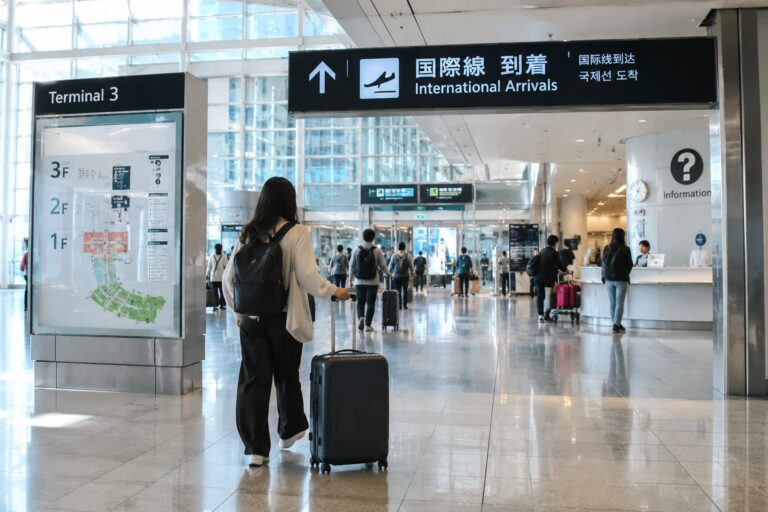
Find the bus counter after arrival
After customs, follow official bus or ground-transport signs in the arrivals area. If buying at a counter, show the destination hotel or stop name in writing; similarly named stations and hotels can lead to the wrong route.
Ask which bus stop number to use and how long the walk takes. Do not go outside until you know the correct stop, especially when terminals have several curbside zones.
- Use the official arrivals-hall counter or machine.
- Record the numbered boarding stop.
- Allow time for toilets and ticket purchase before the departure.
Board at the correct terminal stop
Check the display or sign for the route, departure time and destination. Airport buses may call at multiple terminals, and the same curb can serve different operators.
Join the correct queue and have the ticket ready. Staff may attach claim tags to checked luggage; keep the matching receipt until the bag is returned.
- Confirm operator and destination on the arriving bus.
- Keep luggage claim tags secure.
- Board only when staff opens the correct departure.
Handle luggage without losing essentials
Large suitcases are commonly placed in the underfloor compartment, subject to the operator’s quantity, size and prohibited-item rules. Keep passports, medication, valuables, fragile electronics and the arrival address in the cabin bag.
Tell staff your stop when loading if luggage is sorted by destination. At arrival, compare the claim tag and inspect the bag before the bus leaves.
- Cabin bag: documents, medicine and valuables.
- Hold-luggage compartment: only permitted baggage.
- Check the bag at collection before leaving the stop.
Expect traffic and protect the schedule
Published travel times are estimates. Congestion, weather, road incidents and airport conditions can change the journey. Airport Limousine publishes current travel information for supported routes, but live estimates are not a guarantee.
For a flight departure, follow the airline’s required check-in time and add a meaningful road-delay buffer. The bus that looks most efficient on paper may be too risky if it leaves no recovery option.
- Add buffer beyond the scheduled arrival.
- Check road and service status before leaving.
- Choose an earlier departure for an important flight.

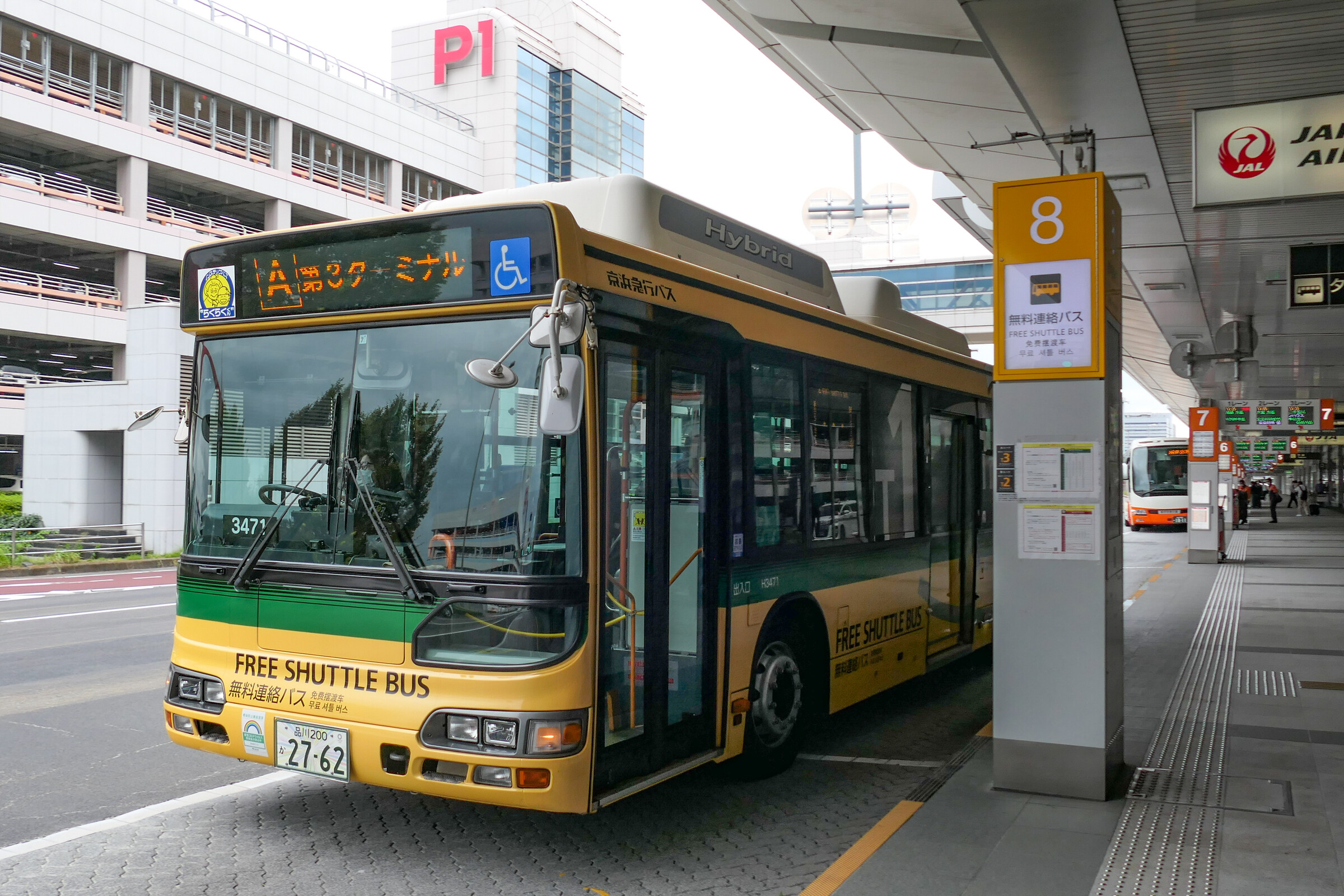
Use hotel stops carefully
A hotel-named stop may serve that hotel’s entrance, a shared curb or a nearby building. Confirm whether guests from other properties can use it and how to reach it with luggage.
When traveling from a hotel to the airport, ask the hotel to identify the waiting point but verify the current timetable with the operator. Be waiting before the stated time; the bus may not wait for a late passenger.
- Confirm the physical pickup location.
- Check whether advance purchase is required.
- Arrive early with luggage ready.
Manage late arrivals and early flights
Do not assume a bus operates throughout the night. Compare the final usable departure after immigration, baggage claim and terminal walking time, not merely the final timetable entry.
For a very early flight, check whether any route arrives early enough with a safe buffer. An airport hotel or prebooked taxi may be more reliable than depending on the first bus.
- Allow for immigration and baggage delays.
- Check the last departure from your actual terminal.
- Keep an overnight or taxi fallback.
Travel with children or mobility needs
Confirm child fares, stroller handling and whether every traveler needs a ticket. Keep food, medication and comfort items in the cabin bag, and avoid packing essentials beneath the bus.
Wheelchair access and assistance vary by vehicle and stop. Contact the operator in advance with the exact route, date and equipment dimensions rather than assuming a standard arrangement.
- Check child ticket categories.
- Request accessibility support before travel.
- Keep essential care items inside the cabin.
Use onboard time without creating problems
Seat belts should be worn where provided. Keep the aisle clear, silence calls and follow rules for food, drinks and waste. Toilets and charging facilities are not guaranteed on every vehicle.
The bus may make several stops, so listen for announcements and watch the route. Prepare to leave before your stop without standing while the vehicle is moving.
- Wear the seat belt.
- Keep bags out of the aisle.
- Track the stop sequence offline.
Recover from a missed or cancelled bus
If you miss the departure, return to the official counter or contact the operator. Do not assume the same ticket is valid on the next bus; reservation and refund rules depend on the product.
For suspension or severe delay, compare trains, another authorized bus route, taxi and nearby accommodation. Preserve receipts and service notices if an insurer or booking provider may require evidence.
- Ask before using the ticket on another departure.
- Confirm refunds or changes through the seller.
- Switch early when the remaining schedule is tight.
Use a final travel-day checklist
Recheck the official timetable, service status, terminal, stop number and expected road conditions. Download the ticket, charge the phone and keep critical items out of checked luggage.
For travel to the airport, work backward from the airline’s check-in requirement and add road-delay margin. For arrival travel, keep the address and alternative route ready in case the final bus is missed.
- Correct airport, terminal and stop.
- Ticket available offline.
- Luggage essentials in the cabin bag.
- Enough buffer and a realistic backup.
FAQ
Do airport limousine buses require reservations?
It depends on the route and departure. Check the official operator page and ticket conditions; do not assume that an unreserved airport arrival route works the same as a hotel pickup.
Can I take large luggage on the bus?
Many airport buses carry suitcases in an underfloor compartment, but quantity, size and prohibited-item rules vary. Keep passports, medication, valuables and fragile electronics with you.
Is the bus faster than the train?
Not always. A bus may be easier door to door, while rail can be faster when roads are congested. Compare the complete trip to your accommodation.
Where do I buy a ticket at the airport?
Follow official bus signs to the arrivals-hall counter or machine indicated for the route. Some services also allow online purchase. Confirm the numbered curbside stop after buying.
What if my flight arrives after the last bus?
Use a verified train, authorized taxi or airport hotel according to the remaining schedule. Check the last usable departure from your actual terminal after allowing for immigration and baggage claim.
How early should I take the bus to the airport?
Work backward from the airline’s check-in requirement and add a substantial buffer for road and terminal delays. Use the operator’s live information as guidance, not a guarantee.
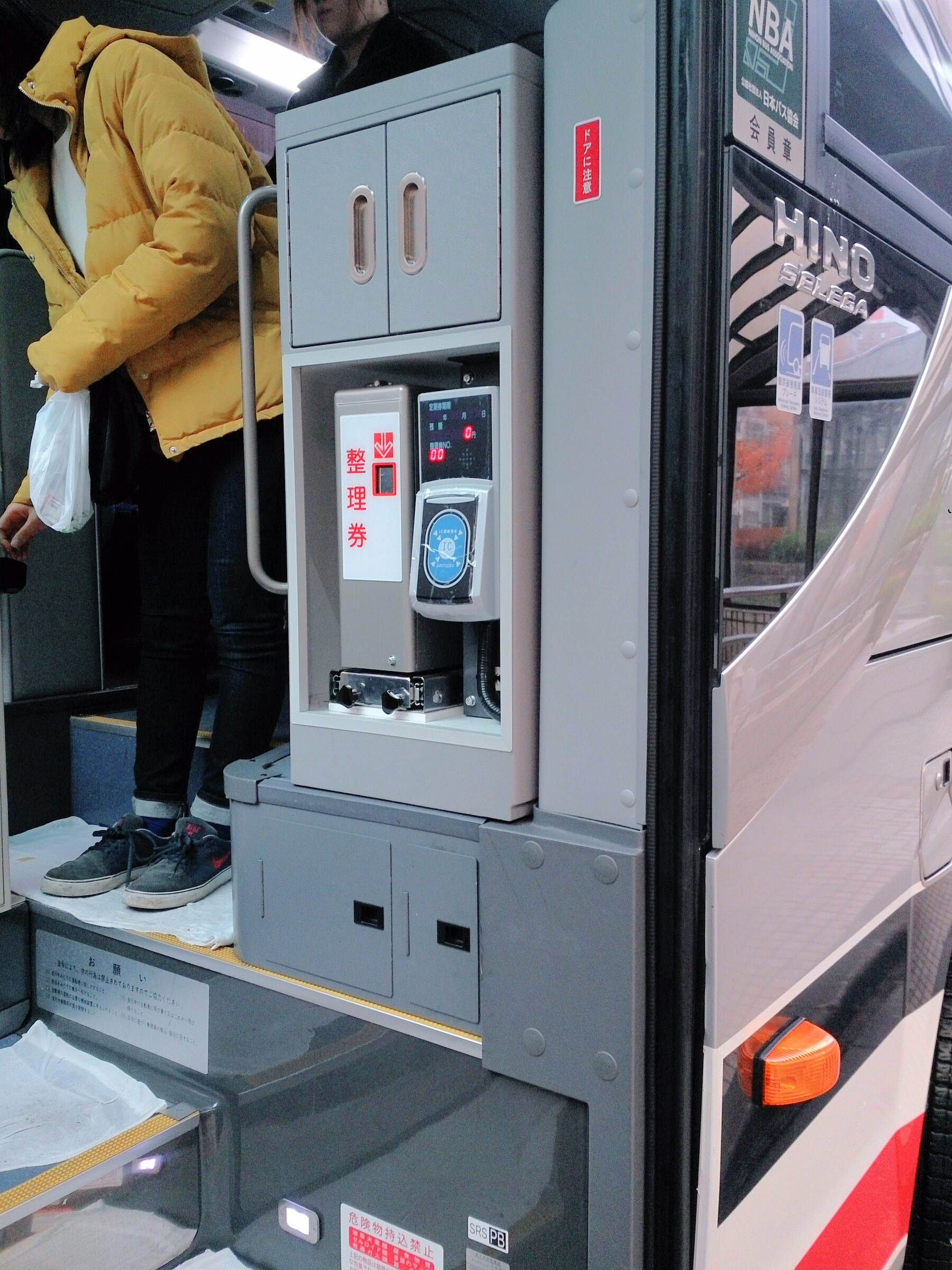
Can I use an IC card to pay?
Payment methods vary by operator, route and sales point. Check the current official instructions and carry another accepted payment method.
Prefer a door-to-door airport transfer?
Compare a private airport transfer with rail and bus options when luggage, late arrival or group convenience matters.
Check Airport Taxi optionsRelated Japan Travel Guides


Official References
Final Thoughts
An airport limousine bus is an excellent low-transfer option when the route matches the real destination. Confirm the operator, terminal, stop and ticket rules; protect essentials from checked luggage; and allow for road delay. A bus plan becomes dependable only when the timing includes airline requirements and a workable alternative.