
How to Use IC Cards in Japan
IC cards make trains, buses, and small purchases easier in Japan. Learn how Suica, PASMO, ICOCA, and visitor cards work, where to buy them, how to top up, and when you still need a ticket.
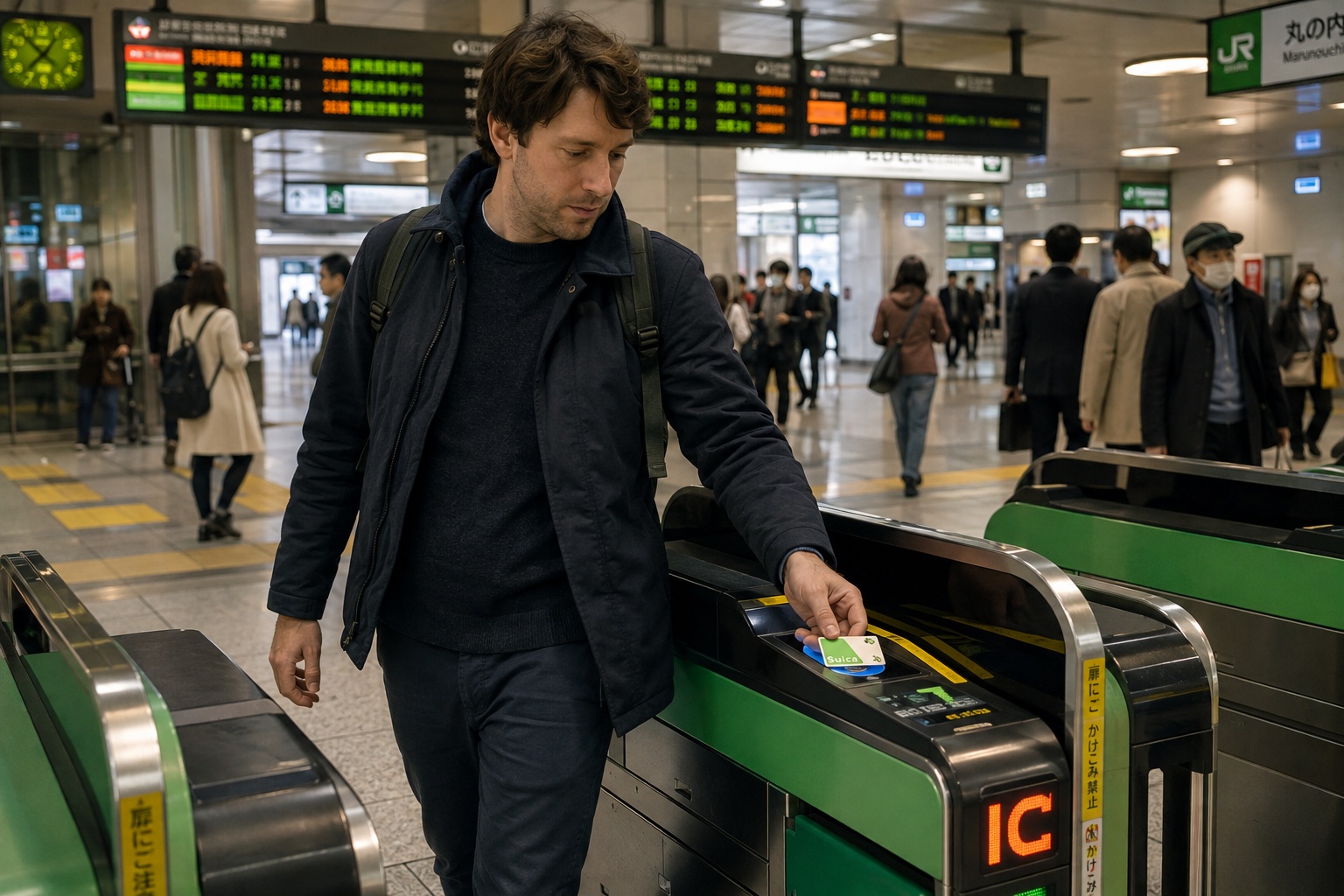
IC cards such as Suica, PASMO, and ICOCA are prepaid transport cards you tap at train gates, buses, and many shops in Japan. They are one of the easiest tools for travelers because they reduce the need to buy individual tickets. Buy one, add money, tap in and out on trains, tap when boarding or leaving a bus when required, and recharge when your balance gets low.
What You’ll Learn
- What IC cards are and how they differ from single paper tickets.
- Where visitors can buy Suica, PASMO, ICOCA, and visitor versions.
- How to use IC cards on trains, subways, buses, lockers, and shops.
- When an IC card is enough and when you still need a separate ticket or pass.
What is an IC card in Japan?
An IC card in Japan is a rechargeable prepaid smart card used mainly for transportation. The most famous names are Suica, PASMO, and ICOCA, but the basic idea is the same: you add money first, then tap the card or phone on a reader to pay fares automatically.
For travelers, IC cards are helpful because they make everyday movement much easier. Instead of studying every fare chart or buying a paper ticket for each short ride, you can just tap in and tap out on many train and subway systems. The same card is also useful at many convenience stores, vending machines, and some lockers.
- Prepaid, not postpaid
- Useful for trains, subways, and many buses
- Also accepted at many everyday shops
- Available as a physical card and, in some cases, on mobile devices
Which IC cards should travelers know?
In the Tokyo area, Suica and PASMO are the names most travelers encounter first. In western Japan, ICOCA is one of the most common options. In practice, these major cards are very similar for ordinary travel because they belong to Japan’s nationwide mutual-use network.
That means you do not need a different card for every city if you are staying within the normal supported areas. A card you buy in one major region can usually be used in many other participating regions for everyday train, subway, bus, and store payments, although the exact sales locations and visitor products differ.
- Suica: common around Tokyo and JR East areas
- PASMO: common around Tokyo private railways and subways
- ICOCA: common around Kansai and JR West areas
- Major IC cards are usually interoperable for ordinary travel and shopping
Where to buy an IC card
Travelers can often buy an IC card at airport stations, major stations, ticket vending machines, or travel service counters. The exact availability depends on the card type and current supply situation, but in general major gateways make it easy for visitors to get started.
Visitor-oriented products such as Welcome Suica or TOURIST PASMO are designed for short-term stays. Standard cards may also be available. Before you travel, it is smart to check the latest official page for the card you want because sales points and visitor products can change.
- Airport rail stations and major city stations are the easiest places to start
- Some visitor cards are sold at dedicated counters or vending machines
- Keep some yen or a payment method ready for the initial purchase or top-up
- Check official sales information before your trip if you need a specific card
How to use an IC card on trains and subways
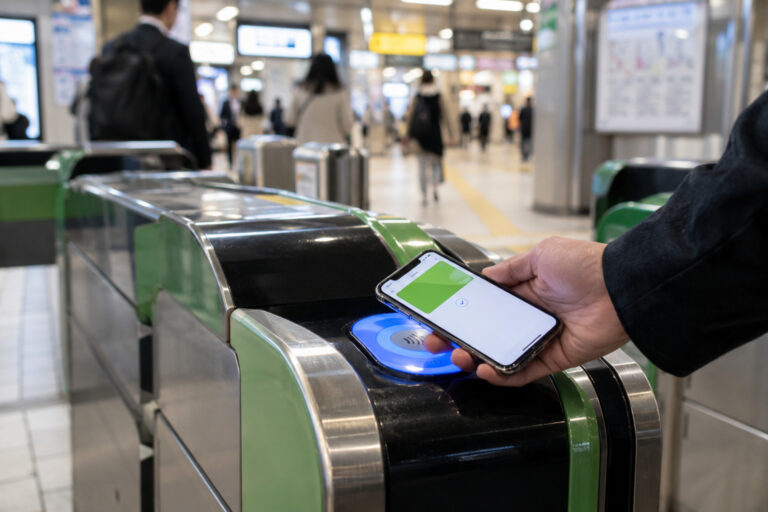
Using an IC card on trains is simple. At the start of the trip, tap the card or supported phone on the ticket gate reader. The gate opens and records your entry. At your destination, tap again at the exit gate. The correct fare is deducted automatically from your remaining balance.
This convenience is the main reason most travelers love IC cards. You do not need to pre-calculate every short fare. Just make sure your balance is high enough before entering, especially if you are moving through a busy station or changing lines several times.
- Tap once when entering
- Tap again when exiting
- Keep enough balance for the full trip
- Use fare adjustment or recharge machines if needed
How to use an IC card on buses
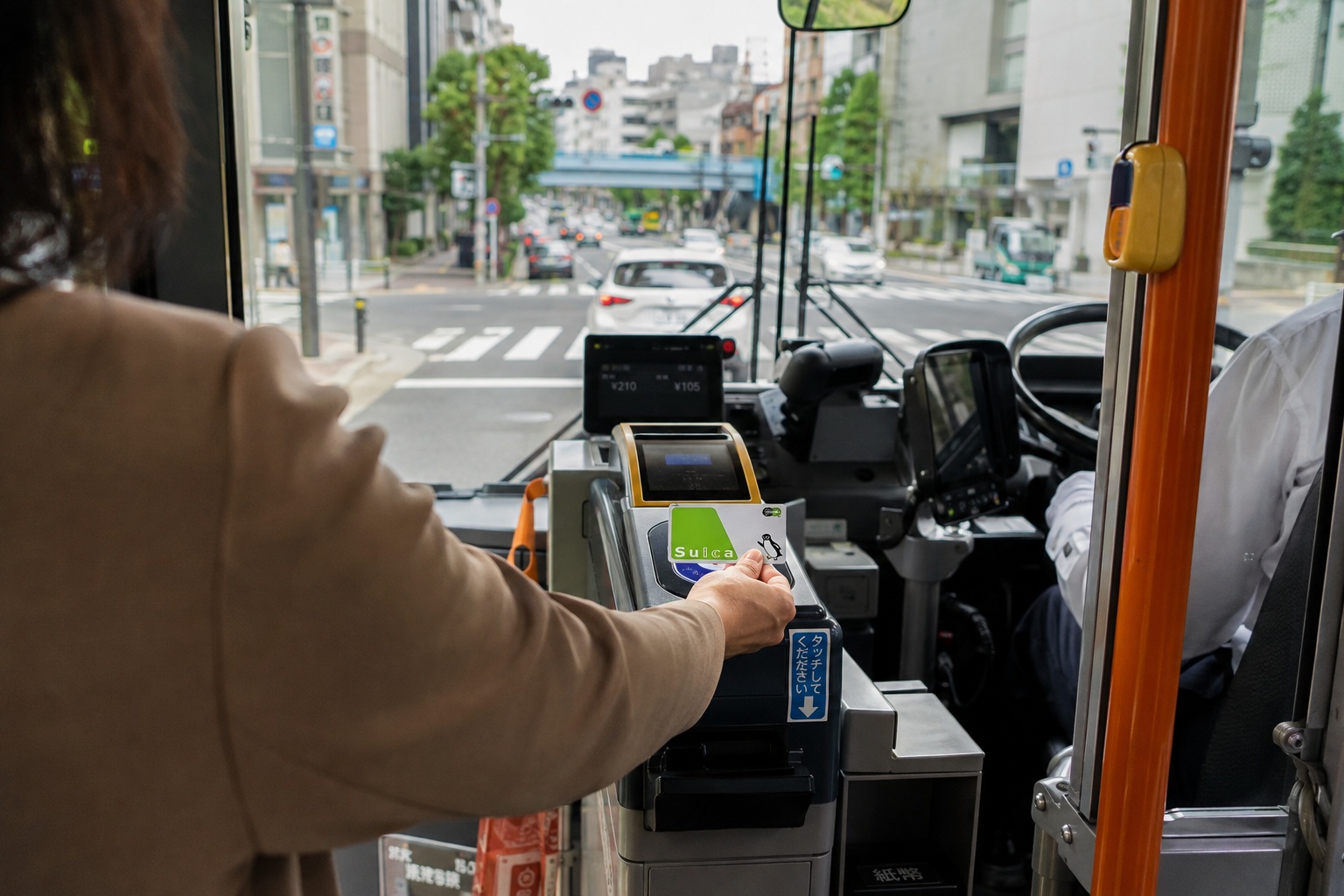
On buses, the exact procedure depends on the city and route, but IC cards are commonly accepted. In many city buses you tap the card when boarding and sometimes again when getting off. The card reader is usually near the door or farebox.
If you are unsure, watch what local passengers do or ask the driver before the bus gets crowded. The process is usually straightforward, but it helps to keep your card or phone ready before reaching the reader.
- Tap when boarding and/or exiting depending on the bus system
- Keep the card ready before you reach the reader
- A low balance can slow you down during busy boarding
- The same IC card can often be used across many bus systems
Using IC cards for shopping and small payments
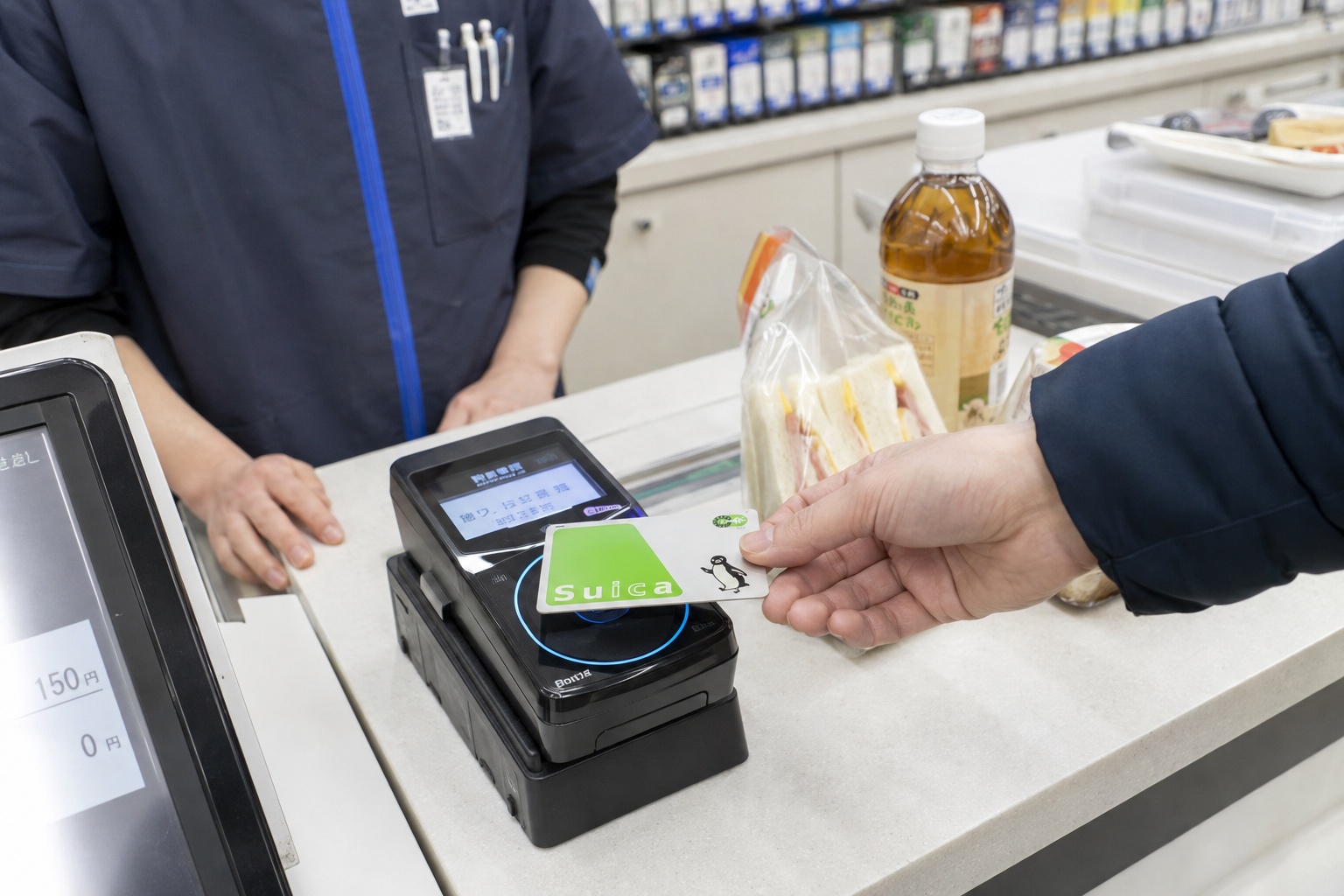
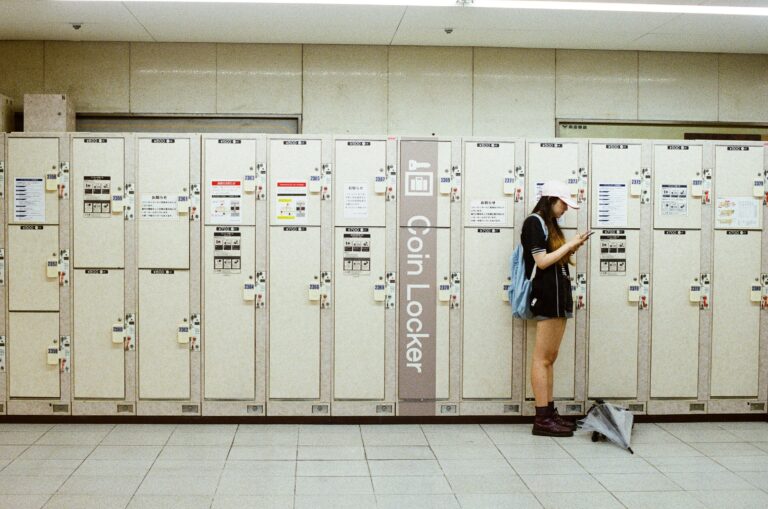
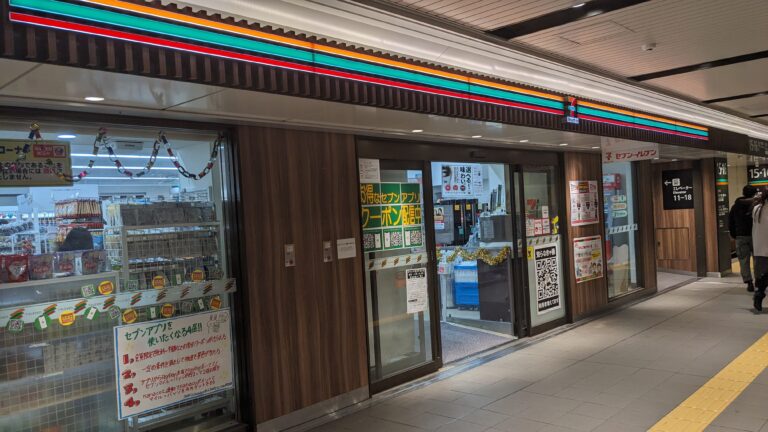
One of the best extra benefits of IC cards is that they are not only for transport. Many convenience stores, vending machines, coin lockers, and quick-service counters accept them as electronic money. This makes them useful even when you are not on a train platform.
For travelers, that means one simple payment tool can cover train rides, drinks, snacks, and many small daily purchases. It is fast, easy, and often more convenient than handling coins for every minor transaction.
- Useful at many convenience stores
- Often accepted at vending machines
- Can work at some lockers and station shops
- Great for fast small-value purchases
How to top up an IC card
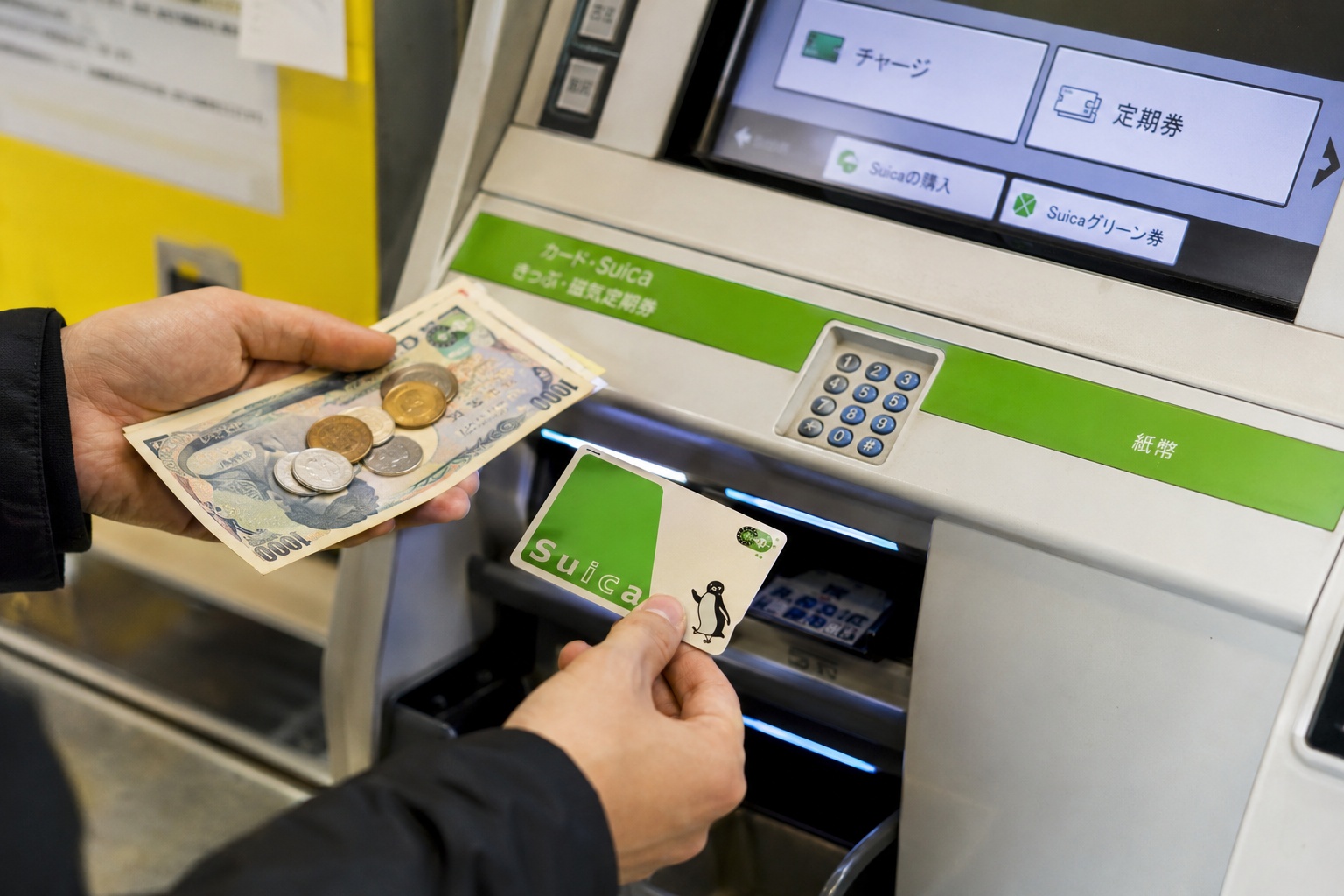
When your balance gets low, recharge the card at a station ticket machine, fare adjustment machine, or other supported top-up point. The basic process is usually to place or select the IC card, choose a recharge amount, and complete the payment.
Some top-up locations accept cash only, while others may offer more options. For travelers, the practical habit is simple: do not wait until the balance reaches almost zero. Recharge during a quiet moment so you do not run into problems right before a train or bus.
- Top up at ticket machines or fare adjustment machines
- Small and medium recharges are often easiest for travel budgeting
- Check your balance regularly at gates or machines
- Recharge before a long travel day, not after the balance runs out
Mobile IC cards and smartphones
Some travelers prefer to use a supported smartphone instead of a plastic card. Mobile options can be very convenient because you tap the phone at the gate or reader just like a card and keep everything in one device.
However, mobile setup depends on your device, region, wallet settings, and compatible services. If you like digital travel tools, a mobile IC card can be excellent. If you want the simplest start, a physical card is still the easiest option for many first-time visitors.
- A phone can sometimes replace a physical card
- Setup varies by device and wallet support
- Mobile can be convenient, but physical remains simple and reliable
- Choose the option that matches your comfort level
When an IC card is not enough
IC cards are excellent for ordinary local travel, but they do not replace every rail product in Japan. Limited express trains, reserved-seat services, Green Cars, and long-distance intercity trips may require an additional ticket, reservation, or special pass even if you also use an IC card.
The easy rule is this: use an IC card for everyday urban movement and small purchases, but double-check special trains and long-distance travel plans. If a route includes extra fees or reserved services, you may need more than a basic tap-and-go card.
- Not a substitute for every pass or reserved-seat product
- Special trains can require an extra ticket
- Long-distance travel may be better with a pass or separate booking
- Read the route details when planning outside ordinary city travel
Best strategy for first-time visitors
For most first-time visitors, an IC card is one of the first transport tools worth getting after arrival. It removes stress, speeds up short trips, and works in many everyday situations beyond transport.
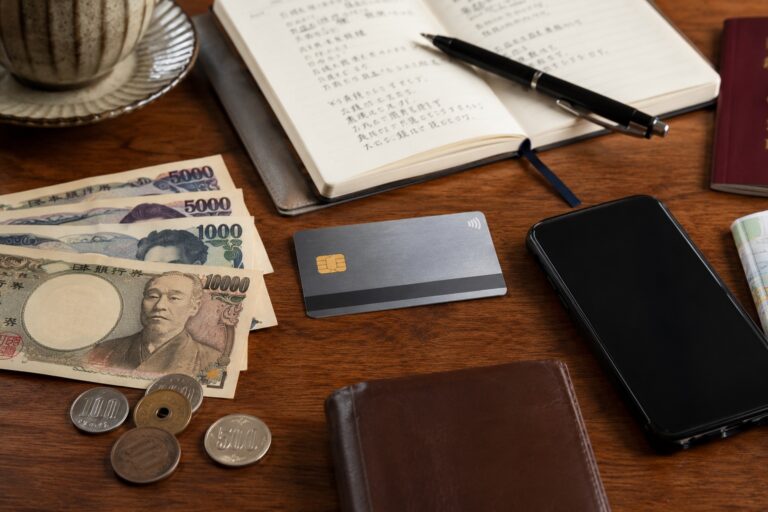
The best overall strategy is to combine an IC card with some cash and a regular payment card. Use the IC card for fast urban movement and small purchases, keep cash for places that still prefer it, and use your main card for hotels and larger spending.
- Get an IC card early in your trip if it fits your route
- Keep some backup cash and another payment method
- Use the IC card for convenience, not for every possible transport case
- Check balance before busy travel periods
FAQ
Can tourists use Suica or PASMO in Japan?
Yes. Tourists can use major IC cards in Japan, including standard and visitor-oriented options, depending on what is currently being sold.
What can I pay for with an IC card?
You can commonly use it for trains, subways, many buses, convenience stores, vending machines, and some lockers or station shops.
Is Suica the same as PASMO?
They are different brands, but for most everyday traveler use they work very similarly and are generally interoperable across major supported networks.
Can I use one IC card in different Japanese cities?
Usually yes for ordinary supported areas, because major IC cards belong to a nationwide mutual-use network. Still, always check route specifics for unusual cases.
Can I use an IC card for the Shinkansen?
Not by default in the same simple way as local trains. Many Shinkansen or reserved services require separate tickets, reservations, or dedicated setup.
How do I recharge an IC card?
You usually recharge it at a station ticket machine, fare adjustment machine, or another supported recharge point by choosing an amount and completing payment.
Related Japan Travel Guides
Official References
Final Thoughts
IC cards are one of the easiest upgrades you can make to your Japan trip. They simplify local transport, reduce ticket-machine stress, and work for many everyday purchases. If you understand how to buy, tap, and recharge one, you will move through Japan much more smoothly.