
Ten Days in Japan: Tokyo, Hakone, Kyoto and Osaka Itinerary
Plan ten days in Japan through Tokyo, Hakone, Kyoto, Nara and Osaka with sensible hotel bases, rail timing, luggage strategy and departure buffers.
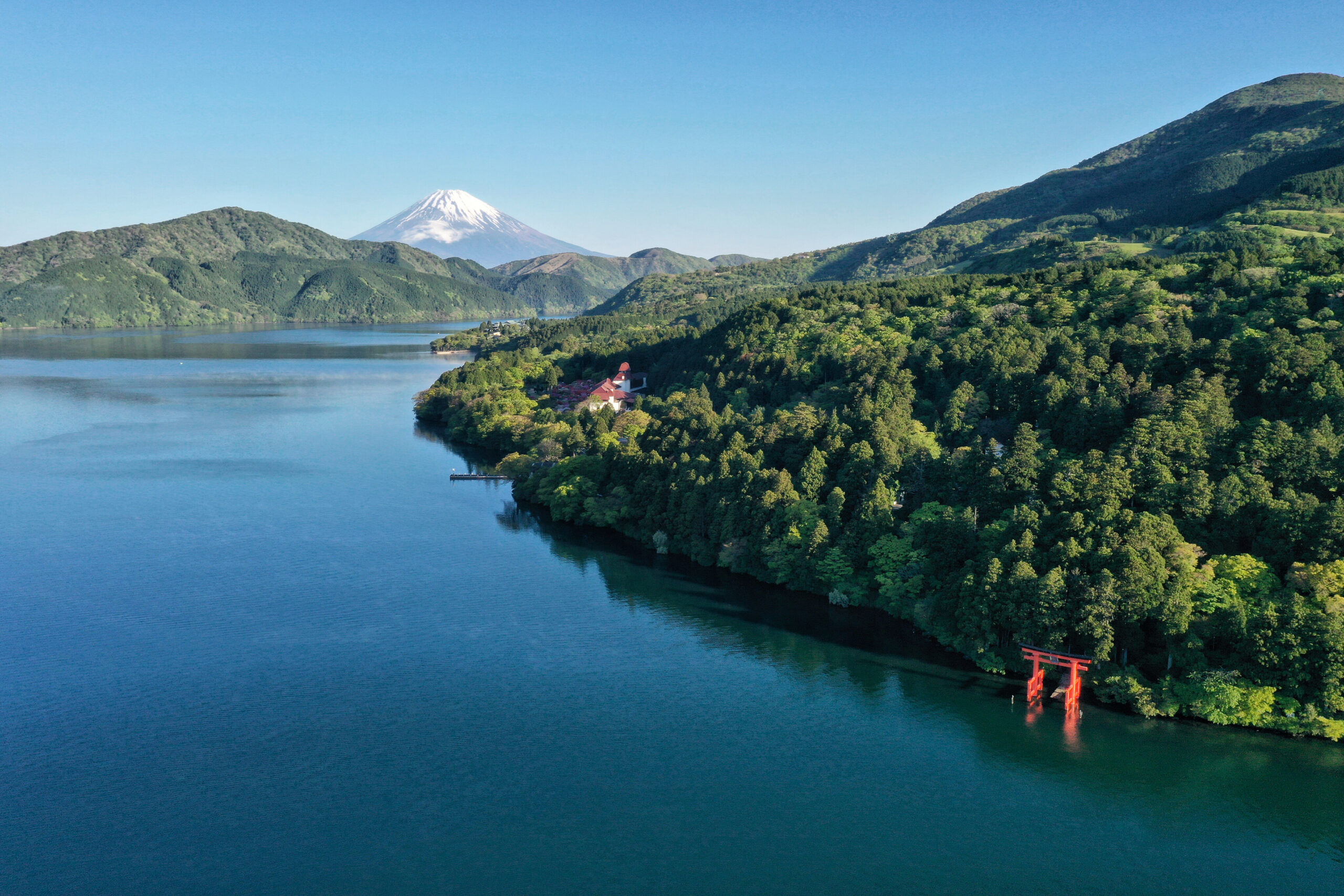
A practical ten-day Japan itinerary uses Tokyo, Hakone and Kansai as a simple route: four days in Tokyo, one night in Hakone, three nights in Kyoto with a Nara day trip, then Osaka before departure. Open-jaw flights can reduce backtracking. Reserve scarce hotels, important Shinkansen seats and must-do timed attractions, but keep ordinary sightseeing flexible. Send large luggage ahead when the Hakone transfer would be awkward, compare individual train tickets with any rail pass, and return to Tokyo a day early if the international flight does not leave from Kansai.
What You’ll Learn
- Build a four-base route without constant hotel changes.
- Use each city day for one connected area.
- Plan Hakone and Nara as focused experiences.
- Compare rail tickets, passes and luggage options.
- Protect budget and airport buffers.
Build the route around three bases
Ten days allow a first-time visitor to combine Tokyo, Hakone and Kansai without changing hotels every night. A practical structure is three Tokyo nights, one Hakone night, three Kyoto nights and two Osaka nights, adjusted for flight times.
Open-jaw flights into Tokyo and out of Kansai can reduce backtracking. If the return flight leaves Tokyo, move back the previous day rather than trusting a tight same-day connection.
- Use Tokyo, Hakone, Kyoto and Osaka as the route spine.
- Count arrival and departure as partial days.
- Protect the final international connection.
Day 1: Arrive and recover in Tokyo
Complete airport formalities, reach the hotel and keep the first walk close to the accommodation. Use the evening to test mobile data, transit payment and the route back to the hotel.
Avoid a costly timed attraction after a long flight unless arrival is early and there is a large delay buffer. A local meal and early night create a better second day.
- Check in or store luggage.
- Test essential travel tools.
- Keep the schedule flexible.
Day 2: Explore eastern Tokyo
Start in Asakusa, then continue to Ueno, Yanaka or the Sumida area. Grouping nearby neighborhoods prevents the day from turning into repeated cross-city train rides.
Visit temples and shrines respectfully and leave time for side streets, markets and meals. One connected route is more useful than collecting distant landmarks.
- Start early in Asakusa.
- Add one nearby district.
- Leave time to walk.
Day 3: Explore western Tokyo
Build the day around Meiji Jingu, Harajuku, Shibuya and Shinjuku, choosing only the stops that match your interests. Reserve one high-priority observation deck, museum or experience if needed.
Large stations and crowds make short map distances slower. Save the exact exit and finish in one evening district instead of crossing Tokyo again.
- Choose one anchor attraction.
- Save station exits offline.
- End near the final evening stop.
Day 4: Use a flexible Tokyo day
Use the extra Tokyo day for a specialist interest such as museums, gardens, shopping, food neighborhoods or a day trip. Check closures and reservation rules before committing.
Keep this day movable so poor weather or a sold-out activity from earlier days can be shifted here. Do not force a distant excursion merely because the day is open.
- Match the day to a real interest.
- Check official opening information.
- Keep it available as a weather buffer.
Day 5: Travel to Hakone
Send large luggage ahead to Kyoto or travel with a manageable bag, then reach Hakone and focus on one connected sightseeing loop. Mountain transport can be affected by weather, maintenance and crowding.
An overnight stay allows an onsen or ryokan experience without returning to Tokyo. Confirm dinner time, check-in deadline, tattoo policy and the route from the station before travel.
- Travel with a small overnight bag.
- Check live transport status.
- Confirm ryokan meal and bath rules.
Day 6: Continue to Kyoto
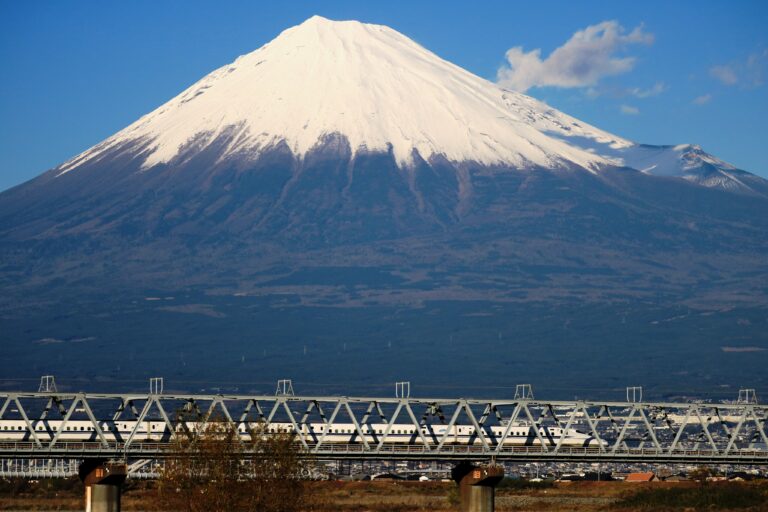
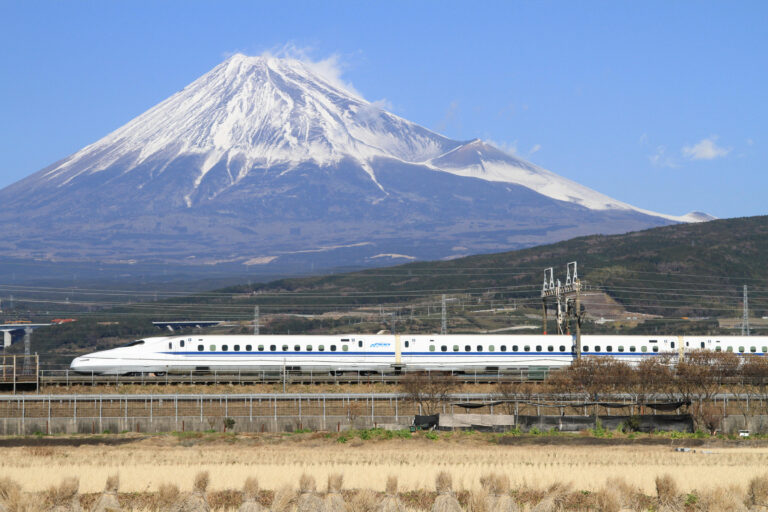
Leave Hakone with enough time for local transport and the Shinkansen connection. Mount Fuji views depend on weather, so treat them as a bonus rather than a fixed promise.
After arriving in Kyoto, store luggage or check in and use a compact afternoon route. Avoid stacking major temples after a multi-stage transfer.
- Allow time for the Hakone connection.
- Confirm the Shinkansen station and ticket.
- Keep the Kyoto afternoon light.
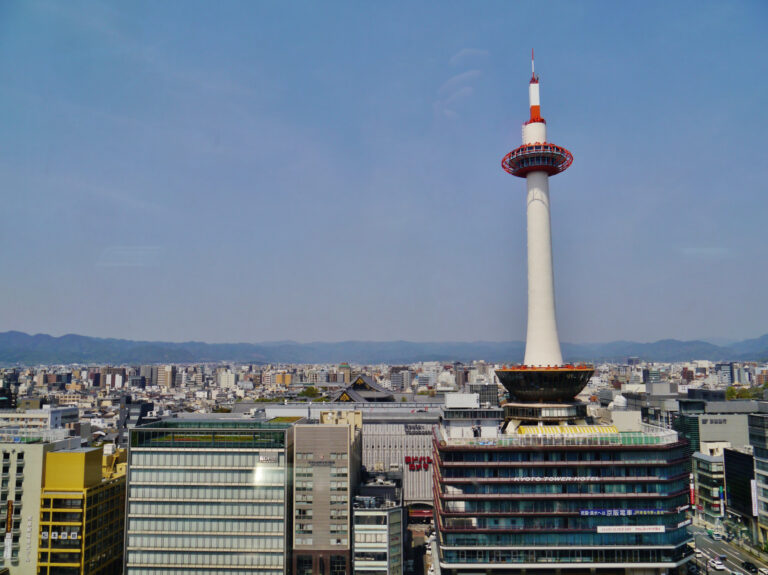
Day 7: Walk eastern Kyoto
Start early around Kiyomizu-dera, Higashiyama and Gion, selecting a few places along one walking route. Narrow streets and popular sites become crowded quickly.
Use rail or subway where practical because buses can be congested. Check Kyoto’s official crowd information and avoid returning to Kyoto Station for every transfer.
- Start before peak crowds.
- Walk a connected district route.
- Use rail alternatives to busy buses.
Day 8: Visit Arashiyama or northern Kyoto
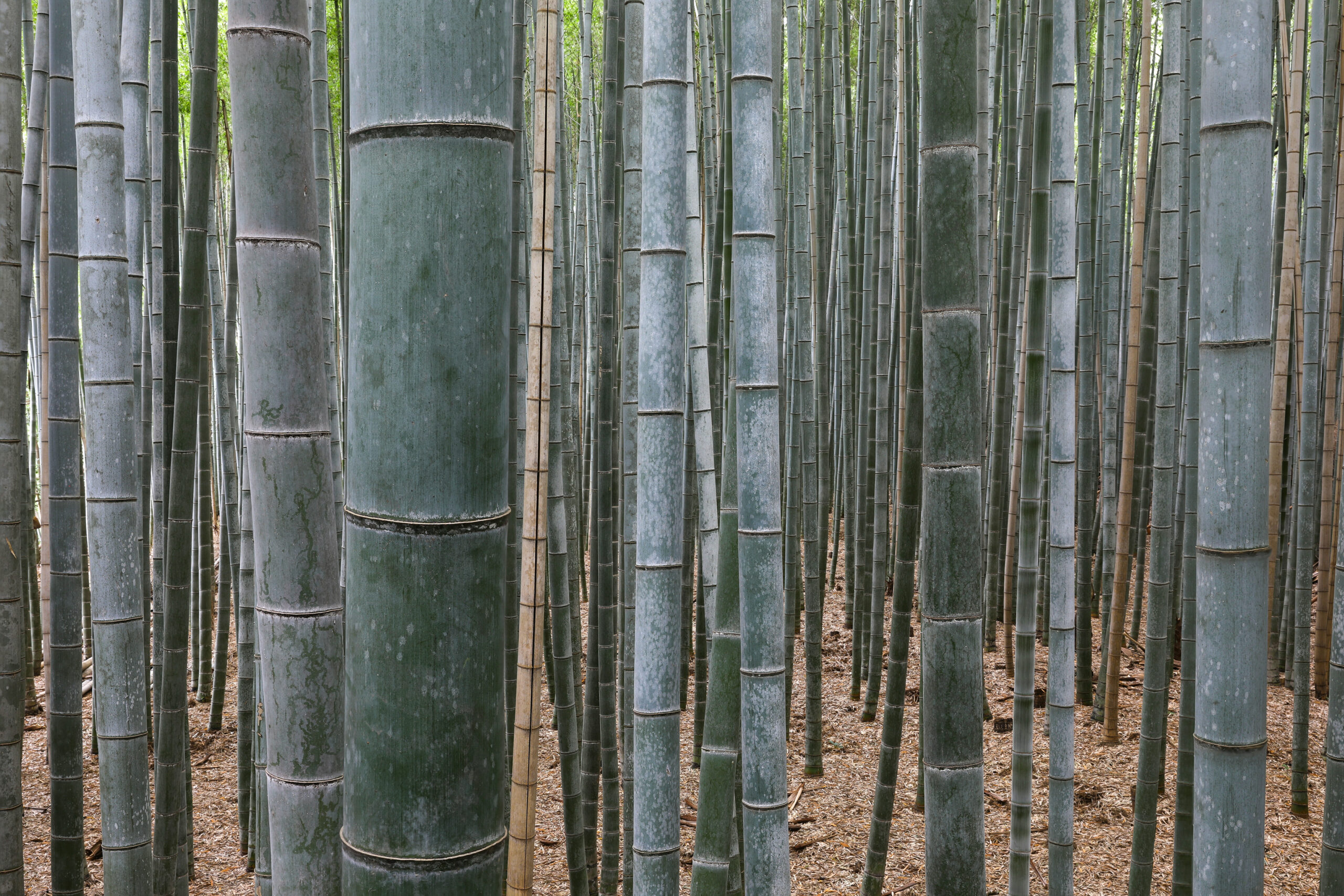
Choose Arashiyama for the bamboo area, river and nearby temples, or select a northern Kyoto route around a smaller number of landmarks. Starting early matters more than adding stops.
Do not combine every corner of Kyoto in one day. Travel time between Arashiyama and eastern districts can erase the apparent advantage of a long list.
- Choose one side of the city.
- Arrive early at the anchor area.
- Limit cross-city transfers.
Day 9: Take a focused Nara day trip
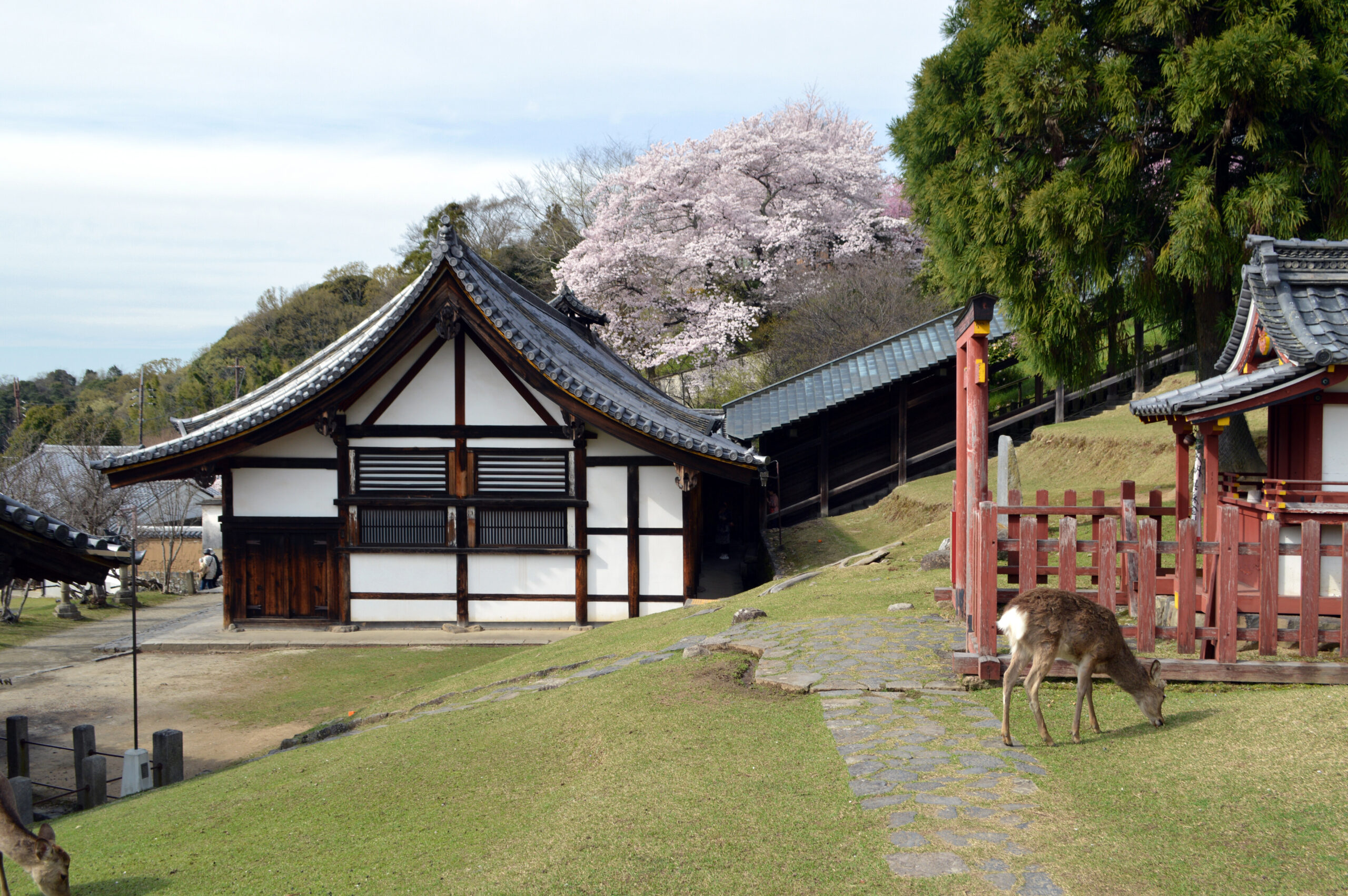
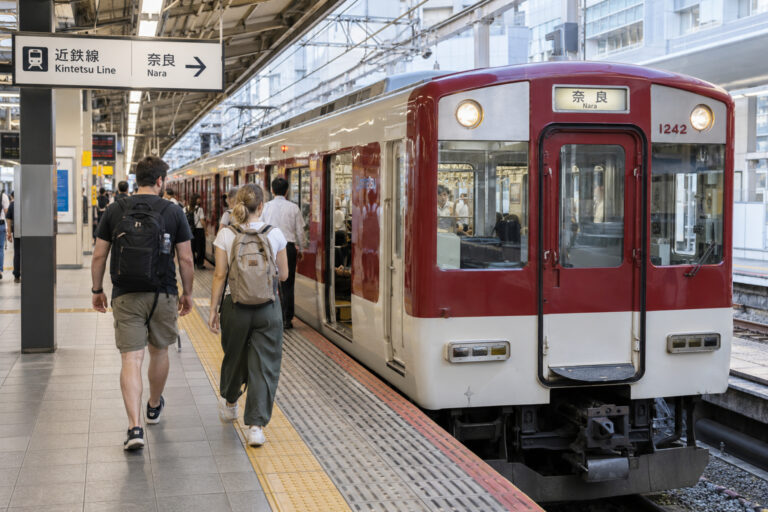
Travel from Kyoto or Osaka to Nara and build the day around Nara Park, Todai-ji and nearby historic streets. Check the route from the station and allow walking time between sites.
The deer are wild animals. Keep maps and paper secure, use approved food only, and follow local guidance when feeding or moving through groups of deer.
- Use one station-to-park walking route.
- Protect paper and food from deer.
- Return before the final trains become limiting.
Day 10: Finish in Osaka or depart
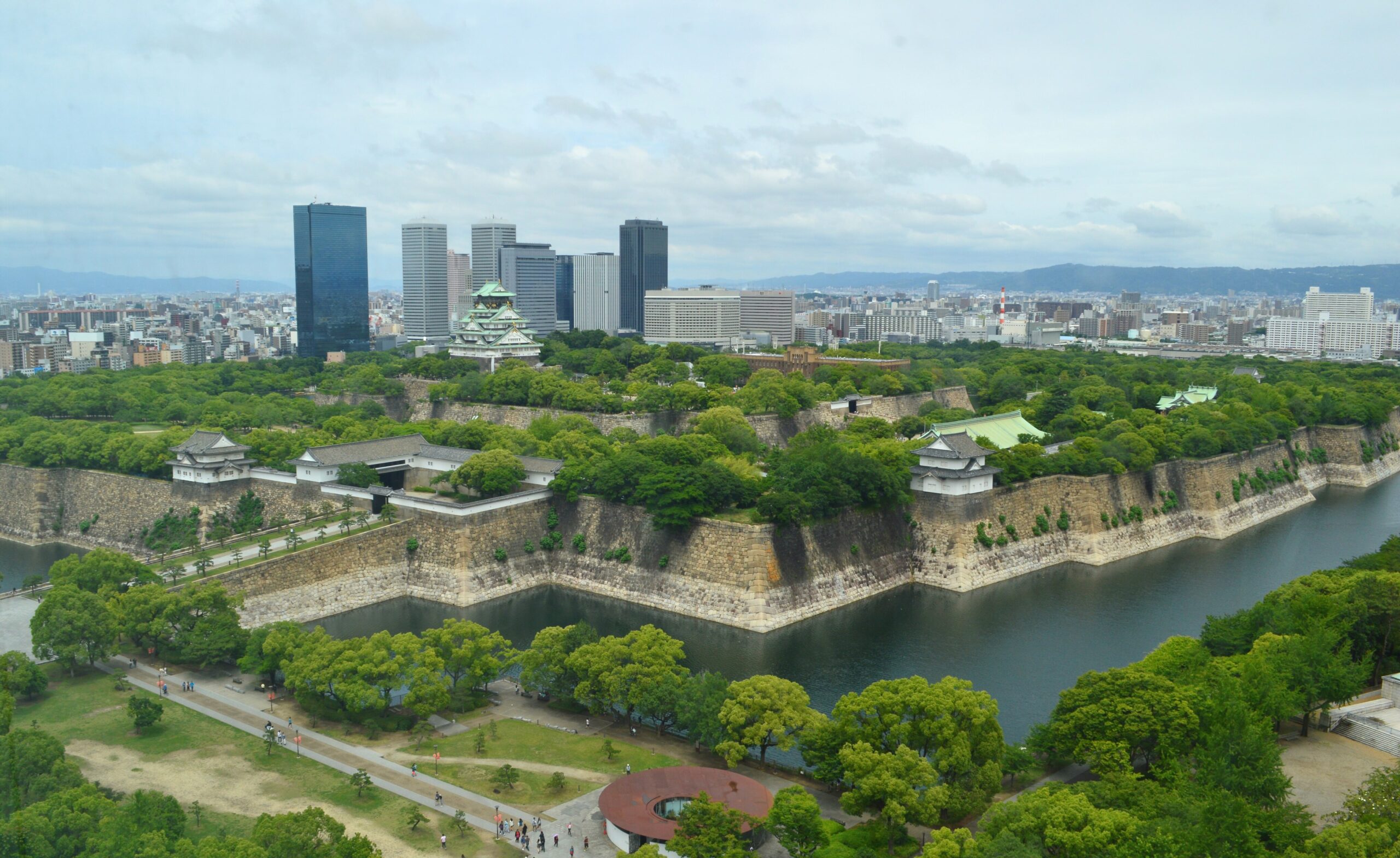
Use Osaka for one compact area: Osaka Castle and the city center, Umeda, or Namba and the southern districts. Store luggage on the route toward the airport or final hotel.
If the flight departs that day, calculate airport access backward from check-in time and remove sightseeing first. Do not sacrifice the international departure buffer for one more attraction.
- Choose one Osaka district.
- Store luggage on the departure path.
- Prioritize airport time over sightseeing.
Book hotels in the right order
Secure the Tokyo, Hakone and Kansai nights after fixing the flight route. Hakone rooms with meals and baths can have stricter check-in and cancellation conditions than city hotels.
Compare the exact station, walking route, room size and final price. One convenient base in Kyoto and one in Osaka should earn its extra hotel change through the actual itinerary.
- Book scarce Hakone accommodation early.
- Check meal and cancellation terms.
- Use station access to compare city hotels.
Compare tickets and rail passes
Price the actual airport, Shinkansen and day-trip journeys before buying a rail pass. A pass is useful only when its eligible trips and conditions match the route better than individual tickets.
Reserve important long-distance seats through an official or approved channel and confirm collection, QR or IC linkage. Review oversized-baggage rules before reaching the platform.
- Calculate the real eligible journeys.
- Confirm how every ticket is used.
- Plan large luggage before booking seats.
Protect budget, luggage and flexibility
Separate fixed costs from daily food, local transport and admissions, and keep both cash and a payment card. Add a reserve for weather changes, missed connections or luggage delivery.
Book scarce priorities but leave open blocks around them. Each evening, confirm the next day’s first route and remove a low-priority stop if the plan has become rushed.
- Keep cash, card and an emergency margin.
- Carry essential items separately from delivered luggage.
- Cut stops before cutting transfer buffers.
FAQ
Is ten days enough for Tokyo, Hakone, Kyoto and Osaka?
Yes, when each city has a clear role and the route avoids unnecessary backtracking. It is not enough for every major day trip as well.
Should I stay overnight in Hakone?
An overnight stay makes an onsen or ryokan experience easier and breaks the Tokyo–Kyoto journey. Confirm transport, meals, check-in and bath rules first.
Do I need a nationwide rail pass?
Not automatically. Compare the current cost of eligible trips in the exact itinerary with the pass price and conditions.
Is Kyoto or Osaka a better base?
Kyoto is better for early temple visits; Osaka suits nightlife and some airport routes. With ten days, staying in both can work if the move supports the final schedule.
Can I visit Nara from Kyoto?
Yes. Nara is a practical day trip from Kyoto or Osaka. Start early and group Nara Park, Todai-ji and nearby streets.
Should I forward luggage around Hakone?
It can simplify the multi-stage transfer. Keep documents, medicine, valuables and overnight essentials with you and confirm delivery timing.
Which airport route is easiest?
Arriving in Tokyo and departing from Kansai often reduces backtracking, but airfare and timing decide the value. If returning to Tokyo, protect a full buffer before the flight.
Need mobile data in Japan?
Compare current eSIM data allowances, validity, device compatibility and setup requirements before choosing.
Check Saily eSIM plansRelated Japan Travel Guides
Official References
Final Thoughts
Ten days are enough to add a real change of pace between Tokyo and Kansai. Use the extra time for Hakone and a focused Nara day rather than more rushed hotel changes. Once flights, bases and long-distance transport are fixed, keep local days adaptable to weather, crowds and energy.