
Heatstroke in Japan: Prevention, Symptoms & What Travelers Should Do
A practical guide to avoiding heat illness in Japan, checking WBGT and Heat Stroke Alerts, recognizing warning signs, cooling down safely and knowing when to call 119.
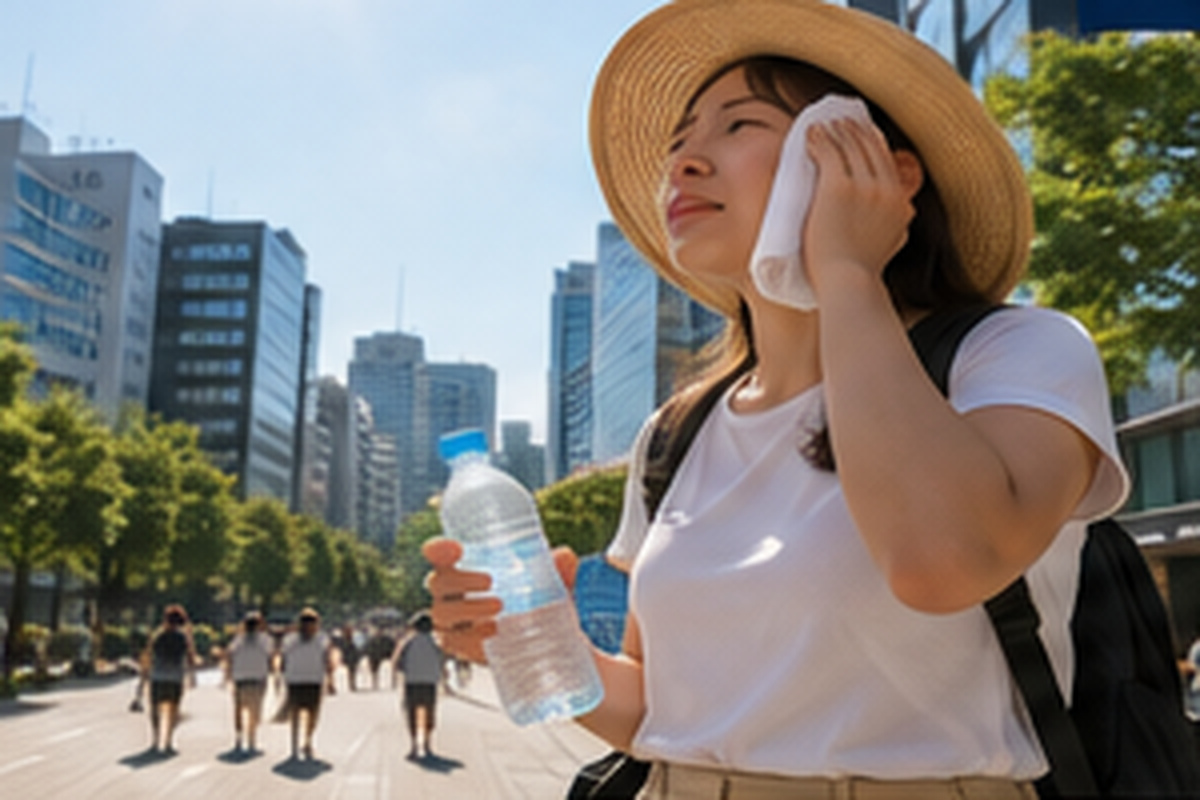
Japan’s heat can become dangerous when high temperature, humidity, radiant heat and physical activity combine. Check the Ministry of the Environment’s WBGT and Heat Stroke Alert information before long outdoor days, drink regularly, use shade or air conditioning, reduce activity when heat risk is high and take symptoms seriously. If someone becomes confused, loses consciousness, cannot drink, has seizures or remains seriously unwell after cooling, call 119 for an ambulance.
What You’ll Learn
- How Japan’s WBGT and Heat Stroke Alerts help you judge daily heat risk
- How to plan sightseeing around shade, air conditioning and lower-risk hours
- Which early heat-illness symptoms should make you stop immediately
- How to cool and hydrate someone safely while deciding whether medical help is needed
- What to carry for hot days and when travel insurance may matter
Why Japan’s Summer Heat Can Catch Travelers Off Guard
Heat illness is not determined by air temperature alone. Japan’s Ministry of the Environment explains that Wet Bulb Globe Temperature (WBGT) reflects temperature, humidity and radiant heat, all of which affect how well the body can release heat. Humid weather can make sweating less effective, while direct sun, pavement and buildings add radiant heat.
Travelers often increase their exposure without realizing it: long walks, station transfers, temple grounds, theme-park queues, outdoor festivals and luggage all add physical strain. People who are not acclimatized to the heat, are unwell or have certain chronic conditions can be more vulnerable.
- Treat hot, humid days as a planning issue, not just a comfort issue.
- Remember that heat illness can also occur indoors when rooms are hot or poorly cooled.
- Do not compare risk only by the temperature shown in a weather app.
Check WBGT and Heat Stroke Alerts Before You Go Out
The Ministry of the Environment and Japan Meteorological Agency issue Heat Stroke Alerts when the forecast WBGT reaches the alert threshold. The Environment Ministry’s English heat-illness site also publishes current and forecast WBGT values.
On the Environment Ministry scale, WBGT 28 to below 31 is a severe-warning range for exercise, and 31 or higher is the danger range. Travelers do not need to memorize every threshold: the practical response is to reduce outdoor exposure, schedule more breaks and use air-conditioned spaces as the heat-risk level rises.
- Check the WBGT forecast for the prefecture or city area you will visit.
- If a Heat Stroke Alert is issued, reconsider long outdoor sightseeing and strenuous activity.
- Recheck conditions during the day because heat risk can change.
- Use official heat information rather than relying only on how the weather feels.
Build a Heat-Safe Sightseeing Day
Summer itineraries should be lighter than spring or autumn itineraries. Put outdoor landmarks, gardens and long walks earlier in the day when possible, then use museums, shopping centers, stations, cafes or hotel rest during the hottest part of the day.
Do not treat a packed itinerary as a commitment. If the heat becomes oppressive, shorten the route, use public transport for sections you would normally walk and move the next outdoor stop to another day.
- Start outdoor sightseeing earlier when conditions are cooler.
- Schedule frequent indoor or shaded breaks before you feel exhausted.
- Carry less weight and avoid dragging large luggage through long outdoor routes.
- Use a hat, parasol, breathable clothing and sunscreen for sun exposure.
- Know where the next air-conditioned stop is before starting a long walk.
Hydration, Salt and Cooling: What Actually Helps
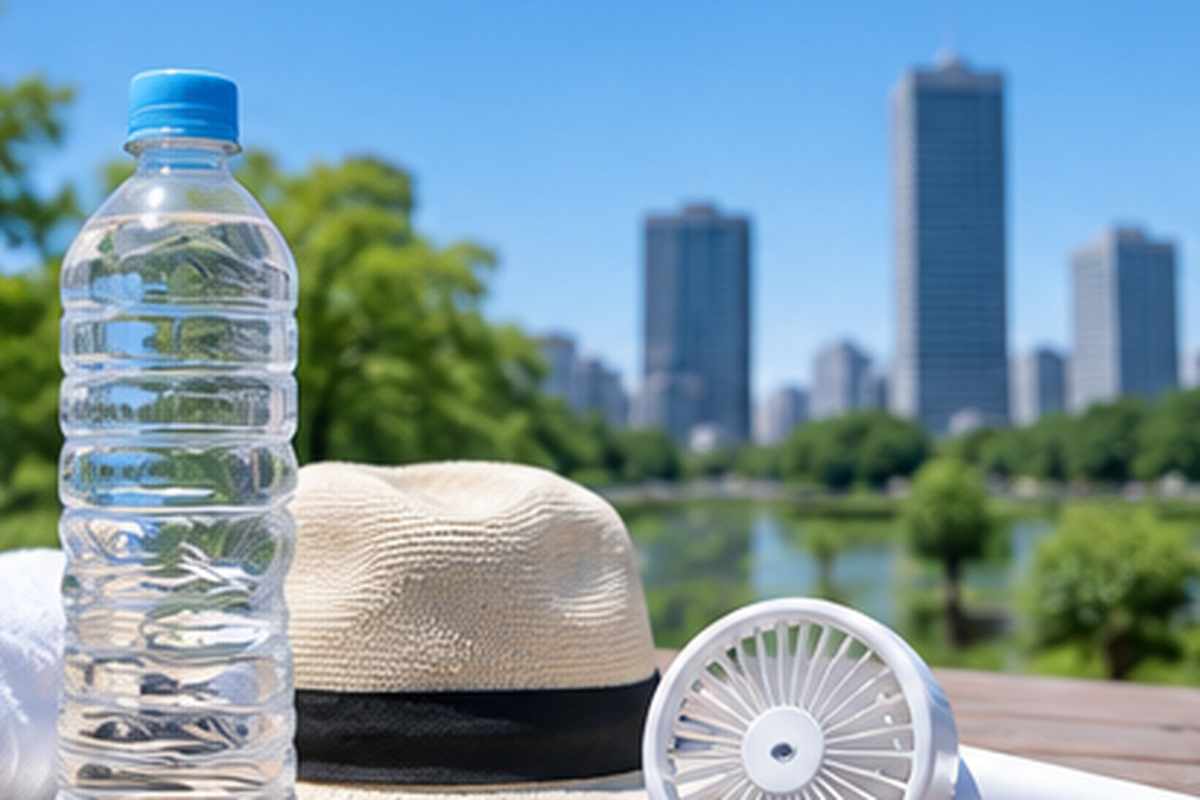
Drink regularly rather than waiting until you feel very thirsty. Water is important, and during prolonged sweating an electrolyte drink or food containing salt can help replace sodium. Avoid using alcohol as a hydration strategy because it can worsen dehydration and judgment.
Cooling is just as important as drinking. Move into shade or air conditioning, use a fan or cooling towel and reduce physical effort. If you are already feeling unwell, stop sightseeing instead of trying to recover while continuing to walk.
- Carry water and refill it throughout the day.
- For prolonged heavy sweating, consider an electrolyte drink or salty food.
- Take cooling breaks in air-conditioned places.
- Use cooling towels, fans or cold packs as practical aids.
- Do not force large amounts of fluid on someone who is confused, unconscious or unable to swallow normally.
Recognize Heat-Illness Symptoms Early
Heat illness can begin with dizziness, headache, heavy sweating, muscle cramps, nausea, unusual fatigue or weakness. These are signs to stop activity, cool down and reassess rather than continue to the next attraction.
More serious symptoms include confusion, abnormal behavior, loss of consciousness, seizures, inability to drink or a very hot body. Severe heat illness can become life-threatening and needs urgent medical attention.
- Early: thirst, dizziness, headache, cramps, fatigue or heavy sweating.
- Concerning: nausea, marked weakness, worsening headache or feeling faint.
- Emergency: confusion, unconsciousness, seizures, inability to drink or severe deterioration.
First Aid: Stop, Cool, Hydrate If Safe and Reassess
If heat illness is suspected, move the person to a cool place immediately. Loosen unnecessary clothing and cool the body. Ministry guidance recommends cooling areas such as the neck, armpits and thighs, and using cool water, towels, cold packs or airflow.
If the person is fully conscious and can swallow normally, give water or a sports drink in small amounts. Do not leave a seriously unwell person alone. If symptoms do not improve promptly, or you are unsure about severity, seek medical help.
- Move to shade or an air-conditioned indoor space.
- Loosen tight or unnecessary clothing.
- Cool the neck, armpits and upper thighs and use airflow.
- Give fluids only when the person is alert and can drink safely.
- Stop the day’s sightseeing until the person is clearly recovered.
When to Call 119 for an Ambulance
In Japan, 119 is the emergency number for an ambulance or fire service. Call 119 when heat illness appears severe, especially if the person is confused, unconscious, having seizures, unable to drink or not improving after cooling.
JNTO also operates the Japan Visitor Hotline 24 hours a day for visitor support, including illness and emergencies, but it does not replace 119 when an ambulance is needed.
- Call 119 for loss of consciousness, confusion or seizures.
- Call 119 if the person cannot drink safely.
- Call 119 for severe or rapidly worsening symptoms.
- Keep your hotel address and location details ready so responders can find you.
Use Japan’s Everyday Infrastructure to Stay Cool
Japan makes heat management relatively practical because convenience stores, vending machines, stations, department stores and shopping centers are common in major travel areas. Use them deliberately as cooling and hydration stops instead of walking continuously in the heat.
Carry a compact hot-weather kit rather than relying on finding supplies only after you feel unwell.
- Water or an electrolyte drink.
- Hat or parasol.
- Portable fan or cooling towel.
- Sunscreen and breathable clothing.
- Any essential medication you may need during the day.
Extra Risk: Children, Older Travelers, Illness and Poor Recovery
Children, older adults, people with chronic illnesses and people who are not acclimatized to hot conditions require extra caution. Poor sleep, illness and strenuous activity can also reduce heat tolerance.
Travel companions should check on one another. Someone developing confusion or abnormal behavior may no longer be able to judge their own condition accurately.
- Reduce walking distance and increase rest time for higher-risk travelers.
- Do not leave children or vulnerable travelers in hot rooms or vehicles.
- Prioritize sleep, meals and recovery during multi-day summer trips.
- Ask a clinician in advance if a medical condition or medication may affect heat tolerance.
Medical Care and Travel Insurance
If symptoms persist, seek medical assessment rather than trying to manage the rest of the trip alone. JNTO provides guidance for travelers who become ill and confirms that 119 is the ambulance number in Japan.
Travel insurance may help with eligible medical expenses, but coverage, exclusions, deductibles and payment methods vary by policy. Review the terms before departure and keep receipts and medical documentation if you need treatment.
- Know how to contact your insurer before you need care.
- Check whether the policy covers emergency medical treatment in Japan.
- Keep receipts, clinic documents and transport records.
- Do not assume every heat-related expense is automatically covered.
FAQ
Is heatstroke common in Japan during summer?
Heat illness is a recognized seasonal risk in Japan, especially during hot and humid conditions. Travelers should use WBGT and Heat Stroke Alert information to judge the risk on the specific day and in the specific area they are visiting.
What is WBGT and why should travelers check it?
WBGT is a heat-stress index that accounts for temperature, humidity and radiant heat. It is more useful for heat-risk decisions than air temperature alone, and Japan’s Environment Ministry publishes current and forecast WBGT information.
Should I drink only water in very hot weather?
Water is essential. If you are sweating heavily for a prolonged period, an electrolyte drink or food containing salt can help replace sodium. Avoid excessive alcohol and do not force fluids on someone who is confused, unconscious or unable to swallow safely.
What should I do if I start feeling dizzy or nauseated?
Stop walking or sightseeing, move into shade or air conditioning, cool your body and drink if you can do so safely. If symptoms are severe, worsening or not improving, seek medical help.
When should I call 119 for heat illness?
Call 119 for severe symptoms such as confusion, unconsciousness, seizures, inability to drink or rapid deterioration, or when the person remains seriously unwell despite cooling.
Does travel insurance cover heatstroke treatment?
It may, but coverage depends on the policy. Check medical-expense coverage, exclusions, deductibles and payment procedures before your trip, and keep medical records and receipts if treatment is needed.
Related Japan Travel Guides
Official References
- Ministry of the Environment — Heat Illness Prevention Information
- Ministry of the Environment / JMA — Heat Stroke Alert
- Ministry of the Environment — First Aid for Heat Illness
- Ministry of Health, Labour and Welfare — Heatstroke Prevention (English)
- JNTO — Staying Safe in Japan
- JNTO — Japan Visitor Hotline
Final Thoughts
Japan’s summer can be a great time to travel, but heat should change how you plan the day. Use WBGT and official alerts, reduce outdoor exposure when risk is high, take cooling breaks before symptoms appear and stop immediately if you begin to feel unwell. If severe symptoms develop, call 119. A flexible itinerary protects both your health and the rest of your trip.