
Earthquake Safety in Japan: What Travelers Should Do Before, During & After Shaking
A practical earthquake safety guide for travelers in Japan, covering what to do during shaking, earthquake alerts, hotels, trains, tsunami risk, aftershocks, emergency preparation and transport disruption.
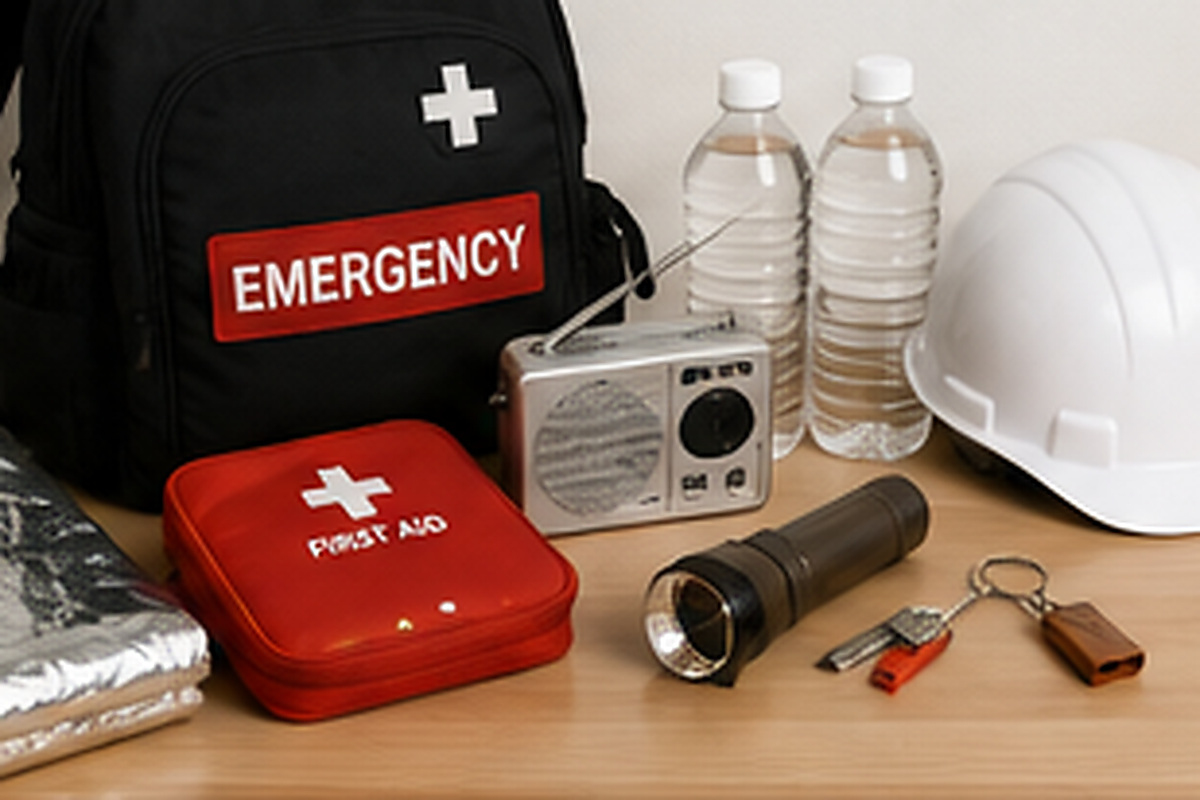
If an earthquake starts, protect your head and body, stay away from windows and falling objects, and do not rush outside while the shaking is strong. After it stops, check for injuries and hazards, follow official information and staff instructions, and if you are near the coast and there is strong or long shaking or a tsunami warning, move to higher ground or a designated evacuation place without waiting.
What You’ll Learn
- What to do immediately when an earthquake starts
- How Japan’s Earthquake Early Warning helps travelers
- How to respond in hotels, stations, trains and underground spaces
- When coastal travelers should evacuate for tsunami risk
- What to prepare so transport and communication disruption is easier to manage
What to Do the Moment Shaking Starts
Your first goal is to avoid injury from falling, moving or broken objects. Indoors, get low, protect your head and neck, and take cover under a sturdy table or beside a safer interior area if a table is not available. Stay away from windows, shelves, hanging objects and anything that could topple.
Do not run outside during strong shaking. Exterior glass, signs, roof tiles and other debris can fall. If you are already outdoors, move away from building facades, walls, utility poles and other objects that could fall, while avoiding traffic.
When the shaking stops, look for immediate hazards such as broken glass, fire, damaged ceilings or unstable furniture before moving.
- Protect your head and neck first.
- Stay away from glass, shelves and heavy objects.
- Do not use elevators during or immediately after strong shaking.
- Follow instructions from facility, hotel, railway or emergency staff.
Earthquake Early Warning: What the Alert Means
Japan’s Earthquake Early Warning system is designed to provide rapid notice when strong shaking is expected. Depending on your location and how close you are to the earthquake source, the warning may arrive only seconds before strong shaking, at the same time as shaking, or not early enough to provide useful lead time.
Treat an alert as a cue to protect yourself immediately rather than as a prediction of exact damage. Put down hot or sharp objects, move away from glass, protect your head and do not spend the warning time trying to film or leave the building.
Official alerts may also appear through phones, broadcasters, railways and local systems. Travelers should keep phone sound and emergency-alert settings available when practical.
- An alert can provide only a short lead time.
- Protect yourself immediately instead of searching for more information first.
- After the shaking, use official sources to confirm what happened and what to do next.
Earthquake Safety in Hotels and Other Accommodation
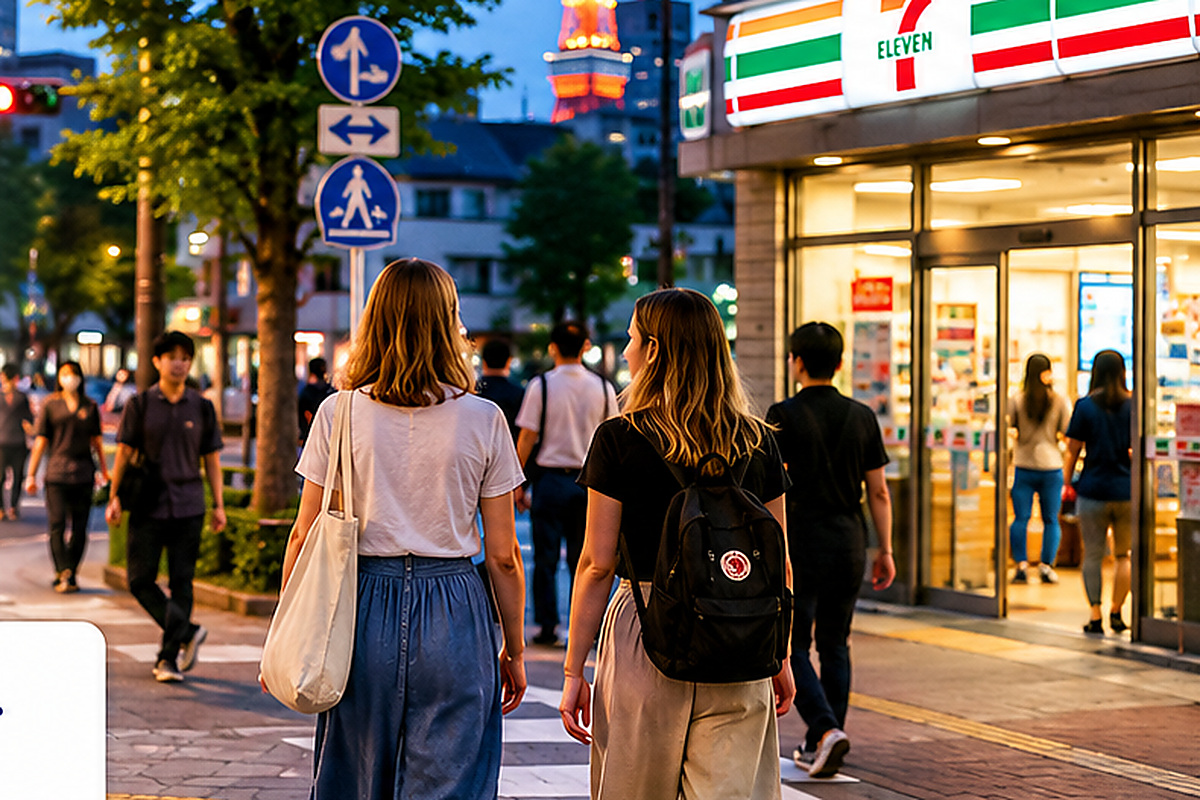
When you arrive at a hotel, identify the emergency exit and staircase, and keep shoes, your phone and a small light where you can reach them at night. You do not need a large disaster kit for a normal trip, but a few basics make a long power or transport interruption much easier.
During shaking, stay away from windows and unsecured furniture and protect your head. Afterward, follow hotel staff instructions and use stairs if elevators are unavailable or have been stopped for inspection.
Do not check out or leave the building automatically just because you felt shaking. The safest next action depends on the condition of the building, fire risk, local evacuation guidance and any tsunami warning.
- Know the nearest emergency exit and staircase.
- Keep shoes, phone, power bank and flashlight accessible at night.
- Ask hotel staff for local instructions after a significant earthquake.
What to Do at Stations, on Trains and Underground
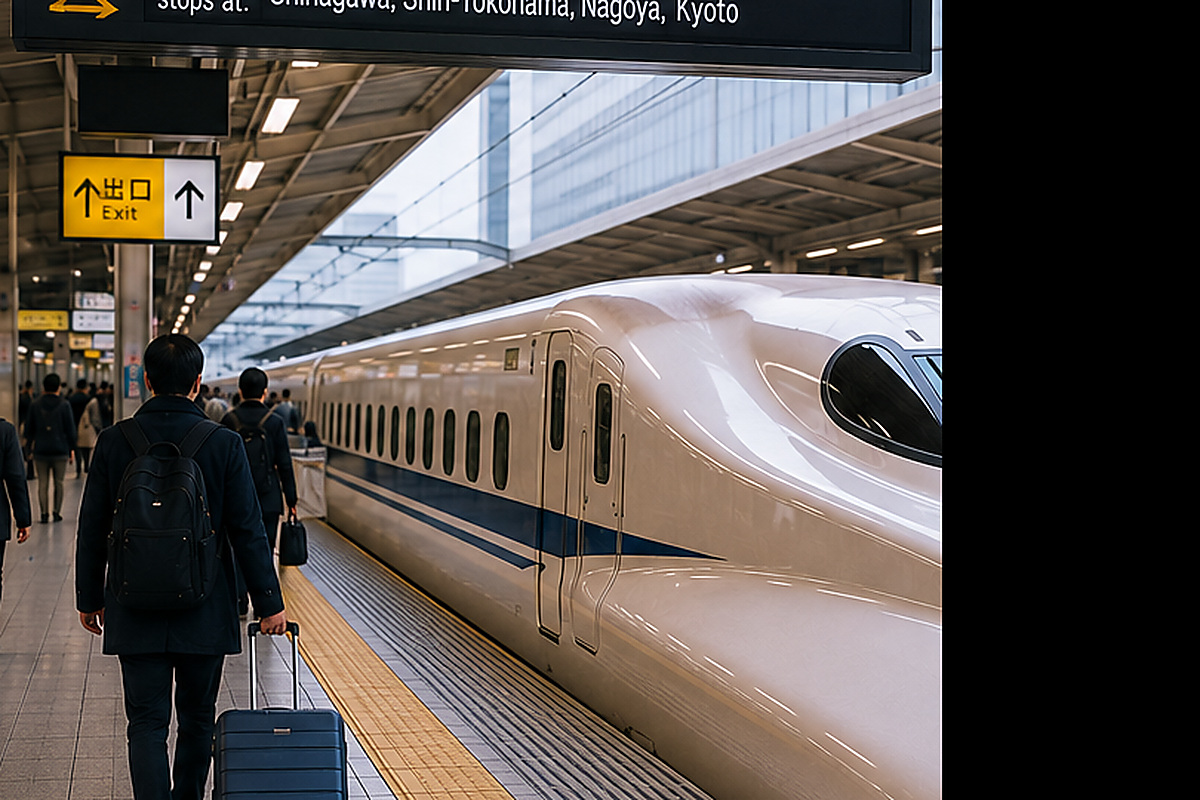
Railways may slow or stop trains automatically after significant shaking, and inspections can delay service even after the earthquake has ended. On a train, hold on, protect your head and follow crew announcements. Do not force doors open or enter tracks unless railway staff direct an evacuation.
At a station, move away from glass, suspended signs and crowded stair edges during shaking. Afterward, follow staff instructions instead of rushing to a platform, exit or taxi queue.
Underground areas can feel alarming, but running toward stairs during shaking can create additional danger. Protect yourself first, then follow the facility’s evacuation instructions once movement is safe.
- Expect temporary train suspensions and inspections.
- Never enter railway tracks without staff direction.
- Keep alternate route options and enough battery to check service information.
Tsunami Risk: The Rule Coastal Travelers Must Know
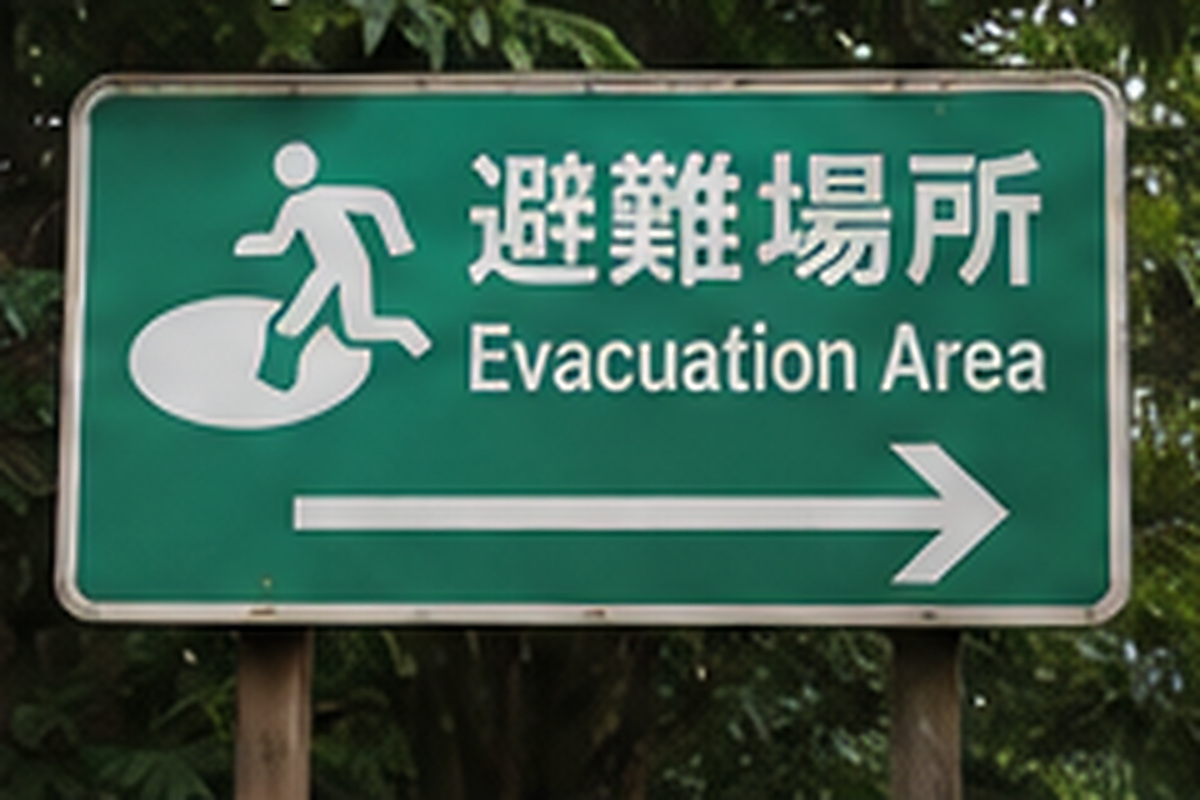
An earthquake near the coast can create tsunami risk. If you are in a coastal area and experience strong shaking, shaking that continues for a long time, or receive a tsunami warning or evacuation instruction, move away from the shore and toward higher ground or a designated tsunami evacuation area or building.
Do not go to the waterfront to look at the sea. A tsunami can arrive in multiple waves, and later waves can be larger than the first. Remain in a safe location until official authorities say the danger has passed.
When booking coastal accommodation, especially in low-lying areas, check the nearest evacuation route when you arrive. The few minutes spent doing this are more valuable than trying to learn the route after an emergency begins.
- Move inland or upward when coastal evacuation is advised.
- Do not wait at the shore to confirm a tsunami visually.
- Do not return until official warnings and evacuation instructions are lifted.
After the Shaking: Check Hazards, Aftershocks and Official Information
Aftershocks can follow a large earthquake. Stay alert for damaged ceilings, loose glass, fire, gas smells, unstable walls and objects that may fall during later shaking. If a building looks seriously damaged, follow staff or emergency instructions about evacuation.
Check yourself and people around you for injuries before focusing on travel plans. For fire or ambulance emergencies in Japan, call 119. For police emergencies, call 110.
Use official government, meteorological, local-authority, railway, airport and accommodation information rather than relying on social-media rumors. Major earthquakes generate a large amount of outdated, duplicated and incorrect information.
- Expect aftershocks and keep a safer place in mind.
- Call 119 for fire or ambulance emergencies and 110 for police emergencies.
- Confirm major decisions with official sources.
Phone, Power and Communication During a Disruption
Mobile networks can become congested after a major earthquake. Keep messages short, avoid unnecessary calls and preserve battery. Hotel Wi-Fi, public Wi-Fi or another traveler’s connection may be useful if your own network is unavailable.
A charged power bank is one of the most useful items a traveler can carry because your phone may hold maps, tickets, hotel details, translation tools, emergency contacts and payment access.
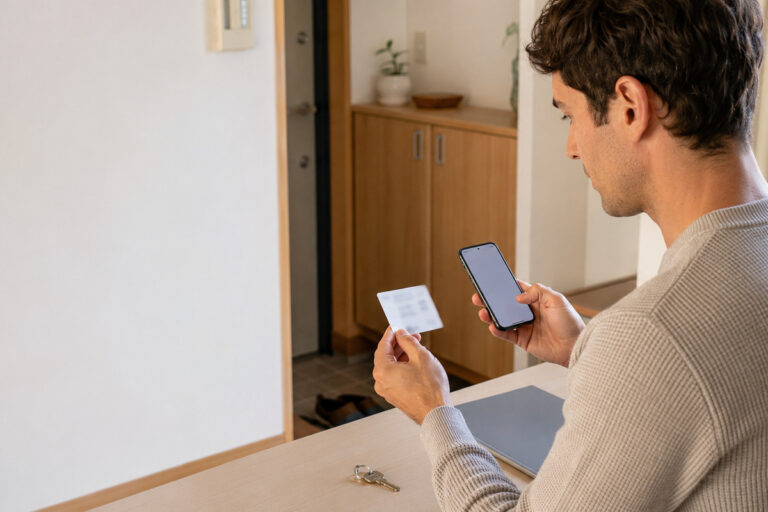
Before your trip, save your accommodation name and address offline and keep a copy of essential contact details somewhere other than your phone.
- Keep your phone charged whenever practical.
- Carry a power bank and charging cable.
- Save hotel and essential contact details offline.
- Use brief messages if networks are congested.
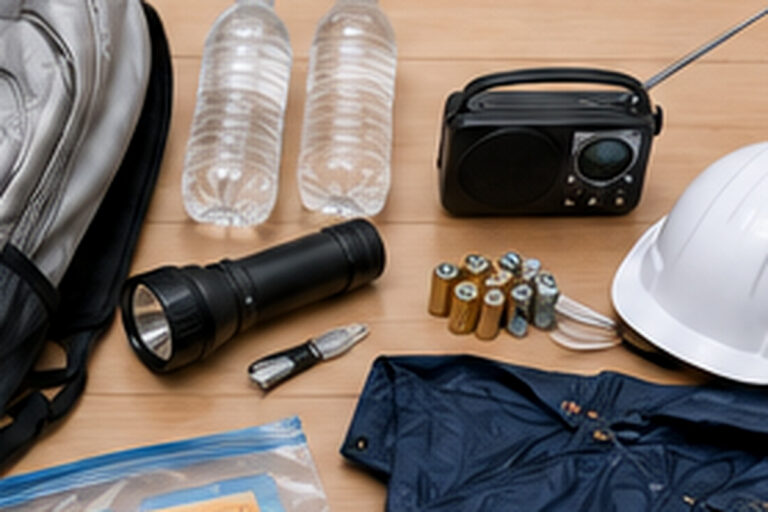
A Small Earthquake Kit That Makes Sense for Travelers
Travelers do not need to carry a full household disaster stockpile. A compact set of everyday items is more realistic and can cover the most common short-term problems after an earthquake.
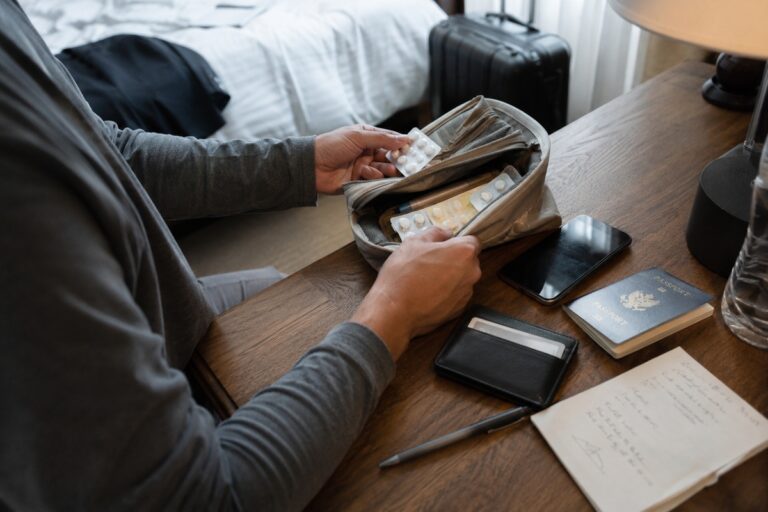
Keep important medication and identification with you rather than buried in checked luggage. If you use prescription medicine, carry enough for likely travel delays and keep the medicine information accessible.
Water and food may be easy to buy under normal conditions, but after a major event shops and vending machines can be crowded or temporarily unavailable.
- Phone and power bank
- Charging cable
- Small flashlight
- Water and a small snack
- Essential medication
- Passport or secure passport copy
- Hotel address and emergency contacts
- A small amount of cash
Transport Disruption, Medical Help and Travel Insurance
After a significant earthquake, railways, roads, airports and attractions may pause operations for safety checks. Do not assume the fastest route is still operating. Check the official operator or facility before moving across the city with luggage.
If you need medical care, serious emergencies should go through 119. For non-emergency problems, hotel staff, travel-insurance assistance, clinics and hospitals can help you identify the next step.
Travel insurance can be useful when a natural disaster causes covered medical costs, delays, cancellations, additional accommodation or other disruption, but coverage differs by policy. Read the natural-disaster, cancellation, delay and interruption terms before buying, and keep receipts and official documentation if you later make a claim.
- Expect inspections and temporary transport suspensions.
- Check official operator information before changing cities or airports.
- Read insurance terms carefully; do not assume every earthquake-related cost is covered.
FAQ
Are earthquakes common in Japan?
Japan experiences frequent earthquakes, most of which are small. Travelers may never feel one, but knowing basic safety actions is worthwhile because stronger earthquakes can occur without much warning.
Should I run outside during an earthquake?
Usually no. During strong shaking, protect yourself where you are and stay away from glass and falling objects. Running outside can expose you to falling signs, glass, roof tiles and traffic.
What should I do if I am in a hotel?
Protect your head, stay away from windows and unsecured furniture, and follow hotel staff instructions after the shaking. Know the emergency exit and staircase when you first arrive.
What should I do if I am near the coast?
If you feel strong or long shaking, or a tsunami warning or evacuation instruction is issued, move to higher ground or a designated tsunami evacuation place and stay away from the shore until officials say it is safe.
Will trains stop after an earthquake?
They can. Railways may stop trains and inspect tracks, structures and equipment before service resumes. Follow railway staff instructions and check official service information.
Does travel insurance cover earthquakes in Japan?
It depends on the policy and the type of loss. Check natural-disaster exclusions and the medical, delay, cancellation and interruption sections before buying, and keep documentation if you need to claim.
Related Japan Travel Guides
Official References
Final Thoughts
Japan is highly experienced in earthquake preparedness, but travelers still benefit from a simple plan: protect yourself during shaking, follow official information afterward, know the coastal tsunami rule, keep your phone powered, and expect transport to pause for safety checks. A few minutes of preparation before your trip can make an unexpected earthquake much easier to handle calmly and safely.