
Travel Insurance for Japan: Medical Cover, Delays and Exclusions
Compare travel insurance for Japan by medical limits, evacuation, cancellation, delays, baggage, activities, exclusions and claims support.
Travel insurance is not one standard product. For Japan, compare emergency medical treatment, evacuation and repatriation first, then add the non-refundable costs, delays, baggage, activities and rental-car risks in the real itinerary. Check pre-existing-condition rules, deductibles, per-item limits, known-event exclusions, direct-billing arrangements and whether assistance approval is required. Cover the full trip from departure to return, including transit countries. Read the complete policy wording and eligibility rules before purchase, and save the certificate and emergency number offline. The cheapest plan is poor value if it excludes the event most likely to create an unaffordable loss.
What You’ll Learn
- Set coverage priorities from the trip’s real financial risks.
- Compare medical, evacuation and payment arrangements.
- Check cancellation, delay, baggage and rental-car limits.
- Match activities and health conditions to exclusions.
- Verify eligibility, dates, assistance and claims procedures.
Decide which losses would damage the trip
Start with the risks you could not comfortably pay yourself. For most visitors, the largest concern is not a delayed suitcase but unexpected medical treatment, emergency transport or a medically necessary return home.
Then add the non-medical costs created by the itinerary: prepaid hotels, tours, domestic transport, expensive equipment and connections. Insurance should match the real financial exposure rather than a generic destination label.
- Prioritize medical and evacuation risk.
- List prepaid costs that cannot be refunded.
- Include activities, equipment and connections.
Separate travel insurance from health insurance
Travel insurance may combine emergency medical cover with trip cancellation, interruption, delay, baggage and assistance services. Domestic health insurance may not work abroad or may reimburse only part of the cost after treatment.
Confirm what existing health, employer or government coverage applies in Japan. Do not assume that carrying a health card at home means a Japanese provider can bill that plan directly.
- Check overseas eligibility of existing health cover.
- Distinguish emergency care from routine care.
- Ask whether payment is direct or reimbursed later.
Compare medical limits and emergency transport
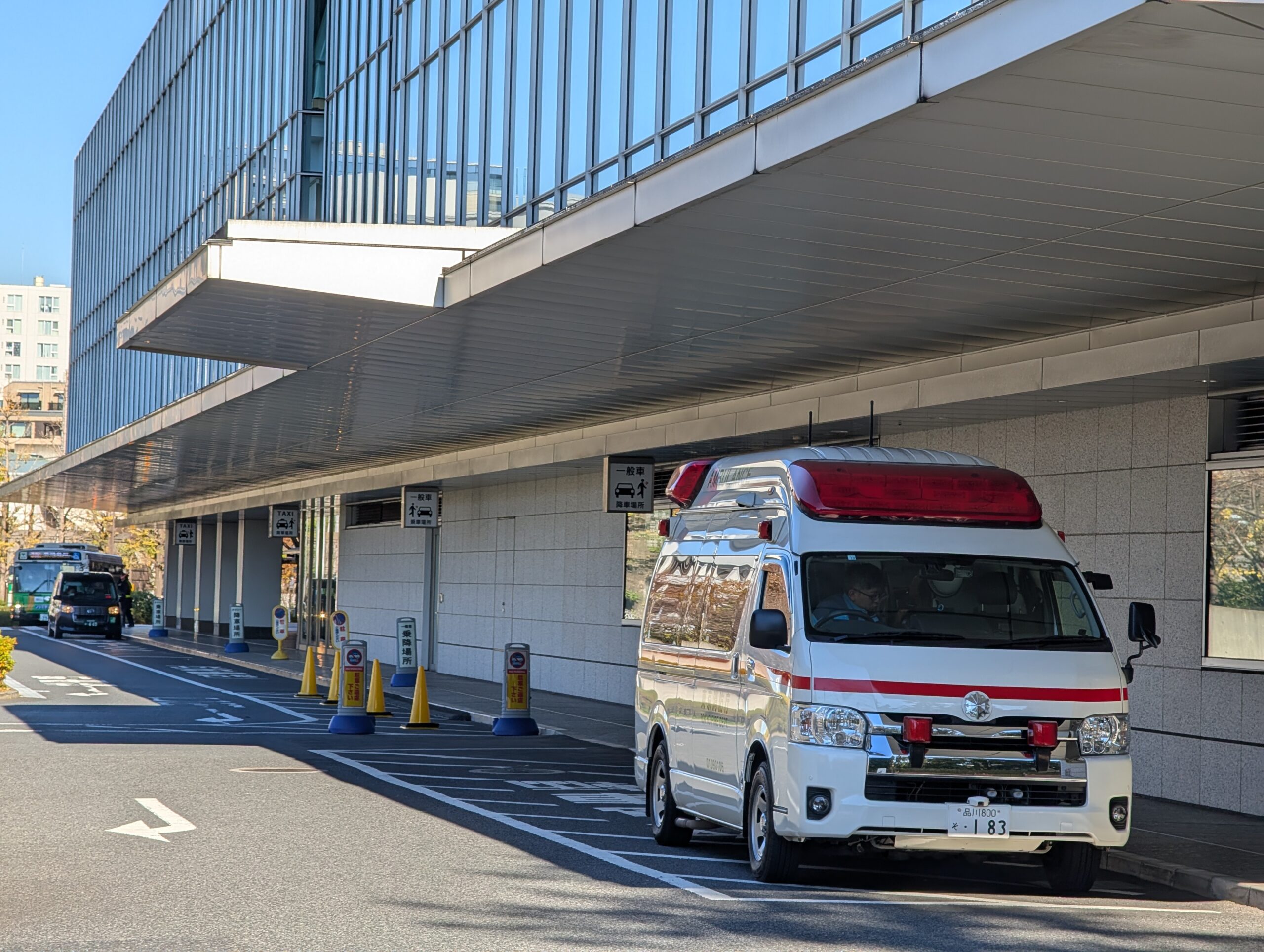
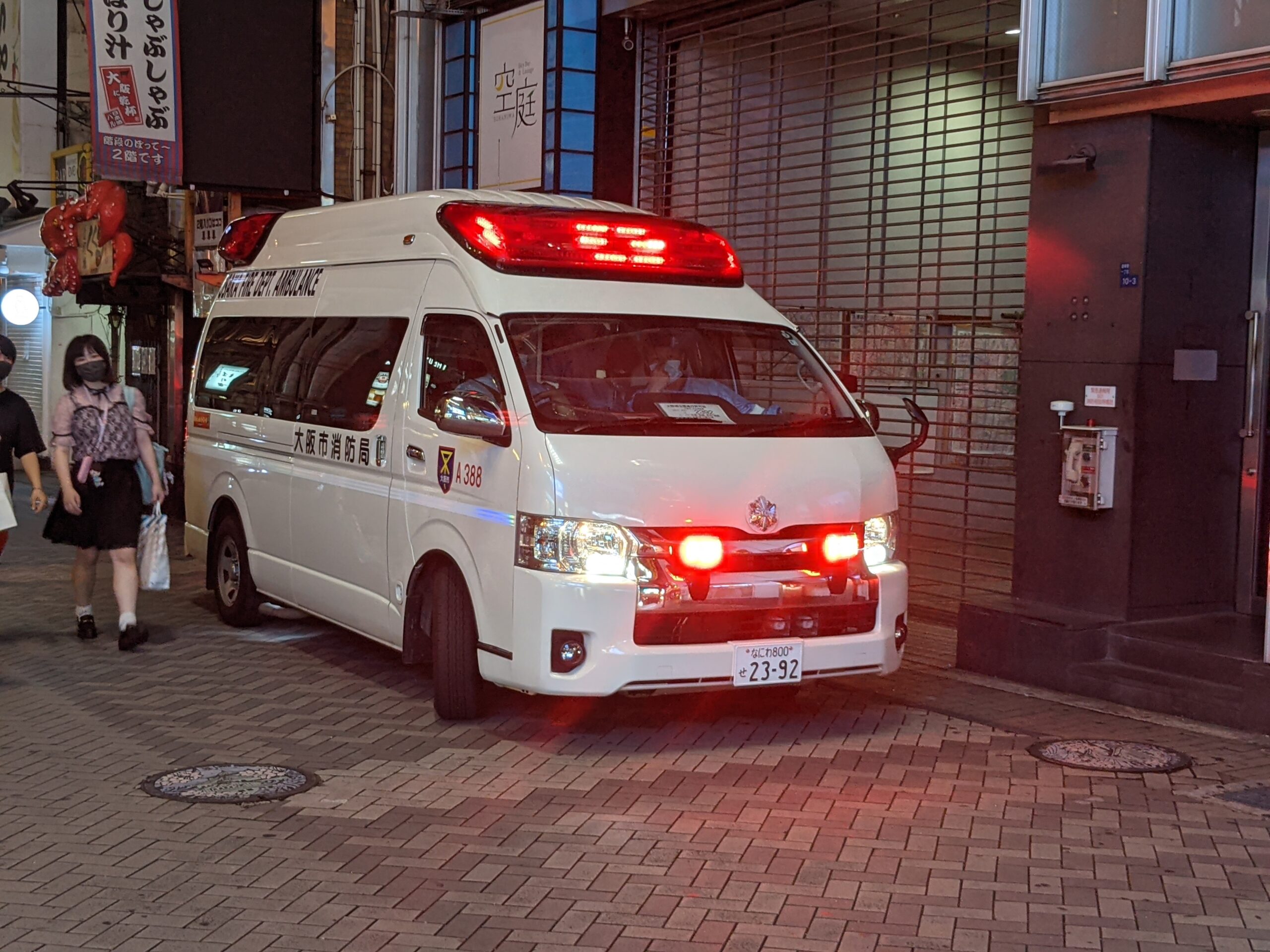
Read the medical-expense limit, deductible, exclusions and definition of an emergency. Also examine ambulance, medical evacuation and repatriation terms because these can be separate benefits with different approval rules.
A high headline limit is not enough. Check whether the assistance company must approve a hospital, transfer or return flight in advance and what happens when immediate emergency care makes prior contact impossible.
- Compare limits and deductibles together.
- Review evacuation and repatriation separately.
- Save the emergency-assistance number offline.
Check pre-existing conditions and ongoing treatment
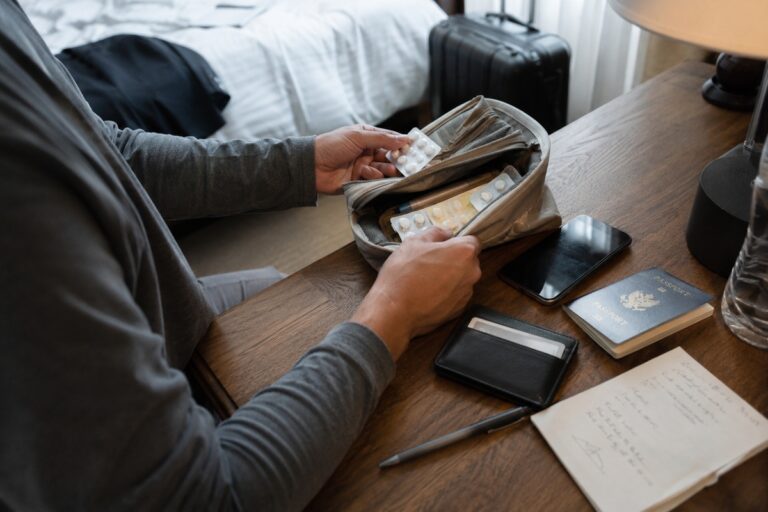
Policies define pre-existing conditions differently. Recent symptoms, changed medication, pending tests, pregnancy-related care or treatment that was foreseeable before purchase may affect coverage.
Answer medical questions accurately and obtain written clarification when a condition matters. A general sales page or informal chat should not replace the policy wording or a formal coverage decision.
- Read the exact pre-existing-condition definition.
- Disclose information honestly when asked.
- Keep written answers about material conditions.
Match activities to the policy
Skiing, snowboarding, hiking, cycling, diving, motorcycling and organized sports may require a particular plan or activity add-on. Coverage can depend on location, altitude, equipment, guide status or whether the activity is recreational or competitive.
Check both medical treatment and search, rescue, evacuation, equipment and liability. Wearing required safety gear and following local rules may be conditions of cover.
- List every planned higher-risk activity.
- Check rescue and equipment as well as injury.
- Confirm licences, helmets and operator requirements.
Understand cancellation and interruption triggers
Cancellation insurance normally responds only to reasons named in the policy. Changing your mind, finding a cheaper fare or worrying about an event is not automatically covered. Interruption rules apply after travel begins and may use different limits.
Compare the total prepaid non-refundable amount with the benefit limit. Check covered illness, family emergencies, carrier disruption, natural events and documentation requirements without assuming every unexpected event qualifies.
- Insure the actual non-refundable total.
- Read covered reasons and exclusions.
- Separate pre-departure cancellation from interruption.
Review delay and missed-connection rules
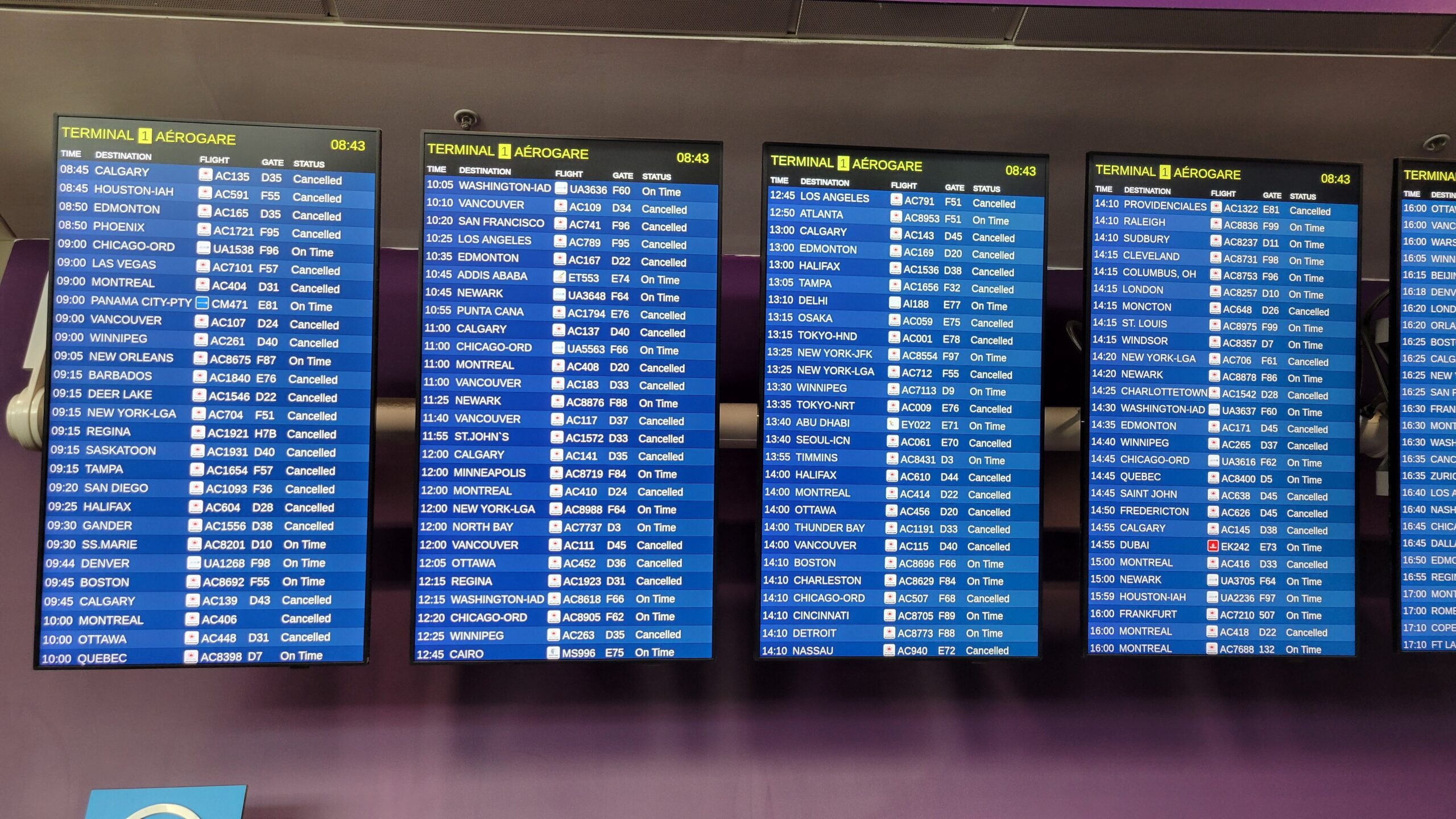
Travel-delay benefits often require a minimum delay and cover only specified expenses up to stated limits. Missed-connection cover may depend on the cause, connection time and whether the transport was booked as one itinerary.
Keep carrier notices, new tickets, hotel bills and meal receipts. The airline’s duty to assist and an insurer’s benefit are separate, so request support from both without claiming the same expense twice.
- Check the qualifying delay period.
- Understand separate-ticket connections.
- Collect written carrier confirmation and receipts.
Read baggage, valuables and electronics limits
The baggage headline limit may be divided into lower limits per item or category. Phones, cameras, jewellery, cash, passports, sports equipment and unattended property often have special conditions or exclusions.
Report a loss to the airline, transport operator, hotel or police as required and obtain written proof. Depreciation and deductibles can reduce payment, so insure expensive items separately when the standard limit is inadequate.
- Check per-item and category sublimits.
- Never leave valuables in an excluded unattended place.
- Obtain a property or police report promptly.

Do not assume rental-car damage is included
Travel insurance, rental-company collision products and third-party liability are different. A card benefit may cover damage to the rental vehicle but exclude liability, personal injury, certain vehicle types or rentals beyond a time limit.
Read the rental agreement and insurance certificate together. Confirm licence requirements, authorized drivers, deductibles and roadside assistance before collecting the vehicle.
- Separate vehicle damage from liability.
- Check authorized-driver and licence conditions.
- Compare deductibles and excluded vehicle types.
Check natural-disaster and weather timing
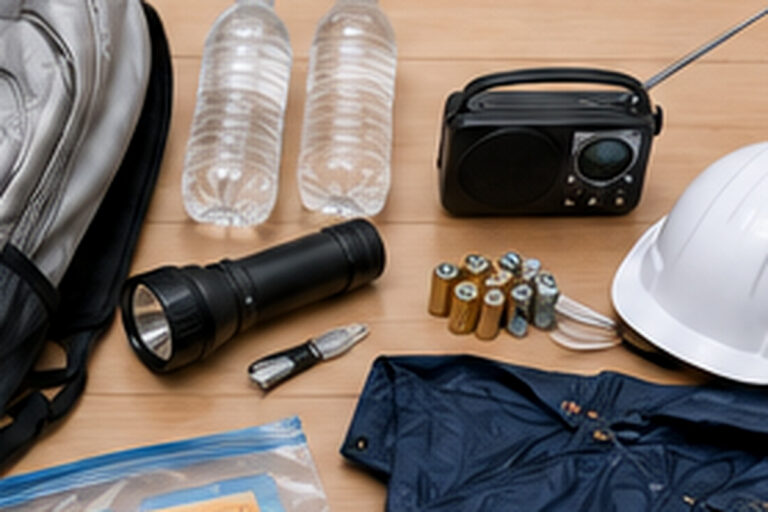
Japan can experience earthquakes, typhoons, heavy snow and volcanic activity, but a policy does not cover every disruption. Benefits depend on the insured event, when it became known, when the policy was bought and whether travel was actually prevented.
Buying after a storm is named, a warning is issued or disruption becomes foreseeable may be too late for that event. Read the policy’s known-event language and use official travel and weather information for decisions.
- Buy before a problem becomes foreseeable.
- Read natural-event and known-event terms.
- Follow official safety instructions regardless of coverage.
Study the exclusions, not only the benefits
Common exclusions can involve intoxication, illegal acts, reckless conduct, unattended belongings, undeclared conditions, routine treatment or travel against official or medical advice. Definitions and evidence standards vary by insurer.
Read the full certificate and policy wording before purchase. If a planned activity or health condition sits near an exclusion, request a written answer rather than relying on an advertisement.
- Find exclusions for the trip’s actual risks.
- Check alcohol, drugs and reckless-conduct language.
- Do not rely on benefit-summary wording alone.
Understand cashless care and reimbursement
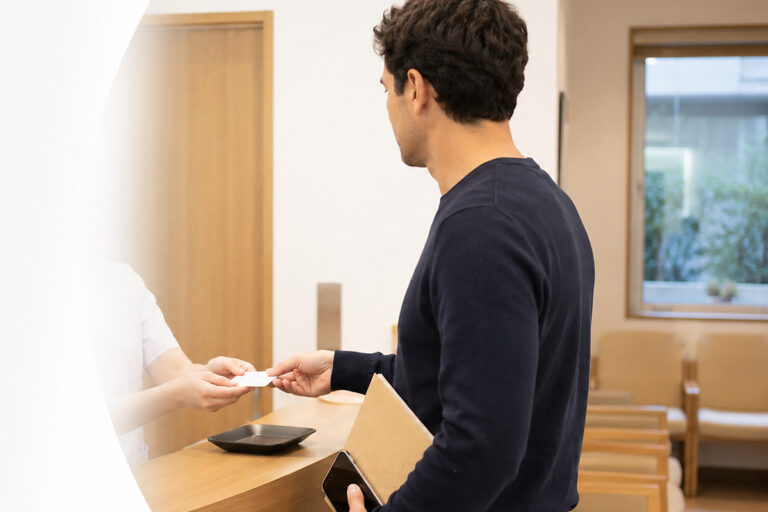
Some assistance services may arrange direct billing with an approved medical provider, while other claims require the traveler to pay first. Direct billing is not guaranteed at every clinic or in every situation.
Call the assistance line when safe before non-emergency treatment. Carry a payment method for deductibles or reimbursement cases, and keep itemized medical records, diagnoses, prescriptions and receipts.
- Ask whether prior approval is required.
- Carry funds for payment-first treatment.
- Keep complete medical and payment documents.
Set the correct dates, countries and travelers
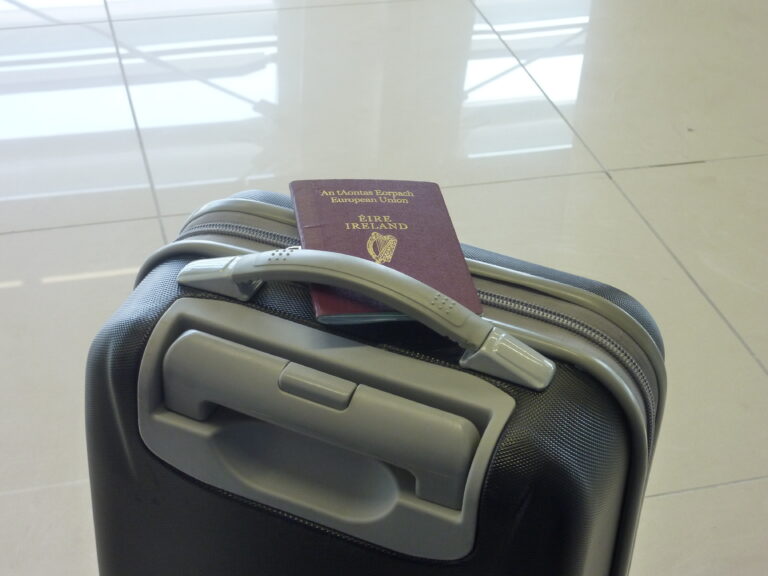
Coverage must span departure from home through return, including transit countries and any side trips. Confirm the policy time zone, start and end times, maximum trip length and rules for extending while abroad.
Enter every traveler’s legal name, age, residence and destination accurately. Eligibility and price may depend on residence rather than citizenship, and family plans may define eligible relationships or shared travel.
- Cover the full door-to-door travel period.
- Include transit and side-trip destinations.
- Check residence, age and trip-length eligibility.
Compare service and claims before buying
A useful policy has reachable emergency assistance, clear claims instructions and documentation you can access offline. Check how to start a claim, submission deadlines, appeals and whether support is available in a language you can use.
Compare the policy wording, not just price. Save the certificate, insurer contact, assistance number and claim instructions separately from the phone you carry each day.
- Test that assistance contacts are reachable.
- Review claims deadlines and evidence.
- Save policy documents offline and separately.
FAQ
Is travel insurance required for Japan?
Ordinary tourists should verify current entry rules for their nationality and trip, but insurance is strongly worth considering because overseas medical care and disruption can create substantial costs.
Does my home health insurance work in Japan?
It depends on the plan. Confirm overseas eligibility, reimbursement rules and whether a Japanese provider can bill it directly rather than assuming domestic coverage travels with you.
How much medical coverage should I buy?
There is no universal figure. Compare the largest treatment, evacuation and repatriation costs you could not pay yourself, then consider deductibles and exclusions.
Can I buy insurance after arriving in Japan?
Some products allow it, but eligibility, waiting periods and known-event exclusions vary. A policy bought after a loss or disruption begins should not be expected to cover that existing event.
Does travel insurance cover typhoons and earthquakes?
Only when the event, timing and loss satisfy the policy. Read natural-disaster, cancellation, delay and known-event terms before a problem becomes foreseeable.
Are skiing and hiking automatically covered?
Not always. Check the exact activity, location, altitude, equipment, rescue, guide and safety requirements and add specialist cover when necessary.
What documents are needed for a claim?
Requirements vary, but keep carrier notices, police or property reports, medical records, itemized bills, receipts, booking terms and evidence of payment.
Related Japan Travel Guides
Official References
Final Thoughts
Choose insurance by the losses that could seriously affect the traveler, not by the longest benefit list. Medical care, evacuation and assistance deserve first attention; cancellation, delays, baggage and activities should then match the actual itinerary. Read exclusions and claims rules before purchase, keep documents offline and contact assistance promptly when an incident occurs.