Best Japanese Drinks to Try: Tea, Coffee, Ramune and More
A practical guide to Japanese drinks worth trying, from unsweetened bottled tea and canned coffee to Pocari Sweat, Calpis Water, ramune and matcha.
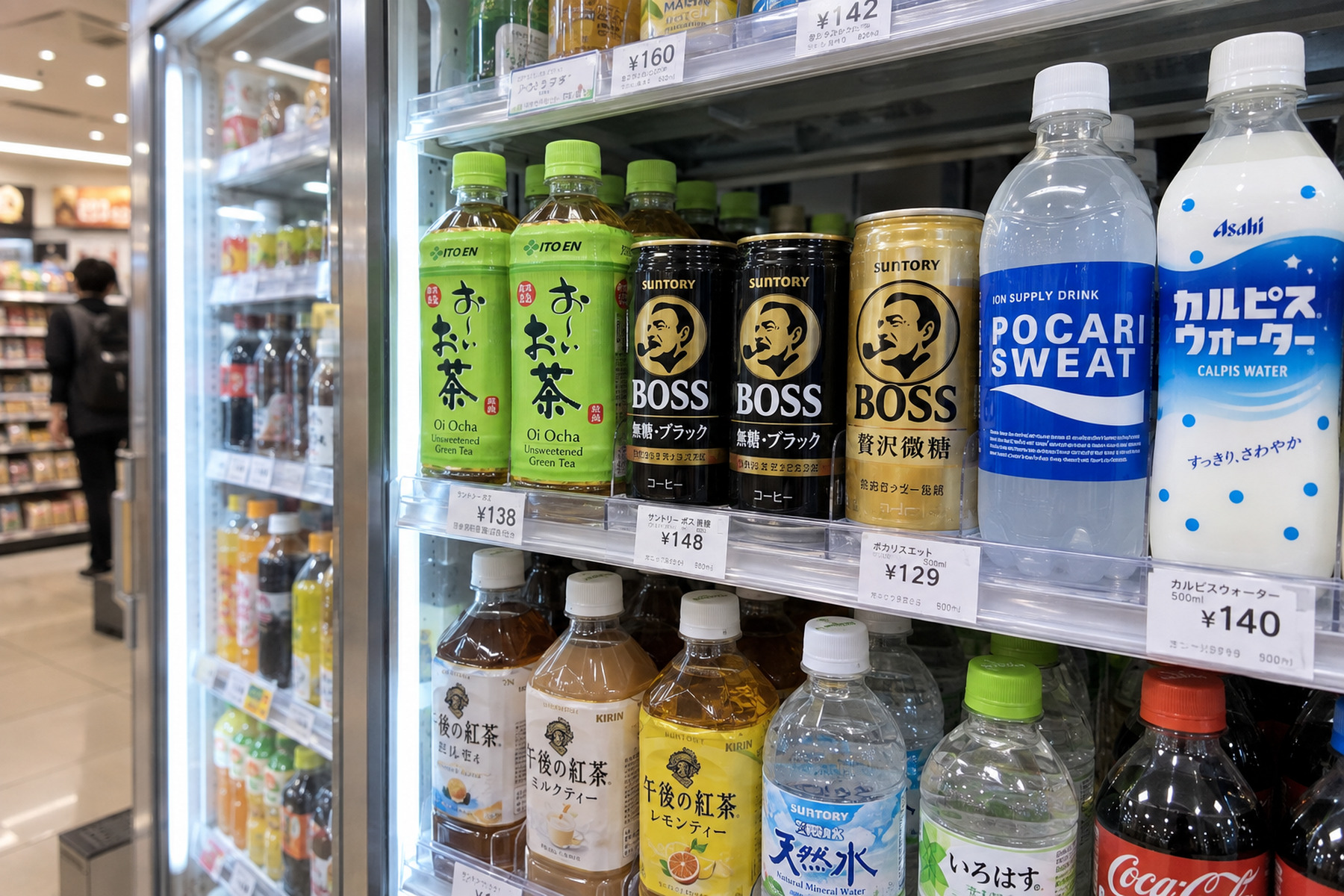
Start with unsweetened bottled green tea, a BOSS canned coffee, Pocari Sweat on a hot walking day, Calpis Water for a sweet-and-tangy soft drink, and ramune for the classic marble-bottle experience. Convenience stores and vending machines make these easy to find, but check labels for sweetness, caffeine and allergens before buying.
What You’ll Learn
- Which Japanese drinks are easiest for first-time visitors to recognize and enjoy
- How bottled tea, canned coffee, sports drinks, Calpis and ramune differ
- Where travelers can buy drinks quickly without needing much Japanese
- Which label words help you avoid unwanted sugar, caffeine or milk ingredients
Start With Bottled Tea
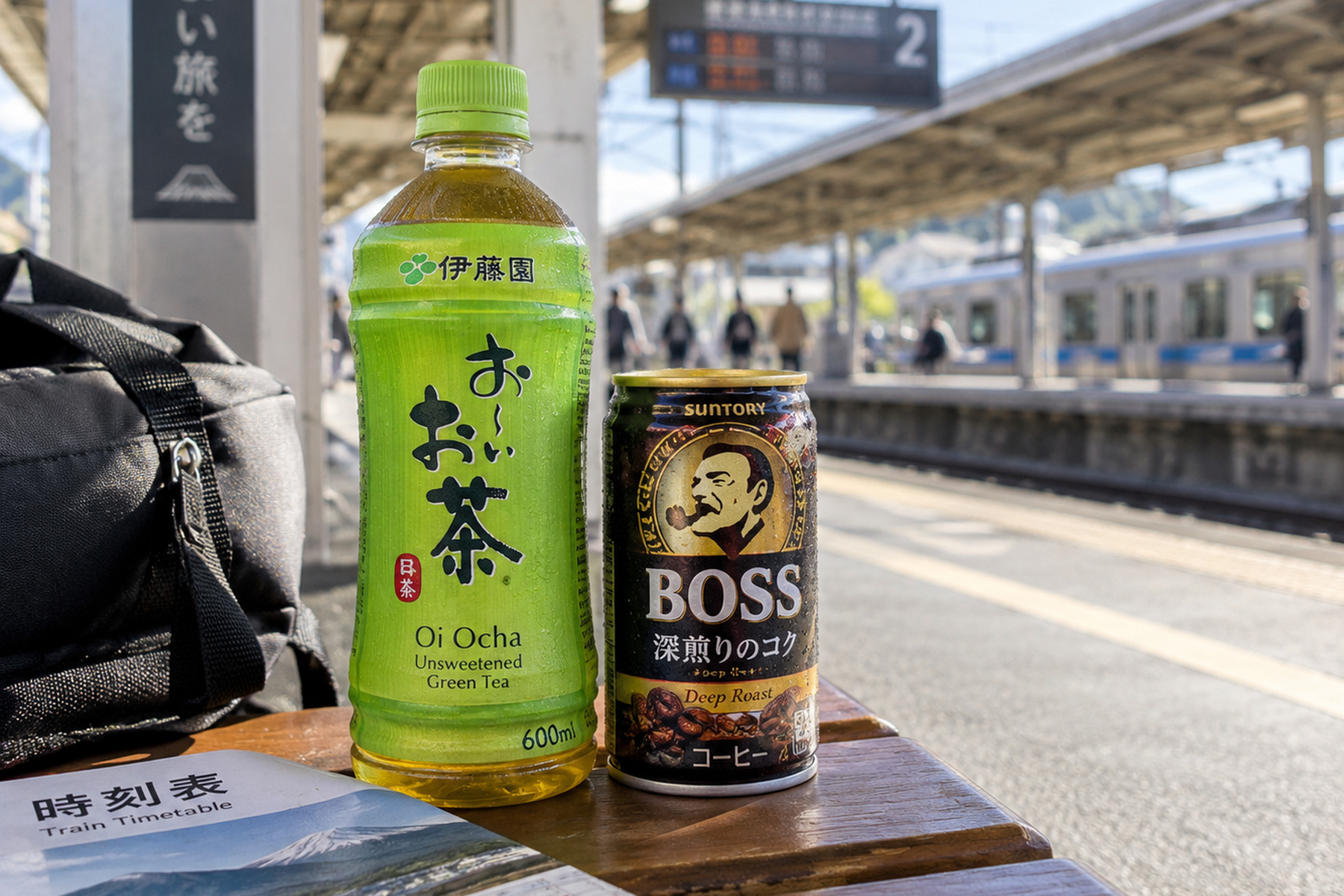
Bottled tea is one of the simplest everyday drinks to try in Japan because it is widely sold, easy to carry and often unsweetened. A reliable first pick is ITO EN Oi Ocha green tea, whose standard green-tea line uses Japanese tea leaves and is sold in several bottle and can sizes.
Green tea is only one option. Mugicha is roasted barley tea with a light toasted flavor, oolong tea is common with meals, and hojicha has a roasted aroma that many travelers find softer than straight green tea.
- Choose green tea when you want a clean, unsweetened everyday drink
- Try mugicha in warm weather for a roasted, refreshing taste
- Pick oolong tea with richer meals
- Look for hojicha when you prefer a gentler roasted flavor
Try Japan’s Canned Coffee Culture
Canned and bottled coffee is a very visible part of Japan’s convenience-store and vending-machine culture. SUNTORY BOSS is one of the easiest brands to recognize, with black, lightly sweetened, milk-coffee and richer blended options sold in cans and bottles.
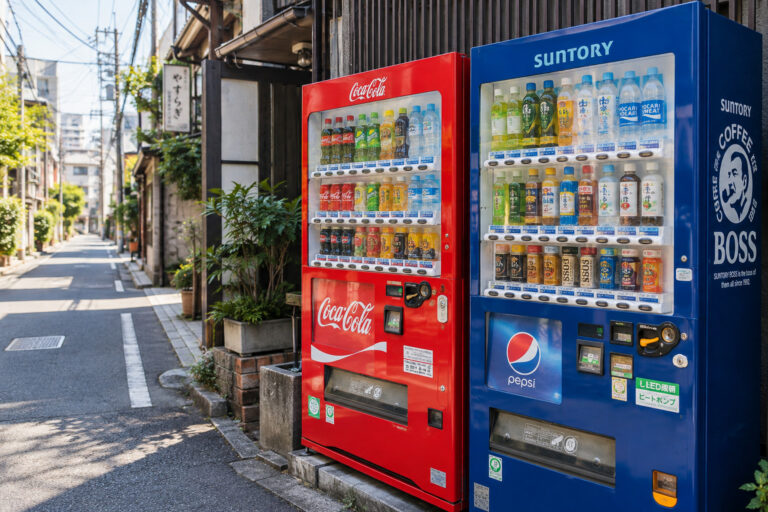
Vending machines may stock both hot and cold coffee depending on the machine and season. Check the shelf marker before pressing the button so you do not accidentally buy a hot can when you wanted an iced drink.
- Black coffee is the safest choice if you want no milk
- 微糖 usually indicates a lightly sweetened coffee
- カフェオレ means café au lait and normally contains milk
- Hot cans can feel surprisingly warm, so check the machine display first
Use Sports Drinks for Long, Hot Walking Days
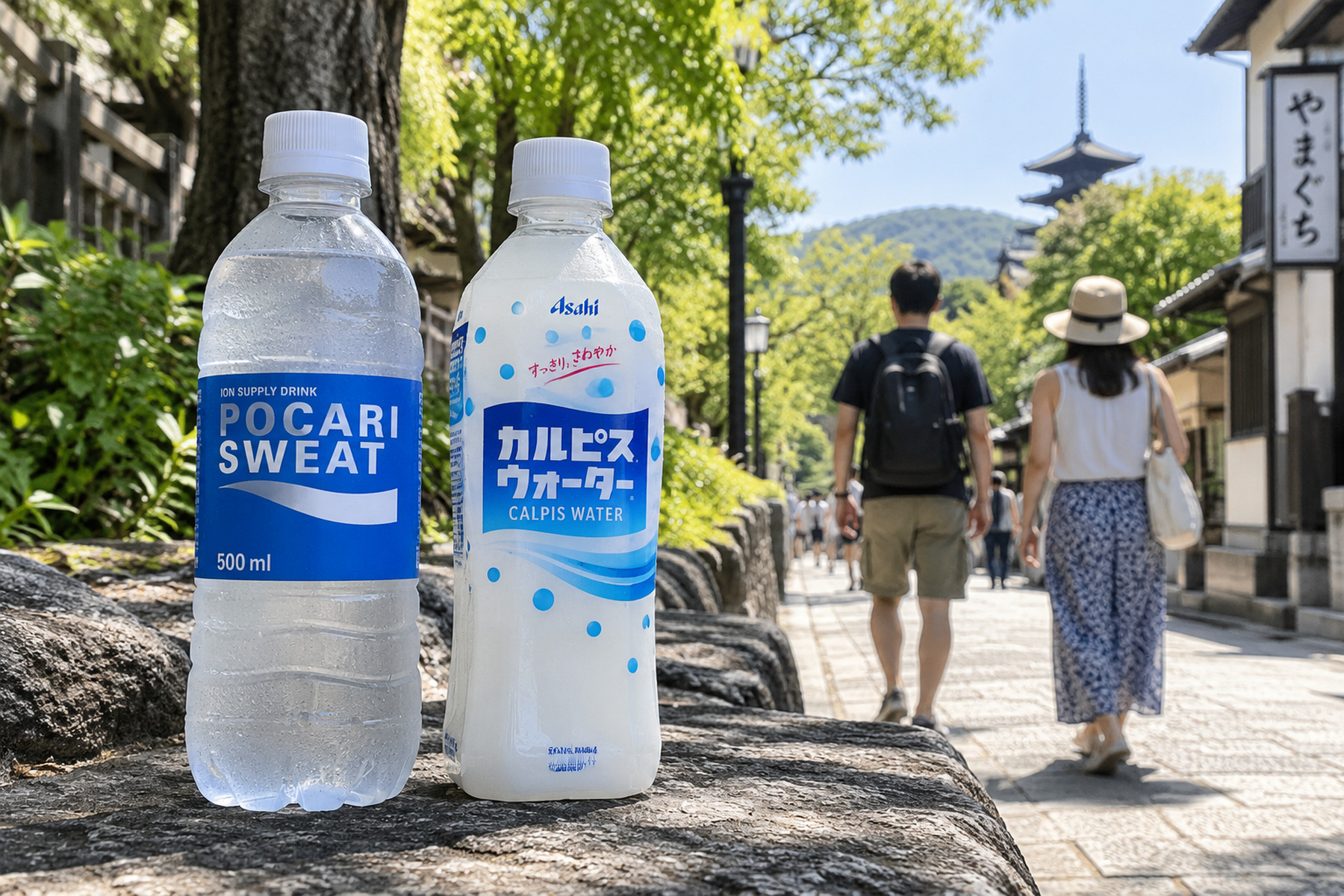
POCARI SWEAT is a well-known electrolyte drink sold in bottles and cans. Its manufacturer describes it as a drink designed to replace water and electrolytes lost through sweating, which makes it a practical option after extended walking in hot weather.
It is not the same as plain water: standard Pocari Sweat contains sugar as well as electrolytes. For an ordinary day, water or unsweetened tea may be all you need; sports drinks are most useful when heat and sweating are significant.
- Carry water or unsweetened tea for routine sightseeing
- Consider an electrolyte drink after heavy sweating or a long outdoor stretch
- Check the nutrition label if you are limiting sugar
Calpis Water Is a Distinctive Sweet-and-Tangy Choice
CALPIS WATER is a ready-to-drink milk-based soft drink with a sweet, lightly tangy flavor. The standard product contains dairy ingredients and soy, so travelers with allergies or dietary restrictions should read the package carefully.
If you like yogurt-style or fermented flavors, it is an easy convenience-store pick and tastes very different from tea, coffee or sports drinks. It is usually sold chilled in PET bottles and cans.
- Expect a sweet, milky and lightly tart flavor
- Check for milk and soy if either ingredient is a concern
- Look for the blue-and-white CALPIS WATER design in refrigerators and vending machines
Ramune Is the Drink to Try for the Bottle Experience
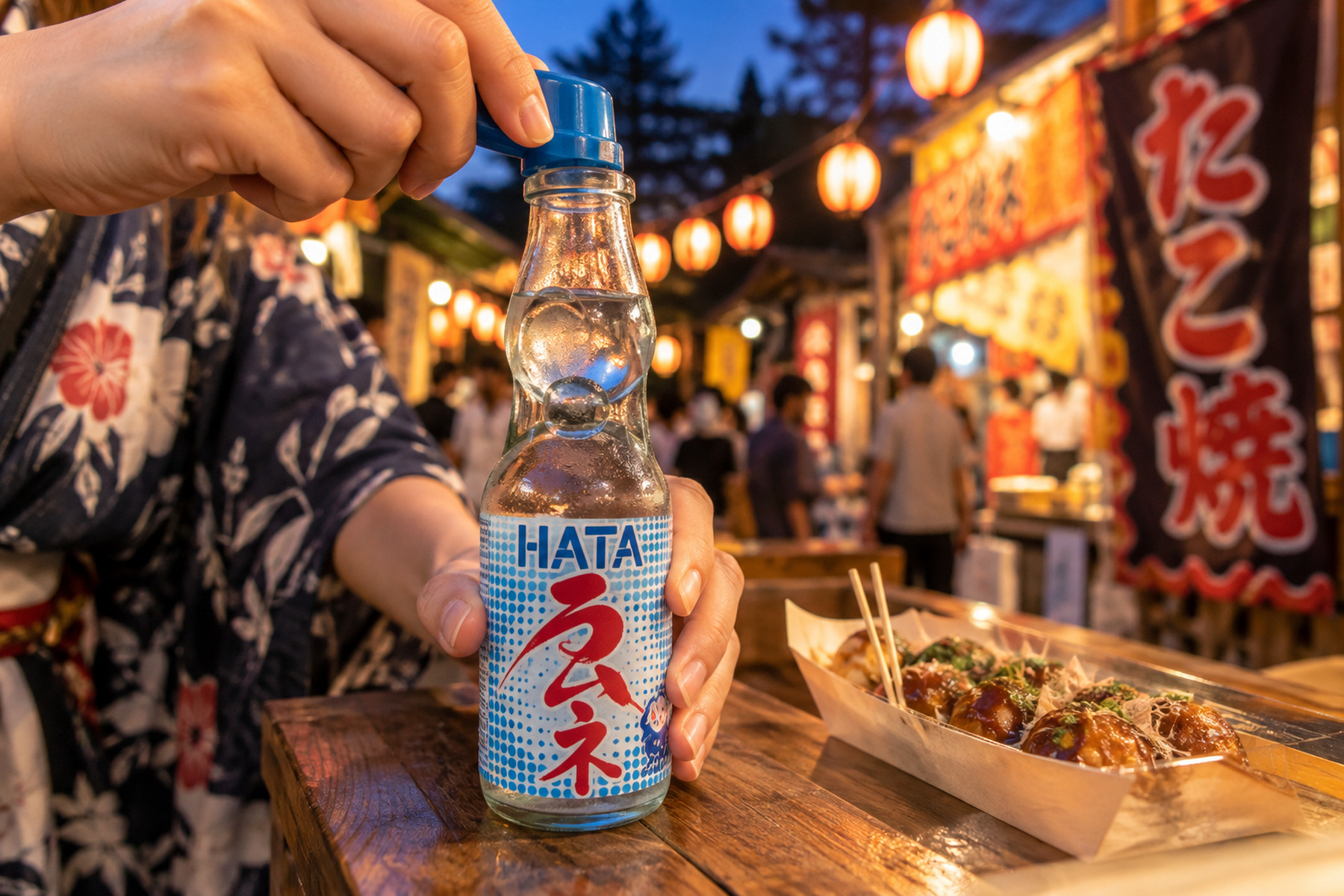
Ramune is famous for its glass bottle with a marble stopper. HATA KOSEN lists glass-bottle ramune among its main products, and the opening ritual is part of the appeal: press the opener down firmly to release the marble into the neck chamber.
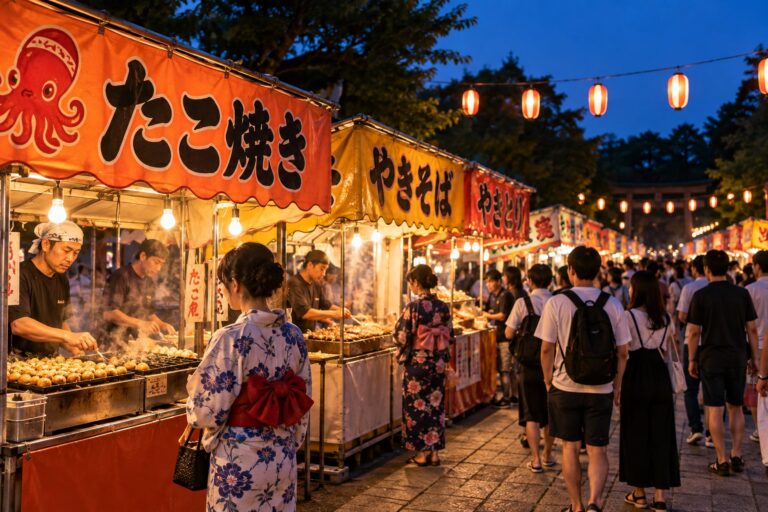
The classic flavor is a light lemon-lime style soda, although many fruit and novelty flavors are sold. Ramune is especially common around festivals, souvenir shops and snack-oriented stores.
- Keep the bottle upright when opening it
- Press the stopper firmly and give the fizz a moment to settle
- Tilt the bottle so the marble rests in the side grooves while drinking
Matcha Drinks Range From Bitter to Dessert-Like
A café matcha and a bottled matcha latte can taste completely different. Straight matcha has a grassy, concentrated character, while convenience-store matcha lattes are often sweet and milky.
If you want to taste matcha itself, order plain matcha or a less-sweet café preparation. If you want an easy first step, a chilled matcha latte is more approachable but should be treated like a sweet drink rather than unsweetened tea.
- Plain matcha gives you the clearest tea flavor
- Matcha latte is smoother but often contains milk and sugar
- Check café menus for sweetness options when available
Where to Buy Drinks Without Losing Time
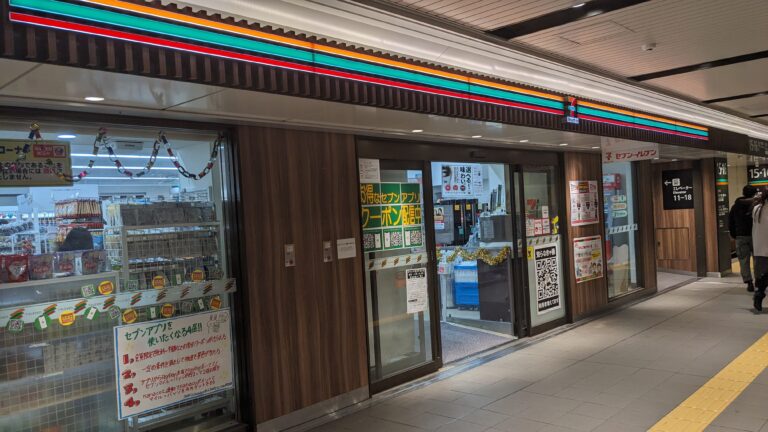
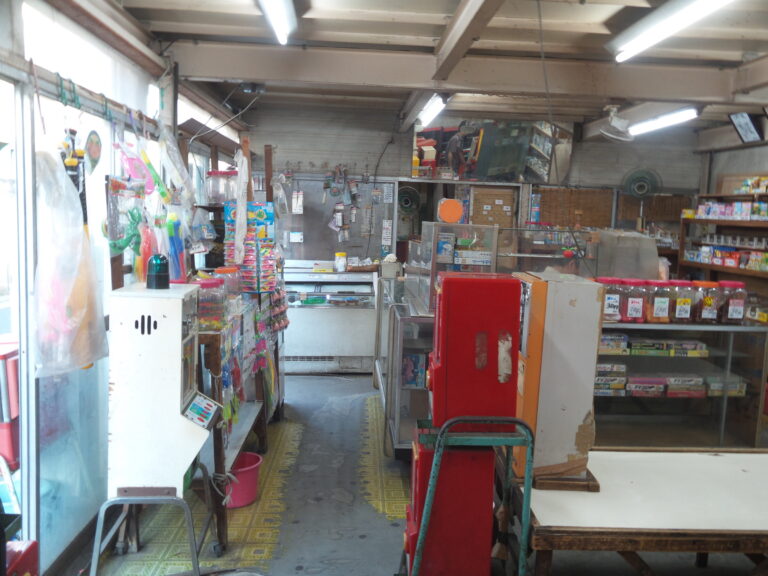
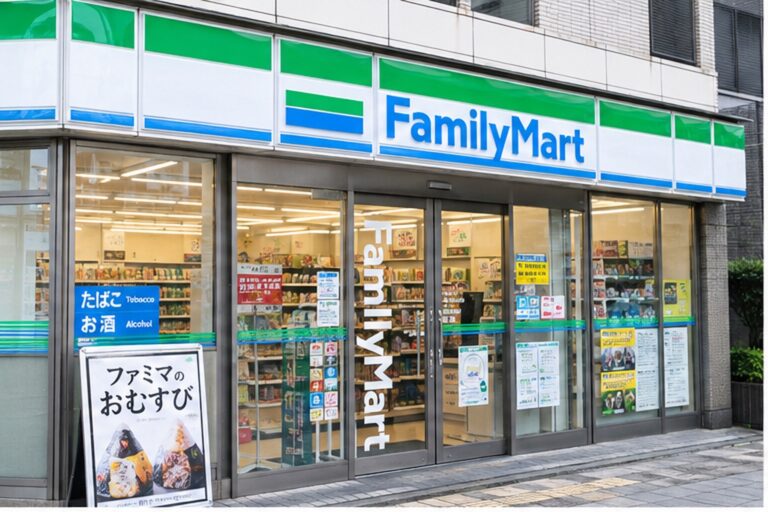
Convenience stores offer the broadest easy-to-browse selection, including tea, coffee, soft drinks, water, dairy drinks and seasonal products. Vending machines are faster when you already know what you want, while supermarkets are better for larger bottles or stocking a hotel room.
Train-station kiosks and platform vending machines are useful just before a longer ride. Tourist areas and airports also have plenty of drinks, but convenience stores and supermarkets usually give you more choice.
- Convenience store: best all-round selection
- Vending machine: fastest single-drink purchase
- Supermarket: useful for large bottles and hotel-room supplies
- Station kiosk: convenient just before boarding
Useful Japanese Words on Drink Labels
A few label words make drink shopping much easier. 無糖 means unsweetened or no sugar added in common beverage labeling, while 微糖 means lightly sweetened and is especially common on coffee. カフェインゼロ indicates a caffeine-free product, and ホット marks a hot drink.
Do not assume every tea is sugar-free or every coffee is dairy-free. Product formulas differ, so the ingredient and allergen panels are the final check when those details matter.
- 無糖 — unsweetened
- 微糖 — lightly sweetened
- カフェインゼロ — caffeine-free
- ホット — hot
- ミルク / 乳 — milk or dairy-related wording
Best Picks by Travel Situation
The best Japanese drink depends on what you are doing. For an ordinary train day, bottled tea is practical. For a morning caffeine stop, canned coffee is fast. During a long summer walk, water plus an electrolyte drink can make more sense than repeatedly buying sweet soft drinks.
For the experience itself, ramune and matcha are more memorable. Calpis Water is a useful middle ground when you want a distinctly Japanese mainstream soft drink rather than another cola or juice.
- Morning: BOSS black coffee or another canned coffee
- With lunch: green tea or oolong tea
- Long outdoor day: water, tea and an electrolyte option when needed
- Festival or street-food stop: ramune
- Café break: matcha or matcha latte
- Sweet convenience-store pick: Calpis Water
Common Drink-Buying Mistakes to Avoid
The most common mistake is choosing by color alone. Two green bottles may be completely different teas, and two coffees with similar packaging may have very different sugar and milk content.
Also check whether a vending-machine item is hot or cold, and do not rely on a product name alone if you have allergies. Seasonal packaging changes often, so the ingredient panel matters more than recognizing a familiar design.
- Do not assume bottled tea is always sweet or always unsweetened
- Check hot versus cold before paying at a vending machine
- Read allergen information for milk, soy and other ingredients
- Expect seasonal designs and limited flavors to change
FAQ
What Japanese drink should a first-time visitor try first?
Start with bottled green tea if you want something practical, then add one experience-focused choice such as BOSS canned coffee, Calpis Water or ramune.
Are Japanese bottled teas usually sweet?
Many mainstream green, barley and oolong teas are unsweetened, but not every tea drink is. Check the label, especially for milk tea, fruit tea and blended café drinks.
Can Japanese vending machines sell hot drinks?
Yes. Many machines sell hot coffee or tea as well as chilled drinks. The machine display or product row normally indicates whether an item is hot or cold.
Is Pocari Sweat just flavored water?
No. Standard Pocari Sweat contains water, sugar and electrolytes. It is designed for fluid and electrolyte replacement, so it is different from plain bottled water.
Does Calpis Water contain dairy?
The standard Calpis Water product contains dairy ingredients and also lists soy among its allergens. Check the exact package because formulas and variants can differ.
Related Japan Travel Guides
Official References
Final Thoughts
Japanese drinks are easiest to enjoy when you mix practical choices with one or two experience-driven picks. Keep water or unsweetened tea for everyday sightseeing, use an electrolyte drink when heat and sweating make it useful, and try ramune, canned coffee, Calpis or matcha when you want something that feels distinctly local.