
Tokyo Subway Ticket vs Suica: Which Saves More?
Tokyo Subway Ticket can beat pay-as-you-go fares on subway-heavy days, while Suica is usually better for mixed JR, subway, bus and shopping use. Here is the practical break-even test.
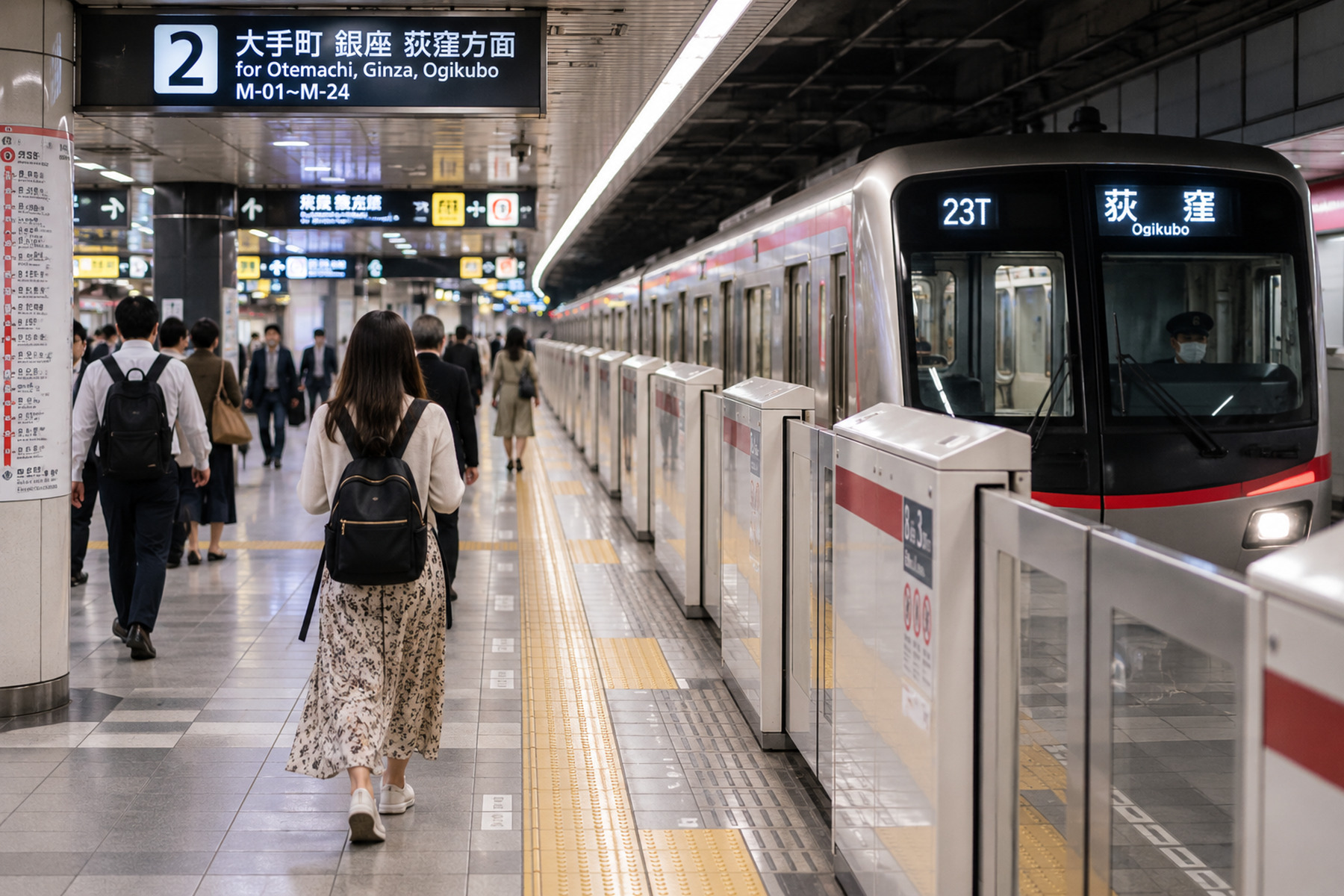
Choose the Tokyo Subway Ticket when your sightseeing is concentrated on Tokyo Metro and Toei Subway and you expect several rides within its 24-, 48- or 72-hour validity window. Choose Suica when you want the simplest pay-as-you-go option across JR, subways, private railways, buses and many shops. The best value is often a combination: use the Subway Ticket for covered subway-heavy periods and keep Suica for JR, buses, private railways and purchases.
What You’ll Learn
- How the 24-, 48- and 72-hour Tokyo Subway Ticket prices compare with ordinary IC fares
- Which transport networks the Subway Ticket covers and where Suica is more flexible
- A simple ride-count test for deciding whether the pass is likely to save money
- How to combine a Subway Ticket with Suica without overcomplicating your trip
The Core Difference: Unlimited Subway vs Pay As You Go
The Tokyo Subway Ticket is a time-based unlimited pass for all Tokyo Metro and Toei Subway lines. The adult prices are ¥1,000 for 24 hours, ¥1,500 for 48 hours and ¥2,000 for 72 hours, and the clock starts from first use rather than at midnight.
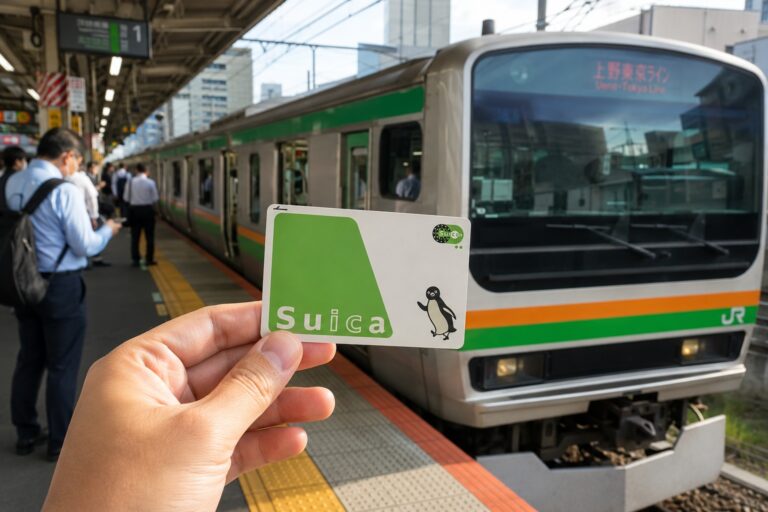
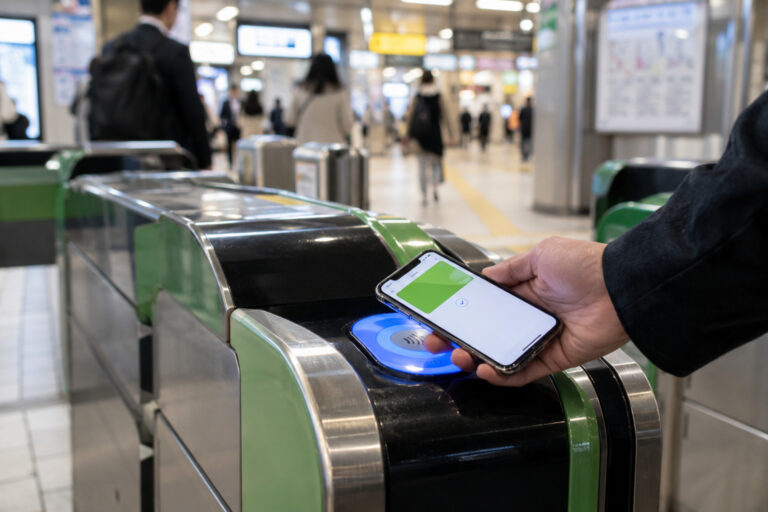
Suica works differently. It is stored-value fare payment: you tap in and out, and the applicable IC fare is deducted from the balance. Its main advantage is network flexibility rather than a flat-price discount.
- Subway Ticket: unlimited rides on Tokyo Metro and Toei Subway during the chosen validity period
- Suica: pay per ride on compatible railways and buses, with broad everyday payment use
- Subway Ticket rewards frequent covered rides; Suica rewards flexibility and simplicity
What the Tokyo Subway Ticket Covers
The pass covers the full Tokyo Metro and Toei Subway networks. That is enough for a large share of central Tokyo sightseeing, including many trips between major visitor districts.
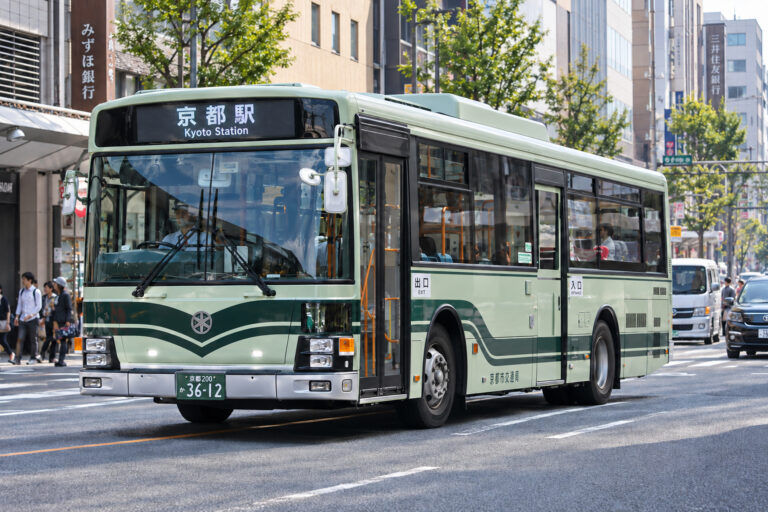
The important limitation is what it does not cover. JR East trains, most private railways and buses are outside the pass, so a route that looks like a 'Tokyo train trip' is not automatically included.
- Covered: Tokyo Metro lines
- Covered: Toei Subway lines
- Not covered: JR lines
- Not covered: most private railways and buses
- Check the operator before assuming a route is included
When the Subway Ticket Actually Saves Money
Tokyo Metro ordinary adult IC fares currently range from ¥178 to ¥324 depending on distance. Against a ¥1,000 24-hour pass, the break-even point is therefore not one fixed number: longer rides can make the pass pay off sooner, while short rides require more trips.
As a practical floor, six minimum-fare Tokyo Metro rides total ¥1,068, already above the 24-hour pass price. Tokyo Metro's own ticket page likewise states that six or more boardings within 24 hours are always a saving. For the longer passes, the official guidance says five or more boardings per 24 hours for the 48-hour ticket and four or more per 24 hours for the 72-hour ticket are always advantageous.
- 24-hour pass: strongest when you have a dense sightseeing day with repeated subway trips
- 48-hour pass: useful when two consecutive days are both subway-heavy
- 72-hour pass: easier to justify when three days include steady Metro and Toei travel
- Longer covered journeys can reach break-even with fewer rides than short minimum-fare trips
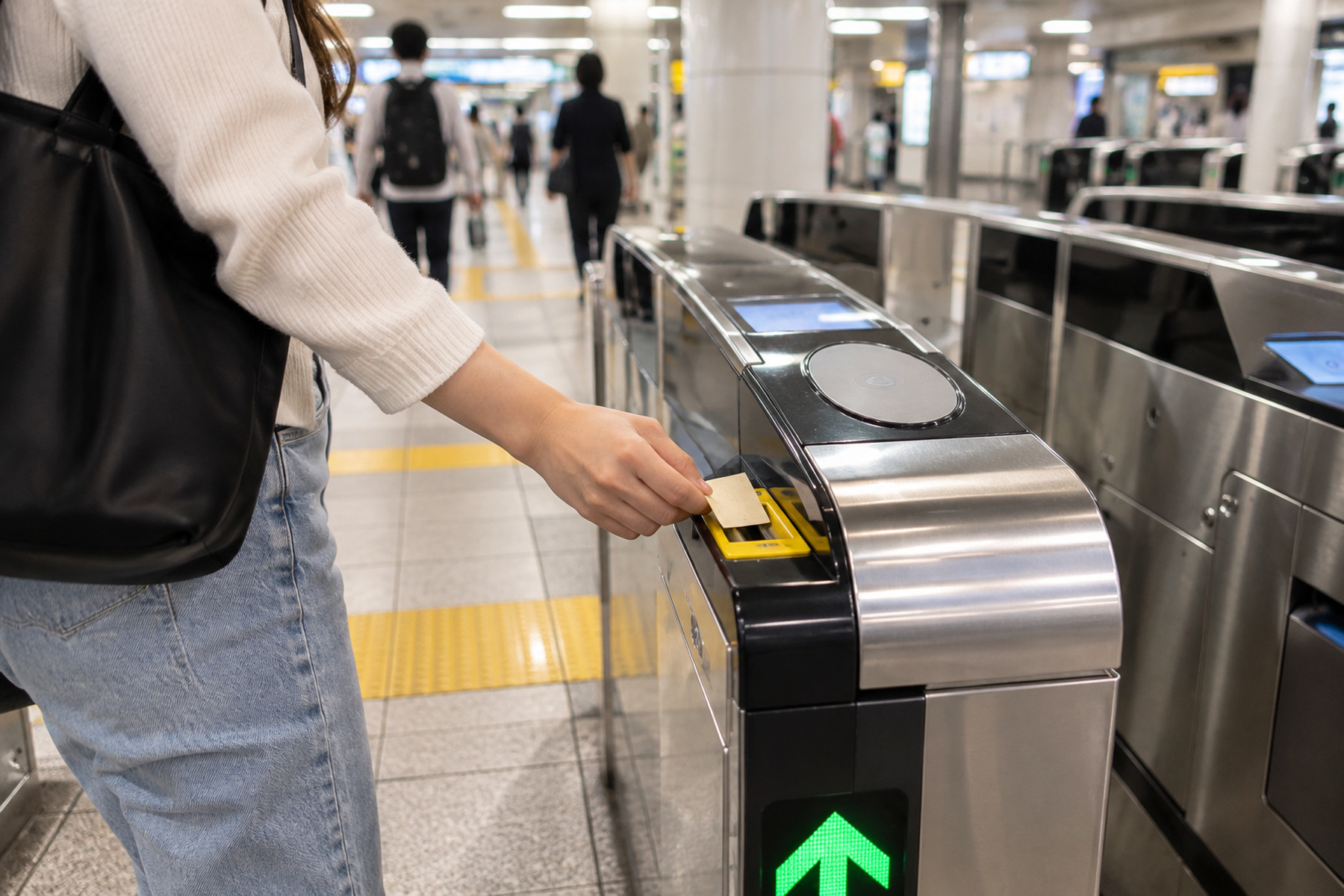
Check the official purchase options
Use Tokyo Metro’s official Tokyo Subway Ticket guide to check the current ticket types, eligible purchase options and how to obtain the ticket. Compare its covered subway journeys with your actual itinerary before buying.
When Suica Is the Better Choice
Suica is usually the better default when your itinerary mixes operators. It works for JR East and across the Suica/PASMO area, and compatible transport IC cards are accepted across many other rail and bus networks.
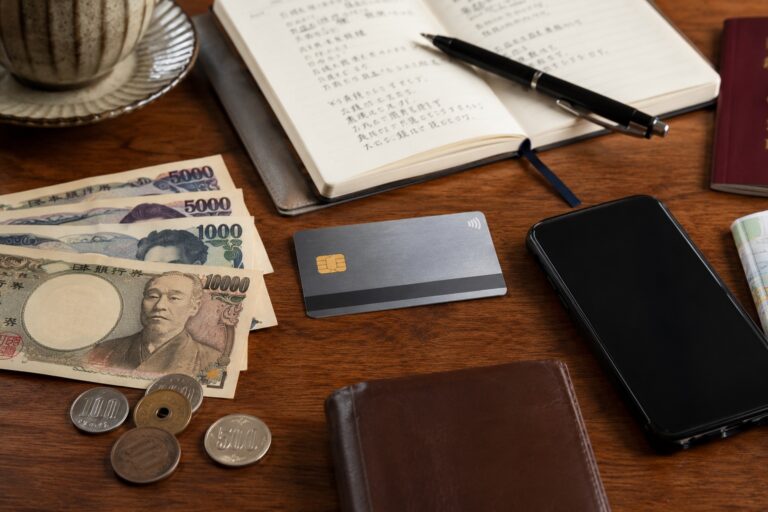
Suica also reduces friction outside the station. Its stored value can be used at many convenience stores, restaurants, vending machines and other locations displaying compatible IC payment marks. If your day includes only a few train rides, that convenience often matters more than chasing an unlimited-pass break-even point.
- Better for mixed JR, subway, private railway and bus itineraries
- Better when you are unsure how many rides you will take
- Better for trips extending beyond central Tokyo
- Useful for small purchases as well as transport
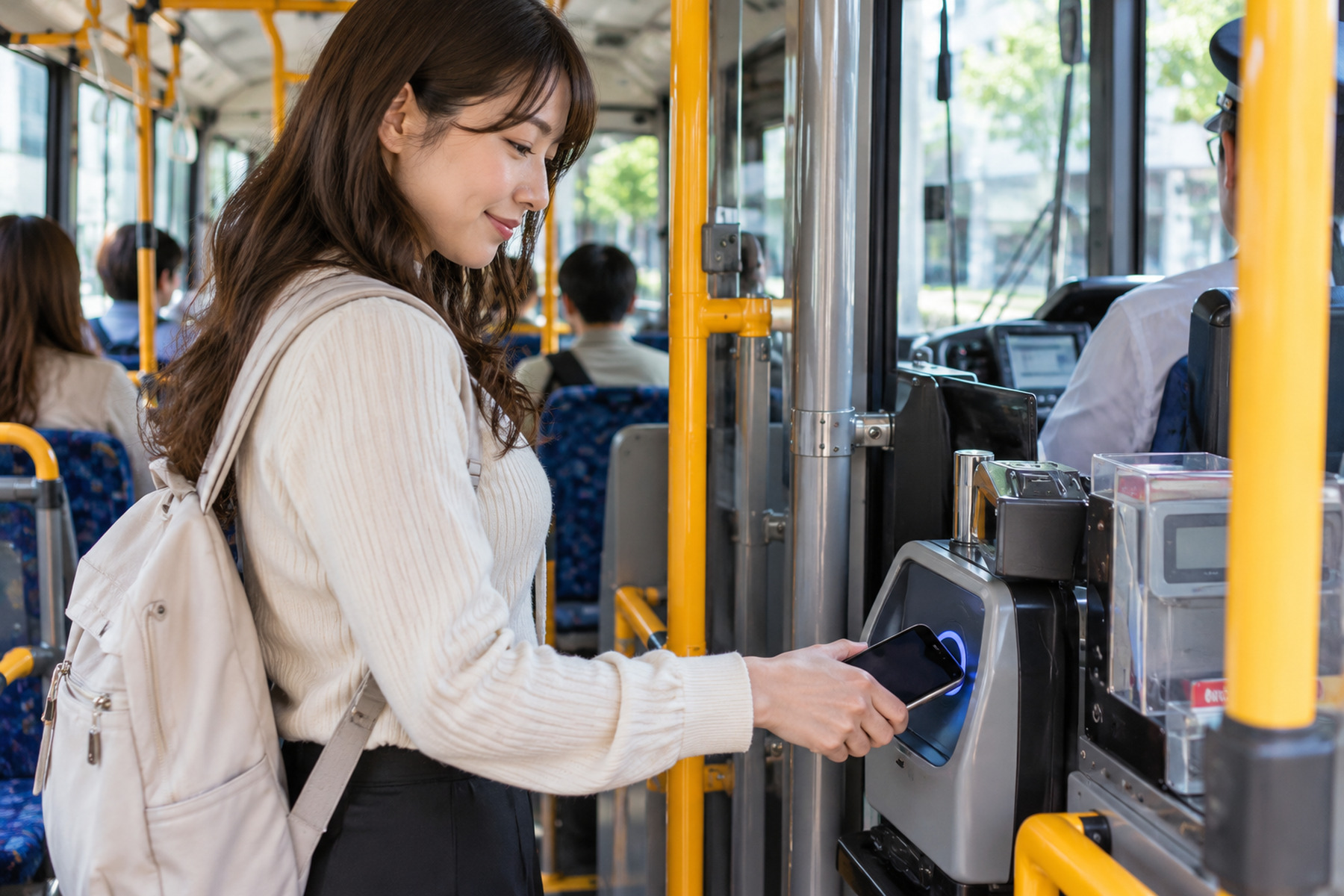
You Do Not Have to Choose Only One
For many visitors, the most practical setup is to carry both. Use the Tokyo Subway Ticket during the part of the trip where Metro and Toei rides are frequent, then use Suica whenever a journey falls outside the pass.
This avoids forcing your route to fit the pass. If the fastest trip is JR, take JR and tap Suica. If your sightseeing day is mostly covered subway rides, use the pass. The goal is to reduce total cost without adding unnecessary detours.
- Use the Subway Ticket for covered Metro and Toei journeys
- Use Suica for JR, buses, private railways and uncovered transfers
- Keep Suica available for shops and vending machines
- Do not take a slower route only to make an unlimited pass feel worthwhile

A Simple Decision Test Before You Buy
Open your rough itinerary and count only the journeys that are actually on Tokyo Metro or Toei Subway. Then look at whether those rides are concentrated inside one 24-, 48- or 72-hour window.
If the covered ride count is high and the days are consecutive, the Subway Ticket becomes attractive. If the itinerary repeatedly jumps to JR, private railways or buses, Suica is usually the cleaner choice even when the pass could save a small amount.
- Mostly Metro/Toei + many rides in a tight time window: favor the Subway Ticket
- Mixed operators + fewer rides + day trips outside central Tokyo: favor Suica
- Subway-heavy core days plus mixed travel before or after: use both
- When the difference is small, choose the option that avoids route contortions
Common Mistakes That Erase the Savings
The most common mistake is counting every train ride as a covered subway ride. Tokyo has multiple railway operators, so a route planner may suggest JR or a private railway even when a subway alternative exists.
Another mistake is buying a multi-day pass without matching its hour-based validity to the actual trip. Because validity runs from first use, starting it late can be useful, but only if the following hours contain enough covered travel.
- Do not count JR rides toward Subway Ticket value
- Do not assume every station-to-station route shown in a map app uses a covered operator
- Do not buy a longer pass simply because you are in Tokyo for the same number of calendar days
- Check current eligibility and purchase conditions before relying on the pass
How to Buy and Use Them With Less Friction
Tokyo Subway Ticket is sold in physical and QR-based forms through eligible sales channels. Purchase conditions vary by visitor type, so check Tokyo Metro's current official page before travel, especially if you are buying after arrival.
For Suica, load enough balance for the next few journeys and tap the same card or device at entry and exit. A physical Suica can be recharged at compatible station machines, and Suica balance can also be used at many participating stores.
- Verify the Subway Ticket purchase channel and eligibility before you depend on it
- Start the Subway Ticket when your high-ride period actually begins
- Use the same Suica card or device consistently for a journey
- Keep some balance available for uncovered legs even when you use the Subway Ticket
FAQ
Can I use the Tokyo Subway Ticket on JR trains?
No. The Tokyo Subway Ticket covers Tokyo Metro and Toei Subway. Use Suica or another valid ticket for JR journeys.
Does the Tokyo Subway Ticket expire at midnight?
No. Its 24-, 48- or 72-hour validity is counted from the time of first use within the ticket's valid period.
How many rides do I need before the 24-hour pass saves money?
It depends on the individual fares. With current Tokyo Metro IC fares, the break-even point can be roughly four to six rides depending on distance. Tokyo Metro states that six or more boardings within 24 hours are always cheaper than ordinary fares.
Can I use Suica on Tokyo Metro and Toei Subway?
Yes. Suica is accepted across the Suica/PASMO area, including Tokyo Metro and Toei Subway, with the applicable pay-as-you-go IC fare deducted.
Is it sensible to carry both Suica and a Tokyo Subway Ticket?
Yes. That is often the easiest setup for a subway-heavy itinerary that also includes JR, buses, private railways or convenience-store purchases.
Related Japan Travel Guides
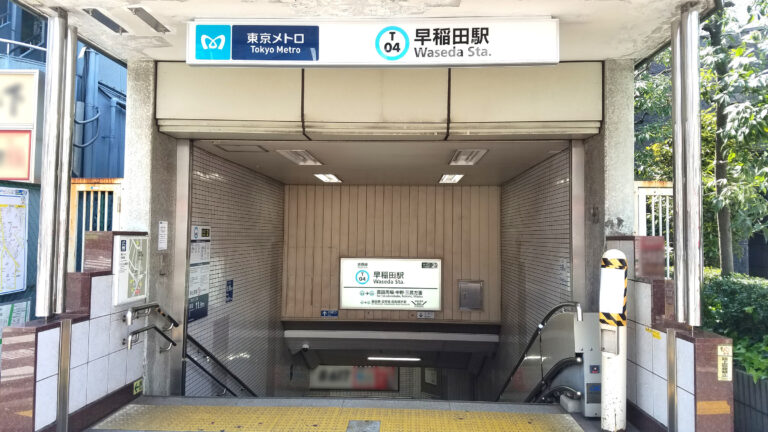
Official References
Final Thoughts
Tokyo Subway Ticket wins on concentrated, repeat subway use; Suica wins on flexibility. Count the Metro and Toei rides you will actually take, compare them with the pass window, and avoid forcing your itinerary onto a slower route just to use a pass. For many travelers, a Subway Ticket for the busiest central-Tokyo period plus Suica for everything else is the most practical combination.