
Where to Stay in Kyoto: Best Areas for First-Time Visitors
Compare downtown Kyoto, Kyoto Station, Gion, Arashiyama and other bases by transport, atmosphere and itinerary fit before you book.
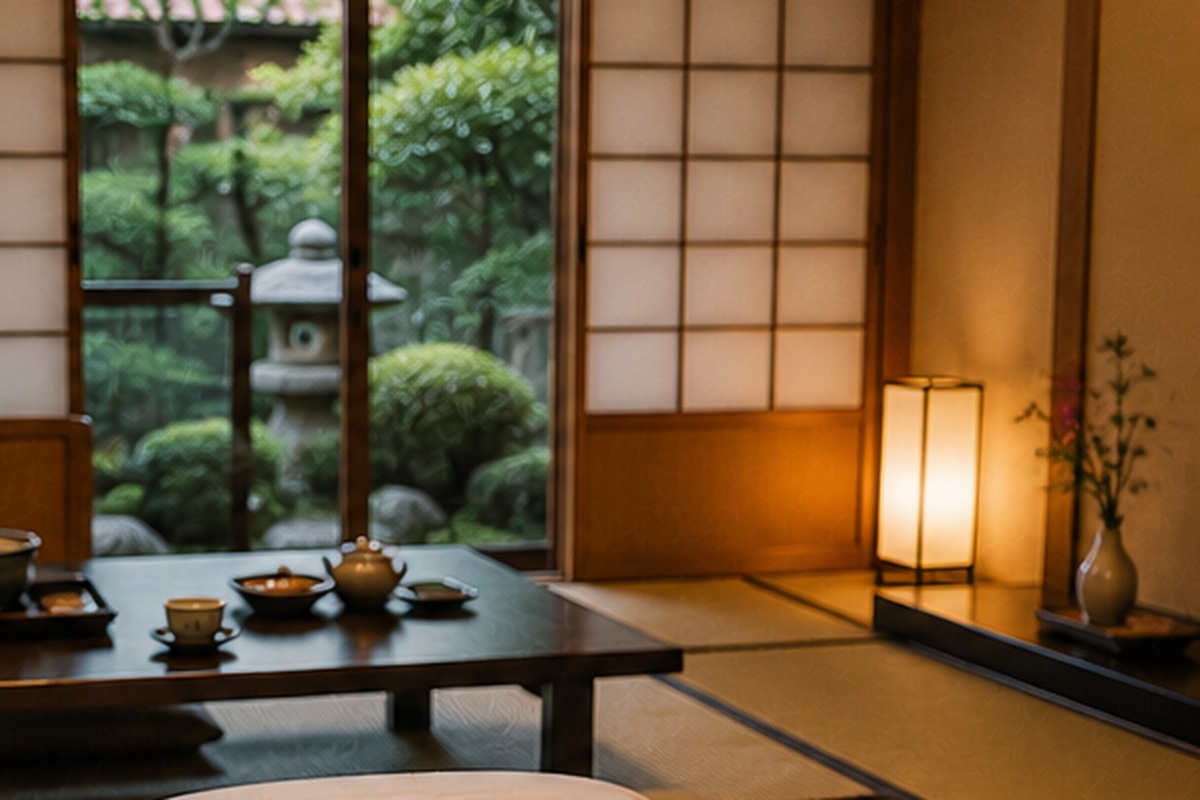
For most first-time visitors, start with downtown Kyoto around Shijo, Kawaramachi and Sanjo for the strongest balance of dining, walking and transport. Choose Kyoto Station when luggage, Shinkansen transfers or rail day trips matter more. Gion and Higashiyama prioritize historic atmosphere; Karasuma Oike and Nijo offer a calmer central compromise; Arashiyama suits scenery and a slower stay; and Fushimi works best for a southern-Kyoto-focused plan. Check the exact station, rail line and walking route—not only the district label—before booking.
What You’ll Learn
- Compare Kyoto’s main stay areas by transport, atmosphere and trade-offs.
- Decide between downtown Kyoto, Kyoto Station, Gion and Higashiyama, and quieter alternatives.
- Check the exact station, walking route, room conditions and cancellation terms before booking.
- Match your base to arrival and departure routes, sightseeing blocks and day trips.
Kyoto areas at a glance
The best Kyoto base depends on how you will actually move through the city. Downtown Kyoto is the strongest all-round choice for many first visits, while Kyoto Station is the simplest base for luggage, Shinkansen connections and rail-heavy day trips.
Historic atmosphere is strongest in Gion and Higashiyama, Karasuma Oike and Nijo provide a quieter central compromise, Arashiyama suits travelers who want scenery and slower mornings, and Fushimi is most useful when southern Kyoto is a major part of the itinerary.
Do not book from a district label alone. Two properties marketed as being in the same area can create very different daily journeys, so check the exact station, line, exit and walking route from the property entrance.
- Downtown Kyoto — best overall for most first-time visitors; strong dining, shopping, walking and evening convenience.
- Kyoto Station — best for short stays, Shinkansen arrivals, luggage and day trips.
- Gion and Higashiyama — best for historic atmosphere and early or evening walks.
- Karasuma Oike and Nijo — best for a calmer central base with useful subway access.
- Arashiyama — best for scenery, early access to western Kyoto and a slower stay.
- Fushimi — best for a southern Kyoto focus when the exact station matches the itinerary.
Downtown Kyoto: the best all-round base
Downtown Kyoto generally means the central shopping and dining zone around Shijo, Kawaramachi, Sanjo, Karasuma and nearby streets. For a first visit, this is often the easiest area to enjoy after sightseeing ends because restaurants, cafes, shops and evening walks are close at hand.
The area works especially well for travelers dividing time between eastern, central and western Kyoto. The exact station still matters: Kyoto-Kawaramachi and Gion-Shijo favor the eastern side and evening activity, while Shijo or Karasuma Oike can simplify north-south subway travel.
- Choose downtown if you want a wide range of food and easy evenings.
- Choose it for a three- to five-night first visit with a mixed sightseeing plan.
- Compare the exact station with the sights assigned to each day.
- Expect busy streets and tighter room availability on popular dates.
Kyoto Station: the easiest transport base
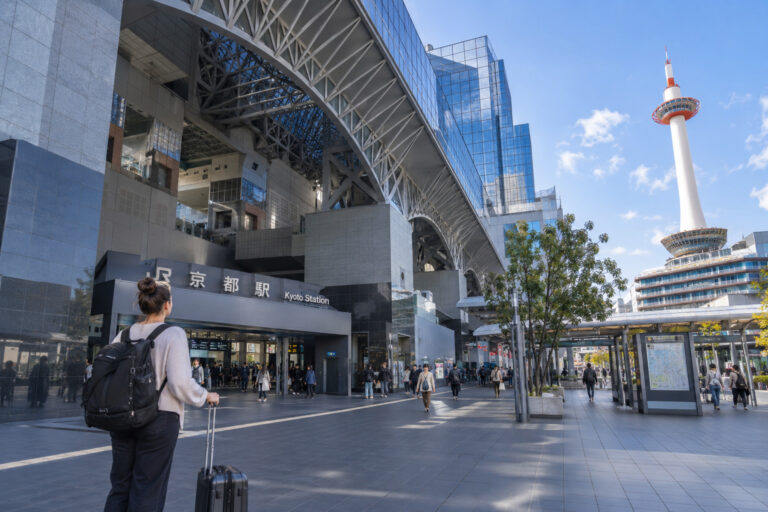
Kyoto Station is the safest default when simple transfers matter most. It is the principal gateway for the Shinkansen and JR lines and connects with the Karasuma subway line, making it especially useful when you arrive with luggage, leave early, stay only one or two nights, or plan rail day trips.
The station district is not the historic core, so many famous eastern and central sights still require local travel. The trade-off is straightforward: less traditional atmosphere immediately outside the station in exchange for easier arrivals, departures and connections.
A hotel described as near Kyoto Station may still involve a meaningful walk. Verify the side of the station, exit, route through or around the building, and the distance you will actually cover with bags.
- Choose Kyoto Station for Shinkansen arrivals or departures.
- Choose it for day trips to places such as Osaka, Nara or Uji.
- Choose it when minimizing luggage transfers is a priority.
- Check the exact exit and walking route before reserving.
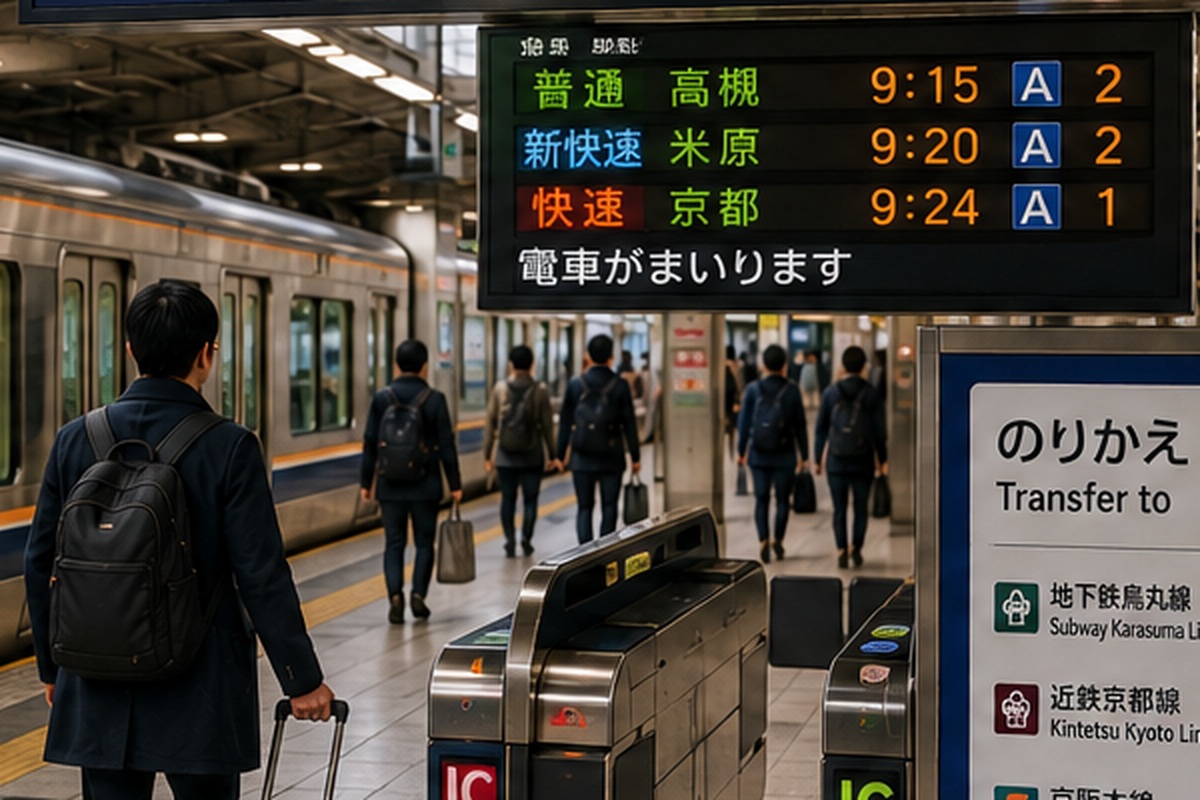
Gion and Higashiyama: the best historic atmosphere
Gion and Higashiyama suit travelers who want Kyoto’s historic streets to be part of the stay itself. Kiyomizu-dera, Yasaka Pagoda, Yasaka Shrine, traditional shops, tea houses and restaurants make early-morning and evening walks especially rewarding.
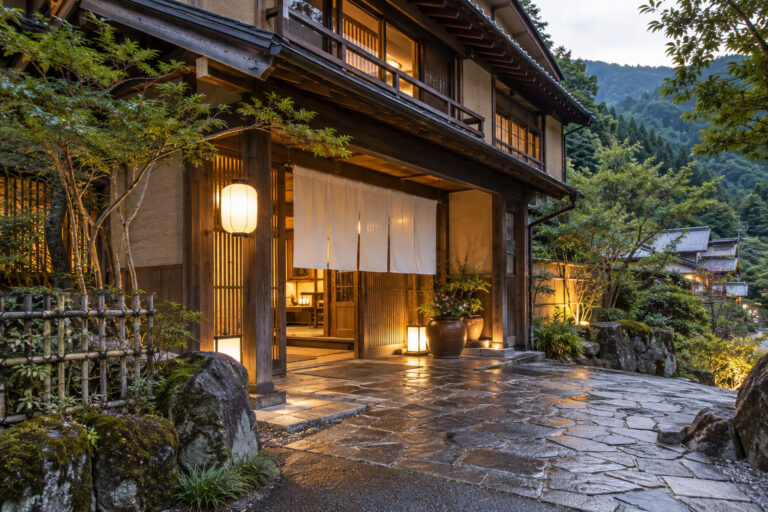
Atmosphere does not automatically mean convenience. Rail access varies by property, some streets are hilly or uneven, and certain journeys depend on buses, taxis or longer walks. A beautiful machiya or ryokan can also involve stairs, futons, shared facilities, limited front-desk hours or a longer walk from public transport.
Check the exact property’s bathroom, bedding, meal, check-in and luggage conditions rather than assuming every traditional stay operates the same way.
- Choose this area when eastern Kyoto is a major priority.
- Choose it if early or evening walks in a historic setting matter more than transport efficiency.
- Confirm rail and road access before paying.
- Give extra weight to luggage and mobility needs.
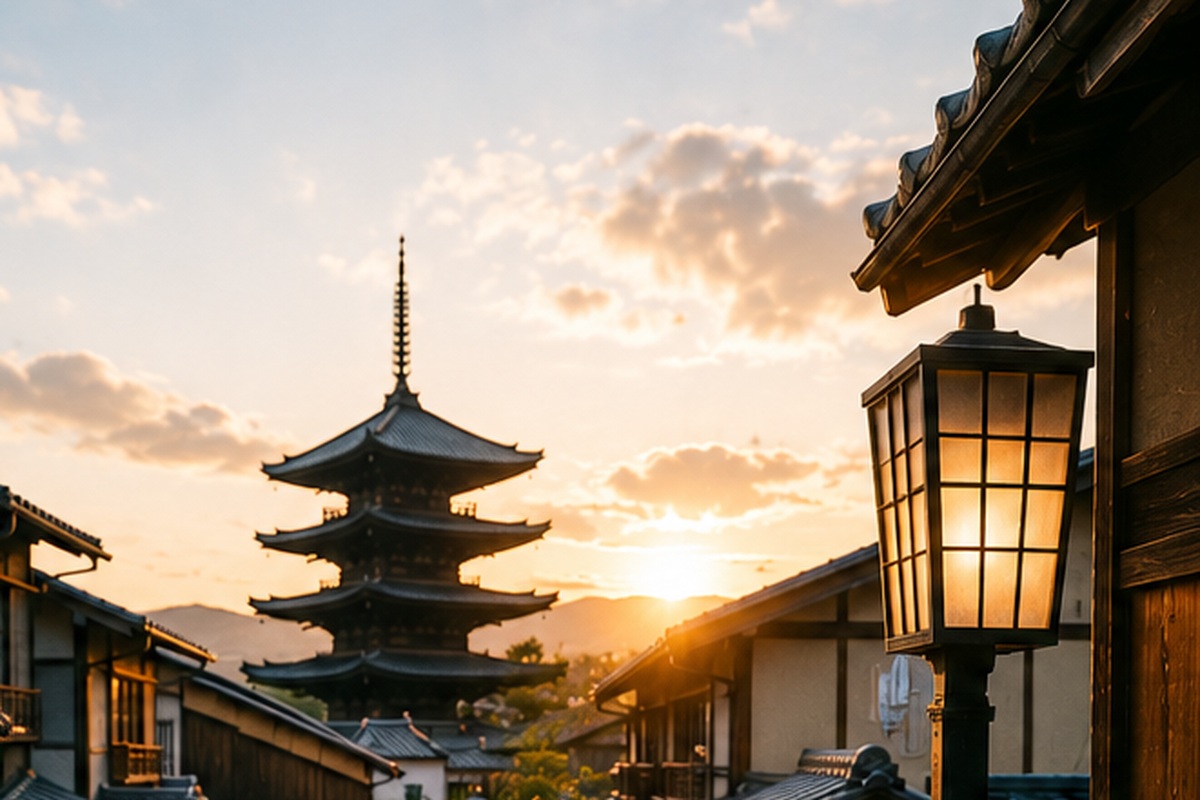
Karasuma Oike and Nijo: the central compromise
The wider central zone around Karasuma Oike, Oike-dori and Nijo can be calmer than the busiest part of Shijo-Kawaramachi while remaining well positioned for a mixed itinerary.
Karasuma Oike is practical because Kyoto’s north-south Karasuma subway line and east-west Tozai line meet there. Around Nijo, the Tozai line and selected JR connections can also be useful.
This area is worth comparing when you want central access and quieter evenings, or when a room, cancellation policy or price is better here than in the most popular downtown streets.
- Good for travelers who value subway access in more than one direction.
- Good for quieter evenings without moving to the outskirts.
- Useful for mixed central, eastern and western sightseeing plans.
- Do not assume it is always cheaper; rates vary by date, room type and events.
Arashiyama: the best scenic stay
Arashiyama in western Kyoto is known for the bamboo grove, Togetsukyo Bridge, temple gardens and the quieter landscape farther into Saga and Okusaga. Staying here can turn a rushed half-day visit into a slower experience with early walks and calmer evenings.
For a first trip covering the whole city, Arashiyama is usually better as a deliberate experience than as the automatic base for every night. Reaching eastern Kyoto, Kyoto Station and northern sights can take more time or transfers.
It becomes a stronger choice when western Kyoto is central to the itinerary or when the accommodation itself—such as a special ryokan stay—is part of the trip.
- Choose it for scenery, quiet evenings and early access to western Kyoto.
- Choose it for a special ryokan or retreat-style night.
- Avoid using it as an automatic all-city base unless the itinerary supports it.
- Plan transport for the rest of Kyoto before committing.
Fushimi: a specialist base for southern Kyoto
Fushimi is in southern Kyoto and includes Fushimi Inari as well as historic sake-brewing districts farther south. Depending on the exact station, JR or Keihan trains can make selected journeys convenient.
It can suit repeat visitors, travelers with a focused southern itinerary or anyone who finds a property particularly well matched to their plans. It is not the best default for most first-time visitors trying to cover Gion, Arashiyama, Kinkaku-ji and the central city.
Fushimi covers a broad area, so the district name alone does not tell you which rail line or station you will use. Map each day before choosing it.
- Best when Fushimi Inari or southern Kyoto is a major focus.
- Can work well when the exact JR or Keihan station aligns with the itinerary.
- Less efficient for a broad first-time citywide plan.
- Choose only after checking the real daily routes.
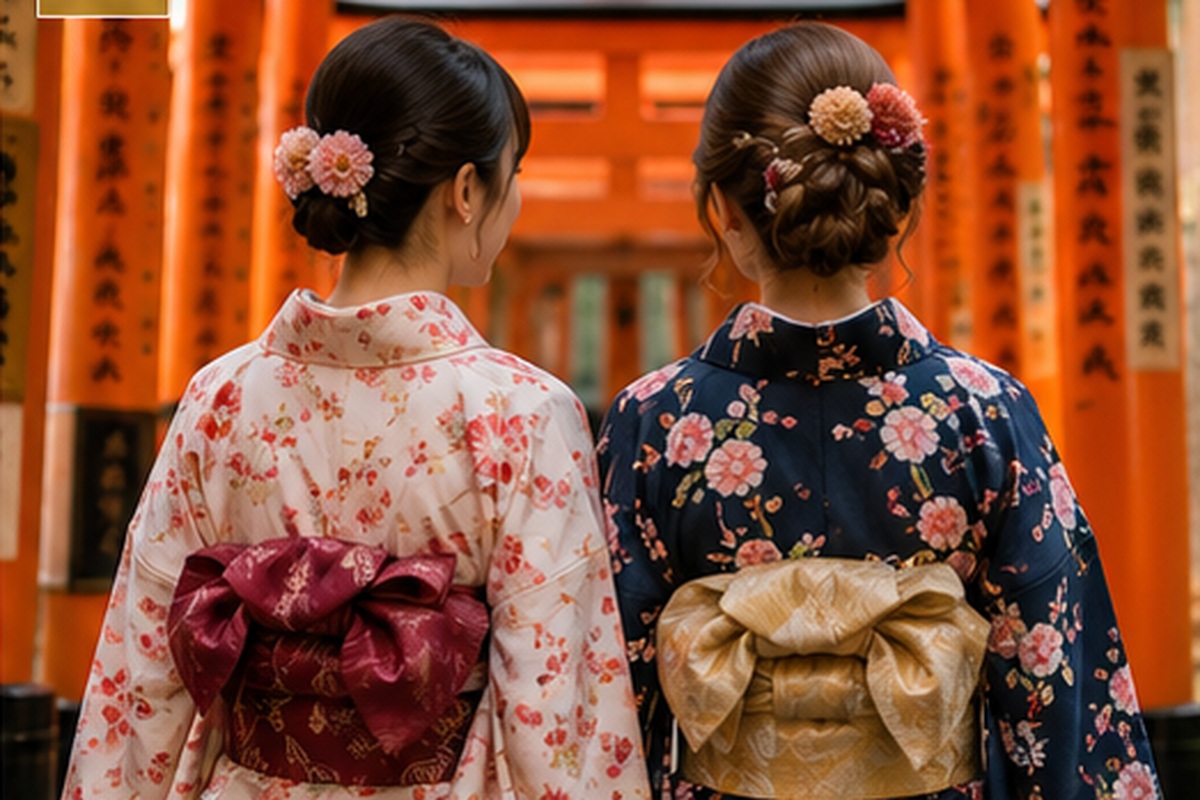
Match your Kyoto base to your itinerary
The most useful way to choose is to match the accommodation area to the shape of the trip rather than to a single famous attraction. Short stays reward transfer efficiency; longer first visits usually benefit from balance; specialist stays can prioritize atmosphere or scenery.
- Two nights with Shinkansen travel — start with Kyoto Station to reduce transfer and luggage friction.
- Three to five nights on a first visit — start with downtown or central Kyoto for balanced sightseeing and evenings.
- Eastern Kyoto is the priority — compare Gion and Higashiyama for early walks and nearby sights.
- Several rail day trips — start with Kyoto Station for major JR connections.
- A special ryokan or scenic night — compare Arashiyama with a carefully chosen central property.
- Fushimi Inari and southern Kyoto focus — compare Fushimi with Kyoto Station based on the exact rail corridor.
How to choose a Kyoto hotel before you book
Start with the trip mechanics, then compare properties. A slightly more expensive room in the right location can be better value than a cheaper room that creates long daily journeys.
Compare refundable options in at least two suitable areas before committing to a non-refundable rate. Rates can move sharply with weekends, festivals, cherry blossom season, autumn foliage and limited room supply.
- Fix your arrival and departure route, including Shinkansen or other intercity travel.
- Mark two priority areas for each sightseeing day so you can see repeated cross-city journeys before booking.
- Identify the nearest station and line rather than relying on a neighborhood label.
- Check the real walking route, including hills, station exits, bridges and large intersections.
- Compare room size, bed configuration, breakfast, displayed taxes or fees, cancellation terms and transport costs created by the location.
- Read recent property-level reviews selectively for noise, cleanliness, access and room layout.
Plan sightseeing from your chosen base
Once you have shortlisted an area, group sights geographically instead of crossing the city several times in one day. Eastern Kyoto, Arashiyama, central Kyoto and southern Kyoto work better as separate planning blocks.
Use rail or subway for the main part of a journey when practical, then walk or connect locally. Kyoto’s Karasuma subway line runs north to south and the Tozai line east to west, while JR, private railways and buses serve other corridors.
There is no single station with direct access to every major sight. The best base is the one that removes the most friction from your specific schedule.
Most first-time visitors staying two to four nights do not need to change hotels within Kyoto. A split stay makes more sense when one night is a destination experience, such as a special stay in Arashiyama, or when a longer itinerary clearly justifies the transfer.
Common booking mistakes
Many location problems happen because travelers compare room prices before mapping the trip. Fix the itinerary logic first, then evaluate the property.
- Booking the cheapest room before checking daily transport time.
- Assuming Kyoto Station is beside the main historic district.
- Assuming a Gion address automatically means easy rail access.
- Planning to use buses for every journey without considering rail or subway alternatives.
- Ignoring reception hours, late check-in rules or what happens after a delayed train.
- Overlooking bed size, bathroom type, elevator access, air conditioning or luggage storage.
- Carrying large luggage through sightseeing areas instead of checking storage or delivery options.
- Failing to confirm the final price and cancellation deadline on the booking screen.
A practical booking checklist
Before paying, make sure the accommodation works as a complete stay—not only as a point on the map. If a condition matters, confirm it with the property or booking provider in writing.
- The area matches at least two of your most important sightseeing days.
- The nearest station and rail line are clearly identified.
- The walking route is realistic with your luggage and mobility needs.
- The room has the beds, bathroom and space your group expects.
- Check-in time works with your arrival schedule.
- Luggage storage before check-in and after check-out is confirmed if needed.
- The cancellation deadline and payment currency are understood.
- Breakfast and nearby evening food options suit your schedule.
- The property name and address are saved in English and Japanese where available.
Make the final comparison before you book
If you are still undecided, shortlist one suitable property in downtown Kyoto and one near Kyoto Station. Compare the exact door-to-door route for your arrival day and your two busiest sightseeing days.
Choose the property that makes the whole trip easier, not simply the one with the shortest straight-line distance to a landmark.
FAQ
What is the best area to stay in Kyoto for a first-time visitor?
Downtown Kyoto around Shijo, Kawaramachi, Sanjo or Karasuma is the best all-round choice for many first-time visitors because it balances dining, walking and access in several directions. Choose Kyoto Station instead if rail transfers, luggage or day trips are your priority.
Is it better to stay near Kyoto Station or in Gion?
Stay near Kyoto Station for transport efficiency and in Gion for atmosphere and eastern Kyoto walks. Kyoto Station suits short stays and rail-heavy itineraries; Gion suits travelers who accept more complicated access in exchange for a historic setting.
How many nights should a first-time visitor stay in Kyoto?
Three to four nights gives many visitors enough time to group several major areas without rushing every day, but the right length depends on interests, pace and day trips. With only one or two nights, reducing transfers becomes especially important.
Is downtown Kyoto walkable?
Many central shops, restaurants and riverside areas are walkable, but Kyoto’s major sights are spread across the city. Expect to combine walking with trains, subway, buses or occasional taxis.
Is Arashiyama a good place to stay on a first trip?
Yes, if western Kyoto, scenery or a special accommodation experience is a priority. It is less efficient as an all-purpose base for visitors trying to cover eastern, central, northern and southern Kyoto in a short stay.
Should I stay in a hotel, ryokan or machiya?
Choose a hotel for predictable facilities, a ryokan when hospitality, meals or traditional rooms are part of the experience, and a machiya when space and historic character appeal to you. Check bathrooms, beds or futons, stairs, meals, staffing and check-in rules for the exact property.
Can I rely only on buses in Kyoto?
Buses reach many sights, but relying on them for every journey can be slow or crowded. Use trains and subway where they fit the route, then connect by bus or walking where appropriate.
Where should families stay in Kyoto?
Kyoto Station and central Kyoto are practical starting points because they provide transport, food and a broad range of accommodation types. Families should give extra weight to room layout, laundry, elevators, breakfast, bath facilities and the real walk from the station.
Related Japan Travel Guides
Official References
Final Thoughts
For most first-time trips, begin by comparing downtown Kyoto with Kyoto Station. Choose downtown for the strongest overall balance, or Kyoto Station for the least complicated transport. Gion and Higashiyama, Karasuma Oike and Nijo, Arashiyama and Fushimi can be excellent choices when their specific strengths match your plans. Map the exact property—not just the neighborhood—and the right answer usually becomes clear.