
Where to Stay in Tokyo: Best Areas for First-Time Visitors
Compare Tokyo’s best hotel areas for a first visit, then choose the base that best fits your sightseeing routes, airport transfer, nightlife plans, room needs and budget.
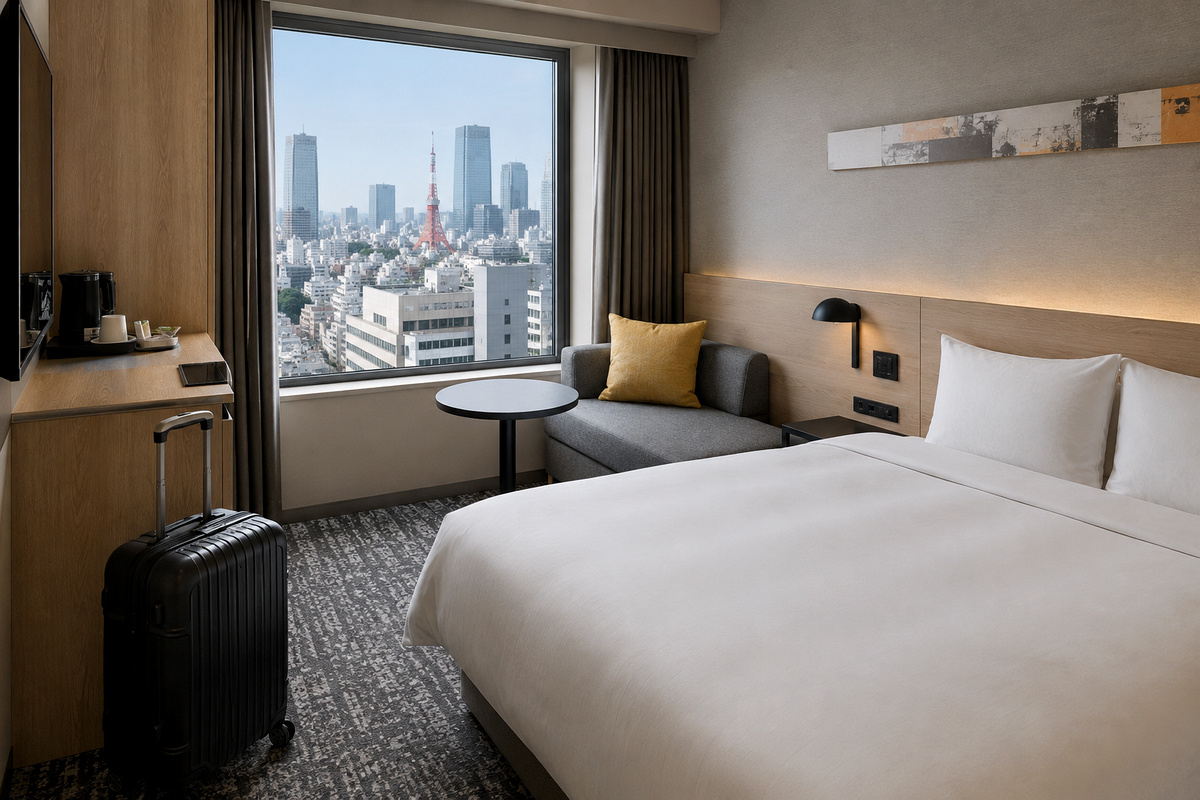
For many first-time visitors, Shinjuku is the strongest all-round base because it combines extensive transport, a wide hotel range, dining and late-night convenience. Tokyo Station and Marunouchi are better for Shinkansen-heavy trips, Shibuya suits nightlife and fashion, Asakusa offers a more traditional atmosphere, Ueno balances transport and value, Ginza is best for a refined central stay, Shinagawa is practical for Haneda and early departures, and Ikebukuro is a useful alternative for families and shopping. Do not book by neighborhood name alone: compare the exact station entrance, walking route, room size, cancellation terms and total stay price.
What You’ll Learn
- Which Tokyo area best matches your sightseeing, nightlife and day-trip plans
- How station exits, transfers and luggage change the real convenience of a hotel
- When paying more for location, room size or airport access is worth it
- How to compare hotel listings without being misled by the neighborhood name alone
Start With Your Routes, Not the Most Famous Neighborhood
Tokyo has several major centers rather than one single downtown. The right hotel area is the one that reduces your real daily transfers and gives you a simple route between the airport, your room and the places you care about most.
Write down the three destinations or activities that matter most to your trip, then compare direct rides from each possible base. One direct journey is often easier than a shorter-looking route that requires two transfers, long underground corridors and repeated stairs.
- Prioritize direct or simple rides to your three most important destinations
- Check the exact station entrance or exit nearest the hotel, not just the station name
- Decide whether late-night energy or quiet sleep matters more
- Include airport arrival, luggage and onward rail travel in the same decision
Tokyo Hotel Areas at a Glance
For a first visit, eight areas cover most practical hotel decisions. Each has a clear advantage, but each also asks you to accept a trade-off in price, atmosphere, station complexity or travel time.
A useful shortlist usually contains two areas, not eight. Pick the two that best fit your routes and preferred atmosphere, then compare actual hotels inside those neighborhoods.
- Shinjuku: strongest all-round base for many first-time visitors
- Shibuya: best for nightlife, fashion, cafés and evening energy
- Tokyo Station / Marunouchi: best for Shinkansen travel and efficient sightseeing
- Asakusa: best for traditional atmosphere and quieter mornings
- Ueno: strong balance of transport, museums and hotel value
- Ginza: best for dining, shopping and a refined central stay
- Shinagawa: practical for Haneda, early departures and rail-heavy itineraries
- Ikebukuro: useful alternative for families, shopping and hotel variety
Shinjuku: Best All-Round Base for Many First-Time Visitors
Shinjuku is the easiest default recommendation when a first-time itinerary spreads across several parts of Tokyo. JR, private railways, Tokyo Metro and Toei services converge around the area, while the station district provides a broad range of hotels, department stores, restaurants and late-night food.
The main drawback is scale. A hotel advertised as “near Shinjuku” can still sit on the wrong side of the station for the lines you plan to use, and the nightlife-heavy east side feels very different from the calmer high-rise hotel district to the west. Check the exact exit and walking route before paying a location premium.
- Best for: broad first-time itineraries, late dinners, western Tokyo and hotel choice
- Choose the west or south side when you want a calmer return to the hotel
- Choose the east side when nightlife and dining are part of the trip
- A genuinely easy station walk is worth more than a vague “Shinjuku area” label
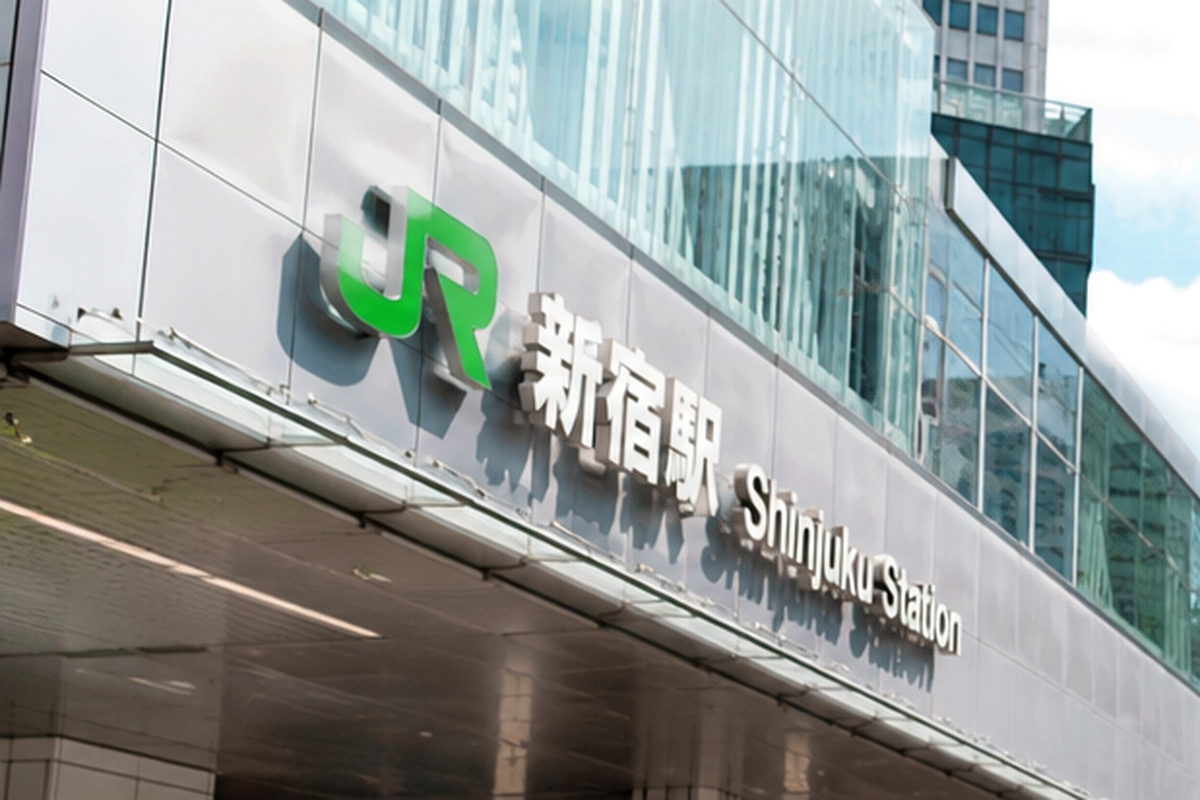
Shibuya: Best for Nightlife, Fashion and Late Evenings
Shibuya is a stronger fit when the trip itself revolves around modern Tokyo: nightlife, fashion, music, cafés, shopping, Harajuku and nearby neighborhoods. JR, Tokyu, Keio and several Tokyo Metro lines make it a major transport hub, but the area is usually chosen for atmosphere as much as convenience.
Expect crowds, busy streets and premium pricing around the most famous blocks. If you want Shibuya’s energy without hearing it all night, compare hotels a little away from the busiest crossing and entertainment streets while keeping a simple walk back to the station.
- Best for: nightlife, shopping, fashion, cafés and travelers who stay out late
- Better than Shinjuku when Shibuya, Harajuku and Omotesando dominate your plans
- Check recent noise comments for rooms facing major streets
- Do not overpay simply to be beside the crossing if a quieter nearby block gives the same transport access
Tokyo Station and Marunouchi: Best for Shinkansen and Efficient Sightseeing
Tokyo Station and Marunouchi are excellent for travelers who value rail efficiency, polished surroundings and easy onward travel. Staying here can materially simplify a trip that includes Kyoto, Osaka or other Shinkansen destinations because you reduce luggage handling on departure morning.
The trade-off is price and atmosphere. Hotels near the station often cost more, and the business district can feel quieter after office hours than Shinjuku or Shibuya. The premium makes the most sense when rail convenience or a short, efficient stay is genuinely valuable to you.
- Best for: Shinkansen trips, short stays, business travel and efficient sightseeing
- Pay more here when it removes an early-morning transfer with luggage
- Check whether the hotel is on the Marunouchi or Yaesu side before comparing walking times
- Good choice when your trip continues outside Tokyo soon after check-in or before departure
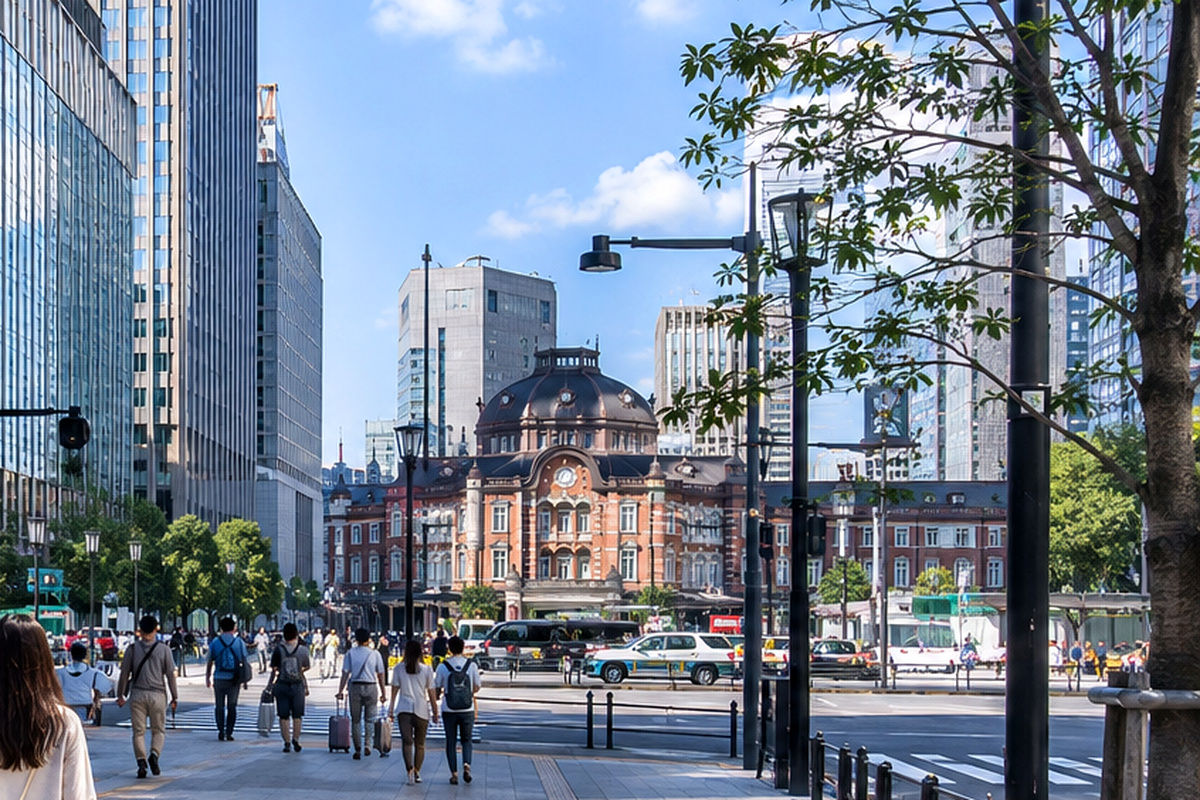
Asakusa: Best for Traditional Atmosphere and Quieter Mornings
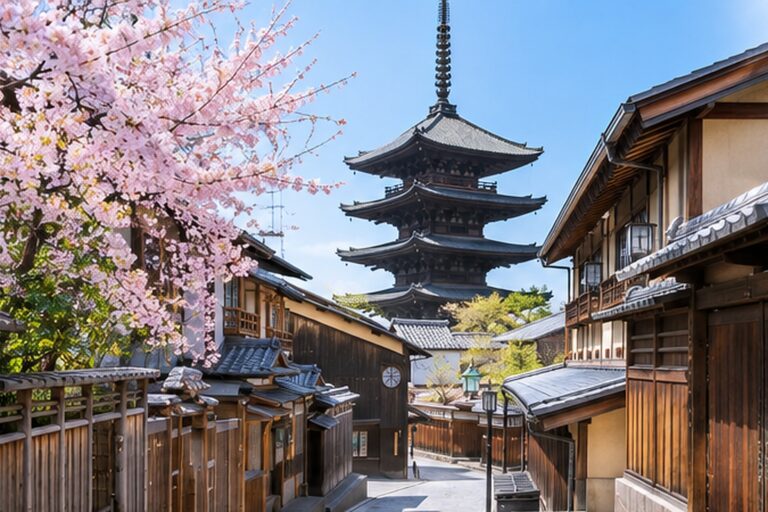
Asakusa gives you a very different Tokyo experience from the neon hubs in the west. Sensoji, Nakamise and the surrounding streets create a strong sense of place, especially in the early morning before the main sightseeing crowds arrive.
The area is served by the Ginza Line, Toei Asakusa Line and Tobu services, but it is less efficient if most evenings are in Shinjuku or Shibuya. Choose Asakusa because you want the atmosphere, east-Tokyo access and a calmer base—not because it is simply cheaper than the western hubs.
- Best for: traditional atmosphere, Sensoji, east Tokyo and quieter mornings
- Particularly appealing to travelers who value neighborhood character over nightlife
- Check the exact station because “Asakusa Station” can refer to different operators and entrances
- Less efficient if most of your plans are concentrated in western Tokyo
Ueno: Best Balance of Transport, Culture and Value
Ueno combines a major transport hub with Ueno Park, museums, Ameyoko and a broad range of restaurants and hotels. It often delivers a better balance of price and convenience than premium central districts while still keeping you connected to the rest of the city.
Narita access can also be a reason to shortlist Ueno because the airport’s official rail information lists Keisei Ueno and nearby Nippori among major Skyliner stops. The exact best route still depends on your terminal, arrival time and the walk from the rail station to your hotel.
- Best for: museums, markets, transport and value-focused travelers
- Strong choice when Narita access and east Tokyo sightseeing both matter
- Compare the Ueno, Keisei Ueno and Okachimachi walking routes around your hotel
- Usually less polished than Ginza or Marunouchi, but often easier on the budget
Ginza: Best for Dining, Shopping and a Refined Central Stay
Ginza suits travelers who want a polished central neighborhood, high-quality dining, department stores and a calmer evening atmosphere than Shinjuku or Shibuya. It also sits close to Tokyo Station, Yurakucho and several subway routes, giving it strong central access without feeling like a giant rail terminal.
The main trade-off is price. If you are paying a premium, make sure the hotel gives you something tangible in return: a better room, an easier walk, stronger service, useful breakfast or the kind of neighborhood experience you actually want each evening.
- Best for: couples, dining, shopping and travelers who prefer a refined atmosphere
- Good alternative to Tokyo Station when you want central access with more evening life
- Compare room quality and total stay value rather than paying for the Ginza name alone
- Useful when restaurants and shopping are part of the trip, not just places you pass through
Shinagawa: Best for Haneda and Early Departures
Shinagawa is practical rather than romantic, but that can be exactly what you need. Haneda Airport’s official access page lists an approximate train time of about 15 minutes to Shinagawa, making the area especially useful for early flights, late arrivals or itineraries where airport friction matters more than neighborhood sightseeing.
Shinagawa also works well for rail-heavy travel. The trade-off is that fewer major attractions sit immediately outside the hotel, so you are choosing the area for transportation efficiency and reliable logistics rather than classic Tokyo atmosphere.
- Best for: Haneda access, early departures and travelers prioritizing logistics
- Useful for a first or final night when flight timing would make another base inconvenient
- Choose it for transport efficiency, not for nightlife or neighborhood character
- Check whether your chosen train service actually stops at Shinagawa before finalizing plans
Ikebukuro: Best Alternative Hub for Families and Shopping
Ikebukuro is a large commercial and transport hub with extensive shopping, restaurants, entertainment and many hotel options. It is particularly useful for families, anime and character-shopping interests, and travelers who want major-city convenience without choosing Shinjuku or Shibuya.
Its weakness is perception rather than function: it may feel less immediately iconic to a first-time visitor. If the hotel price is meaningfully better and your daily routes work well from Ikebukuro, that trade-off can be worthwhile.
- Best for: families, shopping, indoor entertainment and hotel variety
- Good alternative when Shinjuku prices are high for your dates
- Compare east-side and west-side station access because the station itself is large
- Choose it only when the routes to your priority destinations remain simple
Airport Access and Luggage Can Change the Best Choice
A hotel area that looks slightly less convenient for sightseeing can become the better choice when airport access and luggage are included. Haneda’s official train and monorail page currently lists approximate travel times of about 15 minutes to Shinagawa and 30 minutes to Tokyo Station, while Narita Airport lists rail options including Keisei and JR services.
These figures are estimates, not promises. Check the actual schedule for your arrival or departure time, especially late at night or early in the morning. With large suitcases, a direct airport train or bus that stops close to your hotel can be worth more than a small nightly saving.
- Verify the airport route before buying a non-refundable room
- Count transfers, stairs and long station corridors as real travel costs
- Consider a direct airport bus when it serves your hotel or a very close stop
- A first or final night near the best airport route can simplify the entire trip
Hotel Features Worth Paying For
The cheapest room is not always the best value on a short Tokyo trip. Paying slightly more for a simpler station walk, enough floor space for your luggage, useful breakfast, reliable luggage storage or a room layout that works for two people can improve every day of the stay.
Cancellation flexibility also has real value while your itinerary is still changing. A refundable rate can be more useful than a small discount if you have not finalized airports, day trips or onward rail travel.
- A short, simple walk from the station entrance you will actually use
- Enough floor area to open the number of suitcases you are bringing
- Luggage storage before check-in or after checkout
- Breakfast that saves time on early sightseeing days
- Laundry, convenience stores and useful dining within an easy walk
- Cancellation terms that match how settled your itinerary is
Booking Mistakes That Make Tokyo Harder
Most hotel mistakes in Tokyo are logistical rather than dramatic. Travelers book a famous neighborhood, then discover that the station is enormous, the room cannot handle their luggage or the supposedly short route requires an inconvenient transfer every day.
Avoid comparing only the headline nightly rate. Taxes, breakfast, cancellation rules, room layout, luggage storage and the exact station walk can easily matter more than a small price difference across a multi-night stay.
- Booking by neighborhood name without checking the exact hotel block
- Assuming every hotel near a major station has equally easy access
- Ignoring room dimensions and bed configuration
- Choosing a nightlife street without checking recent noise reviews
- Giving up cancellation flexibility before your itinerary is stable
- Saving a small amount per night while adding difficult transfers every day
Final Booking Checklist
Once you have narrowed the choice to two areas, compare several hotels side by side. The best Tokyo hotel is the one that removes friction from your actual itinerary while giving you the room quality and atmosphere you want to return to each evening.
Use the same checklist for every property so a dramatic photo or temporary discount does not distract you from the practical details that will affect the whole trip.
- Is the hotel close to the station entrance and line you will actually use?
- Can you reach at least three priority destinations without difficult transfers?
- Is the walking route comfortable with your luggage?
- Does the immediate street match your preference for nightlife or quiet?
- Does the room size work for your group and suitcases?
- Have you compared total price, breakfast, taxes and cancellation terms?
- Can the hotel store luggage when you need it?
FAQ
What is the best area of Tokyo for a first visit?
Shinjuku is the strongest all-round choice for many first-time visitors because it combines extensive transport, hotel variety, dining and late-night convenience. Tokyo Station may be better for Shinkansen-heavy travel, while Asakusa or Ueno may suit travelers who prefer eastern Tokyo.
Is Shinjuku or Shibuya better for tourists?
Choose Shinjuku for broader transport options, more hotel variety and easier access in several directions. Choose Shibuya when nightlife, fashion, cafés, Harajuku and an energetic evening atmosphere are more important.
Is Asakusa a good place to stay?
Yes. Asakusa is a strong choice for traditional atmosphere, Sensoji, east Tokyo and quieter mornings. It is less efficient when most of your plans are around Shinjuku and Shibuya.
Is Ueno a good area for first-time visitors?
Yes. Ueno offers a major transport hub, museums, Ueno Park, Ameyoko, restaurants and useful access to eastern Tokyo. It can also offer better hotel value than premium central districts.
How close should a Tokyo hotel be to a station?
A genuinely short and simple walk is ideal, especially with luggage or in difficult weather. Check the walking route to the correct station entrance rather than trusting only a straight-line distance or the neighborhood name.
Should I stay near Tokyo Station if I am going to Kyoto?
It can be worth it because staying near Tokyo Station reduces luggage handling and makes the departure morning easier. Shinagawa can also be convenient for selected westbound Shinkansen services.
Compare Tokyo stays before you book
Check current availability, location, cancellation terms, and accommodation options on Booking.com before choosing your Tokyo base.
Check Tokyo stays on Booking.comRelated Japan Travel Guides
Official References
Final Thoughts
There is no single Tokyo neighborhood that is best for everyone. Choose the area that shortens your real daily journeys, then compare the exact station walk, room layout, cancellation policy, breakfast and total price. A hotel that saves time and feels good to return to each evening is usually a better buy than the cheapest room in a less convenient location.