
Shinjuku Guide for First-Time Visitors
Plan a first visit to Shinjuku with clear station navigation, area-by-area advice, airport access, sightseeing, food, nightlife, hotels and practical travel tips.
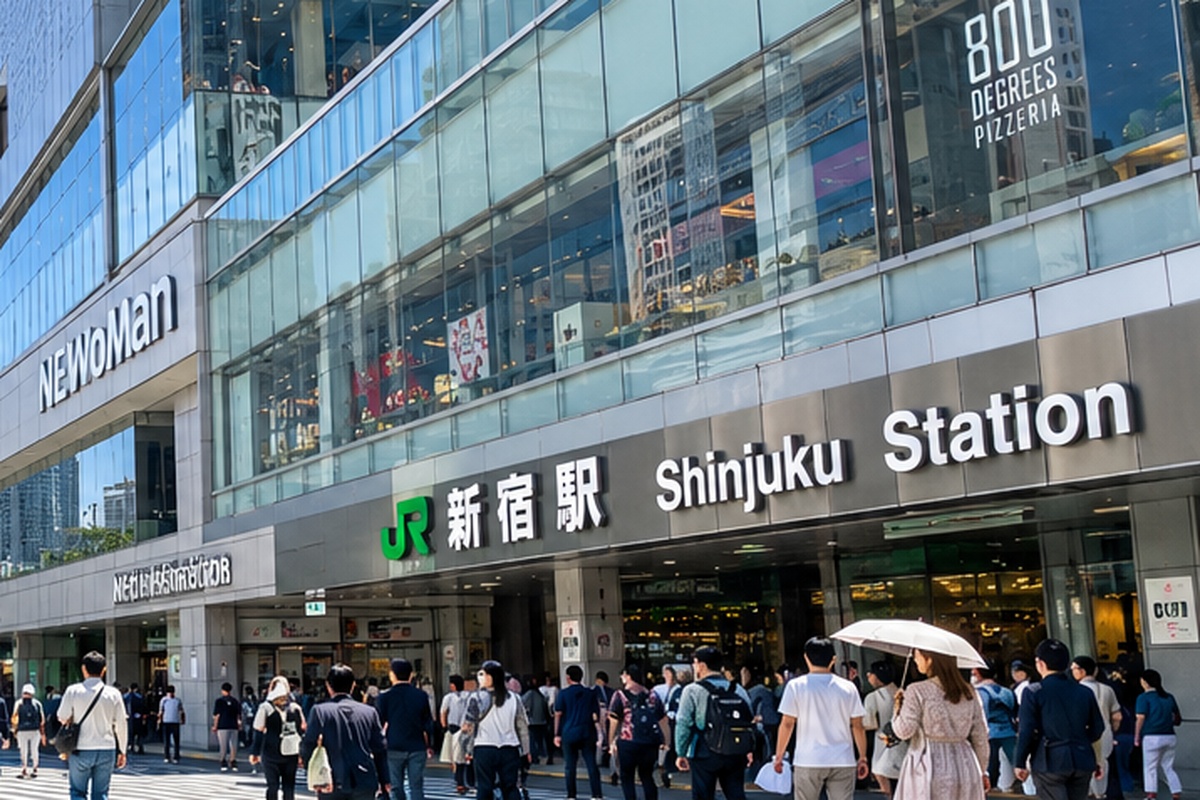
Shinjuku is one of Tokyo’s most useful bases for a first trip because several major rail and subway lines meet here, while hotels, shopping, restaurants and nightlife are spread across distinct districts around the station. Use the west side for skyscrapers, the Tokyo Metropolitan Government Building and a calmer business-hotel feel; the east side for shopping, Kabukicho and Hanazono Shrine; and the south side for easier access to Busta Shinjuku, NEWoMan and connections toward Yoyogi. The key is to decide which side of the station you need before you arrive.
What You’ll Learn
- How the west, east and south sides of Shinjuku differ
- How to navigate Shinjuku Station without wasting time
- Which sights fit a first half-day or full day in Shinjuku
- Where to stay for transport, nightlife or a quieter base
- How to handle food, luggage, late nights and hotel booking
Understand Shinjuku by Side Before You Start
Shinjuku is easier when you stop thinking of it as one neighborhood. The station divides several very different zones, and choosing the correct side can save a long underground detour. West Shinjuku is dominated by office towers, large hotels and the Tokyo Metropolitan Government complex. East Shinjuku is the shopping and entertainment side, leading toward Kabukicho, Shinjuku Golden Gai and Hanazono Shrine. South Shinjuku connects to Busta Shinjuku, NEWoMan and pedestrian routes toward Yoyogi.
For a first visit, pick one side as your starting point rather than crossing the station repeatedly. If your hotel is on the west side, start with the skyscraper district and move east later. If you arrive for nightlife, use an east-side exit and keep your return route simple. The station itself is a destination-scale transport complex, so the exact exit matters more than the word “Shinjuku” in a hotel listing.
- West side: skyscrapers, observation views, large hotels and a calmer business district
- East side: department stores, Kabukicho, Golden Gai, Hanazono Shrine and late-night dining
- South side: Busta Shinjuku, NEWoMan, Southern Terrace and easier walking toward Yoyogi
- Best first rule: choose your exit before you leave the train platform
Navigate Shinjuku Station Without Turning It Into the Main Event
JR, Keio, Odakyu, Tokyo Metro and Toei services all serve the wider Shinjuku area, while nearby stations such as Shinjuku-sanchome and Seibu-Shinjuku add more options. That connectivity is the reason Shinjuku is convenient, but it also creates the navigation problem. Do not search only for “the exit.” Search for the exit that matches the side of the station and the street-level landmark you need.
When changing lines, follow operator and line-color signs first and the neighborhood exit second. If you realize you are on the wrong side after reaching street level, it is often easier to walk around the station perimeter than to dive back into an unfamiliar underground passage. Travelers with luggage should also allow extra time for elevators and wider detours.
- Screenshot your hotel’s nearest station exit before travel
- Match the railway operator first, then the line, then the exit
- Use a station map when changing between JR, private railways and subway services
- Allow extra time when carrying large suitcases or using step-free routes
Getting to Shinjuku from Haneda, Narita and Central Tokyo
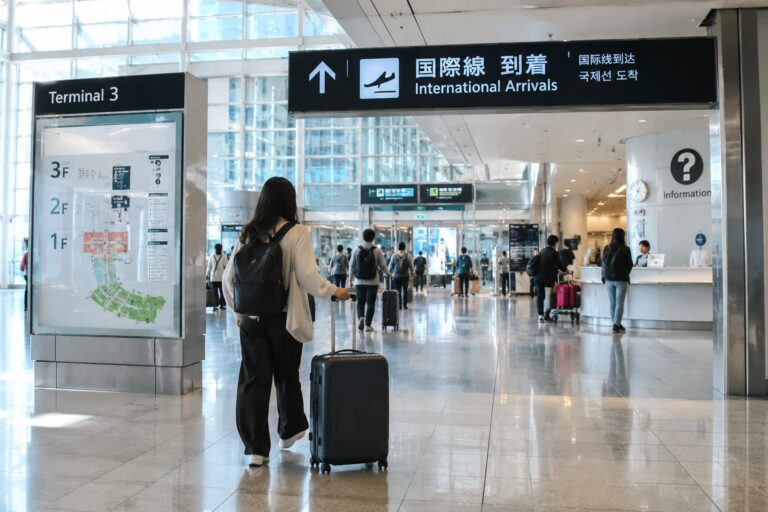
Shinjuku has direct or one-transfer access from both Tokyo airports, but the best option depends on arrival time, luggage and your exact hotel. GO TOKYO lists Haneda–Shinjuku journeys at roughly an hour by train or limousine bus under normal conditions, while Narita can take substantially longer. Rail is usually more predictable; a direct airport bus can be easier when it stops close to your hotel and you have large luggage.
From central Tokyo, JR Chuo Line Rapid services make the Tokyo Station–Shinjuku trip straightforward, while subway and JR routes connect Shinjuku with Shibuya, Harajuku, Ginza, Ueno and other major sightseeing areas. Check the live timetable for your actual travel date rather than building your plan around a fixed journey time.
- Haneda: compare rail with an airport limousine bus if luggage is heavy
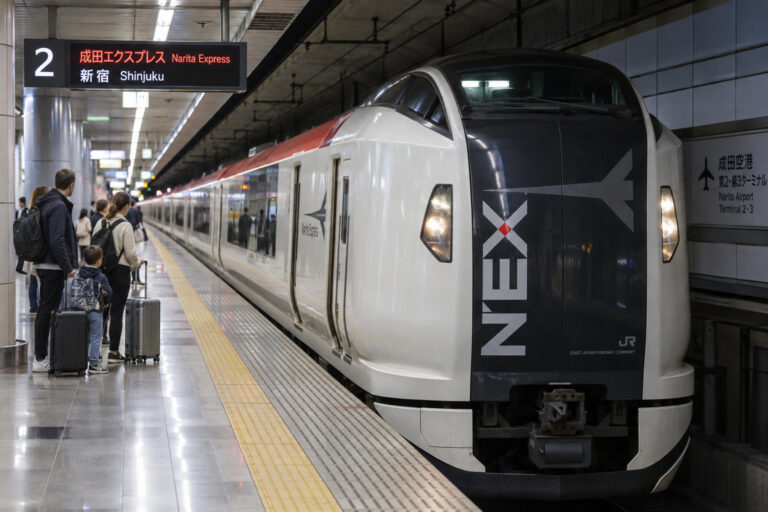
- Narita: compare Narita Express and bus options with your hotel location
- Tokyo Station: the JR Chuo Line Rapid is a simple cross-city option
- For late arrivals, confirm the last practical connection before landing
Best Things to Do on a First Shinjuku Visit
A first visit works best when you combine one green or panoramic stop with the urban energy of the east side. Shinjuku Gyoen National Garden gives you a large landscaped break from the surrounding city, while the Tokyo Metropolitan Government Building offers free observation decks at 202 meters when open. Hanazono Shrine provides a compact cultural stop near the entertainment district.
After dark, the character changes quickly. Kabukicho is the obvious neon district, while Golden Gai and Omoide Yokocho offer smaller-scale alley experiences. You do not need to do all of them in one night. Choose one nightlife zone and leave enough energy to find the correct station entrance for your return.
- Shinjuku Gyoen: best for a calm daytime reset and seasonal scenery
- Tokyo Metropolitan Government observatories: free city views when open
- Hanazono Shrine: compact cultural stop near the east-side entertainment streets
- Kabukicho: neon, entertainment and late-night atmosphere
- Omoide Yokocho or Golden Gai: smaller alley-scale food and drink experiences
A Realistic Half-Day or Full-Day Route
For a half day, start at Shinjuku Gyoen, walk back toward Shinjuku-sanchome and Hanazono Shrine, then continue into the east-side shopping streets and Kabukicho near sunset. This creates a natural progression from quiet to busy without repeatedly crossing the station.
For a full day, add the west-side skyscraper district and the Tokyo Metropolitan Government observatories earlier in the day. After the view, cross toward the station, take a proper meal break, then continue to the east side. If nightlife is important, keep the final part of the schedule flexible instead of overbooking timed attractions.
- Half day: Shinjuku Gyoen → Hanazono Shrine → east-side shopping → Kabukicho
- Full day: west-side observatory → lunch → Shinjuku Gyoen → east side → nightlife
- Rainy day: department stores, food halls, underground connections and indoor attractions
- Family day: prioritize the garden, observatory and early dinner over late-night alleys
Where to Stay in Shinjuku
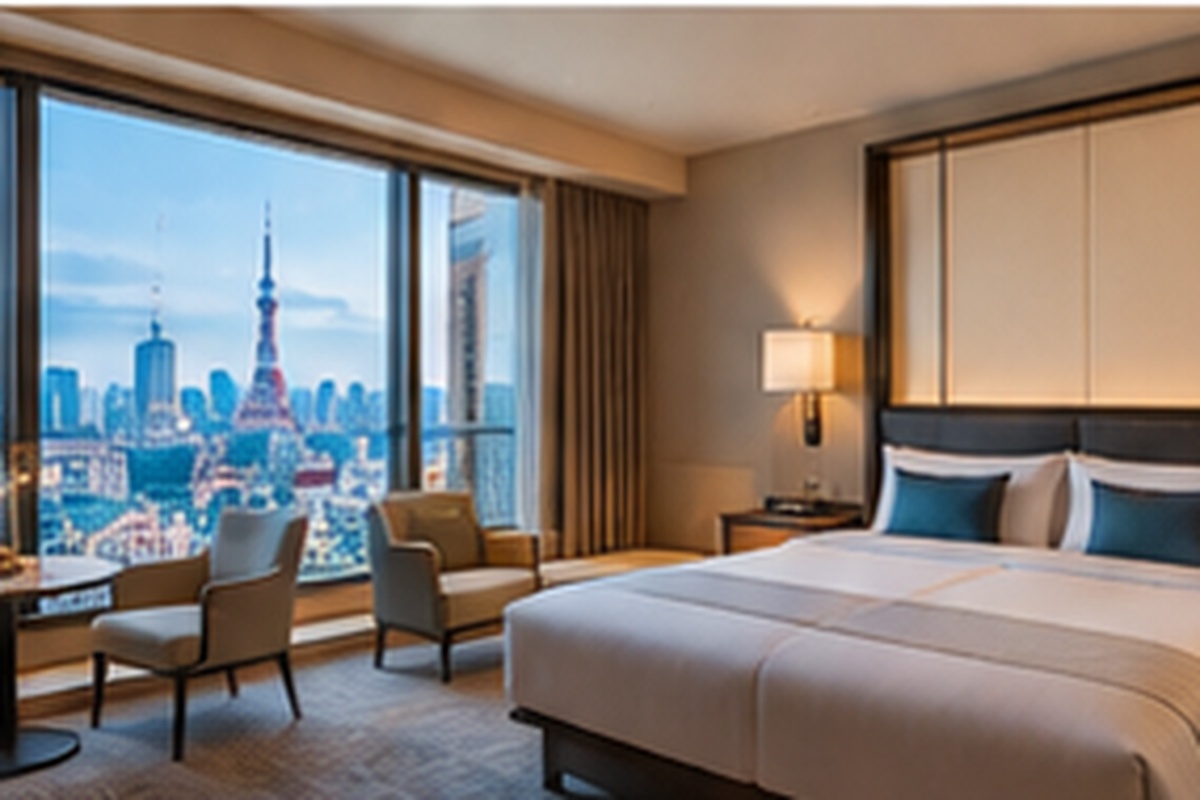
Choose the west side when you want large hotels, airport-bus convenience and a quieter business-district feel at night. Choose the east side when nightlife, restaurants and late shopping matter more than silence. Choose the south side when you value Busta Shinjuku, modern shopping complexes and a simpler route toward Yoyogi.
The most important booking check is not the neighborhood label but the door-to-platform route. Confirm the nearest station entrance, the railway line you expect to use most, the walking route with luggage, and whether the hotel sits on the same side of the station as your likely daily destinations. A hotel that is technically “near Shinjuku Station” can still create a surprisingly long walk.
- West: best for large hotels, business travel, airport-bus access and quieter evenings
- East: best for nightlife, late dining and entertainment
- South: best for Busta Shinjuku, NEWoMan and walking toward Yoyogi
- Before paying, compare room size, cancellation terms, luggage storage and the exact station exit
Eating in Shinjuku Without Wasting Time in Queues
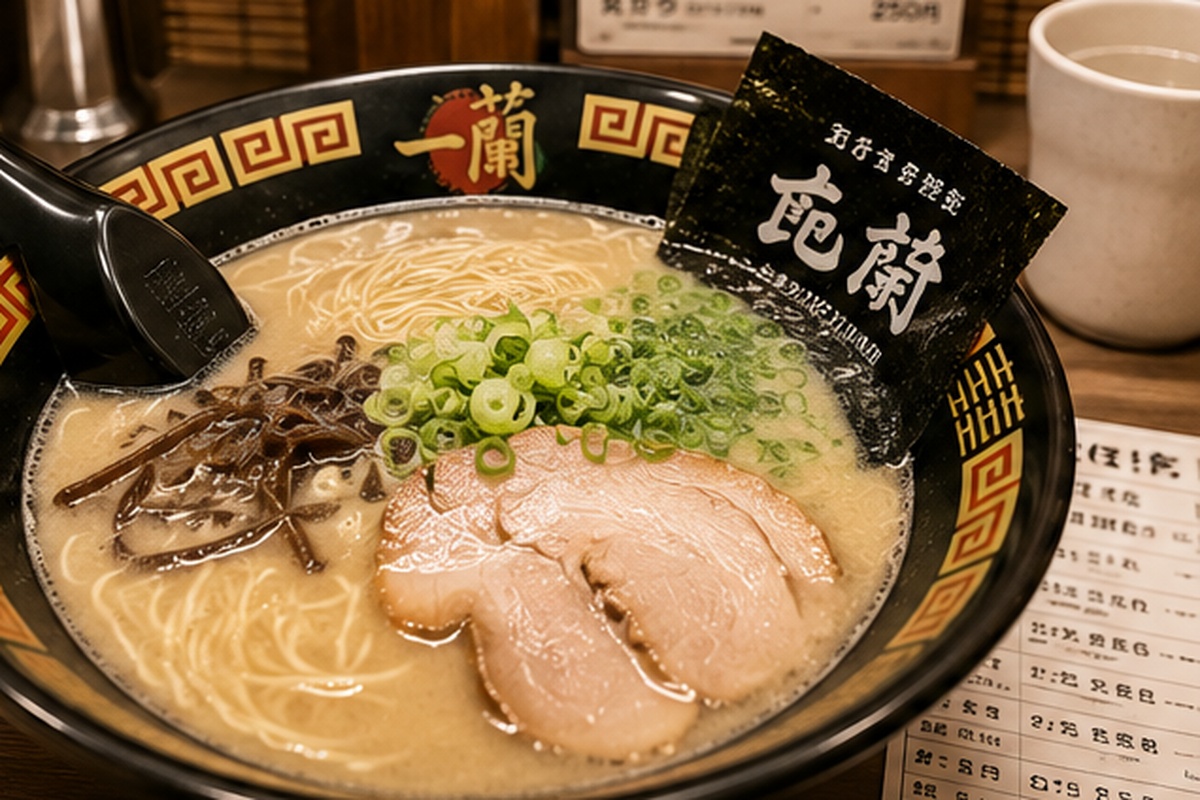
Shinjuku is easy for food because the choices range from department-store restaurants and food halls to ramen shops, izakaya and tiny counters. For a first visit, use large station-adjacent complexes when you need an efficient meal, then save one smaller alley or specialist restaurant for a slower experience.
Omoide Yokocho is visually memorable and convenient near the west side, but individual counters are small and can be crowded. On the east side, the dining supply is enormous, so there is rarely a reason to join a very long queue unless a particular restaurant is the point of your visit. Check last-order times, table charges and whether a venue accepts reservations before committing.
- Fast and easy: department stores, station buildings and food halls
- Atmosphere: Omoide Yokocho and small izakaya streets
- Solo-friendly: ramen, curry, soba and counter restaurants
- Late night: check last order separately from closing time
Nightlife, Kabukicho and Golden Gai
Kabukicho is one of Tokyo’s best-known entertainment districts and is busiest after dark. The main streets are easy to walk, but first-time visitors should treat aggressive touting and unclear pricing as a reason to move on. Choose venues with visible menus and prices, and do not feel obliged to follow anyone into a bar or club you did not already intend to visit.
Golden Gai is different: many bars are extremely small, some have cover charges, and some are geared toward regular customers. Read the sign at the entrance, ask about charges before ordering and keep groups small. If you want the visual atmosphere without a late night, walk through around early evening and continue elsewhere for dinner.
- Prefer clearly priced venues and visible menus
- Ask about cover or seating charges before ordering
- Keep valuables secure in crowded nightlife streets
- Save your hotel address and the nearest station entrance before drinking
Luggage, Families and Step-Free Travel
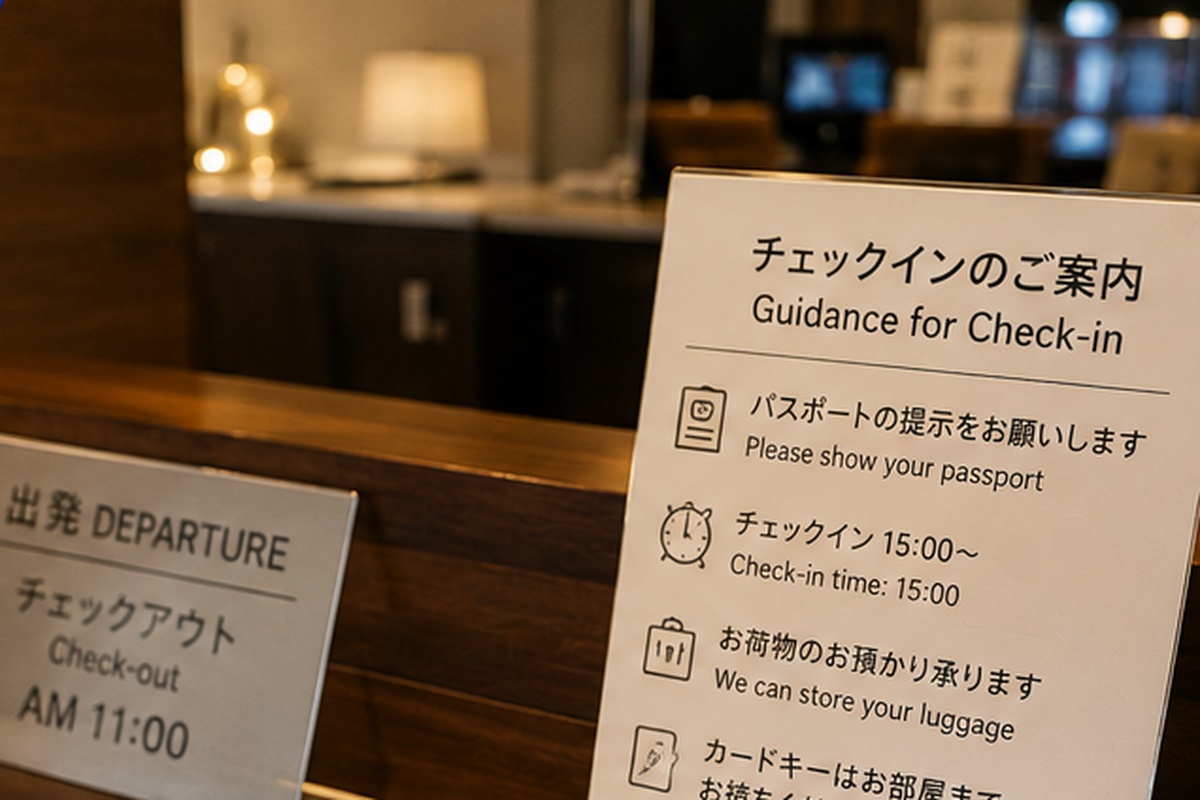
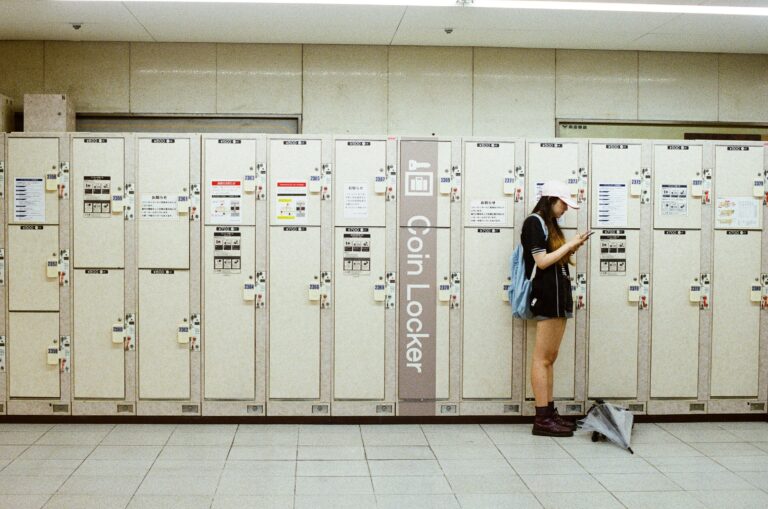
Shinjuku becomes much harder when you add two large suitcases, a stroller or reduced mobility to the route. Coin lockers are useful for small to medium luggage, but availability can disappear during busy periods. Hotel luggage storage or a delivery service may be easier when you are changing accommodation or leaving Tokyo later in the day.
Families should simplify the station plan and avoid unnecessary transfers inside the complex. For step-free travel, use official station maps and allow a longer route to elevators. The shortest-looking path on a street map is not always the easiest path through a multi-level station.
- Use hotel luggage storage when possible instead of dragging bags across the station
- Do not assume the nearest exit has an elevator
- Give children a clear meeting point before entering crowded station areas
- Keep one offline screenshot of your hotel name, address and station exit
Book the Hotel Only After You Check the Route
Shinjuku hotel prices vary sharply by date, room size and exact location. Compare the total stay price, not only the nightly headline rate. Look for taxes, breakfast, cancellation conditions, bed size, room floor area, luggage storage and whether the property is genuinely walkable from the station entrance you will use.
For a short first trip, location is usually worth more than a small nightly saving. A room that removes one awkward transfer or a long walk twice a day can save hours across the trip. Compare several properties on a map before booking, then recheck the cancellation deadline after your flight and itinerary are fixed.
- Compare total price and cancellation terms
- Check room floor area and luggage space
- Measure the real walk to the correct station entrance
- Prefer a simpler daily route over a small price difference
Common First-Time Mistakes in Shinjuku
The most common error is trying to cover every famous Shinjuku spot in one visit. The district rewards a simple route more than a long checklist. The second mistake is using the station as if every exit were interchangeable. A wrong exit can add a long detour, especially with luggage or in rain.
Another mistake is assuming all nightlife is interchangeable. Kabukicho, Golden Gai and Omoide Yokocho serve different purposes and have different pricing and crowd patterns. Pick the experience you actually want, confirm how you will return to the hotel, and leave spare time for the station.
- Do not cross the station repeatedly without a reason
- Do not book a hotel by district name alone
- Do not schedule every nightlife zone in one evening
- Do not rely on a fixed airport or train time without checking the current timetable
- Do not let a long restaurant queue consume your only evening in Shinjuku
FAQ
Is Shinjuku good for first-time visitors to Tokyo?
Yes. Its major transport connections, large hotel supply, shopping, dining and nightlife make it one of Tokyo’s most practical bases. The main drawback is the size and complexity of the station, so choosing the correct side and exit matters.
Which side of Shinjuku is best to stay on?
Choose the west side for large hotels and a quieter business-district feel, the east side for nightlife and late dining, or the south side for Busta Shinjuku, modern shopping and easy walking toward Yoyogi.
How long should I spend in Shinjuku?
A half day is enough for one major daytime sight plus the east-side atmosphere. A full day works better if you want Shinjuku Gyoen, the west-side observatory, shopping, dinner and nightlife without rushing.
Is the Tokyo Metropolitan Government observation deck free?
Yes. The Tokyo Metropolitan Government states that admission to its observatories is free. Closures can occur because of weather or operations, so check the official visitor information before going.
Is Kabukicho okay for tourists at night?
The main entertainment streets attract many visitors, but use normal nightlife precautions: avoid aggressive touts, choose venues with clear pricing, watch your belongings and keep your return route to the hotel simple.
What is the easiest way to avoid getting lost at Shinjuku Station?
Decide your railway operator, line and exit before leaving the platform. Save a screenshot of the hotel’s nearest entrance, follow station signs rather than compass direction, and allow extra time for transfers or elevators.
Should I stay in Shinjuku or Shibuya?
Shinjuku generally offers broader transport connections and more hotel variety, while Shibuya is often preferred for fashion, cafés and a younger nightlife atmosphere. Choose based on the places you will visit most rather than prestige.
Related Japan Travel Guides
Official References
Final Thoughts
Shinjuku becomes manageable once you choose a side, a station exit and a simple route. Use the west side for skyline views and hotels, the east side for shopping and nightlife, and the south side for bus connections and easier movement toward Yoyogi. Book accommodation only after checking the real walk to the entrance you will use, and leave enough time for Shinjuku Station itself.