
Japan Rail Pass vs Individual Shinkansen Tickets After the October Price Change
The national rail pass is no longer the automatic choice for a simple Tokyo–Kyoto–Osaka trip. Compare the latest pass prices with individual Shinkansen tickets, route coverage, Nozomi supplements and the value of flexibility before you buy.
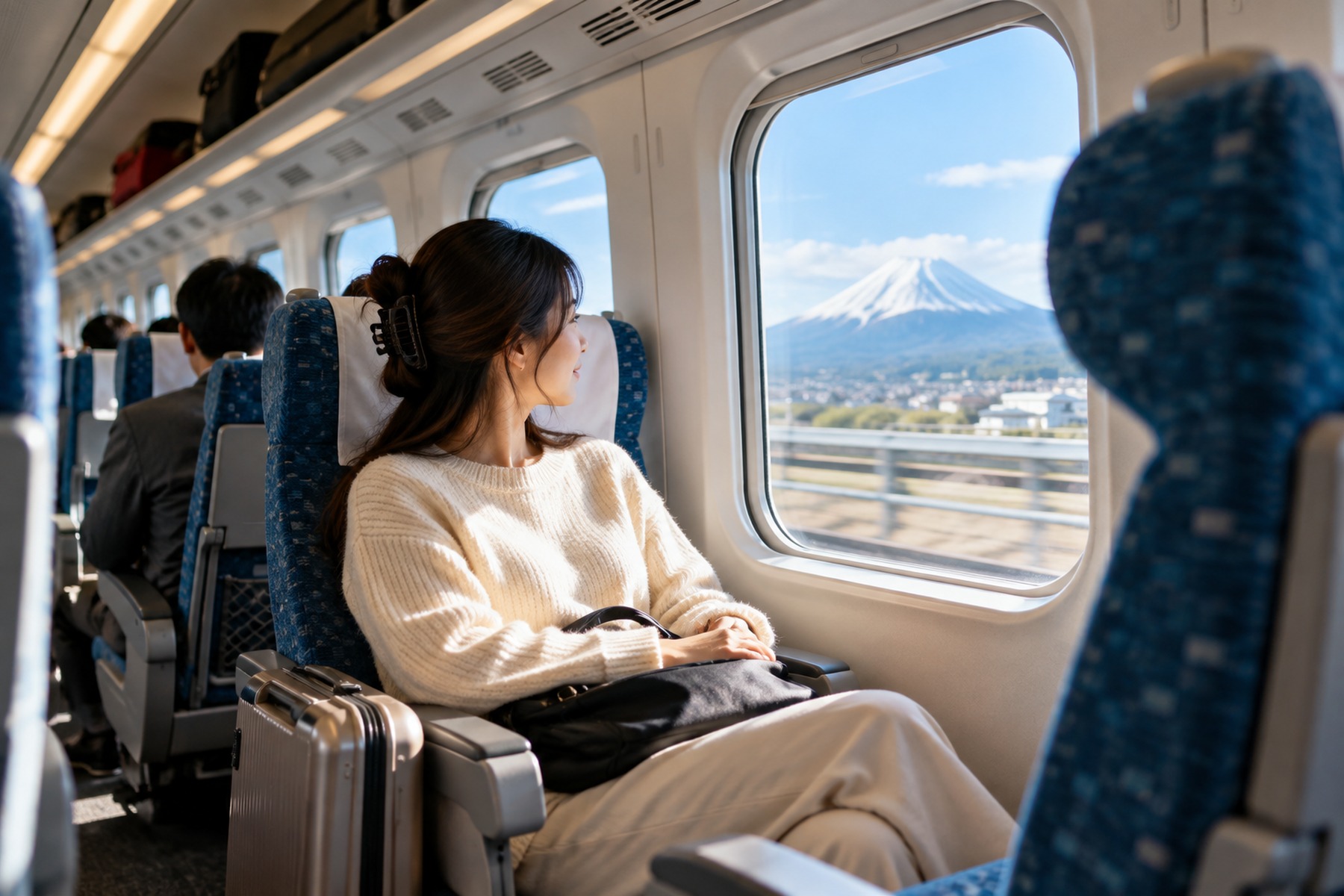
For one or two major Shinkansen journeys, individual tickets are usually cheaper. A Japan Rail Pass becomes more competitive when you pack several expensive JR long-distance trips into the same 7-, 14- or 21-day validity window and will also use covered JR local trains. After the latest price change, first compare your exact itinerary against the purchase channel you will actually use, because overseas agency prices are now higher while the official online reservation service is temporarily holding its previous prices.
What You’ll Learn
- How the latest overseas-agency price increase changes the break-even point.
- When individual Shinkansen tickets are clearly cheaper than a national pass.
- How Nozomi and Mizuho supplements can change the value of a pass.
- A simple itinerary test to run before paying for either option.
What changed in October
The latest change affects Japan Rail Passes bought through overseas JR-designated sales offices and agencies. For adult Standard Car passes, the new overseas-agency prices are ¥53,000 for 7 days, ¥84,000 for 14 days and ¥105,000 for 21 days. Adult Green Car prices are ¥74,000, ¥116,000 and ¥147,000.
The important wrinkle is that the official JAPAN RAIL PASS Reservation online service did not increase its prices at the same time. JR says the online prices are temporarily being held at ¥50,000, ¥80,000 and ¥100,000 for adult Standard Car passes, and ¥70,000, ¥110,000 and ¥140,000 for Green Car passes. JR has not announced when that temporary online price freeze will end.
That means there is no single break-even number unless you first decide where you will buy the pass. Compare your trip against the price channel you can actually use, not an old headline price from a travel blog.
- Overseas agency Standard Car: ¥53,000 / ¥84,000 / ¥105,000.
- Official online Standard Car, temporarily unchanged: ¥50,000 / ¥80,000 / ¥100,000.
- The purchase and usage procedures themselves did not change with this price adjustment.
The fastest break-even rule
Add the individual cost of every expensive JR leg you genuinely plan to take during the same pass window. Then add only the JR local trips you are realistically likely to use. Do not inflate the calculation with subways, private railways or airport services that are not covered.
As a reality check, the standard SmartEX regular-season fare for an adult reserved-seat Nozomi between Tokyo and Shin-Osaka is about ¥14,520 one way before seasonal adjustments. A simple return trip is therefore around ¥29,000, still far below either 7-day national-pass price. Tokyo–Kyoto is slightly lower. This is why a basic Tokyo–Kyoto–Osaka itinerary usually does not justify a nationwide pass on price alone.
If your individual-ticket total is comfortably below the pass price, buy individual tickets. If it is close, ask whether the pass gives you enough extra value through flexible rerouting, extra JR day trips and included eligible seat reservations. If your realistic covered trips clearly exceed the pass price, the pass becomes much easier to justify.
- Start with expensive intercity legs, not city transport.
- Use current official or booking-service fares for your actual travel dates.
- Treat flexibility as a benefit only if you are likely to use it.
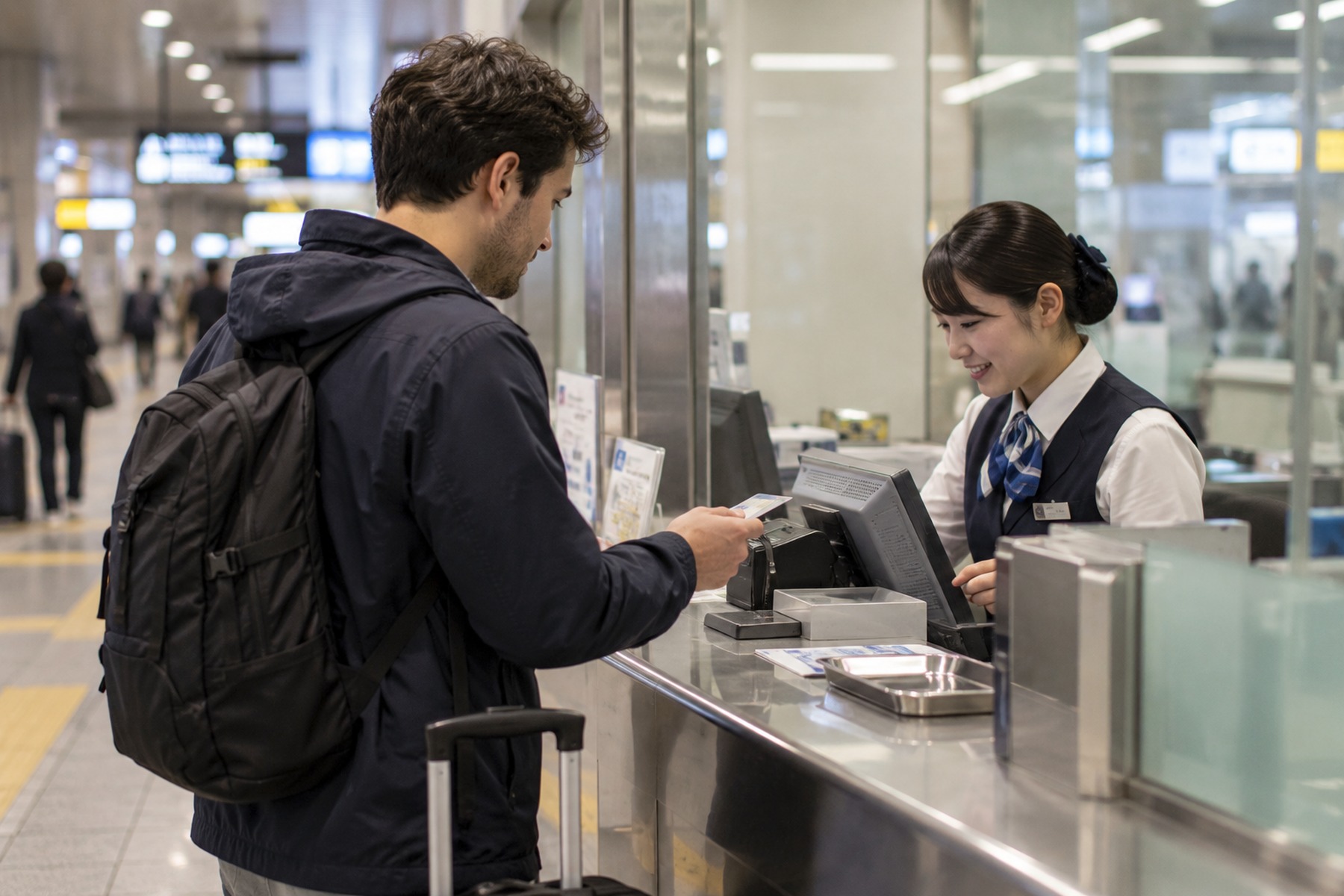
When the Japan Rail Pass is usually the better fit
The national pass is strongest on compressed, rail-heavy itineraries. Think of travelers who cross several regions in a short period rather than visitors making one return journey from Tokyo.
A pass also reduces the mental cost of changing plans. If bad weather, fatigue or a new idea causes you to move an eligible JR journey to another day within the validity period, you are not re-buying the base trip from scratch. That flexibility can matter even when the pure yen saving is modest.
The pass can cover JR Shinkansen services other than Nozomi and Mizuho without the special add-on, plus eligible JR limited express, rapid and local trains, some JR buses, the Tokyo Monorail and the JR-West Miyajima ferry under the official scope rules.
- Several long-distance JR trips fall inside one continuous pass window.
- You expect to add meaningful JR side trips rather than staying in one region.
- You value the ability to change covered journeys without rebuilding the whole ticket plan.
When individual Shinkansen tickets are usually better
Individual tickets are usually the cleaner choice when your itinerary has only one or two expensive Shinkansen legs, when you fly into one region and out of another, or when much of your travel uses subways and private railways rather than JR.
They are also attractive if you want to ride Nozomi as your default on the Tokaido and Sanyo routes. SmartEX sells Nozomi, Hikari, Kodama and other eligible Shinkansen services directly, and reserved-seat fares can vary by season. Advance-purchase products may also be available on some routes and dates.
With individual tickets, you pay for the trips you know you will take. That makes them easier to justify for slower itineraries with long stays in Tokyo, Kyoto or Osaka.
- Tokyo–Kyoto or Tokyo–Osaka plus mostly local sightseeing.
- Open-jaw trips with a domestic flight replacing one long rail leg.
- Travelers who prioritize the fastest Nozomi services without a pass-specific supplement.
A practical itinerary test
Do not ask whether you are visiting three, four or five cities. Ask how many expensive covered rail segments you are actually buying. City count can be misleading because Tokyo–Yokohama and Kyoto–Osaka are cheap compared with a cross-country Shinkansen leg.
Build a short list with columns for route, date, train, individual fare and whether the national pass covers it without an extra ticket. Price the long-distance legs first. Then compare the total against both the current official-online pass price and the overseas-agency price if both channels are relevant to you.
If the result is close, run the calculation twice: once for your minimum itinerary and once for a realistic extra-trip itinerary. The gap shows how much flexibility you are really buying.
- Minimum plan: only trips you are certain to take.
- Likely plan: add realistic JR side trips.
- Do not count hypothetical rides just to make the pass look cheaper.
Nozomi and Mizuho can change the calculation
A nationwide pass does not by itself cover Nozomi or Mizuho seats on the Tokaido, Sanyo and Kyushu Shinkansen. Pass holders can use those trains only by buying the dedicated NOZOMI MIZUHO Ticket before boarding.
The supplement is material on common tourist routes. JR lists ¥4,960 for Tokyo–Kyoto and Tokyo–Shin-Osaka, and ¥6,500 for Tokyo–Hiroshima. If your itinerary relies heavily on the fastest services, add those costs before declaring the pass a winner.
If you are comfortable using Hikari, Sakura, Kodama or other covered services where applicable, the pass can avoid those add-ons. The time trade-off varies by route and timetable.
- Tokyo–Kyoto Nozomi/Mizuho pass-holder add-on: ¥4,960.
- Tokyo–Shin-Osaka add-on: ¥4,960.
- Tokyo–Hiroshima add-on: ¥6,500.
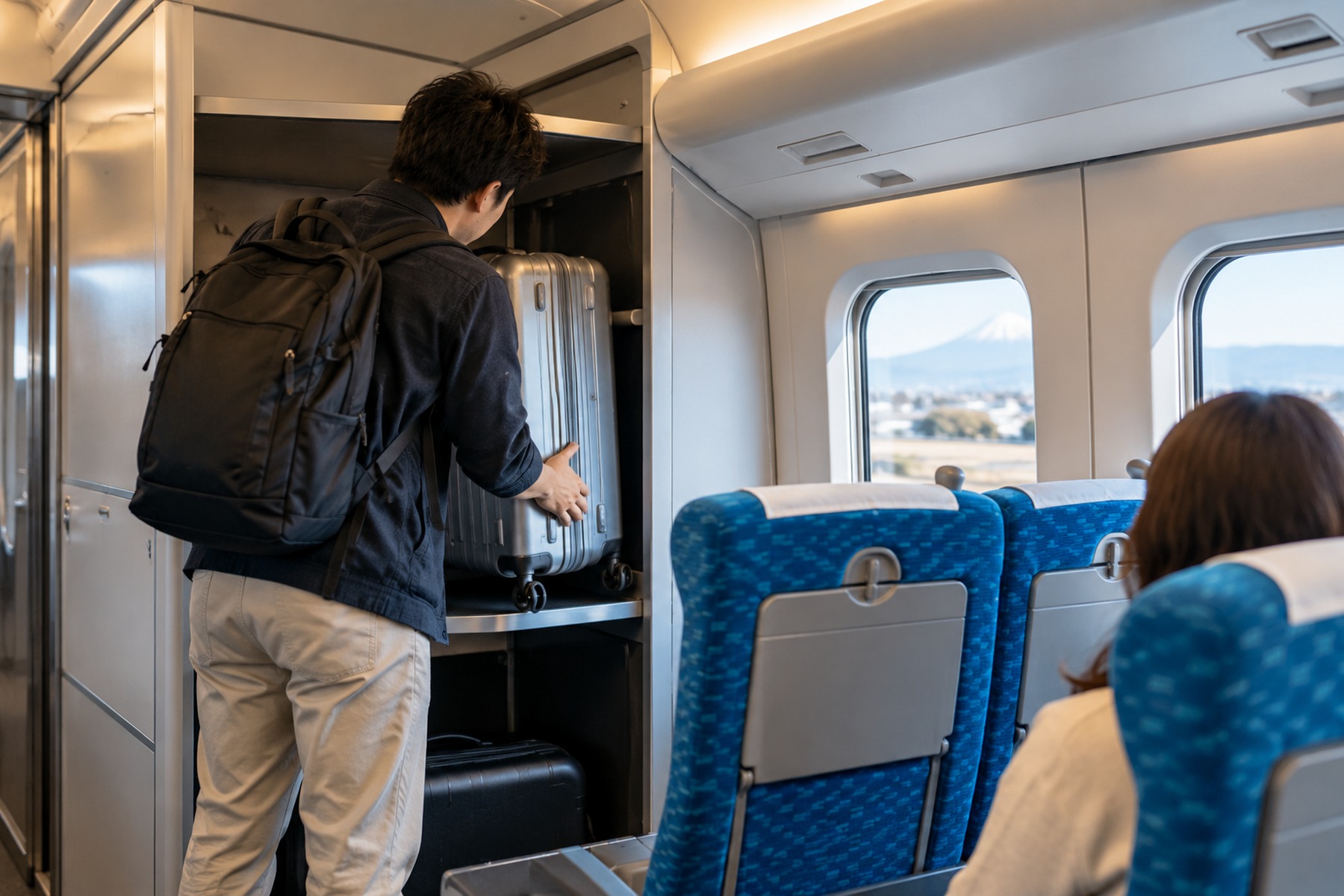
Buying online versus through an overseas agency
The latest price structure makes the purchase channel part of the decision. JR says the official online reservation service is temporarily keeping the earlier prices while overseas designated agencies have moved to the higher schedule.
Buying through the official online service also has a planning advantage: JR states that online purchasers can reserve seats before picking up the physical pass. An overseas agency may still make sense if you prefer local-language support or a familiar travel seller, but the higher pass price should be included in the comparison.
Check eligibility before paying. The pass is restricted to eligible overseas visitors, including travelers entering Japan with Temporary Visitor status under the standard tourist eligibility rules. Individual Shinkansen tickets do not have that tourist-only eligibility requirement.
- Confirm your eligibility before purchasing a pass.
- Compare the price from the exact channel you intend to use.
- Do not assume an agency price and the official online price are identical.
Costs the simple calculator can miss
A rail-pass comparison can fail when it treats every train in Japan as JR. Tokyo Metro, Toei Subway and many private railways are separate. The same is true for various non-JR airport and regional services.
Individual-ticket calculations can also be understated if they ignore conventional JR travel before or after a Shinkansen segment. SmartEX notes that its basic service combines the Shinkansen fare and limited-express portion for the booked section, while conventional-train travel to or from the Shinkansen station may need separate payment.
Luggage, seat choice and peak-period reservation rules can also influence which option feels easier even if the fare totals are close. Cost is the first filter, not the only one.
- Separate JR-covered travel from subway and private-rail travel.
- Check seasonal reserved-seat pricing on your exact dates.
- Allow a margin for itinerary changes instead of forcing a break-even to the last yen.
Use this decision checklist before you buy
Choose individual tickets if your trip has only a few expensive rail legs and the total remains well below the pass price. Choose the national pass when a realistic set of covered journeys clearly reaches or exceeds the relevant pass price, especially if you value easy changes and extra JR trips.
If the numbers are close, compare the official online pass price first, then repeat the calculation using the overseas-agency price if that is where you plan to buy. Finally, add any Nozomi or Mizuho supplements you expect to use.
The strongest decision is not the pass is always worth it or the pass is never worth it. It is a route-by-route calculation based on your actual travel window.
- List every long-distance JR leg inside the pass window.
- Price those legs individually for your travel dates.
- Add expected Nozomi/Mizuho supplements to the pass side.
- Exclude transport the pass does not cover.
- Buy the option with the better total value for your actual itinerary.
FAQ
Did every Japan Rail Pass price increase in October?
No. JR increased the prices sold through overseas designated sales offices and agencies. The official online JAPAN RAIL PASS Reservation service temporarily kept its previous prices, and JR says the end of that price-freeze period will be announced later.
Is a 7-day Japan Rail Pass worth it for Tokyo and Kyoto only?
Usually not on fare alone. A Tokyo–Kyoto return trip is far below the current 7-day national-pass price. The pass needs additional expensive covered JR journeys, or enough flexibility value, to close that gap.
Can I ride Nozomi with a Japan Rail Pass?
Yes, but not with the pass alone. You must buy the dedicated NOZOMI MIZUHO Ticket for the relevant section before boarding and use it together with a valid Japan Rail Pass.
Does the Japan Rail Pass cover Tokyo subways?
No. The national pass covers eligible JR services, but Tokyo Metro and Toei Subway are separate systems. Do not add subway fares to the value of the pass when calculating break-even.
Is buying individual Shinkansen tickets difficult?
Not usually. Tickets can be bought through official online services such as SmartEX on covered routes, ticket machines and station counters. Individual tickets can be simpler when you have only a few fixed long-distance journeys.
Related Japan Travel Guides

Official References

Final Thoughts
The price change makes one rule more important than ever: calculate before you buy. For a simple Tokyo–Kyoto–Osaka trip, individual Shinkansen tickets usually leave a large margin. For a fast multi-region itinerary with several expensive JR legs, the national pass can still make sense—especially when flexibility matters. Use the price from your actual purchase channel, add any Nozomi or Mizuho supplements, and compare only the travel you are realistically going to take.