Introduction
Airbnb and apartment-style stays can be useful in Japan, especially for families, longer trips, groups, or travelers who want more space than a small hotel room.
However, Airbnb in Japan is not exactly the same as in every other country. Short-term rentals are regulated, check-in may be self-service, rules can be strict, and some properties are located in quiet residential buildings.
For first-time visitors, the most important rule is simple: do not book only by price. Check location, legal listing details, check-in instructions, house rules, luggage space, and recent reviews.
This guide explains how Airbnb works in Japan, when it is useful, and what travelers should check before booking.
Is Airbnb Legal in Japan?
Yes, Airbnb and private lodging can be legal in Japan, but listings must follow Japanese rules.
Many short-term rentals operate under Japan’s private lodging system, often called minpaku. Legal listings should have proper registration or licensing information.
This matters because illegal or unclear listings can cause problems, including cancellation, check-in trouble, or complaints from the building.
Before booking, check whether the listing looks properly registered and professionally managed.
If the listing has very few details, strange instructions, or unclear address information, be careful.
Who Should Use Airbnb in Japan?
Airbnb can be a good choice for:
- Families
- Groups
- Longer stays
- Travelers who want a kitchen
- People who need laundry
- Visitors who want more space
- Travelers staying outside hotel-heavy areas
It may be less ideal for:
- First-time solo travelers
- Very short stays
- Late-night arrivals
- Travelers with large luggage
- People who want front desk support
- Anyone uncomfortable with self check-in
Hotels are usually easier. Airbnb can be better when space and home-style facilities matter.
【Image①】
Location Matters
Location is the most important part of booking an Airbnb in Japan.
A cheap apartment far from a useful station can make your trip harder every day.
Before booking, check:
- Nearest station
- Walking distance
- Train lines nearby
- Stairs or hills
- Convenience stores nearby
- Safety at night
- Distance from sightseeing areas
- Airport access
- Luggage-friendly route
A place that says “near Shinjuku” may still be far from Shinjuku Station.
Always check the actual map location carefully.
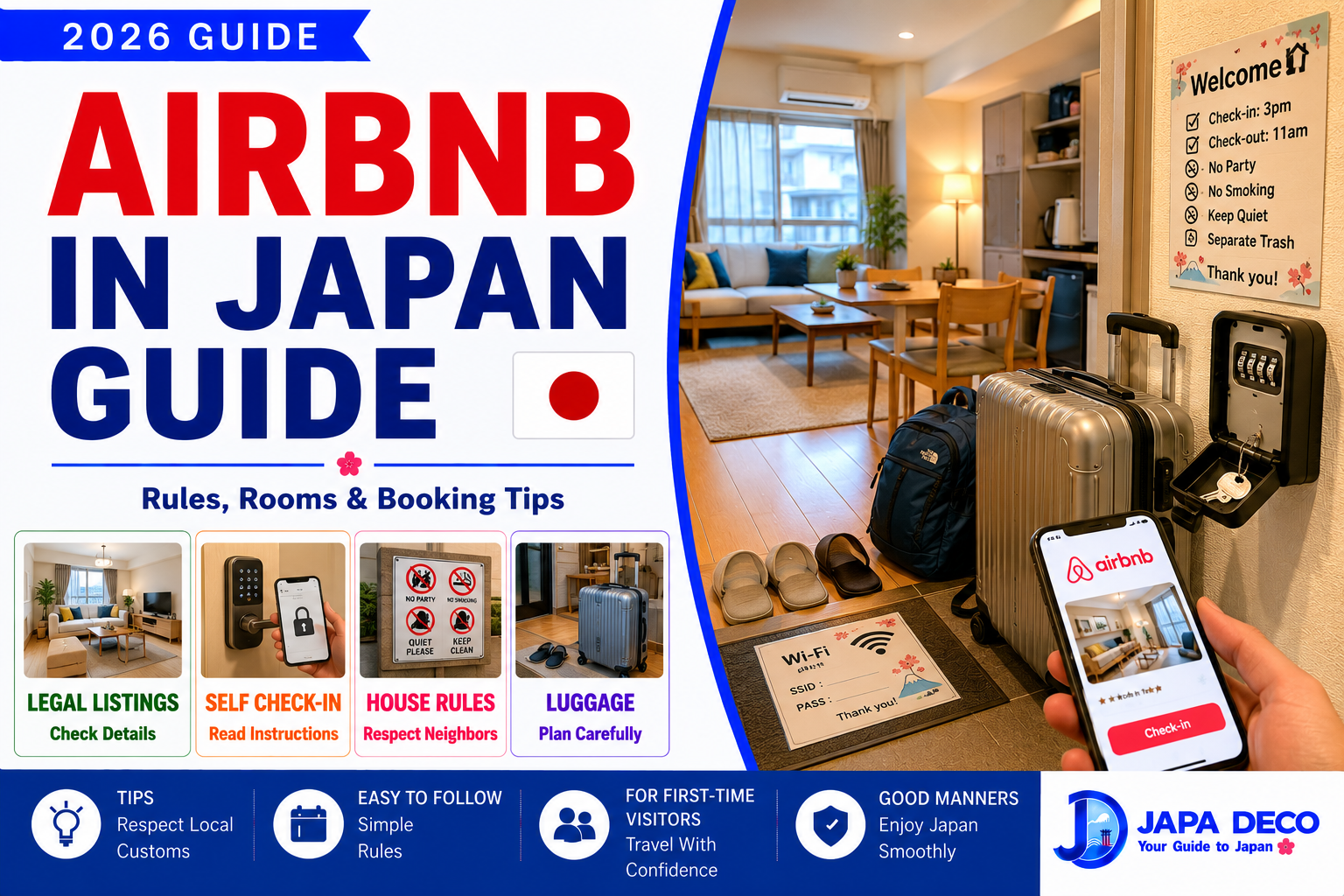
Self Check-In
Many Airbnb-style stays in Japan use self check-in.
This may involve:
- Key box
- Smart lock
- Door code
- Tablet check-in
- Online guest registration
- Photo ID upload
- Detailed PDF instructions
Read the check-in instructions before arrival.
Do not wait until you are standing outside the building at night with luggage.
If the instructions are confusing, ask the host before your travel day.
Self check-in can be convenient, but only if you understand the steps clearly.
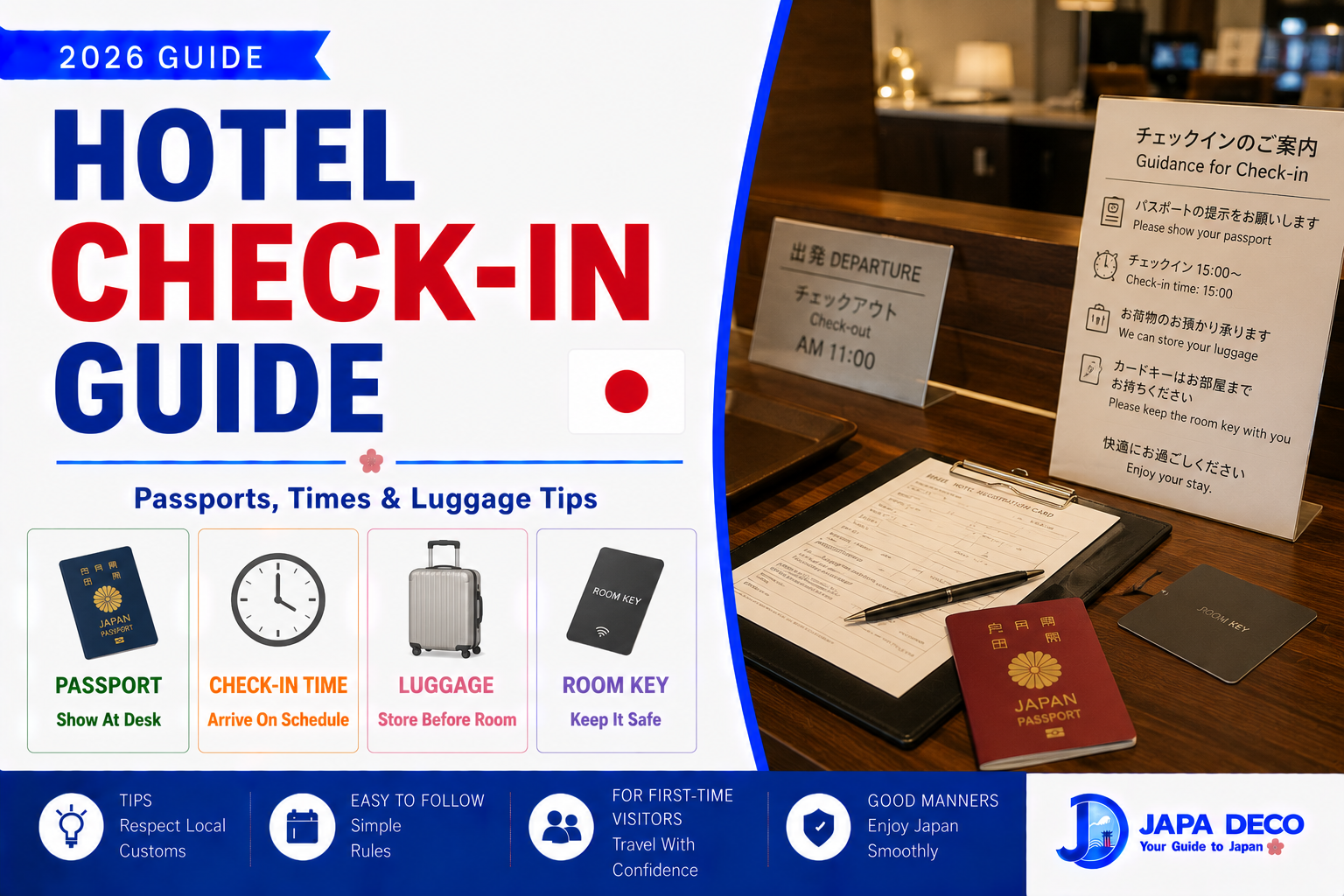
Passport and Guest Information
Hosts may ask for passport or guest information.
This can feel unusual, but accommodation operators in Japan often need guest information for lodging records.
Before sending anything, make sure the request is through the official booking platform or a trusted communication method.
Be careful with suspicious links outside the platform.
If something feels strange, contact platform support.
House Rules
House rules are very important in Japanese apartment stays.
Common rules include:
- Keep noise low
- Remove shoes indoors
- Separate trash properly
- No parties
- No smoking
- No extra guests
- No loud balcony use
- Follow check-out steps
- Do not disturb neighbors
Many Airbnbs are in normal residential buildings.
Neighbors may not be tourists. Loud noise, hallway conversations, or incorrect trash disposal can cause complaints.
Respecting house rules is part of staying smoothly in Japan.
【Image②】
Trash Rules
Trash rules in Japan can be strict.
Some apartments require separation of:
- Burnable trash
- Plastic
- Cans
- Bottles
- PET bottles
- Paper
- Large trash
Do not throw garbage randomly in the building.
Follow the host’s instructions.
If the rules are confusing, keep trash neatly inside the room and ask the host what to do.
Incorrect trash disposal is one of the most common problems for apartment stays.
Luggage Issues
Airbnb can be less convenient than hotels for luggage.
Many properties do not offer luggage storage before check-in or after check-out.
This matters if:
- You arrive early
- Your flight leaves late
- You are moving between cities
- You have large suitcases
- The building has no elevator
Before booking, check:
- Elevator availability
- Floor number
- Luggage storage rules
- Check-in time
- Check-out time
- Nearby coin lockers
- Nearby luggage storage services
If you have big bags, a hotel may be easier.
Room Size and Beds
Airbnb rooms may look larger in photos than they feel in real life.
Check:
- Number of beds
- Bed size
- Futon or mattress style
- Sofa bed rules
- Space for luggage
- Bathroom size
- Kitchen size
- Number of toilets
- Number of showers
For groups, do not only count “sleeps 4.”
Check whether everyone gets a proper bed or whether some guests must use a sofa bed or futon.
Kitchens and Laundry
One advantage of Airbnb is access to home facilities.
A kitchen can help with:
- Breakfast
- Snacks
- Baby food
- Simple meals
- Longer stays
- Dietary restrictions
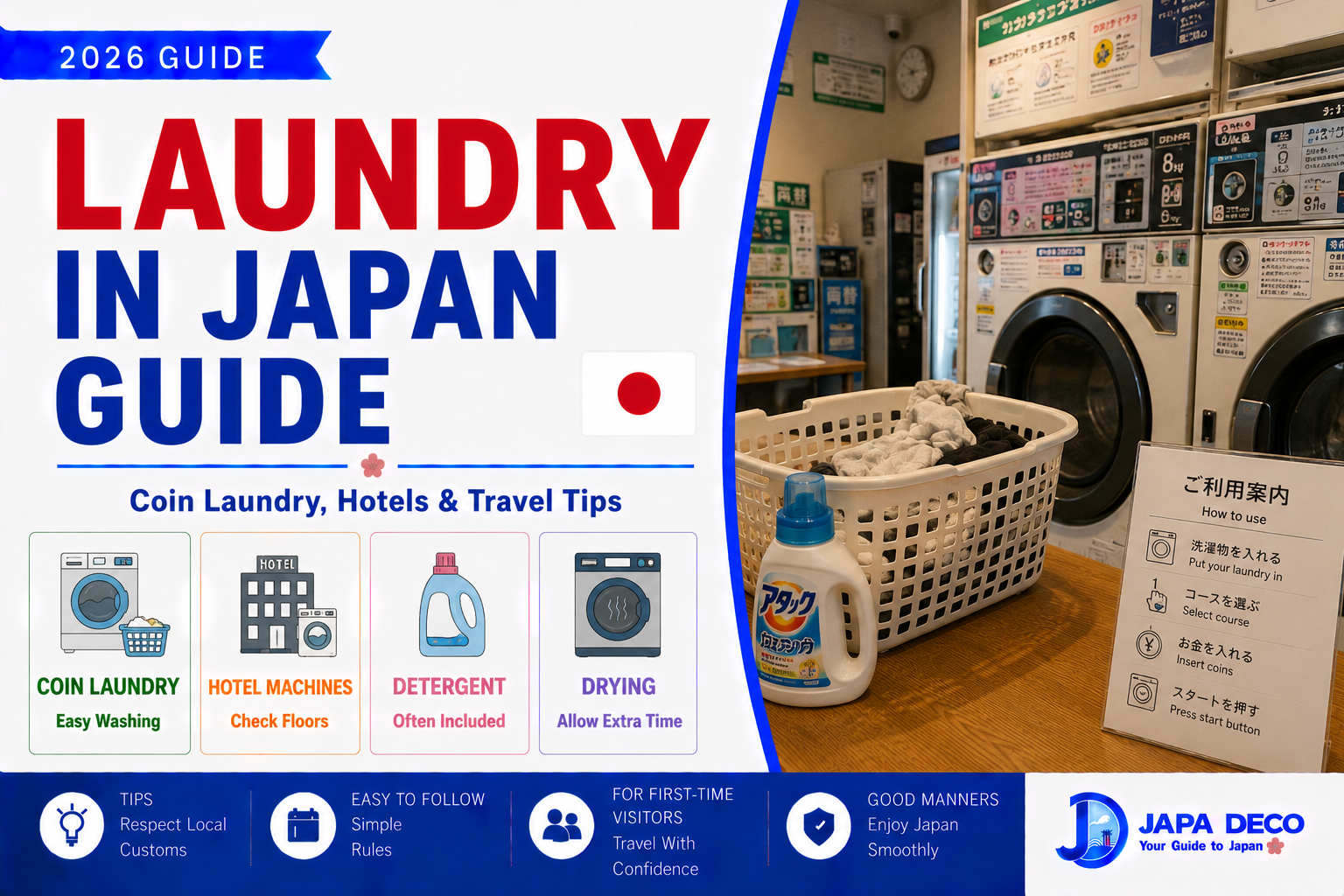
Laundry is also very useful in Japan, especially during summer or long trips.
But check carefully. Some listings have a washing machine but no dryer.
Clothes may need to air dry.
If laundry is important, confirm the details before booking.
【Image③】
Airbnb vs Hotel
Choose Airbnb if you want:
- More space
- Kitchen
- Laundry
- Group stay
- Apartment experience
- Longer stay
Choose a hotel if you want:
- Front desk support
- Easy check-in
- Luggage storage
- Daily cleaning
- Clear location
- More reliable service
- Better support during problems
For first-time visitors, hotels are usually easier.
For families or longer stays, Airbnb can be very practical.
Common Mistakes to Avoid
The biggest mistake is booking only because the price is cheap.
Another mistake is ignoring the check-in instructions.
Some travelers also forget to check whether there is an elevator.
Do not assume luggage storage is available.
Do not ignore house rules, especially noise and trash.
Also, check recent reviews. Old good reviews are not enough if recent guests mention problems.
Best Recommendation for First-Time Visitors
For your first Japan trip, Airbnb can work well if you choose carefully.
Look for:
- Clear legal details
- Many recent reviews
- Good station access
- Easy check-in instructions
- Elevator if needed
- Clear trash rules
- Good host communication
- Enough space for luggage
- Convenience store nearby
If your arrival is late at night or your schedule is tight, a hotel may be safer.
If you are staying several nights with family or a group, Airbnb may be worth it.
Conclusion
Airbnb in Japan can be a very useful option, but it requires more checking than a normal hotel.
The biggest points are legality, location, self check-in, house rules, luggage, and recent reviews.
Hotels are usually easier for short stays and first-time arrivals. Airbnb can be better for families, groups, longer stays, kitchens, and laundry.
Before booking, read everything carefully. Check the map, station access, elevator, check-in method, trash rules, and cancellation policy.
If you choose well, an Airbnb stay in Japan can be comfortable, practical, and a good alternative to small hotel rooms.
コメント