
First Time in Japan Guide: A Practical Plan for Your First Trip
A practical first-time Japan guide covering entry preparation, trip length, hotels, money, mobile data, trains, luggage, food, etiquette, safety and an easy first-day plan.
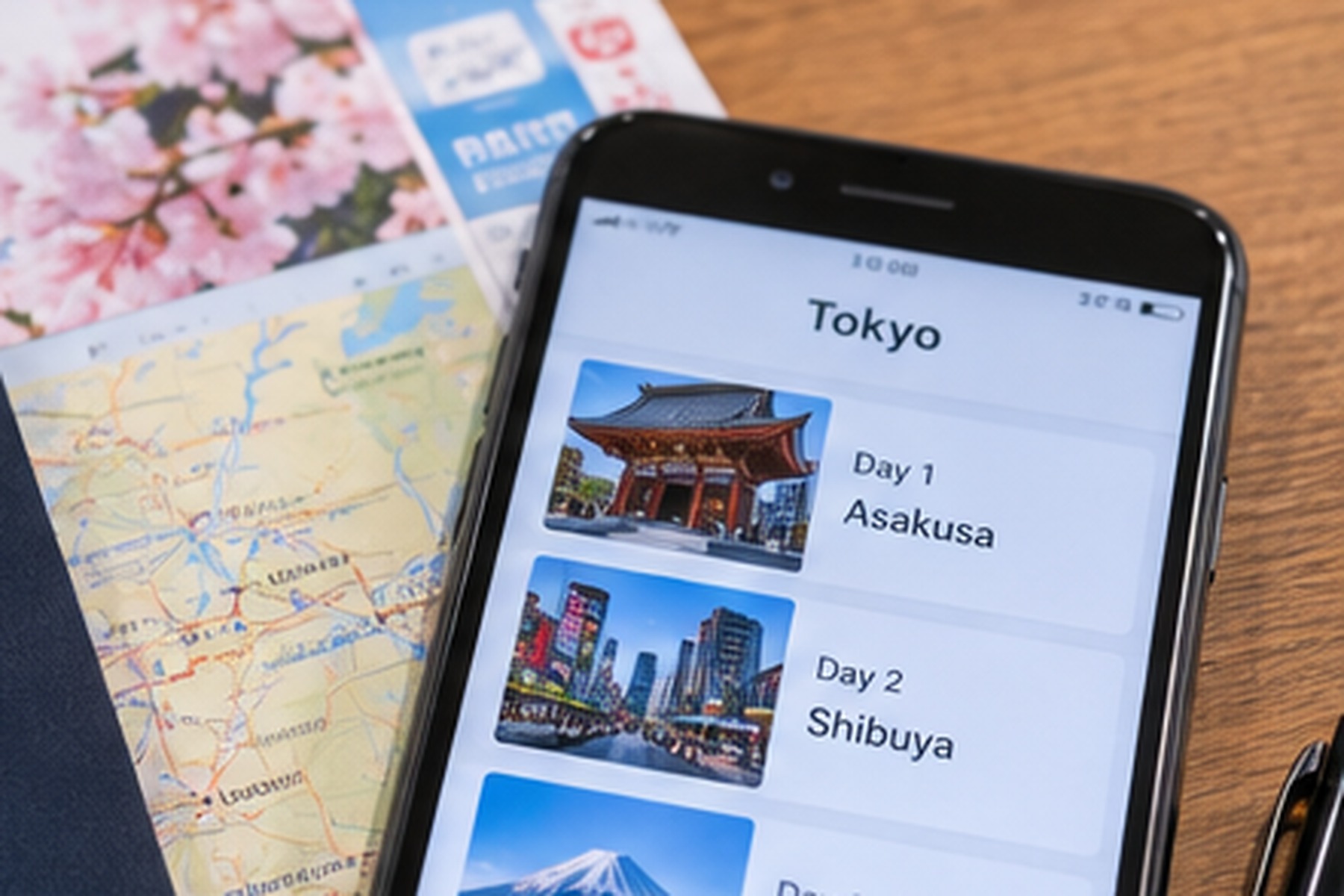
For a first trip to Japan, keep the route simple, stay near useful stations, arrange mobile data before arrival, carry both a card and some yen, and use an IC card for many local journeys and small purchases. Confirm passport and visa requirements with Japan’s Ministry of Foreign Affairs, use the official Visit Japan Web service when useful for arrival procedures, check medication rules before flying, and avoid packing too many cities into one trip.
What You’ll Learn
- How to prepare entry, money, internet and transport before departure
- How many places to include without turning the trip into constant transit
- How to choose hotels, trains, luggage options and everyday food
- Which mistakes first-time visitors can avoid with a few simple habits
Start With a Simple Route, Not a Huge Checklist
A first Japan trip becomes much easier when you decide the route before worrying about small details. Tokyo, Kyoto and Osaka are popular because they combine modern city life, traditional neighborhoods, food and strong transport links, but you do not need all three on a short trip.
Every hotel change creates packing, checkout, transport and check-in time. Fewer bases usually mean more useful sightseeing hours and more room for weather, fatigue or an unexpected place you want to stay longer.
- Short trip: one main city plus an easy side trip can be enough.
- Medium trip: two or three bases are usually more comfortable than constant hotel changes.
- Longer trip: add another region only when the transfer improves the trip rather than just the map.
- Plan around nights and travel time, not only a list of attractions.
Check Entry Rules Before You Book Around Them
Visa requirements depend on nationality, passport type, purpose of travel and length of stay. Some travelers qualify for short-stay visa exemption while others need a visa or may be eligible for the official JAPAN eVISA system. Use the Ministry of Foreign Affairs as the source of truth rather than an old list copied by a travel site.
Visit Japan Web is the Japanese government’s official online service for supported arrival procedures including immigration and customs information. It can reduce friction after landing, but it does not replace a visa when a visa is required.
- Check the Ministry of Foreign Affairs visa information for your passport.
- Use only the official Visit Japan Web service.
- Keep your first accommodation address and contact details accessible.
- Save important arrival information offline in case airport data is slow.
How Many Days Do You Need?
There is no ideal number for everyone, but the first trip should have enough time to recover from the flight and still experience neighborhoods instead of only transport hubs. A rushed schedule can make Japan feel harder than it is.
Use nights rather than calendar labels when planning. Two nights in a city can mean only one full day once arrival and departure time are removed.
- Around one week: focus on Tokyo plus one additional area, or Kansai plus nearby day trips.
- Around ten days: Tokyo, Kyoto and Osaka can work at a moderate pace.
- Around two weeks: the classic route can support one additional region if transfers are sensible.
- Leave one flexible block for weather, shopping, rest or a place you discover after arrival.
Choose the Hotel for Transport, Not Only Price
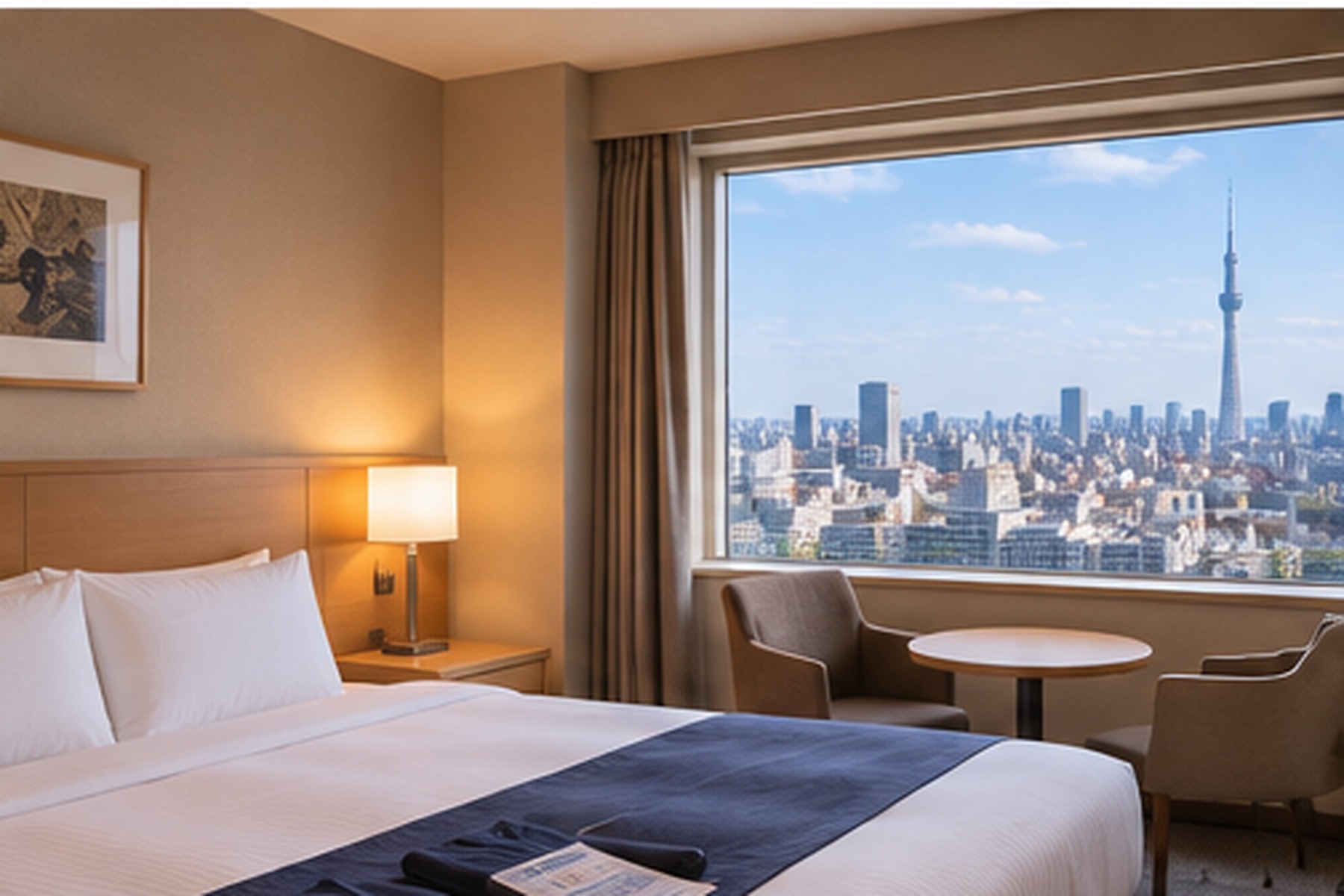
A cheap room can cost you time every morning and evening if it is far from the station you actually need. For a first trip, location is often worth paying slightly more for because it reduces transfers, long walks with luggage and late-night navigation.
Check the nearest station, useful lines, station exit, walking distance, room size, luggage storage and airport access. In very large stations, a hotel that is technically nearby can still be inconvenient if the useful exit is far away.
- Tokyo: prioritize the line and neighborhood that fit your sightseeing pattern.
- Kyoto: station access matters if you have day trips or large luggage.
- Osaka: choose between transport convenience and nightlife depending on your plans.
- Read the room-size and bed-size details before booking.
Carry Both Cash and Cards
International cards are widely accepted across Japan, but cash remains useful for smaller businesses, some ticket machines, local shops and backup when a foreign card is declined. JNTO specifically recommends keeping cash available as an alternative to card payment.
A resilient setup is one primary card, one backup card stored separately and a modest amount of yen. Seven Bank and Japan Post Bank ATMs are among the commonly used withdrawal options for overseas cards.
- Do not keep every card and all cash in the same wallet.
- Check your bank’s overseas-use settings before departure.
- Withdraw from established bank or convenience-store ATMs.
- Keep enough yen for transport, food and one unexpected cash-only purchase.
Arrange Mobile Data Before You Need It
Mobile data reduces friction everywhere: airport transfers, train changes, maps, translation, restaurant searches, ticket confirmations and emergency information. An eSIM is usually the simplest option for a solo traveler with a compatible unlocked phone, while pocket WiFi can suit groups or several devices.
Do not make free public Wi-Fi your only plan. Save your hotel address, key bookings and the next transfer route offline so a dead battery, weak signal or account problem does not stop the day.
- Check whether your phone is unlocked and eSIM-compatible.
- Install or activate the service before the day you travel when possible.
- Carry a power bank if your phone is your map, ticket wallet and translator.
- Keep one offline copy of your first hotel address.
Use an IC Card for Local Transport
Prepaid IC cards such as Suica, PASMO and regional equivalents make many local train, subway and bus trips easier because you can tap in and out instead of buying a separate ticket each time. They can also be used at many convenience stores, vending machines and other locations displaying compatible IC payment marks.
Visitor-oriented IC options and mobile versions are available, but sales locations, validity periods and device compatibility can change. Check the official issuer before the trip rather than relying on an old screenshot.
- Use IC cards for ordinary local journeys when the route accepts them.
- Do not assume an IC card alone covers reserved or long-distance rail.
- Top up before a long day instead of waiting until a busy gate.
- If the gate rejects the card, use the staffed gate rather than repeatedly tapping.
Treat Shinkansen Tickets as a Separate Decision
Long-distance rail is different from ordinary local transport. For routes such as Tokyo to Kyoto or Osaka, compare the actual single-ticket cost, your number of long-distance trips and any pass that genuinely matches the itinerary.
The nationwide Japan Rail Pass is not automatically the best choice for a first trip. A point-to-point ticket or a regional pass can be better depending on the route, so make the decision after the itinerary is stable rather than buying a pass first and designing the trip around it.
- Confirm the train, date, seat type and station before payment.
- Reserve when your schedule or luggage makes certainty valuable.
- Compare a pass against the journeys you will actually take.
- Allow extra transfer time in Tokyo, Shin-Osaka and Kyoto on your first long-distance day.
Do Not Drag a Large Suitcase Everywhere
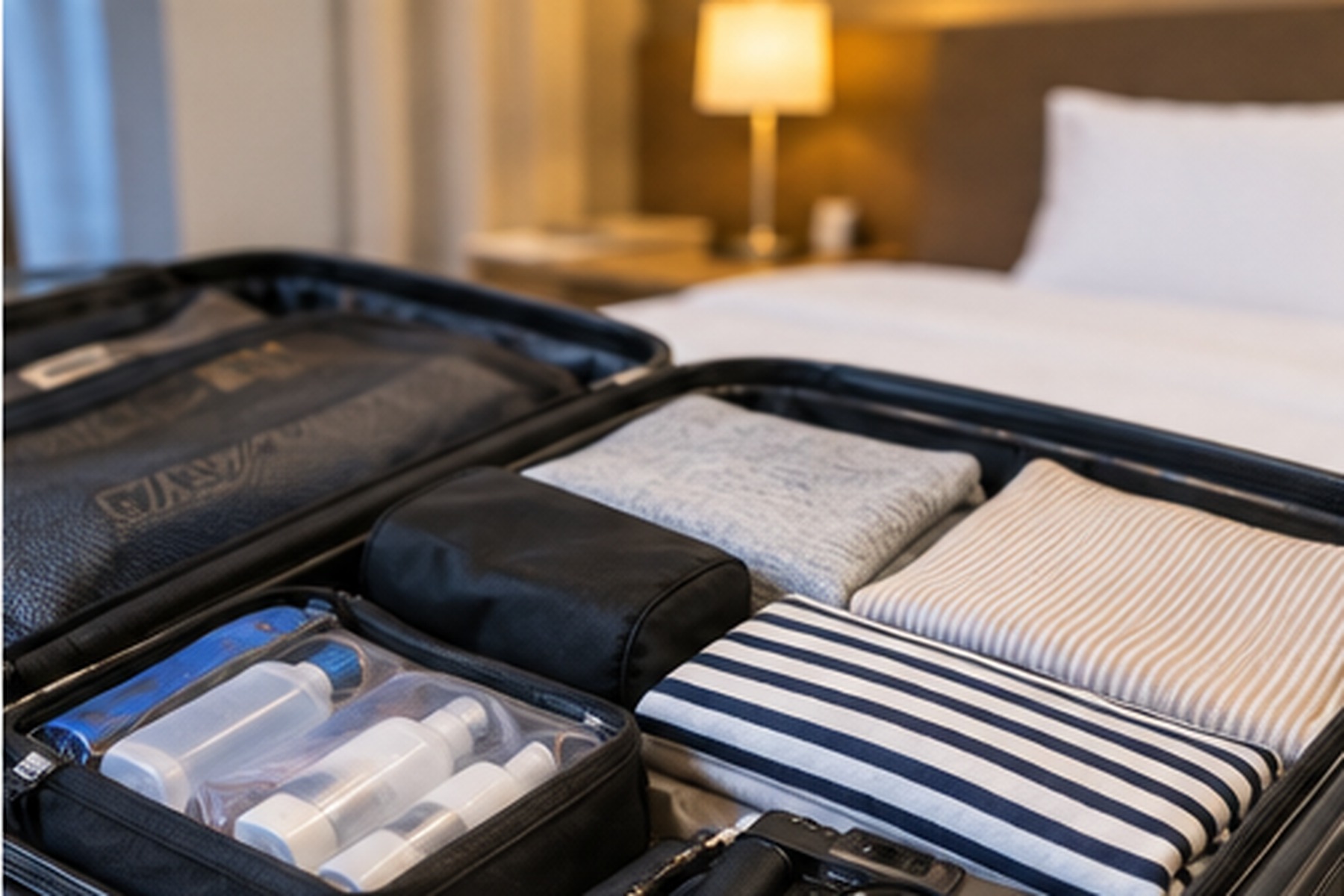
Large bags create unnecessary stress in stations, on crowded trains and during hotel changes. Japan has extensive luggage storage and forwarding services, and JNTO recommends hands-free travel as a practical way to reduce the burden of moving with heavy bags.
Coin lockers are useful for shorter stops, while luggage forwarding can work between many airports, hotels and supported counters. Service limits and delivery timing vary, so keep essentials with you and confirm when the bag is expected to arrive.
- Keep your passport, medication, valuables and one basic change of clothes with you.
- Use forwarding when a major transfer would be easier without the suitcase.
- Do not assume a large locker will be available at a busy station.
- Send bags early enough that a delay would not ruin the next day.
Food Is Easier Than It Looks
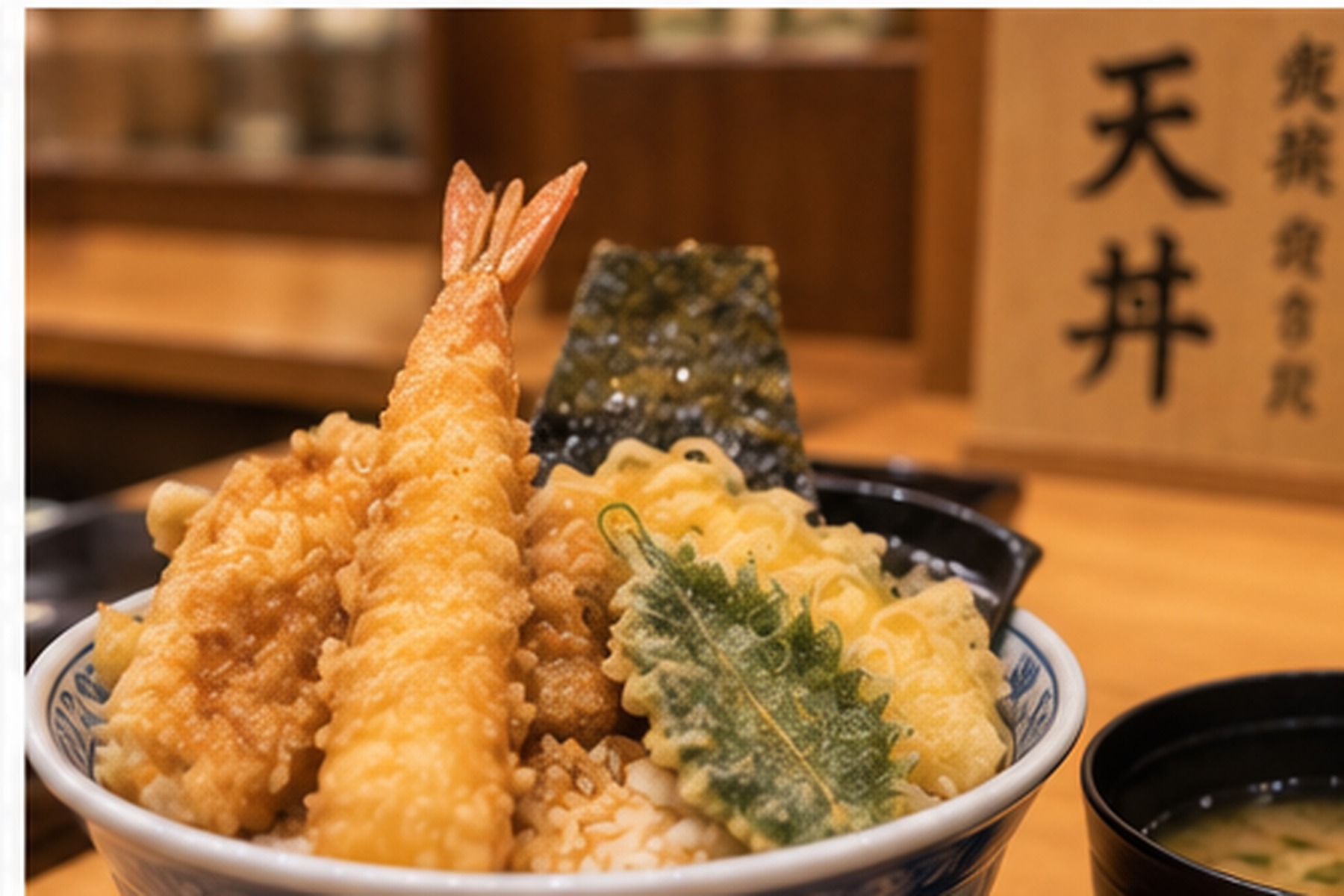
First-time visitors do not need perfect Japanese to eat well. Chain restaurants, ticket machines, picture menus, touch panels, convenience stores and department-store food halls give you many low-pressure options while you build confidence.
For allergies or strict dietary needs, appearance is not enough. Sauces, dashi, processed ingredients and shared preparation can matter, so check current ingredient information and use a clear translated allergy or dietary note when necessary.
- Use one easy meal early in the trip to learn how local ordering systems work.
- Try convenience-store breakfast when you have an early departure.
- Do not queue for every famous restaurant just because it appears on social media.
- Keep one reliable backup food option near your hotel.
Learn a Few Etiquette Habits, Not Hundreds of Rules
You do not need to memorize every custom. Queue where marked, keep your voice low on public transport, avoid blocking doors and narrow paths, follow photography signs, and respect spaces that are clearly private or residential.
Eating while walking is not banned everywhere, but some busy markets and sightseeing streets ask visitors to eat near the shop or in designated areas. Local signs and the behavior of the venue matter more than one blanket rule.
- Stand aside before checking your phone in a busy station.
- Keep luggage out of aisles and doorways.
- Do not photograph people closely without permission.
- Carry your trash until you find a proper disposal point.
Prepare for Illness, Medication and Emergencies
Japan has specific rules for bringing medicines into the country. The Ministry of Health, Labour and Welfare states that procedures depend on the medicine and quantity, and some controlled substances require advance permission or cannot be imported. Check the active ingredient and quantity before departure, not only the product brand.
For urgent police assistance call 110; for fire or ambulance call 119. JNTO operates the Japan Visitor Hotline for international visitors who need assistance during accidents, illness or natural disasters.
- Check medication import rules before packing prescription or controlled drugs.
- Keep insurance information and emergency contacts accessible offline.
- Save 110 and 119 in your phone and written notes.
- Follow official railway, local-government and weather alerts during disruptions.
Your First Day Should Be Deliberately Easy
Jet lag, an unfamiliar station and a heavy bag can make an otherwise simple arrival feel difficult. Keep the first day focused on reaching the hotel, getting cash if needed, confirming mobile data and learning the immediate neighborhood.
Do not schedule a distant timed attraction immediately after an international arrival unless you have a large buffer. A neighborhood walk, easy dinner and early night usually sets up the rest of the trip better.
- Airport: complete arrival procedures and connect to data.
- Transfer: use the simplest route you already checked.
- Hotel: drop luggage and save the nearest station exit.
- Evening: eat nearby, buy water and breakfast if useful, then review the next morning.
Common First-Time Mistakes to Avoid
The most expensive mistakes are usually not dramatic. They are overpacked routes, inconvenient hotels, oversized luggage, no mobile data, a single payment method and bookings made before the traveler understands the geography.
Build the trip in layers: route first, accommodation second, transport and connectivity third, then reservations that truly need advance purchase. That sequence keeps the itinerary flexible without leaving important logistics to chance.
- Changing hotels too often.
- Buying a rail pass before checking whether the itinerary justifies it.
- Choosing the cheapest hotel without checking station access.
- Depending on one card or free Wi-Fi only.
- Packing every day from morning to night with no recovery time.
- Bringing medication without checking Japan’s import rules.
FAQ
Is Japan easy for a first-time visitor?
Yes, if you prepare the basic systems first. Mobile data, a sensible hotel location, a cash-and-card backup, an IC card for many local journeys and a simple route remove most of the friction first-time visitors encounter.
How many days should I spend in Japan on my first trip?
About a week works better when focused on one main region or city plus a side trip. Around ten days can support Tokyo, Kyoto and Osaka at a moderate pace, while a longer trip can add another region if transfer time still makes sense.
Do I need cash in Japan?
You should carry some yen even if you mainly use cards. International cards are widely accepted, but cash remains useful for smaller businesses, some machines and as a backup if a foreign card does not work.
Do I need a Suica or another IC card?
You do not strictly need one, but an IC card makes many local trains, subways, buses and small purchases easier. Check the official issuer for current visitor-card sales and mobile compatibility.
Should I buy the Japan Rail Pass for my first trip?
Not automatically. Compare the pass with the long-distance journeys you will actually take. Point-to-point tickets or a regional pass may be better for a simpler itinerary.
Is English enough for traveling in Japan?
Major transport hubs and tourist areas often provide English support, but it is not universal. Mobile data, translation tools and saved addresses make communication much easier when English is limited.
What should I do first after landing in Japan?
Complete arrival procedures, connect to mobile data, get the cash or transit setup you need, then use the simplest route to your hotel. Keep the rest of the arrival day light.
Related Japan Travel Guides



Official References
Final Thoughts
A first trip to Japan does not need to be complicated. Get the route, hotel location, mobile data, payment backup and local transport basics right, then leave enough space to enjoy the trip instead of managing it. Use official sources for entry, medication and other rules that can change, and let convenience—not the number of places visited—be the measure of a good first itinerary.