
Golden Week in Japan: Crowds, Trains, Hotels and Smart Travel Planning
Golden Week is one of Japan’s busiest domestic travel periods. Learn which holidays create it, when trains and hotels get tight, what to reserve early, and how to build a calmer route.
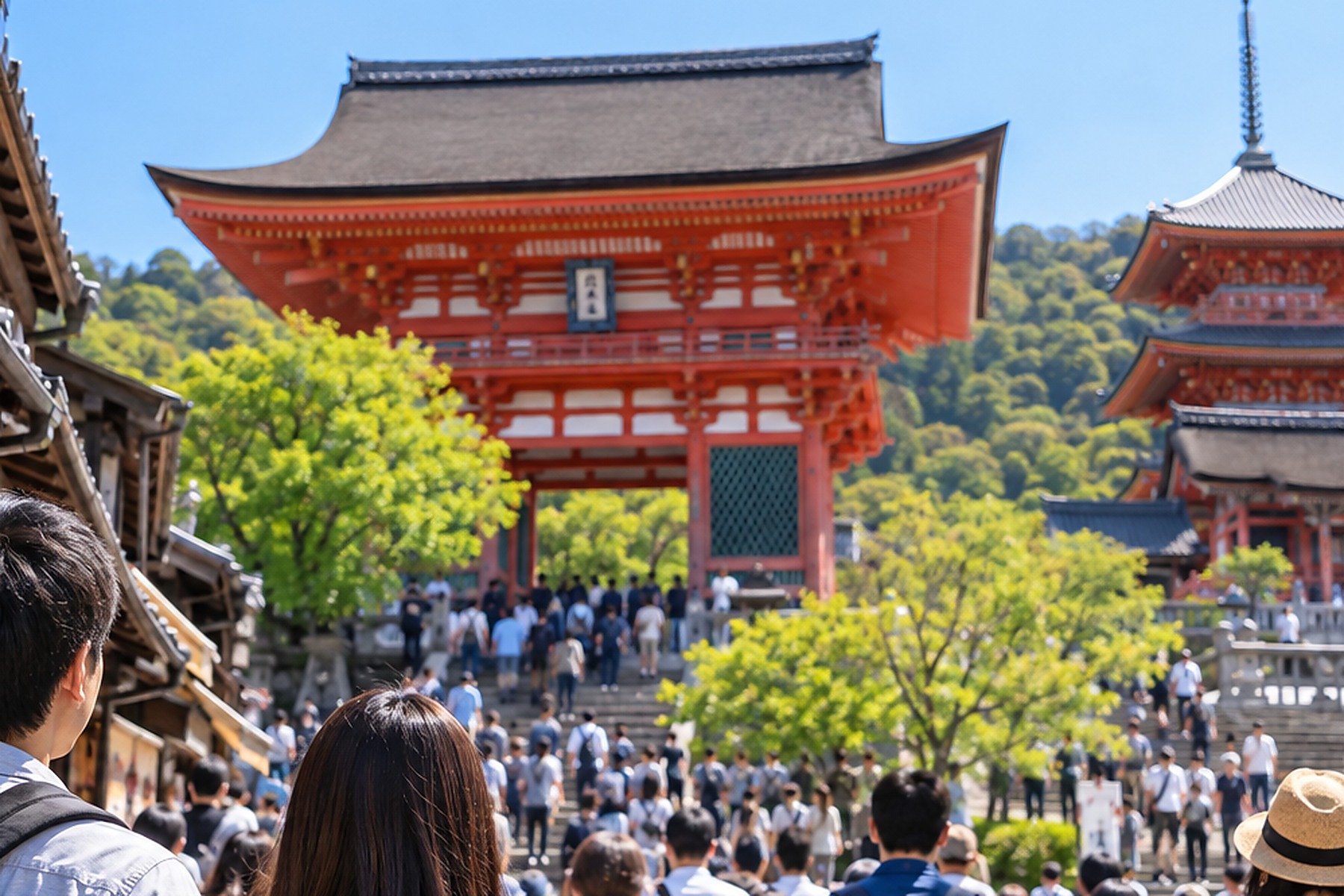
You can travel in Japan during Golden Week, but treat late April to early May as a peak domestic travel period. Reserve long-distance transport and key hotels early, check current operator rules, reduce unnecessary city changes, and keep backup plans for crowded attractions. If your dates are flexible, traveling just before or after the holiday cluster is usually easier.
What You’ll Learn
- Which national holidays create Golden Week and why the busiest travel days shift with the calendar
- What to reserve first when Shinkansen seats, flights and hotels face peak demand
- Why current Nozomi peak-period seating rules matter before you reach the station
- How to reduce crowd exposure without giving up the places you most want to see
- Which opening hours and reservation rules should be rechecked before each important stop
What Golden Week Is
Golden Week is the travel period created by a cluster of Japanese national holidays around late April and early May. The core holidays are Showa Day on April 29, Constitution Memorial Day on May 3, Greenery Day on May 4 and Children’s Day on May 5.
For visitors, the important point is not the name of the holiday cluster but the effect: many people in Japan have time off at roughly the same time, so domestic transport, accommodation and major leisure destinations can become much busier than on an ordinary spring week.
- Showa Day: April 29
- Constitution Memorial Day: May 3
- Greenery Day: May 4
- Children’s Day: May 5
Why the Travel Pressure Changes From Trip to Trip
The fixed holiday dates do not create exactly the same travel pattern every time. Weekends and substitute holidays can extend the usable break, while workers may add paid leave to create a longer trip. That changes the strongest outbound and return peaks.
Do not plan from a generic statement such as ‘Golden Week is May 3 to May 5.’ Check the current national holiday calendar, then check the transport operator and accommodation rules for your actual dates.
- Check the current national holiday calendar before fixing intercity travel.
- Check each transport operator’s designated peak period instead of assuming every day is identical.
- Review hotel cancellation terms before paying a higher peak-period rate.
- Check timed-entry or advance-ticket windows for must-do attractions.
Decide Whether Golden Week Fits Your Trip
Golden Week is not a reason to cancel a Japan trip automatically. Spring weather can be comfortable, seasonal scenery is attractive, and cities remain fully visitable. The trade-off is that popular transport and sightseeing choices require more advance planning and less spontaneity.
If this is your first visit and your dates are flexible, moving the trip just outside the main holiday cluster can make hotel choice, intercity transport and famous sights easier. If flights are already fixed, the better response is to simplify the route rather than trying to outrun the crowds.
- Keep Golden Week if your dates are fixed and you are comfortable reserving the important parts early.
- Shift dates if maximum flexibility, last-minute hotel changes or spontaneous long-distance travel are priorities.
- Reduce the number of bases if your itinerary currently changes city every one or two nights.
Book Long-Distance Transport Before You Need It
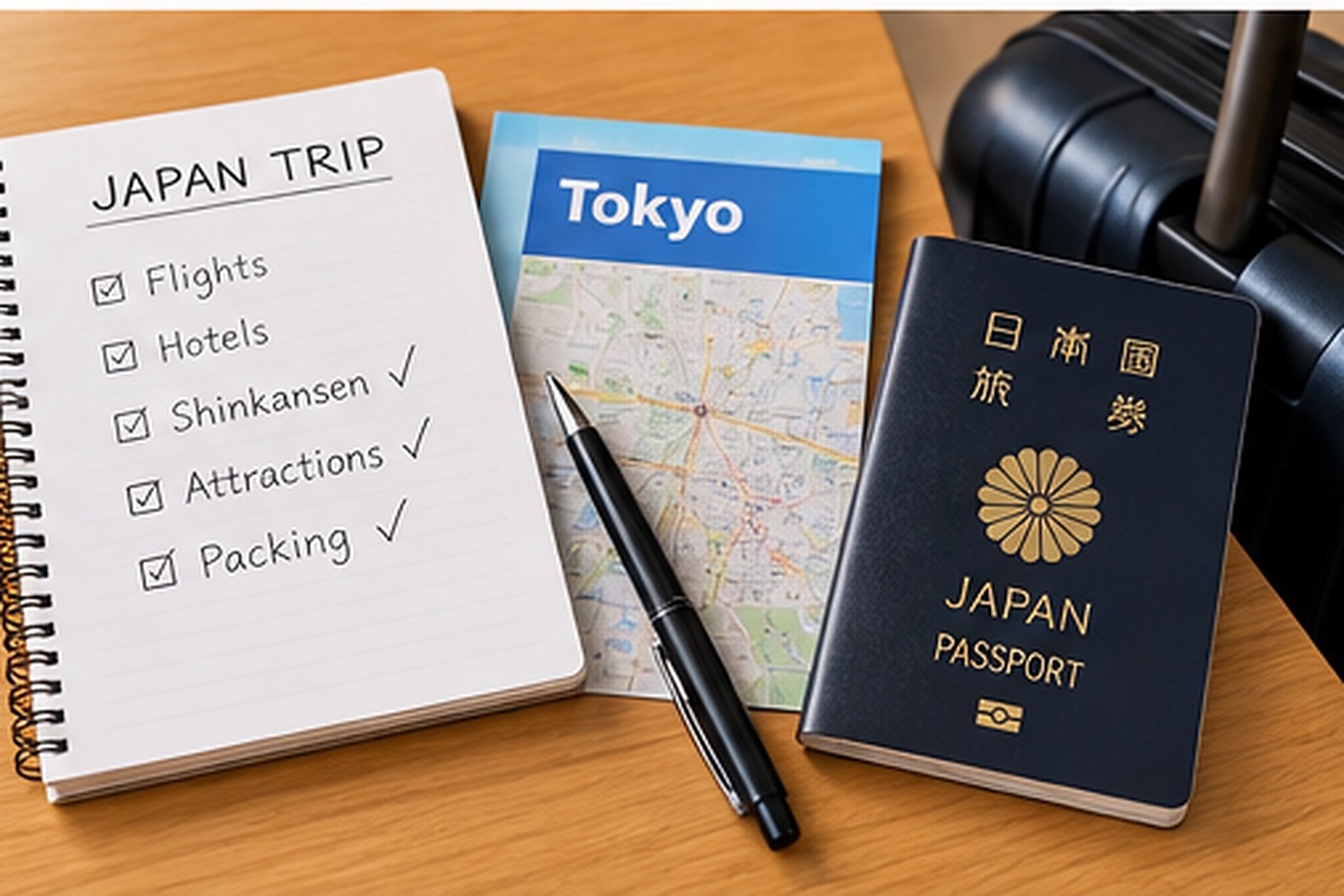
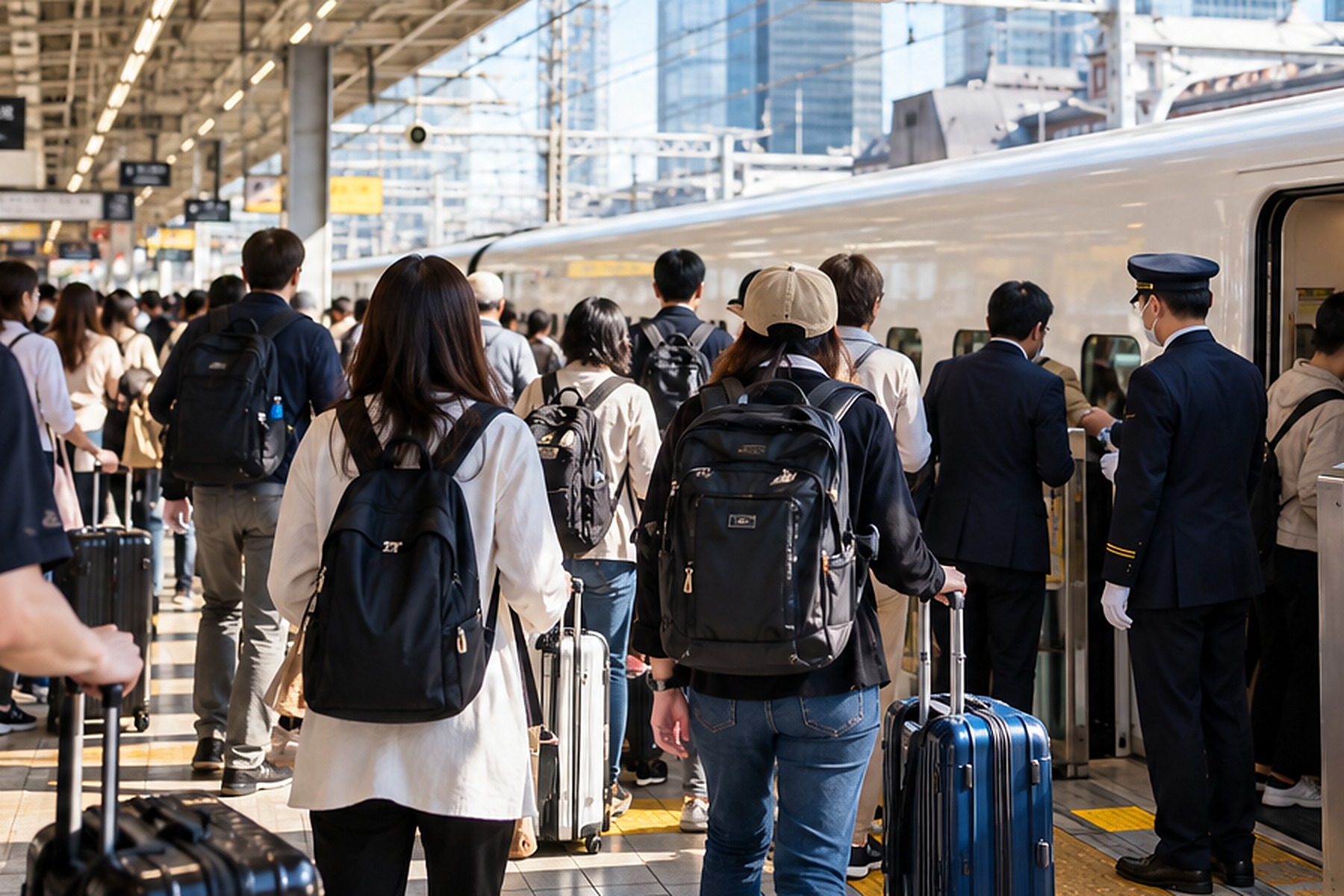
Shinkansen services, domestic flights, express buses and major highways all face heavier demand around Golden Week. Capacity pressure is most painful when a traveler has a fixed hotel reservation in the next city but no practical way to arrive at the preferred time.
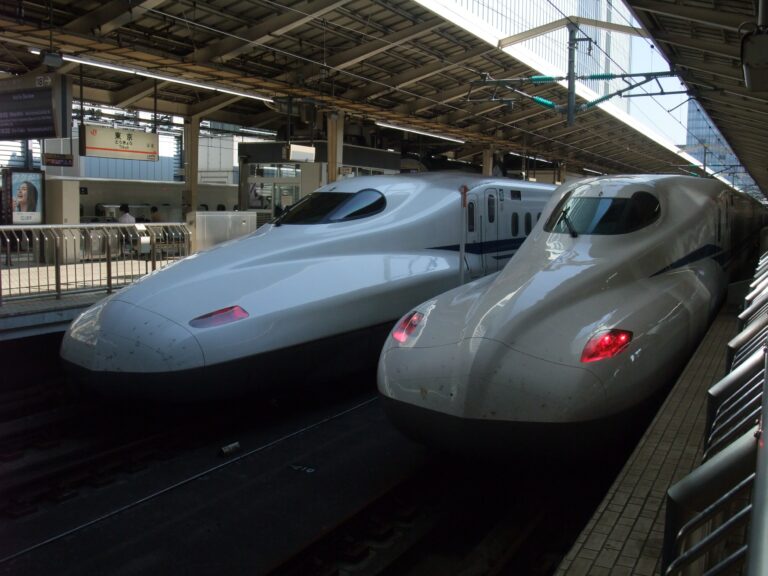
On the Tokaido and Sanyo Shinkansen, Nozomi trains operate with all seats reserved during designated peak periods that include Golden Week. The exact covered dates are published by the operator, so check the current notice before relying on a non-reserved-seat strategy.
Reserve the longest and least flexible intercity legs first. Local trains and urban subways usually leave more room for day-of adjustments than a sold-out intercity segment.
- Book the longest intercity leg before filling the day with sightseeing.
- Avoid building a short airport or hotel connection immediately after a peak-period arrival.
- Travel lighter when possible so crowded platforms and transfers are easier to manage.
- Recheck the operator’s seat and boarding rules shortly before departure.
Secure Accommodation and Protect Your Route
Golden Week can tighten room availability and push prices higher in popular cities, resort areas and family destinations. Waiting for a last-minute bargain is a poor default strategy when the location of the hotel controls the rest of your route.
A well-located base can be worth more than a cheaper room that forces multiple crowded transfers. Staying near the station or neighborhood you will use most also makes early departures and late returns easier.
Fewer hotel changes reduce luggage handling and protect the itinerary from one delayed transfer causing several downstream problems.
- Choose the base city before buying smaller activities.
- Prioritize access to the station or neighborhood you will use most.
- Compare cancellation conditions, not only the nightly price.
- Avoid unnecessary one-night stays during the busiest part of the trip.
Expect Crowds at Famous Attractions
Theme parks, major temples and shrines, shopping streets, seasonal flower spots, aquariums, zoos and other family attractions can draw heavy holiday traffic. A normal-looking sightseeing list can become unrealistic once queueing, meal waits and crowded transport are added.
Protect one or two priorities each day and make everything else optional. Early starts can help at places that open in the morning, while evening visits can work for districts that remain lively after daytime tour groups leave.
- Use timed entry or advance tickets when the attraction offers them.
- Choose a backup sight in the same area instead of crossing the city when the first choice is overwhelmed.
- Eat slightly before or after the busiest meal periods when practical.
- Do not schedule several famous attractions with fixed entry times back to back.
Use Golden Week to Travel Slower
A slower itinerary is often the most effective Golden Week strategy. Instead of moving Tokyo to Kyoto to Osaka in rapid succession, consider keeping one base longer and using short local outings or day trips that do not depend on a chain of reserved long-distance connections.
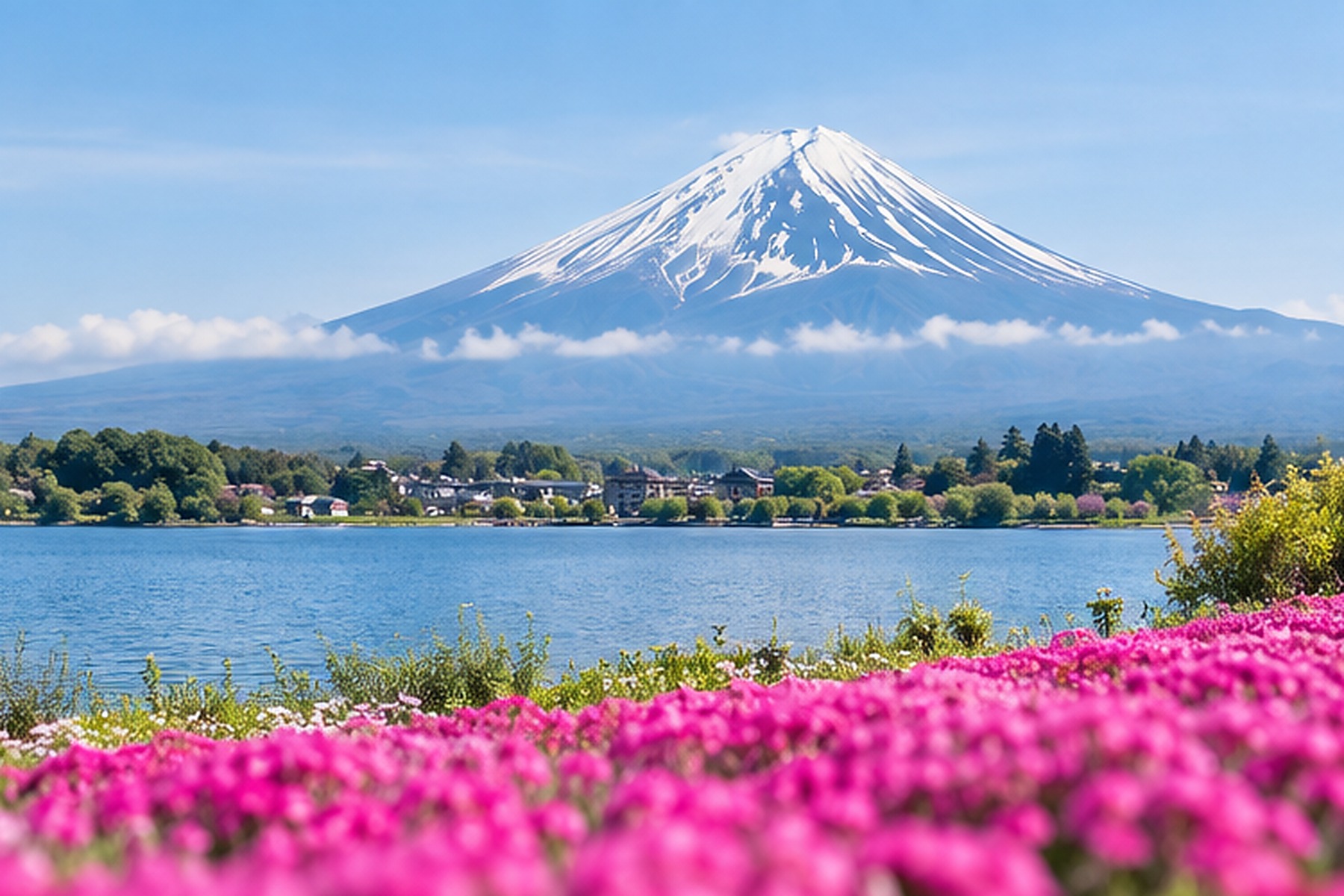
Lower-key neighborhoods, parks, museums and regional attractions can still provide strong travel days without reproducing the pressure at the most famous landmark at the busiest hour. The goal is not to avoid every crowd; it is to avoid making every day depend on a crowd-heavy plan.
- Keep one main priority and one flexible secondary area per day.
- Group sights geographically to cut unnecessary rail transfers.
- Use a local neighborhood, park or museum as the fallback option.
- Leave unscheduled time so delays do not destroy the rest of the day.
Check Business Hours and Reservation Rules
Golden Week is a major holiday season, and individual businesses may close, shorten hours or switch to special reservation rules. Large tourist facilities may stay open and become busier, while smaller independent businesses can make different choices.
Never assume that a restaurant, museum, luggage counter, tour operator or local service is operating on its normal weekday pattern just because the surrounding district is busy. Check the business or operator directly when the stop matters to your day.
- Confirm restaurant opening days before traveling across town for one meal.
- Recheck museum and attraction entry procedures.
- Verify luggage-service counter hours if your route depends on forwarding bags.
- Check tour meeting instructions and cancellation rules after booking.
A Practical Golden Week Booking Order
Build the trip from the least flexible decisions outward. First secure the hotel base and the critical intercity transport. Then reserve must-do attractions or tours. Only after those anchors are stable should you add restaurants, optional day trips and smaller stops.
Before departure, recheck transport notices, opening hours and the reservations that would be expensive or difficult to replace. This turns Golden Week from a guessing game into a set of manageable decisions.
- First: hotel bases and critical long-distance transport.
- Second: capacity-limited attractions, tours and special experiences.
- Third: restaurants and optional day trips.
- Last: flexible neighborhood stops, shopping and backup activities.
- Before travel: recheck operator notices and important opening hours.
FAQ
When is Golden Week in Japan?
Golden Week is the late-April to early-May holiday period built around Showa Day on April 29, Constitution Memorial Day on May 3, Greenery Day on May 4 and Children’s Day on May 5. The practical travel period can become longer depending on weekends, substitute holidays and how people arrange leave.
Is Golden Week one public holiday?
No. Golden Week is the common name for a cluster of national holidays close together on the calendar. That clustering is what creates the large domestic travel period.
Should tourists avoid Japan during Golden Week?
Not necessarily. Japan is still enjoyable, but the trip works better when hotels and long-distance transport are reserved early and the daily itinerary has fewer fixed, crowd-heavy stops. Travelers with flexible dates may find the period just before or after Golden Week easier.
Can Shinkansen seats sell out during Golden Week?
High-demand reserved seats can become difficult to obtain on popular routes and times. Nozomi trains on the Tokaido and Sanyo Shinkansen also operate with all seats reserved during designated peak periods, so check the operator’s current dates and book important legs early.
Are shops and restaurants closed during Golden Week?
There is no single rule for every business. Major tourist facilities and chains may remain open and become very busy, while some independent businesses may close, shorten hours or use special reservation rules. Check important stops directly.
How can I make Golden Week less stressful?
Use fewer hotel bases, reserve the critical intercity legs first, keep extra transfer time, protect only one or two must-do sights per day and prepare nearby backup options. A slower route usually handles holiday crowds better than a tightly packed multi-city plan.
Related Japan Travel Guides
Official References
Final Thoughts
Golden Week is manageable when you make the expensive, capacity-limited decisions first and leave flexible sightseeing decisions for later. Lock in the intercity transport and lodging that would be difficult to replace, reduce unnecessary transfers, check current operator rules, then use early starts and lower-key neighborhoods to keep the trip enjoyable.