Medication Rules in Japan: Prescriptions, Restricted Drugs & What Travelers Need
A practical guide to bringing prescription and over-the-counter medicine into Japan, including personal-use limits, Import Confirmation, controlled substances, documents and arrival planning.
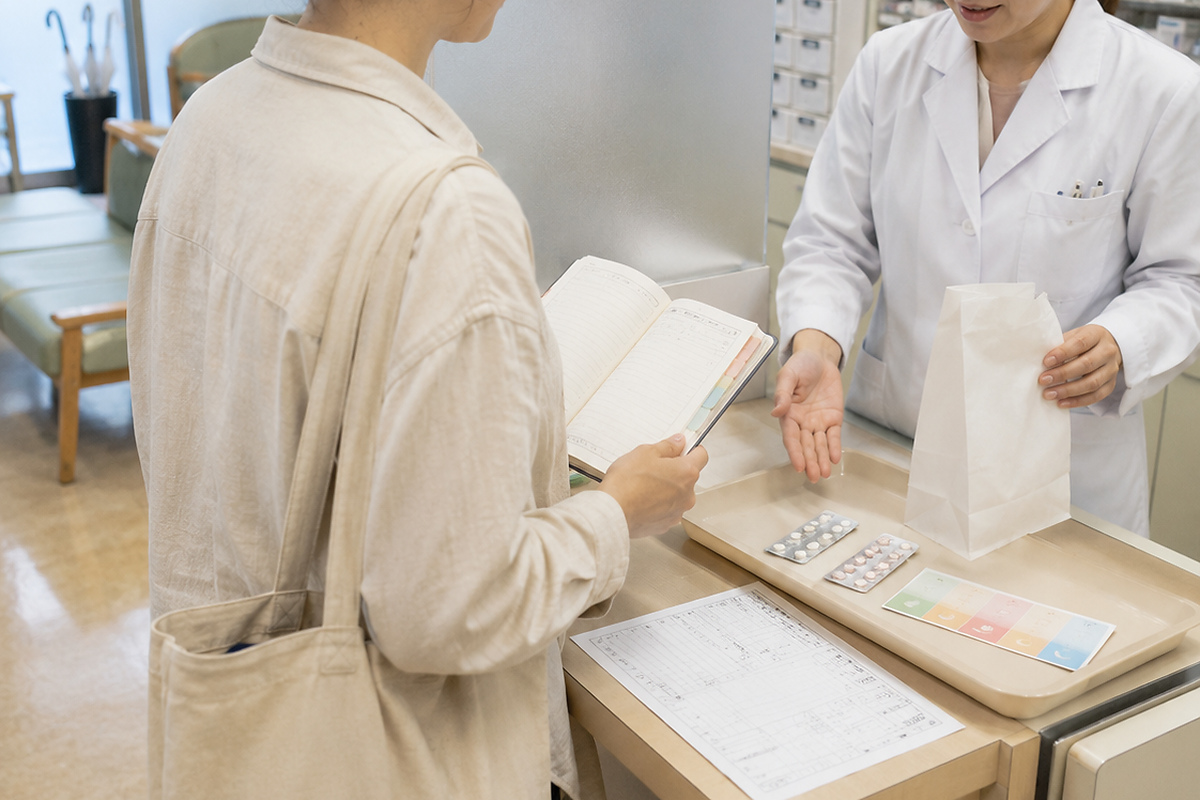
Most ordinary prescription medicines can be brought into Japan for personal use without Import Confirmation when the amount is within the Ministry of Health, Labour and Welfare’s exemption, generally up to a one-month supply for prescription drugs. Other medicines have different quantity limits. Controlled substances follow separate rules: some require advance permission and some cannot be imported even with a foreign prescription. Check the active ingredient and the exact quantity on the current MHLW and Narcotics Control Department guidance before departure.
What You’ll Learn
- How Japan’s personal-use quantity limits differ by medicine type
- When Import Confirmation is required before travel
- How controlled substances and psychotropics are handled separately
- What documents may be needed for advance permission
- How to pack medicines and get help after arrival
Check the Active Ingredient Before the Brand Name
Japan regulates medicines by their active ingredient, quantity, dosage form and legal category. A brand that is common in your home country may contain an ingredient that is controlled differently in Japan.
Before you travel, make a simple list for every medicine: active ingredient, strength, dosage form, daily dose and total quantity. Use those details when checking the official Japanese rules. Brand-name searches alone can miss important restrictions.
- Write down the active or generic ingredient
- Record the strength and dosage form
- Calculate the total amount you will carry
- Check the ingredient against current Japanese guidance
Know the Personal-Use Limits for Ordinary Medicines
The Ministry of Health, Labour and Welfare allows certain personal-use quantities to enter Japan without Import Confirmation. For prescription drugs, the standard exemption is generally up to a one-month supply.
The exemption differs by category. Other drugs and quasi-drugs are generally allowed up to a two-month supply; external-use products have a separate per-item limit; and injectable medicines with their syringes are limited to specific forms. If your quantity or product falls outside an exemption, check the Import Confirmation procedure before leaving home.
- Prescription drugs: generally up to one month without Import Confirmation
- Other drugs and quasi-drugs: generally up to two months
- External-use drugs: separate per-item limits apply
- Injectables and syringes: separate form and quantity conditions apply
Import Confirmation Applies Outside the Normal Exemption
Import Confirmation is the pharmaceutical import procedure used when a medicine or quantity falls outside the ordinary personal-use exemption. When it is required, obtain the confirmation before departure and be ready to present it when entering Japan.
Do not treat Import Confirmation and controlled-substance permission as the same process. Import Confirmation is handled under the ordinary pharmaceutical import rules, while narcotics, stimulant raw materials and other controlled substances can require a separate Narcotics Control Department procedure.
- Check the medicine category and quantity first
- Use the official Import Confirmation guidance when the exemption does not apply
- Complete the procedure before departure
- Keep the confirmation with your travel documents
Controlled Substances Follow a Separate Legal Process
Medicines containing controlled substances are not covered simply by the ordinary one-month prescription rule. The Narcotics Control Department separates controlled medicines into categories such as narcotics, psychotropics, stimulants, stimulant raw materials, cannabis and opium, with different procedures for each category.
Narcotics and stimulant raw materials generally require advance permission before entering or leaving Japan. Some substances are prohibited for individual travelers even when prescribed abroad. The official list is ingredient-based, so confirm the active ingredient rather than relying on a commercial brand name.
- Check the current controlled-substance list
- Confirm the exact legal category of the ingredient
- Do not assume a foreign prescription makes the medicine legal in Japan
- Use the specific procedure for that controlled category
ADHD Medicines and Psychotropics Need Ingredient-Level Checking
ADHD, anxiety, sleep and pain medicines are a common source of confusion because products used for similar conditions can fall into very different Japanese legal categories. For example, the Narcotics Control Department states that amphetamine-containing Adderall cannot be imported by individual travelers, while lisdexamfetamine products such as Vyvanse can be brought only with advance permission.
Psychotropics have their own substance-specific quantity thresholds. Some can be carried without NCD permission when the amount is at or below the official threshold and the medicine is not an injection; larger amounts or injectable forms can require a doctor’s certificate. Check the current table for your exact ingredient.
- Never generalize from the diagnosis alone
- Check the active ingredient against the NCD list
- Check psychotropic quantity thresholds when relevant
- Confirm whether a doctor’s certificate or advance permission is required
If Permission Is Required, Prepare Early and Match the Documents
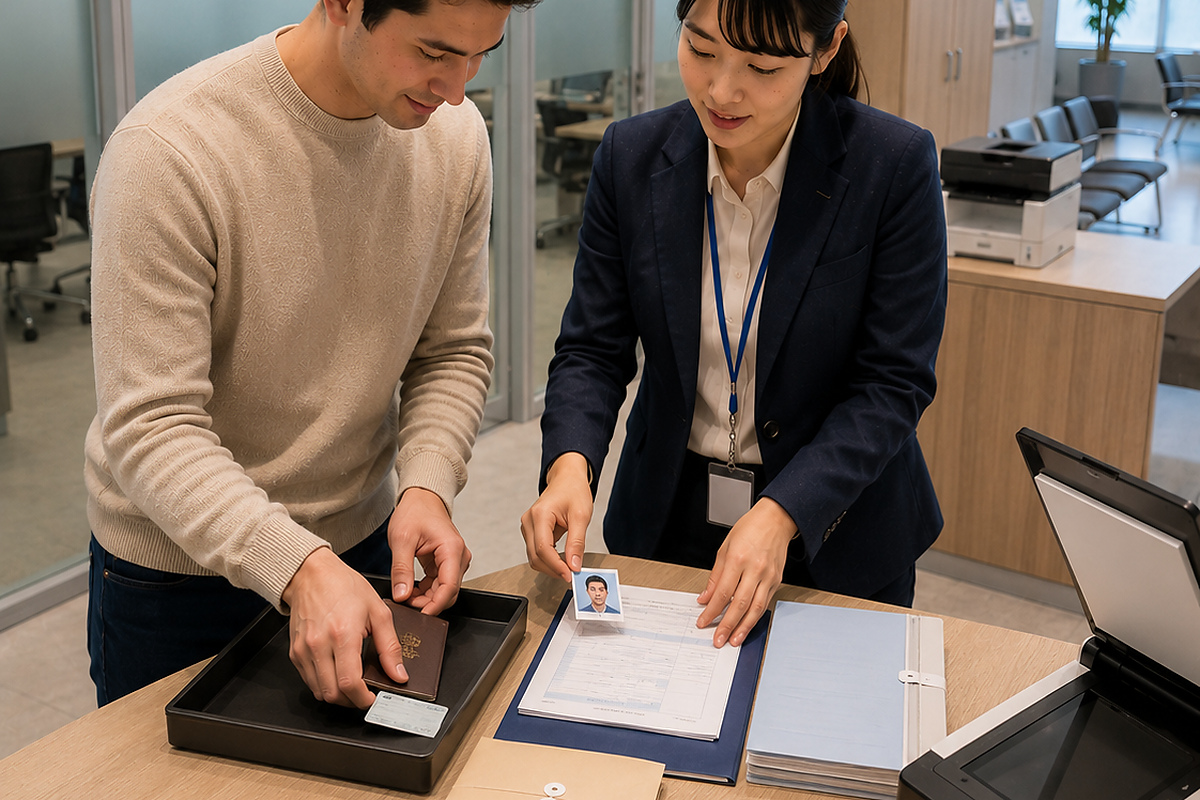
For narcotics or stimulant raw materials that require permission, the Narcotics Control Department currently advises travelers to apply at least 14 days before travel. Last-minute applications may not be accepted, so build extra time into your trip preparation.
The application can require forms, a medical certificate and clear package information. The NCD states that the medical certificate should identify the traveler, the medical reason for taking the medicine, the medicines with doses and strengths, the prescriber’s signature and the issue date. Make sure every document matches the medicine you will actually carry.
- Start the permission process well before departure
- Use the current application form for the controlled category
- Prepare the medical certificate exactly as requested
- Include clear medicine and package information
- Keep the issued certificate accessible for Customs
Injectables and Syringes Have Their Own Conditions
Injectable medicines should not be treated like ordinary tablets. MHLW’s personal-use exemption allows up to a one-month supply of an injectable drug and its syringe only for specified forms such as pre-filled syringes or self-injection kits.
If your medicine, syringe format or quantity does not fit that exemption, check the official procedure before travel. Airline security, liquid, sharps and temperature-control rules are separate from Japanese medicine-import rules, so confirm those with your carrier as well.
- Confirm the exact injectable product and syringe format
- Check whether the one-month exemption applies
- Carry supporting medical documentation
- Check airline rules separately for sharps, liquids and cold storage
Carry Medicines and Required Certificates Together
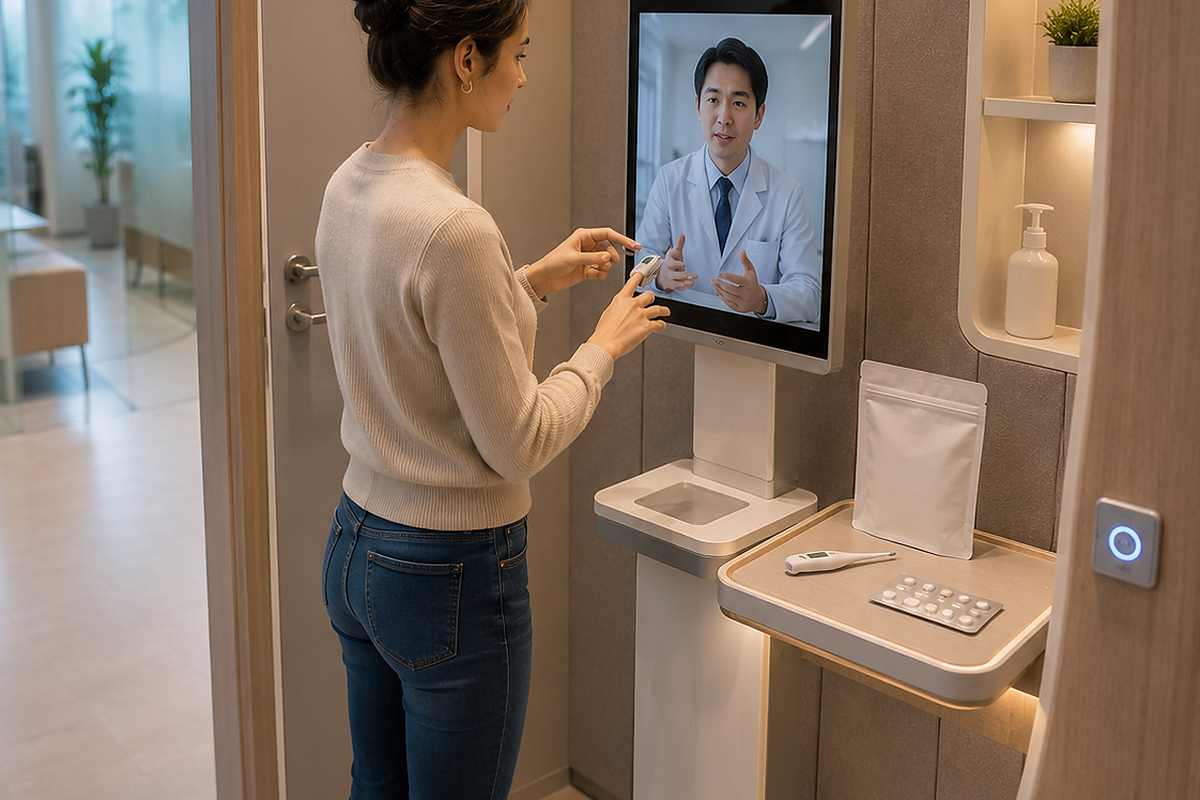
For controlled medicines that require NCD permission, the official guidance says the authorized traveler must carry the medicine personally. It cannot simply be mailed to Japan or entrusted to another person.
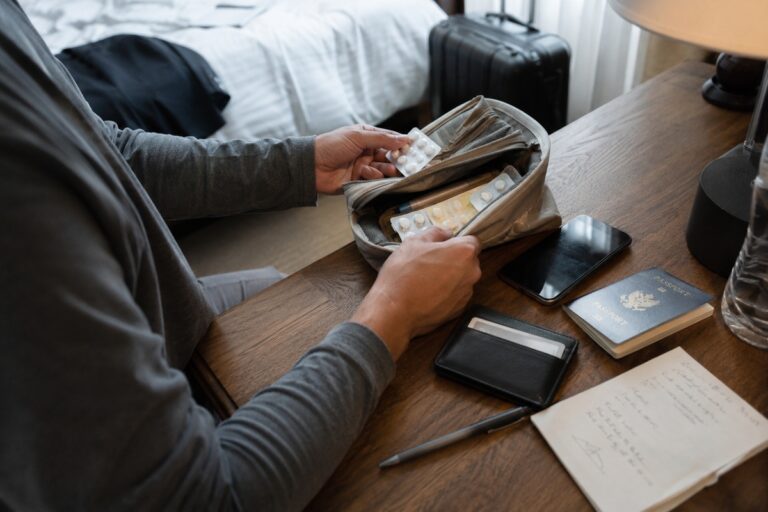
For ordinary trip medicines, keeping essential doses in your hand luggage is also practical in case checked baggage is delayed. Keep original pharmacy or manufacturer packaging when practical, and store any prescription copy, doctor’s letter, Import Confirmation or NCD certificate with the medicine.
- Keep essential medicines in your hand luggage
- Keep original packaging when practical
- Carry supporting documents with the medicine
- Do not mail or delegate controlled medicine that must be personally carried
If You Need Medicine After You Arrive in Japan
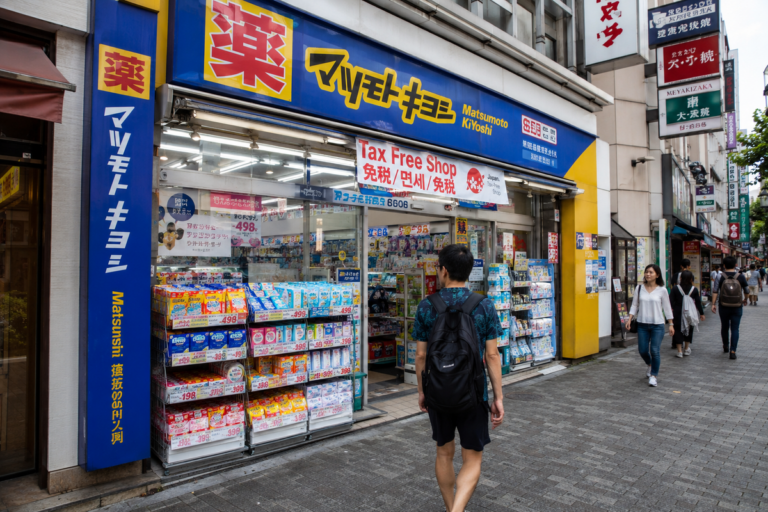
A medicine sold abroad may not be available in Japan under the same brand name, strength or prescription status. A pharmacy may be able to help with an over-the-counter alternative, but prescription medicines generally require evaluation under Japanese medical practice.
Bring the active ingredient, strength and usual dose when asking a pharmacist, clinic or hospital for help. If the medicine is important to ongoing treatment, do not wait until your supply is nearly gone before seeking assistance.
- Bring the generic ingredient name
- Show the strength and usual dose
- Do not assume an overseas brand has an exact Japanese equivalent
- Use a clinic or hospital when a prescription is needed

Use This Pre-Departure Medication Check
The safest approach is to review every medicine individually before departure. First check the ingredient and quantity under MHLW’s ordinary personal-use rules, then check the NCD controlled-substance list when the ingredient could be regulated.
Rules, forms and controlled-substance classifications can change. Recheck the official pages shortly before your trip and contact the responsible Japanese authority when the classification or procedure is unclear.
- List every medicine and active ingredient
- Calculate the exact quantity you will carry
- Check MHLW personal-use limits
- Check NCD controlled-substance rules when relevant
- Complete any required application before departure
- Pack medicines and supporting documents together
- Recheck the official guidance close to travel
FAQ
Can I bring prescription medicine into Japan?
Usually yes for personal use, but quantity and ingredient rules apply. Under MHLW’s ordinary exemption, prescription drugs are generally allowed up to a one-month supply without Import Confirmation. Controlled substances follow separate rules.
Do I need Import Confirmation for a one-month prescription supply?
Ordinary prescription drugs within the standard one-month personal-use exemption generally do not require Import Confirmation. The active ingredient still needs a separate controlled-substance check when relevant.
Can I bring Adderall into Japan?
The Narcotics Control Department states that Adderall cannot be imported by individual travelers because its amphetamine ingredient is controlled as a prohibited stimulant. Check the current official guidance before travel because rules can change.
Can I bring Vyvanse into Japan?
Lisdexamfetamine, the active ingredient in Vyvanse, is treated as a stimulant raw material in Japan. The NCD states that it can be brought for medical use only after obtaining advance permission through the required procedure.
Do I need a doctor’s letter or medical certificate?
Not for every ordinary medicine. However, a doctor’s certificate can be required for specific controlled-substance or psychotropic procedures, and supporting documentation is useful when a medicine may raise questions. Follow the exact requirements for your ingredient and quantity.
Can I mail controlled medicine to Japan instead of carrying it?
Not when the medicine is subject to NCD traveler permission. The NCD states that the authorized traveler must carry the medicine personally and cannot send it separately or entrust it to another person.
Related Japan Travel Guides

Official References
- Ministry of Health, Labour and Welfare — Information for those bringing medicines for personal use into Japan
- Narcotics Control Department — Application Guidance for travelers carrying controlled medicines
- Ministry of Health, Labour and Welfare — Procedures for carrying medicines when traveling overseas
Final Thoughts
For most travelers, the process becomes manageable once ordinary medicines and controlled substances are separated. Check every active ingredient and quantity, complete any required Import Confirmation or controlled-substance permission before departure, and keep the medicine and matching documents together while traveling. When the classification is unclear, use the current Japanese authority guidance rather than relying on a brand name or old forum advice.